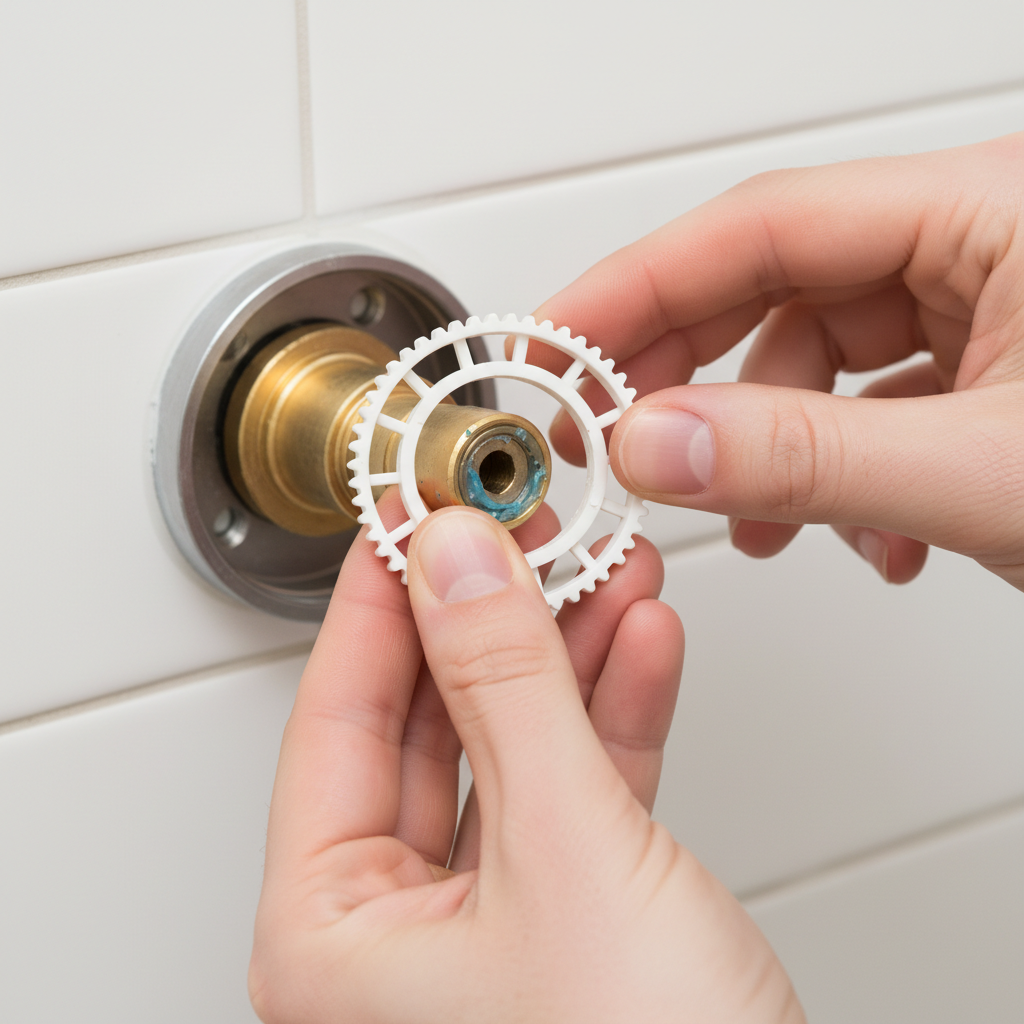
- Tools: Your fingers, possibly needle-nose pliers for small, stiff stops.
- Test: Restore water supply briefly with the handle in place (but no escutcheon) to test the temperature. If it's improved, turn off the water again. If not, proceed to the next step.
- Safety: Don’t remove the limit stop entirely. It’s there to prevent scalding.
Plumbing · Water heater problem
| Project category | Plumbing |
|---|---|
| Problem type | Water heater problem |
| Trade required | Plumbing |
| Urgency | Urgent — within days |
| Safety risk | Moderate safety risk |
| DIY suitability | Pro recommended |
| Cost category | Moderate cost |
| Typical timeline | Diagnosis same day; replacement typically a half-day install |
| Contractor type | Licensed plumber |
Repair option
Element, thermostat, or thermocouple replacement on a tank still in good condition.
Replacement option
Full replacement once the tank leaks or passes roughly a decade of service.
Common causes
- Failed heating element or thermocouple
- Sediment buildup reducing capacity
- Tank corrosion at end of service life
Relevant tools:repair or replaceproject cost estimator
Published June 10, 2026Last updated August 17, 2026
Tools & materials you'll need
Affiliate linksAs an Amazon Associate FixlyGuide earns from qualifying purchases — at no extra cost to you. Prices and availability are accurate as of publication and subject to change.
Quick Answer
If only one shower in your home has no hot water, the most common culprit is a problem with the shower's mixing valve or cartridge. This component blends hot and cold water to achieve your desired temperature. A faulty, clogged, or improperly adjusted mixing valve can restrict hot water flow to that specific fixture, even if other faucets in your home have ample hot water. Often, a simple adjustment or replacement of an inexpensive part can restore hot water without needing a full shower valve replacement or professional intervention for your entire plumbing system.
The Problem
Imagine stepping into your morning shower, expecting a warm, comforting spray, only to be hit with a blast of icy water. Yet, the kitchen sink is running hot, and the bathroom faucet just down the hall is delivering steamy water without a hitch. This scenario—hot water everywhere except in one shower—is a frustratingly common plumbing mystery for homeowners. It suggests the issue isn't with your water heater, which is clearly supplying hot water to other fixtures. Instead, the problem is localized to that single shower, specifically within the components designed to regulate water temperature right at the fixture itself. Ignoring this can lead to perpetually cold showers, wasted water as you wait for nonexistent heat, and unnecessary calls to a plumber for a problem you might be able to solve with a few common tools and a bit of know-how.
How It Works
To understand why a single shower might lose its hot water, it’s essential to grasp how hot and cold water are delivered and mixed at the showerhead. Your home has a hot water supply line and a cold water supply line, both feeding into the shower's mixing valve, often located behind the shower handle escutcheon. Prior to the 1990s, many showers had separate hot and cold handles, allowing you to manually blend water. Modern showers, however, predominantly use a single-handle mixing valve. This valve contains a cartridge – a cylindrical component with ports and O-rings – that controls the proportion of hot and cold water flowing through it.
When you turn the shower handle, you are rotating or pushing the cartridge, which in turn opens and closes internal passages, allowing hot and cold water to combine before exiting through the showerhead. Many single-handle mixing valves also incorporate a temperature limit stop (sometimes called an anti-scald device). This tiny plastic or metal component restricts the handle's rotation, preventing it from reaching the full hot position, thereby limiting the maximum water temperature to prevent accidental scalding. While this is a crucial safety feature, if it's set too conservatively or has slipped out of adjustment, it can inadvertently block or severely limit your hot water supply, making your shower frustratingly lukewarm or outright cold.
The system works on pressure balance. Both hot and cold water lines enter the valve at roughly equal pressure. The cartridge maintains this balance, ensuring that even if someone flushes a toilet (causing a momentary drop in cold water pressure), the shower temperature remains relatively stable. If the hot water inlet to the mixing valve is obstructed, the cartridge is cracked, or a component like the limit stop is misaligned, the delicate balance is disrupted, and cold water will either dominate or be the only flow reaching the showerhead.
Step-by-Step Fix
Safety First: Before beginning any plumbing work, always turn off the main water supply to your house. Also, if you’ve recently worked on your water heater, ensure any isolation valves are open. For single-handle showers, make sure the shower handle is in the 'off' position before disassembly.
1. Identify the Valve Type and Remove the Handle
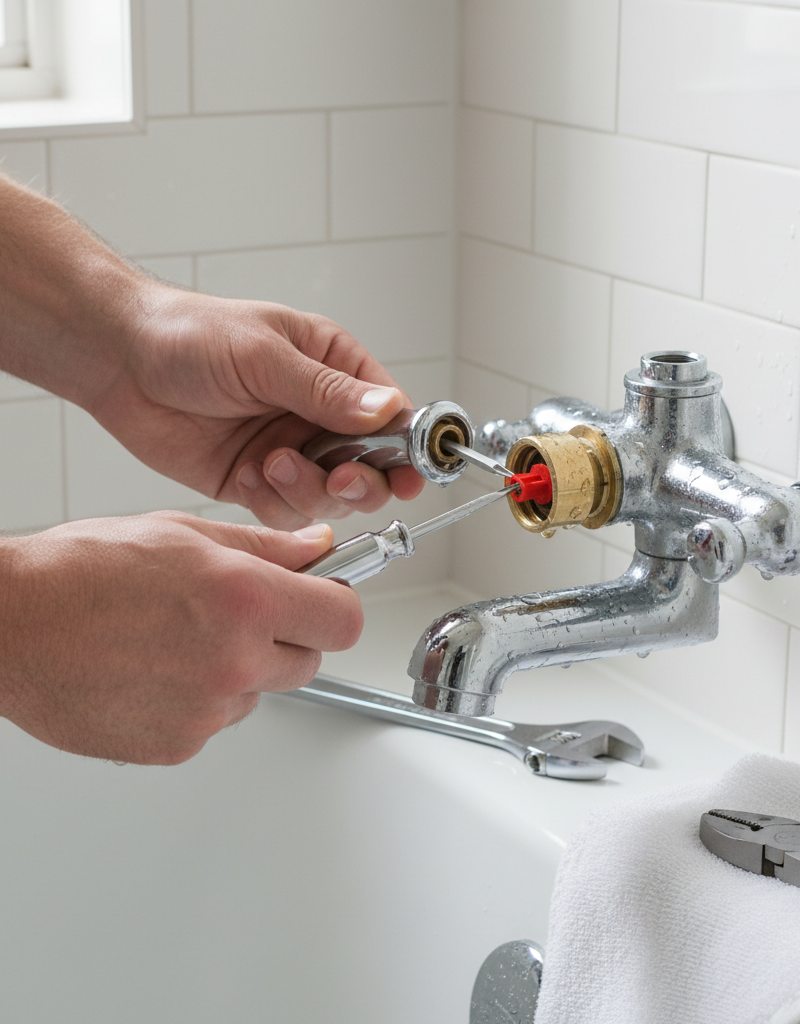
— Assess your shower handle for screws underneath or a cap. Most single-handle shower valves have a faceplate (escutcheon) and a handle. Look for a small screw (often Phillips head or Allen key) usually located on the underside of the handle or behind a decorative cap. Pop off any decorative caps gently with a flathead screwdriver or your fingernail. Unscrew the handle and pull it straight off. If it's stuck, a handle puller can assist, though often wiggling it gently will free it.
- Tools: Screwdriver (Phillips or flathead) or Allen wrench.
- If it doesn't budge: Apply a penetrating lubricant like WD-40, let it sit for 15 minutes, and try again. Be careful not to strip the screw head.
2. Remove the Escutcheon and Trim Plate
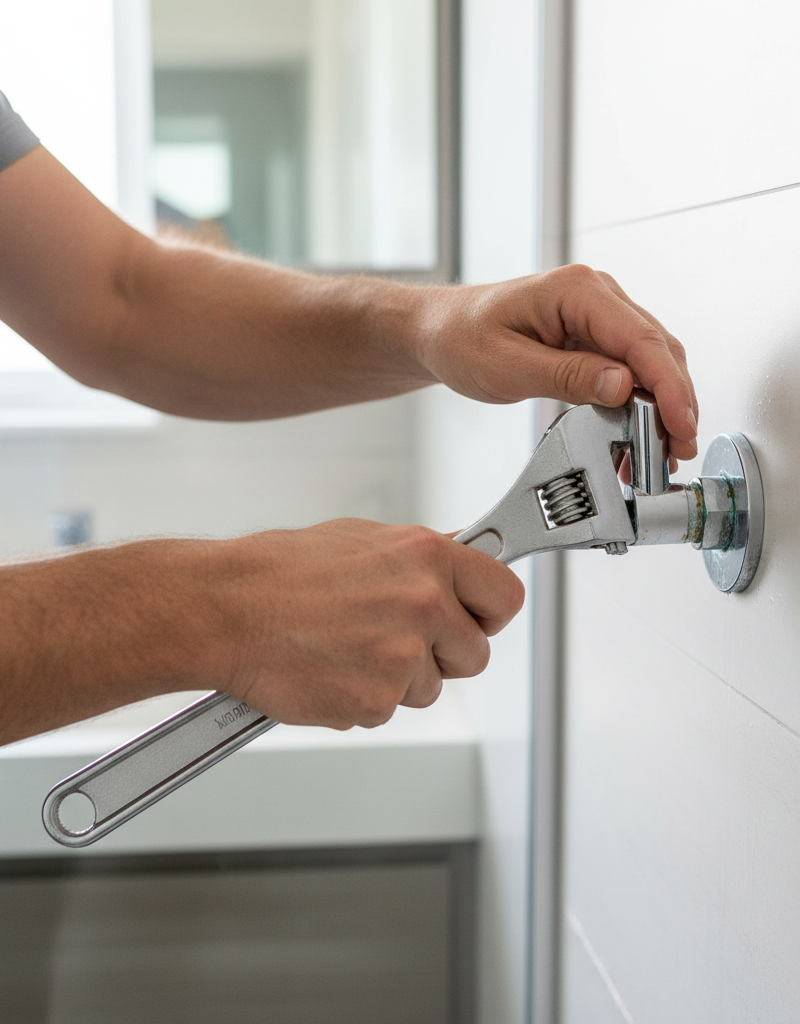
— Gain access to the inner workings of the valve. Once the handle is off, you'll see a larger metal or plastic plate (escutcheon) covering the hole in the wall. This plate is typically held in place by two or four screws. Unscrew these and carefully pull the escutcheon away from the wall. You might need to cut any caulk around its edge with a utility knife first. Be gentle; sometimes the plate is thin and can bend.
- Tools: Screwdriver, utility knife.
- Note: Pay attention to any gaskets or seals behind the escutcheon; these need to be put back correctly to prevent leaks.
3. Locate and Adjust the Temperature Limit Stop
— This is the most common and easiest fix. Behind the escutcheon, you'll see the main valve body with the cartridge. Somewhere on or around the cartridge assembly, there will be a small plastic or metal ring or cap – this is your temperature limit stop or anti-scald device. Different brands (Delta, Moen, Kohler, Price Pfister) have different designs, but the principle is the same. It's designed to prevent the handle from rotating too far into the hot position. Often, it's a notched ring that can be rotated to allow for a greater range of hot water. Consult your shower valve's manual if you have it, or search for a diagram online for your specific brand and model. Gently rotate the stop counter-clockwise (or in the direction indicated for more hot water) by one or two notches.
- Tools: Your fingers, possibly needle-nose pliers for small, stiff stops.
- Test: Restore water supply briefly with the handle in place (but no escutcheon) to test the temperature. If it's improved, turn off the water again. If not, proceed to the next step.
- Safety: Don’t remove the limit stop entirely. It’s there to prevent scalding.
4. Inspect and Clean the Cartridge
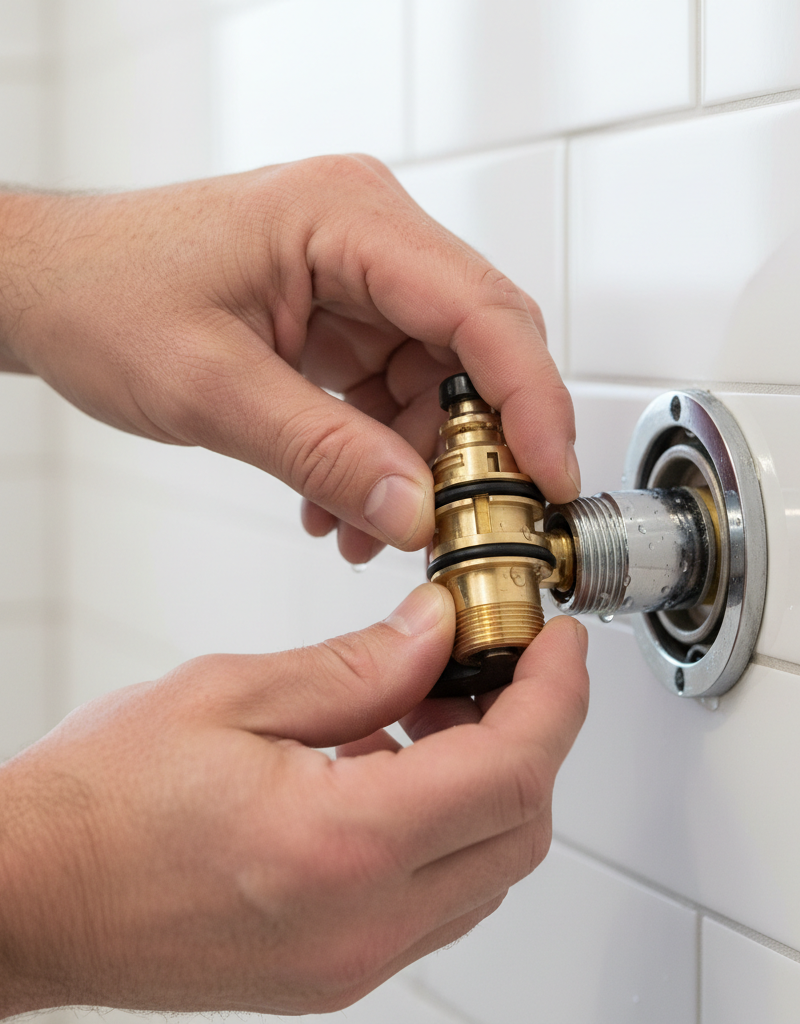
— Debris or mineral buildup can restrict flow. If adjusting the limit stop didn't work, the cartridge itself might be the issue. After removing the limit stop and any retaining clips (often a horseshoe clip at the top), carefully pull the cartridge straight out. Some cartridges require a specialized puller tool, especially older ones, but many newer ones slide out with gentle wiggling. Inspect it for obvious cracks, chips, or excessive mineral buildup (white, crusty deposits) on the O-rings or internal parts. You can try soaking the cartridge in white vinegar for 30 minutes to an hour to dissolve mineral deposits. Use a soft brush (like an old toothbrush) to clean it.
- Tools: Needle-nose pliers, screwdriver, cartridge puller (if needed), white vinegar, soft brush.
- If severe buildup/damage: If the cartridge is visibly damaged, cracked, or severely corroded, it's best to replace it. Bring the old cartridge to a hardware store to ensure you get an exact match.
5. Replace the Cartridge (If Necessary)
— A new cartridge can restore full functionality and flow. If cleaning didn't help or the cartridge was damaged, install a new, identical cartridge. Make sure to align it correctly, noting any 'hot' and 'cold' markings or alignment pins. Push it firmly into place, then re-install any retaining clips. Apply a small amount of plumber's grease to the O-rings of the new cartridge before installation to ensure smooth operation and a good seal.
- Tools: Plumber's grease.
- Tip: Record the brand and model of your shower valve before heading to the store. Taking a picture of the old cartridge can also be helpful for identification.
- Crucial step: Ensure the retaining clip (e.g., horseshoe clip) is fully seated to prevent the cartridge from being ejected when water pressure is restored.
6. Flush the Valve Body and Reassemble
— Clear any remaining debris before putting it all back together. Before reinstalling the escutcheon and handle, briefly turn on the main water supply (with the cartridge properly seated and clips in place). This will flush any loose debris from the supply lines and valve body. Turn the water off again. Then, re-install the escutcheon, ensuring any gaskets are properly aligned, and secure it with its screws. Finally, re-attach the shower handle, test the hot water flow, and make any final adjustments to the temperature limit stop if needed. Caulk around the escutcheon if desired to prevent water intrusion into the wall cavity.
- Tools: Screwdriver, caulk gun (optional).
- Final Check: Ensure there are no leaks around the valve or escutcheon.
Common Causes
- Misadjusted Temperature Limit Stop: This is by far the most frequent reason for a sudden lack of hot water in a single shower. Someone might have accidentally bumped it, or it could have slipped over time, limiting the handle's ability to turn to the full hot position.
- Clogged or Faulty Cartridge: Mineral deposits, rust, or debris can accumulate within the cartridge, blocking the hot water port or impairing its ability to mix water correctly. A cracked or worn-out cartridge can also fail to regulate flow effectively.
- Sediment Buildup in Hot Water Line: Less common for a single shower, but sediment from the water heater or pipes can sometimes block the hot water inlet directly at the mixing valve. This is more likely if you have very old pipes or a very old water heater that hasn't been flushed recently.
- Pressure Imbalance: While the mixing valve is designed to balance pressure, a significant drop in hot water pressure (perhaps due to a partially closed shut-off valve upstream or a significant leak elsewhere on the hot water line) can cause the valve to prioritize cold water.
Common Mistakes
- Immediately Suspecting the Water Heater: Many homeowners jump to conclusions, thinking the water heater is the problem, leading to unnecessary diagnostics or even replacement when the issue is localized to a single fixture.
- Forgetting to Turn Off the Main Water Supply: Starting work without shutting off the water can lead to a messy flood and potential water damage.
- Over-tightening Screws: Stripping screws on the handle or escutcheon can make future repairs much harder or damage the trim components.
- Forcing a Stuck Handle or Cartridge: If a component is stuck, forcing it can break plastic parts inside the valve or damage the finish. Use appropriate tools (like a handle puller) or lubricants.
- Not Replacing O-Rings (if applicable): When replacing a cartridge, ensure any included O-rings are properly seated, or replace old, worn-out O-rings if they are separate components. Skipping this can lead to leaks.
- Buying the Wrong Replacement Cartridge: Shower valve cartridges are highly brand- and model-specific. An incorrect cartridge will not fit or function properly, leading to frustration and wasted time/money.
Cost & Time Breakdown
| Task | DIY Cost | Pro Cost | Time |
|---|---|---|---|
| Inspect/Adjust Limit Stop | $0 | $75–$150 (trip fee) | 15–30 minutes |
| Clean Cartridge | $0–$5 (vinegar) | $150–$250 | 30–60 minutes |
| Replace Cartridge | $30–$70 | $200–$400 | 1–2 hours |
| Full Valve Replacement | $100–$250 | $400–$800+ | 4–8 hours (DIY) |
Tips & Prevention
- Understand Your Valve: Take a moment to identify the brand and model of your shower valve before you ever have a problem. Keep the manual if you have it. This will save significant time if you ever need parts.
- Regular Flushing: If you have hard water, consider flushing your water heater annually to reduce sediment buildup, which can sometimes migrate to shower valves.
- Calcium & Lime Cleaners: For showers in hard water areas, periodic cleaning of the showerhead and internal components (if easily accessible during maintenance) with a calcium and lime remover can prevent buildup that affects flow.
- Gentle Operation: Avoid yanking or forcing your shower handle. Gentle operation can extend the life of the internal cartridge and limit stop components.
- Check Other Fixtures: If you do have hot water issues, always check other hot water fixtures in your home. This helps quickly narrow down whether it's a water heater issue or a localized fixture problem.
When to Call a Professional
While adjusting a temperature limit stop or replacing a cartridge is often a manageable DIY task, there are specific situations where calling a licensed plumber is the safest and most efficient course of action. If, after following these steps, you still have no hot water, or if you encounter significant leaks, continuous dripping that doesn't stop, or damage to the actual valve body (the brass fitting within the wall), it's time to call a pro. Attempting to force a seized cartridge, dealing with old, brittle pipes that might break, or trying to replace the entire valve body without proper experience can lead to costly water damage and bigger plumbing headaches. Furthermore, if you suspect the problem might extend beyond a single shower to widespread hot water issues, or if you don't feel confident working with plumbing, a professional can diagnose and repair the issue correctly and safely, ensuring your home's water system remains intact and leak-free. They also have specialized tools and readily available replacement parts that might not be accessible to the average homeowner, speeding up the repair process significantly.
Related Articles
Keep troubleshooting with these hand-picked guides from FixlyGuide:
- The #1 Reason Your Shower Goes Cold (It's Not Your Water Heater) — The true culprit behind a suddenly cold shower often isn't a failing water heater, but a simple, fixable issue with your shower valve.
- The 4 Hidden Reasons Your Shower Runs Cold – And How to Fix It FAST — Learn the surprising causes behind a cold shower and discover simple, effective DIY fixes to restore hot water quickly.
- The #1 Mistake Homeowners Make When Diagnosing Low Water Pressure (It's Not Your Pipes!) — Low water pressure throughout your house often points to a single, easily overlooked culprit: your main water shut-off valve.
- The #1 Hidden Culprit Behind Your Whole-House Low Water Pressure (It's Not Your City!) — Discover the most common, often overlooked cause of low water pressure throughout your entire home and how to fix it yourself.
- The #1 Mistake Homeowners Make When Diagnosing Low Water Pressure (It's Not Your Pipes!) — Discover the most common, often overlooked culprit behind low water pressure impacting your entire home and how to easily fix it.
- The $5 Secret to Silencing a Running Toilet (Plumbers Hope You Don't Know) — A running toilet is usually caused by a simple issue with the flapper or its chain, leading to constant water waste and higher utility bill…
What should this project cost?
Enter your project details for a realistic cost range before you call anyone.
Cost depends heavily on which system turns out to be the source.
- Regional adjustment
- National average
- Labor share (typical)
- ~$1,620
- Quotes to collect
- 3 written estimates
Educational estimate based on national averages — not a binding quote. Always confirm with written local estimates.
Recommended for DIYers & woodworkers
Sponsored
The Top 20 Tools for Workshops of Any Budget
No stationary machines or power tools required — plus 3 fundamental tools that can't be bought at any price.
Get the free guide
Ted's Woodworking — The #1 Woodworking Resource
Detailed instructions, dimensioned drawings, materials & cutting lists, and 3D schematics for every skill level.
See the plansSponsored: links above are affiliate links. FixlyGuide may earn a commission on qualifying purchases — at no extra cost to you.
Frequently asked questions
Why does only one shower have no hot water?+
The most common reason for only one shower lacking hot water is an issue with that specific shower's mixing valve or cartridge. This component blends hot and cold water. A misadjusted temperature limit stop, a clogged cartridge, or a faulty cartridge can restrict hot water flow to that single fixture, even if other hot water taps in your home are working fine.
What is a temperature limit stop inside a shower valve?+
A temperature limit stop (or anti-scald device) is a safety feature inside most single-handle shower mixing valves. It's usually a small plastic or metal ring that restricts how far the handle can turn towards the hot side, preventing accidental scalding. If it's set too low or has slipped, it can limit your shower's hot water supply.
Can I replace a shower cartridge myself?+
Yes, replacing a shower cartridge is a common DIY fix for lack of hot water or consistent drips. With basic tools, turning off the water supply, and matching the correct replacement cartridge to your valve brand and model, most homeowners can perform this repair. Always ensure the main water supply is off before starting.
How long does it take to fix no hot water in one shower?+
Adjusting a temperature limit stop can take as little as 15-30 minutes. If you need to clean or replace the shower cartridge, the process typically takes 1 to 2 hours for a DIYer, assuming you have the correct replacement cartridge on hand. Sourcing the right part might add research and travel time.
When should I call a plumber for a single cold shower?+
If you've tried adjusting the temperature limit stop and replacing the cartridge without success, or if you encounter leaks from inside the wall, significant damage to the valve body, or don't feel comfortable with the repair, it's best to call a licensed plumber. They can diagnose more complex issues, such as problems with supply lines or the main valve body itself.
Discussion
Loading comments…