- The $30 Secret to Banishing Ice Dams Without Damaging Your Roof — Discover how a simple, inexpensive trick can safely eliminate dangerous ice dams from your roof and prevent costly damage to your home.
- The $30 Trick to Melting Ice Dams (Before They Destroy Your Roof) — Discover how to safely remove ice dams from your roof instantly with common household items, preventing costly damage. Stay safe while tack…
- The 1 Mistake Homeowners Make with Ice Dams (and How to Fix It SAFELY) — Most homeowners approach ice dam removal incorrectly, creating more damage or safety risks. Learn the right, safe methods to protect your r…
- The 7 Sneaky Home Problems Spring Reveals (Before They Cost You Thousands) — Spring weather can expose hidden issues around your home that could lead to costly repairs if not addressed proactively.
- The 7 Fall Chores Most Homeowners SKIP (And Why They'll Cost You Thousands) — Don't let autumn's beauty distract you from these critical home maintenance tasks that can prevent costly damage and ensure a cozy winter.
General remodeling · Renovation planning
| Project category | General remodeling |
|---|---|
| Problem type | Renovation planning |
| Trade required | General contracting |
| Urgency | Planned project |
| Safety risk | Low safety risk |
| DIY suitability | Pro recommended |
| Cost category | Major investment |
| Typical timeline | Design and permitting often 2–4 months before work starts |
| Contractor type | General contractor |
Repair option
Phase the work and fix the building envelope first.
Replacement option
Full renovation with permits, design, and a general contractor.
Common causes
- Space no longer fits how the household lives
- Resale preparation
- Deferred maintenance stacking up
Relevant tools:project cost estimatorcompare quoteshome improvement material prices
Published April 22, 2026Last updated August 17, 2026
Tools & materials you'll need
Affiliate linksAs an Amazon Associate FixlyGuide earns from qualifying purchases — at no extra cost to you. Prices and availability are accurate as of publication and subject to change.
How it works
An ice dam is a failure of your home's thermal management system. It begins when heat from your living areas escapes into the unconditioned attic space, warming the underside of the roof deck to a temperature above 32°F. This warmth conducts through the sheathing and melts the layer of snow resting on the roof, starting from the bottom up.
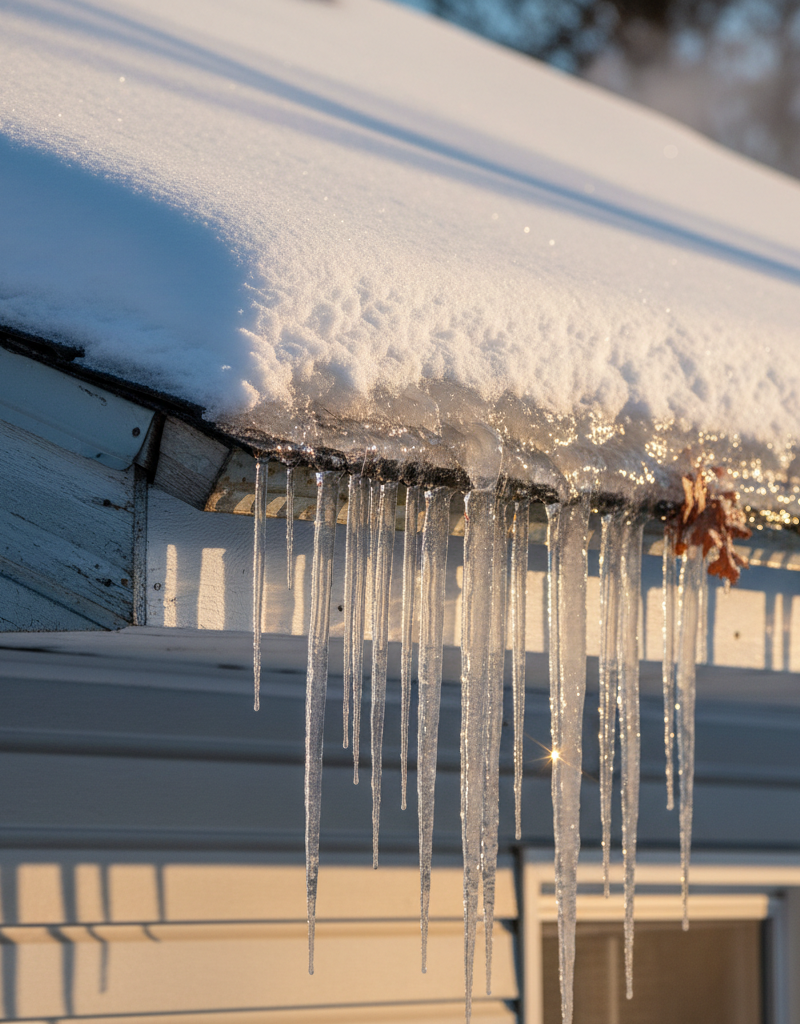
Gravity pulls this meltwater down the slope of the roof underneath the snowpack. When the water reaches the eaves—the roof's overhang—it flows over a section of the roof that is not heated by the attic below. This portion of the roof is at the cold, ambient outdoor temperature. The meltwater refreezes upon contact, creating a small ridge of ice. As the cycle of melting and refreezing continues, this ridge grows into a thick, solid barrier known as an ice dam.
Once the dam is formed, it prevents further meltwater from draining off the roof. A pool of water forms behind it. Standard roofing materials like asphalt shingles are designed to shed flowing water, not to be waterproof against standing water. The hydrostatic pressure from this pool forces water to travel uphill, underneath the shingles, and through the thousands of nail penetrations in the roof deck. From there, it soaks attic insulation, rots the roof sheathing and framing, and eventually leaks into exterior walls and ceilings, causing extensive and costly damage.
Step-by-Step Fix
This process details the emergency removal of an existing ice dam to mitigate immediate water damage. It is a temporary solution. Long-term prevention requires addressing the root causes of attic heat loss.
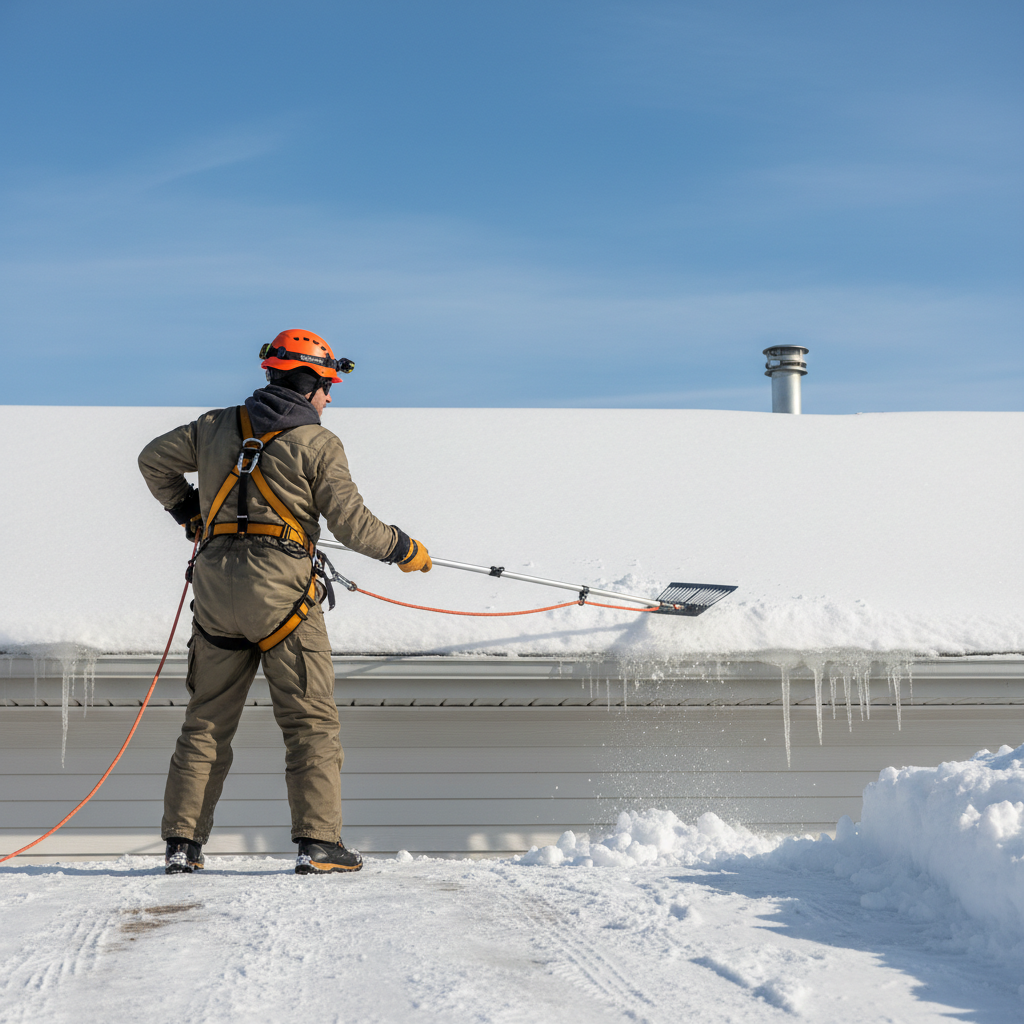
- Safety Warning: Never walk on a sloped roof in icy conditions. All work should be performed from the ground or a securely placed ladder that extends at least 3 feet above the roofline. Work with a spotter. Be aware of overhead power lines when using a long-handled roof rake.
-
Assess the Situation and Safety — Before starting, determine if you can safely reach the work area. If the dam is on a second story, the roof pitch is steep (greater than 6/12), or you are not comfortable working on a ladder, stop and call a professional. Confirm there are no electrical hazards nearby.
-
Gather Tools and Materials — You will need a roof rake (an aluminum or poly-bladed model is less likely to damage shingles), a sturdy extension ladder, work gloves, and safety glasses. For melting channels, you will need calcium chloride pellets or flakes—not sodium chloride (rock salt) or potassium chloride—and several old pairs of tube socks or knee-high nylon stockings.
- Pro Tip: Calcium chloride is effective down to -25°F and is less corrosive to fasteners and gutters than sodium chloride.
-
Remove Snow from the Roof Eaves — Standing securely on the ground, use the roof rake to pull snow off the roof. Start at the edge and pull snow straight down, working your way up the roof 4 to 6 feet. Clearing this snow removes the source material that melts to feed the dam. Do not use an upward or scraping motion, as this can lift and damage shingle edges.
-
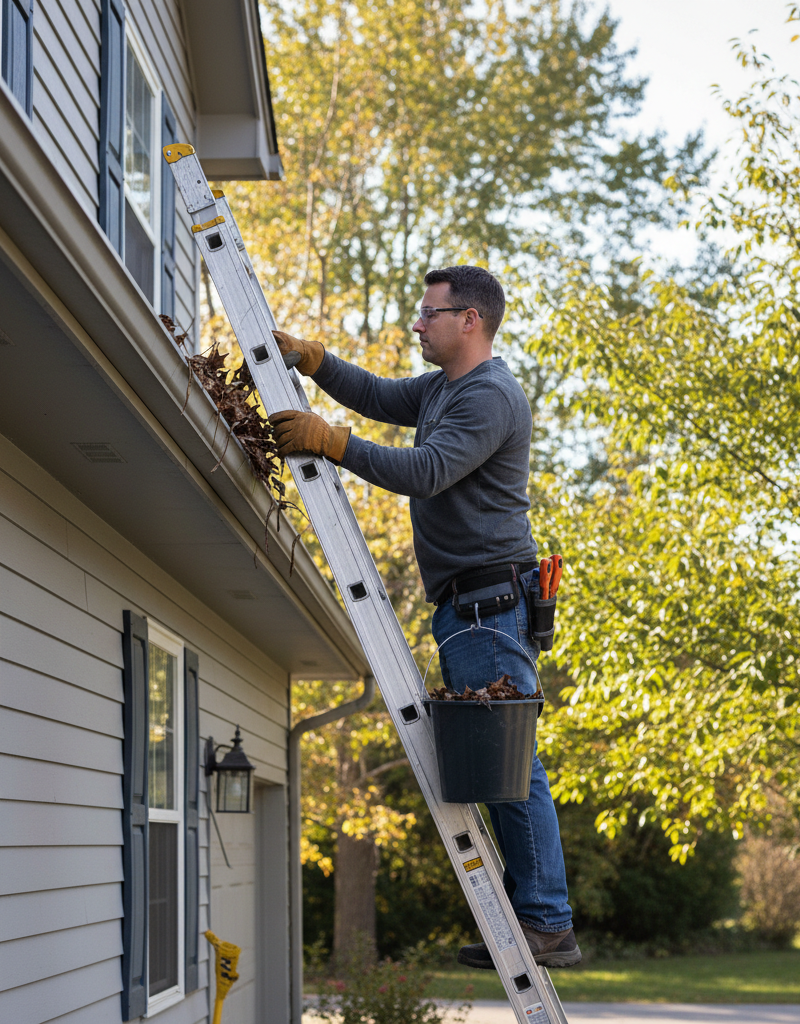
Set Up Your Ladder Securely — Position your extension ladder on firm, level ground. The base should be placed one foot away from the wall for every four feet of height to the point of contact (the 4-to-1 rule). Ensure the ladder locks are fully engaged and it extends three feet above the gutter line for stable hand-holding.
-
Prepare the Ice Melt Socks — Fill each sock or stocking with 2 to 3 pounds of calcium chloride pellets. Do not overfill. Tie a secure knot at the open end, leaving some slack in the sock. Creating several of these "ice melt socks" will allow you to treat multiple areas along the dam.
-
Place the Socks Across the Dam — From your ladder, carefully lay one ice melt sock vertically across the ice dam so it is perpendicular to the gutter. The sock should be positioned to intercept the path of trapped water. Place additional socks every 4 to 8 feet along the length of the dam, focusing on areas directly above known interior leaks or where water appears to be pooling most deeply.
- If you cannot reach: Use the head of the roof rake from the ground to gently push the sock up the roof and into position.
-
Allow Time for Channels to Melt — The calcium chloride will draw ambient moisture and begin to generate heat, creating a brine that slowly melts a vertical channel through the ice. This process is not instant; it can take anywhere from 4 to 12 hours depending on the ice thickness and outdoor temperature. This channel will allow the water trapped behind the dam to drain away.
-
Monitor the Draining Process — Check on the progress every few hours. As the channels open, you will see water begin to flow off the roof and through the gutters. You may need to gently reposition a sock if it is not effectively melting a channel. Do not attempt to chip or break away the ice; allow the chemical action to do the work.
-
Clear Debris from Gutters and Downspouts — Once the water has drained, the immediate threat is over. Check that your gutters and downspout openings are not blocked with chunks of ice or slush, which could cause refreezing and further blockages. Carefully remove any obstructions by hand.
-
Inspect for and Address Interior Damage — Thoroughly inspect your attic and interior ceilings for any signs of moisture. If drywall is damp, place a bucket to catch drips and run a dehumidifier and fans in the area to accelerate drying and prevent mold growth. If insulation is saturated, it will need to be removed and replaced once the area is completely dry.
Common mistakes
-
Using a Hammer, Axe, or Shovel to Break Ice — Striking solid ice on your roof with blunt force tools is a primary cause of severe shingle damage. This action can easily crack, shatter, or puncture asphalt shingles and the underlying waterproof membrane, leading to leaks that are far worse than the ice dam itself. It can also dent or tear aluminum gutters and flashing.
- Instead: Rely exclusively on gradual melting. Use calcium chloride to create drainage channels and remove the snow that feeds the dam. This is a slow but non-destructive method.
-
Applying Rock Salt (Sodium Chloride) to the Roof — While inexpensive, rock salt is highly corrosive to the metal components of your roofing system, including aluminum gutters, steel flashing, and the nails holding your shingles. The salty runoff is also toxic to grass, shrubs, and plants below and can spall and degrade concrete driveways and walkways.
- Instead: Use calcium chloride or magnesium chloride. These products are significantly less corrosive, are effective at much lower temperatures, and are less harmful to vegetation and concrete when used as directed.
-
Pouring Hot Water or Using a Pressure Washer — Applying hot water to an ice dam is ineffective and dangerous. The large volume of water can quickly refreeze, potentially increasing the size of the dam and creating a sheet of ice on your walkways below. A pressure washer can strip the protective granules off your shingles and force water uphill under the shingle tabs.
- Instead: Let the sun and targeted chemical de-icers do the work. The goal is to create small drainage channels, not to melt the entire dam instantly.
-
Ignoring the Source of the Problem — Removing an ice dam is a reactive, temporary fix. If you only remove the ice without addressing the underlying attic heat loss and poor ventilation, another dam will form after the next significant snowfall. This puts you in a cycle of repeated risk and removal efforts.
- Instead: Treat emergency removal as a stopgap measure. Once the weather improves, create a plan to air-seal your attic floor, upgrade your insulation to meet modern R-value standards, and ensure your attic ventilation system is balanced and unobstructed.
-
Working on the Roof Without Proper Safety Gear — Attempting to walk on a snow-covered or icy roof, even one with a low pitch, is extremely hazardous and a leading cause of serious injury or death for homeowners. A simple slip can result in a catastrophic fall.
- Instead: Perform all work from the ground using a roof rake or from a properly secured ladder. If the dam cannot be reached safely using these methods, hire a professional service that uses steam and has full fall-protection equipment.
Cost & time breakdown
Costs are estimates and can vary by region and the complexity of the home. Professional work is often billed hourly with a 2-4 hour minimum.
| Task | DIY cost | Pro cost | Time |
|---|---|---|---|
| Emergency Ice Dam Removal (DIY) | $50 - $150 | N/A | 2 - 8 hours |
| Professional Ice Dam Removal (Steaming) | N/A | $500 - $1,200+ | 2 - 5 hours |
| Attic Air Sealing (Leaks & Penetrations) | $100 - $300 | $600 - $1,800 | 1 - 2 days (DIY) |
| Attic Insulation Upgrade (to R-49) | $900 - $2,500 | $2,500 - $6,000 | 1 - 2 days |
| Correcting Attic Ventilation | $200 - $600 | $800 - $2,500+ | 1 day |
| Water Damage Repair (Interior) | $50 - $500 (minor) | $2,500 - $20,000+ | Days to weeks |
When to call a pro
While the DIY methods described can manage minor ice dams, certain situations demand professional intervention to ensure safety and prevent further damage.
Call a professional ice dam removal service immediately if you see active water leakage inside your home. Water dripping from ceilings or running down walls indicates the dam has already been breached, and quick, complete removal is critical. Professionals use specialized low-pressure, high-temperature steamers that can remove an entire dam in hours without damaging the roof—a speed and effectiveness impossible to achieve with DIY methods.
You should also hire a professional if the dam is inaccessible or the work is unsafe. This includes dams on second or third stories, roofs with a steep pitch (anything over a 6/12 slope), or roofs made of slate or metal that are easily damaged and extremely slippery. Professionals have the required fall arrest systems, specialized ladders, and insurance to perform the work safely.
Finally, if the dam is exceptionally large—more than a foot thick at its deepest point or extending across the entire length of the roof—DIY methods with calcium chloride will be too slow to be effective. A professional steam service is the only practical solution for rapid removal of massive ice formations.
Prevention & maintenance
Preventing ice dams is far more effective and less expensive than repeatedly removing them. Prevention focuses on keeping the entire roof surface uniformly cold during winter.
-
Air Seal the Attic Floor: Before winter arrives, conduct a thorough inspection of your attic floor and seal any air leaks between the warm house below and the cold attic above. Use caulk for small gaps and expanding spray foam for larger penetrations around plumbing stacks, wiring, chimneys, and recessed light fixtures. Pay special attention to the attic access hatch; weatherstrip its edges and attach a rigid foam board to its back for insulation.
-
Upgrade Attic Insulation: Heat rises, and inadequate insulation is a primary cause of a warm roof deck. Check that your attic insulation meets or exceeds the Department of Energy recommendations for your climate zone (typically R-49 to R-60 in cold climates). Ensure the insulation is evenly distributed, without low spots or compressed areas. If your insulation is below recommended levels, add blown-in fiberglass/cellulose or unfaced batts on top of the existing layer.
-
Ensure Balanced Attic Ventilation: A properly ventilated attic allows cold outdoor air to enter at the lowest point (soffits) and flush out any residual warm air at the highest point (ridge). This keeps the roof deck cold. A common ventilation standard is 1 square foot of net free vent area for every 300 square feet of attic floor space, balanced 50/50 between intake and exhaust. Annually inspect soffit vents to ensure they are not blocked by insulation, debris, or paint. Install baffles where necessary to maintain a clear path for air to flow from the soffit into the attic.
-
Reroute Heat-Dumping Exhaust Vents: Inspect all ducting in your attic. Vents from bathrooms, kitchens, and clothes dryers must be insulated and run continuously to an exterior wall or the roof. Never allow vents to terminate inside the attic or soffit space. A single warm, moist exhaust vent dumping air into the attic creates a significant hot spot on the roof above it, initiating the melt/freeze cycle.
-
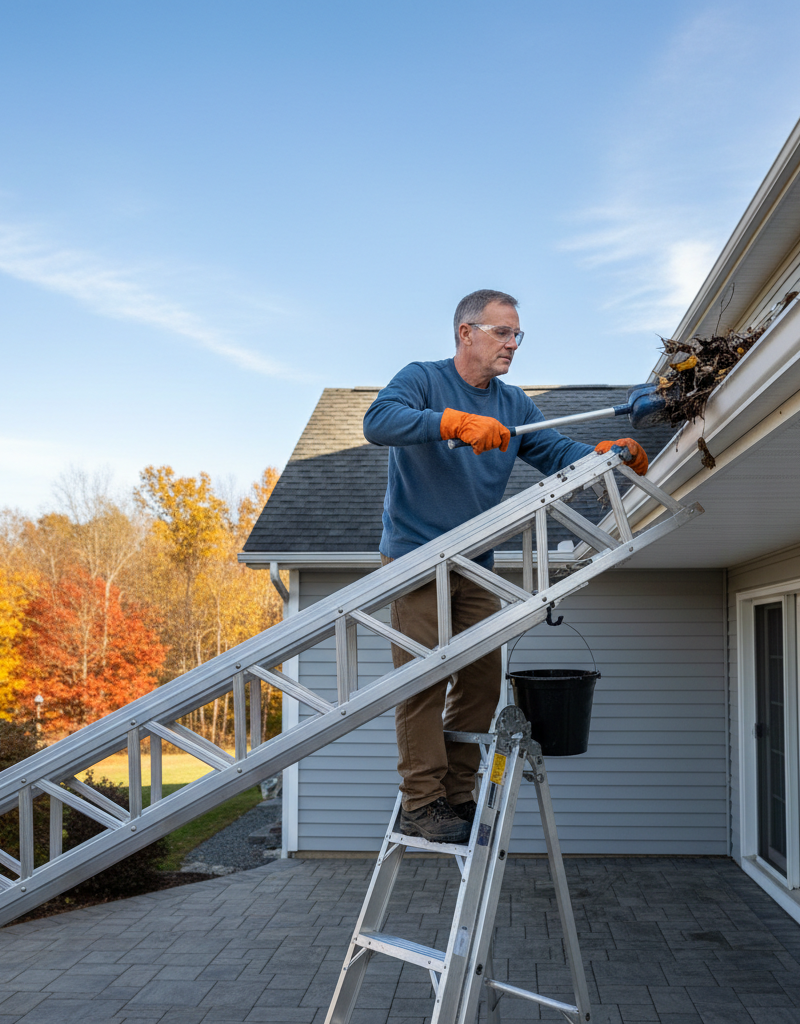
Perform Fall Gutter and Downspout Cleaning: After the majority of leaves have fallen, thoroughly clean your gutters and downspouts. Clogged gutters provide a foundation for ice to build up. When a gutter is full of frozen debris, even a small amount of meltwater has nowhere to go and will immediately back up onto the roof's edge, starting an ice dam.
-
Remove Snow after Heavy Storms: As a final line of defense, use a roof rake to pull snow off the first 3 to 6 feet of your roof edge after any snowfall greater than 6 inches. Performing this task from the ground removes the "fuel" for ice dams before the sun has a chance to begin the melting process.
Related Articles
Keep troubleshooting with these hand-picked guides from FixlyGuide:
- The $30 Secret to Banishing Ice Dams Without Damaging Your Roof — Discover how a simple, inexpensive trick can safely eliminate dangerous ice dams from your roof and prevent costly damage to your home.
- The $30 Trick to Melting Ice Dams (Before They Destroy Your Roof) — Discover how to safely remove ice dams from your roof instantly with common household items, preventing costly damage. Stay safe while tack…
- The #1 Mistake Homeowners Make with Ice Dams (and How to Fix It SAFELY) — Most homeowners approach ice dam removal incorrectly, creating more damage or safety risks. Learn the right, safe methods to protect your r…
- The 7 Sneaky Home Problems Spring Reveals (Before They Cost You Thousands) — Spring weather can expose hidden issues around your home that could lead to costly repairs if not addressed proactively.
- The 7 Fall Chores Most Homeowners SKIP (And Why They'll Cost You Thousands) — Don't let autumn's beauty distract you from these critical home maintenance tasks that can prevent costly damage and ensure a cozy winter.
- Those Gutter Icicles Are a Costly Warning Sign — Discover why the icicles on your gutters are a flashing red light for ice dams, a destructive problem that can lead to costly water damage…
Estimate your own project cost
National averages are a starting point. Enter your details for a range that fits your house.
Roof replacement cost
- Per square (installed)$604 – $866
Add $500–$2,500 if decking is rotten and needs replacement. Storm damage may be covered by insurance.
Educational estimate only — always confirm with written local bids.
Questions to ask before you sign
Ask every contractor the same questions and the cheapest bid stops looking cheapest. Check them off as you go — your progress is saved on this device.
Free, no signup. Bring this to every walkthrough so you compare bids on the same terms.
What should this project cost?
Enter your project details for a realistic cost range before you call anyone.
Spot repairs commonly run $400–$1,800; full replacement typically $9,000–$18,000 for an average home.
- Regional adjustment
- National average
- Labor share (typical)
- ~$2,948
- Quotes to collect
- 3 written estimates
Educational estimate based on national averages — not a binding quote. Always confirm with written local estimates.
Fixly Project Decision Box
- DIY difficulty
- Professional Recommended
- Estimated time
- Inspection 1–2 hours · repairs 1–3 days
- Cost level
- High
Main tools / materials
- Binoculars for a ground-level look
- Flashlight for attic checks
- Moisture meter
- Roofing cement (temporary patch only)
When to stop and call a pro
- Active leak near lights, fans, or any wiring
- Sagging, bulging, or water-filled ceiling
- Steep, wet, or two-story roof — do not climb it
- Storm or hail damage you plan to claim on insurance
Need professional help?
Free roof assessment first — no phone calls until you ask for them.
Get Local Roofing HelpGet help with your roof now
Stay off the roof. These free tools help you protect the house and reach the right professional fast.
- Emergency repair checklistThe first steps that limit damage before a pro arrives.Open
- Repair or replace your roof?Answer 10 questions about age, leaks, and damage to get a clear next step.Open
- Get local estimatesSend one request and compare written estimates from vetted pros.Open
Free, no signup required. Estimates are educational guidance, not a quote or an inspection.
Get the print-ready PDF of this guide
A clean, ad-free, printable version you can keep on your phone or pin to the workshop wall. Free with a FixlyGuide account.
- Print-optimized layout
- Tools, materials & every step included
- Saved to your account
Recommended for DIYers & woodworkers
Sponsored
The Top 20 Tools for Workshops of Any Budget
No stationary machines or power tools required — plus 3 fundamental tools that can't be bought at any price.
Get the free guide
Ted's Woodworking — The #1 Woodworking Resource
Detailed instructions, dimensioned drawings, materials & cutting lists, and 3D schematics for every skill level.
See the plansSponsored: links above are affiliate links. FixlyGuide may earn a commission on qualifying purchases — at no extra cost to you.
Frequently asked questions
What causes ice dams to form on a roof?+
Ice dams form when heat escapes from your home's interior into the attic, warming the roof surface and melting snow. This meltwater then refreezes as it reaches the colder eaves, creating a barrier.
Is it safe to chip away at ice dams?+
No, you should never chip away at ice dams with tools like hammers or chisels. This can severely damage your shingles, gutters, and underlying roof structure, leading to costly leaks.
How can I prevent ice dams from forming?+
The best prevention involves improving attic insulation, ensuring adequate attic ventilation, and sealing air leaks to maintain an evenly cold roof surface. Regularly raking snow off the lower edges of your roof also helps.
Can ice dams cause damage inside my home?+
Yes, ice dams can cause significant interior damage. Water trapped behind the dam can seep under shingles, through your roof deck, and into your attic, ceilings, and walls, leading to water stains, mold, and structural issues.
When should I call a professional for ice dam removal?+
You should call a professional if the ice dams are too large or too high to reach safely, if you're uncomfortable working on a ladder in winter conditions, or if you already see signs of water damage inside your home.
Discussion
Loading comments…