
- Out of Sight, Out of Mind: Critical components like attic insulation, foundation vents, and chimney flashing are not seen daily, making them easy to forget until they fail.
- Analysis Paralysis: The sheer number of potential tasks can be overwhelming. Homeowners don't know where to start, so they don’t start at all.
- Underestimating Risk: Many people believe that "it won't happen to me." They underestimate the likelihood and financial consequence of a major system failure, choosing to risk a future disaster over a small present expense.
- Lack of Knowledge or Skills: Some homeowners feel they don't have the expertise to perform even basic tasks. Fear of doing it wrong prevents them from trying at all.
- Perceived Lack of Time: In a busy world, dedicating a weekend to home maintenance can feel like a luxury. However, this often proves to be a false economy, as an emergency repair will consume far more time and stress.
HVAC · High energy usage
| Project category | HVAC |
|---|---|
| Problem type | High energy usage |
| Trade required | HVAC |
| Urgency | Planned project |
| Safety risk | Low safety risk |
| DIY suitability | DIY for experienced homeowners |
| Cost category | High cost |
| Typical timeline | Assessment within weeks; replacement planned off-season |
| Contractor type | Licensed HVAC technician |
Repair option
Duct sealing, insulation, and a tune-up before touching the equipment.
Replacement option
High-efficiency replacement sized by a load calculation, not a rule of thumb.
Common causes
- Aging, low-efficiency equipment
- Leaking ducts losing conditioned air
- Insufficient attic insulation
- Oversized system short-cycling
Relevant tools:project cost estimatorrepair or replace
Published May 2, 2026Last updated August 17, 2026
Tools & materials you'll need
Affiliate linksAs an Amazon Associate FixlyGuide earns from qualifying purchases — at no extra cost to you. Prices and availability are accurate as of publication and subject to change.
Quick Answer
A seasonal home maintenance schedule is a proactive, year-round plan for inspecting, servicing, and repairing different parts of your property. By systematically addressing potential issues each season—from cleaning gutters in the fall to servicing the AC in the spring—homeowners can prevent small problems from escalating into expensive, catastrophic failures, saving thousands in the long run.
The Problem
Deferred maintenance is a silent financial threat to every homeowner. It starts small: a tiny drip under the sink, a few granules washing off the shingles, a furnace that’s making a new noise. Ignoring these seemingly minor issues doesn’t make them go away; it allows them to grow into catastrophic, budget-destroying emergencies. A clogged gutter, a $150-$300 professional cleaning job, can force water under your roof and into your foundation. The resulting water damage, rot, and potential mold remediation can easily cost between $5,000 and $15,000. That "minor" plumbing leak you ignored? If a pipe bursts or a water heater fails, you could face over $4,000 in water damage restoration costs before even replacing the fixture itself. Similarly, neglecting annual HVAC service might save you $100 today, but it can lead to a premature system failure costing $7,000-$12,000 for a full replacement. The problem isn’t just the cost of repairs; it’s the compounding damage and the stress of an avoidable crisis. A disciplined seasonal home maintenance schedule is the single most effective tool for stopping these problems before they start.
How It Works
The principle behind a seasonal home maintenance schedule is simple: proactive, preventative care is dramatically cheaper than reactive, emergency repair. Think of it as an investment with a guaranteed high rate of return. For every dollar spent on preventative maintenance, homeowners can expect to save around $100 in future repairs. This schedule works by aligning specific tasks with the seasons, addressing the most common points of failure before they become critical. In the spring, you prepare your home for the heat and rain of summer by servicing your air conditioner and checking for exterior damage. In the fall, you prepare for the cold by servicing your furnace and sealing air leaks. This methodical approach provides three key benefits. First, it maximizes energy efficiency. Clean HVAC filters, sealed windows, and a well-insulated attic mean your heating and cooling systems don't have to work as hard, directly lowering your monthly utility bills by 15-20%. Second, it ensures safety. Regularly testing smoke detectors, cleaning dryer vents to prevent fires, and having your chimney swept are non-negotiable safety procedures. Third, it preserves your property’s value. A well-maintained home not only commands a higher price on the market but also holds its value far better over time. By breaking down the overwhelming job of "home maintenance" into a manageable, year-round checklist, the schedule transforms an impossibly large task into a series of achievable weekend projects.
The Seasonal Maintenance Schedule
Follow this 12-step plan, broken down by season, to protect your home and wallet. Each step is designed to preempt the most common and costly issues that arise throughout the year.
-
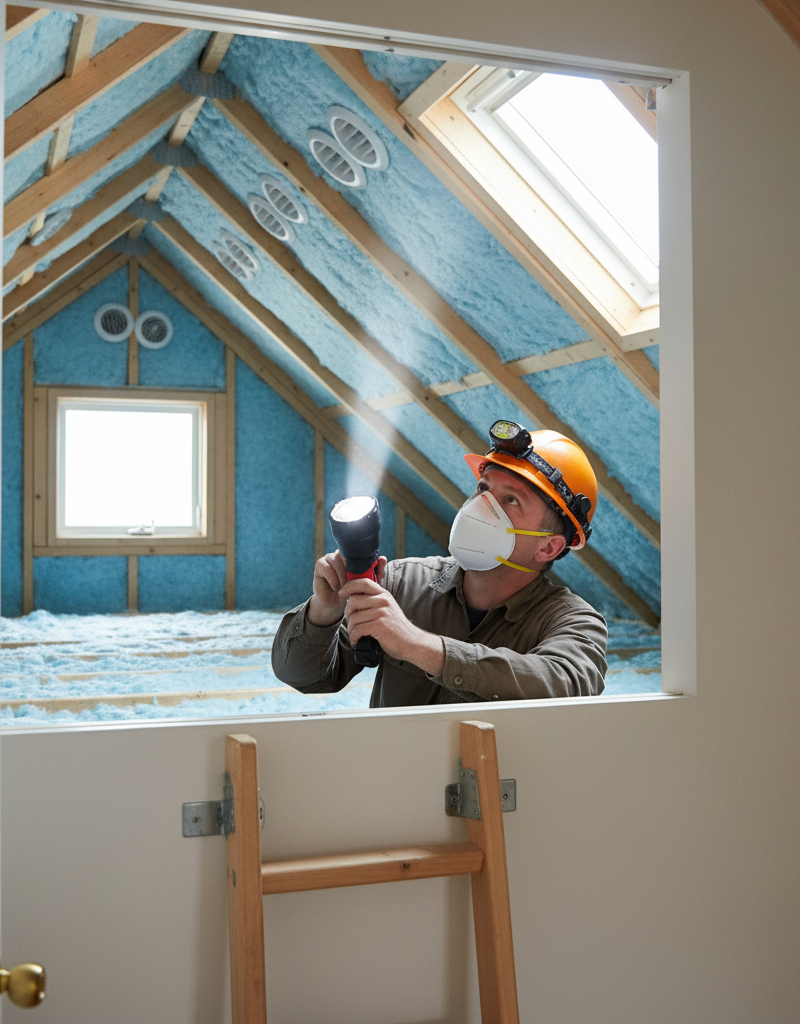
Spring - Inspect Your Roof & Attic — After the harshness of winter, your roof is at its most vulnerable. From the ground, use binoculars to look for missing, curling, or cracked shingles. Check for damaged flashing around chimneys and vents. Inside, head to the attic on a sunny day with the lights off. Look for any beams of light coming through the roof, a sure sign of a hole. Also, check for signs of moisture, insulation damage, or animal intrusion.
-
Spring - Service Your AC System — Before the first heatwave, have your central air conditioning unit professionally serviced. A technician will clean the coils, check refrigerant levels, and ensure the system is running efficiently. For your part, you can clear any leaves or debris from around the outdoor condenser unit (at least a two-foot radius) and change the system’s air filter. This is a crucial part of any seasonal home maintenance schedule.
-
Spring - Check Gutters, Windows & Siding — Clean any remaining debris from your gutters to handle spring rains. Check for leaks and ensure downspouts direct water at least 5-10 feet away from your foundation. Wash your windows and inspect the screens for tears. Examine your home's siding for cracks, warping, or peeling paint that may need to be caulked or touched up before summer.
-
Summer - Deep Clean Dryer Vents & Ducts — Lint buildup in dryer vents is a leading cause of house fires. Disconnect your dryer from the wall vent and use a specialized vent brush kit and a vacuum to clear the entire duct run, from the dryer to the exterior vent cap. A clean vent also helps your dryer work more efficiently, saving energy.
-
Summer - Inspect Decks, Fences, and Concrete — Check all wooden structures for signs of rot, loose boards, or popped nails. This is the perfect time to pressure wash and apply a new coat of sealer or paint. Inspect concrete driveways, patios, and walkways for new cracks. Sealing small cracks now can prevent water from getting in, freezing in the winter, and causing much larger damage.
-
Summer - Manage Pests and Grading — Walk the perimeter of your home and look for any openings where pests could enter, especially around pipes and utility lines. Seal any gaps with caulk or expanding foam. Ensure the soil and landscaping grade slopes away from your foundation to prevent water from pooling against your house during summer thunderstorms.
-
Fall - Clean Gutters & Downspouts (Again) — This is arguably the most critical task of the year. Once the majority of leaves have fallen, perform a thorough cleaning of your entire gutter system. Clogged gutters in the fall will lead to ice dams in the winter, which can destroy your roof, sheathing, and insulation. Confirm downspouts are clear and directing water away from the foundation.
-
Fall - Service Your Furnace or Boiler — Just as you did with your AC in the spring, have your heating system professionally inspected and serviced. A technician will clean the burners, check for carbon monoxide leaks, and ensure the system is safe and efficient for the winter ahead. Don't forget to replace the furnace filter.
-
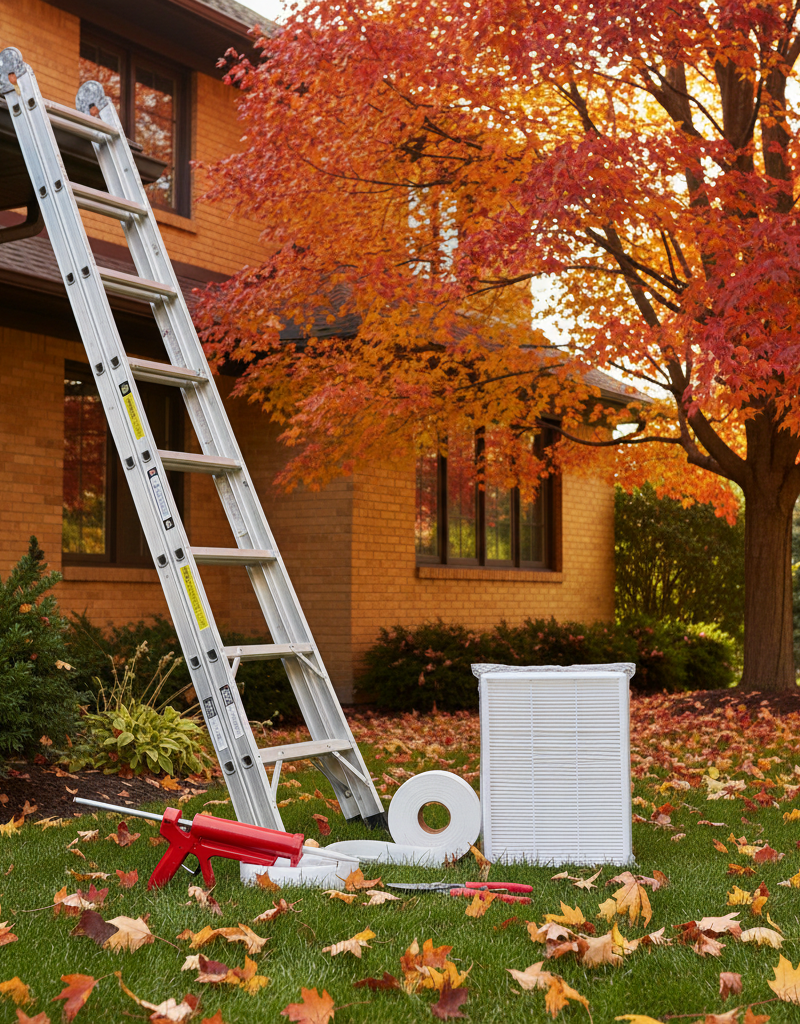
Fall - Seal Air Leaks & Insulate — Your biggest energy loss in winter comes from air leaks. Check the weatherstripping around doors and the caulking around windows. On a windy day, feel for drafts. A simple tube of caulk or a roll of weatherstripping can save you hundreds on heating bills. Check attic insulation depth and consider adding more if it’s below recommended levels (typically R-49 to R-60).
-
Winter - Test Safety Devices Monthly — Winter is when you spend the most time indoors, and heating systems increase the risk of fire and carbon monoxide. Get into the habit of testing every smoke and CO detector in your house on the first of the month. Press the test button and replace batteries immediately if needed. Replace any detector that is more than 10 years old.
-
Winter - Inspect Sump Pump & Drains — If you have a basement or crawlspace with a sump pump, test it before the spring thaw. Slowly pour a few gallons of water into the sump pit to ensure the pump activates, removes the water, and shuts off properly. Also, check floor drains in basements and garages to ensure they aren’t clogged with debris.
-
Winter - Check for Ice Dams & Interior Leaks — After heavy snowfalls, keep an eye on your roof eaves for ice dams—large ridges of ice that can cause water to back up under shingles. Inside, check ceilings and walls below the attic for any new water stains, which can indicate a leak caused by an ice dam or other roofing issue. Catching these early is key to preventing major damage.
Common Causes of Neglect
Understanding why homeowners fail to keep up with maintenance is the first step to building a better system. These are the most common reasons a seasonal home maintenance schedule gets derailed:
- Out of Sight, Out of Mind: Critical components like attic insulation, foundation vents, and chimney flashing are not seen daily, making them easy to forget until they fail.
- Analysis Paralysis: The sheer number of potential tasks can be overwhelming. Homeowners don't know where to start, so they don’t start at all.
- Underestimating Risk: Many people believe that "it won't happen to me." They underestimate the likelihood and financial consequence of a major system failure, choosing to risk a future disaster over a small present expense.
- Lack of Knowledge or Skills: Some homeowners feel they don't have the expertise to perform even basic tasks. Fear of doing it wrong prevents them from trying at all.
- Perceived Lack of Time: In a busy world, dedicating a weekend to home maintenance can feel like a luxury. However, this often proves to be a false economy, as an emergency repair will consume far more time and stress.
Common Mistakes to Avoid
When performing maintenance, doing it correctly is just as important as doing it at all. Avoid these common errors:
- Using a High-Pressure Washer on Shingles: This will blast the protective granules off your asphalt shingles, dramatically shortening the life of your roof.
- Painting Over Rotted Wood: Placing a cosmetic layer of paint over soft, rotted wood on a deck or trim piece only traps moisture and accelerates the decay. The rotted section must be removed and replaced.
- Ignoring a Tripped Circuit Breaker: Repeatedly resetting a breaker that keeps tripping is a sign of an overloaded circuit or a dangerous fault. The underlying issue must be diagnosed by a professional.
- "Forgetting" Safety Gear: Performing tasks on a ladder, using power tools, or working with electricity without proper safety glasses, gloves, and harnesses is an invitation for injury.
- Not Cleaning Refrigerator Coils: The coils on the back or bottom of your fridge dissipate heat. When they are caked with dust and pet hair, the compressor works harder, consumes more energy, and will fail prematurely.
- Using the Wrong Caulk: Using interior-grade caulk for exterior applications will result in it cracking and failing within a year. Always match the product to the location and material.
Cost & Time Breakdown
Here is a sample breakdown for common tasks on a seasonal home maintenance schedule, illustrating the significant savings of proactive DIY work versus emergency professional services.
| Task | DIY Cost | Professional Cost | Time |
|---|---|---|---|
| Gutter Cleaning | $20 (gloves, bucket) | $150 - $350 | 2-4 hours |
| HVAC Tune-Up | $25 (filter, coil cleaner) | $100 - $250 | 1 hour |
| Chimney Inspection & Sweep | Not a DIY task | $250 - $500 | 1-2 hours |
| Sealing Air Leaks | $50 (caulk, weatherstrip) | $200 - $600 | 3-5 hours |
| Pressure Washing Siding | $75 (rental) | $300 - $700 | 4-6 hours |
| Dryer Vent Cleaning | $30 (brush kit) | $125 - $250 | 1 hour |
Tips & Prevention
Sticking to your new schedule is crucial. Use these tips to stay on track:
- Go Digital: Use a free tool like Google Calendar or a dedicated home maintenance app. Create recurring annual events for each task with alerts set a week in advance.
- Create a Maintenance Fund: Set aside a small amount of money each month ($50-$100) specifically for maintenance supplies, tool rentals, and professional service calls. This prevents budget-related procrastination.
- Bundle Your Tasks: Group tasks by location. When you’re in the attic checking for leaks, also check the insulation depth. When you’re on the ladder for gutters, inspect the roof shingles up close.
- Stock Up on Supplies: Keep a well-stocked "maintenance shelf" with common items like furnace filters, caulk, batteries for detectors, spackle, and lubricants. This removes friction when it’s time to do a task.
- Learn a New Skill Each Season: Dedicate one season to learning a new DIY skill from online tutorials. In the spring, learn to properly clean your AC condenser. In the fall, learn how to apply weatherstripping. This builds confidence and saves money over time.
When to Call a Professional
While a seasonal home maintenance schedule empowers homeowners to do more, it’s critical to know your limits. Certain jobs carry risks that far outweigh the potential savings of DIY. Always call a licensed professional for:
- Major Electrical Work: Anything beyond changing a light fixture or outlet cover. Faulty wiring is a major fire hazard, and the risk of electrocution is high. Professionals understand load calculations and code requirements.
- Major Plumbing: This includes work on main water lines, sewer lines, or re-piping. A mistake here can lead to tens of thousands of dollars in water damage and health hazards from sewage backflow.
- Roofing: Beyond a very minor shingle replacement on a low-slope roof, this work should be left to pros. The safety risk of falling is extreme, and improper installation can void your shingle warranty and cause massive leaks.
- Gas Appliances: Never attempt to repair or install a gas furnace, water heater, or stove yourself. The risk of a gas leak, carbon monoxide poisoning, or an explosion is too great.
- Structural Work: Any project involving foundations, load-bearing walls, or major framing requires an expert. An error could compromise the structural integrity of your entire home.
Calling a professional for these tasks isn't an admission of defeat; it’s a smart risk-management decision that is a key part of any responsible homeownership plan.
Related Articles
Keep troubleshooting with these hand-picked guides from FixlyGuide:
- Your Home's Secret To-Do List: Are You Missing It? — Most new homeowners focus on decorating, but ignoring a basic home maintenance checklist can lead to thousands in unexpected repairs. Learn…
- 7 Hidden Equity Drains Costing You Thousands Annually — Your home is an asset, but silent problems like minor leaks, poor insulation, and deferred maintenance can drain its value. Discover the se…
- The 12 Checks That Prevent 80% of Costly Home Repairs — Don't wait for a disaster. Our comprehensive monthly home maintenance checklist reveals the surprising, simple tasks that catch small issue…
- The Surprising Trick to Cutting Your Dryer Bill By $100 Per Year — Installing a clothesline can significantly reduce your energy bills and add a fresh scent to your laundry. This guide covers how to choose…
- 7 Smart Upgrades That Boost Home Value (And 5 That Don’t) — Don't waste money on smart home gadgets that buyers don't care about. We reveal the smart home upgrades for resale value that provide real…
- The 7 Fall Chores Most Homeowners SKIP (And Why They'll Cost You Thousands) — Don't let autumn's beauty distract you from these critical home maintenance tasks that can prevent costly damage and ensure a cozy winter.
Your seasonal maintenance checklist
The small jobs that prevent the expensive repairs. Tick them off — progress saves on this device.
Free, no signup. Skip anything that requires roof access or working near live electrical.
What should this project cost?
Enter your project details for a realistic cost range before you call anyone.
Cost depends heavily on which system turns out to be the source.
- Regional adjustment
- National average
- Labor share (typical)
- ~$1,620
- Quotes to collect
- 3 written estimates
Educational estimate based on national averages — not a binding quote. Always confirm with written local estimates.
Stay ahead of the next repair
Turn this guide into a schedule you will actually follow.
- Is this a safe DIY job?Check permits, tools, and risk before you start the steps below.Open
- Estimate this projectGet a cost range for your scope and ZIP before you call anyone.Open
Free, no signup required. Estimates are educational guidance, not a quote or an inspection.
Frequently asked questions
What are the top 3 most important home maintenance tasks?+
The three most critical tasks are: 1) Cleaning gutters and downspouts in the fall to prevent ice dams and foundation water damage. 2) Servicing your HVAC system (AC in spring, furnace in fall) to prevent premature failure and ensure efficiency and safety. 3) Regularly testing all smoke and carbon monoxide detectors to protect against fire and poisoning.
How can I budget for unexpected home repairs?+
The best practice is to save 1-3% of your home's value annually in a dedicated savings account for maintenance and repairs. For a $400,000 home, that's $4,000-$12,000 per year, or about $330-$1,000 per month. This creates a buffer to handle both planned maintenance from your seasonal schedule and unexpected emergencies without going into debt.
How often should I really change my furnace filter?+
It depends on the type of filter and your household. Basic 1-inch fiberglass filters should be changed monthly. Pleated 1-inch filters can last up to 90 days. For households with pets or smokers, you should change them more frequently, around every 60 days. A clogged filter restricts airflow, making your system inefficient and leading to damage.
Is a home warranty a good substitute for a maintenance schedule?+
No. A home warranty is a service contract that covers repairs or replacements for specific appliances and systems *after* they break. It does not cover preventative maintenance. In fact, many home warranty claims can be denied if you cannot prove you've been properly maintaining the system according to a seasonal home maintenance schedule.

Discussion
Loading comments…