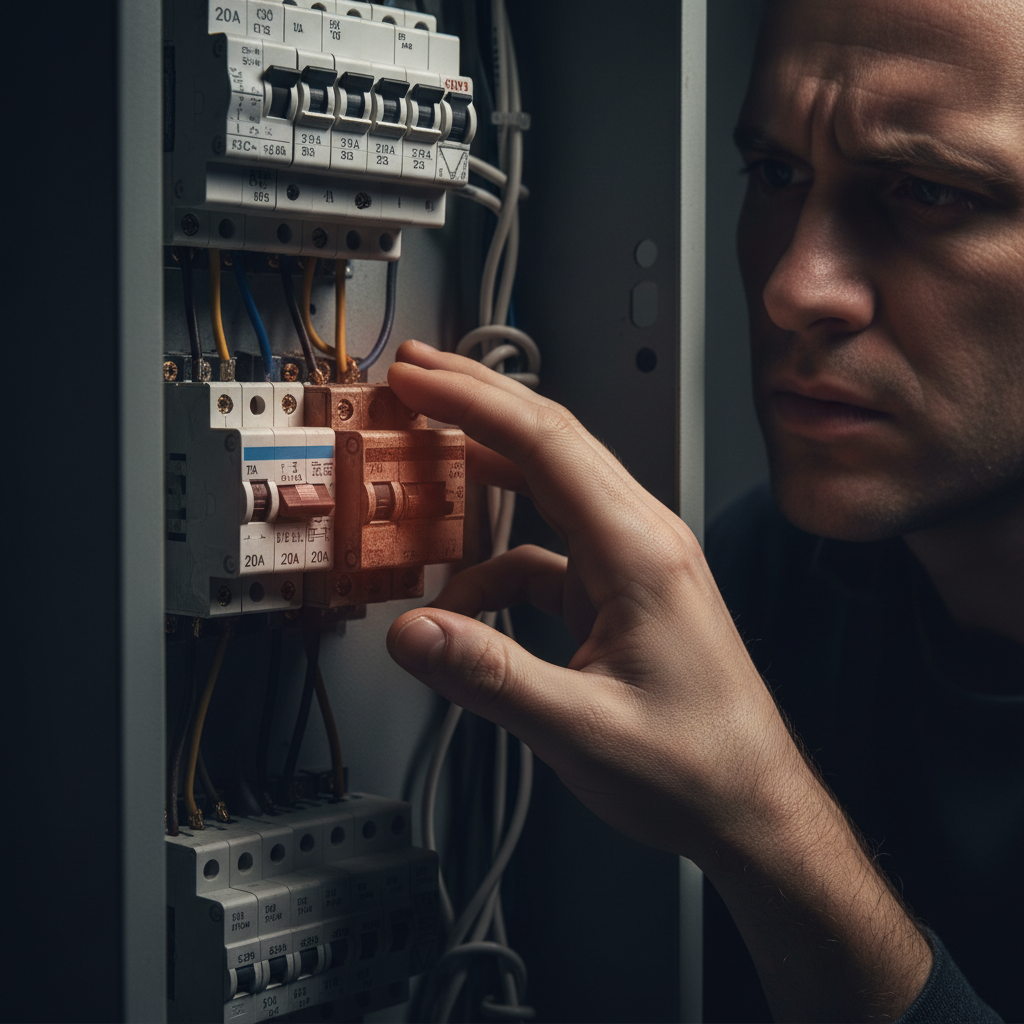
- Ignoring It: The number one mistake. Thinking "warm is normal" is a hazardous assumption. The problem will not fix itself and will likely worsen over time.
- Working on a Live Panel: Attempting to remove or install a breaker without shutting off the main breaker at the top of the panel is risking your life. Contact with the live bus bars can be fatal.
- Replacing the Part, Not Fixing the Problem: If a loose connection caused the breaker to overheat and fail, simply replacing the breaker without addressing the loose connection means the new breaker will soon suffer the same fate.
Electrical · Breaker keeps tripping
| Project category | Electrical |
|---|---|
| Problem type | Breaker keeps tripping |
| Trade required | Electrical |
| Urgency | Urgent — within days |
| Safety risk | High safety risk |
| DIY suitability | Pro recommended |
| Cost category | Low cost |
| Typical timeline | Diagnosis in a single visit |
| Contractor type | Licensed electrician |
Repair option
Isolate the load, then repair the fault or replace the breaker.
Replacement option
New dedicated circuit when the load simply exceeds what the circuit was built for.
Common causes
- Genuine overload on a shared circuit
- Ground fault from moisture in an exterior box
- Failing breaker or a damaged appliance cord
Relevant tools:diy or hire a prodiy difficulty
Published April 24, 2026Last updated August 17, 2026
Tools & materials you'll need
Affiliate linksNo materials required.
As an Amazon Associate FixlyGuide earns from qualifying purchases — at no extra cost to you. Prices and availability are accurate as of publication and subject to change.
'''
Quick Answer
A circuit breaker should not feel warm or hot to the touch. This warmth is a key warning sign that excess heat is building up, indicating a potential fire hazard. The most common causes are an overloaded circuit, a loose electrical connection, or a bad breaker that needs replacement. Because of the risk of fire and electric shock, a warm breaker should be diagnosed and corrected by a licensed electrician immediately.
The Problem
You casually brush against your home's electrical panel or go to reset a tripped breaker and notice something odd: one of the breaker switches is noticeably warm. It’s not hot enough to burn you, but there's a distinct warmth that its neighbors don't have. Your first instinct might be to dismiss it. After all, electricity creates heat, right? While this is true, a circuit breaker is a safety device designed to prevent excessive heat. Any palpable warmth on the handle is a clear signal that something is wrong within your electrical system.
Think of it like a low-grade fever. It’s not a full-blown emergency yet, but it’s your body’s way of telling you there's an underlying infection that needs attention. A warm breaker is your electrical system’s fever—an external symptom of a potentially dangerous internal problem. The heat itself is generated by electrical resistance, an impediment to the flow of current. That resistance can come from a number of sources, none of which are good. Ignoring it is a significant gamble, as the condition can escalate, leading to a melted breaker, a damaged electrical panel, and potentially an electrical fire.
How It Works
Your electrical panel, or breaker box, is the central distribution hub for all the electricity in your home. Power from the utility enters the panel and is split into multiple circuits, each protected by a circuit breaker. Each breaker is a sophisticated, automatic switch designed to protect a specific circuit from drawing too much electrical current, which could overheat wires and cause a fire.
Every breaker has two primary protective mechanisms:
-
Thermal Protection (Overloads): Inside every standard breaker is a small, bimetallic strip. This strip is made of two different metals bonded together that expand at different rates when heated. When a circuit is overloaded—for example, a 15-amp circuit trying to power a space heater and a hair dryer simultaneously, drawing 20 amps—the current flowing through this bimetallic strip causes it to heat up and bend. Once it bends past a certain point, it physically unlatches a spring-loaded switch, tripping the breaker and cutting off the power. This is a relatively slow-acting process, designed to tolerate brief, harmless current spikes (like a motor starting up) but react to sustained overloads.
-
Magnetic Protection (Short Circuits): The breaker also contains an electromagnet coil. A short circuit—where a "hot" wire directly touches a neutral or ground wire—creates a massive, instantaneous surge of current. This surge generates a strong magnetic field in the coil, which immediately yanks the metal latch open, tripping the breaker almost instantly to prevent the catastrophic damage an uncontrolled short circuit can cause.
The warmth you feel on a breaker is directly related to that first mechanism. If a circuit is consistently overloaded, or if a loose connection is creating resistance, the bimetallic strip (and other components) can heat up significantly. While it might not be enough to trip the breaker immediately, this constant state of elevated temperature is a sign the breaker is operating at or beyond its designed limits. The plastic casing of the breaker is not a perfect insulator, so this internal heat radiates outward, making the switch warm to the touch. This is a critical warning that a dangerous condition exists.
Step-by-Step Investigation
This guide is for investigation only. The purpose is to gather information safely for a licensed electrician. Do not attempt to remove the panel cover or fix the issue yourself.
SAFETY NOTE: Never touch any metal parts inside an electrical panel. Assume every component is live and dangerous. If you smell burning plastic, see scorch marks, or hear buzzing from the panel, stop immediately and call an electrician for an emergency service.
-
Identify the Circuit — Take note of which breaker is warm. Check your panel's legend (the map on the inside of the door) to determine what area or which appliances the breaker controls. Is it the kitchen? The garage? A specific bedroom? This is the first clue.
-
Assess the Current Load — Go to the area powered by the warm breaker. What is currently running? Make a mental or written list. Common high-draw culprits include space heaters, portable air conditioners, treadmills, large power tools, laser printers, and multiple kitchen appliances running at once.
-
Reduce the Load — Unplug or turn off all major appliances on that circuit. Don't just turn them off by their power switch; physically unplug them from the wall to ensure they are drawing zero power.
-
Wait and Re-Check — Leave everything on the circuit unplugged for at least 30 minutes. This gives the breaker's internal components time to cool down if the issue was a simple overload. After waiting, carefully check the breaker's temperature again using the back of your hand.
-
Check for "Sympathetic Heating" — Carefully feel the breakers directly above and below the warm one. Are they also warm? Heat can transfer from one breaker to another. If a neighbor is warm (or even hotter), it might be the true source of the problem. This can also indicate a larger issue with the panel's bus bar.
-
Analyze the Results — If the breaker cooled down completely after you reduced the load, the problem is almost certainly an overloaded circuit. If the breaker remains warm even with nothing drawing power, the cause is more likely a loose connection or a failing breaker itself. This is a more dangerous situation.
-
Use Your Senses: Look and Smell — With a bright flashlight, carefully inspect the warm breaker and the area around it. Look for any signs of discoloration, melting of the plastic casing, or black soot marks. Sniff the air near the breaker. A sharp, acrid smell of burnt plastic is a five-alarm warning sign.
-
Use Your Senses: Listen — In a quiet house, put your ear near (but not touching) the panel. Do you hear a faint buzzing or humming sound coming specifically from the warm breaker? A buzzing noise often indicates arcing, which is electricity jumping across a small gap in a loose connection—an extremely hazardous condition.
-
Note the Breaker Brand and Type — Is the panel made by Square D, Siemens, Eaton, GE, or another brand? Are there multiple brands of breakers in the panel? Mismatched breakers can sometimes fit but make a poor connection, generating heat. Also note if it's a special-purpose breaker, like a GFCI (with a "Test" button) or an AFCI (often with a "Test" button and a specific indicator light).
-
Document Your Findings — Write down everything you observed: which breaker position, what circuit it controls, what was plugged in, whether it cooled down, any visual or auditory signs. This information is invaluable for the electrician.
-
Call a Licensed Electrician — This is the most critical step. Do not try to tighten wires or replace the breaker. Provide the electrician with all the details you gathered. This will help them diagnose the issue faster and more accurately, saving you time and money.
Common Causes
There are a handful of reasons a circuit breaker gets warm. All of them require professional attention.
- Overloaded Circuit: This is the most common cause. The circuit is consistently drawing more amperage than the breaker is rated for (e.g., trying to pull 18 amps on a 15-amp circuit). The breaker is doing its job by getting hot, and it is likely on the verge of tripping. The solution is to move high-power devices to other circuits.
- Loose Wire Connection: This is arguably the most dangerous cause. The screw terminal holding the circuit wire to the breaker may have loosened over time due to vibration and thermal cycles. A loose connection creates high resistance, and this resistance generates intense heat right at the breaker. This is a major fire hazard.
- Bad Breaker-to-Bus-Bar Connection: The breaker "stabs" or clips onto a metal rail in the panel called a bus bar. If these clips are corroded, worn, or were damaged during installation, they won't make a solid electrical connection. This creates resistance and heat at the back of the breaker, which then transfers to the handle.
- Failing Circuit Breaker: The breaker is a mechanical device that can simply wear out. The internal contacts can become corroded or the spring mechanism can weaken. When this happens, the breaker itself creates internal resistance, generating heat even under a normal load. A breaker that feels "mushy" when you flip it is a sign of a worn-out mechanism.
- Mismatched Breaker: A panel is designed and tested for use with specific breakers from its own manufacturer. While another brand's breaker might physically snap into place, it may not make a secure connection with the bus bar, creating resistance and heat. This is a common code violation and a serious safety risk.
Common Mistakes
Homeowners trying to address this problem often make critical, dangerous mistakes.
- Ignoring It: The number one mistake. Thinking "warm is normal" is a hazardous assumption. The problem will not fix itself and will likely worsen over time.
- Upsizing the Breaker: If a 15-amp breaker is always warm, some people are tempted to replace it with a 20-amp breaker. This is extremely dangerous. The breaker is sized to protect the wire in the wall. A 15-amp breaker protects 14-gauge wire. Installing a 20-amp breaker on that circuit allows 20 amps of current to flow through a wire rated for only 15, turning the wire inside your wall into a heating element and creating a massive fire risk.
- Overtightening the Connection: When an electrician tightens the wire to the breaker, they often use a calibrated torque screwdriver. If you try to tighten it yourself with a standard screwdriver, it's easy to overtighten the connection. This can damage the wire, strip the screw, or crack the breaker housing, making the problem worse.
- Working on a Live Panel: Attempting to remove or install a breaker without shutting off the main breaker at the top of the panel is risking your life. Contact with the live bus bars can be fatal.
- Replacing the Part, Not Fixing the Problem: If a loose connection caused the breaker to overheat and fail, simply replacing the breaker without addressing the loose connection means the new breaker will soon suffer the same fate.
Cost & Time Breakdown
The cost to fix a warm breaker is almost entirely professional labor, as parts are often inexpensive. The real value is in the electrician's diagnostic expertise.
| Task | DIY Cost | Pro Cost | Time |
|---|---|---|---|
| Electrician's Diagnostic Visit | N/A | $75 - $150 | 30-60 minutes |
| Replace Standard 15A/20A Breaker | $10 (part) | $125 - $250 | 30 minutes |
| Replace AFCI/GFCI Breaker | $50-$70 (part) | $175 - $350 | 30 minutes |
| Tighten Loose Connections (Panel-wide) | N/A | $100 - $200 | 30-45 minutes |
| Repair/Replace Damaged Bus Bar | N/A | $700 - $2,500+ | 4-8+ hours |
Tips & Prevention
- Map Your Circuits: Take an hour to map your panel. Turn each breaker off one by one and see what loses power. Update your panel legend with accurate, detailed descriptions. This helps you avoid overloads.
- Balance Your Loads: Don't plug two high-power items (like a coffee maker and a toaster oven) into the same kitchen outlet. Spread them out across different circuits.
- Schedule Periodic Inspections: Especially for homes over 20 years old, have an electrician perform a panel tune-up every 5-7 years. They can check for loose connections and potential issues before they become hazards.
- Feel for Quality: The next time you reset a tripped breaker, pay attention to the feel. It should have a crisp, solid "snap" action. If it feels weak, loose, or "mushy," it's a sign the breaker is aging and should be professionally inspected.
- Keep the Panel Accessible: Never block the electrical panel with shelves or storage. Code requires a clear working space of 36 inches deep and 30 inches wide in front of the panel.
When to Call a Professional
Let's be crystal clear: Any symptom that requires you to open the dead-front cover of your electrical panel is a job for a licensed professional, without exception. A warm circuit breaker falls squarely into this category.
The warmth is a symptom; it isn't the disease. You might solve the immediate issue by replacing the breaker, but you won't have diagnosed the underlying cause. Was it a simple overload, or a more sinister loose wire that will just destroy the new breaker? An electrician isn't just a parts-swapper; they are a diagnostician for your home's most dangerous system.
The risks of DIY work inside a panel are severe and twofold: electrocution and fire. You can be killed by touching the panel's live components. You can also create an arc flash—a violent electrical explosion. Finally, an improper repair can create a new fire hazard that shows no symptoms until it's too late. The cost of a professional diagnostic visit is a tiny fraction of your insurance deductible after a house fire. Don't gamble with your home and your family's safety. If a breaker is warm, make the call. '''
Related Articles
Keep troubleshooting with these hand-picked guides from FixlyGuide:
- That Warm Breaker Is Trying to Tell You Something — A circuit breaker that's warm to the touch is a red flag, often signaling a loose wire or an overloaded circuit that could pose a serious f…
- That One Warm Breaker Is Trying to Tell You Something — A single warm circuit breaker is not normal; it's a critical warning sign of an electrical issue, often an overload or a dangerous loose co…
- Why Does Only One Outlet Have No Power (When the Breaker Is On)? — Discover the surprisingly common reasons a single electrical outlet stops working while its circuit breaker remains on, and learn how to sa…
- The 5 Silent Signals Your Light Switch Is a Fire Risk — A hot light switch can indicate a common electrical issue, but it needs prompt attention to prevent potential hazards. This guide explains…
- The 7 Head-Scratching Reasons Your Outlet Died (Even With The Breaker On) — Discover the surprising reasons why an electrical outlet might stop working even when its circuit breaker is fully engaged, and how to safe…
- Why Your AC is Blowing Warm Air: Troubleshooting and Fixes — If your AC is blowing warm air, it's often due to a clogged air filter, dirty condenser coils, or a tripped circuit breaker, all of which y…
What should this project cost?
Enter your project details for a realistic cost range before you call anyone.
Outlet and switch work usually $150–$400; panel upgrades commonly $1,800–$4,200.
- Regional adjustment
- National average
- Labor share (typical)
- ~$709
- Quotes to collect
- 3 written estimates
Educational estimate based on national averages — not a binding quote. Always confirm with written local estimates.
Fixly Project Decision Box
- DIY difficulty
- Professional Recommended
- Estimated time
- Diagnosis 1–2 hours
- Cost level
- Moderate
Main tools / materials
- Non-contact voltage tester
- Outlet tester
- Flashlight
When to stop and call a pro
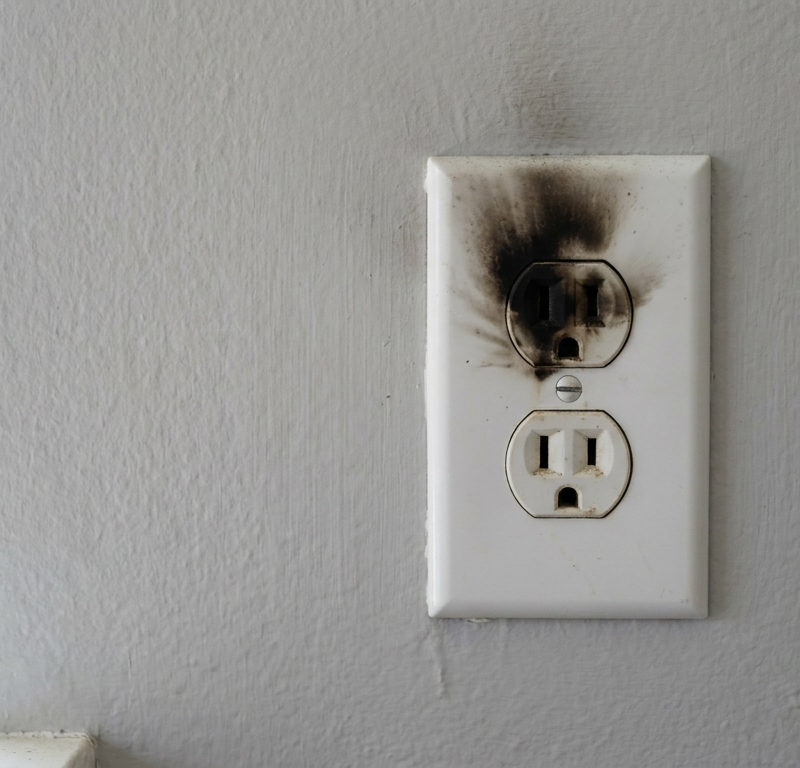
- Burning smell, scorch marks, or a warm outlet or switch plate
- A breaker that trips again right after being reset
- Any work inside the service panel
- Aluminum wiring or cloth-insulated wiring
Need professional help?
Talk to a Licensed ElectricianGet the print-ready PDF of this guide
A clean, ad-free, printable version you can keep on your phone or pin to the workshop wall. Free with a FixlyGuide account.
- Print-optimized layout
- Tools, materials & every step included
- Saved to your account
Frequently asked questions
Is it normal for a circuit breaker to be slightly warm?+
While a breaker might be imperceptibly warmer than an unused one when under heavy, continuous load, any noticeable warmth is a sign of a problem that needs investigation. 'Warm' is not normal.
Can a warm breaker cause a fire?+
Yes, absolutely. The heat is a symptom of electrical resistance. Unchecked, this can melt wire insulation, damage the breaker and the panel itself, and ignite surrounding materials.
Can I just replace the warm breaker myself?+
No. While replacing a breaker seems simple, the warmth is a symptom. A professional needs to diagnose the cause (overload, loose wire, bad bus bar connection) to ensure the problem is truly fixed and the panel is safe.
What's the difference between a 'warm' and a 'hot' breaker?+
A 'warm' breaker is noticeably warmer than its neighbors, signaling a potential problem. A 'hot' breaker is uncomfortable to keep your hand on and may be accompanied by a smell of burning plastic. A hot breaker is a critical emergency requiring an immediate call to an electrician.
Discussion
Loading comments…