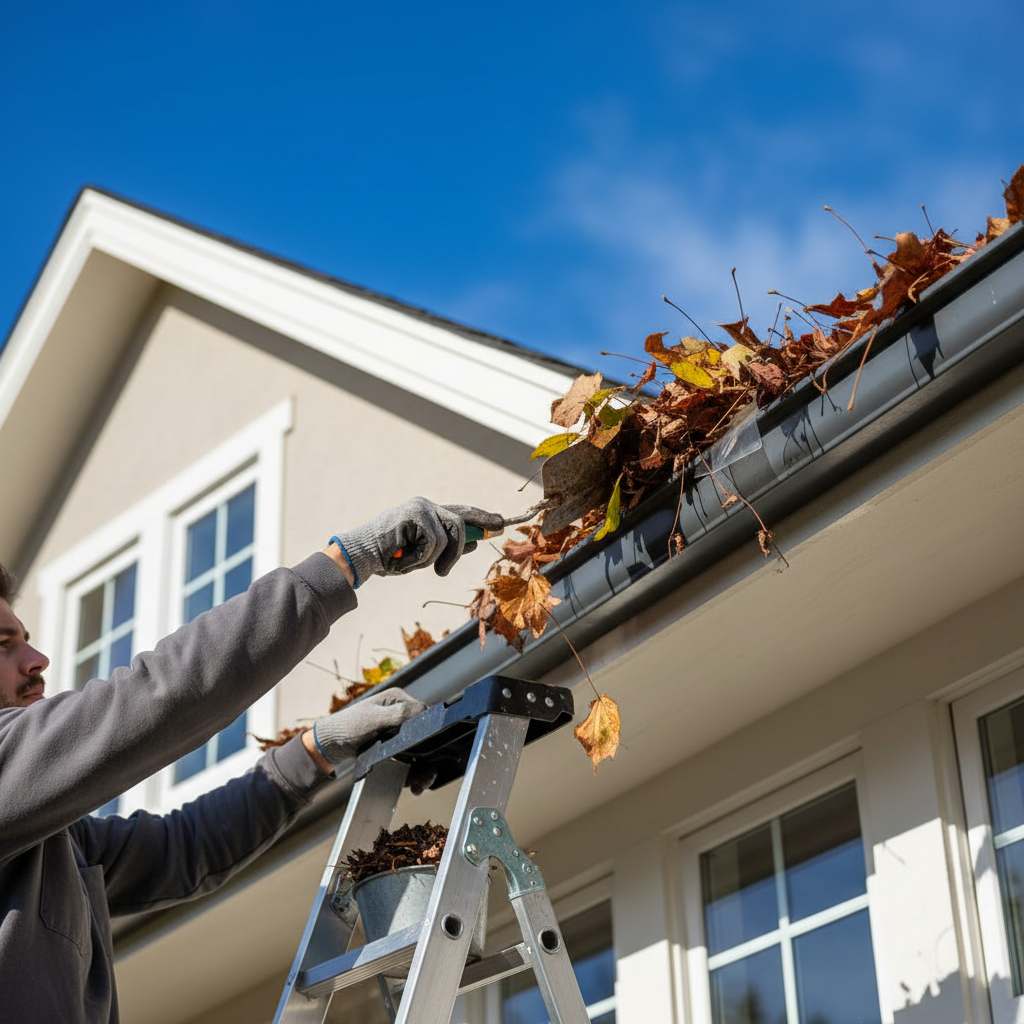
- Tools: Binoculars (for roof), ladder (for gutters), work gloves, small bucket/bag.
- Position a ladder securely on stable, level ground. Extend it at least 3 feet above the gutter line. Have someone spot you if possible.
- Gutter Inspection: Carefully climb the ladder to clear gutters of leaves, twigs, and debris. Check downspouts for obstructions by running water through them. Look for signs of rust, loose fasteners, or sagging sections.
- If you spot significant damage or persistent clogs: Consider a professional roof inspection. A small crack can lead to major water damage.
General remodeling · Renovation planning
| Project category | General remodeling |
|---|---|
| Problem type | Renovation planning |
| Trade required | General contracting |
| Urgency | Planned project |
| Safety risk | Low safety risk |
| DIY suitability | Pro recommended |
| Cost category | Major investment |
| Typical timeline | Design and permitting often 2–4 months before work starts |
| Contractor type | General contractor |
Repair option
Phase the work and fix the building envelope first.
Replacement option
Full renovation with permits, design, and a general contractor.
Common causes
- Space no longer fits how the household lives
- Resale preparation
- Deferred maintenance stacking up
Relevant tools:project cost estimatorcompare quoteshome improvement material prices
Published May 3, 2026Last updated August 17, 2026
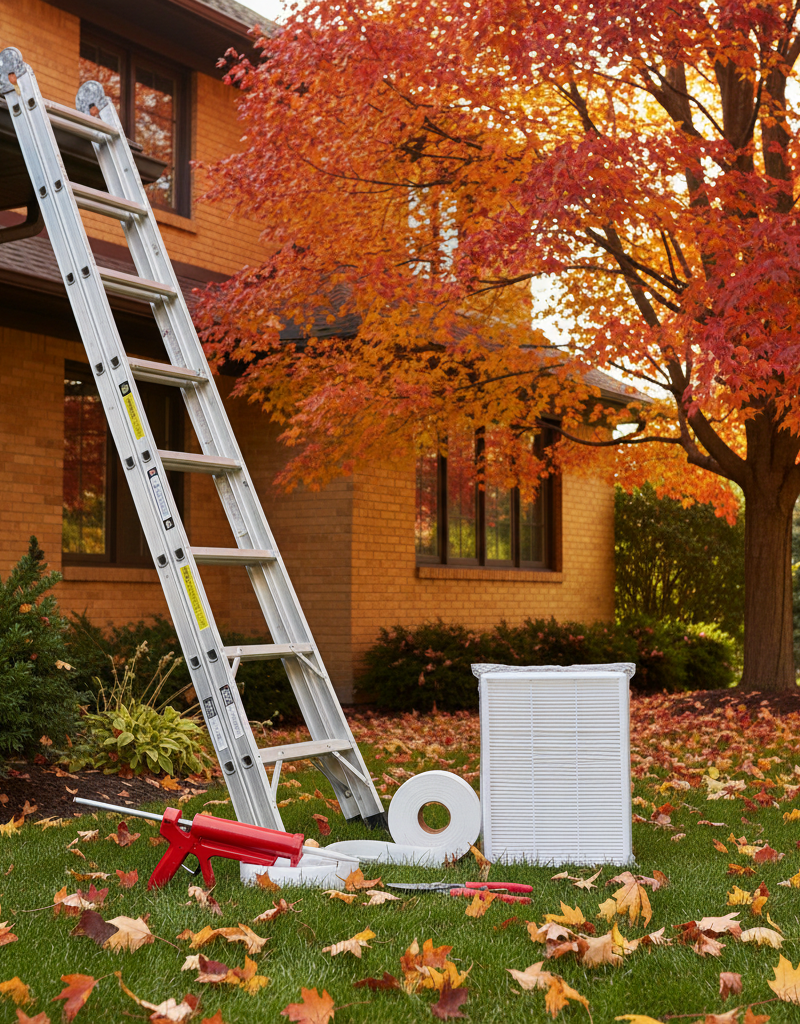
Tools & materials you'll need
Affiliate linksAs an Amazon Associate FixlyGuide earns from qualifying purchases — at no extra cost to you. Prices and availability are accurate as of publication and subject to change.
Quick Answer
An annual home inspection checklist empowers homeowners to take a proactive stance in maintaining their property's health and value. By systematically checking key areas like the roof, foundation, grading, HVAC system, plumbing, electrical components, and attic, you can catch minor issues early, often resolving them with simple, inexpensive DIY fixes, and prevent them from becoming major, budget-busting repairs.
The Problem
Many homeowners view home inspections as a one-time event reserved for buying or selling a property. The reality is that homes are dynamic structures constantly exposed to weather, wear, and tear. Ignoring recurring maintenance and annual checks allows small, easily rectifiable issues—like a loose shingle, a clogged gutter, or a deteriorating caulk seal—to fester. Left unchecked, these minor flaws can snowball into significant problems: water intrusion leading to rot and mold, foundation cracks due to improper drainage, or inefficient HVAC systems consuming excessive energy. This neglect not only diminishes your home's comfort and safety but also significantly erodes its long-term value, leading to unexpected and costly emergencies down the road.
How It Works
Think of your home as a complex, interconnected system. Each component—from the roof shedding water to the foundation supporting the structure—plays a vital role. An annual inspection is a methodical process of assessing these components, looking for early warning signs of failure or degradation. For example, a properly functioning roof relies on intact shingles, flashing, and gutters to direct water away from the house. If shingles are cracked or missing, water can penetrate the underlayment, rotting the roof deck and potentially leading to ceiling leaks. Similarly, good exterior grading ensures rainwater drains away from the foundation; if the grade slopes towards the house, water accumulates, saturating the soil and exerting hydrostatic pressure that can crack foundations or lead to basement leaks. Inside, your HVAC system draws air through filters, heats or cools it, and distributes it. Clogged filters restrict airflow, forcing the system to work harder, reducing efficiency, and shortening its lifespan. Plumbing systems rely on seals, connections, and proper drainage. Even small leaks, if undetected, can cause significant water damage and foster mold growth. Electrical systems involve wiring, outlets, and circuit breakers designed for safety. Overloaded circuits or damaged wiring are fire hazards. The goal of an annual inspection is to identify these early indicators of failure in each system, allowing for timely intervention and preventing cascading damage throughout the home.
Step-by-Step Fix
Performing an annual home inspection requires a systematic approach, often divided into exterior and interior checks. Safety is paramount; always assess risks before proceeding. If you're uncomfortable with heights or working with electricity, hire a professional.
1. Roof & Gutters Scan – Checking for damage and blockages
- Tools: Binoculars (for roof), ladder (for gutters), work gloves, small bucket/bag.
- Position a ladder securely on stable, level ground. Extend it at least 3 feet above the gutter line. Have someone spot you if possible.
- Roof Inspection (from ground/ladder): Use binoculars to scan the entire roof surface. Look for missing, cracked, curled, or blistering shingles. Check flashing around chimneys, vents, and skylights for signs of lifting or deterioration. Note any excessive granule loss on asphalt shingles.
- Gutter Inspection: Carefully climb the ladder to clear gutters of leaves, twigs, and debris. Check downspouts for obstructions by running water through them. Look for signs of rust, loose fasteners, or sagging sections.
- If you spot significant damage or persistent clogs: Consider a professional roof inspection. A small crack can lead to major water damage.
2. Foundation & Exterior Grading Assessment – Identifying water management issues
- Tools: Flashlight, measuring tape, small garden trowel (optional).
- Walk around the entire perimeter of your home. Observe the foundation walls for cracks, efflorescence (white, powdery mineral deposits), or signs of moisture.
- Grading Check: Note the slope of the ground immediately surrounding your foundation. It should slope away from the house at a rate of at least 6 inches for the first 10 feet. Ponding water near the foundation is a major red flag.
- Window Seals & Siding: Inspect caulk around windows and doors for cracks or gaps. Check siding for rot, loose panels, or signs of insect activity. Make sure weep holes in brick veneer are clear.
- If you find significant cracks (>1/4 inch wide) or persistent standing water: Consult a structural engineer or a dedicated foundation repair specialist. Minor caulk issues can be addressed with exterior caulk.
3. HVAC System Quick Check – Ensuring efficient operation
- Tools: Screwdriver (for filter access, if needed), new filter (note size from existing or manual).
- Filter Replacement: Locate your furnace/air handler and identify the air filter slot. Remove the old filter, noting the direction of the airflow arrow, and replace it with a new one of the correct size. Do this every 1-3 months, but at least annually.
- Condensate Drain: For AC units, locate the condensate drain line (usually a PVC pipe leading outdoors or to a utility sink). Ensure it's not clogged. You can carefully pour a cup of distilled vinegar down it to inhibit algae growth.
- Outdoor Unit: Clear away any vegetation, leaves, or debris from around the outdoor condenser unit, maintaining at least 2 feet of clear space.
- If you notice strange noises, odors, or poor heating/cooling: It's time to call an HVAC professional for a diagnostic check.
4. Plumbing System Visual Inspection – Detecting leaks and potential issues
- Tools: Flashlight, paper towels.
- Under Sinks: Open vanity and kitchen sink cabinets. Use a flashlight to inspect pipes, connections, and the floor for any signs of leaks, water stains, mold, or drips. Feel under pipes if unsure.
- Toilets: Check toilets for wobbling, and listen for continuous running (indicating a flapper issue). Inspect the base for leaks when flushing.
- Water Heater: Look for rust, corrosion, or leaks around the base of the water heater. Test the temperature and pressure relief (T&P) valve annually by gently lifting the lever (catch the water in a bucket), but stop if water doesn't easily come out or if it drips heavily afterwards – this means the valve itself needs replacing.
- Major leaks or persistent dripping: Turn off the water supply to the affected fixture and call a plumber. Small drips can waste thousands of gallons of water over a year.
5. Electrical System Safety Check – Identifying hazards and ensuring proper function
- Tools: None (visual inspection only for DIY).
- Outlets & Switches: Test several GFCI (Ground Fault Circuit Interrupter) outlets (usually in bathrooms, kitchens, laundry rooms, and outdoors) by pressing the
Related Articles
Keep troubleshooting with these hand-picked guides from FixlyGuide:
- The 7 Critical Spots Homeowners Miss in Their Annual Inspection — Discover the seven often-overlooked areas in your home's annual inspection that can prevent costly repairs and maintain your property's val…
- The 7 Critical Home Inspection Checks Most Homeowners Miss (and How to Do Them Yourself) — Discover the essential annual home inspection checks many homeowners overlook and learn how to perform them yourself to prevent costly repa…
- The 7 Critical Home Inspection Mistakes Most Homeowners Make (And How to Avoid Them) — Bypass costly surprises and ensure your home's longevity with a comprehensive annual inspection, catching issues before they escalate.
- The 7 Critical Home Inspection Mistakes Most Homeowners Make (and How to Spot Them) — Discover the crucial home inspection mistakes homeowners commonly overlook and learn how to identify potential problems before they become…
- The 7 Fall Chores Most Homeowners SKIP (And Why They'll Cost You Thousands) — Don't let autumn's beauty distract you from these critical home maintenance tasks that can prevent costly damage and ensure a cozy winter.
- The 12 Checks That Prevent 80% of Costly Home Repairs — Don't wait for a disaster. Our comprehensive monthly home maintenance checklist reveals the surprising, simple tasks that catch small issue…
Your seasonal maintenance checklist
The small jobs that prevent the expensive repairs. Tick them off — progress saves on this device.
Free, no signup. Skip anything that requires roof access or working near live electrical.
What should this project cost?
Enter your project details for a realistic cost range before you call anyone.
Cost depends heavily on which system turns out to be the source.
- Regional adjustment
- National average
- Labor share (typical)
- ~$1,620
- Quotes to collect
- 3 written estimates
Educational estimate based on national averages — not a binding quote. Always confirm with written local estimates.
Stay ahead of the next repair
Turn this guide into a schedule you will actually follow.
- Is this a safe DIY job?Check permits, tools, and risk before you start the steps below.Open
- Estimate this projectGet a cost range for your scope and ZIP before you call anyone.Open
Free, no signup required. Estimates are educational guidance, not a quote or an inspection.
Recommended for DIYers & woodworkers
Sponsored
The Top 20 Tools for Workshops of Any Budget
No stationary machines or power tools required — plus 3 fundamental tools that can't be bought at any price.
Get the free guide
Ted's Woodworking — The #1 Woodworking Resource
Detailed instructions, dimensioned drawings, materials & cutting lists, and 3D schematics for every skill level.
See the plansSponsored: links above are affiliate links. FixlyGuide may earn a commission on qualifying purchases — at no extra cost to you.
Frequently asked questions
How often should a homeowner inspect their home?+
Homeowners should conduct a thorough visual inspection of their home at least once a year, preferably in spring or fall, to identify and address minor issues before they become major problems. Key areas include the roof, foundation, HVAC, plumbing, and electrical systems.
What are the most common problems found in home inspections?+
Common issues include roof damage (missing shingles, flashing issues), poor drainage/grading around the foundation, clogged gutters, HVAC filter neglect, minor plumbing leaks under sinks, deteriorated caulk around windows/doors, and electrical issues like faulty GFCI outlets or overloaded circuits.
Can I do my own home inspection or do I need a pro?+
While a comprehensive professional home inspection provides an in-depth assessment, homeowners can perform many basic annual inspections themselves. DIY checks are excellent for preventative maintenance, but for complex systems like gas lines, advanced electrical, or significant structural concerns, always defer to a licensed professional.

Discussion
Loading comments…