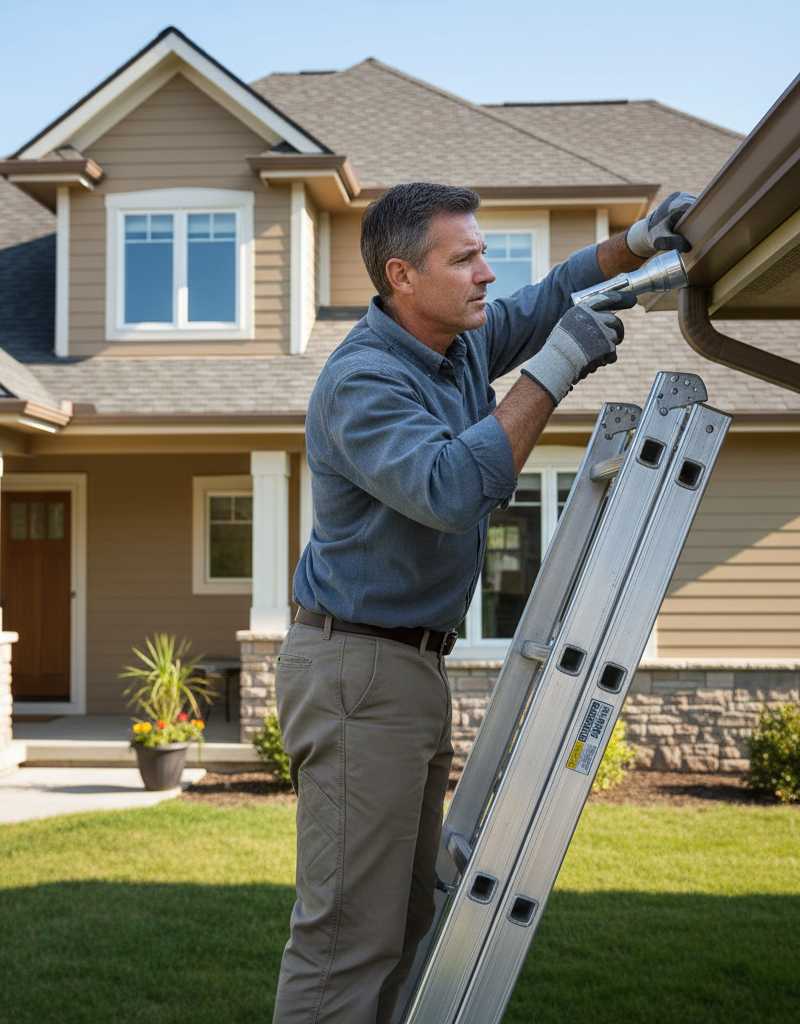
- Start with the Roof & Gutters – Identify exterior water management issues.
- Check gutters for sagging, blockages, or detached sections. Ensure downspouts are clean and direct water at least 5-10 feet away from the foundation. Clogged gutters are a leading cause of foundation issues and rotten fascia boards.
- If your roof is steep or you're uncomfortable on a ladder, hire a professional roof inspector for a detailed assessment.
General remodeling · Renovation planning
| Project category | General remodeling |
|---|---|
| Problem type | Renovation planning |
| Trade required | General contracting |
| Urgency | Planned project |
| Safety risk | Low safety risk |
| DIY suitability | Pro recommended |
| Cost category | Major investment |
| Typical timeline | Design and permitting often 2–4 months before work starts |
| Contractor type | General contractor |
Repair option
Phase the work and fix the building envelope first.
Replacement option
Full renovation with permits, design, and a general contractor.
Common causes
- Space no longer fits how the household lives
- Resale preparation
- Deferred maintenance stacking up
Relevant tools:project cost estimatorcompare quoteshome improvement material prices
Published May 3, 2026Last updated August 17, 2026
Tools & materials you'll need
Affiliate links- AmazonBinocularsFor roof inspection from the ground
- AmazonSturdy LadderFor gutter and exterior access (use with caution)
- AmazonBright FlashlightFor dark areas like attic and crawl space
- AmazonScrewdriver SetFor testing outlets and minor adjustments
- AmazonSmall MirrorFor checking hard-to-see pipe connections
- AmazonGFCI TesterA simple plug-in device to test GFCI outlets
As an Amazon Associate FixlyGuide earns from qualifying purchases — at no extra cost to you. Prices and availability are accurate as of publication and subject to change.
Quick Answer
Many homeowners believe a quick walk-around is sufficient for an annual home inspection. However, critical issues like subtle foundation cracks, hidden roof damage, or deteriorating plumbing often go unnoticed until they become major, costly problems. By understanding the common pitfalls and knowing exactly what to look for in key areas of your home, you can proactively identify and address these issues, saving thousands in repair costs and ensuring your home remains safe and sound.
The Problem
Every year, countless homeowners face unexpected, expensive repairs that could have been prevented with a more thorough annual home inspection. The allure of a quick check often leads to overlooking subtle but significant signs of wear, damage, or impending failure in critical home systems. Problems like water intrusion, electrical hazards, structural weaknesses, or pest infestations can start small and develop slowly, making them easy to miss without a structured, informed inspection process. The consequence? Reactive, emergency repairs that cost more, cause more disruption, and often come with a sense of regret for not catching it sooner. This article will guide you through the key areas often neglected and the specific indicators to watch for, transforming your annual inspection from a superficial glance to a powerful preventative maintenance tool.
How It Works
A home is a complex system of interconnected components, each designed for specific functions and subjected to various environmental stresses. Understanding how these systems work, even at a basic level, empowers you to identify abnormalities. For instance, your roof isn't just shingles; it's an entire assembly including decking, underlayment, flashing, and ventilation. Each part plays a role in shedding water and protecting the structure below. When a shingle is cracked, it compromises the entire system's ability to resist moisture. Similarly, your foundation is designed to evenly distribute the massive weight of your home to the soil. Small cracks can indicate settlement, which, if unaddressed, can lead to structural compromise. Plumbing systems rely on gravity and pressure to move water and waste; subtle leaks or slow drains can signal clogs, pipe corrosion, or even slab leaks. Electrical systems are designed for safe power delivery; flickering lights or warm outlets are not just annoyances but potential fire hazards stemming from loose connections or overloaded circuits. During an inspection, you're essentially looking for deviations from normal operation or appearance in these systems, understanding that each abnormality is a clue to a potential underlying problem that requires attention.
Step-by-Step Fix
Performing a comprehensive annual home inspection is less about "fixing" and more about "finding" potential issues early. This structured approach helps ensure nothing critical is missed.
-
Start with the Roof & Gutters – Identify exterior water management issues.
- Begin by visually inspecting your roof from the ground with binoculars. Look for missing, cracked, or curled shingles. Pay close attention to areas around chimneys, vents, and valleys, as these are common points of water entry where flashing can fail.
- Check gutters for sagging, blockages, or detached sections. Ensure downspouts are clean and direct water at least 5-10 feet away from the foundation. Clogged gutters are a leading cause of foundation issues and rotten fascia boards.
- If your roof is steep or you're uncomfortable on a ladder, hire a professional roof inspector for a detailed assessment.
-
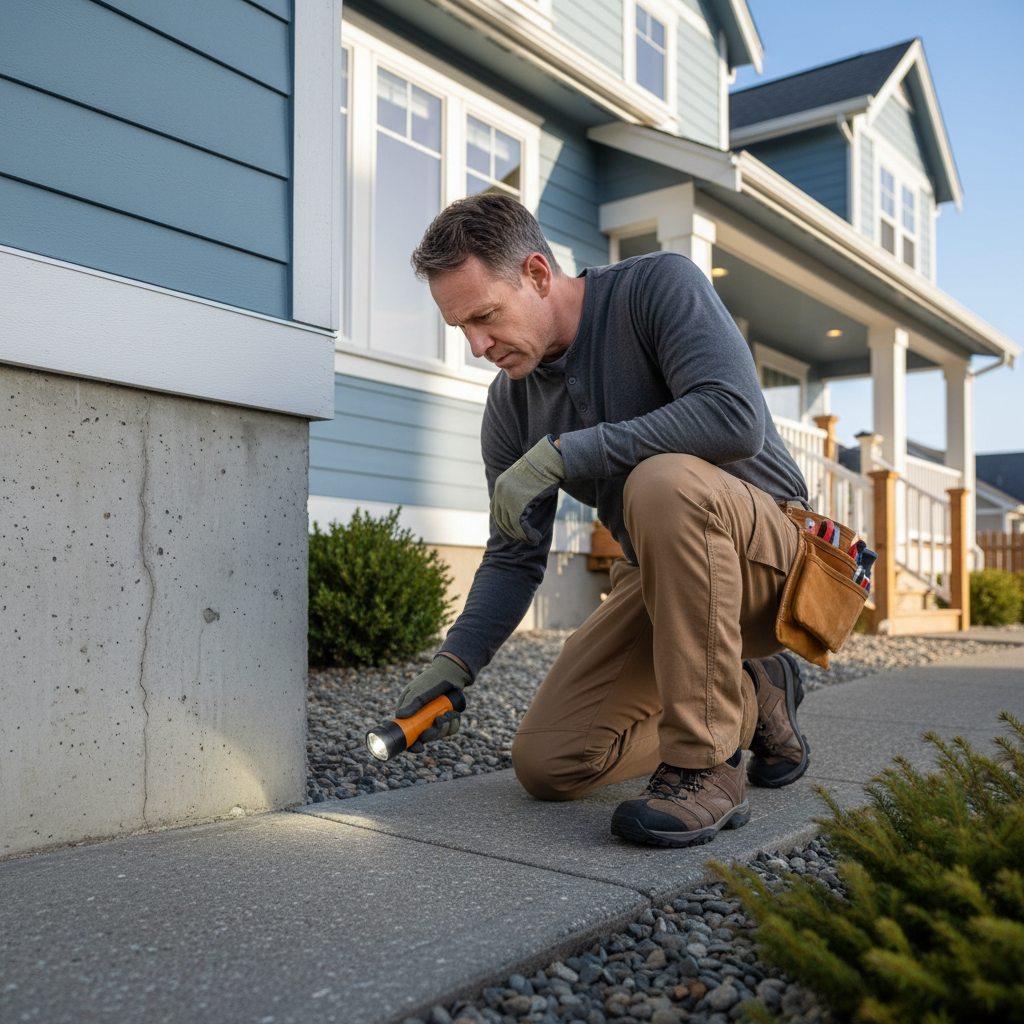
Inspect the Foundation & Exterior Walls – Detect structural shifts and moisture intrusion.
- Walk around the entire perimeter of your home. Look for vertical, horizontal, or stair-step cracks in the foundation, brickwork, or siding. Hairline cracks are often superficial, but cracks wider than 1/8 inch or those actively growing warrant closer inspection.
- Check for proper grading: the ground around your foundation should slope away from the house to prevent water pooling. Look for signs of moisture damage on exterior walls, such as peeling paint, stains, or efflorescence (a white, powdery deposit).
- Examine window and door frames for gaps, rot, and proper caulking. Poor seals can lead to drafts and water infiltration.
-
Check Plumbing Systems – Uncover leaks and drainage problems.
- Go through your home and turn on every faucet, flush every toilet, and run every shower. Look for leaks under sinks, around toilet bases, and at pipe connections. Pay attention to water pressure and drainage speed. Slow drains can indicate clogs or vent issues.
- Inspect exposed pipes in basements, crawl spaces, and utility rooms for corrosion, bulges, drips, or water stains on surrounding materials. Check the water heater for leaks, rust, or sediment buildup at the bottom. Test the temperature and pressure relief (TPR) valve annually – consult your water heater manual for instructions.
- Safety Note: If you have a traditional gas water heater, exercise extreme caution. Never tamper with gas lines. If you smell gas or suspect a serious gas leak, evacuate immediately and call your gas company and 911.
-
Examine Electrical Components – Identify fire hazards and system overloads.
- Check all accessible outlets and light switches. Look for outlets that are loose in the wall, warm to the touch, or show scorch marks. Plug a small appliance into various outlets to ensure they are working. Test GFCIs (Ground Fault Circuit Interrupters) in bathrooms, kitchens, and outdoor areas by pressing the "Test" button – they should trip, then reset.
- Open your main electrical panel (carefully, by just opening the door, do not remove the front cover). Look for rust, burning smells, or signs of rodent intrusion. Ensure all circuit breakers are clearly labeled. Do not touch any wires or components inside the panel.
- Safety Note: Never open the main cover of an electrical panel or attempt electrical repairs unless you are a licensed electrician. High voltage can be lethal. If you find warm outlets, flickering lights that persist, or any signs of arcing, immediately contact a qualified electrician.
-
Assess HVAC System – Ensure efficient operation and air quality.
- Replace your HVAC air filter every 1-3 months, depending on usage and pets. Visually inspect the outdoor AC unit for debris blockage and bent fins. Ensure the unit is level.
- Test your thermostat to ensure it cycles the system on and off correctly for both heating and cooling. Listen for unusual noises (grinding, whistling, loud banging) coming from the furnace or AC unit. Check the condensate drain line for blockages (a small amount of white vinegar can help clear minor clogs, but call an HVAC tech for persistent issues).
- If you notice a burning smell from the furnace, shut it off immediately and call an HVAC professional. This can indicate an electrical or mechanical issue.
-
Review Attic & Crawl Space – Uncover hidden moisture, pests, and insulation problems.
- Carefully enter your attic (wear a mask and use a sturdy ladder/walkway). Look for signs of water stains on the underside of the roof decking, indicating a leak. Check for adequate insulation and ensure vents are not blocked.
- In the crawl space, look for standing water, mold/mildew growth, pest droppings, or damaged vapor barriers. Check for signs of active wood-destroying insects (termites, carpenter ants). Ensure proper ventilation to prevent moisture buildup.
- Safety Note: Attics and crawl spaces can be dangerous due to electrical wires, falling hazards, pests, and poor air quality. Wear protective gear, bring a flashlight, and consider hiring a professional for these confined spaces if you're uncomfortable.
-
Test Safety Devices – Ensure critical life-saving equipment is functional.
- Test all smoke detectors monthly and replace batteries annually. Replace detectors every 10 years. Test carbon monoxide (CO) detectors monthly and replace them every 5-7 years.
- Ensure all fire extinguishers are easily accessible, fully charged, and have not expired. Know how to use them.
- Check that emergency escape routes from all bedrooms are clear and windows/doors open easily.
Common Causes
Many home inspection oversights stem from common underlying causes:
- Lack of Knowledge: Homeowners simply don't know what specific signs indicate a problem or where to look for them.
- "Out of Sight, Out of Mind": Areas like attics, crawl spaces, and the underside of decks are often neglected because they're not regularly seen.
- Time Constraints: Busy schedules lead to rushed or incomplete inspections.
- Over-reliance on Sales Inspections: While pre-purchase inspections are thorough, homes settle, age, and weather over time, requiring ongoing checks.
- Fear of Finding Problems: Some homeowners subconsciously avoid deep inspection to avoid the potential cost or hassle of repairs.
- Ignoring Minor Signs: Small drips, faint smells, or tiny cracks are dismissed as insignificant until they escalate.
Common Mistakes
- Skipping the Roof Inspection: Many homeowners only look at the roof after a leak appears. Proactively checking for damaged shingles, flashing issues, and clogged gutters can prevent water damage inside the home.
- Neglecting the Foundation Perimeter: Overlooking subtle cracks in the foundation or improper grading around the house can lead to significant structural problems and basement flooding over time.
- Ignoring Minor Plumbing Drips: A small drip under a sink might seem harmless, but it indicates a failing seal or loose connection that can lead to wood rot, mold, and even structural damage if left unaddressed.
- Not Testing All GFCI Outlets: GFCI outlets are critical safety devices in wet areas. Failing to test them annually means you might not have protection against fatal electrical shocks when you need it most.
- Forgetting About the Attic and Crawlspace: These often-hidden areas are prime locations for water leaks, pest infestations, inadequate insulation, and mold growth. Skipping them can lead to significant, unseen damage.
- Ignoring HVAC Filter Changes: A dirty air filter restricts airflow, forcing your HVAC system to work harder, decreasing efficiency, increasing energy bills, and potentially leading to system breakdowns years earlier.
Cost & Time Breakdown
| Task | DIY cost | Pro cost | Time |
|---|---|---|---|
| Roof & Gutter Inspection | $0 | $150–$300 | 30–60 minutes |
| Foundation & Exterior Check | $0 | $200–$500+ | 30–60 minutes |
| Plumbing System Scan | $0 | $100–$250 | 45–90 minutes |
| Electrical System Scan | $0 | $150–$400 | 30–60 minutes |
| HVAC Visual & Filter Check | $10–$50 (filter) | $150–$300 (tune-up) | 15–30 minutes |
| Attic & Crawl Space Visual | $0 | $200–$600+ | 45–90 minutes |
| Safety Device Testing | $0 | --- | 10–15 minutes |
| Total DIY (excluding fixes) | $10–$50 | $750–$2150+ | 3–6 hours |
Tips & Prevention
- Create a Seasonal Checklist: Break down your annual inspection into smaller, manageable seasonal tasks. For instance, check gutters in fall and spring, test AC in spring, and furnace in fall.
- Keep a Home Maintenance Log: Document your findings, repair dates, and contractor information. This creates a valuable history for your home and helps track recurring issues.
- Learn Your Home's Quirks: Pay attention to any unusual sounds, smells, or visual changes. Your home often "tells" you when something is wrong.
- Prioritize Water Management: Many home problems start with water. Ensure proper drainage away from the foundation, clean gutters, and promptly fix any leaks, no matter how small.
- Regularly Change Filters: HVAC air filters, refrigerator water filters, and perhaps even whole-house water filters should be changed on schedule to maintain appliance efficiency and indoor air quality.
- Don't Ignore Pests: Small signs of pests (droppings, chewed wood, mud tubes) can indicate a much larger infestation. Address these immediately, as they can cause significant damage to your home's structure and systems.
When to Call a Professional
While this checklist empowers you to identify many potential issues, some problems demand the expertise of a licensed professional. You should absolutely call a structural engineer if you observe significant foundation cracks (wider than 1/4 inch, active growth, or causing uneven floors/door frames) or major sagging in floors/rooflines. Any persistent plumbing leaks that you can't easily locate or stop, or issues with your main water shut-off valve, warrant a call to a licensed plumber to prevent extensive water damage. For electrical problems like circuit breakers frequently tripping, burning smells from outlets or the electrical panel, or if you need to open the main electrical panel (which should only be done by a pro), contact a licensed electrician immediately due to severe shock and fire risks. Similarly, if your HVAC system is making loud, unusual noises, emitting strange odors, or failing to heat/cool effectively, an HVAC technician is required. Finally, for any suspected gas leaks, evacuate your home and call your gas provider and 911 immediately.
Related Articles
Keep troubleshooting with these hand-picked guides from FixlyGuide:
- The 7 Critical Home Inspection Mistakes Most Homeowners Make (And How to Avoid Them) — Bypass costly surprises and ensure your home's longevity with a comprehensive annual inspection, catching issues before they escalate.
- The 7 Critical Home Inspection Checks Most Homeowners Miss (and How to Do Them Yourself) — Discover the essential annual home inspection checks many homeowners overlook and learn how to perform them yourself to prevent costly repa…
- The 7 Critical Inspection Points Most Homeowners Miss (And Your $100 Fixes) — Uncover the hidden annual home inspection points that prevent costly repairs and maintain your home's value, often with simple DIY fixes.
- The 7 Critical Roof Flaws You Can Spot From Your Yard (Before They Cost You Thousands) — Learn how to spot critical roof damage from the safety of your yard, identifying issues like missing shingles and blocked gutters before th…
- The 9 Sneaky Signs Your Roof Is Failing (And How to Spot Them From the Ground) — Learn to spot critical signs of roof damage from the safety of the ground, potentially saving thousands in repairs.
- The #1 Mistake Homeowners Make With HVAC Filters (And How Often to Really Change Them) — Discover the crucial mistake most homeowners make with HVAC filters and the specific schedule you should follow to avoid costly HVAC issues…
Your seasonal maintenance checklist
The small jobs that prevent the expensive repairs. Tick them off — progress saves on this device.
Free, no signup. Skip anything that requires roof access or working near live electrical.
Estimate your own project cost
National averages are a starting point. Enter your details for a range that fits your house.
Roof replacement cost
- Per square (installed)$604 – $866
Add $500–$2,500 if decking is rotten and needs replacement. Storm damage may be covered by insurance.
Educational estimate only — always confirm with written local bids.
What should this project cost?
Enter your project details for a realistic cost range before you call anyone.
Common repairs run $150–$650; repipes and water-heater replacements reach $1,500–$4,500.
- Regional adjustment
- National average
- Labor share (typical)
- ~$754
- Quotes to collect
- 3 written estimates
Educational estimate based on national averages — not a binding quote. Always confirm with written local estimates.
Fixly Project Decision Box
- DIY difficulty
- Professional Recommended
- Estimated time
- Inspection 1–2 hours · repairs 1–3 days
- Cost level
- High
Main tools / materials
- Binoculars for a ground-level look
- Flashlight for attic checks
- Moisture meter
- Roofing cement (temporary patch only)
When to stop and call a pro
- Active leak near lights, fans, or any wiring
- Sagging, bulging, or water-filled ceiling
- Steep, wet, or two-story roof — do not climb it
- Storm or hail damage you plan to claim on insurance
Need professional help?
Free roof assessment first — no phone calls until you ask for them.
Get Local Roofing HelpDecide what your roof needs
Two minutes of questions turns "something is wrong up there" into a clear next step.
- Repair or replace your roof?Answer 10 questions about age, leaks, and damage to get a clear next step.Open
- Compare contractor quotesScore up to four bids on price, warranty, licensing, and timeline.Open
- Get local estimatesSend one request and compare written estimates from vetted pros.Open
Free, no signup required. Estimates are educational guidance, not a quote or an inspection.
Get the print-ready PDF of this guide
A clean, ad-free, printable version you can keep on your phone or pin to the workshop wall. Free with a FixlyGuide account.
- Print-optimized layout
- Tools, materials & every step included
- Saved to your account
Recommended for DIYers & woodworkers
Sponsored
The Top 20 Tools for Workshops of Any Budget
No stationary machines or power tools required — plus 3 fundamental tools that can't be bought at any price.
Get the free guide
Ted's Woodworking — The #1 Woodworking Resource
Detailed instructions, dimensioned drawings, materials & cutting lists, and 3D schematics for every skill level.
See the plansSponsored: links above are affiliate links. FixlyGuide may earn a commission on qualifying purchases — at no extra cost to you.
Frequently asked questions
How often should a homeowner inspect their home?+
A thorough annual inspection is recommended for all major systems and the home's structure. Additionally, perform seasonal checks (spring and fall) for exterior elements like gutters, landscaping, and visible foundation, and monthly checks for safety devices like smoke and CO detectors.
What are the most common overlooked problems in a home inspection?+
Homeowners often miss subtle foundation cracks, hidden roof damage around flashing and vents, slow plumbing leaks under sinks or in crawl spaces, deteriorating caulk around windows, and insufficient attic ventilation or insulation issues. These small problems can escalate into expensive repairs if not caught early.
Can I do my own home inspection, or do I need a professional?+
For routine maintenance and early problem detection, homeowners can perform many inspection tasks themselves using a detailed checklist. However, for complex systems like electrical panels, HVAC diagnostics, or significant structural concerns, a licensed professional (e.g., a structural engineer, electrician, or HVAC technician) should always be consulted for safety and accurate assessment.
What should I do if I find a problem during my inspection?+
For minor issues, attempt simple DIY fixes if you are confident and it is safe (e.g., clearing a clogged gutter, replacing a faulty GFCI outlet after shutting off power). For more significant problems like persistent leaks, large cracks, or electrical hazards, document the issue with photos, stop further damage if possible (e.g., turn off water), and call a qualified professional for diagnosis and repair.
How can I make my home inspection easier each year?+
Organize your inspection by area (exterior, basement, living spaces, attic) and use a comprehensive checklist. Keep a maintenance log to track when items were last inspected or repaired. Investing in good tools like a strong flashlight, binoculars, and a ladder (used safely) can also make the process more efficient.

Discussion
Loading comments…