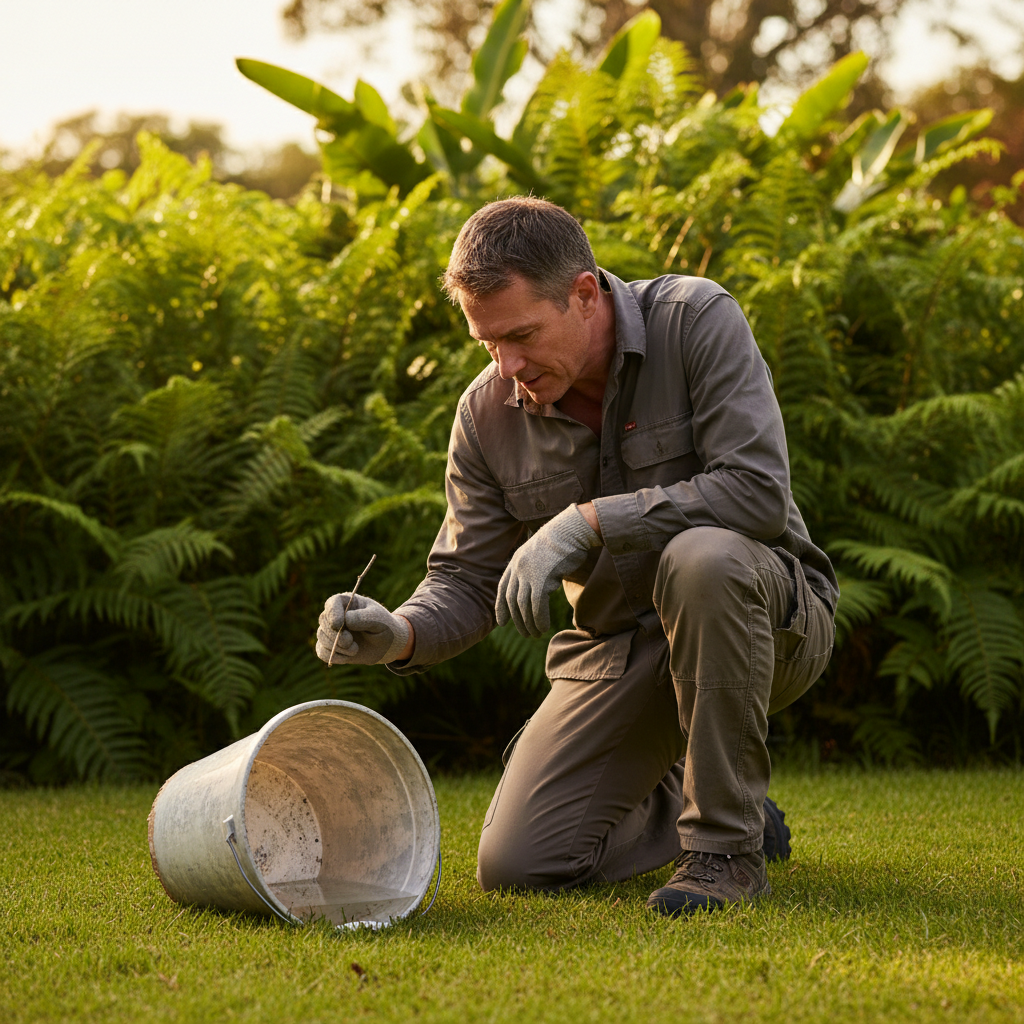
- Forgotten Containers: Buckets, old tires, tarps, children's toys left outdoors that collect rainwater.
- Clogged Gutters: Undetected blockages in gutters and downspouts create persistent standing water.
- Poor Landscape Drainage: Depressions in the yard or uneven grading that allows puddles to sit for days after rain.
- Neglected Water Features: Bird baths not cleaned frequently, ornamental ponds without proper circulation or fish, unused or poorly maintained swimming pools.
- Excessive Ground Cover & Tall Grass: Dense vegetation provides cool, humid resting spots for adult mosquitoes during the day.
Landscaping · Drainage or grading problem
| Project category | Landscaping |
|---|---|
| Problem type | Drainage or grading problem |
| Trade required | Landscaping |
| Urgency | Soon — within weeks |
| Safety risk | Low safety risk |
| DIY suitability | Pro recommended |
| Cost category | Moderate cost |
| Typical timeline | Most yards 1–3 days |
| Contractor type | Landscaping contractor |
Repair option
Regrade, extend downspouts, and add a French drain where water collects.
Replacement option
Full drainage system with catch basins for chronic flooding.
Common causes
- Negative grade toward the house
- Compacted clay soil
- Downspouts discharging at the foundation
Relevant tools:project cost estimator
Published May 4, 2026Last updated August 17, 2026
Tools & materials you'll need
Affiliate links- AmazonGlovesFor handling debris and protecting hands.
- AmazonSmall Trowel or ScoopFor cleaning gutters.
- AmazonWheelbarrowFor moving soil or debris, also check for standing water in it.
- AmazonGarden Hose with Spray NozzleFor rinsing bird baths and other containers.
- AmazonStiff Scrub BrushFor cleaning bird baths and containers.
- AmazonLadderFor accessing gutters; ensure it's stable and safety-rated.
As an Amazon Associate FixlyGuide earns from qualifying purchases — at no extra cost to you. Prices and availability are accurate as of publication and subject to change.
Quick Answer
Eliminating mosquitoes naturally in your backyard primarily involves identifying and removing all sources of standing water. Mosquitoes require stagnant water to lay their eggs, so by disrupting their breeding grounds, you can significantly reduce your property's mosquito population without resorting to harsh chemicals. This approach is highly effective and safe for your family, pets, and local wildlife. Focus on thorough weekly inspections and maintenance to keep your yard mosquito-free.
The Problem
That persistent, itchy bite is more than just an annoyance; mosquitoes can transmit diseases like West Nile virus, Zika, and Eastern Equine Encephalitis, turning your enjoyable backyard into a source of anxiety. Many homeowners reach for chemical sprays, foggers, or citronella candles, offering temporary relief but often failing to address the root cause of the infestation. The real problem isn't just adult mosquitoes flying around; it's the hidden nurseries in your yard where thousands of new mosquitoes are hatched every week: standing water. Even a bottle cap full of water can be enough for hundreds of mosquito larvae to develop.
The convenience of modern living often inadvertently creates ideal breeding grounds. Think about that forgotten wheelbarrow, the bird bath that hasn't been refreshed, or the clogged gutter holding a perpetual puddle. These seemingly innocuous spots are prime real estate for mosquito reproduction. Addressing these breeding sites directly is the most effective and sustainable way to reclaim your backyard from these unwelcome guests without introducing harmful pesticides into your environment.
How It Works
Understanding the mosquito life cycle is key to natural control. Mosquitoes undergo complete metamorphosis, passing through four distinct stages: egg, larva, pupa, and adult. The first three stages are entirely aquatic, happening in standing water. Adult female mosquitoes, after getting a blood meal (that's you!), lay their eggs, usually in clusters called "rafts," on the surface of standing water or on damp soil at the water's edge. These eggs can hatch within 24-48 hours, morphing into larvae, often called "wigglers." These wigglers live in the water, feeding on microorganisms and organic matter, and breathe via a siphon that breaks the water's surface. This larval stage typically lasts 5-14 days, depending on temperature and species. They then develop into pupae, or "tumblers," which are non-feeding but still aquatic. After 2-3 days as a pupa, the adult mosquito emerges, dries its wings, and flies off to continue the cycle. The entire process from egg to adult can take as little as 7-10 days in warm weather. Any standing water present for more than a few days, regardless of its size, can become a mosquito nursery. By eliminating these water sources, you break the cycle before adult mosquitoes even have a chance to take wing and bite.
Step-by-Step Fix
1. Conduct a Yard-Wide Water Audit — Systematically inspect your entire property for even the smallest sources of standing water.
Walk slowly through your yard, paying close attention to both obvious and hidden spots. Look under bushes, behind sheds, and in any depressions. A comprehensive audit is the foundation of effective natural mosquito control. Repeat this weekly, especially after rain.
- Tools: Notepad and pen, flashlight (for dark areas).
- Safety: Wear bug repellent during your audit to avoid bites.
2. Eliminate All Water-Holding Containers — Empty, overturn, or remove anything that can collect water.
This is often the most impactful step. Tip out water from old tires, buckets, forgotten children's toys, tarps with depressions, wheelbarrows, and even pet food bowls not regularly cleaned. If a container cannot be removed, drill drainage holes in the bottom.
- If this doesn't work: Consider that some containers, like planters with saucers, might need daily emptying or filling with sand to prevent water collection.
3. Address Clogged Gutters and Downspouts — Ensure proper drainage by clearing debris from your roof's rain management system.
Clogged gutters are notorious for trapping water, creating perfect mosquito breeding sites right above your head. Clean them regularly, especially in spring and fall, and ensure downspouts direct water away from the house's foundation and don't pool.
- Tools: Ladder, gloves, small trowel or scoop, bucket.
- Safety: Always use a stable ladder and have someone spot you. Never work on a roof or ladder during wet or windy conditions.
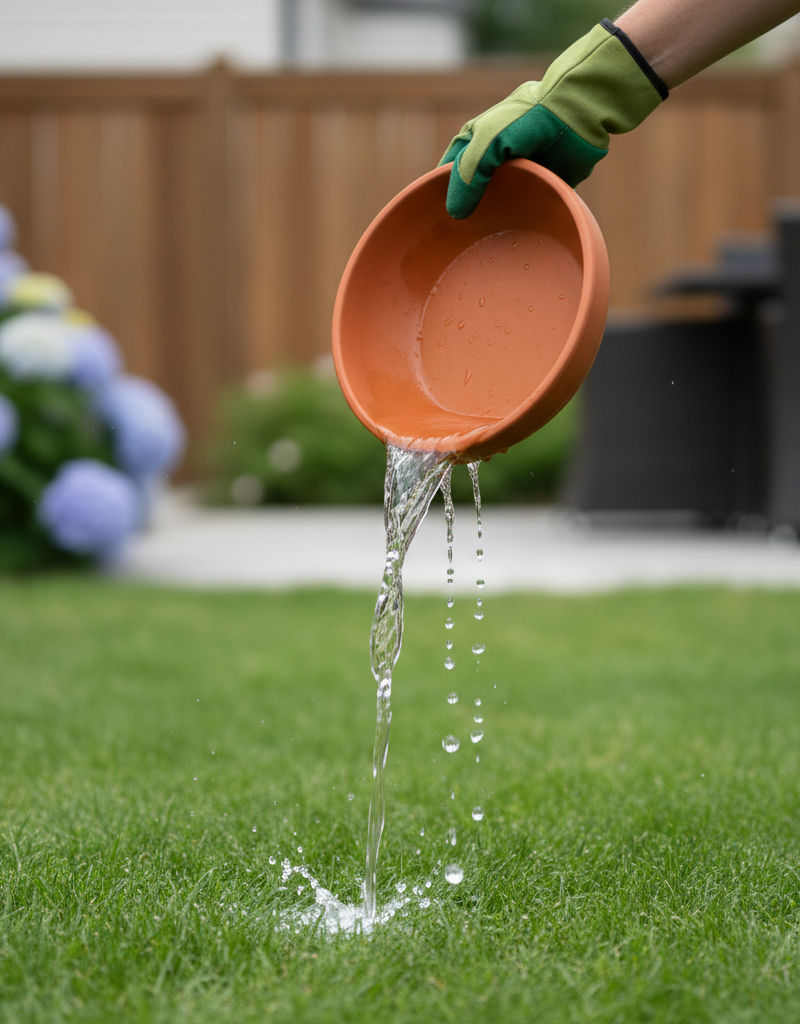
4. Maintain Ponds, Bird Baths, and Water Features — Keep ornamental water moving or refresh it frequently.
For bird baths, empty and scrub them at least twice a week to remove mosquito eggs and larvae. For ponds, introduce mosquito fish (Gambusia affinis) – tiny fish that eat mosquito larvae. Ensure decorative fountains and waterfalls have pumps that circulate water continuously to prevent stagnation.
- If this doesn't work: Consider a Bti (Bacillus thuringiensis israelensis) dunk or 'mosquito donut' for larger, unavoidable standing water sources like neglected ponds. This natural bacterium kills mosquito larvae but is harmless to pets, birds, and beneficial insects.
5. Manage Landscape Drainage — Improve yard grading and fill in depressions to prevent rainwater pooling.
Inspect your lawn after a heavy rain. If you see puddles remaining for more than 24-48 hours, you have poor drainage. Consider adding soil to low spots or creating a dry creek bed to direct water flow naturally away from problem areas.
- Tools: Shovel, rake, wheelbarrow, topsoil/fill dirt.
6. Keep Swimming Pools Properly Maintained — Circulate and treat pool water consistently.
Even a neglected pool cover can collect stagnant water. Ensure your pool pump is running regularly, and maintain proper chemical levels to prevent mosquito breeding. If you have an unused pool, cover it tightly or drain it completely.
7. Trim Vegetation and Mow Lawn Regularly — Reduce resting spots for adult mosquitoes.
Mature mosquitoes often rest in cool, shady, damp areas like tall grass, dense shrubs, and overgrown bushes during the day. Keeping your lawn mowed short and trimming back dense vegetation around your home reduces these harborage areas.
- Tools: Lawn mower, string trimmer, hedge shears.
8. Explore Natural Repellents and Barriers — Use plants and physical barriers to deter adult mosquitoes.
Plant mosquito-repelling plants like citronella grass, lavender, marigolds, and catnip around your patio and entryways. Ensure all window screens and door screens on your home are intact and free of tears to create a physical barrier.
- Consider this: While plants offer some deterrent, they are not a primary solution for infestation; they primarily work in close proximity.
9. Use Fans on Patios and Decks — Create air movement to make it difficult for mosquitoes to land.
Mosquitoes are weak fliers. Placing outdoor fans on your patio or deck can create a breezy environment that makes it much harder for them to land and bite. This is a great, immediate solution for outdoor gatherings.
Common Causes
- Forgotten Containers: Buckets, old tires, tarps, children's toys left outdoors that collect rainwater.
- Clogged Gutters: Undetected blockages in gutters and downspouts create persistent standing water.
- Poor Landscape Drainage: Depressions in the yard or uneven grading that allows puddles to sit for days after rain.
- Neglected Water Features: Bird baths not cleaned frequently, ornamental ponds without proper circulation or fish, unused or poorly maintained swimming pools.
- Excessive Ground Cover & Tall Grass: Dense vegetation provides cool, humid resting spots for adult mosquitoes during the day.
- Unsealed Rain Barrels: Rainwater harvesting barrels without tight-fitting screens or lids allow easy access for mosquitoes to lay eggs.
Common Mistakes
- Ignoring Small Water Sources: Homeowners often overlook tiny puddles in plant saucers, discarded bottle caps, or even folded tarps. Remember, a mosquito only needs a teaspoon of water to breed.
- Relying Solely on Repellents: While personal repellents offer temporary protection, they don't address the core problem. Focusing only on repellents without eliminating breeding sites is a losing battle.
- Sporadic Inspections: Checking for standing water once a month isn't enough. Mosquitoes can go from egg to adult in a week. Weekly inspections are crucial, especially after rainfall.
- Cleaning Bird Baths Infrequently: A bird bath needs to be emptied and scrubbed every 2-3 days, not just topped off, to remove attached eggs.
- Overlooking Gutters: Clogged gutters are a huge, often unseen, source of mosquito breeding. Many homeowners forget to check them because they're out of sight.
- Leaving Pet Water Bowls out Overnight: Pet water bowls, if not regularly cleaned and emptied, can become breeding grounds. Bring them in or refresh them daily.
Cost & Time Breakdown
| Task | DIY cost | Pro cost | Time |
|---|---|---|---|
| Yard Audit & Container Emptying | $0 | N/A | 15–30 min/week |
| Gutter Cleaning | $0–$10 (tools) | $150–$300 | 1–2 hours |
| Bird Bath Maintenance | $0 | N/A | 5 min/twice week |
| Landscape Drainage Improvement | $50–$200+ | $500–$2,000+ | 2–8 hours |
| Vegetation Trimming | $0 (if tools owned) | $100–$400+ | 1–3 hours |
| Mosquito Dunks (Bti) | $10–$20/pack | N/A | 1 min/treatment |
Tips & Prevention
- Weekly Water Patrol: Make it a habit to walk your yard weekly, especially after rain, to identify and eliminate any new sources of standing water. This is the single most effective prevention strategy.
- Screen Rain Barrels: If you harvest rainwater, ensure your rain barrel has a tight-fitting screen mesh (at least 1/16-inch) over the opening to prevent mosquito access.
- Maintain Pet Water Bowls: Refresh and scrub pet water bowls daily. Consider bringing them indoors overnight.
- Check Beneath A/C Units: The drip pan or condensate line from your air conditioning unit can create small puddles. Ensure it drains properly.
- Empty Kiddie Pools: Always empty and store kiddie pools vertically when not in use. Don't leave them filled overnight.
- Strategic Planting: Consider planting strong-smelling herbs like rosemary, basil, and mint near outdoor seating areas. While not a standalone solution, they can offer some localized deterrence.
When to Call a Professional
While most backyard mosquito issues can be significantly reduced with diligent DIY efforts, there are times when professional help is warranted. If you have persistent standing water problems due to complex grading issues, a perpetually damp area that you can't resolve, or a large ornamental pond that proves difficult to manage, a landscape or pest control professional can offer targeted solutions. Professionals can identify less obvious breeding sources, recommend permanent drainage solutions, or apply larvicides in specific situations that require a more robust approach than DIY methods allow. If you've diligently followed all natural elimination steps and still face an overwhelming mosquito presence, particularly if you have concerns about mosquito-borne illnesses in your area, a licensed pest control expert can conduct a comprehensive assessment and implement an integrated pest management plan tailored to your property. They can apply Bti in larger quantities or use other targeted, low-impact treatments if necessary, ensuring a more effective reduction in mosquito populations.
Related Articles
Keep troubleshooting with these hand-picked guides from FixlyGuide:
- The #1 Mosquito Mistake Homeowners Make (and 3 Natural Fixes) — Discover the biggest mistake homeowners make in mosquito control and learn three natural, effective fixes to reclaim your backyard without…
- The #1 Crabgrass Mistake (and 3 Organic Ways to Fix It) — Discover the biggest mistake homeowners make when battling crabgrass and how to effectively eliminate it using three natural methods.
- The 3 Hidden Mistakes That Make Landscape Edging Fail (And How to Fix Them) — Discover common mistakes homeowners make when installing landscape edging and learn the correct methods to achieve a durable, professional-…
- The #1 Mistake Killing Your Lawn's Crabgrass Defense (And the Easy Fix) — Discover why common crabgrass removal methods fail and how to naturally eliminate this stubborn weed for a healthier lawn.
- The 3 Hidden Reasons Your Sprinkler Head Won't Pop Up (And How to Fix Them) — Frustrated by a sprinkler head that won't rise? Discover the top three culprits behind this common irrigation issue and how to resolve them…
- How to Unclog a Shower Drain Without Chemicals: A Homeowner's Guide — Learn how to clear a clogged shower drain using simple tools and methods, avoiding harsh chemicals that can damage pipes.
Should you do this yourself?
Answer five quick questions before you start. Safety outranks savings every time.
Your experience with work like this
How high do you have to work?
Does the job involve any of these?
Will it need a permit?
Specialty tools
Free and instant. Educational guidance only — not a quote, inspection, or professional diagnosis.
What should this project cost?
Enter your project details for a realistic cost range before you call anyone.
Cost depends heavily on which system turns out to be the source.
- Regional adjustment
- National average
- Labor share (typical)
- ~$1,620
- Quotes to collect
- 3 written estimates
Educational estimate based on national averages — not a binding quote. Always confirm with written local estimates.
Before you start
Check the difficulty, permits, and safety risk — then decide whether to call a pro.
- Estimate this projectGet a cost range for your scope and ZIP before you call anyone.Open
- Get local estimatesSend one request and compare written estimates from vetted pros.Open
Free, no signup required. Estimates are educational guidance, not a quote or an inspection.
Frequently asked questions
How long does it take for mosquitoes to breed in standing water?+
Mosquitoes can complete their life cycle from egg to adult in as little as 7-10 days in warm weather. This means a container of standing water can become a mosquito nursery very quickly, emphasizing the need for weekly water elimination efforts.
Are mosquito dunks safe for pets and wildlife?+
Yes, mosquito dunks (which contain Bti, Bacillus thuringiensis israelensis) are considered safe for pets, birds, fish, and other wildlife. Bti is a naturally occurring bacterium that specifically targets and kills mosquito and blackfly larvae, but it does not harm other organisms.
Can certain plants really repel mosquitoes?+
While some plants like citronella, lavender, and marigolds have compounds that can deter mosquitoes, their effectiveness is limited. They work best in very close proximity and are not a substitute for eliminating breeding grounds. They can be a helpful addition, but not a primary solution.
How often should I clean my bird bath?+
Bird baths should be emptied and thoroughly scrubbed at least twice a week. This removes any mosquito eggs that may have been laid, preventing them from hatching into larvae. Simply refilling it isn't enough.
What's the smallest amount of water a mosquito needs to breed?+
Mosquitoes can breed in incredibly small amounts of water – as little as a tablespoon or even less. A bottle cap full of water, a crumpled leaf holding condensation, or a small depression in a tarp can all be sufficient breeding sites.


Discussion
Loading comments…