- Tools: Wrench (for blade removal), file or grinder, vice, work gloves.
- Safety: Always disconnect the spark plug wire (on gas mowers) or remove the battery (on electric mowers) before working near the blade. Wear eye protection and work gloves.
- When to sharpen: Sharpen blades at least once per season, or more frequently if you notice ragged cuts or if you mow over tough debris. Consider having a spare sharpened blade on hand for quick swaps.
Landscaping · Deck or fence project
| Project category | Landscaping |
|---|---|
| Problem type | Deck or fence project |
| Trade required | Landscaping |
| Urgency | Planned project |
| Safety risk | Moderate safety risk |
| DIY suitability | DIY for experienced homeowners |
| Cost category | High cost |
| Typical timeline | Most builds 3–10 days depending on size |
| Contractor type | Landscaping contractor |
Repair option
Replace failed boards, posts, and hardware; reseal the surface.
Replacement option
Rebuild when framing or the ledger connection is unsafe.
Common causes
- Rot at posts and ledger
- Storm damage
- Adding outdoor living space
Relevant tools:home improvement material pricesproject cost estimator
Published May 4, 2026Last updated August 17, 2026
Tools & materials you'll need
Affiliate links- AmazonTape measure or rulerTo measure grass height
- AmazonAdjustable wrench or socket setFor adjusting mower deck height and blade removal
- AmazonMower blade sharpener (optional)Or use a file, grinder, or take to a professional
- AmazonWork glovesFor blade handling and general safety
- AmazonSafety glassesEssential when sharpening blades
No materials required.
As an Amazon Associate FixlyGuide earns from qualifying purchases — at no extra cost to you. Prices and availability are accurate as of publication and subject to change.
Quick Answer
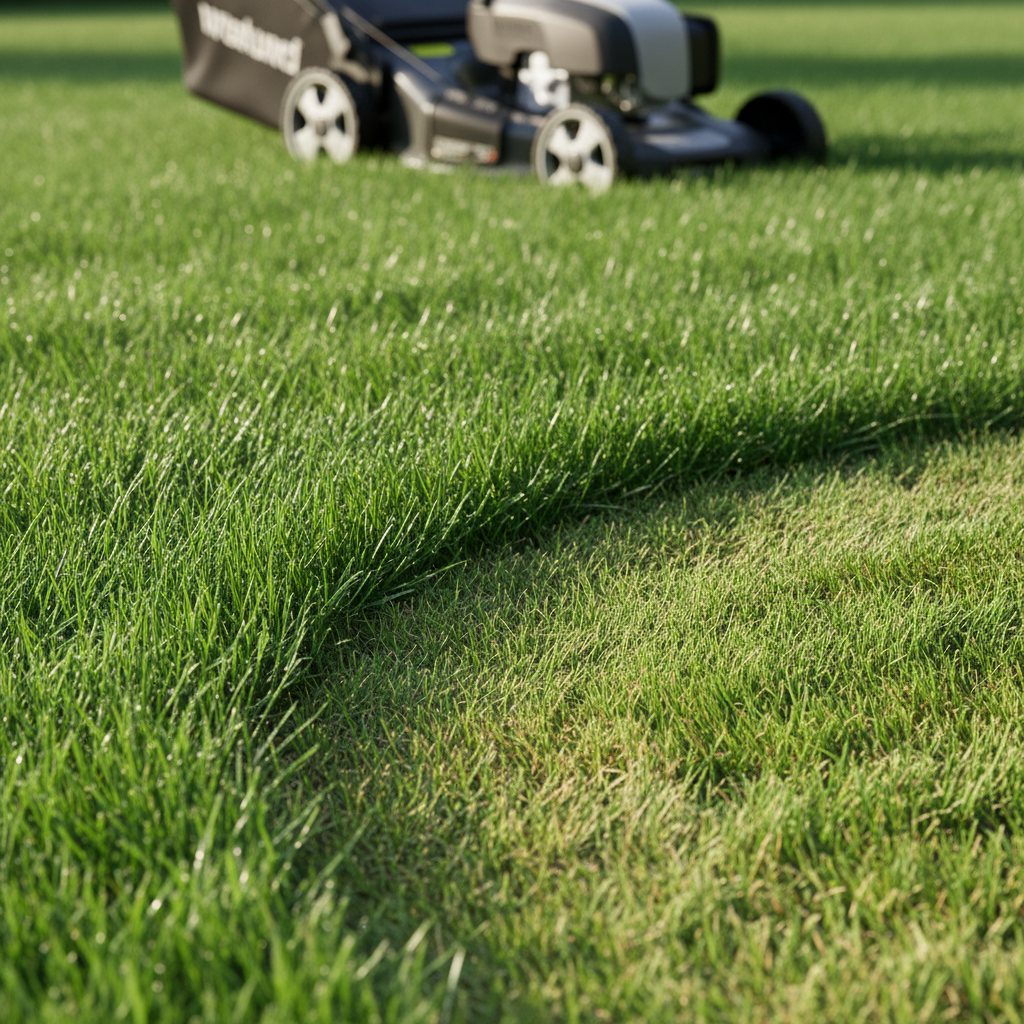
The most common mowing mistake that starves your lawn is cutting the grass too short. This practice, often called 'scalping,' removes too much of the grass blade, which are essentially the plant's solar panels. Without enough leaf surface, the grass can't photosynthesize effectively, leading to weak growth, increased weeds, and susceptibility to disease. Adjusting your mower to a higher setting and understanding the 'one-third rule' can quickly reverse this damage.
The Problem
Many homeowners believe a shorter lawn looks tidier or reduces the frequency of mowing. However, consistently cutting grass too short—often below 2-3 inches, depending on grass type—is detrimental to its health. When you scalp your lawn, you stress the grass plants by removing much of their photosynthetic capability. Think of grass blades as tiny solar panels. The more surface area they have, the more sunlight they can capture and convert into energy for growth, root development, and disease resistance.
Scalped lawns struggle to establish deep, robust root systems because the plant is constantly diverting energy to regrow its top. This makes them more vulnerable to drought, heat stress, and pest infestations. Furthermore, a short lawn allows more sunlight to reach the soil, creating ideal conditions for weed seeds to germinate and thrive, ultimately outcompeting your desired turfgrass. The immediate visual might be neat, but over time, you'll see a thinning lawn, an increase in broadleaf weeds, and a general decline in vibrancy, leading to a frustrating cycle of fertilization and weed control that never quite solves the root issue.
How It Works
Grass plants, like all green plants, perform photosynthesis, a process where they use sunlight, water, and carbon dioxide to create food (sugars) for energy. This process primarily occurs in the leaves, or in the case of turfgrass, the grass blades. When you cut grass, you're essentially removing a portion of these 'food factories.'
A healthy grass plant maintains a symbiotic relationship between its shoot (the visible blades) and its root system. The shoots produce energy, and a portion of that energy is sent down to the roots to fuel their growth and help them absorb water and nutrients from the soil. Longer grass blades typically mean a larger, more extensive root system. This allows the plant to tap into deeper water reserves during dry spells and access a wider range of nutrients, making it more resilient.
When you cut too much of the grass blade at once, particularly if you remove more than one-third of the blade's height, you shock the plant. The grass doesn't have enough remaining leaf surface to produce sufficient energy. It's forced to draw upon stored energy reserves, often sacrificing root mass to regrow its essential blades. This leads to a shallower root system, making the grass less tolerant to stress. Moreover, the open canopy allows sunlight to penetrate to the soil surface, warming it and encouraging rapid water evaporation and weed seed germination. Higher grass blades also help shade the soil, keeping it cooler and retaining moisture, which are crucial for vigorous growth and preventing weed proliferation.
Step-by-Step Fix
1. Assess Your Current Mowing Height — Check your mower deck setting and observe your lawn's height after mowing.
Before making any changes, understand your current routine. Most walk-behind mowers have a lever or individual wheel adjusters to change the deck height. Consult your mower's manual if you're unsure how to adjust it. Then, after your next mow, measure the actual height of the grass blades. Many homeowners mistakenly believe their mower is set higher than it actually is. Physically check the height of the cut grass, not just the mower setting number.
2. Identify Your Grass Type's Ideal Height — Different grass types have different optimal cutting heights.
Research your specific turfgrass type (e.g., Kentucky Bluegrass, Tall Fescue, Zoysia, Bermuda). Cool-season grasses (like Fescue and Bluegrass) generally prefer to be a bit taller, usually 2.5 to 3.5 inches. Warm-season grasses (like Bermuda and Zoysia) can tolerate slightly shorter cuts, often between 1.5 to 2.5 inches, but still benefit from being on the higher end of that range for home lawns. Knowing your grass type ensures you're aiming for a healthy height, not just an arbitrary number.
3. Implement the One-Third Rule — Never remove more than one-third of the grass blade's total height in a single mow.
This is the golden rule of mowing. If your grass is 4 inches tall, you should only cut off a maximum of 1.3 inches, leaving it at least 2.7 inches. If your lawn has grown much taller than your ideal healthy height, you'll need to mow more frequently or raise your mower deck initially and gradually bring it down over several mows until you reach your desired height while still adhering to the one-third rule. For example, if your ideal height is 3 inches but your grass is 6 inches tall, raise your mower to cut off 2 inches, leaving 4 inches. Then, on your next mow in a few days, cut off 1 inch, leaving 3 inches.
4. Sharpen Your Mower Blades — Dull blades tear, rather than cut, causing stress and disease entry points.
*   **Tools:** Wrench (for blade removal), file or grinder, vice, work gloves.
*   **Safety:** Always disconnect the spark plug wire (on gas mowers) or remove the battery (on electric mowers) before working near the blade. Wear eye protection and work gloves.
*   **When to sharpen:** Sharpen blades at least once per season, or more frequently if you notice ragged cuts or if you mow over tough debris. Consider having a spare sharpened blade on hand for quick swaps.
Dull blades fray the grass tips, leaving them susceptible to disease and giving the lawn a brownish, unhealthy appearance. A clean cut allows the grass to heal quickly. Sharpen your blades yourself or take them to a local hardware store or lawnmower repair shop.
5. Mow When Grass is Dry — Reduces clumping and disease spread.
Wet grass clogs the mower deck, leading to uneven cuts and leaving clumps of wet clippings that can smother the grass beneath. Wet conditions also make it easier to spread fungal diseases. Always wait until the dew has evaporated and the grass is completely dry before mowing.
6. Varry Your Mowing Pattern — Prevents compaction and promotes upright blade growth.
*   **Why:** Mowing in the same direction every time can compact the soil in specific paths and cause grass blades to lean in one direction, leading to a striped or uneven look over time.
*   **Method:** Alternate your mowing direction each time you cut. For example, if you mowed north-south last time, mow east-west this time. You can also try diagonal patterns.
Varying your pattern encourages the grass to grow more upright and distributes wear and tear more evenly across the lawn.
7. Leave Grass Clippings (Mulch Mowing) — Recycle nutrients naturally.
Provided the one-third rule is followed and clippings are not excessive, leaving finely mulched clippings on the lawn returns valuable nitrogen and organic matter to the soil, acting as a natural fertilizer. If you're removing more than one-third or the grass is very thick, you may need to bag the clippings to prevent smothering the lawn. Mulching blades on your mower can help chop clippings into smaller pieces.
8. Check Soil Health (If Problem Persists) — Underlying soil issues can mimic mowing problems.
*   **When:** If, after several weeks of proper mowing, your lawn still looks thin, discolored, or struggles.
*   **Method:** Purchase a soil test kit from a garden center or university extension office. This will tell you your soil's pH and nutrient levels (nitrogen, phosphorus, potassium).
*   **Action:** Amend your soil based on the test results. Correcting pH imbalances or nutrient deficiencies can significantly improve grass health, even with perfect mowing.
Common Causes
- Mowing too short: This is by far the most significant factor, stressing the grass and preventing adequate photosynthesis.
- Dull mower blades: Tear grass rather than cleanly cutting it, leaving jagged edges that brown and create entry points for disease.
- Infrequent mowing: Letting grass get too tall before cutting it means you're forced to remove too much blade at once, violating the one-third rule.
- Mowing wet grass: Leads to uneven cuts, clumping of clippings, and can spread fungal diseases.
- Compacted soil: Restricts root growth, making grass less resilient, though proper mowing helps mitigate this over time.
- Incorrect grass type for climate: Using cool-season grass in a hot climate or warm-season grass in a cold climate can lead to constant struggles, regardless of mowing practices.
Common Mistakes
- **Mistake: Cutting to a
Related Articles
Keep troubleshooting with these hand-picked guides from FixlyGuide:
- The #1 Mowing Mistake That Invites Weeds (And How to Fix It in 15 Minutes) — Discover the secret to a thriving lawn and banish weeds by avoiding the most common mowing error homeowners make, improving grass health dr…
- The 3 Lawn Mowing Mistakes Killing Your Grass (and How to Fix Them) — Discover the three most common lawn mowing mistakes homeowners make that damage their grass, and learn simple, actionable steps to correct…
- The Surprising pH Secret Every Green Lawn Shares (And How to Unlock Yours) — Discover how to simply and accurately test your lawn soil pH at home to unlock a greener, healthier lawn without expensive guesswork.
- The #1 Summer Lawn Mistake Turning Your Grass Yellow (and How to Fix It) — Discover the most common summer lawn mistake that causes yellowing grass and learn the simple steps to revive your lawn.
- The #1 Lawn Aeration Mistake Most Homeowners Make (And How to Fix It) — Timing is everything when it comes to lawn aeration, and doing it at the wrong time can do more harm than good for your grass.
- The #1 Mistake Homeowners Make Unclogging a Shower Drain (and the 5-Minute Fix) — Learn the surprising reason most DIY shower drain unclogging attempts fail and how to clear even the toughest clogs in minutes without hars…
Should you do this yourself?
Answer five quick questions before you start. Safety outranks savings every time.
Your experience with work like this
How high do you have to work?
Does the job involve any of these?
Will it need a permit?
Specialty tools
Free and instant. Educational guidance only — not a quote, inspection, or professional diagnosis.
Estimate your own project cost
National averages are a starting point. Enter your details for a range that fits your house.
Mulch & topsoil calculator
- Material cost (delivery extra)$45 – $90
Bulk delivery typically adds $50–$150 per trip but is cheaper than bagged for jobs over ~2 cu yd.
Educational estimate only — always confirm with written local bids.
What should this project cost?
Enter your project details for a realistic cost range before you call anyone.
Cost depends heavily on which system turns out to be the source.
- Regional adjustment
- National average
- Labor share (typical)
- ~$1,620
- Quotes to collect
- 3 written estimates
Educational estimate based on national averages — not a binding quote. Always confirm with written local estimates.
Before you start
Check the difficulty, permits, and safety risk — then decide whether to call a pro.
Free, no signup required. Estimates are educational guidance, not a quote or an inspection.
Frequently asked questions
How often should I mow my lawn?+
The frequency depends on your grass type, growth rate, and desired height. Instead of a strict schedule, mow when your grass reaches a height where you can remove no more than one-third of its total height to bring it back to your ideal height (e.g., 3 inches). This might mean every 4-7 days during peak growth season and less often during dormant periods.
What is the 'one-third rule' for mowing?+
The one-third rule is a fundamental principle stating that you should never remove more than one-third of the grass blade's total height in a single mowing session. For example, if your desired height is 3 inches, you should cut when the grass reaches about 4.5 inches, removing 1.5 inches to bring it back down to 3 inches. This minimizes stress on the grass, allowing it to maintain strong roots and promote healthy growth.
Should I bag my grass clippings?+
In most cases, no. Leaving finely mulched grass clippings on the lawn (mulch mowing) is highly beneficial. Clippings return valuable nutrients, especially nitrogen, and organic matter to the soil, acting as a natural, slow-release fertilizer. Only bag clippings if the grass is excessively tall, wet, or if you're dealing with a significant weed seed problem or fungal disease, as large clumps can smother the lawn or spread issues.
Why does my lawn look brown and 'scorched' after mowing shorter?+
This is a classic sign of scalping. When you cut too much of the grass blade, you're exposing the more vulnerable lower parts of the plant and even the soil to harsh sunlight. The grass struggles to photosynthesize, and the tips dry out and die, leading to a brown, scorched appearance. Raise your mower height immediately and adhere to the one-third rule to allow the grass to recover.
Can I fix a lawn that has been mowed too short for a long time?+
Yes, but it will take time and consistency. The primary fix is to gradually raise your mower height and consistently follow the one-third rule. This allows the grass blades to grow longer, rebuild their energy reserves, and develop deeper roots. Supplement with proper watering, and consider a light, balanced fertilizer application (after a soil test if possible) to aid recovery. Be patient; it might take several weeks to a full season to see significant improvement.

Discussion
Loading comments…