- How to measure 1 inch of water: Place an empty tuna can or rain gauge in your sprinkler's path. Time how long it takes for the can to collect 1 inch of water. This is how long you should run your sprinkler in that area.
- Early Morning is Best: Water early in the morning (between 4 AM and 9 AM) to minimize evaporation and allow the grass blades to dry before nightfall, reducing the risk of fungal diseases. Avoid watering in the evening.
- Test your soil: Stick a screwdriver or a soil probe into the ground. If it goes in easily to a depth of 6-8 inches, your lawn is adequately watered.
Landscaping · Deck or fence project
| Project category | Landscaping |
|---|---|
| Problem type | Deck or fence project |
| Trade required | Landscaping |
| Urgency | Planned project |
| Safety risk | Moderate safety risk |
| DIY suitability | DIY for experienced homeowners |
| Cost category | High cost |
| Typical timeline | Most builds 3–10 days depending on size |
| Contractor type | Landscaping contractor |
Repair option
Replace failed boards, posts, and hardware; reseal the surface.
Replacement option
Rebuild when framing or the ledger connection is unsafe.
Common causes
- Rot at posts and ledger
- Storm damage
- Adding outdoor living space
Relevant tools:home improvement material pricesproject cost estimator
Published April 29, 2026Last updated August 17, 2026
Tools & materials you'll need
Affiliate links- AmazonHeavy-duty work gloves1 pair
As an Amazon Associate FixlyGuide earns from qualifying purchases — at no extra cost to you. Prices and availability are accurate as of publication and subject to change.
Quick Answer
Many homeowners unintentionally damage their lawns by making common mistakes during mowing, such as cutting too short, using dull blades, or improper watering. Correcting these errors involves adjusting mower height, regularly sharpening blades, and rethinking your watering schedule to promote stronger, drought-resistant grass.
The Problem
Your lawn is more than just a patch of grass; it's a living, breathing ecosystem that responds directly to how you treat it. If your lawn looks brown, thin, or diseased, it might not be a lack of fertilizer or an insect infestation. Oftentimes, the culprit is right in your hands: your lawn mower. Many homeowners, with the best intentions, make fundamental errors in their mowing practices that unknowingly stress and weaken their turf. These mistakes can lead to shallow root systems, increased susceptibility to disease and pests, and a generally unhealthy, unattractive lawn that struggles to thrive. Over time, these seemingly minor issues compound, creating a cycle of decline that's frustrating to reverse.
Understanding these common missteps – cutting too short, neglecting blade maintenance, and improper watering post-mow – is the first step toward transforming your struggling lawn into a vibrant, resilient carpet of green. It's about working with your grass's natural biology, not against it, to foster deep roots and robust growth.
How It Works
To understand why proper mowing is crucial, let's delve into how grass grows. Every blade of grass is a living plant with a complex structure above and below ground. Photosynthesis, the process by which plants convert sunlight into energy, primarily occurs in the upper two-thirds of the grass blade. When you cut the grass too short, you're essentially removing a significant portion of its energy-producing factory. This forces the plant to tap into its stored energy reserves just to regrow, making it weaker and more vulnerable. Think of it like constantly forcing your car to run on its reserve fuel – eventually, it'll break down.
The height of the grass directly correlates with the depth of its root system. Taller grass shades the soil, keeping it cooler and helping to retain moisture, which encourages deeper root growth. Deeper roots mean the grass can access water and nutrients from further down in the soil, making it more resilient to droughts and heat stress. Conversely, short grass exposes the soil to more sunlight, leading to faster evaporation, shallower roots, and a greater need for frequent watering.
A sharp mower blade, on the other hand, makes a clean cut, allowing the grass blade to heal quickly and minimize moisture loss. A dull blade tears the grass, creating ragged edges that not only look unsightly but also act as open wounds, making the plant more susceptible to diseases and pests. These torn edges brown out quickly, giving your lawn a dull, grayish appearance even if the grass itself is healthy.
Finally, the relationship between mowing and watering is critical. Mowing stresses the grass, and proper hydration afterwards helps it recover. However, watering too frequently or too shallowly can be detrimental. Shallow watering encourages shallow roots, defeating the purpose of promoting healthy growth. Understanding these interconnected principles is key to nurturing a healthier lawn.
Step-by-Step Fix
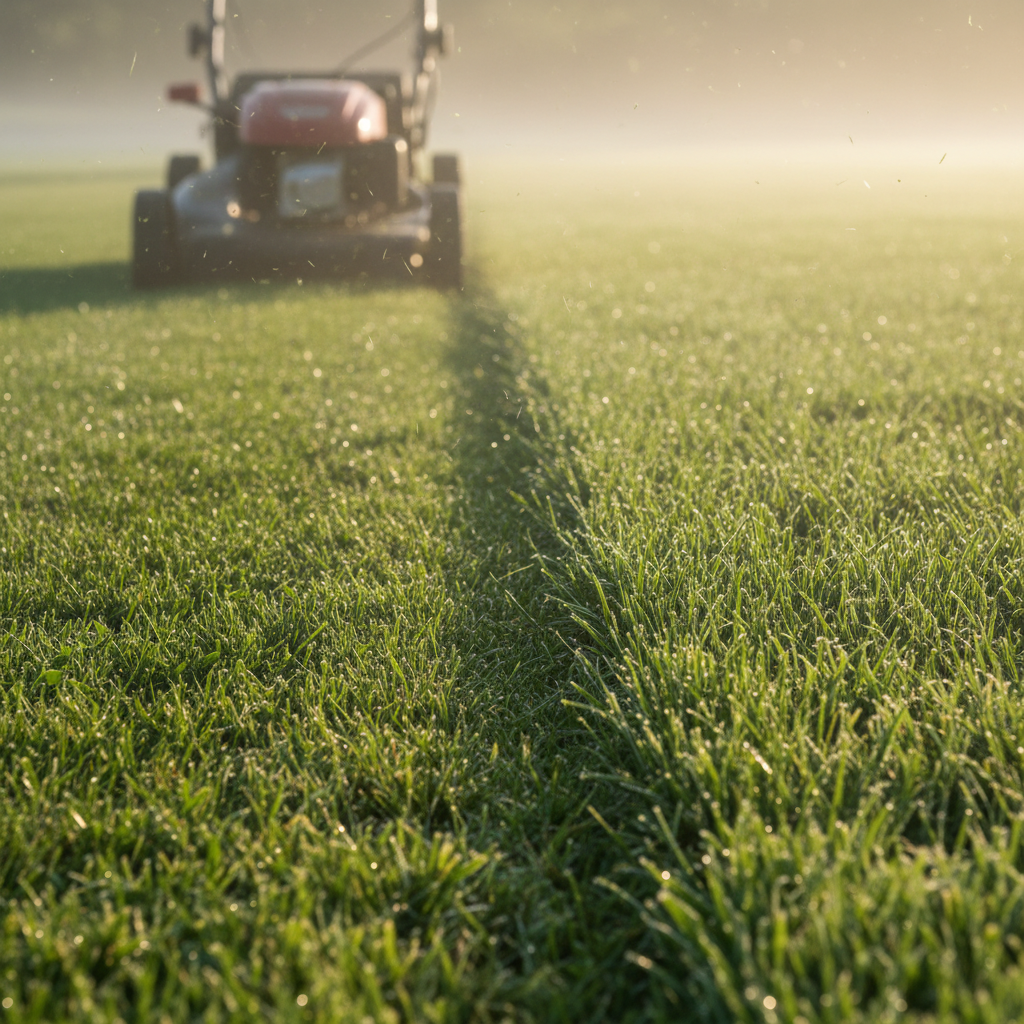
1. Adjust Your Mower Deck Height — The 'one-third rule' is your secret weapon.
Set your mower deck to the highest recommended setting for your grass type. For most cool-season grasses (fescue, rye, bluegrass), this is typically 2.5 to 3 inches. For warm-season grasses (Bermuda, zoysia, St. Augustine), it can be 2 to 3 inches. The golden rule is to never remove more than one-third of the grass blade's total height in a single mowing. If your grass is 4 inches tall, only cut off about 1.3 inches, bringing it down to 2.7 inches.
- Safety Note: Always turn off your mower and disconnect the spark plug before making any adjustments to the deck height or working near blades.
- If your lawn is overgrown: Instead of attempting to cut it all down at once, raise your mower as high as it goes and cut it. Wait a day or two for the grass to recover, and then lower the mower one notch and cut it again. Repeat this process until you reach your desired height, always adhering to the one-third rule.
2. Sharpen or Replace Your Mower Blade — A clean cut makes all the difference.
Examine your mower blade. If it looks dull, nicked, or visibly bent, it's time for maintenance. A sharp blade makes a clean cut, which allows the grass to heal quickly. A dull blade tears the grass, leaving jagged edges that brown and invite disease.
- Tools: Wear heavy-duty work gloves and use a wrench to remove the blade (turn off the mower and disconnect the spark plug first!). You can sharpen the blade yourself with a metal file or grinder, ensuring it remains balanced. Alternatively, take it to a local hardware store or small engine repair shop for professional sharpening. Most blades should be sharpened at least once per season, or more frequently if you mow a large lawn or encounter debris.
- Warning Signs: If your lawn has a grayish or brownish cast after mowing, even when the grass itself is green, it's a strong indicator of a dull blade.
3. Stop Short-Sheeting Your Watering — Deep and infrequent is the way to grow.
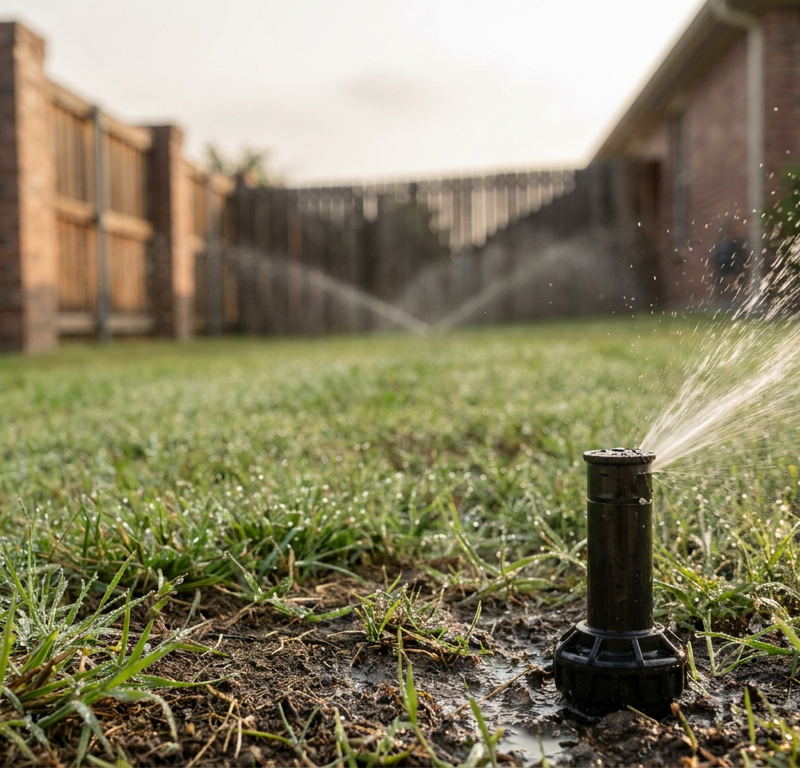
Many homeowners water too often and too lightly, which encourages shallow roots. After adjusting your mowing height and ensuring sharp blades, rethink your watering schedule. Instead of daily shallow watering, aim for deep, infrequent watering. This means applying about 1 inch of water once or twice a week, depending on your climate and grass type.
- How to measure 1 inch of water: Place an empty tuna can or rain gauge in your sprinkler's path. Time how long it takes for the can to collect 1 inch of water. This is how long you should run your sprinkler in that area.
- Early Morning is Best: Water early in the morning (between 4 AM and 9 AM) to minimize evaporation and allow the grass blades to dry before nightfall, reducing the risk of fungal diseases. Avoid watering in the evening.
- Test your soil: Stick a screwdriver or a soil probe into the ground. If it goes in easily to a depth of 6-8 inches, your lawn is adequately watered.
4. Vary Your Mowing Pattern and Direction — Prevent compaction and rutting.
Continuously mowing in the same direction can compact the soil and create ruts, hindering healthy root development. It also causes the grass blades to lean in one direction, potentially making them more resistant to a clean cut over time.
- Change it Up: Try mowing in a different direction each time – horizontally, vertically, diagonally, or even a spiraling pattern. This helps the grass stand upright, ensures an even cut, and distributes the wear and tear on your lawn more evenly.
5. Practice Grasscycling (Leave the Clippings) — Free fertilizer for your lawn.
Unless the clippings are exceptionally long and clumped, leave them on the lawn. Grass clippings are about 80% water and contain valuable nutrients like nitrogen, potassium, and phosphorus. As they decompose, they return these nutrients to the soil, acting as a natural, slow-release fertilizer.
- Exceptions: If the grass is overly long (e.g., you missed a week of mowing), or if you're dealing with a fungal disease, bag the clippings to prevent spreading pathogens or smothering the lawn. Otherwise, let them lie.
- Mulching Mower: A mulching mower or a mulching attachment on your existing mower can chop clippings into finer pieces, helping them decompose faster and blend inconspicuously into the lawn.
Common Causes
- Mowing Too Short (Scalping): This is by far the most common mistake. It stresses the grass, reduces its ability to photosynthesize, encourages weed growth by exposing soil, and leads to shallow root systems, making the lawn susceptible to drought and disease.
- Dull Mower Blades: Tearing grass blades instead of cleanly cutting them creates jagged edges that lose moisture easily, turn brown, and are entry points for diseases and pests.
- Improper Watering Techniques: Frequent, shallow watering encourages shallow root growth, making the grass dependent on constant hydration and vulnerable to dry spells. It's often compounded by short mowing.
- Mowing the Same Pattern Repeatedly: Causes soil compaction in repeated routes, creating ruts and uneven growth patterns, and making it harder for water and nutrients to penetrate the soil.
- Ignoring Grass Type Requirements: Different grass types (cool-season vs. warm-season) have different ideal cutting heights and water needs. Treating all grass the same can lead to problems.
Common Mistakes
- Mistake 1: Mowing When the Grass is Wet. Wet grass clogs the mower, leads to uneven cuts, and can spread fungal diseases. Always wait until the grass is dry.
- Mistake 2: Not Cleaning Under the Mower Deck. Built-up grass clippings under the deck can hinder blade rotation, cause an uneven cut, and reduce mower efficiency. Clean it regularly (with the spark plug disconnected!).
- Mistake 3: Cutting Too Much at Once. Drastically lowering the mower height to remove a lot of overgrown grass in one pass stresses the lawn severely, leading to shock and browning. Follow the one-third rule.
- Mistake 4: Not Varying Mowing Patterns. Sticking to the same pattern causes soil compaction and can train grass blades to lean, resulting in a less uniform cut and unhealthy growth.
- Mistake 5: Bagging All Clippings Unnecessarily. You're throwing away free fertilizer! Unless the clippings are excessively long or the lawn is diseased, grasscycling benefits your lawn's health.
- Mistake 6: Forgetting Safety Precautions. Never work on your mower or clear discharge chutes without first turning off the engine and disconnecting the spark plug. Mower blades are extremely dangerous.
Cost & Time Breakdown
| Task | DIY Cost | Pro Cost | Time |
|---|---|---|---|
| Adjust Mower Height | $0 | N/A | 1–2 minutes |
| Blade Sharpening (DIY) | $5–$15 (file) | N/A | 15–30 minutes |
| Blade Sharpening (Pro) | N/A | $15–$30 | 1–2 days turn |
| New Mower Blade | $20–$50 | N/A | 5–10 minutes |
| Watering Adjustment | $0 | N/A | 5–10 minutes |
| Mowing Pattern Change | $0 | N/A | 0 minutes |
| Grasscycling | $0 | N/A | 0 minutes |
Tips & Prevention
- Mow High, Mow Often: Maintain a taller grass height and mow frequently enough so that you never remove more than one-third of the blade at a time. This promotes deeper roots and healthier turf.
- Keep Blades Razor Sharp: Sharpen your mower blade at least once per season, or every 20-25 hours of operation. A clean cut equals a healthier lawn.
- Deep and Infrequent Watering: Train your lawn to be drought-resistant by watering deeply (1 inch) and infrequently (1-2 times a week), preferably in the early morning.
- Alternate Mowing Patterns: Vary the direction you mow each time to prevent soil compaction and ensure even growth.
- Embrace Grasscycling: Allow clippings to return nutrients to your lawn as they decompose, reducing the need for synthetic fertilizers.
- Regular Mower Maintenance: Beyond blade sharpening, regularly check tire pressure, clean the deck, and ensure your mower is running smoothly to prevent uneven cuts or damage to your lawn.
When to Call a Professional
While good mowing practices can drastically improve lawn health, some issues are beyond the scope of DIY. If your lawn struggles despite consistent, correct mowing, watering, and fertilization, it might indicate underlying issues such as severe soil compaction, nutrient deficiencies, or persistent pest and disease problems that require professional diagnosis and treatment. A professional landscaper or lawn care specialist can perform soil tests, identify specific pathogens or insects, and recommend targeted solutions that may involve aeration, dethatching, specific fungicide/pesticide applications, or advanced fertilization programs. They can also advise on proper grass selection for your climate and soil conditions, ensuring long-term health. If you suspect a major infestation or a disease that isn't responding to basic care, or if you simply lack the time or equipment for consistent, optimal lawn maintenance, a professional can be a worthwhile investment to restore and maintain a truly vibrant lawn.
Related Articles
Keep troubleshooting with these hand-picked guides from FixlyGuide:
- The #1 Mistake Killing Your Lawn's Clover—and the Easy fix That Spares Your Grass — Discover the most common mistake homeowners make when trying to eliminate clover, and learn how to remove it effectively without harming yo…
- The #1 Summer Lawn Mistake Turning Your Grass Yellow (and How to Fix It) — Discover the most common summer lawn mistake that causes yellowing grass and learn the simple steps to revive your lawn.
- The #1 Mowing Mistake That Invites Weeds (And How to Fix It in 15 Minutes) — Discover the secret to a thriving lawn and banish weeds by avoiding the most common mowing error homeowners make, improving grass health dr…
- The 3 Hidden Mistakes That Make Landscape Edging Fail (And How to Fix Them) — Discover common mistakes homeowners make when installing landscape edging and learn the correct methods to achieve a durable, professional-…
- The #1 Mistake Killing Your Lawn (and How to Remove Clover Without Chemicals) — Discover the most common mistake homeowners make when battling clover and learn effective, organic methods to eliminate it without harming…
- The #1 Mistake Homeowners Make When Their AC Drain Clogs (And The $5 Fix) — Discover the most common error homeowners make when tackling a clogged AC drain line and learn a simple, inexpensive solution to prevent co…
Should you do this yourself?
Answer five quick questions before you start. Safety outranks savings every time.
Your experience with work like this
How high do you have to work?
Does the job involve any of these?
Will it need a permit?
Specialty tools
Free and instant. Educational guidance only — not a quote, inspection, or professional diagnosis.
What should this project cost?
Enter your project details for a realistic cost range before you call anyone.
Cost depends heavily on which system turns out to be the source.
- Regional adjustment
- National average
- Labor share (typical)
- ~$1,620
- Quotes to collect
- 3 written estimates
Educational estimate based on national averages — not a binding quote. Always confirm with written local estimates.
Before you start
Check the difficulty, permits, and safety risk — then decide whether to call a pro.
- Estimate this projectGet a cost range for your scope and ZIP before you call anyone.Open
- Get local estimatesSend one request and compare written estimates from vetted pros.Open
Free, no signup required. Estimates are educational guidance, not a quote or an inspection.
Frequently asked questions
How often should I mow my lawn for the healthiest growth?+
The frequency depends on your grass type and growth rate, but the general rule is to mow often enough so that you never remove more than one-third of the grass blade's total height in a single mowing. This might mean mowing once a week during peak growing seasons and less frequently during slower growth periods.
What is the best cutting height for my lawn?+
The ideal cutting height varies by grass type. For most cool-season grasses (fescue, rye, bluegrass), aim for 2.5 to 3 inches. For warm-season grasses (Bermuda, zoysia, St. Augustine), 2 to 3 inches is generally recommended. Always try to keep your mower at the highest setting possible for your grass type.
How do I know if my mower blade is dull?+
A dull mower blade will tear the grass rather than cut it cleanly. Signs of a dull blade include ragged, brown, or frayed edges on your grass blades after mowing, or a general grayish/brownish cast to your lawn even when it's green.
Should I leave grass clippings on my lawn?+
Yes, in most cases, you should leave grass clippings on your lawn. This practice, known as grasscycling, returns valuable nutrients and moisture to the soil, acting as a natural fertilizer. Only bag clippings if they are excessively long and clumping, or if you are dealing with a lawn disease.
When is the best time to water my lawn?+
The best time to water your lawn is early in the morning, typically between 4 AM and 9 AM. This allows the water to soak in deeply before the heat of the day causes excessive evaporation, and it gives the grass blades time to dry before nightfall, which helps prevent fungal diseases.

Discussion
Loading comments…