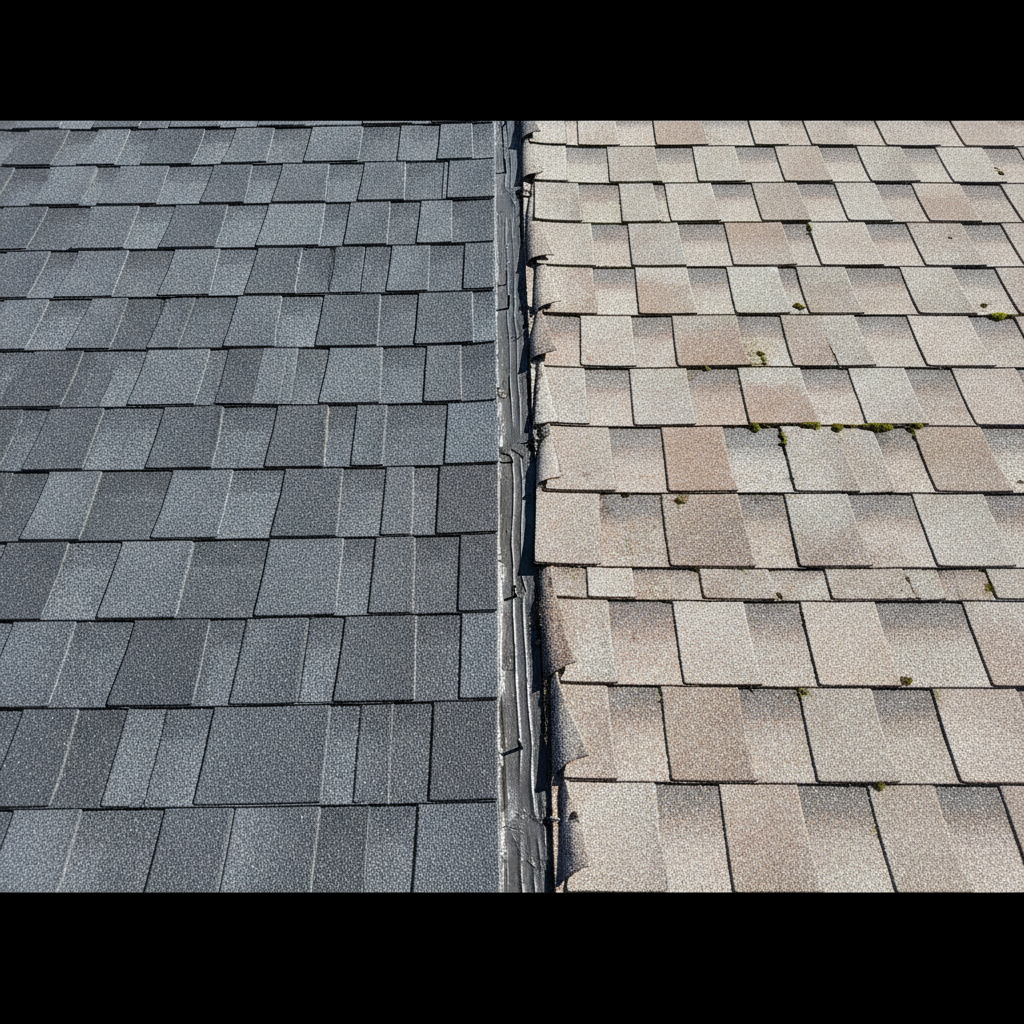
- Granule Loss: Finding piles of sand-like ceramic granules in your gutters.
- Curling or Clawing: Shingle edges and corners begin to lift and curl upwards or downwards.
- Cracking: Visible thermal or stress cracks across the shingle surface.
- Blistering: Bubbles on the shingle surface caused by trapped moisture.
- Dark Streaks: While often just algae (Gloeocapsa magma), extensive staining can indicate moisture issues and an aging roof system.
Roofing · Aging roof
| Project category | Roofing |
|---|---|
| Problem type | Aging roof |
| Trade required | Roofing |
| Urgency | Planned project |
| Safety risk | Low safety risk |
| DIY suitability | Pro recommended |
| Cost category | High cost |
| Typical timeline | Plan 4–12 weeks ahead for scheduling and material lead time |
| Contractor type | Licensed roofing contractor |
Repair option
Maintenance repairs to buy a season or two while you budget.
Replacement option
Planned replacement, which is almost always cheaper than a leak-driven emergency.
Common causes
- Normal weathering past the shingle service life
- Poor attic ventilation cooking the shingles from below
- Repeated repairs on the same slopes
Relevant tools:repair or replace roofproject cost estimatorhome improvement material prices
Published April 27, 2026Last updated August 17, 2026
Tools & materials you'll need
Affiliate links- AmazonExtension LadderEnsure it extends 3 feet above the roof edge and is set on stable ground.
- AmazonBinocularsEssential for safely inspecting from the ground or ladder.
- AmazonPry BarUse with extreme care only to gently test shingle sealant adhesion.
- AmazonCamera or SmartphoneTo document areas of concern for your own records or for a professional.
- AmazonFlashlightA powerful LED flashlight is necessary for a proper attic inspection.
- AmazonSafety HarnessRecommended for any time spent on a roof, and required for steep-slope work.
- AmazonRoofing SealantFor minor repairs like sealing around a nail pop, if you are comfortable making them.
As an Amazon Associate FixlyGuide earns from qualifying purchases — at no extra cost to you. Prices and availability are accurate as of publication and subject to change.
<br>## Quick Answer
A typical "30-year" architectural shingle roof will realistically last 18 to 25 years, while a cheaper "20-year" 3-tab shingle roof often lasts only 12 to 18 years. The actual lifespan is reduced by factors like poor attic ventilation, harsh sun exposure, improper installation, and regional climate extremes. The number on the shingle wrapper is a manufacturer's warranty against defects, not a guarantee of service life in real-world conditions.
The Problem
It's one of the most common and frustrating disconnects in homeownership. You bought a home with a "30-year roof" or paid a contractor thousands to install one, only to be told 18 years later that it's failing and needs a complete replacement. The math doesn't add up, and it feels like a bait-and-switch. The number on the packaging—20, 30, even 50 years—is a measure of the manufacturer's limited warranty in a controlled lab setting, not a prediction of performance on your actual house.
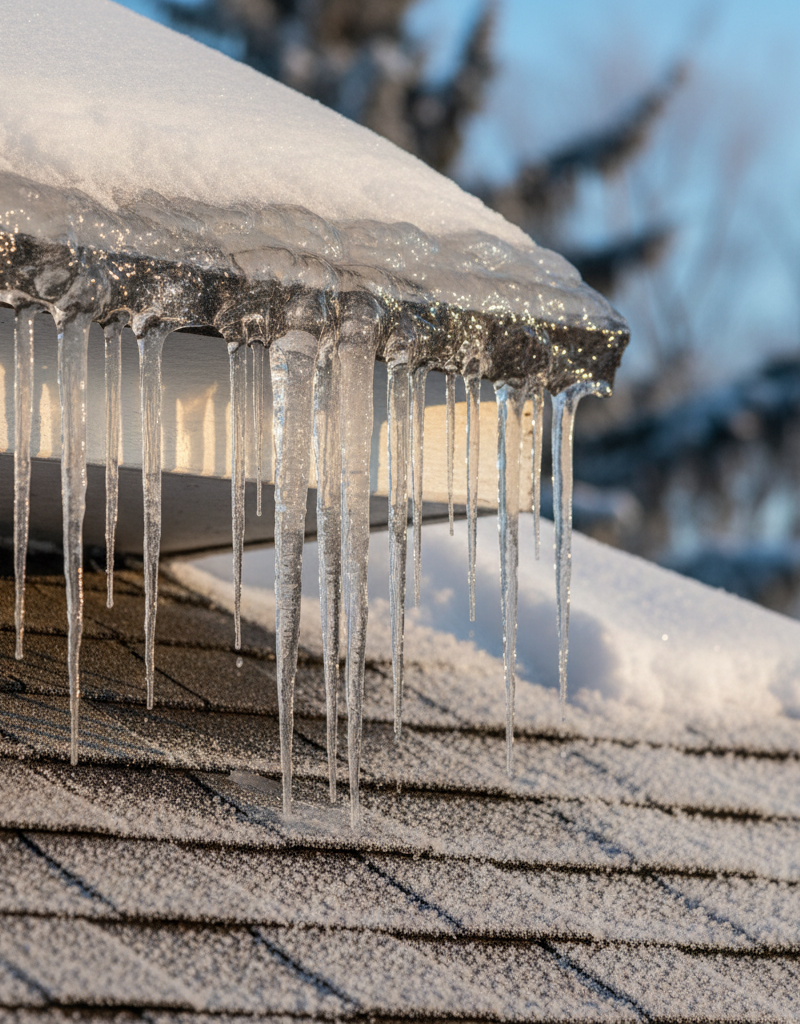
In the real world, your roof is under constant assault. Searing summer sun bakes the asphalt, relentless UV rays break down its chemical bonds, and hail or wind-driven rain physically tear it apart. In the winter, ice dams can force water uphill, under the shingles, and into your home. The color of your shingles, the direction your house faces, and, most critically, how well your attic breathes can cut a roof's expected lifespan in half.
Recognizing a roof at the end of its life is key to preventing catastrophic and expensive water damage. Telltale signs include:
- Granule Loss: Finding piles of sand-like ceramic granules in your gutters.
- Curling or Clawing: Shingle edges and corners begin to lift and curl upwards or downwards.
- Cracking: Visible thermal or stress cracks across the shingle surface.
- Blistering: Bubbles on the shingle surface caused by trapped moisture.
- Dark Streaks: While often just algae (Gloeocapsa magma), extensive staining can indicate moisture issues and an aging roof system.
Understanding why a roof really fails is the first step to maximizing its life and knowing when it's truly time to say goodbye.
How It Works
An asphalt shingle is a surprisingly sophisticated piece of material science. It's not just a slab of asphalt; it's a composite mat designed for durability and weather resistance. The core is a fiberglass mat that provides structural integrity and fire resistance. This mat is saturated with and coated by a layer of specially formulated oxidized asphalt, which provides the primary waterproofing. The top surface is then embedded with a dense layer of ceramic-coated mineral granules. These granules are the roof's frontline defense; they block the sun's damaging ultraviolet (UV) radiation, which would otherwise rapidly degrade the asphalt. They also provide the shingle's color and add weight for impact resistance.
Roof failure is a process of degradation. UV rays and intense heat are the primary culprits. Over years of exposure, heat slowly cooks the volatile oils out of the asphalt, causing it to become brittle. This brittleness leads to cracking. At the same time, the UV radiation is constantly trying to break down the asphalt itself, a process slowed only by the granules. As the bond between the granules and the asphalt weakens with age, they begin to flake off, exposing the asphalt below to direct UV attack. This accelerates the degradation, leading to more granule loss and creating a vicious cycle. Eventually, the shingle loses its flexibility and waterproofing, curls at the edges, and is easily damaged by wind—creating a pathway for water to reach the wood decking below.
Step-by-Step Fix: How to Read Your Roof's Real Age
This isn't a fix, but a diagnostic process to assess the true condition of your roof. This inspection can help you budget for a future replacement long before a leak appears.
SAFETY FIRST: Never walk on a wet, icy, or mossy roof. Do not perform this inspection on a roof with a steep pitch (greater than 6:12, meaning it rises 6 inches for every 12 inches of horizontal run) or on any roof more than one story high. In these cases, use binoculars from the ground and call a professional for a hands-on inspection. Always use a properly secured ladder and wear appropriate footwear.
-
Ground-Level Recon — Start by walking the perimeter of your house. Look for shingles that have blown off. Use binoculars to scan the roof surface for obviously curled, cracked, or missing tabs. Most importantly, check the ground around your downspouts for an accumulation of asphalt granules. A few granules are normal after a new installation or a hailstorm, but a steady loss indicates the roof is aging.
-
The Ladder Look — If you can do so safely on a low-slope, single-story roof, set up your extension ladder so it extends three feet above the roof edge. From the ladder, you can get a much better view. Look for nail pops—small bumps where nails are pushing the shingle up from underneath. This is a common entry point for water.
-
Check for Curling and Cracking — Examine the shingle tabs. Are the edges flat, or are they starting to curl up (clawing) or curl under? Widespread curling is a sign of advanced age and brittleness. Look for any visible cracks in the shingle surface.
-
Test the Sealant Strip — With extreme care, try to gently lift the bottom edge of a shingle tab in a sunny spot. It should be firmly sealed to the shingle below it by a strip of asphalt sealant. If it lifts easily with no resistance, the seal has failed. Failed seals are the primary reason for wind blow-offs.
-
Examine the Valleys — Valleys are the "V" shaped channels where two roof planes meet. They handle a tremendous amount of water. Look for heavy granule loss or shingles that are cracking or have been cut too short. Ensure the valley is clear of debris like leaves and pine needles, which can trap moisture and cause rot.
-
Inspect the Flashings — Flashings are the metal pieces that seal around chimneys, skylights, vents, and any other roof penetration. This is where most leaks occur. Look for rusted metal, cracked or crumbling sealant around the flashing edges, and any gaps between the flashing and the roof.
-
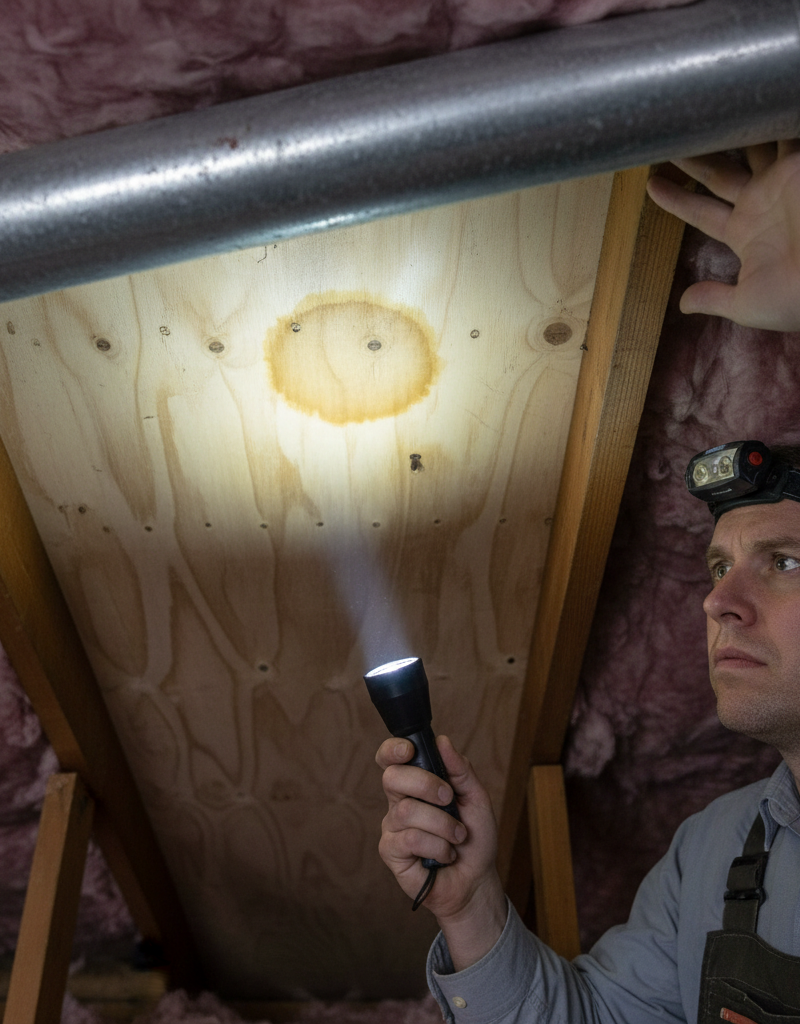
The Attic: An Inside Job — The best place to find a roof problem is often from the inside. Go into your attic with a powerful flashlight during the day. Turn off the light and look for any pinpricks of daylight coming through the roof deck—a sure sign of a hole. With the light on, scan the underside of the roof sheathing for dark stains, water streaks, or signs of mold. Check the insulation for any matted or compressed areas, which can indicate a past or present leak.
-
Assess Your Ventilation — While in the attic, look at your ventilation system. You should see a clear path for air to enter at the lowest part of the roof (soffit vents) and exit at the highest point (ridge vent, gable vents, or can vents). Blocked soffit vents or inadequate exhaust vents will trap super-heated air and moisture in the attic, effectively baking your shingles from the inside out and drastically shortening their life.
Common Causes of Premature Roof Failure
- Appalling Attic Ventilation: This is the #1 killer of asphalt shingles. An attic without proper airflow (a 1:300 ratio is standard—1 sq. ft. of net free vent area for every 300 sq. ft. of attic floor space) can reach 150°F or more. This extreme heat cooks the shingles from below, accelerating the loss of volatile oils and making them brittle and prone to cracking.
- Improper Installation: A new roof is only as good as its installation. Common shortcuts that doom a roof include "high nailing" (placing nails too high on the shingle), which voids wind warranties; using too few nails; under-driving nails that don't pull the shingle tight; or over-driving nails that break the shingle mat. Poor flashing work around chimneys and dormers is another guaranteed future leak.
- Climate & Exposure: A roof in sunny Arizona is exposed to intense, year-round UV radiation and heat, causing rapid aging. A roof in Minnesota endures brutal freeze-thaw cycles and ice dams. The orientation of your home matters, too; a south-facing roof plane will always fail before a north-facing one because it gets significantly more direct sun.
- Roof-Over Installations: Installing a new layer of shingles over an old one is a tempting way to save money, but it's a terrible practice. The new shingles can't lay flat, making them vulnerable to wind. More importantly, the practice traps a massive amount of heat between the layers, frying the new shingles and voiding their warranty. It also hides any potential rot in the roof deck itself.
- Inferior Materials: There's a significant difference between a basic 3-tab shingle and a heavier architectural (laminated) shingle. Architectural shingles have a thicker fiberglass mat and more asphalt, making them weigh more and better resist wind, impact, and heat. Choosing the cheapest option often guarantees an earlier replacement.
Common Mistakes Homeowners Make
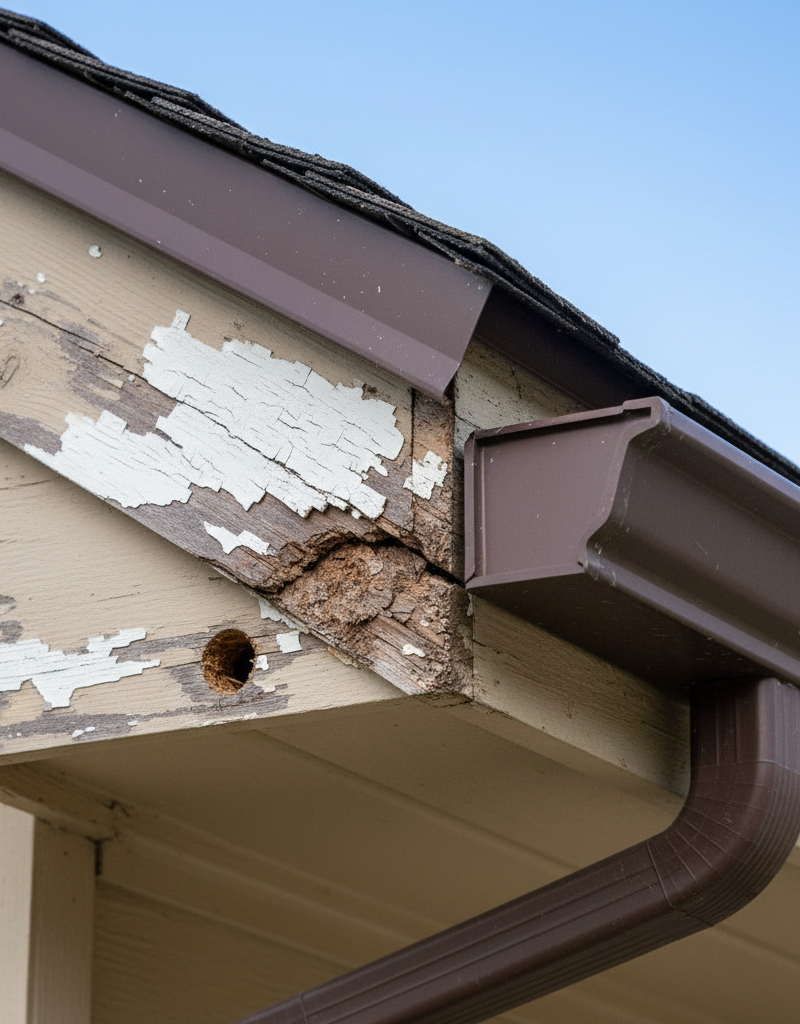
- Ignoring the Gutters: Clogged gutters cause water to back up against the roof edge, soaking the fascia board, the roof decking, and the shingle undersides, leading to rot and ice dams.
- Pressure Washing the Roof: This is a catastrophic mistake. A pressure washer strips the protective granules from the shingles, instantly voiding the warranty and reducing the roof's lifespan by years.
- Unnecessary Foot Traffic: Walking on your roof, especially on a hot day when the asphalt is soft, can dislodge granules and break the sealant strips.
- Choosing a Roofer on Price Alone: The lowest bid often means corners are being cut—uninsured labor, subpar materials, rushed installation, and nonexistent warranties. Always verify insurance, get multiple quotes, and check local references.
- "Fixing" Vents: Homeowners sometimes cover attic vents in the winter, thinking they are losing heat. This traps moisture and creates condensation that can be mistaken for a roof leak, rotting the roof deck from within.
- Ignoring Minor Repairs: A single missing shingle or a small piece of cracked flashing is a gateway for water. Ignoring a $200 repair can easily lead to a $5,000 problem involving rotted decking, ruined insulation, and interior drywall damage.
Cost & Time Breakdown
This table outlines the cost and time associated with assessing and addressing roof age, from simple inspection to full replacement.
| Task | DIY Cost | Pro Cost | Time |
|---|---|---|---|
| Professional Roof Inspection | N/A | $150 - $400 | 1-2 hours |
| Minor Shingle/Flashing Repair | $50 - $150 | $250 - $600 | 2-4 hours |
| Attic Ventilation Upgrade | $200 - $500 | $700 - $2,000+ | 1-2 days |
| Full 3-Tab Roof Replacement | Not Recommended | $7,000 - $12,000 | 2-4 days |
| Full Architectural Roof Replacement | Not Recommended | $9,000 - $18,000+ | 2-4 days |
| Cost of a Major Leak (Inaction) | N/A | $3,000 - $10,000+ | Weeks |
Tips & Prevention
- Schedule Professional Inspections: Have a qualified roofer inspect your roof every 3-5 years (and after any major hailstorm) to catch small problems early.
- Keep It Clean: Clean your gutters at least twice a year. Use a leaf blower or a gentle rinse to remove debris buildup from roof valleys.
- Check Your Attic: Once a year, poke your head in the attic to check for signs of moisture and ensure your vents are not blocked by insulation or storage.
- Treat Moss and Algae: Address moss or heavy algae growth with a roof-safe chemical treatment. Moss holds moisture against the shingles and its roots can be destructive.
- Trim Overhanging Trees: Keep tree branches trimmed back from the roofline to prevent scuffing damage and reduce debris accumulation.
- Document Everything: Keep a file with your roof installation contract, warranty information, and any repair invoices. This is valuable for future warranty claims and for the next homeowner.
When to Call a Professional
You should call a professional, licensed, and insured roofing contractor immediately if you see any signs of an active leak, such as water stains on your ceiling or walls. Beyond an active leak, it's time for a professional consultation if your inspection reveals widespread issues across more than 15-20% of the roof (e.g., curling, heavy granule loss, failed seals). While a confident DIYer might replace a single damaged shingle on a low-slope roof, any larger repair or full replacement is a job for a pro.
Crucially, for your own safety, any work on a steep-slope roof (generally 6:12 pitch or higher), a second-story roof, or a roof that is wet or mossy should be left exclusively to professionals. They have the training, safety equipment (like fall protection harnesses), and insurance to perform the job safely and correctly. A new roof is a major investment in your home's health; professional installation is the only way to ensure it performs as intended and its warranty is honored.
Related Articles
Keep troubleshooting with these hand-picked guides from FixlyGuide:
- Your Insulation Isn't the Problem: Why Your Attic Still Bakes — Even with thick insulation, a hot attic signals a critical ventilation failure that could be silently damaging your roof and driving up you…
- Those Ugly Black Streaks on Your Roof Aren't Dirt — Those unsightly black streaks are actually a type of algae called Gloeocapsa magma feeding on your shingles, but they can be cleaned and pr…
- Gutters Full of Shingle Grit? Here's What It Really Means — Finding shingle granules in your gutters can be alarming, signaling everything from normal new-roof shedding to critical roof damage that r…
- Those Gutter Icicles Are a Costly Warning Sign — Discover why the icicles on your gutters are a flashing red light for ice dams, a destructive problem that can lead to costly water damage…
- 5 Signs Hail Secretly Damaged Your Roof (And How to Act Fast) — Learn to identify the subtle signs of hail impact on asphalt shingles, gutters, and flashing, so you can file an insurance claim before the…
- The 3 Hidden Reasons Your Garage Door Won't Fully Close (and the 10-Minute Fix) — Before you call for an expensive repair, here are the three most common, easy-to-fix reasons your garage door might not be closing complete…
What should this project cost?
Enter your project details for a realistic cost range before you call anyone.
Spot repairs commonly run $400–$1,800; full replacement typically $9,000–$18,000 for an average home.
- Regional adjustment
- National average
- Labor share (typical)
- ~$2,948
- Quotes to collect
- 3 written estimates
Educational estimate based on national averages — not a binding quote. Always confirm with written local estimates.
Fixly Project Decision Box
- DIY difficulty
- Professional Recommended
- Estimated time
- Inspection 1–2 hours · repairs 1–3 days
- Cost level
- High
Main tools / materials
- Binoculars for a ground-level look
- Flashlight for attic checks
- Moisture meter
- Roofing cement (temporary patch only)
When to stop and call a pro
- Active leak near lights, fans, or any wiring
- Sagging, bulging, or water-filled ceiling
- Steep, wet, or two-story roof — do not climb it
- Storm or hail damage you plan to claim on insurance
Need professional help?
Free roof assessment first — no phone calls until you ask for them.
Get Local Roofing HelpDecide what your roof needs
Two minutes of questions turns "something is wrong up there" into a clear next step.
- Repair or replace your roof?Answer 10 questions about age, leaks, and damage to get a clear next step.Open
- Compare contractor quotesScore up to four bids on price, warranty, licensing, and timeline.Open
- Get local estimatesSend one request and compare written estimates from vetted pros.Open
Free, no signup required. Estimates are educational guidance, not a quote or an inspection.
Get the print-ready PDF of this guide
A clean, ad-free, printable version you can keep on your phone or pin to the workshop wall. Free with a FixlyGuide account.
- Print-optimized layout
- Tools, materials & every step included
- Saved to your account
Frequently asked questions
Can my roof really last 50 years?+
While some premium architectural shingles come with a 'lifetime' or 50-year warranty, this warranty covers manufacturing defects, not standard wear and tear. In perfect conditions—mild climate, flawless installation, excellent ventilation—you might get 30 to 40 years of service life from these top-tier products. A 50-year lifespan is not a realistic expectation for an asphalt roof in any typical North American climate.
What's more important: the quality of the shingles or the quality of the installation?+
The quality of the installation is, by far, the most important factor. The most expensive, highest-rated shingles in the world will fail prematurely if they are nailed incorrectly, if the flashing is poorly executed, or if the underlying ventilation is inadequate. A great installer can make a standard shingle perform well, but a poor installer will cause a premium shingle to fail.
How much does a new asphalt roof cost in 2024?+
The cost varies significantly by region, shingle type, and roof complexity. As a national average, you can expect to pay between $4.50 and $7.50 per square foot for architectural shingles installed by a professional. For a typical 2,000 square-foot home (which may have 2,500 sq. ft. of roof area), this translates to a total cost between $11,250 and $18,750. Cheaper 3-tab shingles will be less, while premium designer shingles will be more.
What are 'nail pops' and are they serious?+
A nail pop is when a roofing nail gets pushed up from the roof deck, creating a raised bump under the shingle. This is often caused by the expansion and contraction of the roof deck wood. They are very serious because the raised nail head breaks the seal with the shingle above and can create a direct pathway for water to enter your home. A few nail pops can often be repaired by a roofer, but widespread nail pops can be a sign of systemic issues.
Discussion
Loading comments…