- Total NFVA Needed: 1200 / 300 = 4 square feet.
- Intake NFVA Needed: 4 sq ft / 2 = 2 square feet (or 288 square inches).
- Exhaust NFVA Needed: 4 sq ft / 2 = 2 square feet (or 288 square inches).
HVAC · High energy usage
| Project category | HVAC |
|---|---|
| Problem type | High energy usage |
| Trade required | HVAC |
| Urgency | Planned project |
| Safety risk | Low safety risk |
| DIY suitability | DIY for experienced homeowners |
| Cost category | High cost |
| Typical timeline | Assessment within weeks; replacement planned off-season |
| Contractor type | Licensed HVAC technician |
Repair option
Duct sealing, insulation, and a tune-up before touching the equipment.
Replacement option
High-efficiency replacement sized by a load calculation, not a rule of thumb.
Common causes
- Aging, low-efficiency equipment
- Leaking ducts losing conditioned air
- Insufficient attic insulation
- Oversized system short-cycling
Relevant tools:project cost estimatorrepair or replace
Published April 27, 2026Last updated August 17, 2026
Tools & materials you'll need
Affiliate linksAs an Amazon Associate FixlyGuide earns from qualifying purchases — at no extra cost to you. Prices and availability are accurate as of publication and subject to change.
Quick Answer
A hot attic, even with proper insulation, is almost always caused by inadequate ventilation. Your attic needs a balanced system of intake vents (at the lower edge) and exhaust vents (at the peak) to continuously flush out superheated air. Without this airflow, heat from the sun-baked roof gets trapped, effectively turning your attic into an oven that radiates heat down into your living space.
The Problem
You feel it every summer afternoon: the upstairs rooms are noticeably warmer than downstairs. Your air conditioner runs nonstop, yet it struggles to keep up. You might even notice a faint, stuffy smell wafting from the attic hatch. You paid for thick, fluffy insulation, so what’s going on? You’re experiencing the symptoms of a hot, poorly ventilated attic.
This isn’t just a matter of comfort or high energy bills. A superheated attic is a silent killer for your roofing system. On a sunny 90°F day, the surface of your asphalt shingles can exceed 170°F. That intense heat radiates directly to the roof sheathing underneath, and if it can't escape, your entire attic can soar to 140°F or more. This extreme, trapped heat effectively "cooks" your asphalt shingles from the inside out, accelerating granule loss, making them brittle, and drastically shortening their lifespan. Furthermore, the temperature difference between the superheated attic air and your air-conditioned living space below creates a powerful pressure differential, pulling expensive cool air up through any unsealed gaps around light fixtures, fans, and wiring—a phenomenon known as "attic bypass." Your insulation is fighting a losing battle against a problem it wasn’t designed to solve on its own.
How It Works
To understand why your attic gets so hot, you need to think of it not just as a space, but as a system designed to manage heat and moisture. Three physical principles are at play: radiant heat, convection, and the "stack effect."
1. Radiant Heat & The Role of Insulation: The sun bombards your roof with solar radiation. The dark-colored shingles absorb this energy and get extremely hot. The hot underside of the roof deck then radiates this thermal energy downward into the attic space, just like the coils of an electric stove radiate heat to a pan. Insulation—typically fiberglass, cellulose, or spray foam on your attic floor—is designed to slow down this heat transfer into your living space. Its effectiveness is measured in R-value; the higher the R-value, the better it resists heat flow. However, insulation is not a cold pack. It can't stop heat indefinitely. Over the course of a long, hot day, the insulation becomes "heat-soaked" and will begin to radiate warmth down into your ceilings.
2. Convection & The Role of Ventilation: This is where airflow comes in. Hot air is less dense than cool air, so it naturally wants to rise. This principle, known as convection, is the engine of attic ventilation. A properly designed system uses the "stack effect" (or chimney effect) to create continuous, passive airflow. Cooler, denser air is drawn in from outside through intake vents located at the lowest part of the attic (the soffits or eaves). As this air enters the attic, it’s heated by the radiant roof deck. It rises and pushes the hottest, most buoyant air out through exhaust vents located at the highest point of the attic (the ridge or near the peak). This constant, passive cycle flushes the superheated air out before it can saturate your insulation and cook your shingles.
3. The Critical Ventilation Math: Building codes provide a simple formula for proper ventilation: the 1:300 rule. This dictates a minimum of 1 square foot of Net Free Vent Area (NFVA) for every 300 square feet of attic floor space. Crucially, this total NFVA must be balanced, with 50% dedicated to intake and 50% to exhaust. For a typical 1,200-square-foot attic:
- Total NFVA Needed: 1200 / 300 = 4 square feet.
- Intake NFVA Needed: 4 sq ft / 2 = 2 square feet (or 288 square inches).
- Exhaust NFVA Needed: 4 sq ft / 2 = 2 square feet (or 288 square inches).
If your roof has a low slope (less than 4:12) or if you live in a particularly harsh climate, the stricter 1:150 rule applies. An imbalance—most commonly, not enough intake—cripples the entire system, preventing the stack effect from working and trapping the hot air.
Step-by-Step Fix
Follow these steps to diagnose your attic's ventilation problem. Perform attic inspections on a cool day or in the morning before heat builds up.
-
Safety First — Prepare for Inspection: Before entering your attic, put on safety glasses, an N95 dust mask, and gloves. Use a stable ladder and bring a bright headlamp or flashlight. Only walk or place weight on the wooden ceiling joists or on plywood platforms. Stepping on the drywall between joists will result in a fall.
-
Check Your Insulation Level: Use a tape measure to check the depth of your insulation. To meet modern energy codes (like an R-49 rating), you should have approximately 16-18 inches of loose-fill fiberglass or 14 inches of cellulose. If your insulation is significantly below these levels, it’s a contributing factor, but it’s not the primary cause of the extreme heat.
-
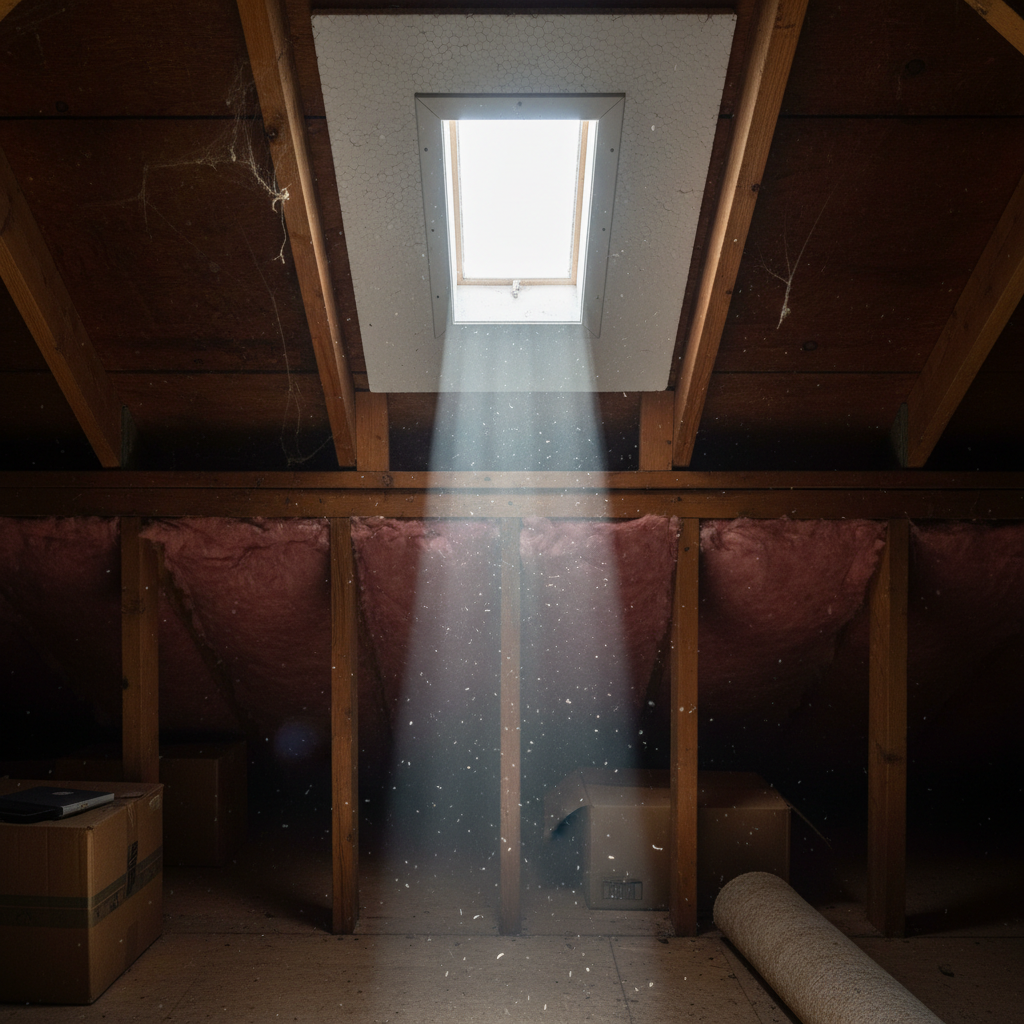
Find Your Intake Vents: Carefully make your way to the eaves, where the roof meets the walls. From the inside, look for a gap between the top of the insulation and the underside of the roof decking. You should be able to see daylight filtering through from the soffit vents outside. Go outside and look up at the overhangs. Are the vents—often small grilles or continuous strips—visibly clean, or are they clogged with dust, debris, or layers of paint?
-
Confirm Soffit Airflow: A very common problem is insulation that has been blown or stuffed into the eaves, completely blocking the intake vents. If you can’t see daylight from inside, the vents are blocked. You must create a clear pathway for air using rafter baffles (see Step 9).
-
Identify Your Exhaust Vents: From outside, look at your roof's peak. Do you have a ridge vent, which runs continuously along the very top? Or do you see several box vents (also known as "turtle" or "louver" vents) near the peak? Less common types include turbine vents (which spin) or electric powered fans. Record the type and quantity.
-
Do the Ventilation Math for Your Attic: Measure the length and width of your attic floor to get the square footage (e.g., 40 ft x 30 ft = 1,200 sq ft). Apply the 1:300 rule to find your required total, intake, and exhaust NFVA in square inches (as calculated in the section above). Now, compare this to what you have:
- Soffit Vents: A standard 8"x16" rectangular vent provides about 56 sq in of NFVA. Check the manufacturer's specs.
- Box Vents: A typical box vent provides about 50 sq in of NFVA.
- Ridge Vents: A standard shingle-over ridge vent provides about 18 sq in of NFVA per linear foot. Most homeowners find they are severely lacking in intake ventilation.
-
Check for Mixed Exhaust Systems: A critical mistake is having more than one type of exhaust vent. For example, if you have a ridge vent and gable vents (on the wall peaks) or a powered attic fan, you will "short-circuit" your system. The highest vent (the ridge vent) will pull air from the closest source—the gable vent—instead of pulling hot air all the way up from the soffits, rendering your intake vents useless.
-
Look for Attic Bypasses: With your flashlight, scan the attic floor for dirty spots in the insulation, which often signal air leaks. Check around plumbing pipes, recessed can lights (unless they are IC-rated "airtight" models), the chimney, and the attic hatch. These leaks allow expensive, conditioned air to be sucked into the attic.
-
DIY Fix: Unblock Soffits with Baffles: If your intake is blocked by insulation, you can fix it. Purchase inexpensive foam or plastic rafter baffles. Working from the eaves inward, staple a baffle into each rafter bay directly against the underside of the roof deck. This creates a protected channel for air to flow from the soffit over the top of your insulation.
-
Plan for Vent Additions (A Pro Job): If your calculations show you simply don't have enough vents, the solution is to add more. Cutting holes in your roof or soffits is a job for a professional roofer to ensure it’s done without causing leaks. The best solution is often to replace inadequate box vents with a continuous ridge vent system, paired with adding more soffit vents to match the new exhaust capacity.
Common Causes
- Blocked Soffit Vents: Insulation pushed into the eaves is the #1 cause of ventilation failure.
- Insufficient Intake: Homes are often built with just enough exhaust venting but far too little intake, crippling the stack effect.
- No Ventilation System: Some older homes have no vents at all, relying only on random air leakage.
- Painted-Over Vents: Years of exterior painting can completely seal soffit vent grilles.
- Mixed Exhaust Vents: Combining a ridge vent with gable vents or a powered fan will short-circuit airflow.
- Air Leaks from the House: Unsealed attic bypasses allow conditioned air to escape, adding to the heat load and creating negative pressure.
Common Mistakes
- Adding More Insulation: Piling on more insulation without fixing airflow is like putting a lid on a boiling pot. It won't cool the attic; it will just trap the heat more effectively.
- Installing a Powered Attic Fan (PAV): This seems like an easy fix, but PAVs often use more energy than they save and can depressurize the attic, sucking expensive AC from your home and potentially causing dangerous back-drafting of gas appliances.
- Ignoring Intake Vents: Many homeowners (and even some roofers) focus only on exhaust, adding more box vents without expanding the soffit intake to match. This does very little to improve airflow.
- Mixing Vent Types: Never combine a passive ridge vent system with gable vents or a powered fan.
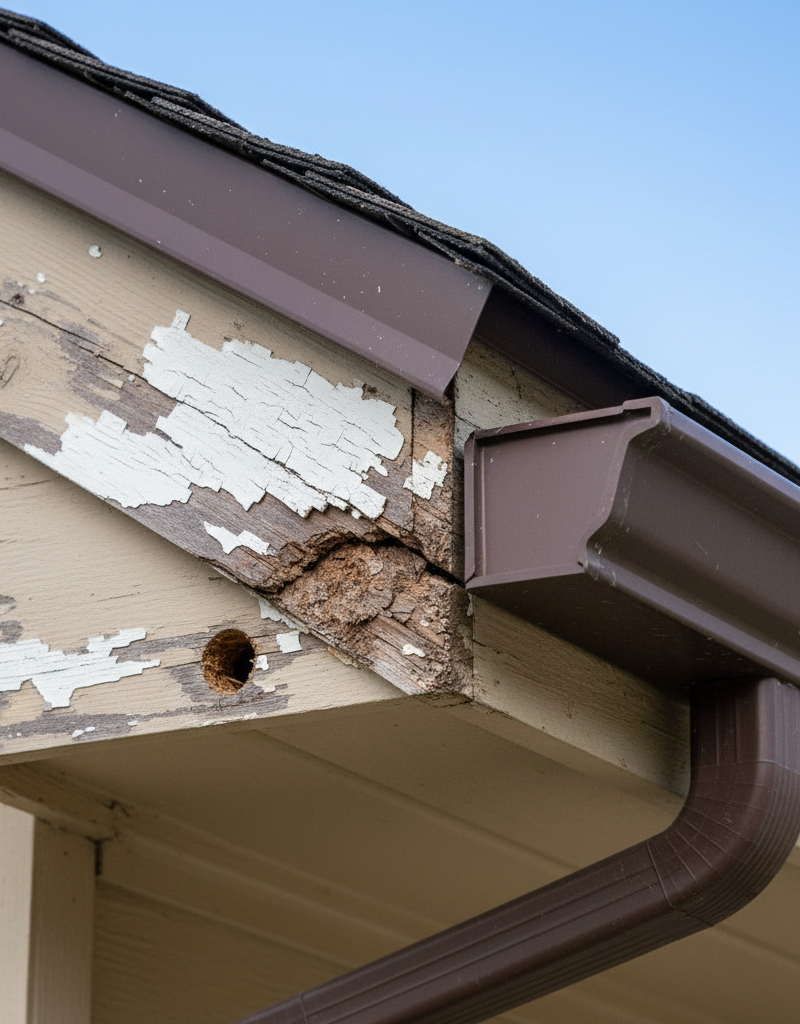
- Venting Bathroom Fans into the Attic: All fans must be ducted to the exterior. Venting warm, moist air into the attic is a primary cause of mold and wood rot.
- Not Calculating NFVA: "Eyeballing" the ventilation solution often leads to an imbalanced and ineffective system.
Cost & Time Breakdown
| Task | DIY Cost | Pro Cost | Time |
|---|---|---|---|
| Attic Ventilation Assessment | $0 (your time) | $150–$300 | 2–3 hours |
| Installing Rafter Baffles | $50–$150 | $400–$800 | 4–8 hours |
| Clearing Soffit Vents | $0–$20 (tools) | $200–$500 | 2–4 hours |
| Air Sealing Attic Bypasses | $100–$250 | $500–$1,200 | 1–2 days |
| Installing New Soffit Vents | $100–$300 (tools) | $500–$1,500 | 1–2 days |
| Replacing Box Vents with Ridge Vent | N/A (Pro Only) | $700–$2,500+ | 1 day |
Tips & Prevention
- Annual Vent Check: Each spring, walk around your house and visually inspect your soffit vents to ensure they are clean and free of debris or insect nests.
- Think Airflow Path: During any attic inspection, think of the air's journey. Is there a clear, unobstructed path from the lowest point (eaves) to the highest point (ridge)?
- Balance is Everything: Remember the 50/50 rule. Your total intake NFVA should be equal to your total exhaust NFVA.
- Specify Vents on New Roofs: When getting a new roof, insist that the contract specifies the exact type and amount of ventilation to be installed. A good roofer will perform a ventilation calculation as part of their bid.
- Get an Energy Audit: A professional energy auditor can use tools like a blower door and infrared camera to precisely locate air leaks between your house and attic that are invisible to the naked eye.
- Keep Insulation in its Place: Ensure insulation covers your attic floor evenly but is kept away from vents using baffles.
When to Call a Professional
While a homeowner can safely perform an attic inspection and install baffles, many ventilation fixes are best left to a professional. Always prioritize safety.
Call a licensed and insured roofing contractor for any work that involves cutting holes in the roof or soffits, such as installing new vents. Working on a roof is dangerous, especially on steep-slope roofs (a 6:12 pitch or greater) or any roof on a two-story home. If you are not comfortable or experienced with ladder safety, do not attempt the work. If your inspection reveals signs of widespread moisture, condensation, mold, or rotting wood, you need an expert diagnosis immediately. A qualified roofer or a BPI (Building Performance Institute) certified professional can provide a comprehensive assessment and ensure the solution is both effective and safe for your home.
Related Articles
Keep troubleshooting with these hand-picked guides from FixlyGuide:
- Why Your '30-Year' Shingles Won't Last 30 Years — Most '30-year' asphalt shingles don't last 30 years; understand the real-world factors like climate, installation, and ventilation that det…
- Those Ugly Black Streaks on Your Roof Aren't Dirt — Those unsightly black streaks are actually a type of algae called Gloeocapsa magma feeding on your shingles, but they can be cleaned and pr…
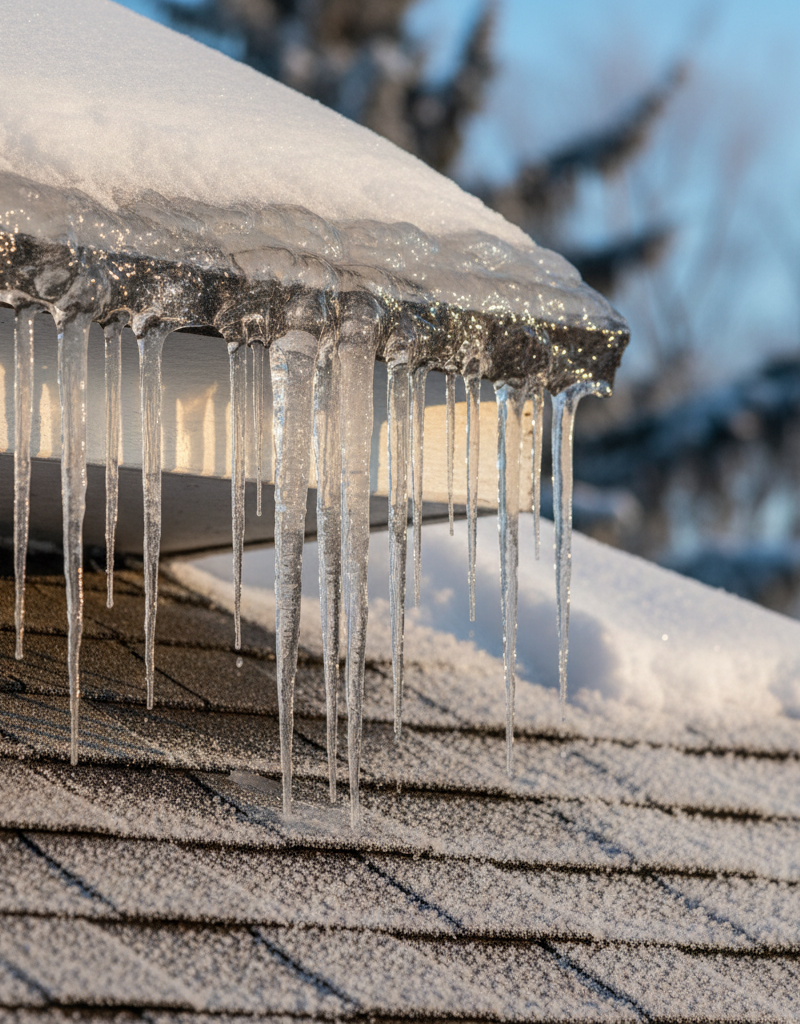
- Those Gutter Icicles Are a Costly Warning Sign — Discover why the icicles on your gutters are a flashing red light for ice dams, a destructive problem that can lead to costly water damage…
- That Brown Stain Above Your Shower Isn't a Roof Leak — Discover why that ugly brown stain on the ceiling below your attic bathroom vent is more likely caused by condensation from your shower tha…
- Why Your Roof Only Leaks in Sideways Rain (It's Not the Shingles) — That maddening leak that only appears during severe, wind-driven rain isn't your shingles—it's a sign that water is being forced sideways b…
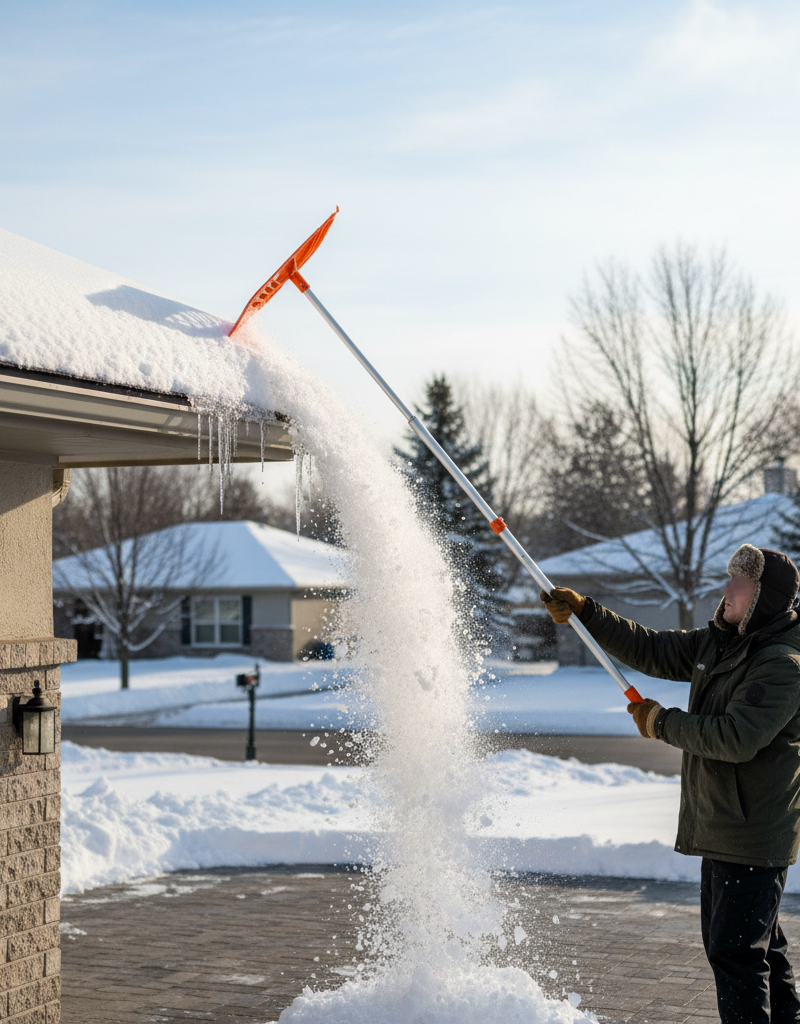
- The $30 Secret to Banishing Ice Dams Without Damaging Your Roof — Discover how a simple, inexpensive trick can safely eliminate dangerous ice dams from your roof and prevent costly damage to your home.
What should this project cost?
Enter your project details for a realistic cost range before you call anyone.
Spot repairs commonly run $400–$1,800; full replacement typically $9,000–$18,000 for an average home.
- Regional adjustment
- National average
- Labor share (typical)
- ~$2,948
- Quotes to collect
- 3 written estimates
Educational estimate based on national averages — not a binding quote. Always confirm with written local estimates.
Fixly Project Decision Box
- DIY difficulty
- Professional Recommended
- Estimated time
- Inspection 1–2 hours · repairs 1–3 days
- Cost level
- High
Main tools / materials
- Binoculars for a ground-level look
- Flashlight for attic checks
- Moisture meter
- Roofing cement (temporary patch only)
When to stop and call a pro
- Active leak near lights, fans, or any wiring
- Sagging, bulging, or water-filled ceiling
- Steep, wet, or two-story roof — do not climb it
- Storm or hail damage you plan to claim on insurance
Need professional help?
Free roof assessment first — no phone calls until you ask for them.
Get Local Roofing HelpDecide what your roof needs
Two minutes of questions turns "something is wrong up there" into a clear next step.
- Repair or replace your roof?Answer 10 questions about age, leaks, and damage to get a clear next step.Open
- Compare contractor quotesScore up to four bids on price, warranty, licensing, and timeline.Open
- Get local estimatesSend one request and compare written estimates from vetted pros.Open
Free, no signup required. Estimates are educational guidance, not a quote or an inspection.
Get the print-ready PDF of this guide
A clean, ad-free, printable version you can keep on your phone or pin to the workshop wall. Free with a FixlyGuide account.
- Print-optimized layout
- Tools, materials & every step included
- Saved to your account
Frequently asked questions
Will adding more insulation make my attic cooler?+
No. Adding insulation without addressing ventilation will only slow the rate at which the trapped heat moves into your house. The attic itself will remain extremely hot, and this heat can degrade your shingles and roof structure over time. Ventilation is the key to removing the heat.
Is a powered attic fan (PAV) a good idea?+
Usually not. While they seem like a powerful solution, PAVs can create negative pressure in the attic. This can pull conditioned air from your living space through tiny cracks, increasing your AC costs. In worst-case scenarios, they can even cause back-drafting from fuel-burning appliances. A balanced passive ventilation system is almost always superior.
How do I know if my soffit vents are blocked?+
From inside the attic (on a cool day), carefully make your way to the eaves. You should see a gap between the insulation and the roof deck, often held open by a plastic or foam baffle. If you see insulation pushed right up against the wood, your vents are blocked. From the outside, you can visually inspect for paint, dirt, or debris clogging the vent grilles.
What is the best type of attic vent?+
The most effective system for most homes is a combination of continuous soffit vents for intake and a continuous ridge vent for exhaust. This setup provides the most uniform, balanced airflow across the entire underside of the roof deck, leaving no 'hot spots'.
Discussion
Loading comments…