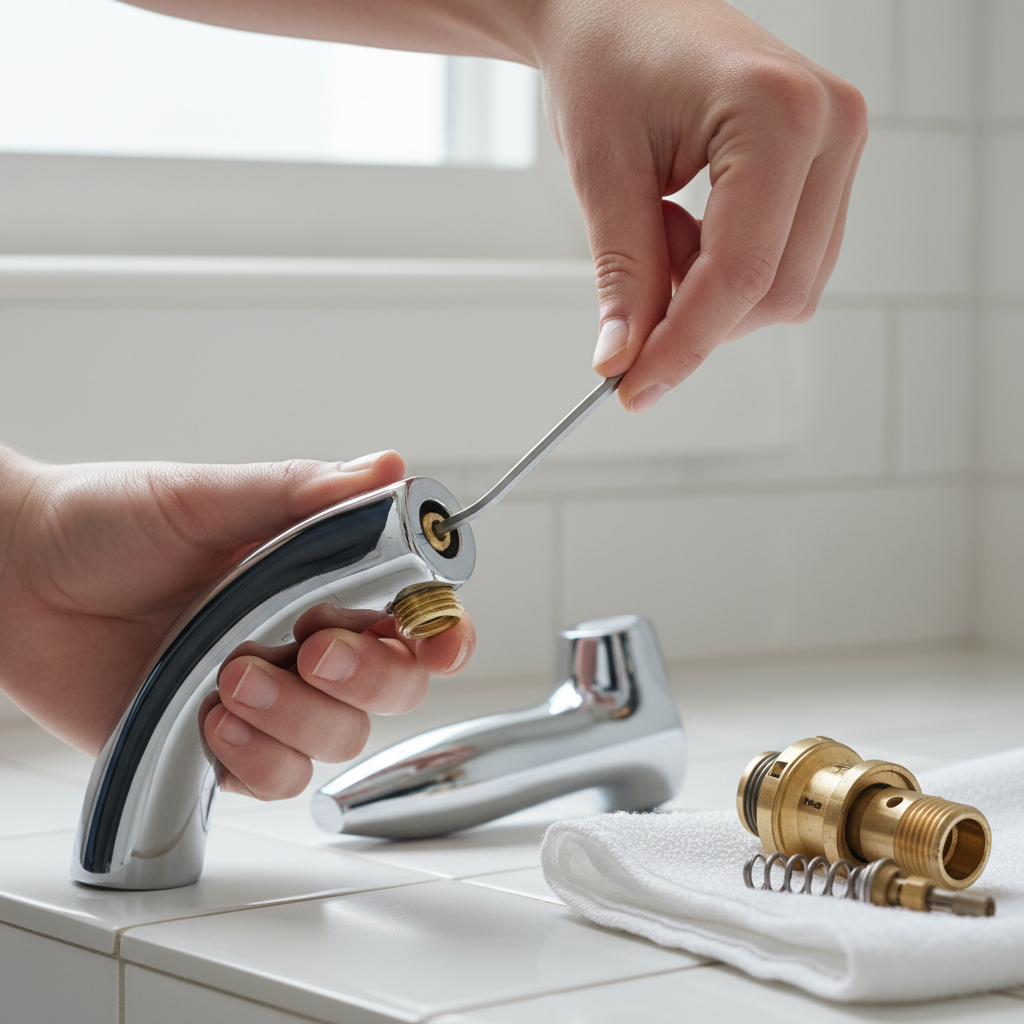
- For Tub Spout Diverters (Lift-Gate):
- Look for a small screw on the underside of the tub spout, usually a hex screw. Loosen it with an Allen wrench or Phillips screwdriver.
- If no screw is visible, the spout might simply thread off counter-clockwise. You may need to use a strap wrench for grip.
- Carefully slide or twist the spout off.
- The diverter mechanism is inside the spout. It's often easier to simply replace the entire tub spout (which comes with a new diverter) than to try and repair the old one's internal gate.
Plumbing · Water heater problem
| Project category | Plumbing |
|---|---|
| Problem type | Water heater problem |
| Trade required | Plumbing |
| Urgency | Urgent — within days |
| Safety risk | Moderate safety risk |
| DIY suitability | Pro recommended |
| Cost category | Moderate cost |
| Typical timeline | Diagnosis same day; replacement typically a half-day install |
| Contractor type | Licensed plumber |
Repair option
Element, thermostat, or thermocouple replacement on a tank still in good condition.
Replacement option
Full replacement once the tank leaks or passes roughly a decade of service.
Common causes
- Failed heating element or thermocouple
- Sediment buildup reducing capacity
- Tank corrosion at end of service life
Relevant tools:repair or replaceproject cost estimator
Published May 13, 2026Last updated August 17, 2026
Tools & materials you'll need
Affiliate linksAs an Amazon Associate FixlyGuide earns from qualifying purchases — at no extra cost to you. Prices and availability are accurate as of publication and subject to change.
Quick Answer
When your entire house has hot water, but a single shower stubbornly refuses to deliver anything but cold, the most common (and often overlooked) suspect is a malfunctioning diverter valve within that specific shower's faucet assembly. This little component, responsible for directing water from the tub spout to the showerhead, can wear out, stick, or become obstructed, preventing the hot water from reaching its intended destination. A DIY repair or replacement of this valve is usually a straightforward task that can save you a plumber's visit.
The Problem
Imagine this: you've had a long day, you step into the shower, turn the handle, and brace for the comforting warmth... only to be met with a frigid spray. You check the sinks, the dishwasher, even another shower – all have hot water. The culprit isn't your water heater, nor is it a massive plumbing emergency. More often than not, if only ONE shower is experiencing a complete lack of hot water, the problem lies within the shower valve itself, specifically the diverter mechanism. This isn't just an inconvenience; it can be maddening, especially when the rest of your home seems to be operating perfectly. Understanding how this small but crucial part works is the first step to getting that soothing hot shower back.
How It Works
Most bathtub-and-shower combinations or standalone shower units rely on two main types of valves: the main mixing valve (also called the cartridge) and the diverter valve. The main mixing valve controls the water temperature by blending hot and cold water and regulates the water volume. This isn't usually the issue if other fixtures are getting hot water.
The diverter valve, on the other hand, has a singular job: to redirect water flow. In a tub/shower combo, when you pull up a knob on the tub spout, rotate a lever on the faucet body, or push a button, you're activating the diverter. When engaged, it closes off the path to the tub spout and opens the path to the showerhead, allowing water to flow upwards.
There are several common types of diverter valves:
- Lift-gate diverter: This is the pull-up knob on the tub spout. An internal gate physically lifts to block the tub spout opening and directs water to the shower. These can get gunked up or the gate can bend.
- Three-valve diverter: Older systems often have separate hot, cold, and diverter handles. The diverter handle typically rotates to switch flow. Internal rubber washers or seats can wear out.
- Two-valve diverter (often integrated into the main handle): More modern single-handle mixing valves might have a diverter built into the main handle’s rotation or pull function, or a separate small lever. These usually use a ceramic disc or a cartridge-style diverter.
Over time, mineral deposits from hard water, wear and tear on rubber seals, or even a foreign object can cause a diverter valve to malfunction. If it can't fully close off the path to the tub spout or adequately open the path to the showerhead, hot water (or any water, for that matter) simply won't reach the showerhead properly. Specifically, if the diverter is stuck in a half-open or partially closed position for the shower path, you might get a trickle of cold or lukewarm water, or just no water at all, even if hot water is readily available at the tub spout.
Step-by-Step Fix
Ready to get your hot shower back? This guide assumes other fixtures in your house do have hot water, indicating the problem is isolated to this specific shower's diverter valve.
Safety Note: Always ensure the main water supply to your house is turned off before disassembling any plumbing fixtures. Although this particular repair doesn't typically involve high-pressure spraying, turning off the water prevents accidental flooding and makes the job cleaner and safer.
1. Identify Your Diverter Valve Type — Determine where to focus your repair efforts.
Before you grab any tools, take a moment to understand your shower setup.
- Lift-Gate Diverter: Most common on tub spouts. Look for a pull-up knob on the spout itself. This is usually the easiest to access and replace.
- Three-Handle Diverter: If you have three separate handles (hot, cold, and a third for the diverter), the diverter assembly is likely behind the wall plate.
- Single-Handle Diverter: Some single-handle showers have a small lever or button on the faceplate around the main handle that controls the diverter. Others have the diverter integrated into the main cartridge. Try operating the diverter mechanism several times to see if it frees up. If not, proceed to the next steps.
2. Turn Off the Water Supply — Essential for any plumbing repair.
- Locate the main water shut-off valve for your house, usually in the basement, utility closet, or near your water meter. Turn it completely off.
- Open a faucet downstairs to relieve any residual pressure in the pipes and confirm the water is off.
3. Access the Diverter Valve — Expose the faulty component.
- For Tub Spout Diverters (Lift-Gate):
- Look for a small screw on the underside of the tub spout, usually a hex screw. Loosen it with an Allen wrench or Phillips screwdriver.
- If no screw is visible, the spout might simply thread off counter-clockwise. You may need to use a strap wrench for grip.
- Carefully slide or twist the spout off.
- The diverter mechanism is inside the spout. It's often easier to simply replace the entire tub spout (which comes with a new diverter) than to try and repair the old one's internal gate.
- For Three-Handle Diverters:
- Pry off the decorative caps on the handles (usually with a small screwdriver), then unscrew the handle screws and pull off the handles.
- Remove the escutcheon plate (the decorative metal plate against the wall) by unscrewing its mounting screws.
- This will expose the diverter stem and valve body.
- For Single-Handle Diverters (Separate Lever/Button):
- There will usually be a small set screw (often underneath or on the side of the handle body) holding the diverter handle or knob in place. Loosen it and pull off the handle.
- Remove any escutcheon plate screws and carefully remove the plate to expose the diverter cartridge or stem assembly.
4. Inspect and Clean the Diverter — Sometimes, a simple cleaning is all it takes.
- For Tub Spout Diverters: Once the spout is off, visually inspect the lift-gate mechanism. Is it bent, corroded, or gunked up with mineral deposits? Try to manually move the gate to see if it's sticking. If it's heavily corroded or damaged, replacement is best.
- For Three-Handle or Single-Handle Diverters:
- Carefully pull out the diverter stem or cartridge. You may need pliers or a specific cartridge puller if it's an older type or stuck.
- Examine the O-rings and washers for wear, cracks, or deterioration.
- Look for mineral deposits or debris inside the valve body.
- Clean any accumulated gunk with a stiff brush and white vinegar. Lubricate O-rings with plumber's grease before reassembly.
- If the O-rings or washers are visibly damaged, replace them with a repair kit specific to your faucet brand and model.
5. Replace the Diverter Valve or Component — Installing new parts for reliable operation.
- For Tub Spout Diverters: If replacing the entire spout, apply plumber's tape clockwise to the threads on the pipe coming out of the wall. Thread the new spout on firmly, ensuring it's level. Secure it with the set screw if applicable.
- For Three-Handle or Single-Handle Diverters:
- Install the new diverter stem or cartridge, ensuring it's oriented correctly according to the manufacturer's instructions.
- Gently push it into place. You might hear a click.
- Secure any retaining clips or nuts that hold the cartridge in (use a crescent wrench for nuts, but do not overtighten).
6. Reassemble and Test — Cross your fingers and check your work.
- Once the new diverter is in place (or the cleaned one is reinstalled), reattach the escutcheon plate and then the handle(s) in reverse order of removal.
- Turn the main water supply back on slowly.
- Test the shower. First, turn on the main shower handle to the hot position over the tub spout. Then, engage the diverter to send water to the showerhead. You should now have hot water flowing freely.
- Check for any leaks around the faucet body or tub spout.
Common Causes
- Mineral Buildup: Hard water can leave mineral deposits (calcium, magnesium) that cause the diverter gate or cartridge to stick, preventing it from fully opening or closing the hot water path to the showerhead.
- Worn O-Rings and Washers: Rubber components inside the diverter assembly degrade over time, leading to improper sealing and water misdirection.
- Corrosion: Metal parts of the diverter can corrode, especially in older installations, leading to binding or breakage.
- Physical Damage: The diverter gate in a tub spout can bend, or an internal spring can fail, preventing proper redirection of water.
- Improper Installation: While less common for an existing system, if a new diverter was recently installed, it might have been inserted incorrectly.
Common Mistakes
- Forgetting to Turn Off the Water: This is a classic mistake that leads to a sudden, unexpected shower (and potential flooding). Always shut off the main water supply.
- Using the Wrong Replacement Part: Faucet parts are highly manufacturer and model-specific. Don't eyeball it; take the old part to a plumbing supply store or hardware store, or consult your faucet's manual to get the exact replacement.
- Overtightening Components: While you want things snug, overtightening screws or nuts can strip threads, crack plastic, or damage rubber seals, leading to leaks or further malfunction. Hand-tighten and then give a small turn with a wrench if required.
- Ignoring Proper Lubrication: When replacing O-rings or cartridges, applying a thin layer of heat-safe plumber's silicone grease ensures smooth operation and prevents premature wear.
- Damaging the Finish: Use a cloth or masking tape when using wrenches or pliers on finished parts (like the tub spout or handle caps) to avoid scratches.
- Assuming a Water Heater Problem: When only one shower lacks hot water, immediately thinking
Related Articles
Keep troubleshooting with these hand-picked guides from FixlyGuide:
- The #1 Reason Your Shower Goes Cold (It's Not Your Water Heater) — The true culprit behind a suddenly cold shower often isn't a failing water heater, but a simple, fixable issue with your shower valve.
- The #1 Mistake Homeowners Make When Diagnosing Low Water Pressure (It's Not Your Pipes!) — Low water pressure throughout your house often points to a single, easily overlooked culprit: your main water shut-off valve.
- The 4 Hidden Reasons Your Shower Runs Cold – And How to Fix It FAST — Learn the surprising causes behind a cold shower and discover simple, effective DIY fixes to restore hot water quickly.
- The 4 Hidden Reasons Your Entire Home Has Low Water Pressure (And the Easy Fixes) — Low water pressure throughout your entire home can be a frustrating and often misunderstood problem, with several common culprits. Learn to…
- The #1 Mistake Homeowners Make When Diagnosing Low Water Pressure (It's Not Your Pipes) — Discover the most common, overlooked culprit behind low water pressure impacting your entire home and learn how to fix it yourself with bas…
- The 5-Minute Trick to Restore Your Kitchen Sink Sprayer's Lost Pressure — Restore your kitchen sink sprayer's low pressure with a quick, simple trick that often takes less than five minutes and requires no special…
What should this project cost?
Enter your project details for a realistic cost range before you call anyone.
Common repairs run $150–$650; repipes and water-heater replacements reach $1,500–$4,500.
- Regional adjustment
- National average
- Labor share (typical)
- ~$754
- Quotes to collect
- 3 written estimates
Educational estimate based on national averages — not a binding quote. Always confirm with written local estimates.
Fixly Project Decision Box
- DIY difficulty
- Moderate
- Estimated time
- 30 minutes – half a day
- Cost level
- Moderate
Main tools / materials
- Adjustable wrench
- Plunger or drain auger
- Bucket and towels
- Thread tape
When to stop and call a pro
- Water you cannot shut off at the fixture or main
- Sewage backing up into more than one fixture
- Water near electrical panels or outlets
- Gas water heater work beyond relighting a pilot
Need professional help?
Get a Licensed PlumberRecommended for DIYers & woodworkers
Sponsored
The Top 20 Tools for Workshops of Any Budget
No stationary machines or power tools required — plus 3 fundamental tools that can't be bought at any price.
Get the free guide
Ted's Woodworking — The #1 Woodworking Resource
Detailed instructions, dimensioned drawings, materials & cutting lists, and 3D schematics for every skill level.
See the plansSponsored: links above are affiliate links. FixlyGuide may earn a commission on qualifying purchases — at no extra cost to you.
Frequently asked questions
Why does only one shower have no hot water?+
If only one shower lacks hot water, but other faucets and showers in your home do, the problem is almost certainly a malfunctioning diverter valve or a clogged mixing valve cartridge specific to that shower. The diverter valve redirects water from the tub spout to the showerhead and can get stuck or fail.
Can a bad shower cartridge cause no hot water?+
Yes, a clogged or faulty mixing valve cartridge (the main temperature control part) in a single-handle shower can restrict or block hot water flow to that specific shower, even if the hot water supply to the house is fine. However, a diverter valve issues is more likely if you can get hot water from the tub spout but not the showerhead.
How do I know if my diverter valve is bad?+
Signs of a bad diverter valve include: water still flowing from the tub spout when the shower is engaged, weak water pressure from the showerhead, or complete lack of water (especially hot water) from the showerhead while the tub spout works normally. You might also notice the diverter knob or lever feels loose or doesn't fully engage.
Is it easy to replace a shower diverter valve?+
Replacing a shower diverter valve can range from easy to moderate, depending on the type. A tub spout diverter is typically the easiest to replace (often just replacing the spout itself). Internal cartridges or stems require more disassembly but are usually manageable for a DIYer with basic tools and the correct replacement part.
When should I call a plumber for no hot water in one shower?+
You should call a plumber if you've attempted the DIY fixes (like replacing the diverter or cleaning the cartridge) and still have no hot water, if you encounter significant difficulty disassembling the fixture, if there's a leak you can't stop, or if the issue seems more complex than a simple valve problem, potentially involving pipes behind the wall.
Discussion
Loading comments…