- Inspect the ladder for defects; never use a damaged ladder.
- Place the ladder at a 75-degree angle for optimal stability.
- If working near power lines, maintain a minimum 10-foot clearance or call a professional.
General remodeling · Renovation planning
| Project category | General remodeling |
|---|---|
| Problem type | Renovation planning |
| Trade required | General contracting |
| Urgency | Planned project |
| Safety risk | Low safety risk |
| DIY suitability | Pro recommended |
| Cost category | Major investment |
| Typical timeline | Design and permitting often 2–4 months before work starts |
| Contractor type | General contractor |
Repair option
Phase the work and fix the building envelope first.
Replacement option
Full renovation with permits, design, and a general contractor.
Common causes
- Space no longer fits how the household lives
- Resale preparation
- Deferred maintenance stacking up
Relevant tools:project cost estimatorcompare quoteshome improvement material prices
Published May 6, 2026Last updated August 17, 2026
Tools & materials you'll need
Affiliate linksAs an Amazon Associate FixlyGuide earns from qualifying purchases — at no extra cost to you. Prices and availability are accurate as of publication and subject to change.
Quick Answer
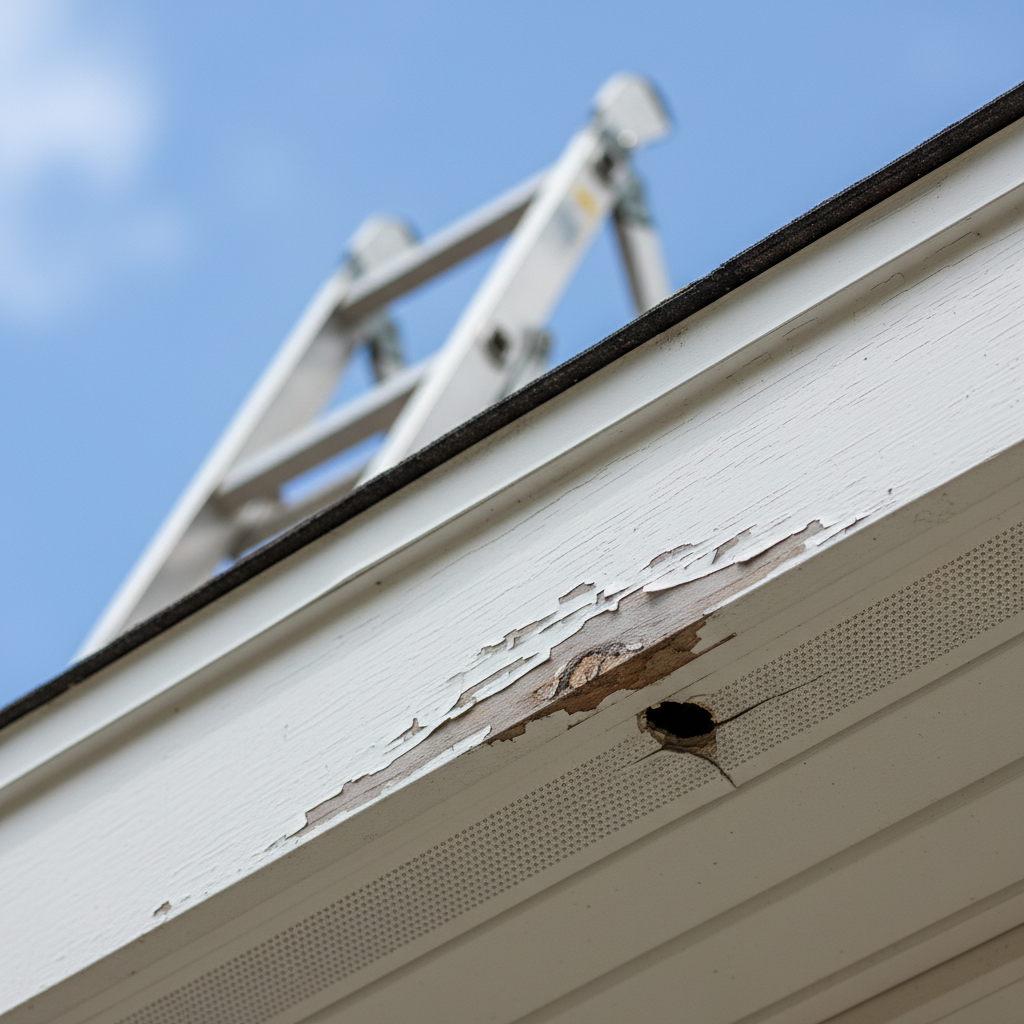
Soffit and fascia are vital components protecting your home's roof edge and attic from the elements and pests. Damaged soffit often manifests as visible holes, signs of rot, or noticeable sagging, creating direct pathways for moisture intrusion and unwelcome pests into your attic space. Fascia board damage, conversely, usually appears as peeling or chipped paint, areas of softened or rotted wood, or the board detaching from the rafter tails, which can severely compromise the stability of your gutter system and the overall aesthetic appeal of your home. Identifying these issues early and undertaking timely repairs or replacement is paramount to prevent more extensive and expensive structural damage to your property.
The Problem
You're likely here because you've noticed something amiss along your roofline – perhaps peeling paint, a drooping section, or even a hornet's nest where it shouldn't be. These seemingly minor issues with your soffit and fascia are more than just cosmetic blemishes; they're often red flags signaling deeper, more insidious problems that can compromise the structural integrity, energy efficiency, and overall health of your home. Ignoring these warning signs can lead to a cascade of expensive repairs, from rotten rafter tails and attic mold to compromised insulation and pest infestations. For instance, a small hole in your soffit isn't just an eyesore; it's an open invitation for squirrels, birds, and insects to establish colonies in your attic, where they can chew through wiring, contaminate insulation, and spread disease. Similarly, deteriorating fascia won't just look bad for long; it’ll eventually fail to support your gutters, leading to improper drainage, foundation issues, and even water damage to your home’s siding and foundation. Understanding these components and knowing how to diagnose and address their common ailments is key to protecting your investment.
How It Works
To truly grasp the importance of soffit and fascia, visualize your roof as a hat for your house. The soffit and fascia are essentially the brim and decorative band of that hat, working in tandem to protect the underlying structure. The soffit (from the Italian 'soffitto,' meaning 'fixed underneath') is the finished surface on the underside of your roof's eaves. Its primary role is twofold: aesthetics and ventilation. Aesthetically, it covers the exposed rafter tails, creating a cleaner, more finished look for your home's exterior. More critically, most soffit panels are vented, featuring small perforations that allow outside air to enter your attic. This continuous airflow is crucial for attic ventilation, helping to regulate temperature and prevent moisture buildup, which can lead to mold, mildew, and premature deterioration of your roof sheathing and insulation. Without proper soffit ventilation, your attic can become a sauna in summer, driving up cooling costs, and a frosty, damp cave in winter, leading to ice dams and condensation.
Directly attached to the ends of the rafter tails, where the roof meets the exterior walls, is the fascia board (from the Latin 'fascia,' meaning 'band' or 'bandage'). This long, straight board serves as a crucial mounting point for your gutter system. Beyond holding up your gutters, the fascia board protects the exposed rafter tails from direct exposure to rain, snow, and UV radiation, which can cause wood rot and structural weakening. It also acts as a barrier, preventing water from backing up under the shingles and into the roof structure. Together, the soffit and fascia form a cohesive system that seals the attic from pests, deflects water away from the house, and contributes significantly to your home's curb appeal and energy efficiency. When either component is compromised, this critical defense system begins to break down, leaving your home vulnerable to a host of problems.
Step-by-Step Fix
Addressing damage to your soffit and fascia can range from simple patch-ups to full board replacements. This guide focuses on common repairs for wood or PVC/vinyl materials.
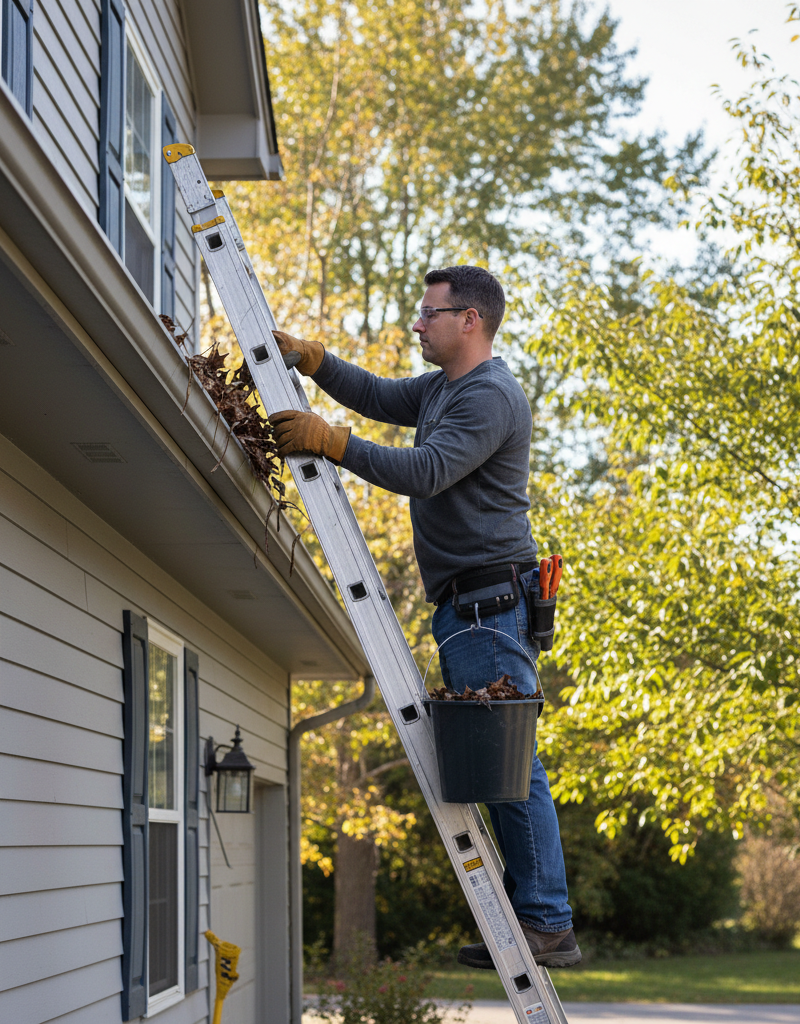
1. Safety First — Before starting any work at height, ensure your ladder is stable on solid, level ground. Have a spotter if available, and don't overreach. Wear gloves and safety glasses.
*   Inspect the ladder for defects; never use a damaged ladder.
*   Place the ladder at a 75-degree angle for optimal stability.
*   If working near power lines, maintain a minimum 10-foot clearance or call a professional.
2. Assess and Clean the Area — Carefully examine the extent of the damage. Remove any loose paint, debris, or rotten wood.
*   **Tools:** Wire brush, putty knife, utility knife.
*   **Damage Assessment:** For wood rot, probe with a screwdriver. If it easily penetrates, the wood is compromised. For vinyl, look for cracks, holes, or detachment.
*   Clean the area thoroughly to ensure good adhesion for repairs.
3. Repairing Small Holes or Cracks in Soffit — For minor damage in vinyl soffit, a patch kit or sealant can often suffice.
*   **Materials:** Vinyl repair patch kit, exterior-grade caulk, liquid nails.
*   Clean the area with denatured alcohol for best adhesion.
*   Apply the patch according to kit instructions, or fill small cracks with exterior-grade caulk.
*   For larger holes in vinyl, consider cutting a small piece of matching soffit and securing it with construction adhesive, ensuring it overlaps the edges of the hole by at least 1 inch.
4. Replacing a Section of Rotten Wood Soffit — If a section of wood soffit is significantly rotted, it's best to remove and replace it.
*   **Tools:** Circular saw, jigsaw, pry bar, hammer, measuring tape.
*   **Materials:** Matching wood soffit board (primed, if possible), exterior-grade wood screws/galvanized nails.
*   Carefully use a utility knife or saw to cut out the damaged section. Ensure cuts are straight and meet existing joists or blocking for support.
*   Measure and cut your new piece of soffit. Apply wood preservative to any exposed untreated wood before installation.
*   Secure the new piece with galvanized nails or exterior-grade screws, ensuring it's flush with the surrounding soffit.
*   **If this doesn't work:** If the damage extends to the rafter tails or sub-structure, stop and consult a carpenter or roofer.
5. Repairing Peeling Paint or Minor Fascia Rot — Address cosmetic issues and small areas of rot before they worsen.
*   **Tools:** Putty knife, sander (or sandpaper), paint scraper, wood chisel.
*   **Materials:** Exterior wood filler/epoxy filler, primer, exterior paint, wood hardener.
*   Scrape off all loose and peeling paint. Sand the surface smooth.
*   For shallow rot, apply wood hardener, let it cure, then fill with an exterior-grade wood filler or epoxy. Sand smooth once dry.
*   Prime the repaired area and apply two coats of exterior paint matching your existing trim.
6. Reattaching or Replacing a Section of Fascia — If fascia is detached or extensively rotted, it needs resecuring or replacement.
*   **Tools:** Drill, impact driver, measuring tape, circular saw, level.
*   **Materials:** New fascia board (wood or PVC), exterior-grade screws (e.g., galvanized or stainless steel), construction adhesive.
*   **Attachment:** Use 2.5-3 inch exterior screws to reattach loose fascia to the rafter tails. Pre-drill pilot holes to prevent splitting.
*   **Replacement:** Carefully pry off the damaged section. Measure and cut a new fascia board to fit precisely. Apply a bead of construction adhesive to the back of the board before screwing it into the rafter tails, approximately every 16-24 inches.
*   Ensure the new board is level and flush with adjacent sections.
7. Sealing and Finishing — Proper sealing protects your repairs and prevents future issues.
*   **Materials:** Exterior-grade caulk, paint.
*   Caulk all seams, joints, and nail holes with paintable, exterior-grade caulk to prevent water intrusion.
*   Apply a final coat of exterior paint to all repaired or replaced wood elements, ensuring even coverage and weather protection. For vinyl, ensure any repair patches are fully adhered.
Common Causes
Several factors contribute to the deterioration of soffit and fascia, often working in concert to accelerate damage:
- Moisture Intrusion: This is the leading culprit. Leaky gutters, clogged gutters, or improperly pitched gutters can cause water to constantly overflow or back up, saturating the fascia board. Water can also wick up into the soffit from driving rain or splash-back from the ground. Sustained moisture leads to wood rot, paint failure, and mold growth.
- Poor Ventilation: Inadequate attic ventilation, often due to blocked soffit vents (e.g., by insulation or paint), traps heat and humidity in the attic. This can lead to condensation, which drips onto the soffit and fascia, creating a moist environment ripe for deterioration.
- Pest Infestations: Birds, squirrels, raccoons, and insects (termites, carpenter ants, hornets) frequently exploit small gaps or weaknesses in soffit and fascia. Once inside, they can chew through materials, build nests, and further compromise the structural integrity, creating larger pathways for moisture and other pests.
- UV Radiation and Weather Exposure: Constant exposure to sunlight, rain, wind, and temperature fluctuations takes a toll. UV rays degrade paint and sealants, making wood more vulnerable. High winds can also rip loose sections of fascia or soffit.
- Original Installation Quality: Poor installation, such as using inadequate fasteners, insufficient sealing, or low-quality materials, can significantly shorten the lifespan of soffit and fascia. For example, using unprimed wood or nails that aren't galvanized can lead to premature failure.
- Age and Material Degradation: Like all exterior components, soffit and fascia have a finite lifespan. Over time, materials naturally degrade, becoming brittle (vinyl) or soft (wood), and more susceptible to damage from the elements.
Common Mistakes
- Ignoring the Root Cause: Simply patching a rot-damaged fascia without addressing why it rotted (e.g., a clogged gutter or missing drip edge) ensures the problem will quickly return. Always diagnose the underlying issue.
- Using Interior Materials Outdoors: Don't use indoor-grade wood filler, caulk, or paint for exterior repairs. These products aren't designed to withstand the elements and will fail prematurely, leading to quicker re-damage.
- Inadequate Surface Preparation: Skipping steps like scraping off all loose paint, cleaning, and sanding before painting or applying filler leads to poor adhesion and a short-lived repair. Preparation is key to longevity.
- Overlooking Pest Entry Points: Fixing a hole in the soffit but not pest-proofing other potential entry points, such as gaps around pipes or vents, just relocates the problem. Repair and seal thoroughly.
- Mismatching Materials: Replacing a section of soffit or fascia with a different material or profile can look unsightly and create new vulnerabilities. Strive for a consistent look and compatible materials.
- Working at Dangerous Heights Alone: Attempting extensive repairs on a tall ladder without proper safety precautions or a spotter is extremely dangerous. Falls from ladders are a leading cause of home repair injuries. Prioritize safety.
Cost & Time Breakdown
| Task | DIY Cost | Pro Cost | Time |
|---|---|---|---|
| Materials for patch repair | $10–$50 | N/A | 30 mins – 1 hour |
| Section replacement (soffit/fascia) | $50–$200 for materials | $300–$800 per section | 2–4 hours per section |
| Painting/Sealing | $20–$100 | N/A | 1–2 hours |
| Full Fascia/Soffit Replacement (Small Area) | $200–$500 | $800–$2,000 | 1–2 days |
Tips & Prevention
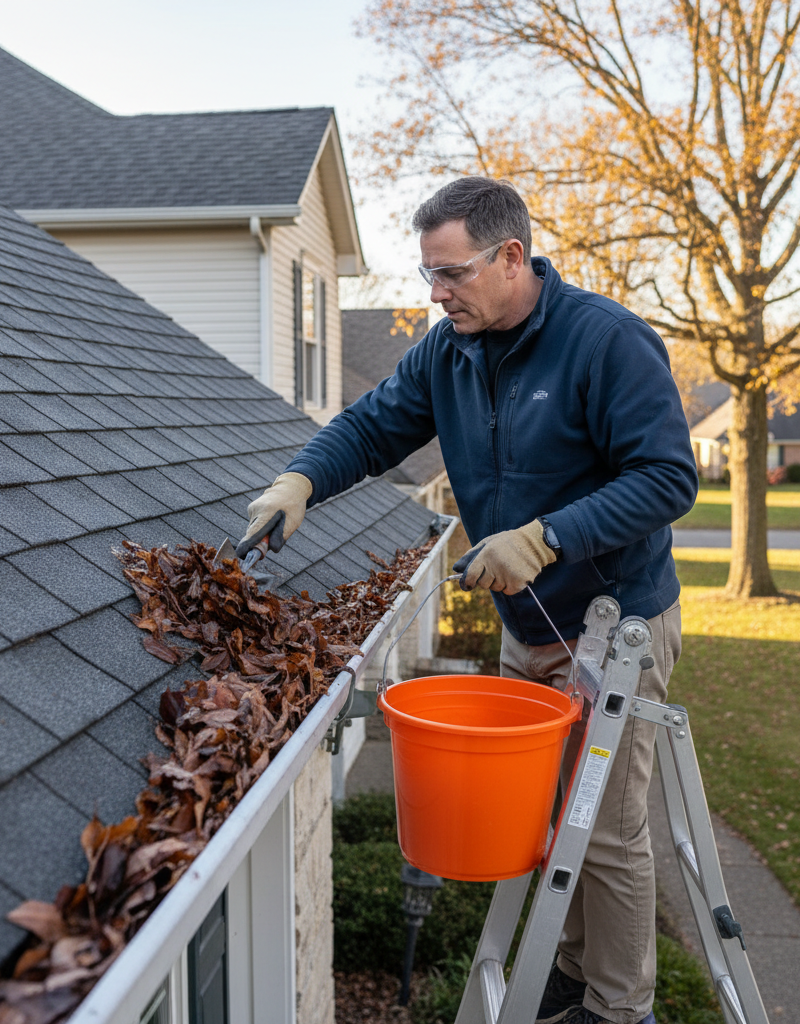
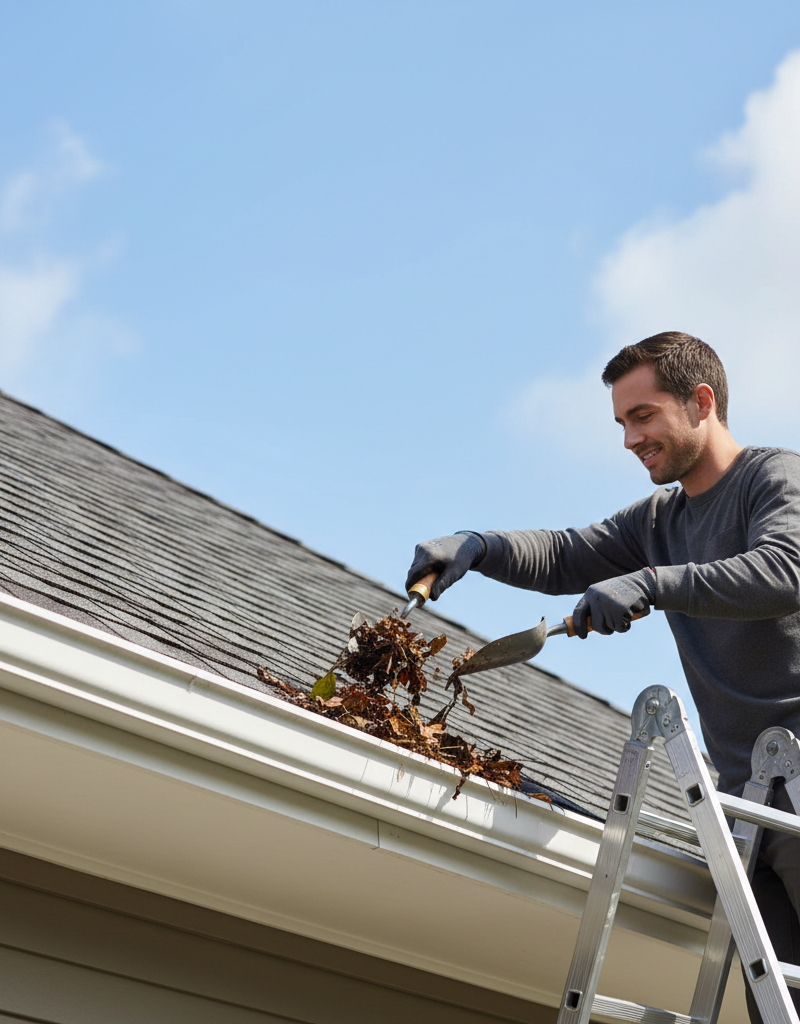
- Regular Gutter Cleaning: Clean your gutters at least twice a year (spring and fall) to prevent clogs and overflows that lead to fascia damage. Ensure downspouts direct water away from the foundation.
- Inspect Annually: Once a year, walk the perimeter of your home and inspect your soffit and fascia for early signs of damage: peeling paint, discolored sections, sagging, or small holes. Early detection saves money.
- Maintain Proper Attic Ventilation: Ensure soffit vents are clear of insulation and debris. If you have continuous soffit vents, check that nothing is blocking the airflow into the attic.
- Address Roof Leaks Promptly: Even minor roof leaks can lead to significant soffit and fascia damage over time. Fix shingle damage or flashing issues as soon as they are discovered.
- Keep Vegetation Trimmed: Tree branches overhanging your roof can scratch fascia, introduce moisture, and provide pest access. Trim them back to prevent contact.
- Consider Durable Materials: When replacing, consider materials like aluminum or PVC-coated fascia and vinyl soffit, which are more resistant to rot, pests, and require less maintenance than wood.
When to Call a Professional
While many minor soffit and fascia repairs are manageable for the diligent DIYer, certain situations warrant the expertise of a licensed professional. If you encounter extensive wood rot that has spread beyond the surface of the fascia or soffit into the rafter tails or roof decking, a structural repair is needed, which is best handled by a qualified carpenter or roofer. Similarly, if you suspect widespread pest infestation (e.g., active termites, large colonies of carpenter ants) or if the damage is high up and requires extensive work from a tall ladder around complex rooflines, call a professional for safety and effective remediation. Any damage affecting the integrity of your roof structure, such as sagging roof sections or significant water stains in your attic directly above the soffit/fascia, also signals a need for professional assessment to prevent further, more costly complications.
Related Articles
Keep troubleshooting with these hand-picked guides from FixlyGuide:
- The #1 Mistake Homeowners Make with Ice Dams (and How to Fix It SAFELY) — Most homeowners approach ice dam removal incorrectly, creating more damage or safety risks. Learn the right, safe methods to protect your r…
- The $30 Trick to Melting Ice Dams (Before They Destroy Your Roof) — Discover how to safely remove ice dams from your roof instantly with common household items, preventing costly damage. Stay safe while tack…
- The Tiny Gap Behind Your Baseboards That Costs You $100s in Drafts — Discover why your baseboards are pulling away from the wall and the simple, inexpensive fixes that can seal drafts and improve your home's…
- The 7 Critical Home Inspection Checks Most Homeowners Miss (and How to Do Them Yourself) — Discover the essential annual home inspection checks many homeowners overlook and learn how to perform them yourself to prevent costly repa…
- The 4 Hidden Reasons Your Entire Home Has Low Water Pressure (And the Easy Fixes) — Low water pressure throughout your entire home can be a frustrating and often misunderstood problem, with several common culprits. Learn to…
- The #1 Mistake Homeowners Make After Finding Missing Shingles (And How to Fix It Right) — Discover the crucial steps to take after a storm rips shingles from your roof, ensuring a proper, lasting repair and preventing costly futu…
Should you do this yourself?
Answer five quick questions before you start. Safety outranks savings every time.
Your experience with work like this
How high do you have to work?
Does the job involve any of these?
Will it need a permit?
Specialty tools
Free and instant. Educational guidance only — not a quote, inspection, or professional diagnosis.
Questions to ask before you sign
Ask every contractor the same questions and the cheapest bid stops looking cheapest. Check them off as you go — your progress is saved on this device.
Free, no signup. Bring this to every walkthrough so you compare bids on the same terms.
What should this project cost?
Enter your project details for a realistic cost range before you call anyone.
Spot repairs commonly run $400–$1,800; full replacement typically $9,000–$18,000 for an average home.
- Regional adjustment
- National average
- Labor share (typical)
- ~$2,948
- Quotes to collect
- 3 written estimates
Educational estimate based on national averages — not a binding quote. Always confirm with written local estimates.
Fixly Project Decision Box
- DIY difficulty
- Professional Recommended
- Estimated time
- Inspection 1–2 hours · repairs 1–3 days
- Cost level
- High
Main tools / materials
- Binoculars for a ground-level look
- Flashlight for attic checks
- Moisture meter
- Roofing cement (temporary patch only)
When to stop and call a pro
- Active leak near lights, fans, or any wiring
- Sagging, bulging, or water-filled ceiling
- Steep, wet, or two-story roof — do not climb it
- Storm or hail damage you plan to claim on insurance
Need professional help?
Free roof assessment first — no phone calls until you ask for them.
Get Local Roofing HelpGet help with your roof now
Stay off the roof. These free tools help you protect the house and reach the right professional fast.
- Emergency repair checklistThe first steps that limit damage before a pro arrives.Open
- Repair or replace your roof?Answer 10 questions about age, leaks, and damage to get a clear next step.Open
- Get local estimatesSend one request and compare written estimates from vetted pros.Open
Free, no signup required. Estimates are educational guidance, not a quote or an inspection.
Recommended for DIYers & woodworkers
Sponsored
The Top 20 Tools for Workshops of Any Budget
No stationary machines or power tools required — plus 3 fundamental tools that can't be bought at any price.
Get the free guide
Ted's Woodworking — The #1 Woodworking Resource
Detailed instructions, dimensioned drawings, materials & cutting lists, and 3D schematics for every skill level.
See the plansSponsored: links above are affiliate links. FixlyGuide may earn a commission on qualifying purchases — at no extra cost to you.
Frequently asked questions
What is the difference between soffit and fascia?+
The fascia is the horizontal board that runs along the edge of your roof, directly supporting your gutters. The soffit is the finished underside of your eaves, covering the gap between the siding and the fascia, and often includes vents for attic airflow.
What causes soffit and fascia to rot?+
The primary cause of rot is prolonged moisture exposure, often from overflowing gutters, leaky roofs, or splash-back from the ground. Poor attic ventilation leading to condensation also contributes significantly.
How can I tell if my soffit vents are blocked?+
Look for visible debris (insulation, leaves) obstructing the vent holes. In the attic, check if insulation is pushed directly against the underside of the roof sheathing, blocking airflow from the eaves. Signs like excessive heat in the attic or prominent ice dams in winter can also suggest blocked vents.
Can I replace just a section of fascia or soffit?+
Yes, for localized damage, you can often replace just the affected section. However, if the damage is widespread or indicative of a larger issue (like continuous gutter problems), a more extensive repair or full replacement might be necessary.
When should I call a professional for soffit and fascia repair?+
Call a professional if the damage is extensive, involves structural components like rafter tails, if you suspect a widespread pest infestation, or if the repair work requires working at dangerous heights on complex rooflines.
Are aluminum or vinyl soffit and fascia better than wood?+
Aluminum and vinyl options are generally more durable and require less maintenance than wood. They are resistant to rot and pests, though they can be more expensive to install initially. For DIY repairs, matching existing materials is usually easiest.
Discussion
Loading comments…