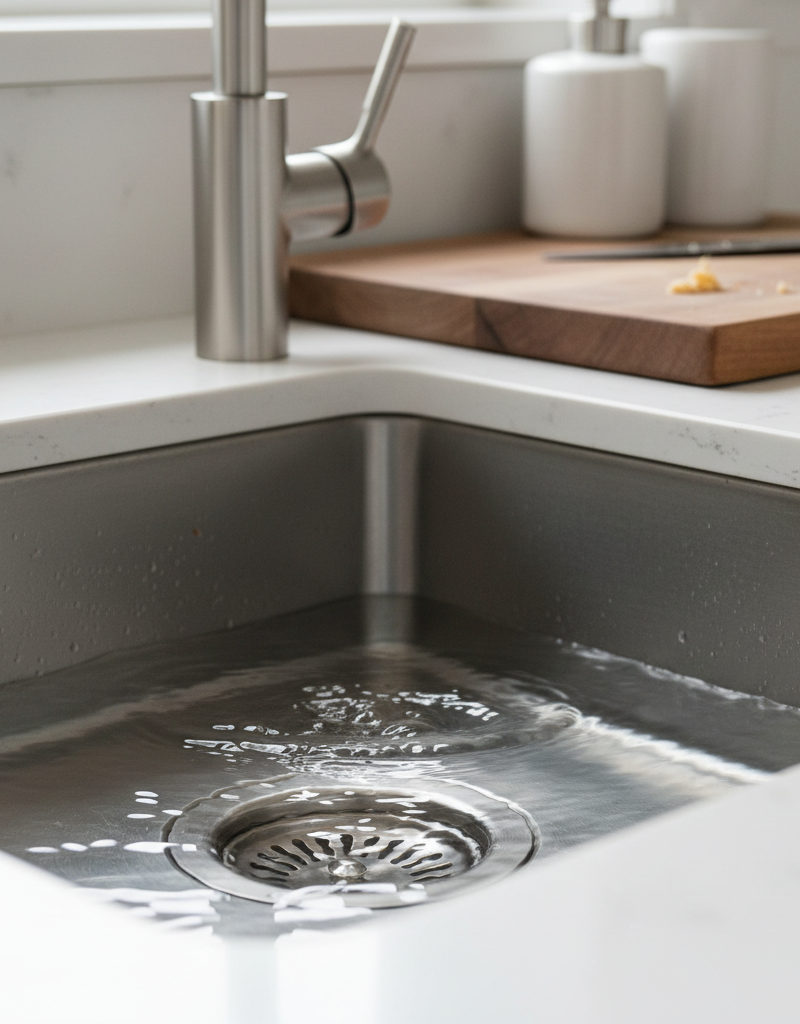
- Action: Determine the location and severity of the clog before you begin. Run water in the affected sink or tub. Is it draining slowly or completely stopped? Now, run water in nearby fixtures.
- If only one fixture is affected, the clog is localized in that fixture's trap or branch line. You can proceed with the steps below.
- If multiple fixtures are slow or backing up (e.g., the toilet gurgles when the sink drains), the problem is likely in the main drain line. Skip to the "When to Call a Pro" section.
Plumbing · Clog
| Project category | Plumbing |
|---|---|
| Problem type | Clog |
| Trade required | Plumbing |
| Urgency | Soon — within weeks |
| Safety risk | Low safety risk |
| DIY suitability | DIY friendly |
| Cost category | Low cost |
| Typical timeline | Same-day DIY attempt; pro visit within a day or two |
| Contractor type | Licensed plumber |
Repair option
Plunger, hand auger, or trap cleanout before chemicals.
Replacement option
Line replacement when clogs return in the same spot repeatedly.
Common causes
- Hair and soap buildup in the trap
- Grease cooling in the branch line
- Flushed wipes or foreign objects
Relevant tools:diy difficultydiy or hire a pro
Published April 21, 2026Last updated August 17, 2026
Tools & materials you'll need
Affiliate linksAs an Amazon Associate FixlyGuide earns from qualifying purchases — at no extra cost to you. Prices and availability are accurate as of publication and subject to change.
How it works
Your home's plumbing relies on a Drain, Waste, and Vent (DWV) system. Sinks, tubs, and toilets connect via drainpipes to a central sewer line, which carries waste out of your house. Gravity does most of the work, but the system's design is critical for clog-free function. Every fixture has a P-trap, the U-shaped pipe visible under a sink. Its primary job is to hold a small amount of water, creating a seal that blocks sewer gas from entering your home. This trap is also the most common location for clogs.
Clogs are physical obstructions. In kitchen sinks, they are typically a composite of fats, oils, grease (FOG), soap scum, and food particles that congeal into a solid mass. In bathrooms, the primary culprit is hair, which weaves together with soap scum and skin oils to form a dense, stubborn plug.
The "Vent" part of the DWV system is a pipe, usually extending through the roof, that allows air to enter the drains. This airflow prevents a vacuum from forming, allowing water to flow smoothly. A blocked vent can slow drainage at multiple fixtures, mimicking a clog. Understanding these mechanical principles is key: clogs are not dissolved, they are physically dislodged or removed. The methods below focus on applying targeted force or direct physical removal, which is why they are more effective and safer than corrosive chemical reactions.
Step-by-Step Fix
Follow these methods in order, from least to most invasive. This sequence resolves over 95% of common household clogs without needing harsh chemicals or a professional call-out.
1. Assess the Clog — Look and Listen
- Action: Determine the location and severity of the clog before you begin. Run water in the affected sink or tub. Is it draining slowly or completely stopped? Now, run water in nearby fixtures.
- If only one fixture is affected, the clog is localized in that fixture's trap or branch line. You can proceed with the steps below.
- If multiple fixtures are slow or backing up (e.g., the toilet gurgles when the sink drains), the problem is likely in the main drain line. Skip to the "When to Call a Pro" section.
2. Apply Boiling Water & Degreasing Soap — For Grease-Based Slow Drains
- Action: This method is highly effective for kitchen sinks with grease buildup. Squirt a generous amount of degreasing dish soap (about a quarter cup) into the drain, followed by a full kettle or pot of boiling water (approx. 1-2 gallons). Pour slowly and carefully from a height of 12-18 inches to add hydraulic pressure and avoid splashing.
- Tools: Kettle or large pot, degreasing dish soap.
- Safety: Do not use this method if you have already poured chemical drain cleaner into the sink, as the heat can cause a violent, hazardous reaction. Be cautious with all-PVC drains; while modern PVC is rated for hot water, very old or improperly installed pipes could soften. Let the water cool slightly off the boil first if you have concerns.
3. Clear the Stopper Assembly — For Bathroom Hair Clogs
- Action: The stopper mechanism itself is the number one location for hair clogs in bathroom sinks and tubs. Most of the gunk is often tangled right at the top. For a pop-up sink stopper, look under the sink for a horizontal rod attached to the drainpipe with a small clip. Unscrew the retaining nut holding that rod, pull the rod out, and then lift the stopper from the sink basin. For tubs, you may have a lift-and-turn stopper (unscrews from the top) or a trip-lever stopper (remove the faceplate and pull the linkage out).
- Clean: Use a paper towel and a stiff brush or hooked tool to remove all hair and soap scum from the stopper and linkage. Often, this alone solves the problem.
4. Use a Flat-Cup Plunger — For Full Blockages
- Action: A plunger uses water pressure and vacuum to dislodge a clog. It is not about brute force. Place the plunger cup squarely over the drain opening. Fill the sink or tub with 2-3 inches of water, ensuring the plunger cup is submerged. This water is not for weight; it's to create an effective hydraulic seal.
- Technique: Use a wet rag to firmly block the overflow opening on the sink basin or tub. If it’s a double kitchen sink, block the second drain opening. Give 15-20 sharp, vertical plunges, focusing on a strong upward pull stroke. The suction is what does the work. After plunging, remove the plunger and see if the water drains. You may need to repeat this 2-3 times.
- Tool: Use a flat-cup sink plunger, not a flange (toilet) plunger. The flat cup is designed to seal against the flat surface of a sink or tub basin.
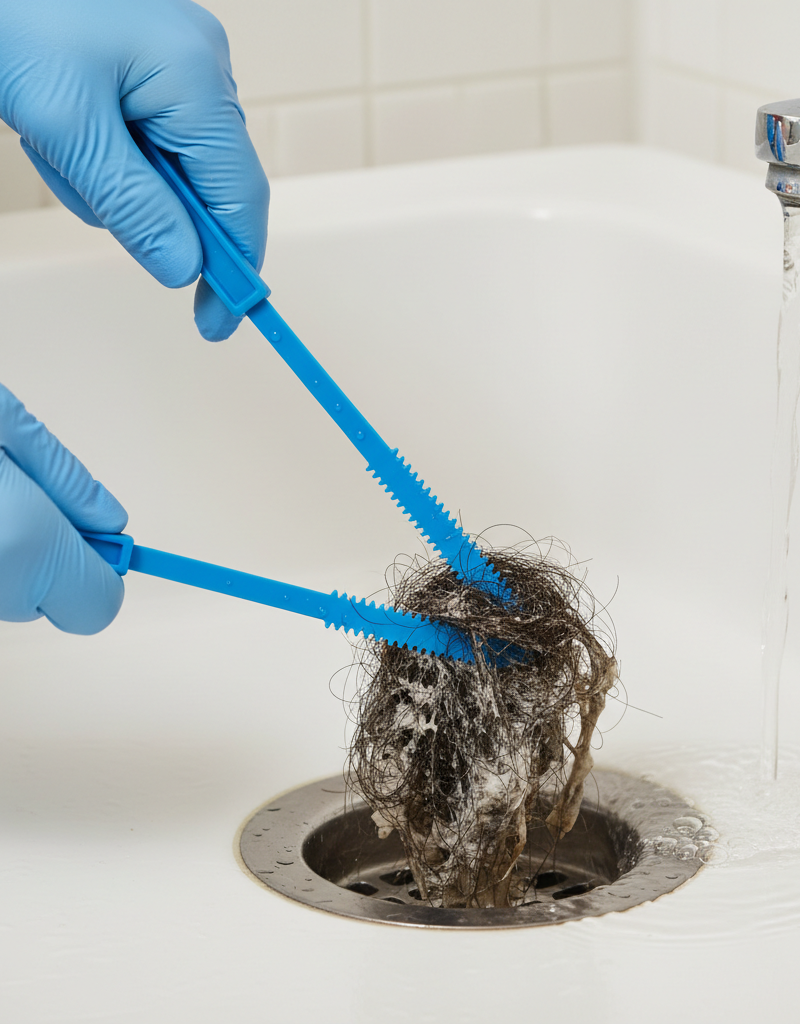
5. Deploy a Barbed Plastic Drain Tool — The Hair and Gunk Retriever
- Action: This inexpensive tool is the single most effective device for bathroom hair clogs. It's a thin, flexible plastic strip with sharp, backward-facing barbs. Simply feed the tool down into the drain opening, pushing past the grate or stopper housing.
- Maneuver: Push it down until you feel resistance, which is likely the top of the clog. Jiggle and rotate it slightly, then slowly pull it straight back out. The barbs will snag the matted hair and gunk, pulling the core of the clog out with it. Prepare for a grotesque but satisfying result. Repeat 2-3 times until it comes out clean.
6. Prepare to Disassemble the P-Trap — The Direct Approach
- Action: If plunging and snaking the drain opening fail, the clog is almost certainly in the P-trap. Place a bucket or shallow pan directly underneath the U-shaped pipe to catch water and debris. Gather your channel-lock pliers and some old rags.
- Tools: Bucket, channel-lock pliers, rags, rubber gloves (recommended).
- Pro Tip: Take a quick photo of the pipe assembly with your phone before you start. This provides an easy reference for reassembly.
7. Remove, Empty, and Clean the P-Trap — The Definitive Fix
- Action: The P-trap is held in place by two large slip nuts. One connects to the vertical tailpiece from the sink, and the other connects to the trap arm going into the wall. Grip these nuts and turn them counter-clockwise ("lefty-loosey") to loosen. They should often be hand-tight, but may require pliers if they are old or overtightened.
- Removal: Once the nuts are loose, the U-shaped section will drop down. Carefully lower it and empty its contents into the bucket. This is your clog. Take the trap piece to another sink and clean it thoroughly inside and out with a bottle brush and hot, soapy water. Also, check the trap arm opening for any visible obstructions.
8. Reassemble and Test for Leaks — The Final Check
- Action: Re-install the clean P-trap, ensuring any plastic washers or gaskets are seated correctly. Thread the slip nuts back on and tighten them by hand. They should be snug, but do not use excessive force. A final quarter-turn with pliers is usually sufficient.
- Test: Turn on the faucet and let it run for 30-60 seconds while you carefully inspect both slip nuts for any drips. If you see a leak, try tightening the nut by another eighth of a turn. If it still leaks, the washer may be cracked or deformed and needs to be replaced.
9. Advance to a Drum Auger — For Deeper Clogs
- Action: If the P-trap was clear, the clog is further down the line in the wall. This requires a drum auger (or "canister auger"), a 25-foot flexible steel cable housed in a drum with a hand crank. With the P-trap still removed, feed the auger's cable directly into the trap arm pipe in the wall.
- Operation: Push the cable in until you feel firm resistance. Position the drum about 6 inches from the pipe opening and tighten the thumbscrew to lock the cable. Crank the handle clockwise while applying steady forward pressure. You will feel the cable "corkscrew" into the clog. Unlock the screw, advance more cable, and repeat. To clear the clog, either break it up by cranking and pushing, or retrieve it by hooking it and pulling the cable back while cranking.
- Flush: Once the auger moves freely, retract the cable completely. Reassemble the P-trap and run hot water for 5-10 minutes to flush all dislodged debris down the main line.
Common mistakes
- Starting with Chemicals. Liquid drain cleaners are a poor first choice. They often fail to dissolve solid clogs (like hair), and if they don't work, you are left with a sink full of caustic water, making it hazardous to try any subsequent mechanical methods.
- Using a Toilet Plunger on a Sink. A flange plunger has an extra rubber flap designed to seal a toilet's curved bowl outlet. On a flat sink or tub bottom, this flap prevents a proper seal, rendering the plunger ineffective. Always use a flat-cup plunger for sinks.
- Forgetting to Seal the Overflow. When plunging a bathroom sink or tub, failing to plug the overflow hole with a wet rag allows air to escape, preventing the buildup of pressure and suction needed to dislodge the clog.
- Over-tightening PVC Slip Nuts. The plastic nuts on a P-trap assembly are designed to be hand-tightened, plus a final quarter-turn with pliers. Applying excessive force with pliers will crack the nuts or the pipe itself, creating a leak that is a far more complex repair than the original clog.
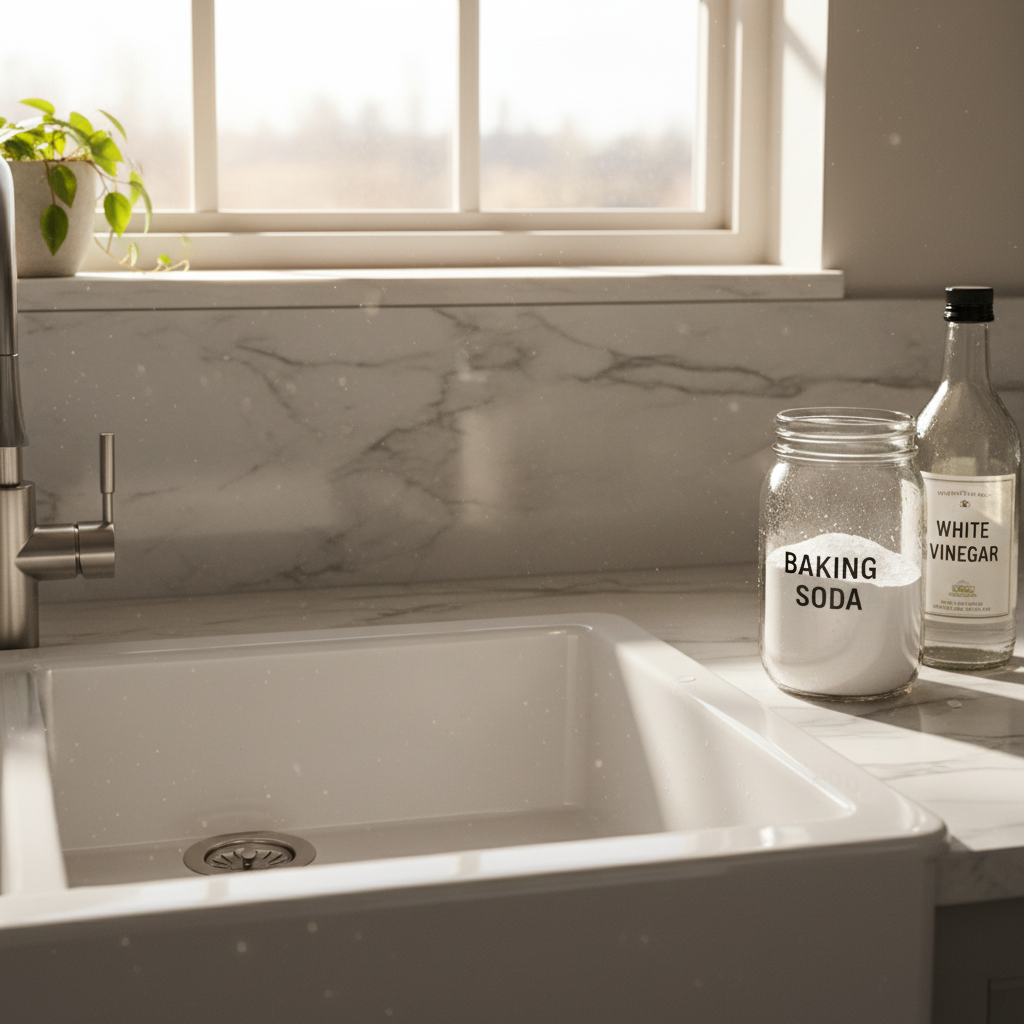
- Believing the Baking Soda and Vinegar Myth. The fizzing reaction between baking soda (a base) and vinegar (an acid) produces carbon dioxide gas, water, and a weak salt. This reaction has virtually no ability to dissolve the tough grease and hair that form real clogs. It's a science fair volcano, not a plumbing solution.
Cost & time breakdown
This table estimates the cost and time for each method, assuming you own basic tools. Professional costs reflect a typical service call fee and labor for a standard clog.
| Task | DIY Cost | Pro Cost | Time |
|---|---|---|---|
| Boiling Water & Dish Soap | < $1 | N/A | 10 minutes |
| Plunging & Clearing Stopper | $10 - $20 (for a good plunger) | $125 - $250 | 20 minutes |
| Plastic Barbed Drain Tool | $3 - $8 | $125 - $250 | 15 minutes |
| Disassemble & Clean P-Trap | $0 - $5 (for new washers) | $150 - $300 | 45 minutes |
| Hand-Crank Drum Auger (25') | $25 - $50 (to own the tool) | $200 - $450 | 1 - 2 hours |
| Professional Main Line Clearing | N/A | $350 - $800+ | 2 - 4 hours |
When to call a pro
While most clogs are DIY-friendly, certain signs indicate a larger problem that requires professional equipment and expertise. Call a licensed plumber immediately if you encounter any of the following:
- Multiple Fixtures Are Clogged: If toilets, showers, and sinks are all draining slowly or backing up, the blockage is in your home's main sewer line, not an individual fixture drain. This often requires a long, powerful auger or hydro-jetting equipment.
- Water Backs Up in Another Fixture: When you flush a toilet and water emerges in the shower drain, or running the washing machine causes a toilet to gurgle and overflow, it's a classic symptom of a main line clog. The water has nowhere to go and exits at the lowest point.
- Your Auger Fails to Reach or Clear the Clog: If you've fed a full 25-foot auger cable into the wall without hitting an obstruction, or you hit one but cannot get past it, the clog is either too deep or too solid for hand tools. This could be severe scale buildup, a collapsed pipe, or tree root intrusion.
- A Foul Sewer Odor Persists: A persistent smell of sewer gas in your home could indicate a dry P-trap, but it may also signal a cracked drain line or a blocked vent stack—issues that require professional diagnosis and repair.
Prevention & maintenance
The best way to fix a clog is to prevent it from forming in the first place. Incorporate these habits into your routine.
- Install Drain Catchers: Use mesh screens in kitchen sinks and tub drains, or a dedicated hair catcher like a TubShroom in the shower. This is the single most effective preventative measure for bathroom clogs. Clean them weekly.
- Be Vigilant with Kitchen Grease: Never pour fats, oils, or grease down the drain. Scrape plates into the trash or compost bin before rinsing. Wipe greasy pans with a paper towel before washing.
- Perform a Monthly Hot Water Flush: Once a month, fill every sink basin to the top with hot tap water. Pull the stopper to release the full volume at once. The surge of water helps scour buildup from the pipe walls. For kitchen sinks, follow this with the boiling water and dish soap method for extra cleaning power.
- Use Garbage Disposals Correctly: Always run a strong flow of cold water before, during, and for at least 30 seconds after using the disposal. Cold water keeps grease solidified so it can be chopped and flushed away, rather than melting and re-congealing down the line.
- Use Enzyme-Based Cleaners Preventatively: Unlike harsh chemical openers, enzyme cleaners use beneficial bacteria and enzymes to slowly digest the organic waste (grease, hair, soap scum) that lines your pipes. Used monthly, they can maintain flow and prevent buildup without harming your plumbing.
Related Articles
Keep troubleshooting with these hand-picked guides from FixlyGuide:
- How to Unclog a Shower Drain Without Chemicals: A Homeowner's Guide — Learn how to clear a clogged shower drain using simple tools and methods, avoiding harsh chemicals that can damage pipes.
- The 90-Second Trick to Unclogging Any Shower Drain (No Chemicals Needed) — Learn how to quickly and safely clear a clogged shower drain using simple tools and household items, avoiding harsh chemicals.
- The #1 Mistake Homeowners Make with a Slow Kitchen Drain (And the Simple Fix) — A slow kitchen sink drain is frustrating, but often an easy fix if you avoid common mistakes
Should you do this yourself?
Answer five quick questions before you start. Safety outranks savings every time.
Your experience with work like this
How high do you have to work?
Does the job involve any of these?
Will it need a permit?
Specialty tools
Free and instant. Educational guidance only — not a quote, inspection, or professional diagnosis.
What should this project cost?
Enter your project details for a realistic cost range before you call anyone.
Common repairs run $150–$650; repipes and water-heater replacements reach $1,500–$4,500.
- Regional adjustment
- National average
- Labor share (typical)
- ~$754
- Quotes to collect
- 3 written estimates
Educational estimate based on national averages — not a binding quote. Always confirm with written local estimates.
Before you start
Check the difficulty, permits, and safety risk — then decide whether to call a pro.
- Estimate this projectGet a cost range for your scope and ZIP before you call anyone.Open
- Get local estimatesSend one request and compare written estimates from vetted pros.Open
Free, no signup required. Estimates are educational guidance, not a quote or an inspection.
Frequently asked questions
Does baking soda and vinegar actually unclog drains?+
No. The fizzing is just carbon dioxide and water, neither of which dissolves hair, grease, or food. It works as a deodorizer but not as a clog remover. Use a plunger or drain snake instead.
Is it safe to pour boiling water down PVC pipes?+
For occasional use on a slow drain, yes — modern PVC is rated to 140°F. Don't do it daily, and never if you've recently poured a caustic drain cleaner that may have softened the pipe walls.
Why does my drain keep clogging in the same spot?+
You probably have a partial blockage (grease buildup, tree root intrusion, or a belly in the pipe) that catches new debris. A plumber with a camera can find it for $150–$300 — much cheaper than recurring backups.
What's the difference between a sink plunger and a toilet plunger?+
A sink plunger has a flat cup. A toilet plunger has a flange (an extra rubber sleeve that folds out) to seal the toilet drain. Don't use a toilet plunger on a sink — it won't seal properly.
Discussion
Loading comments…