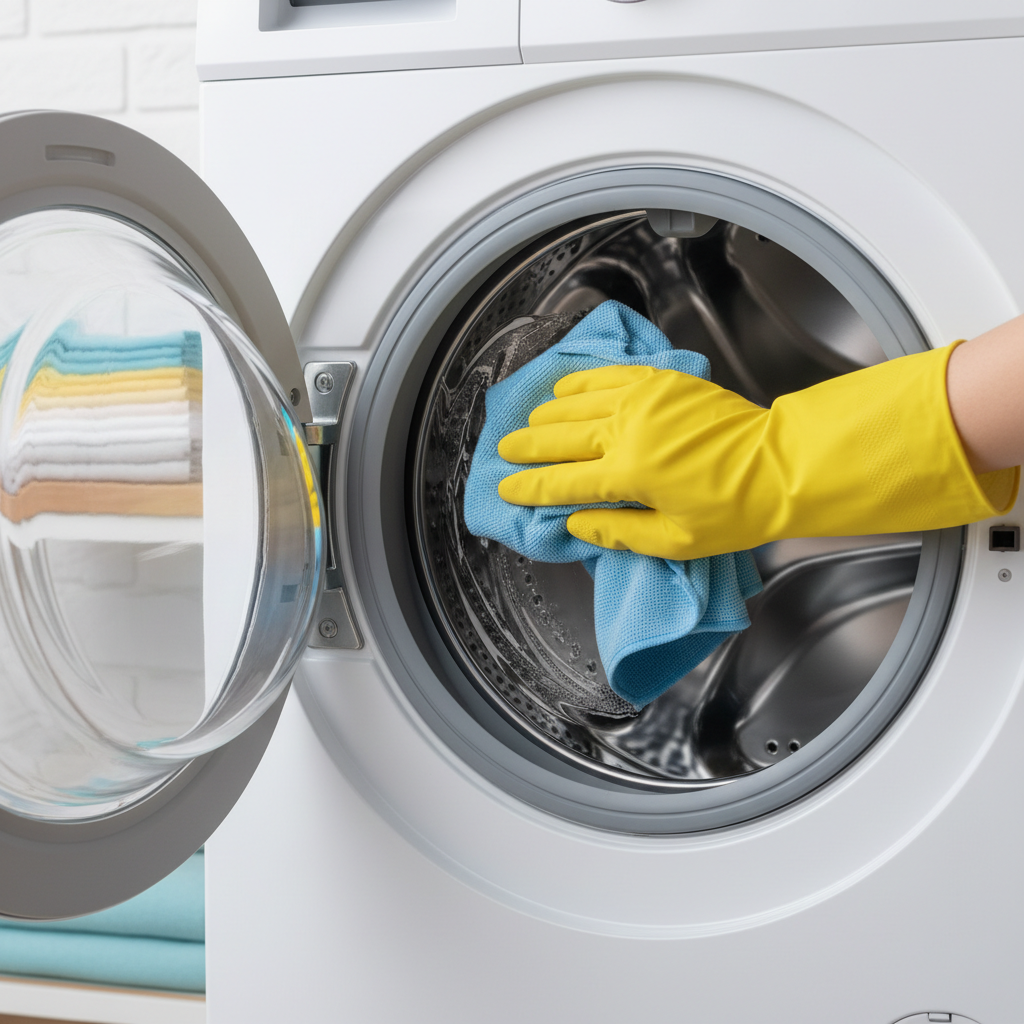
- Closing the Door: The single biggest cause, especially for front-loaders. Closing the door immediately after a wash traps moisture and creates a perfect dark, damp breeding ground for mold and mildew.
- Excessive Detergent Use: More is not better. HE detergents are highly concentrated. Using too much leaves a sticky, soapy residue (biofilm food) that normal rinse cycles can't wash away.
- Liquid Fabric Softener: Fabric softeners are oil-based and notorious for leaving behind a waxy buildup that coats the drum and internal components, trapping bacteria and odors.
- Cold Water Washing: While energy-efficient, washing exclusively in cold water is less effective at breaking down body oils, soap scum, and killing mold spores, allowing biofilm to accumulate over time.
- Neglecting the Gasket: In front-load washers, the rubber door seal is a primary collection point for water, hair, and lint. Without regular wiping, it quickly becomes a mold factory.
HVAC · High energy usage
| Project category | HVAC |
|---|---|
| Problem type | High energy usage |
| Trade required | HVAC |
| Urgency | Planned project |
| Safety risk | Low safety risk |
| DIY suitability | DIY for experienced homeowners |
| Cost category | High cost |
| Typical timeline | Assessment within weeks; replacement planned off-season |
| Contractor type | Licensed HVAC technician |
Repair option
Duct sealing, insulation, and a tune-up before touching the equipment.
Replacement option
High-efficiency replacement sized by a load calculation, not a rule of thumb.
Common causes
- Aging, low-efficiency equipment
- Leaking ducts losing conditioned air
- Insufficient attic insulation
- Oversized system short-cycling
Relevant tools:project cost estimatorrepair or replace
Published May 2, 2026Last updated August 17, 2026
Tools & materials you'll need
Affiliate linksAs an Amazon Associate FixlyGuide earns from qualifying purchases — at no extra cost to you. Prices and availability are accurate as of publication and subject to change.
Quick Answer
If your washing machine smells like mildew, it's caused by a buildup of bacteria, mold, and soap scum, known as biofilm. This is most common in front-load washers but affects top-loaders too. The fastest fix is to run an empty, hot-water cycle with a specialized washing machine cleaner tablet or a combination of white vinegar and baking soda, while also manually cleaning the door gasket, dispenser drawer, and drain pump filter.
The Problem
You pull a load of freshly washed laundry from your machine, expecting a clean, fresh scent. Instead, you're hit with a wave of musty, earthy air. Your towels, clothes, and sheets don't smell clean; they smell like a damp basement. This frustrating and embarrassing problem is a sure sign that your washing machine itself is harboring mold and mildew. The smell is often worse in front-loading machines and can seem to permeate your entire laundry room.
This isn't just an unpleasant odor; it's an indication of a hygiene issue in the very appliance designed to keep your textiles clean. The smell is created by colonies of bacteria and mold feasting on a buffet of leftover soap residue, fabric softener, body oils, and trapped lint. These microorganisms thrive in the dark, damp environment of your washer drum, gasket, and drain lines, forming a slimy, stubborn layer called biofilm. Modern high-efficiency (HE) washing machines are particularly susceptible. They are designed to save water and energy, which means they use less water and often run at lower temperatures than older models. While excellent for the environment and your utility bills, this creates the perfect breeding ground for smelly bacteria that a normal wash cycle won't eliminate. The issue is compounded if you primarily use cold water washes, which are less effective at breaking down oils and killing mold spores. When you notice your washing machine smells, it's a clear signal that it's time for a deep-clean intervention.
How It Works
The musty odor from your washing machine is a direct result of microbial volatile organic compounds (MVOCs), which are gases released by mold and bacteria as they grow and multiply. The root cause is the formation of biofilm, a complex, sticky matrix of microorganisms that adheres to the surfaces inside your washer. Think of it as a microscopic city of grime.
This biofilm metropolis is built from several components. First, surfactants from laundry detergent and fabric softener, especially when used in excess, leave behind a sticky film. Body soils, oils, and skin cells from your laundry provide the "food." Lint and fabric fibers add to the physical structure. Finally, the small amount of water that inevitably remains in the machine after a cycle—in the drum sump, inside the rubber door gasket of a front-loader, or within the drain pump—provides the moisture necessary for life.
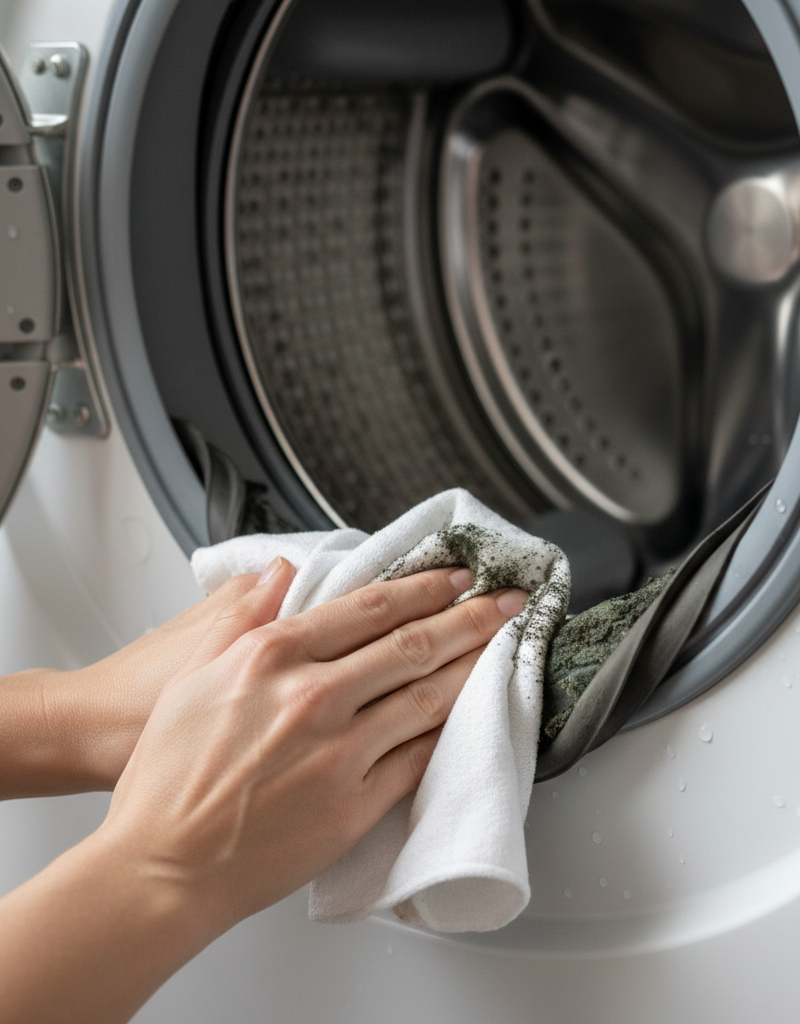
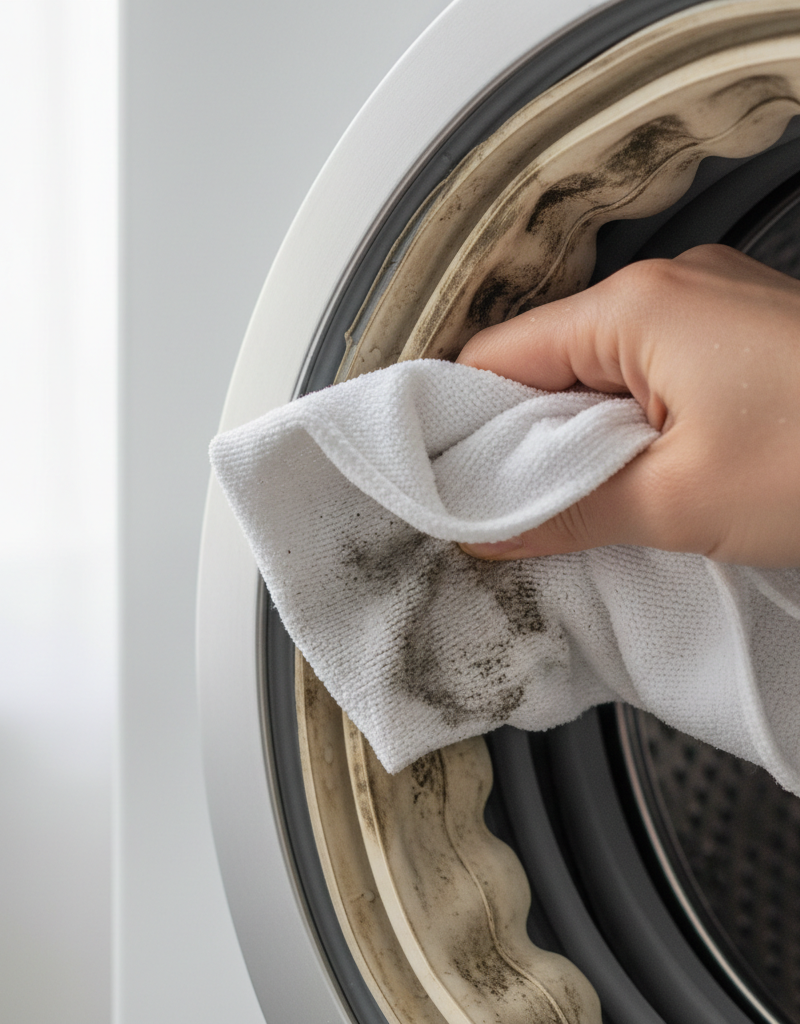
In a front-load washer, the primary culprit is the large, accordion-like rubber door seal, also called a bellow or gasket. Its folds are a perfect trap for water, lint, and hair, creating a perpetually damp, dark incubator for mold. You can often peel back the gasket and see black or gray slimy residue. In a top-load washer, biofilm tends to build up on the underside of the wash plate or agitator, in the fabric softener dispenser, and around the top rim of the tub, just out of sight. For both machine types, the detergent drawer and the drain pump filter are other major hotspots. The filter, usually located behind a small access panel on the front of the machine, is designed to catch coins, keys, and large debris, but it also traps a significant amount of lint and sludge that can stagnate and stink. Without a dedicated, high-heat cleaning cycle to sanitize these areas and break down the biofilm, the microbial colonies will continue to grow, infusing your "clean" laundry with their signature mildew smell.
Step-by-Step Fix
Follow these steps to eradicate odors from any type of washing machine. This process requires only about 10-20 minutes of hands-on time.
-
Gather Your Cleaners. — You have two primary options: a commercial washing machine cleaning tablet (like Affresh or Tide) or common household items. For the DIY method, you will need 2 cups of white vinegar and a half-cup of baking soda. You'll also want a microfiber cloth and a small brush, like an old toothbrush.
-
Empty the Machine and Inspect. — Ensure the washer drum is completely empty of any laundry. Take a quick look inside with a flashlight. You may see slime or dark spots on the drum surface or, in a front-loader, within the folds of the door gasket.
-
Clean the Gasket (Front-Loaders). — This is the most important manual step for front-load washers. Dip your microfiber cloth in a 50/50 solution of white vinegar and warm water. Carefully pull back the rubber door gasket and meticulously wipe down the entire surface, inside and out. Pay special attention to the bottom area where water pools. Use your brush to gently scrub any stubborn, built-up grime.
-
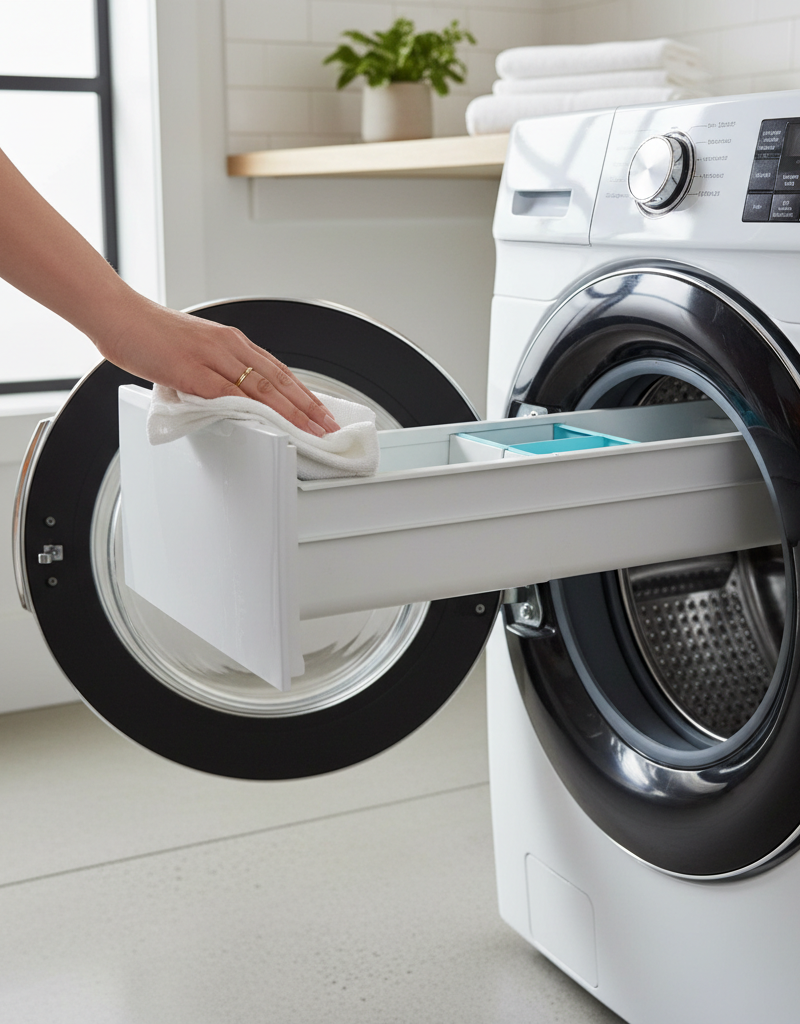
Clean the Dispensers. — Slide out the detergent and fabric softener dispenser drawer. If it's removable (most are), take it to a sink. Use hot water and your brush to scrub away all soap and softener residue, which can be a food source for mold. Wipe down the cavity where the drawer sits before reinserting it.
-
Add Your Primary Cleaner. — For a commercial tablet, simply toss it into the empty washer drum. If using the DIY method, pour the 2 cups of white vinegar directly into the laundry detergent dispenser. This allows it to be flushed through the machine's internal hoses and plumbing just like detergent.
-
Run a Sanitizing Cycle. — Select the hottest and longest cycle available on your machine. Many modern washers have a dedicated "Tub Clean," "Self Clean," or "Sanitize" cycle; use this if available. Otherwise, choose the "Heavy Duty" or "Whites" cycle with the hot water setting and an extra rinse. The combination of a cleaning agent and high heat is crucial for killing mold and breaking down biofilm.
-
Add Your Secondary Cleaner (DIY Method). — If you used vinegar, wait until the machine has filled with water and started agitating. Then, open the door or lid and add the half-cup of baking soda directly into the drum. The chemical reaction between the acidic vinegar and the alkaline baking soda will create a fizzing action that helps scrub the drum and deodorize.
-
Clean the Drain Pump Filter. — While the main cleaning cycle is running, locate the small access door for the drain pump filter, typically on the bottom-front of the machine. Place a shallow pan and a towel underneath the opening. Slowly twist the filter cap counter-clockwise to release it. A small amount of smelly water (usually a cup or two) will drain out. Pull the filter out completely and clean it thoroughly under running water, removing all lint, hair, and slimy gunk. Screw it back in tightly.
-
Wipe Down After the Cycle. — Once the cleaning cycle is complete, use a clean, dry microfiber cloth to wipe down the inside of the drum, the inside of the door, and the gasket one more time. This removes any loosened biofilm or debris that didn't get completely flushed out.
-
Leave The Door Open. — This is the most important preventative step. Leave the washer door or lid wide open to allow the interior to air dry completely. This starves any remaining mold spores of the moisture they need to grow back, stopping the problem before it starts again.
Common Causes
Understanding the root causes of why your washing machine smells is key to preventing the odor from returning. The issue is almost always related to a combination of machine type, usage habits, and maintenance.
- Closing the Door: The single biggest cause, especially for front-loaders. Closing the door immediately after a wash traps moisture and creates a perfect dark, damp breeding ground for mold and mildew.
- Excessive Detergent Use: More is not better. HE detergents are highly concentrated. Using too much leaves a sticky, soapy residue (biofilm food) that normal rinse cycles can't wash away.
- Liquid Fabric Softener: Fabric softeners are oil-based and notorious for leaving behind a waxy buildup that coats the drum and internal components, trapping bacteria and odors.
- Cold Water Washing: While energy-efficient, washing exclusively in cold water is less effective at breaking down body oils, soap scum, and killing mold spores, allowing biofilm to accumulate over time.
- Neglecting the Gasket: In front-load washers, the rubber door seal is a primary collection point for water, hair, and lint. Without regular wiping, it quickly becomes a mold factory.
- Clogged Drain Pump Filter: The drain pump filter traps debris and lint. If not cleaned regularly (every 2-4 months), this trapped organic matter stagnates and rots, creating a potent source of odor that wafts back into the drum.
- Infrequent Use: If you use your washing machine infrequently, water can sit for long periods in the sump and drain lines, becoming stagnant and smelly.
- Hard Water: Homes with hard water can experience mineral buildup (limescale) on the heating element and inside the drum. This rough surface can trap soap scum and biofilm, making it harder to rinse away.
Common Mistakes
Avoid these common errors that either fail to solve the smell or can make it worse.
- Masking the Odor: Using scented laundry boosters, extra fabric softener, or dryer sheets to cover up the musty smell is a temporary fix that doesn't address the root cause—the biofilm. In fact, the residue from these products often adds more fuel for the mold to grow.
- Surface-Level Cleaning: Only running a cleaning tablet through the drum without manually cleaning the gasket, dispenser drawer, and pump filter will leave major odor sources behind. The smell will return quickly.
- Leaving Wet Clothes Inside: Letting a finished load of laundry sit in the washer, even for a few hours, creates a humid environment that can kickstart mildew growth on both your clothes and the machine itself.
- Using Non-HE Detergent in an HE Machine: This is a critical error. Non-HE detergents are designed to create lots of suds. In a low-water HE machine, these suds won't get rinsed away, leading to a massive residue problem and potential damage to the machine's electronics.
- Overusing Chlorine Bleach: While a bleach cycle can sanitize, using it too frequently or in high concentrations can be harsh on rubber seals and gaskets, causing them to become brittle and fail prematurely. It's better used sparingly.
- Never Running a Hot Cycle: If you exclusively wash with cold water for energy savings, you're creating an ideal environment for bacteria. You must periodically run a hot water or sanitizing cycle to "reset" the machine and kill off microbial growth.
Cost & Time Breakdown
Here is a breakdown of the costs and time associated with cleaning and maintaining a washing machine to prevent odors.
| Task | DIY Cost | Pro Cost | Time Involved |
|---|---|---|---|
| Basic Vinegar & Baking Soda Clean | $1 - $3 | N/A | 10 mins hands-on, 1-2 hour cycle |
| Commercial Cleaner Tablet Clean | $2 - $5 per tablet | N/A | 5 mins hands-on, 1-2 hour cycle |
| Deep Clean (Gasket, Filter, Cycle) | $1 - $5 | $100 - $175 | 20-30 mins hands-on, 1-2 hour cycle |
| Drain Pump Filter Replacement (Part) | $15 - $40 | $150 - $250 | 30-45 minutes |
| Door Gasket/Bellow Replacement | $50 - $200 (part) | $250 - $400 | 1-2 hours |
Tips & Prevention
Once your machine is clean, follow these tips to keep the mildew smell from ever coming back.
- Always Leave the Door Ajar: This is the most effective preventative measure. After you're done with laundry for the day, leave the washer door or lid completely open to allow the interior to air dry.
- Wipe the Gasket Regularly: For front-loader owners, make it a habit to quickly wipe down the rubber door seal and the glass on the door with a dry cloth after your last load. This removes most of the moisture.
- Measure Detergent Correctly: Use a high-quality HE detergent and follow the manufacturer's instructions precisely. For most loads, you only need a few tablespoons. Resist the urge to "eyeball" it.
- Run a Monthly Maintenance Cycle: Once a month, run an empty "Tub Clean" cycle or a hot water wash with a cleaning tablet or vinegar. This is like a regular check-up to prevent biofilm from taking hold.
- Clean the Pump Filter Quarterly: Set a calendar reminder to clean the drain pump filter every three months. This single step prevents a major source of stink and helps your machine drain more effectively.
- Go Easy on Fabric Softener: Try to reduce or eliminate your use of liquid fabric softener. Consider wool dryer balls as a reusable, residue-free alternative to soften clothes and reduce static.
When to Call a Professional
While the DIY cleaning methods outlined here are effective for 95% of odor problems, there are times when you need an expert. If you have performed several deep cleans (including the gasket, dispenser, and filter) and the strong mildew smell persists, it's time to call an appliance repair technician. The biofilm may have penetrated deep into the machine's outer tub, spider arm assembly, or drain hoses—areas you can't easily reach.
An appliance pro can perform a more advanced diagnosis. They can check if your drain hose has a dip or clog that is preventing the machine from fully draining, creating a pool of stagnant water. They can also inspect for mechanical issues, like a failing drain pump that leaves too much water behind after a cycle. In severe cases, particularly with front-load washers, the rubber door gasket can become so deeply impregnated with black mold that it is permanently stained and impossible to fully clean. At this point, the only solution is to have the technician replace the gasket. If you notice water leaking from the machine, hear loud grinding noises, or the smell is accompanied by error codes, stop using the machine and schedule a service call immediately.
Related Articles
Keep troubleshooting with these hand-picked guides from FixlyGuide:
- That Mildew Smell in Your Washer? Here’s the Real Reason — Is a musty odor taking over your laundry room? That mildew smell from your washing machine isn't just unpleasant—it's a sign of a deeper pr…
- Your 'Clean' Dishes Are Still Dirty? The Culprit Is Hiding — Frustrated by gritty, food-flecked dishes after a full wash cycle? The problem isn't your detergent. Your dishwasher is making dishes dirti…
- The #1 Mistake Homeowners Make When Their Ice Maker Stops (And the Easy Fix) — Before you call for service, learn the most common and easily fixable reason your refrigerator's ice maker isn't producing ice.
- Why Your Dishwasher Leaves Dishes Wet (And How to Fix It) — If your dishwasher leaves dishes wet after a cycle, it's a common and frustrating problem often caused by issues with rinse aid, loading, o…
- Your Refrigerator's Loud Hum? The Fix Most People Miss — A constant, loud refrigerator hum is more than annoying—it's a warning sign. Before you call a pro, discover the #1 most overlooked cause a…
- That Funky Smell in Your Washing Machine — Tired of your washing machine making your 'clean' clothes smell musty? We'll show you how often you should actually deep clean your washi…
Should you do this yourself?
Answer five quick questions before you start. Safety outranks savings every time.
Your experience with work like this
How high do you have to work?
Does the job involve any of these?
Will it need a permit?
Specialty tools
Free and instant. Educational guidance only — not a quote, inspection, or professional diagnosis.
What should this project cost?
Enter your project details for a realistic cost range before you call anyone.
Cost depends heavily on which system turns out to be the source.
- Regional adjustment
- National average
- Labor share (typical)
- ~$1,620
- Quotes to collect
- 3 written estimates
Educational estimate based on national averages — not a binding quote. Always confirm with written local estimates.
Get the print-ready PDF of this guide
A clean, ad-free, printable version you can keep on your phone or pin to the workshop wall. Free with a FixlyGuide account.
- Print-optimized layout
- Tools, materials & every step included
- Saved to your account
Frequently asked questions
How often should I clean my washing machine?+
You should perform a deep clean, including the filter and gasket, every 1-2 months. This is especially important if you have a front-loading machine, frequently wash in cold water, or notice any musty odors. A quick wipe of the door gasket after each laundry day is also highly recommended.
Can I use bleach instead of vinegar to clean my washer?+
Yes, you can use chlorine bleach, but it should be done carefully. Use about 1 cup of bleach and run a hot, empty cycle. However, do not mix bleach with vinegar. Vinegar is generally preferred for routine cleaning as it's less harsh on rubber seals and gaskets over time and is effective at breaking down both soap scum and mineral deposits.
Is it safe to mix vinegar and baking soda in my washing machine?+
Yes, it is safe. While they neutralize each other if mixed directly in a bottle, adding them to the large volume of water in a washing machine at separate times is effective. The vinegar acts as a solvent and sanitizer, while the baking soda acts as a mild abrasive and deodorizer. Their fizing reaction provides a gentle scrubbing action on the drum.
My washing machine still smells after cleaning it. What's next?+
If you've performed a thorough deep clean—including a hot cycle with a cleaner, scrubbing the gasket, cleaning the dispenser, and emptying the pump filter—and the smell persists, the problem may be in areas you can't reach. The drain hose could be clogged or biofilm may be built up in the outer tub. At this point, it's best to call a professional appliance repair technician for a more advanced diagnosis.
Discussion
Loading comments…