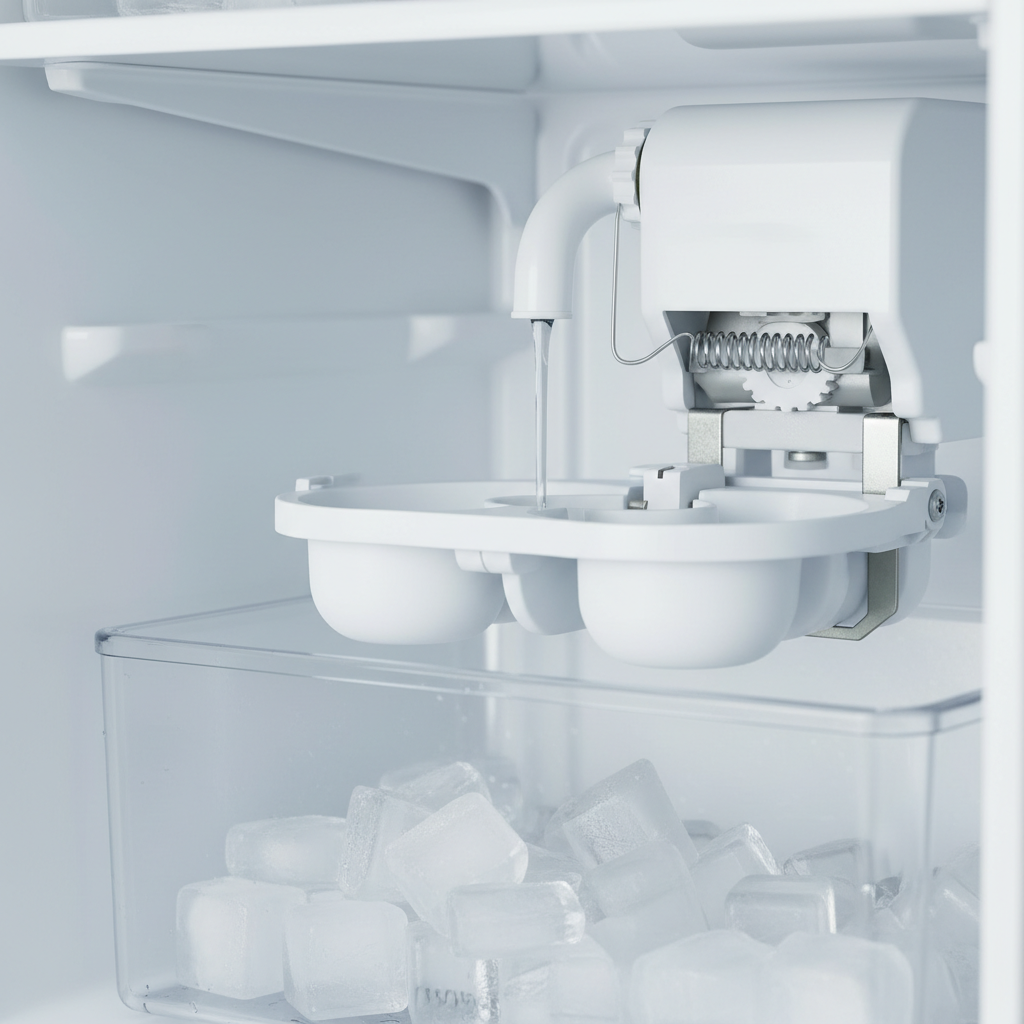
- Check for an Obvious Jam or Ice Blockage — Is something physically blocking the mechanism?
- Open the freezer door and locate the ice maker assembly. Sometimes, a rogue ice cube or a build-up of frost can physically prevent the ejector arm from moving or the feeler arm from dropping correctly.
- If this doesn't work: Proceed to checking the water supply.
HVAC · High energy usage
| Project category | HVAC |
|---|---|
| Problem type | High energy usage |
| Trade required | HVAC |
| Urgency | Planned project |
| Safety risk | Low safety risk |
| DIY suitability | DIY for experienced homeowners |
| Cost category | High cost |
| Typical timeline | Assessment within weeks; replacement planned off-season |
| Contractor type | Licensed HVAC technician |
Repair option
Duct sealing, insulation, and a tune-up before touching the equipment.
Replacement option
High-efficiency replacement sized by a load calculation, not a rule of thumb.
Common causes
- Aging, low-efficiency equipment
- Leaking ducts losing conditioned air
- Insufficient attic insulation
- Oversized system short-cycling
Relevant tools:project cost estimatorrepair or replace
Published April 27, 2026Last updated August 17, 2026
Tools & materials you'll need
Affiliate linksAs an Amazon Associate FixlyGuide earns from qualifying purchases — at no extra cost to you. Prices and availability are accurate as of publication and subject to change.
Quick Answer
Is your refrigerator's ice maker on strike? Before you panic or call for an expensive repair, consider this: the most frequent culprit behind a non-producing ice maker isn't a complex mechanical failure, but a simple blockage. Specifically, a frozen fill tube or a clogged water filter often interrupts the crucial water supply needed for ice production. Many homeowners jump to conclusions about broken motors or sensors, but a quick diagnosis and, often, a simple thaw or filter replacement can get your ice cubes flowing again without the need for a professional.
The Problem
There's nothing quite as frustrating as reaching for ice on a hot day, only to find an empty bin or a few pathetic shards. A refrigerator ice maker that isn't producing ice is a common household complaint, one that can lead to irritation and unnecessary repair calls. The core problem is usually a disruption in the ice maker's three-stage cycle: filling with water, freezing the water, and ejecting the ice. If any of these stages fail, particularly the initial water supply, your ice maker will sit idle and useless.
How It Works
Understanding how your ice maker functions provides valuable insight into diagnosing problems. Most modern automatic ice makers operate on a fairly standard principle. First, a small fill tube located at the back of the freezer compartment (often above the ice maker assembly) delivers water from your home's water supply line into a small ice mold or tray. This water flow is controlled by an inlet water valve, an electrically operated solenoid valve typically found behind the refrigerator, near the water line connection. This valve opens when the ice maker's internal thermostat or temperature sensor detects that the mold is sufficiently cold and the mold heater (which slightly warms the mold for easier ice ejection) is off.
Once the water fills the mold, a freezing cycle begins, facilitated by the freezer's low temperature. During this time, the ice maker's feeler arm or optical sensors (infrared beams) monitor the ice level in the collection bin. If the bin is full, the ice maker pauses. If it's empty, the cycle continues. Once the water is completely frozen into cubes, a small heater strip or element briefly warms the underside of the mold, slightly loosening the ice. Then, a harvest motor activates, twisting the mold or rotating an ejector arm to push the ice cubes out and into the storage bin below. The feeler arm drops, signaling the ice maker to refill the mold, and the cycle repeats. Any interruption to this precise sequence—especially at the initial water filling stage—will halt ice production. This is why issues like a frozen fill tube or a blocked water filter are so common; they directly cut off the water supply crucial for the entire process.
Step-by-Step Fix
Before you begin, always prioritize safety. Unplug your refrigerator from the wall outlet to prevent any electrical shock hazards while you inspect components.
-
Check for an Obvious Jam or Ice Blockage — Is something physically blocking the mechanism?
- Open the freezer door and locate the ice maker assembly. Sometimes, a rogue ice cube or a build-up of frost can physically prevent the ejector arm from moving or the feeler arm from dropping correctly.
- Inspect the ice mold for unusually shaped ice, small ice chips, or frost accumulation around the ejector mechanism. Use a plastic utensil or your hand to gently clear any obstructions. Be careful not to bend any metal components or force anything.
- If this doesn't work: Proceed to checking the water supply.
-
Inspect the Water Supply Line Valve — Is the water turned on?
- Locate the water supply valve connected to your refrigerator. This is typically a saddle valve clamped to a copper or plastic pipe behind the fridge, or a dedicated shut-off valve under your sink or in your basement.
- Ensure the valve is fully open. Many saddle valves can become partially closed over time or might have been accidentally bumped. Turn it counter-clockwise as far as it will go.
- Safety Note: Some older saddle valves are prone to leaks. If you see active dripping, turn off the water at your home's main shut-off and consider replacing the valve with a newer, quarter-turn ball valve. This may require a plumber.
-
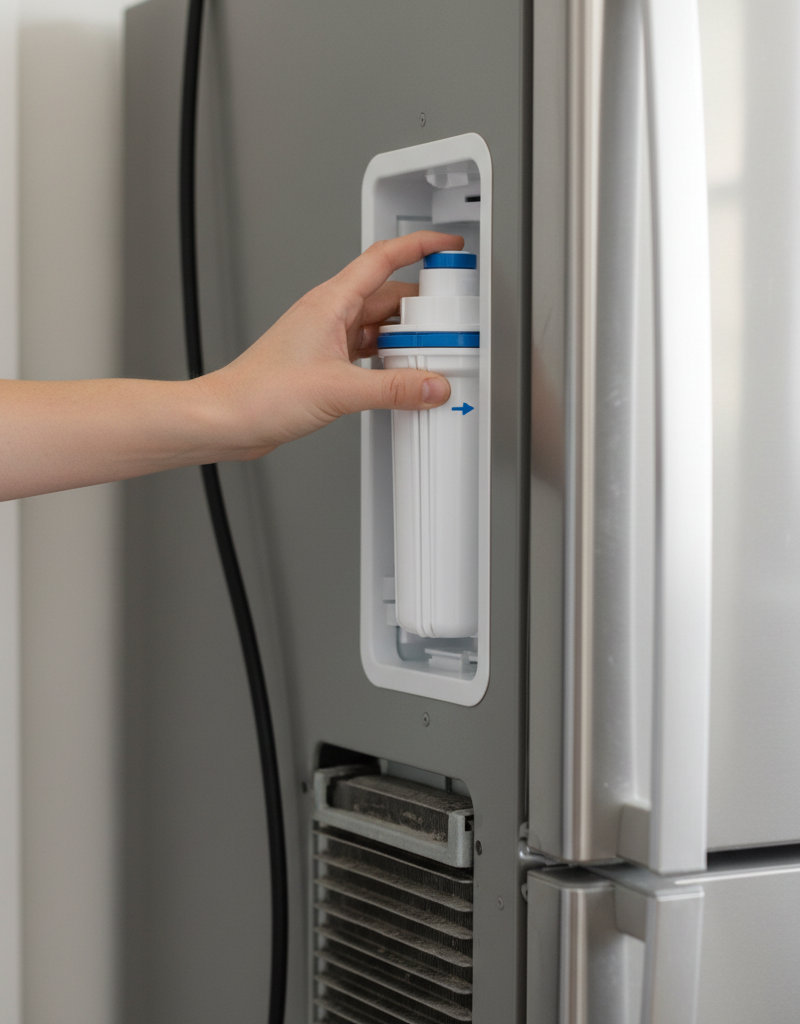
Check the Water Filter (Most Common Cause!) — Is your water filter clogged?
- Many refrigerators have an internal water filter, often located inside the fridge compartment (top right, bottom left, or behind the kick plate). A clogged filter is arguably the most common reason for an ice maker to stop working.
- Refer to your refrigerator's owner's manual for the exact location and replacement procedure. Twist or push to remove the old filter.
- Replace it with a new, compatible filter. Even if you think it's not due for replacement, try a new one. Filters should typically be replaced every six months.
- Cost Alert: A new filter can range from $25 to $60, but it's a common maintenance item. After replacement, run several gallons of water through the dispenser (if you have one) to flush air from the system before expecting ice production.
-
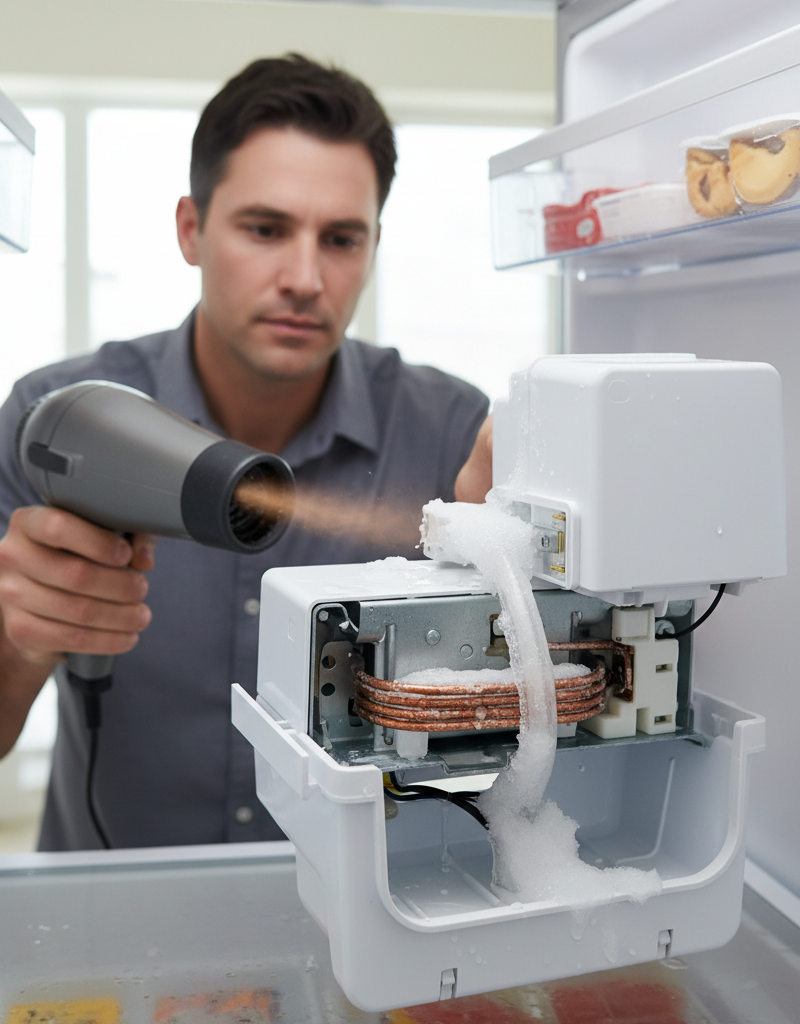
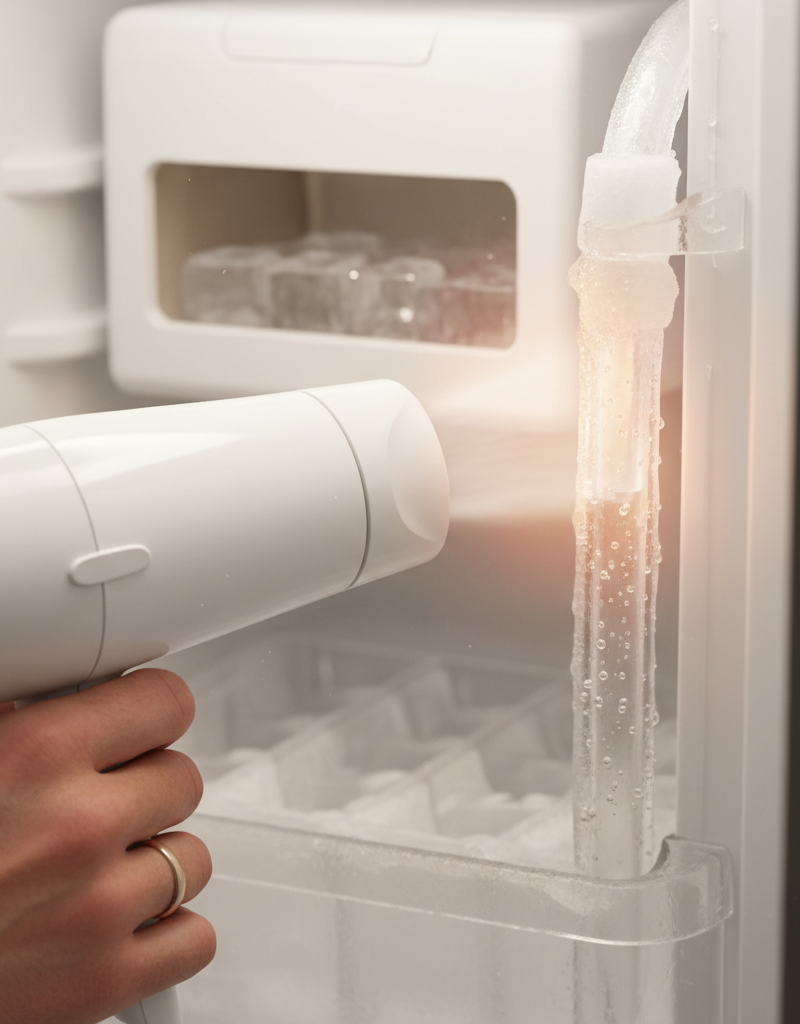
Thaw a Frozen Fill Tube — Is ice blocking the water path?
- This is another extremely common issue. Locate the small clear or white plastic fill tube, usually positioned directly above the ice maker assembly, where water enters the mold.
- Look for ice blocking the opening of this tube. There might be a small ice stalactite or a solid plug of ice.
- To thaw it, you have a few options:
- Option A (Safest): Unplug the refrigerator overnight with the freezer door open. Place towels on the floor to catch melting ice. This is the gentlest method.
- Option B (Faster): Use a hairdryer on a low-heat setting, held at a safe distance (at least 6-8 inches) from the tube. Aim the warm air directly at the frozen section. Caution: Do not overheat or melt plastic components.
- Option C (Careful): Dip a turkey baster or syringe in warm water and carefully squirt warm water directly into the tube opening to melt the ice. Have towels ready to absorb overflow.
- If this doesn't work: The issue might be further back in the water line or the inlet valve itself.
-
Listen for the Water Inlet Valve — Is the valve getting power?
- With the refrigerator plugged in (and after the freezer has been closed and sealed for a few minutes for temperature to stabilize), try initiating an ice-making cycle. Some ice makers have a test button; others require listening carefully.
- Remove the kick plate at the bottom front of the refrigerator. You might be able to hear a faint buzzing or clicking sound when the water inlet valve, usually located at the back bottom of the fridge, attempts to open.
- No sound could indicate a faulty valve or no power reaching it. If you're comfortable and have a multimeter, you can test for continuity on the valve's solenoid, but this often requires pulling the fridge out and can be tricky.
- When to Call a Pro: If you suspect a faulty inlet valve and are not comfortable with electrical testing, it's best to call a qualified appliance technician. Replacing the valve involves disconnecting water lines and electrical connections.
Common Causes
- Clogged Water Filter: The single most frequent cause. A dirty filter restricts water flow, starving the ice maker.
- Frozen Fill Tube: Water partially freezes in the narrow fill tube before entering the ice mold, creating an ice plug. This often happens if the freezer door is left ajar too often, or if the water pressure is too low, causing water to trickle slowly into the tube and freeze prematurely.
- Kinked Water Supply Line: The flexible plastic or copper tubing supplying water to the fridge can become kinked, especially if the refrigerator has been moved recently.
- Defective Water Inlet Valve: The solenoid valve that opens to allow water into the ice maker can fail electrically or become mechanically stuck.
- Faulty Ice Maker Module: Less common, but the ice maker's control module (which includes the motor, sensors, and thermostat) can fail.
- Low Water Pressure: Insufficient home water pressure can prevent the water inlet valve from fully opening or delivering enough water. Check other faucets in your home to confirm general water pressure.
Common Mistakes
- Assuming the Worst Immediately: Many homeowners jump to conclusions about expensive repairs (like a new ice maker assembly) without checking the simple, common culprits first. Start with the easiest, most likely fixes.
- Forgetting to Replace the Water Filter: This is a major oversight. Filters aren't forever; they get clogged. Regularly replacing your filter (every 6 months or as recommended by the manufacturer) can prevent most water flow issues.
- Using Metal Tools to Clear Ice: Never use anything metal or sharp to clear ice from the fill tube or ice maker components. You can easily puncture the water line, scratch the mold, or damage delicate sensors. Use plastic or warm water.
- Not Unplugging the Refrigerator: Attempting any inspection or repair without unplugging the appliance is a significant safety risk. Always disconnect power first.
- Ignoring the Feeler Arm Position: Ensure the feeler arm (the wire lever that senses ice level) is in the down position. If it's accidentally pushed up or stuck, the ice maker thinks the bin is full and won't produce ice.
- Overlooking the Manual: Your refrigerator's owner's manual is a treasure trove of specific diagnostic information, filter locations, and model-specific tips. Don't skip consulting it.
Cost & Time Breakdown
| Task | DIY Cost | Pro Cost | Time |
|---|---|---|---|
| Check Water Valve | $0 | $75–$150 | 5–10 mins |
| Replace Water Filter | $25–$60 | $100–$180 | 5–10 mins |
| Thaw Frozen Fill Tube | $0 | $75–$150 | 30 mins–overnight |
| Clear Ice Maker Jam | $0 | $75–$150 | 5–15 mins |
| Replace Water Inlet Valve | $30–$80 | $180–$350 | 30–60 mins |
| Replace Ice Maker Assy. | $80–$200 | $250–$450 | 45–90 mins |
Tips & Prevention
- Regular Filter Changes: Mark your calendar or set a reminder to replace your refrigerator's water filter every six months. This is the simplest preventive measure.
- Check Water Pressure: If your ice maker consistently has issues, check your home's overall water pressure. Low pressure can cause slow filling and encourage freezing in the fill tube.
- Don't Overfill the Freezer: Impeding air circulation in the freezer can lead to inconsistent temperatures, contributing to frozen lines and reduced ice maker efficiency.
- Inspect Water Line Periodically: Whenever you move the refrigerator for cleaning, quickly check the water supply line at the back for kinks or damage.
- Monitor Ice Production: Pay attention to reduced ice production or smaller cubes, which can be early warning signs of a pending issue.
- Keep Freezer Door Closed: Minimize how long the freezer door is open to maintain a consistent temperature, preventing frost buildup and potential fill tube freezing.
When to Call a Professional
While many ice maker problems are DIY-friendly, there are specific situations where calling an appliance repair professional is the smartest and safest course of action. If, after following all the troubleshooting steps, your ice maker still isn't producing ice, or if you encounter any signs of electrical issues, it's time to bring in an expert. Specifically, if you suspect a faulty water inlet valve and are uncomfortable working with electrical components or disconnecting water lines, a professional can safely diagnose and replace the part. Similarly, if you've eliminated all common causes and believe the entire ice maker assembly or its control module is defective, a technician has the specialized tools and diagnostic equipment to confirm the problem and perform the replacement correctly. Any persistent leaks from the water line or valve, unusual noises originating from the refrigerator's sealed system, or if you do not have a working water shut-off valve for your refrigerator, are also clear indicators to seek professional help to prevent further damage or safety hazards.
Related Articles
Keep troubleshooting with these hand-picked guides from FixlyGuide:
- The #1 Mistake Homeowners Make When Their Ice Maker Stops (And the Easy Fix) — Is your refrigerator ice maker on strike? Often, a simple oversight or minor clog is the culprit, easily fixable with basic tools.
- The #1 Reason Your Ice Maker Stopped (It's Not Clogged!) — Discover the most overlooked culprit behind a non-working ice maker and how a simple fix can restore fresh ice to your freezer.
- The #1 Mistake Homeowners Make When Their Dishwasher Stops Cleaning (And the Simple Fix) — Discover the most common reason your dishwasher isn't cleaning dishes and learn a simple, effective fix you can do yourself in minutes.
- The #1 Mistake Homeowners Make When Their Dryer Stops Drying (And How to Fix It Free) — If your dryer is taking too long to dry clothes, the most common culprit is a clogged vent, which can be easily fixed with simple tools.
- The #1 Mistake Homeowners Make When Their Dryer Isnt Drying (And How to Fix It Free) — Most homeowners assume a slow dryer means a broken dryer, but the most common culprit is a simple, often overlooked maintenance issue that'…
- The #1 Mistake Homeowners Make When a Gas Burner Won't Light (And the Easy Fix) — Before you call a technician, discover the most common, overlooked reason your gas stove burner isn't lighting and how to fix it yourself i…
Should you do this yourself?
Answer five quick questions before you start. Safety outranks savings every time.
Your experience with work like this
How high do you have to work?
Does the job involve any of these?
Will it need a permit?
Specialty tools
Free and instant. Educational guidance only — not a quote, inspection, or professional diagnosis.
What should this project cost?
Enter your project details for a realistic cost range before you call anyone.
Cost depends heavily on which system turns out to be the source.
- Regional adjustment
- National average
- Labor share (typical)
- ~$1,620
- Quotes to collect
- 3 written estimates
Educational estimate based on national averages — not a binding quote. Always confirm with written local estimates.
Before you start
Check the difficulty, permits, and safety risk — then decide whether to call a pro.
- Estimate this projectGet a cost range for your scope and ZIP before you call anyone.Open
- Get local estimatesSend one request and compare written estimates from vetted pros.Open
Free, no signup required. Estimates are educational guidance, not a quote or an inspection.
Get the print-ready PDF of this guide
A clean, ad-free, printable version you can keep on your phone or pin to the workshop wall. Free with a FixlyGuide account.
- Print-optimized layout
- Tools, materials & every step included
- Saved to your account
Frequently asked questions
Why does my ice maker stop making ice?+
The most common reasons an ice maker stops producing ice are a clogged water filter restricting water flow, a frozen fill tube preventing water from entering the ice mold, or a kinked water supply line.
How do I reset my ice maker?+
Many ice makers have a reset button located on the side or bottom of the ice maker assembly. If not, unplugging the refrigerator for 5-10 minutes can often act as a 'hard reset' for the entire appliance and its ice maker module.
How often should I replace my refrigerator water filter?+
Most refrigerator manufacturers recommend replacing the water filter every six months or every 300 gallons, whichever comes first. This ensures optimal water flow and filtration performance.
Can low water pressure stop my ice maker?+
Yes, low household water pressure can prevent the water inlet valve from fully opening or delivering enough water to the ice maker, leading to reduced ice production or no ice at all. Check other faucets in your home to gauge overall water pressure.
Discussion
Loading comments…