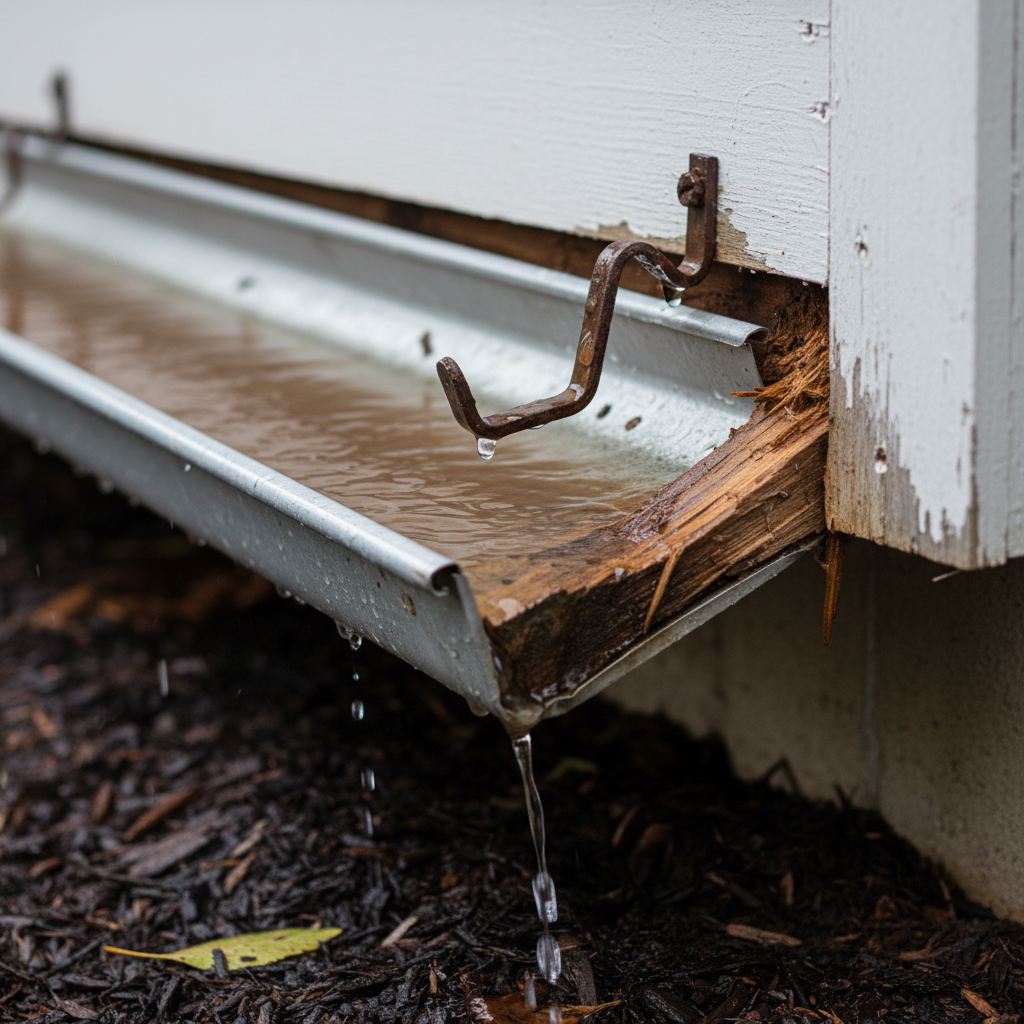
- Improper Hanger Spacing: Spacing hangers too far apart (e.g., more than 36 inches) means each hanger bears too much weight, leading to sag between attachment points, particularly in heavy rainfall areas.
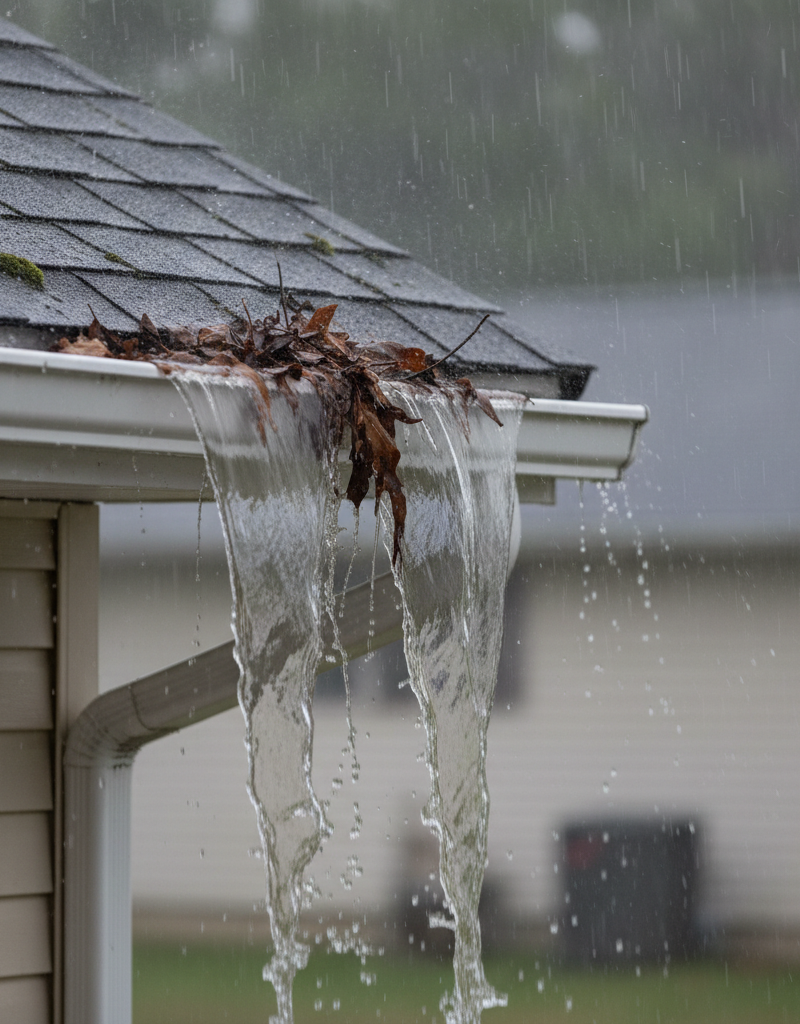
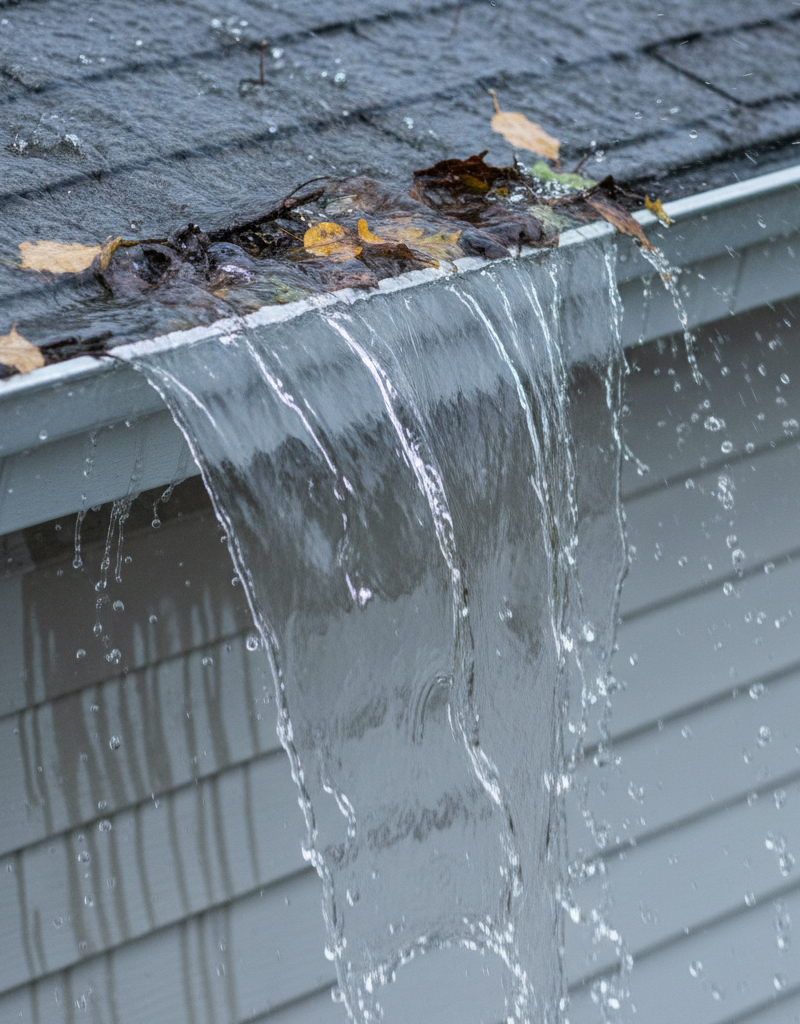
- Gutter Clogging: Regularly clogged gutters cause water to accumulate, significantly increasing the weight the fasteners and fascia must bear. This constant overload eventually leads to sagging.
- Poor Gutter Pitch: If the gutter is not installed with a slight slope towards the downspout, water will pool in low spots. This standing water not only adds persistent weight but also attracts debris and can hasten corrosion.
- Heavy Ice and Snow Buildup: In colder climates, repeated freezing and thawing cycles, along with the sheer weight of ice and snow, can put extreme stress on gutter systems, causing them to deform or pull away from the house.
Roofing · Aging roof
| Project category | Roofing |
|---|---|
| Problem type | Aging roof |
| Trade required | Roofing |
| Urgency | Planned project |
| Safety risk | Low safety risk |
| DIY suitability | Pro recommended |
| Cost category | High cost |
| Typical timeline | Plan 4–12 weeks ahead for scheduling and material lead time |
| Contractor type | Licensed roofing contractor |
Repair option
Maintenance repairs to buy a season or two while you budget.
Replacement option
Planned replacement, which is almost always cheaper than a leak-driven emergency.
Common causes
- Normal weathering past the shingle service life
- Poor attic ventilation cooking the shingles from below
- Repeated repairs on the same slopes
Relevant tools:repair or replace roofproject cost estimatorhome improvement material prices
Published May 6, 2026Last updated August 17, 2026
Tools & materials you'll need
Affiliate linksAs an Amazon Associate FixlyGuide earns from qualifying purchases — at no extra cost to you. Prices and availability are accurate as of publication and subject to change.
Quick Answer
Sagging gutters after every storm are typically a symptom of a deeper issue than just loose hangers. The primary culprits are often inadequate or deteriorated fascia board attachment, or fasteners that aren't reaching directly into the roof rafters. When heavy rain fills the gutter, the sheer weight of the water, sometimes hundreds of pounds, exploits these weaknesses, causing the gutter to pull away, droop, or sag. The lasting solution involves addressing the structural integrity of the fascia where the hangers attach, potentially requiring longer fasteners anchored into the roof's structural framing.
The Problem
Imagine a torrential downpour, water cascading off your roof, swiftly channeled into your gutters. But instead of flowing smoothly to the downspouts, you notice sections of your gutter beginning to droop, creating unsightly puddles, or even overflowing directly onto your landscaping or foundation. This isn't just an aesthetic nuisance; it’s a serious indicator of an underlying structural problem that can lead to significant water damage. Left unaddressed, a sagging gutter can cause fascia rot, foundation erosion, landscape destruction, and even basement flooding. The sheer force of water, especially during a heavy storm, puts immense stress on the entire gutter system. If the attachment points — be they screws, spikes, or straps — are compromised, or if the underlying wood they're secured into is weak, the gutter assembly will inevitably fail under the load, resulting in a noticeable sag. This recurring issue after every storm highlights a persistent weakness that needs robust attention, going beyond simple re-tightening of existing fasteners. It's a cyclical problem where water weight reveals and exacerbates structural deficiencies.
How It Works
To understand why gutters sag, it's crucial to grasp how they’re supposed to work and how they’re structurally supported. Gutters are designed to collect rainwater from your roof and divert it safely away from your home's foundation. They are typically installed along the edge of the roofline, directly below the drip edge, and are attached to the fascia board. The fascia board is the long, straight board that runs along the lower edge of the roof, capping the ends of the roof rafters.
There are several common methods for attaching gutters. The most prevalent include:
- Spike and Ferrule: A long spike is driven through the front of the gutter, through a spacer (ferrule) inside the gutter, and then directly into the fascia board. The ferrule prevents the gutter from collapsing when the spike is driven through it.
- Hidden Hangers: These are typically metallic clips that attach to the top back edge of the gutter and have a screw that fastens through the top front lip of the gutter, securing it to the fascia board. The screw can either go directly into the fascia or, in more robust installations, extend all the way into the rafter tails behind the fascia.
- Hanger Brackets (Flush Mount or Roof Mount): These are less common for standard K-style gutters but are used for older half-round styles or when there's no fascia board. They screw into the roof sheathing or rafters.
The critical factor in preventing sag is the integrity of the attachment to the fascia, and more importantly, to the structural framing of the house. The fascia board itself is nailed to the ends of the roof rafters. If the fascia board is old, water-damaged, or poorly secured to the rafters, it won't provide a strong anchor for the gutter hangers.
When a heavy rainstorm hits, a 20-foot section of full 5-inch K-style gutter can hold well over 100 pounds of water. If the spikes or screws holding the gutter are only penetrating shallowly into soft or partially rotted fascia, or if they're not long enough to reach and firmly anchor into the rafter tails, the entire system becomes overloaded. The weight of the water acts as a lever, pulling the inadequate fasteners out of the weak wood or causing the fascia itself to pull away from the house. This often leads to a bowed or sagging appearance in the gutter section, creating low spots where water pools, further exacerbating the problem and leading to accelerated deterioration. The key is to ensure the gutter hangers have a solid, deep anchor point, ideally into the robust rafter tails, not just the surface of the fascia board.
Step-by-Step Fix
Safety Note: Working on ladders always carries a risk of falls. Ensure your ladder is stable on firm, level ground. Have a spotter if possible. Never overreach. Wear appropriate safety glasses and gloves.
1. Inspect and Assess the Damage — Gently lean your ladder against the house near the sagging section. Visually examine the entire affected gutter run. Look for bowed sections, separated seams, and critically, how the hangers are attached to the fascia. Are spikes pulling out? Are screws stripped? Is the fascia board itself soft, discolored, or detached from the house? Note the condition of the fascia and the type of existing hangers.
- If the fascia board is soft or rotted: This indicates water damage to the underlying wood. You'll likely need to replace the damaged section of fascia before reattaching the gutter. This may involve more advanced carpentry.
- If fasteners are simply loose: Proceed to the re-fastening steps.
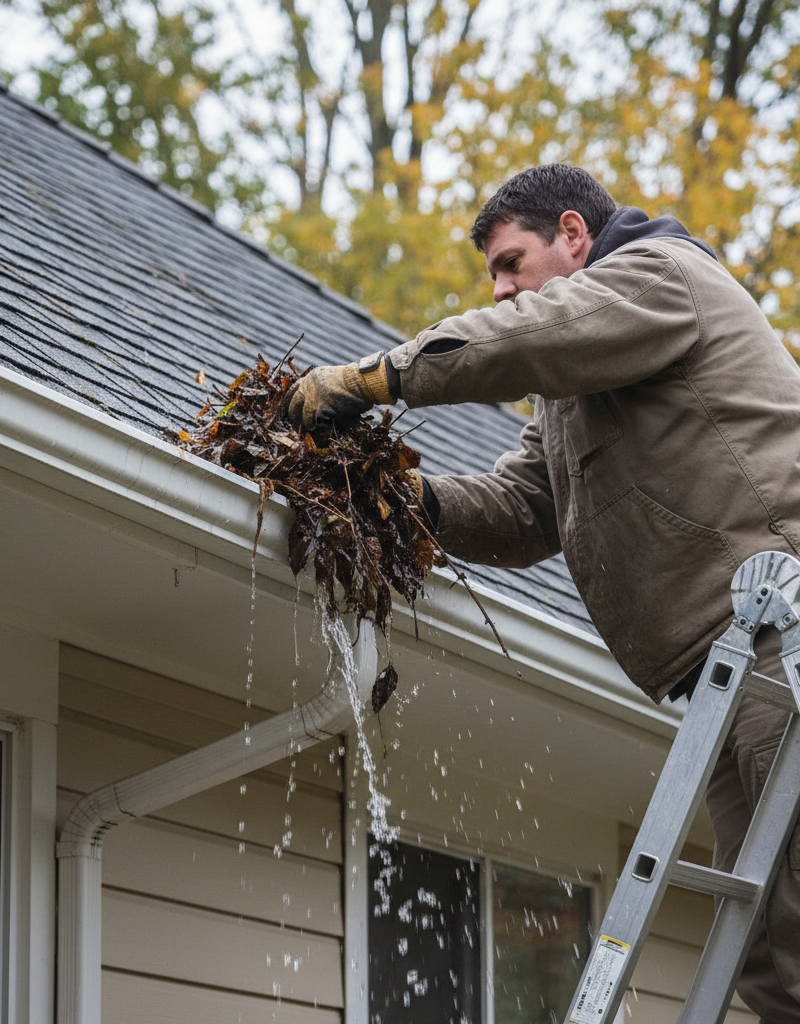
2. Clean the Gutter — Remove all leaves, twigs, shingle grit, and other debris from the sagging gutter section. This reduces weight and allows for a clear view of the interior. Use a scoop or gloved hand to gather debris, then flush with a garden hose to ensure downspouts are clear.
- Tools: Gutter scoop, garden hose, work gloves.
- Why: Trapped debris adds significant weight, hindering proper water flow and hiding attachment points.
3. Support the Gutter — If the sag is severe, temporarily support the gutter from underneath near the lowest point. This stabilizes it while you work and helps ease the load. A temporary brace made from a 2x4 cut to length can be effective, but be careful not to damage the gutter.
4. Remove Old, Damaged Fasteners — Carefully remove any spikes that are completely pulled out or screws that are stripped. For spikes, use the claw of a hammer. For screws, use a power drill with the appropriate bit. If the existing holes are enlarged or stripped, mark them subtly – you'll want to avoid using them again if possible.
- Tools: Claw hammer, power drill, various bit types.
5. Identify Rafter Locations — Use a stud finder or visually locate the nail heads in your fascia board (these often indicate rafter locations). Rafters are typically spaced 16 or 24 inches on center. Attaching new hangers directly into these rafters provides significantly more strength than just into the fascia board alone. Mark these locations with a pencil.
- Why: Rafters are the structural backbone of your roof; anchoring into them ensures maximum holding power.
6. Drill Pilot Holes (Crucial Step) — Using a drill bit slightly smaller than your new fasteners, drill pilot holes at each marked rafter location. These holes should go through the gutter, the back of the hanger (if using hidden hangers), the fascia board, and approximately 1.5 to 2 inches into the rafter tail. Pilot holes prevent wood splitting and ensure a better bite for the fasteners.
- Tools: Power drill, drill bits (e.g., 1/8-inch for 1/4-inch lag screws).
- Tip: If using existing spike holes, try to angle your new pilot hole slightly away from the old one to find fresh wood.
7. Install New, Longer Fasteners — For lasting strength, use 3-inch to 4-inch exterior-grade lag screws with washers, or heavy-duty hidden hangers with equivalent screws. Drive these new fasteners directly through the gutter (and ferrule if applicable) into the prepared pilot holes and deep into the roof rafters. Hand-tighten the last few turns to avoid stripping the wood. Space your hangers every 2 feet in the sagging section, and at most every 3 feet for the rest of the gutter run.
- Materials: 3-4 inch exterior-grade lag screws with washers, or heavy-duty hidden hangers with long screws.
- Consider: Using stainless steel fasteners for superior corrosion resistance, especially in coastal areas.
8. Check Gutter Pitch — After re-fastening, use a level to check the gutter's pitch. Gutters should have a slight slope (approximately 1/16 to 1/8 inch per foot) towards the downspout to ensure proper drainage. Adjust hangers as needed by slightly loosening and re-tightening fasteners until the correct pitch is achieved. A helper can hold the level while you make adjustments.
- Tools: 4-foot level or longer.
- If pitch is incorrect: Water will pool, causing future sags and debris buildup.
9. Seal Leaks and Seams — Inspect all seams and end caps in the repaired section for any signs of leakage. Apply a generous bead of exterior-grade gutter sealant to any compromised areas, ensuring a watertight seal. Allow adequate curing time as per manufacturer instructions before the next rain.
- Materials: Exterior-grade gutter sealant.
10. Test with Water — Once the sealant has cured, gently run water from a garden hose into the repaired gutter section. Observe the water flow. It should move steadily towards the downspout with no pooling or overflowing. Check for any new leaks or remaining sags.
- If water pools: The pitch is still incorrect; repeat step 8.
- If new leaks appear: Re-apply sealant to those specific spots.
Common Causes
- Inadequate Fastener Length or Type: Using short spikes or screws that only penetrate the fascia board and not the structural rafter tails beneath it. Over time, the fascia can weaken or the fasteners simply pull out under the weight of water.
- Deteriorated Fascia Board: Water damage, rot, or insect infestation can weaken the fascia wood, making it unable to hold gutter fasteners securely. This is especially true if the drip edge isn't installed correctly or if there are chronic overflows.
- Improper Hanger Spacing: Spacing hangers too far apart (e.g., more than 36 inches) means each hanger bears too much weight, leading to sag between attachment points, particularly in heavy rainfall areas.
- Gutter Clogging: Regularly clogged gutters cause water to accumulate, significantly increasing the weight the fasteners and fascia must bear. This constant overload eventually leads to sagging.
- Poor Gutter Pitch: If the gutter is not installed with a slight slope towards the downspout, water will pool in low spots. This standing water not only adds persistent weight but also attracts debris and can hasten corrosion.
- Heavy Ice and Snow Buildup: In colder climates, repeated freezing and thawing cycles, along with the sheer weight of ice and snow, can put extreme stress on gutter systems, causing them to deform or pull away from the house.
Common Mistakes
- Only Re-tightening Existing Fasteners: Simply hammering a loose spike back in or re-screwing a stripped screw into the same hole is a temporary fix. The wood in the old hole is compromised, and the fastener will likely pull out again quickly.
- Ignoring Fascia Damage: Overlooking soft, rotting, or detached fascia board. Repairing the gutter without addressing the underlying damaged wood is like putting a band-aid on a broken bone – it won't hold.
- Using Too Few Hangers: Spacing hangers too far apart. While some might try to save time or materials, insufficient hanger density is a primary cause of sagging, especially in long gutter runs.
- Incorrect Gutter Pitch: Installing or repairing a gutter without ensuring the correct slope toward the downspout. Flat or reverse-sloped gutters will always have standing water, leading to pooling, debris buildup, and eventual sagging.
- Not Extending Fasteners to Rafters: Only anchoring into the fascia board. The fascia is often only 3/4 inch thick, and while it provides some hold, the true structural strength comes from anchoring into the much thicker and stronger roof rafters.
- Neglecting Gutter Cleaning: Allowing gutters to consistently fill with leaves and debris. The accumulated weight, combined with trapped water, puts excessive strain on the entire system and is a major preventable cause of sagging.
Cost & Time Breakdown
| Task | DIY Cost | Pro Cost | Time |
|---|---|---|---|
| Inspect & Clean Gutter | $0 | $50–$150 | 15–30 min |
| Replace fasteners (per section) | $15–$40 | $100–$250 | 30–60 min |
| Re-pitch Gutter | $0 | Inc. with re-fasten | 15–30 min |
| Seal Leaks/Seams | $10–$20 | $50–$100 | 10–20 min |
| Fascia repair (material only) | $30–$80 per section | $200–$500 per section | 1–3 hours (DIY) |
| Fascia repair (pro labor) | N/A | $400–$800+ total | 4–8 hours (pro) |
Tips & Prevention
- Regular Cleaning: Clean your gutters at least twice a year, once in late spring and once in late fall, or more frequently if you have many trees. Consider gutter guards, but remember they still require occasional cleaning.
- Correct Pitch at Installation: Ensure your gutters are installed with the proper 1/16 to 1/8 inch per foot slope towards the nearest downspout from day one. Use a level during installation and periodically check it.
- Strong Hanger Selection: When installing new gutters or replacing hangers, opt for hidden hangers with long screws designed to penetrate both the fascia and the rafter tails. Space them every 2 feet for optimal support, especially in areas with heavy rainfall or snow.
- Maintain Fascia Board: Regularly inspect your fascia board for signs of rot, peeling paint, or separation. Address any issues promptly to ensure a solid anchor point for your gutters. A properly installed drip edge can protect the fascia.
- Clear Downspouts: Ensure downspouts are clear and extend at least 4-6 feet away from the foundation to effectively divert water. Clogged downspouts will cause gutters to fill and sag.
- Consider Gutter Guards: While not a substitute for cleaning, quality gutter guards can significantly reduce the frequency of clogs, thus lessening the weight burden on your gutter system.
When to Call a Professional
While addressing a sagging gutter can often be a DIY task, there are specific situations where calling a licensed professional is highly recommended to prevent further damage or injury. If you discover extensive fascia rot that requires significant carpentry work to replace, a professional roofer or carpenter can ensure the structural integrity of your roofline is restored correctly. Similarly, if the sagging is widespread across multiple sections, indicating a systemic issue with the original installation or a larger structural problem with your roof's eaves, a professional will have the expertise to diagnose and implement a comprehensive solution. Anytime working at heights makes you feel uneasy, or if you lack a stable, tall ladder for the job, hiring a pro is the safest option. They also have specialized tools for precise pitch adjustments and seamless gutter installation that are difficult for the average homeowner to replicate, guaranteeing a long-lasting fix.
Related Articles
Keep troubleshooting with these hand-picked guides from FixlyGuide:
- The #1 Mistake Homeowners Make After Finding Missing Shingles (And How to Fix It Right) — Discover the crucial steps to take after a storm rips shingles from your roof, ensuring a proper, lasting repair and preventing costly futu…
- The 3 Hidden Reasons Your Gutters Fail in Heavy Rain (It’s Not Just Leaves) — Overflowing gutters during heavy rain often stem from a few common, yet overlooked, issues beyond simple leaf clogs, leading to potential s…
- The #1 Mistake Homeowners Make When Sealing a Deck (and How to Fix It) — Prevent costly damage and extend your deck's life by avoiding common sealing errors and following a simple, effective resealing process.
- The 3 Hidden Mistakes That Make Your Deck Sealer Fail (And How to Fix Them) — Resealing your wood deck protects it from weather and extends its life. Learn how to avoid common mistakes for a long-lasting finish and vi…
- The One Overlooked Mistake After Storm Damage: Finding Missing Roof Shingles Fast — Storms can rip off roof shingles, exposing your home to further damage. Learning how to safely assess and temporarily patch your roof is cr…
- The Hidden Reason Your GFCI Trips (It's Not Always a Faulty Outlet) — A continuously tripping GFCI outlet is a critical safety warning, often indicating moisture, a faulty appliance, or a wiring problem that r…
Should you do this yourself?
Answer five quick questions before you start. Safety outranks savings every time.
Your experience with work like this
How high do you have to work?
Does the job involve any of these?
Will it need a permit?
Specialty tools
Free and instant. Educational guidance only — not a quote, inspection, or professional diagnosis.
Questions to ask before you sign
Ask every contractor the same questions and the cheapest bid stops looking cheapest. Check them off as you go — your progress is saved on this device.
Free, no signup. Bring this to every walkthrough so you compare bids on the same terms.
What should this project cost?
Enter your project details for a realistic cost range before you call anyone.
Spot repairs commonly run $400–$1,800; full replacement typically $9,000–$18,000 for an average home.
- Regional adjustment
- National average
- Labor share (typical)
- ~$2,948
- Quotes to collect
- 3 written estimates
Educational estimate based on national averages — not a binding quote. Always confirm with written local estimates.
Fixly Project Decision Box
- DIY difficulty
- Professional Recommended
- Estimated time
- Inspection 1–2 hours · repairs 1–3 days
- Cost level
- High
Main tools / materials
- Binoculars for a ground-level look
- Flashlight for attic checks
- Moisture meter
- Roofing cement (temporary patch only)
When to stop and call a pro
- Active leak near lights, fans, or any wiring
- Sagging, bulging, or water-filled ceiling
- Steep, wet, or two-story roof — do not climb it
- Storm or hail damage you plan to claim on insurance
Need professional help?
Free roof assessment first — no phone calls until you ask for them.
Get Local Roofing HelpGet help with your roof now
Stay off the roof. These free tools help you protect the house and reach the right professional fast.
- Emergency repair checklistThe first steps that limit damage before a pro arrives.Open
- Repair or replace your roof?Answer 10 questions about age, leaks, and damage to get a clear next step.Open
- Get local estimatesSend one request and compare written estimates from vetted pros.Open
Free, no signup required. Estimates are educational guidance, not a quote or an inspection.
Frequently asked questions
How much does it cost to fix a sagging gutter?+
The DIY cost to fix a sagging gutter can range from $15 to $40 for new fasteners and sealant, assuming the fascia board is sound. If fascia repair is needed, materials could add $30-$80. Hiring a professional might cost $100-$250 per section for re-fastening and re-pitching, or $400-$800+ if significant fascia replacement is required.
Why does my gutter keep falling down after rain?+
Your gutter keeps falling down after rain likely because the fasteners (spikes or screws) are not adequately anchored, or the fascia board they're secured into is rotted or weakened. The accumulated weight of rainwater exploits these weaknesses, causing the gutter to pull away. Often, the fasteners are not long enough to reach the structural rafters behind the fascia.
How do you reattach a gutter that has pulled away?+
To reattach a pulled-away gutter, first clean any debris. Remove old, stripped fasteners. Locate roof rafters behind the fascia and drill pilot holes. Install new, longer (3-4 inch) exterior-grade lag screws with washers or heavy-duty hidden hangers, ensuring they penetrate deep into the rafters. Check and adjust the gutter pitch for proper drainage.
How often should gutter hangers be spaced?+
Gutter hangers should ideally be spaced every 2 feet (24 inches) for optimal support, especially in areas prone to heavy rainfall, snow, or ice. In less severe climates, spacing them every 3 feet (36 inches) might suffice, but closer spacing always provides greater stability and prevents sagging.
Discussion
Loading comments…