- Regular Inspections: Periodically walk around your home to check for any signs of wear, loose panels, or minor damage. Addressing small issues early can prevent them from becoming major problems during a storm.
- Maintain Landscaping: Keep trees and shrubs trimmed away from your house. Overhanging branches can fall during strong winds, causing secondary damage, and dense bushes can obscure early signs of siding damage from hail or other impacts.
- Upgrade Older Siding: If your siding is old, brittle, or frequently damaged, consider upgrading to a more durable material like thicker gauge vinyl, fiber cement, or even brick/stone veneer, which offer superior impact resistance.
- Review Insurance Annually: Periodically review your homeowner's insurance policy to ensure you have adequate coverage for storm and hail damage. Understand your deductible and the claims process before a storm hits.
- Post-Storm Quick Check: After any significant hailstorm, perform a quick visual check from the ground. Look for obvious signs of damage on your siding, roof, and gutters. This helps you identify potential problems early.
Roofing · Hail damage
| Project category | Roofing |
|---|---|
| Problem type | Hail damage |
| Trade required | Roofing |
| Urgency | Urgent — within days |
| Safety risk | Moderate safety risk |
| DIY suitability | Licensed pro only |
| Cost category | High cost |
| Typical timeline | Inspection within days; claim and build often several weeks |
| Contractor type | Licensed roofing contractor |
Repair option
Spot repair for isolated slopes with limited impact marks.
Replacement option
Insurance-scope replacement when impacts exceed the carrier threshold per square.
Common causes
- Impact bruising that knocked granules loose
- Cracked mat under the surface, not visible from the ground
- Damaged soft metals: vents, gutters, flashing
Relevant tools:repair or replace roofcompare quotes
Published May 3, 2026Last updated August 17, 2026
Tools & materials you'll need
Affiliate linksAs an Amazon Associate FixlyGuide earns from qualifying purchases — at no extra cost to you. Prices and availability are accurate as of publication and subject to change.
Quick Answer
Hail damage to vinyl or aluminum siding typically manifests as impact marks, dents, cracks, or punctures, often with a random distribution across the affected areas of your exterior. It's essential to perform a careful inspection after any significant hailstorm, focusing on the sides of your home that were most exposed to the storm's wind direction. Documenting the damage with clear photographs is critical for any potential insurance claim, and understanding the difference between hail impact and other types of siding wear is key to making an informed decision about repair or replacement.
The Problem
After a severe hailstorm, many homeowners confront the unsettling sight of damaged siding. This isn't just an aesthetic issue; compromised siding can lead to serious underlying problems, including moisture intrusion, wood rot, and diminished insulation, all of which can significantly impact your home’s structural integrity and energy efficiency. However, not all dents or chips on your siding are necessarily hail damage. Older homes, especially those with vinyl or aluminum siding, accumulate wear and tear from various sources: stray baseballs, kids playing, impacts from landscaping equipment, or simple thermal expansion and contraction over years. The challenge lies in accurately identifying true hail damage, understanding its severity, and knowing what steps to take next, particularly when it comes to insurance claims and whether to tackle the repair yourself or call a professional. Misidentifying the cause can lead to denied claims, improper repairs, or unnecessary expenses.
How It Works
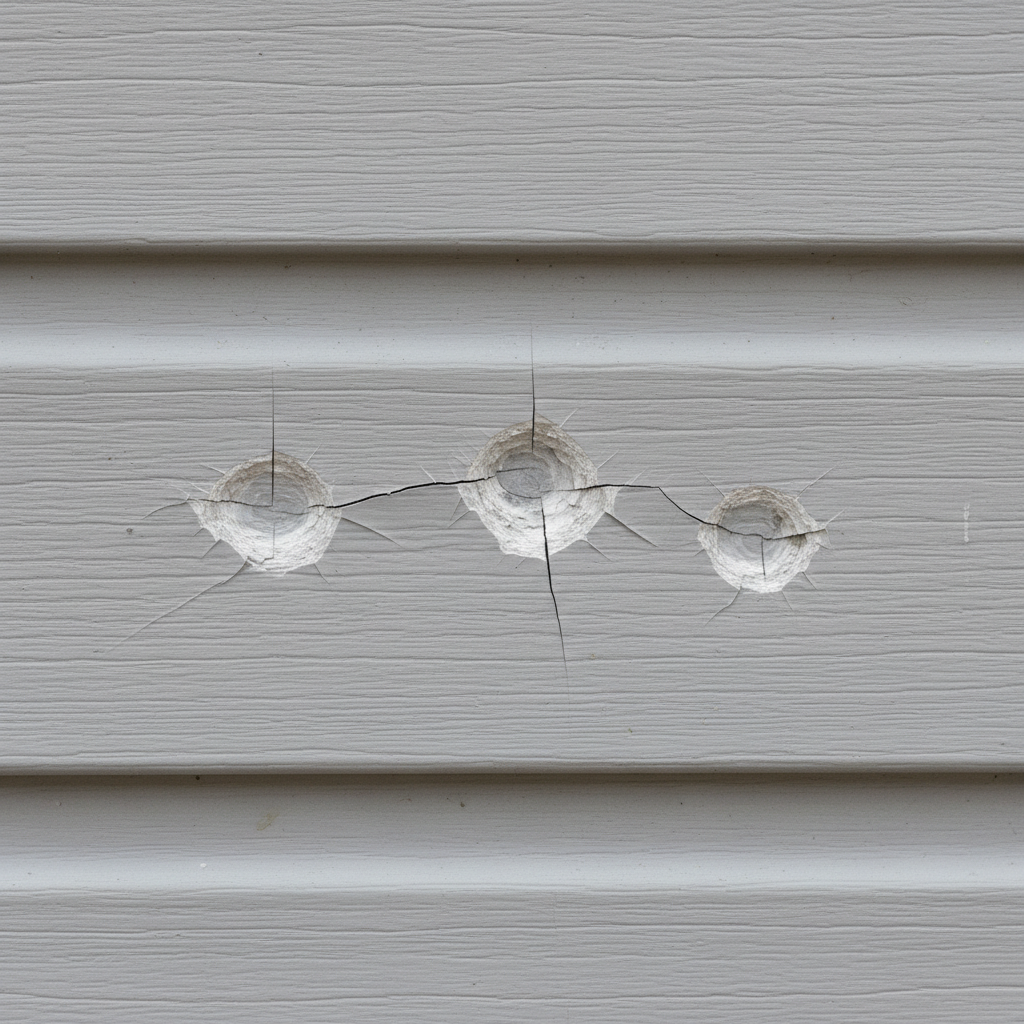
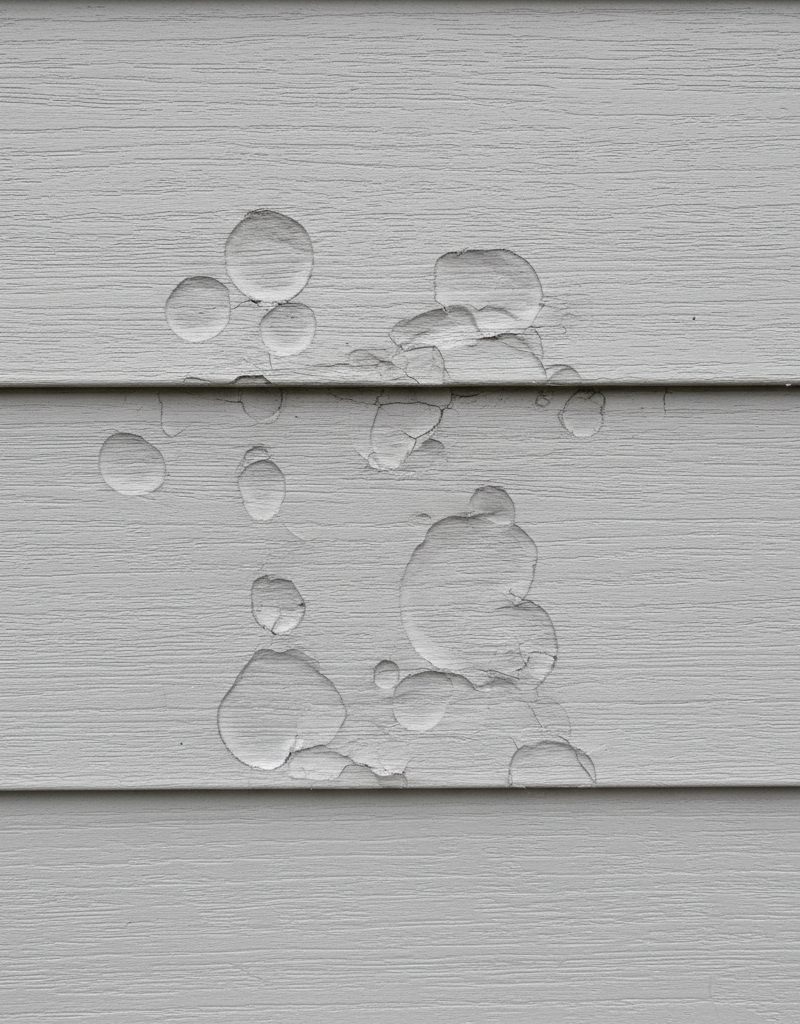
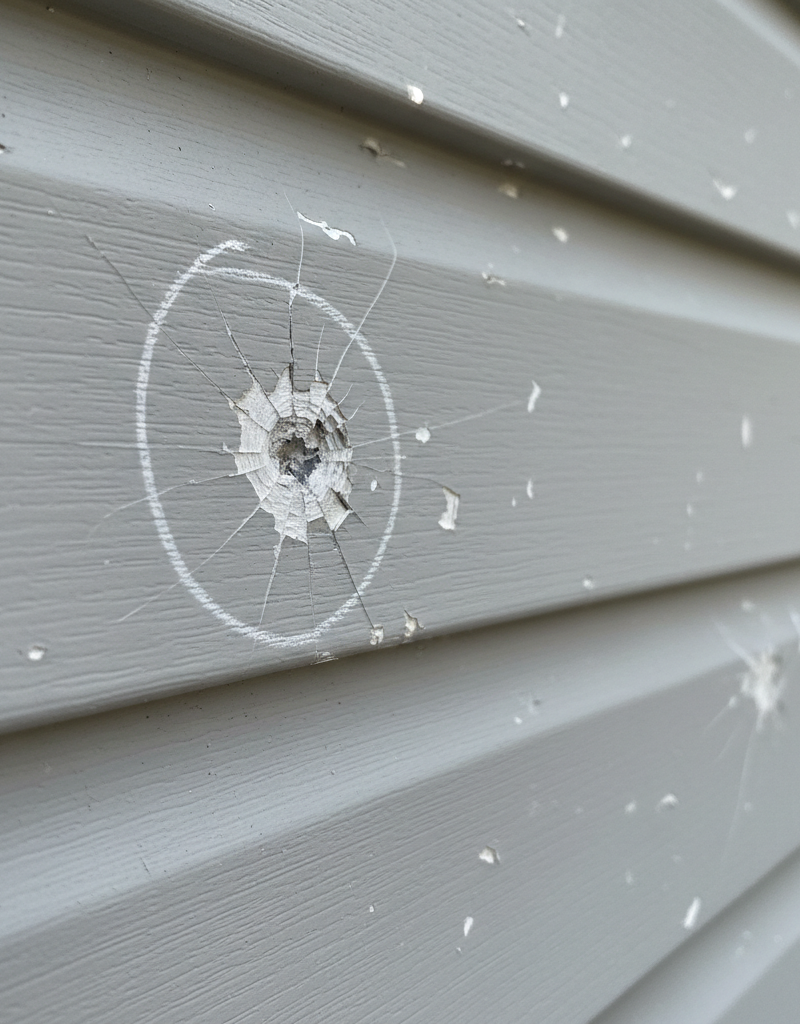
When hailstones strike siding, the type of damage depends on several factors: the size and density of the hailstones, the angle and velocity of impact, the material and age of the siding, and the presence of underlying sheathing. For vinyl siding, hail impacts often create semicircular cracks, starburst patterns, or sometimes clean punctures if the hail is large and sharp enough. The impact can also weaken the vinyl's structural integrity, making it brittle and prone to future cracking, especially in cold weather. Often, the point of impact will show a slight indentation surrounded by a fracture pattern, resembling a spiderweb. With aluminum siding, hail typically causes distinct dents, ranging from small dimples to deeper indentations. These dents can have sharp edges or be smooth, depending on the severity of the impact. Unlike vinyl, aluminum generally doesn't crack from hail unless the impact is extremely severe or the material is already compromised by age or previous damage. Wood siding (shakes or lap siding) might show splintering, gouges, or chipped paint where hailstones have struck. Fiber cement siding, being more rigid, might exhibit chips, pockmarks, or even small areas where the paint or finish has been knocked off, exposing the underlying material. The key characteristic of hail damage, regardless of material, is its random distribution across exposed surfaces, often concentrated on sides facing the storm's direction, and typically appearing on multiple surfaces like roofing, gutters, and even outdoor structures.
Step-by-Step Fix
1. Prioritize Safety – Before inspecting any damage, ensure the storm has passed and it's safe to be outside. Wear appropriate footwear and be cautious of slippery surfaces.
2. Document Everything – Take numerous photos and videos of all damaged areas from various angles. Include close-ups of specific impacts and wider shots showing the overall condition of the affected siding panels. This evidence is crucial for insurance claims. Note the date and time of the storm.
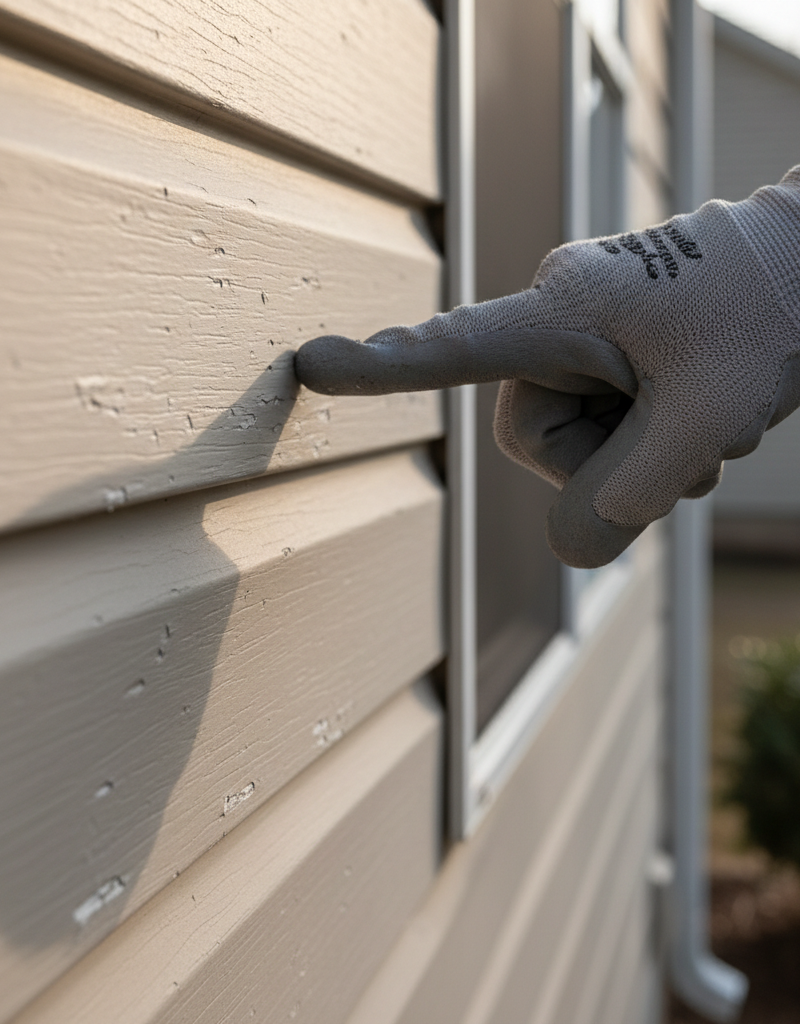
3. Conduct a Ground-Level Inspection – Walk around your entire home, paying close attention to the sides most exposed to the storm. Look for visible dents, cracks, chips, or punctures in your siding. Don't forget to check soffits, fascia, and corner boards.
4. Look for Patterns (Randomness is Key) – Hail damage typically appears randomly across affected panels, not in neat rows or isolated spots. Look for clusters of damage. Compare exposed areas to less exposed areas (under eaves, behind bushes) where damage should be minimal or absent.
5. Examine Vinyl Siding for Specific Signs – If you have vinyl siding, look for crescent-shaped cracks, starburst fracture patterns, or clean holes that penetrate the material. The impact point might be slightly indented. Test the flexibility of damaged areas; hail can make vinyl brittle.
6. Inspect Aluminum Siding for Dents – For aluminum siding, search for distinct, often circular or irregular, dents. Run your hand lightly over the surface; subtle dimples might be more easily felt than seen. Check for paint chips or scraped areas around the dents.
7. Check Other Exterior Components – Hail rarely damages siding in isolation. Inspect your roof shingles for granules in the gutters or impact marks, gutters and downspouts for dents, window screens for tears, and even exterior light fixtures for damage. Damage to multiple components strengthens a hail claim.
8. Mark Damaged Areas (Carefully) – If you plan to replace individual panels or sections, you might lightly mark damaged areas with a piece of painter's tape or a non-permanent marker. Avoid marking areas excessively if you're waiting for an insurance adjuster.
9. Assess the Extent of Damage – Determine if the damage is isolated to a few panels or widespread across multiple sides of your home. Minor, localized damage might be a DIY repair if you can source matching siding. Extensive damage usually requires professional assessment and repair.
10. Review Your Insurance Policy – Understand your homeowner’s insurance coverage for hail damage. Note your deductible and the claims process. Many policies have specific timeframes for filing a claim.
Common Causes
- Severe Hailstorms: This is the most direct cause. The size, shape, and velocity of hailstones dictate the severity and type of damage. Larger, denser hail falling at speed causes more significant impact. Small hail can still cause cosmetic damage, especially to older or thinner siding.
- Wind Direction During a Storm: The prevailing wind during a hailstorm dictates which sides of your home will receive the most direct impacts. Often, only one or two sides will show significant damage, making it easy to distinguish from general wear and tear.
- Siding Material and Age: Older siding, especially vinyl that has been exposed to years of UV radiation, can become brittle and more susceptible to cracking from hail impacts. Thinner gauge aluminum siding dents more easily than thicker varieties. Fiber cement and some engineered wood sidings are more resistant but not impervious.
- Improper Installation: Siding that isn't installed correctly—for example, nailed too tightly (preventing thermal expansion) or with insufficient fasteners—can be more prone to cracking or detachment during strong winds accompanying hail, exacerbating damage.
- Previous Undetected Damage: Existing minor impact damage, stress cracks, or weakened sections from prior incidents can make siding more vulnerable to a hailstorm's effects, causing what appear to be new, larger damages to existing weak points.
Common Mistakes
- Ignoring the Damage or Delaying Inspection: Waiting too long to inspect after a storm or ignoring seemingly minor damage can lead to worsened problems like water intrusion or missed insurance claim deadlines. Critically, some insurance policies have strict time limits (e.g., 6-12 months from the date of loss) for filing a claim. Neglecting to file within this window can result in your claim being denied, leaving you to bear the full cost of repairs.
- Misattributing Damage: Confusing hail damage with other types of issues, such as manufacturing defects, fading from UV exposure, general wear and tear, or impacts from landscaping tools. Hail damage has specific characteristics; other damage types often have inconsistent patterns or localized causes.
- Attempting DIY Repair Without Proper Tools or Experience: While minor siding repairs are doable for DIYers, attempting to replace multiple panels without the right tools (like a siding zip tool for vinyl) or experience can lead to further damage, improper installation, and voided warranties. This is especially true for color-matching older, faded siding.
- Cleaning or Repairing Before an Adjuster Visit: Making repairs or even thoroughly cleaning the damaged areas before an insurance adjuster has had a chance to inspect can remove crucial evidence needed to substantiate your claim. Always document thoroughly and wait for the adjuster's assessment.
- Only Inspecting Damaged Sides: While hail often hits one or two sides hardest, it’s vital to inspect all sides of the house, as well as the roof, gutters, and other vulnerable exterior components. A comprehensive inspection ensures you don't miss any damage that could be covered.
- Not Documenting Thoroughly: Relying on a few blurry photos. Insurance companies require clear, detailed evidence. Take photos from various angles and distances, showing the specific impacts and the overall scope of the damage. Video walkthroughs can also be helpful.
Cost & Time Breakdown
| Task | DIY cost | Pro cost | Time |
|---|---|---|---|
| Minor Siding Panel Replacement | $30–$100 per panel | $200–$400 per panel | 1–2 hours |
| Extensive Siding Repair (pro) | N/A | $1,000–$5,000+ | 1–3 days |
| Full Siding Replacement (pro) | N/A | $10,000–$30,000+ | 1–2 weeks |
| Insurance Claim Filing | $0 | $0 | 1–3 hours |
| Adjuster Inspection | $0 | $0 | 1–2 hours |
Tips & Prevention
- Regular Inspections: Periodically walk around your home to check for any signs of wear, loose panels, or minor damage. Addressing small issues early can prevent them from becoming major problems during a storm.
- Maintain Landscaping: Keep trees and shrubs trimmed away from your house. Overhanging branches can fall during strong winds, causing secondary damage, and dense bushes can obscure early signs of siding damage from hail or other impacts.
- Upgrade Older Siding: If your siding is old, brittle, or frequently damaged, consider upgrading to a more durable material like thicker gauge vinyl, fiber cement, or even brick/stone veneer, which offer superior impact resistance.
- Review Insurance Annually: Periodically review your homeowner's insurance policy to ensure you have adequate coverage for storm and hail damage. Understand your deductible and the claims process before a storm hits.
- Post-Storm Quick Check: After any significant hailstorm, perform a quick visual check from the ground. Look for obvious signs of damage on your siding, roof, and gutters. This helps you identify potential problems early.
- Professional Siding Installation: Ensure any new siding is installed by a reputable, licensed contractor who adheres to manufacturer specifications and local building codes. Proper installation improves resilience against extreme weather.
When to Call a Professional
While identifying minor hail damage is within a diligent homeowner's capabilities, knowing when to bring in a professional is critical for both accurate assessment and proper repair. You should absolutely call a licensed siding contractor or a qualified roofing and siding inspector if you observe widespread damage across multiple sides of your home or suspect damage extends to your roof, windows, or underlying structural components. If you find large cracks, punctures, or areas where siding panels are detached from the house, a professional can assess the risk of water intrusion and recommend the safest, most effective repair strategy. Furthermore, if you're filing an insurance claim, an unbiased professional assessment can provide crucial documentation and support for your case. They can help distinguish between legitimate hail damage and pre-existing wear, ensuring your claim is handled fairly. Attempting extensive repairs yourself without proper experience can invalidate warranties, lead to further damage, or create unsafe conditions. For any doubt regarding the extent of damage, the risk of water penetration, or the complexity of repair, a professional's expertise is invaluable. They have the tools and knowledge to safely access higher areas, match siding, and ensure repairs meet building codes and manufacturer specifications, protecting your home's long-term integrity and value.
Related Articles
Keep troubleshooting with these hand-picked guides from FixlyGuide:
- Hail Damaged Siding: A Homeowner's DIY Repair Guide — Address hail-damaged siding promptly to prevent further issues like water intrusion and reduced curb appeal with this DIY repair guide.
- The Invisible Hail Damage Mistake Most Homeowners Make (And How to Spot It) — Discover how to accurately assess hail damage on your home's siding, understand its hidden impacts, and perform essential repairs to protec…
- Hail-Damaged Siding: A Homeowner's Guide to Inspection & Repair — Discover how to assess and repair hail damage on your home's siding, ensuring your home remains protected and looks its best.
- The #1 Mistake Homeowners Make After Finding Missing Shingles (And How to Fix It Right) — Discover the crucial steps to take after a storm rips shingles from your roof, ensuring a proper, lasting repair and preventing costly futu…
- 5 Signs Hail Secretly Damaged Your Roof (And How to Act Fast) — Learn to identify the subtle signs of hail impact on asphalt shingles, gutters, and flashing, so you can file an insurance claim before the…
- Why Your Heat Pump Auxiliary Heat Won't Turn Off — Discover why your heat pump's auxiliary heat keeps running, driving up your energy bills. Learn to troubleshoot common issues and know when…
Should you do this yourself?
Answer five quick questions before you start. Safety outranks savings every time.
Your experience with work like this
How high do you have to work?
Does the job involve any of these?
Will it need a permit?
Specialty tools
Free and instant. Educational guidance only — not a quote, inspection, or professional diagnosis.
Questions to ask before you sign
Ask every contractor the same questions and the cheapest bid stops looking cheapest. Check them off as you go — your progress is saved on this device.
Free, no signup. Bring this to every walkthrough so you compare bids on the same terms.
What should this project cost?
Enter your project details for a realistic cost range before you call anyone.
Spot repairs commonly run $400–$1,800; full replacement typically $9,000–$18,000 for an average home.
- Regional adjustment
- National average
- Labor share (typical)
- ~$2,948
- Quotes to collect
- 3 written estimates
Educational estimate based on national averages — not a binding quote. Always confirm with written local estimates.
Fixly Project Decision Box
- DIY difficulty
- Professional Recommended
- Estimated time
- Inspection 1–2 hours · repairs 1–3 days
- Cost level
- High
Main tools / materials
- Binoculars for a ground-level look
- Flashlight for attic checks
- Moisture meter
- Roofing cement (temporary patch only)
When to stop and call a pro
- Active leak near lights, fans, or any wiring
- Sagging, bulging, or water-filled ceiling
- Steep, wet, or two-story roof — do not climb it
- Storm or hail damage you plan to claim on insurance
Need professional help?
Free roof assessment first — no phone calls until you ask for them.
Get Local Roofing HelpGet help with your roof now
Stay off the roof. These free tools help you protect the house and reach the right professional fast.
- Emergency repair checklistThe first steps that limit damage before a pro arrives.Open
- Repair or replace your roof?Answer 10 questions about age, leaks, and damage to get a clear next step.Open
- Get local estimatesSend one request and compare written estimates from vetted pros.Open
Free, no signup required. Estimates are educational guidance, not a quote or an inspection.
Frequently asked questions
How do you tell the difference between hail damage and regular wear and tear on siding?+
Hail damage typically appears as random impacts—crescent-shaped cracks or starburst patterns on vinyl, distinct dents on aluminum—often concentrated on the sides of your home that faced the storm. Regular wear and tear tends to be more uniform, like fading, or localized, such as scratches from landscaping, showing a less random pattern.
Will my homeowner's insurance cover hail damage to my siding?+
Most homeowner's insurance policies cover sudden and accidental damage from perils like hail, but coverage specifics, deductibles, and repair versus replacement clauses vary. It's crucial to review your policy and contact your insurer promptly after discovering damage.
Can I repair hail-damaged siding myself?+
Minor hail damage, like a single cracked vinyl panel if you have matching replacements, might be a DIY fix. However, widespread damage, hard-to-match siding, or suspected underlying issues should be handled by a professional to ensure proper repair and prevent further problems.
What should I do immediately after a hailstorm if I suspect siding damage?+
Immediately after a hailstorm, ensure safety, then thoroughly document any suspected damage with clear photos and videos from various angles. Note the date and time of the storm. Avoid making immediate repairs or cleaning until an insurance adjuster has had a chance to inspect the property.
Discussion
Loading comments…