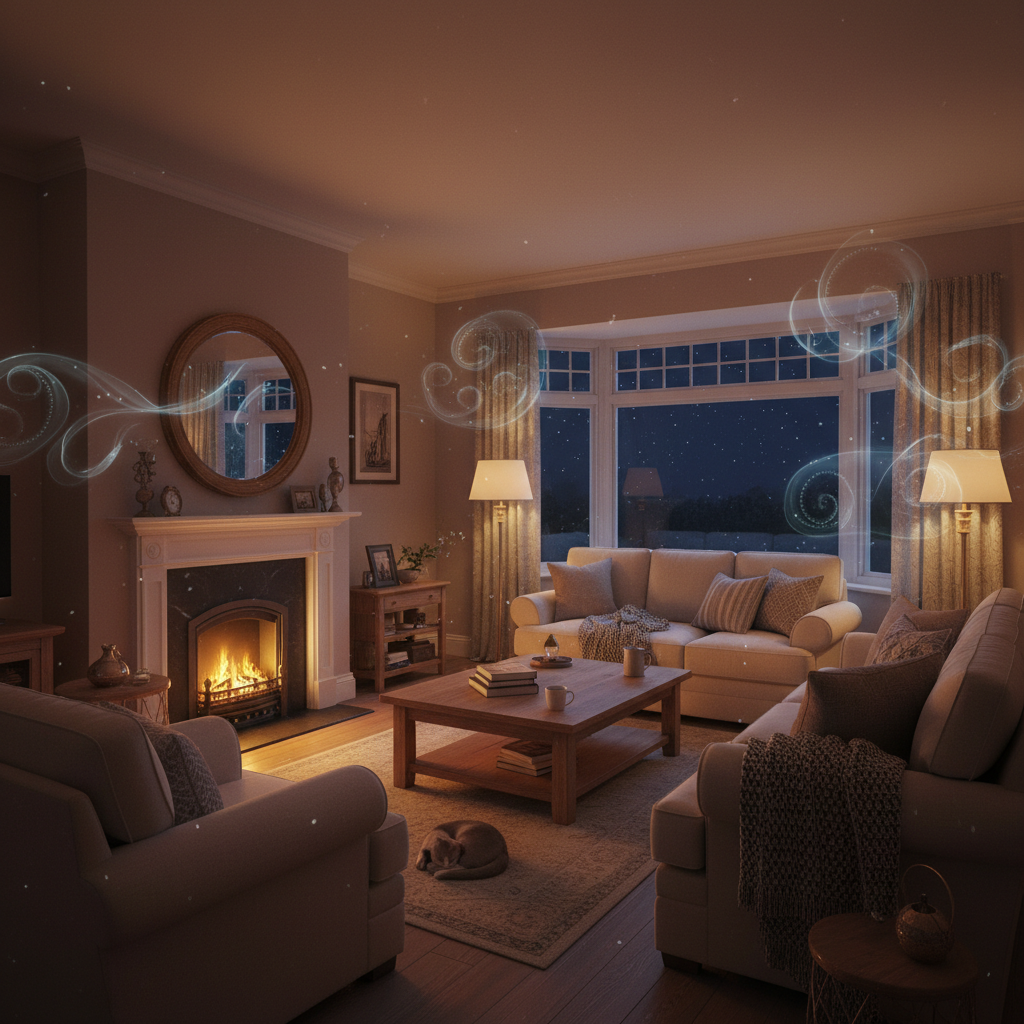
- House Settling: Foundation and structural elements naturally settle over years, causing minor shifts in framing that can create noises. This is more pronounced in newer homes but continues subtly over time.
- Loose Ductwork: Poorly secured or unsupported metal ducts can flex and pop loudly as air temperature changes with the HVAC system cycling on and off.
- Uninsulated/Rubbing Pipes: Hot water pipes expanding and rubbing against wooden joists or studs without sufficient clearance or insulation.
- Framing Movement: Wood studs in walls or joists in floors/ceilings rubbing against each other or against drywall/plaster as they react to temperature and humidity changes.
- Seasonal Changes: More pronounced sounds may occur during seasons with significant daily temperature swings (e.g., fall and spring).
Foundation · Cracks or settlement
| Project category | Foundation |
|---|---|
| Problem type | Cracks or settlement |
| Trade required | Foundation repair |
| Urgency | Soon — within weeks |
| Safety risk | High safety risk |
| DIY suitability | Licensed pro only |
| Cost category | Major investment |
| Typical timeline | Engineer report first; work typically several days |
| Contractor type | Foundation repair company with a structural engineer report |
Repair option
Drainage correction and targeted pier installation where movement is measured.
Replacement option
Full underpinning when settlement is widespread.
Common causes
- Expansive clay soil cycling wet and dry
- Poor drainage or downspouts dumping at the slab
- Plumbing leak washing out soil under the foundation
Relevant tools:compare quotesproject cost estimator
Published May 3, 2026Last updated August 17, 2026
Tools & materials you'll need
Affiliate linksAs an Amazon Associate FixlyGuide earns from qualifying purchases — at no extra cost to you. Prices and availability are accurate as of publication and subject to change.
Quick Answer
That symphony of clicks, ticks, and pops you hear as your house settles down for the night is most often the sound of various building materials, especially wood and metal, expanding and contracting. As the temperature drops after sunset, these materials cool, causing them to subtly shift. While usually a completely normal and harmless phenomenon, understanding the specific sounds and their origins can help you differentiate between the everyday soundtrack of a home and the rare calls for attention.
The Problem
Many homeowners experience a peculiar anxiety from the various creaks, groans, and distinct ticking sounds that emanate from their homes after dark. It's a common scenario: the house is quiet, the furnace or AC has cycled off, and then a series of distinct clicks and pops begin. This isn't just an illusion; these sounds are very real. The 'problem,' if you can call it that, is less about a malfunction and more about interpretation. Is the house falling apart? Is there a pest infestation? Or is it simply the house breathing and adjusting to its environment? This article aims to decode these nocturnal noises, offering peace of mind or actionable steps where necessary.
How It Works
To understand why your house ticks and pops, you need to grasp the basic principle of thermal expansion and contraction. Almost all materials, especially those used in home construction, expand when heated and contract when cooled. The degree to which they do this varies, but the principle remains constant. Think of a metal bridge expanding on a hot summer day and shrinking in the winter; your house materials do the same, just on a smaller, more localized scale.
Wood: As the primary structural component in most homes, wood is particularly susceptible to these changes. Wood framing, floor joists, wall studs, and even hardwood floors contain moisture. As temperatures drop at night, this moisture content can shift slightly, and the wood itself contracts. This contraction can cause different pieces of wood to rub against each other, or fasteners (nails, screws) to shift slightly within the wood, producing cracking, creaking, and ticking sounds. Houses built with green or less seasoned lumber are often more prone to this initially, as the wood continues to dry and settle over its first few years.
Metal: Metal components are even more reactive to temperature changes than wood. Ductwork, in particular, is a major culprit for ticking and popping sounds. When your heating or cooling system shuts off, the metal ducts rapidly cool down or warm up. This rapid temperature change causes the sheet metal to expand or contract, often with audible 'pops' as it flexes. Similarly, copper or PEX water pipes, especially those running through walls or floor joists, will expand when hot water flows through them and contract as the water cools. If these pipes aren't properly secured or are rubbing against wooden structures, they will tick and knock. Even metal flashing on the roof or metal siding can produce sounds as the evening chill sets in.
Other Materials: Concrete slabs will also expand and contract, though these movements are usually less audible inside the house unless there's an issue with foundation settlement. Plaster and drywall, being rigid, can also produce minor cracking sounds as the underlying wood framing shifts. Windows and doors, which combine wood, metal, and glass, can also produce subtle snapping or groaning noises as their frames react to thermal shifts.
Gravity and the settling of the house over time also play a role. As a house ages, it naturally settles, and this process can continue for decades. This settling, combined with the daily thermal dance of expansion and contraction, leads to the cacophony of normal house noises that are, for the most part, simply the sounds of a stable structure responding to its environment.
Step-by-Step Fix
While most nocturnal house noises are normal, some specific sounds might indicate issues you can address. Focus on identifying the source before attempting a fix.
-
Pinpoint the Source — Listen carefully to localize the sound. Where does it seem to be coming from? Is it consistent? Intermittent? Does it happen after a specific event, like the furnace cycling off, or hot water running? Use a flashlight to inspect areas like basements, attics, and crawl spaces where sounds might be amplified or originate. If you can narrow it down to a specific wall or ceiling area, that's a good start.
- If it's near ductwork: Pay attention to when your HVAC system runs. Expansion and contraction sounds are common after a cycle.
- If it's near plumbing: Listen when hot water is used in a nearby bathroom or kitchen.
-
Inspect Ductwork for Movement — Check for loose or rubbing ducts. In accessible areas like basements, attics, or utility closets, gently push on visible duct sections. Do they wobble or rub against joists or other ducts? Loose sections can amplify thermal expansion noises. If the ducts are hitting wood, consider adding felt pads or rubber stoppers.
- Tools: Work gloves, flashlight.
- Safety: Wear gloves to protect against sharp metal edges in ductwork.
-
Secure Loose Ductwork — Use strapping or screws to stabilize ducts. If you find wobbling sections, use metal strapping (available at hardware stores) or short, self-tapping sheet metal screws to secure duct sections to joists or to each other. Ensure strapping is taut but doesn't over-compress the duct.
- Tools: Drill with screwdriver bit, sheet metal screws (1/2-inch to 3/4-inch), metal strapping, tin snips.
- Don't overtighten: Over-tightening can deform the duct, causing new noises.
-
Insulate or Cushion Plumbing Pipes — Prevent pipes from knocking against framing. If you suspect hot water pipes are ticking, locate accessible sections (e.g., under sinks, in basements). If pipes are pressed directly against wood joists or studs, insert pipe insulation sleeves or foam pipe wraps around the pipe where it makes contact. This provides a cushion and allows for thermal movement without friction.
- Tools: Utility knife, pipe insulation sleeves (various diameters).
- If existing insulation is old: Replace brittle foam insulation with new sleeves, especially at contact points.
-
Check for Loose Floorboards or Subflooring — Address squeaks that might extend to ticking. While more of a squeak, loose floorboards can sometimes manifest as a ticking sound as weight shifts or as they expand/contract. In accessible areas (crawl space, basement), look for gaps between subfloor and joists. You can try adding shims or screws from underneath to secure them.
- Tools: Wood shims, drill, wood screws (long enough to go through subfloor into joist without piercing finished floor).
- Professional help: For extensive squeaks in finished floors, a flooring specialist might be needed.
-
Examine Attic for Animal Intrusion — Rule out pests for persistent or unusual sounds. While usually distinct from thermal sounds, persistent scratching, scurrying, or rhythmic tapping could indicate rodents or other pests. Check the attic for droppings, nests, or chewed insulation. Seal any entry points you find.
- Safety: Wear a respirator and gloves when entering an attic due to dust, insulation fibers, and potential animal waste.
- If signs of pests are found: Call a professional pest control service. Do not handle live or dead animals without proper protection.
-
Address Loose Outdoor Elements — Don't forget exterior sources. Sometimes, ticking or rattling sounds originate from outside and resonate indoors. Check loose siding, shutters, or roof flashing (especially metal components) that might be expanding/contracting or catching wind. Secure any loose elements with appropriate fasteners.
- Safety: Use a sturdy ladder, or call a professional for roof work.
- If you suspect roof issues: Consult a qualified roofing contractor.
-
Consider Relative Humidity — Maintain stable indoor humidity levels. Extreme fluctuations in humidity can cause wood to swell and shrink more dramatically. Aim for an indoor relative humidity of 30-50% using a humidifier in dry months and a dehumidifier in humid months. This can reduce stress on wood components and minimize related noises.
- Tools: Hygrometer (humidity monitor), humidifier/dehumidifier.
- Long-term benefit: Stable humidity also benefits overall indoor air quality and wood furniture longevity.
Common Causes
- Thermal Expansion and Contraction: The primary driver. Wood, metal, and plastic components expanding as the house warms during the day and contracting as it cools at night. This is especially noticeable with HVAC ductwork and plumbing pipes.
- House Settling: Foundation and structural elements naturally settle over years, causing minor shifts in framing that can create noises. This is more pronounced in newer homes but continues subtly over time.
- Loose Ductwork: Poorly secured or unsupported metal ducts can flex and pop loudly as air temperature changes with the HVAC system cycling on and off.
- Uninsulated/Rubbing Pipes: Hot water pipes expanding and rubbing against wooden joists or studs without sufficient clearance or insulation.
- Framing Movement: Wood studs in walls or joists in floors/ceilings rubbing against each other or against drywall/plaster as they react to temperature and humidity changes.
- Seasonal Changes: More pronounced sounds may occur during seasons with significant daily temperature swings (e.g., fall and spring).
Common Mistakes
- Panicking over normal sounds: Many homeowners immediately assume a major structural issue or pest infestation when the sounds are simply normal house mechanics. Differentiate between consistent, rhythmic sounds and sporadic, random ones.
- Ignoring persistent, loud noises: While minor ticks are normal, a sudden increase in noise, very loud cracks, or sounds accompanied by other issues (like water stains or drafts) should be investigated further.
- Overlooking readily accessible areas: Assuming the noise is deep within a wall without checking accessible areas like basements, attics, and utility closets first. Many sources are easily visible.
- Using the wrong fasteners for ductwork: Using screws that are too long can puncture the duct, create air leaks, or protrude into the airflow, causing turbulence and new noises. Stick to short sheet metal screws.
- Not isolating pipe contact points: Simply insulating a pipe generally isn't enough; you need to ensure the insulation is specifically at points where the pipe touches framing, creating a buffer.
- Assuming all sounds are structural: Sometimes, sounds can come from appliances (refrigerators, water heaters), loose attic vents, or even external elements like tree branches brushing against the house.
Cost & Time Breakdown
| Task | DIY Cost | Pro Cost | Time |
|---|---|---|---|
| Ductwork inspection & securing | $10–$30 | $100–$250 | 30–60 minutes |
| Pipe insulation & cushioning | $15–$40 | $75–$150 | 30–45 minutes |
| Floorboard/subfloor shimming | $5–$20 | $150–$300 (per area) | 1–2 hours |
| Pest inspection/proofing | $0–$50 (materials) | $200–$500+ | 1–3 hours (DIY) |
| Humidity control (hygrometer) | $10–$25 | N/A | 5 minutes |
| Consulting structural engineer | N/A | $300–$800 | N/A |
Tips & Prevention
- Insulate Pipes and Ducts: When accessible (during remodels or in unfinished spaces), ensure hot water pipes are insulated, particularly where they pass through or near wood framing. Similarly, secure and insulate HVAC ducts to minimize flexing and rubbing.
- Maintain Stable Humidity: Use humidifiers in dry winter months and dehumidifiers in humid summer months to keep indoor relative humidity between 30-50%. This helps prevent excessive expansion/contraction and drying out of wood.
- Proper Fastening During Construction/Renovation: Ensure all new framing, subflooring, and mechanical systems are properly secured and have adequate clearances to allow for natural movement without friction. This is a crucial, often overlooked, step for new builds.
- Regular HVAC Maintenance: Ensure your HVAC system is operating efficiently. Poorly sized or clogged ducts can lead to higher air velocity and more pronounced duct noise. Regular cleaning and sealing can help.
- Listen and Learn: Become familiar with the normal sounds of your house. This will make it easier to identify new or unusual noises that might warrant investigation.
- Check for Pest Entry Points: Periodically inspect your attic, basement, and exterior for small openings that could allow pests in. Sealing these can prevent rodent-related noises that might be mistaken for structural sounds.
When to Call a Professional
While most house noises are harmless, certain situations warrant calling a licensed professional. If you hear very loud, sudden cracking or popping noises that seem structural and accompany visible signs like significant new cracks in walls or ceilings, uneven floors, or doors/windows that suddenly stick, consult a structural engineer. For persistent, loud banging or grinding noises from your HVAC system that you can't locate or fix yourself, an HVAC technician can diagnose and repair ductwork or internal component issues. If you suspect water leaks due to pipe knocking that you can't access, a licensed plumber should investigate to prevent water damage. Finally, if you hear continuous scratching, gnawing, or scurrying and find evidence of droppings or chewed wires/insulation, a pest control specialist is essential to safely and effectively remove infestations and seal entry points. Never attempt to handle wild animals that may have entered your home. If a gas line or electrical conduit is identified as the source of noise or if you suspect it's involved in any way, immediately contact a licensed professional; do not attempt DIY repairs for these critical systems.
Related Articles
Keep troubleshooting with these hand-picked guides from FixlyGuide:
- The Hidden Reason Your GFCI Trips (It’s Not Always a Bad Outlet) — A tripping GFCI outlet is a safety mechanism doing its job, often indicating a problem like moisture, a faulty appliance, or a wiring issue…
- The Hidden Reason Your GFCI Trips (It's Not Always a Faulty Outlet) — A continuously tripping GFCI outlet is a critical safety warning, often indicating moisture, a faulty appliance, or a wiring problem that r…
- The Hidden Reason Your GFCI Trips (and Why Most Homeowners Miss It) — A continuously tripping GFCI outlet is a safety warning, often signaling common but overlooked issues like moisture intrusion, appliance fa…
- The Surprising Yard Tool That Vaporizes Weeds (No Chemicals Needed) — A weed torch offers an efficient, chemical-free method for removing unwanted plants from hardscaped areas like driveways, patios, and grave…
- The 12 Checks That Prevent 80% of Costly Home Repairs — Don't wait for a disaster. Our comprehensive monthly home maintenance checklist reveals the surprising, simple tasks that catch small issue…
- That Annoying Water Heater Popping Sound? It's Trying to Tell You This One Thing — A popping water heater usually signals a common issue: sediment buildup. Learn why it happens and how to fix it with a simple flush.
What should this project cost?
Enter your project details for a realistic cost range before you call anyone.
Common repairs run $150–$650; repipes and water-heater replacements reach $1,500–$4,500.
- Regional adjustment
- National average
- Labor share (typical)
- ~$754
- Quotes to collect
- 3 written estimates
Educational estimate based on national averages — not a binding quote. Always confirm with written local estimates.
Fixly Project Decision Box
- DIY difficulty
- Moderate
- Estimated time
- 30 minutes – half a day
- Cost level
- Moderate
Main tools / materials
- Adjustable wrench
- Plunger or drain auger
- Bucket and towels
- Thread tape
When to stop and call a pro
- Water you cannot shut off at the fixture or main
- Sewage backing up into more than one fixture
- Water near electrical panels or outlets
- Gas water heater work beyond relighting a pilot
Need professional help?
Get a Licensed PlumberGet the print-ready PDF of this guide
A clean, ad-free, printable version you can keep on your phone or pin to the workshop wall. Free with a FixlyGuide account.
- Print-optimized layout
- Tools, materials & every step included
- Saved to your account
This article was independently written by FixlyGuide based on the source topic.
Frequently asked questions
Is it normal for a house to make ticking noises at night?+
Yes, it's very common and usually normal for a house to make ticking and popping noises at night. This is primarily due to the natural expansion and contraction of building materials like wood, metal, and pipes as temperatures cool down after sunset.
What specifically causes popping sounds in walls at night?+
Popping sounds in walls are often caused by the thermal expansion and contraction of wood framing and metal ductwork or pipes within the walls. As temperatures shift, these materials rub against each each other or against drywall, creating audible pops and clicks.
How can I stop my house from ticking at night?+
You can try to reduce house ticking by insulating noisy pipes where they contact framing, securing loose HVAC ductwork with straps, and maintaining stable indoor humidity levels to minimize wood movement. For persistent or loud noises, further investigation might be needed.
Could house ticking noises be a sign of pests?+
While unlikely to be typical 'ticking,' persistent scratching, scurrying, or gnawing sounds can indicate pests like rodents or insects. If you hear these types of sounds, especially accompanied by droppings or chewed materials, inspect your attic and basement, and consider calling a pest control professional.

Discussion
Loading comments…