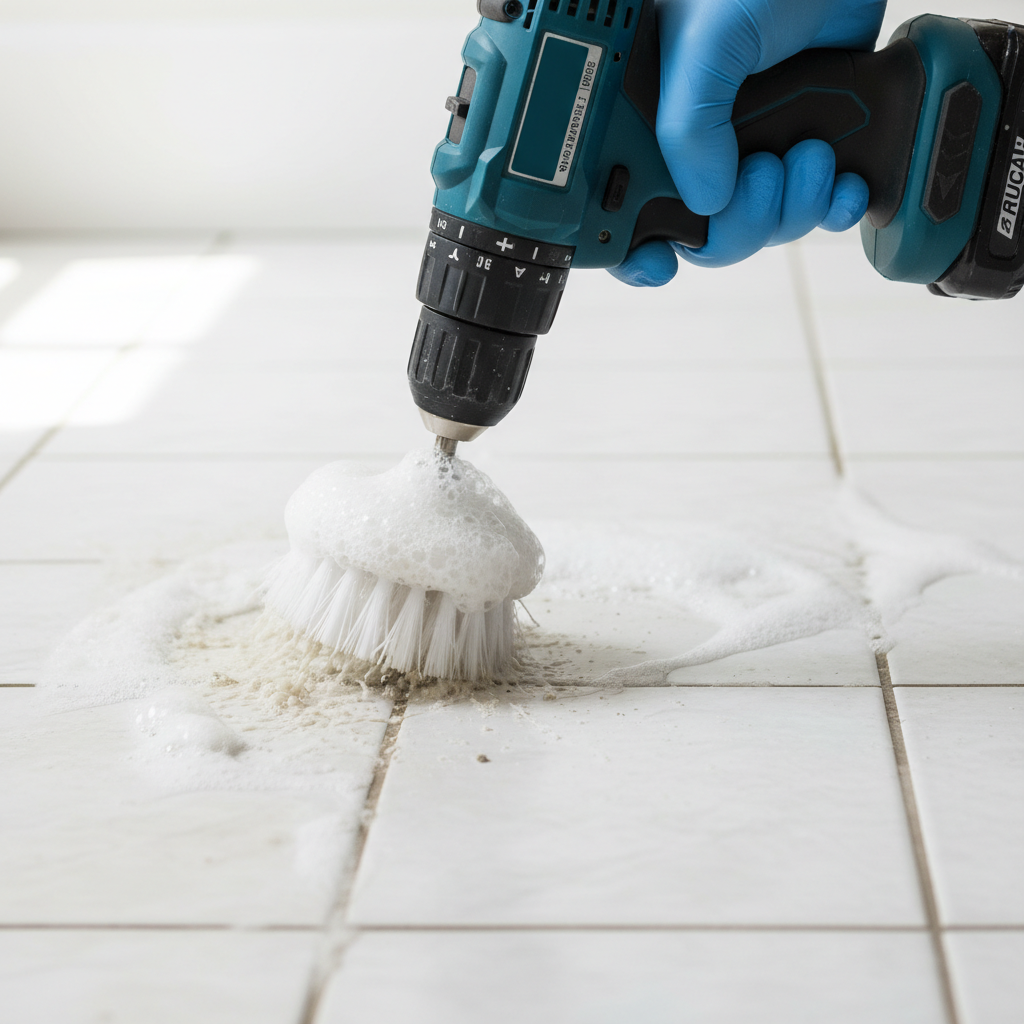
- Tools: Cordless drill, grout brush attachment, appropriate grout cleaner, bucket, rags.
- Safety: Wear eye protection to avoid splashes. Ensure adequate ventilation when using chemical cleaners. Test cleaner and brush on an inconspicuous area first.
- If this doesn't work: For extremely stubborn stains, consider a stronger alkaline grout cleaner or a steam cleaner pretreatment before drilling.
Published May 2, 2026Last updated August 17, 2026
Tools & materials you'll need
Affiliate links- AmazonDrill brush attachment setIncludes various stiffness levels (stiff, medium, soft nylon) and shapes (flat, conical)
- AmazonGrout cleanerOxygenated bleach or hydrogen peroxide-based
- AmazonBathroom cleanerNon-abrasive formula
- AmazonUpholstery cleanerFabric-safe spray type
- AmazonDegreaser / Oven cleanerHeavy-duty for baked-on grime
- AmazonDryer vent cleaning kitFlexible rods with auger-style brush attachment
- AmazonMicrofiber clothsmultiple
As an Amazon Associate FixlyGuide earns from qualifying purchases — at no extra cost to you. Prices and availability are accurate as of publication and subject to change.
Quick Answer
Your power drill isn't just for building and repairs; with a few simple, inexpensive attachments, it becomes a versatile and surprisingly effective cleaning powerhouse. From tackling stubborn grout to polishing shower doors and even dislodging dryer vent lint, these clever tools leverage your drill's rotational power to make tough cleaning jobs faster and far less laborious, saving your back and your time.
The Problem
Some of the grimiest and most time-consuming cleaning tasks involve intense scrubbing or reaching into confined spaces. Think about the black mildew in shower grout, the accumulated soap scum on a fiberglass tub, the endless lint in a dryer vent, or the baked-on grease on oven racks. Manual scrubbing is exhausting, often ineffective, and can lead to aches and pains. Traditional tools can't always reach the deepest corners, leaving behind stubborn dirt and potential fire hazards, as in the case of dryer vents.
How It Works
The magic of using a power drill for cleaning lies in transferring the drill's high-speed rotational energy to specialized cleaning heads. A standard cordless drill operates at speeds ranging from a few hundred (low gear) to over 1,500 revolutions per minute (RPM) (high gear). When you attach a brush or a scrubbing pad, this rapid rotation provides a consistent, powerful agitation that far surpasses what human hands can achieve. Unlike manual scrubbing, which relies on inconsistent pressure and speed, the drill maintains a steady, even rotation, ensuring uniform cleaning across the surface. This mechanical action, combined with appropriate cleaning solutions, effectively breaks down and lifts away grime, soap scum, mineral deposits, and even light rust. Different attachments are designed for specific tasks: stiff nylon brushes for grout, softer brushes for upholstery, abrasive pads for sinks, and specialized auger-type brushes for ductwork. The key is matching the attachment's material and stiffness to the surface you're cleaning to prevent damage while maximizing cleaning power. Always start with a lower RPM setting and lighter pressure, increasing as needed.
Step-by-Step Fix
Using your power drill as a cleaning tool requires selecting the right attachment and knowing how to apply it safely and effectively. Here are several common applications.
1. Revitalize Grout Lines — Erase years of grime and mildew from tile floors and walls.
- How to: Choose a medium-stiff nylon conical or bullet-shaped brush attachment. Apply a suitable grout cleaner (e.g., oxygenated bleach cleaner or a hydrogen peroxide-based solution) to a small section of grout. Allow it to dwell for 5-10 minutes. Attach the brush to your drill, set it to a medium-low speed. Gently guide the spinning brush along the grout line, applying light, consistent pressure. The brush will agitate the cleaner and lift the embedded dirt. Work in small sections, wiping away loosened grime with a damp rag before moving on.
- Tools: Cordless drill, grout brush attachment, appropriate grout cleaner, bucket, rags.
- Safety: Wear eye protection to avoid splashes. Ensure adequate ventilation when using chemical cleaners. Test cleaner and brush on an inconspicuous area first.
- If this doesn't work: For extremely stubborn stains, consider a stronger alkaline grout cleaner or a steam cleaner pretreatment before drilling.
2. Eradicate Soap Scum and Hard Water Stains — Make shower doors, tubs, and sinks sparkle without endless scrubbing.
- How to: For shower doors, use a medium-stiffness flat brush attachment or a non-scratch scrubbing pad attachment. Dampen the surface and apply a non-abrasive bathroom cleaner or a vinegar-based solution. With the drill on a low-to-medium speed, move the brush/pad in overlapping circular motions over the affected areas. The drill's power will quickly break down soap scum and mineral deposits. Rinse thoroughly with water.
- Tools: Cordless drill, flat brush or scrubbing pad attachment (non-scratch), bathroom cleaner/vinegar, spray bottle, microfiber cloths.
- Safety: Always test on an inconspicuous area first, especially on acrylic or cultured marble, to ensure the attachment doesn't scratch. Use only non-abrasive cleaners with scrubbing pads.
3. Deep Clean Upholstery & Carpets — Lift spills and refresh fabrics from furniture and car interiors.
- How to: Select a soft-bristle brush attachment designed for fabrics. Vacuum the area thoroughly first. Lightly spray a dedicated upholstery cleaner or a diluted carpet shampoo onto the stained or soiled area – do not saturate. Set your drill to its lowest speed. Gently work the brush over the area in small, circular motions, allowing the bristles to agitate the cleaner into the fabric. Blot the area with clean, damp microfiber cloths to absorb the cleaner and lifted dirt. Fan-dry the area.
- Tools: Cordless drill, soft upholstery brush attachment, upholstery cleaner, vacuum, microfiber cloths.
- Safety: Always spot-test upholstery cleaner and the brush on a hidden area to check for colorfastness and potential fabric damage. Use very light pressure and low speed to avoid damaging delicate fibers.
- Pro Tip: For pet hair, use a stiff rubber pet hair brush attachment on a drill at very low speed to pull hair from carpets and upholstery before cleaning.
4. Restore Oven Racks & Grill Grates — Cut through baked-on grease and grime with minimal effort.
- How to: For heavy-duty cleaning, you'll need a stiff-bristle nylon brush attachment. For oven racks or grill grates, soak them in a strong degreasing solution (e.g., warm water with heavy-duty dish soap or a specialized oven cleaner) in a utility tub for several hours or overnight. Once softened, attach the stiff brush to your drill and, with the drill set to a medium speed, scrub away the loosened grime. Use a spray bottle with clean water to rinse as you go. For very stubborn spots, a brass wire brush attachment can be used carefully on pure metal items, never on coated surfaces.
- Tools: Cordless drill, stiff nylon brush attachment, degreaser/oven cleaner, utility tub, safety glasses, gloves.
- Safety: Always wear heavy-duty gloves and eye protection when working with strong degreasers. Ensure adequate ventilation. Never use brass brushes on coated or delicate surfaces.
5. Clear Dryer Vents — Improve efficiency and reduce fire risk by removing stubborn lint build-up.
- How to: Purchase a dryer vent cleaning kit that includes a flexible rod system designed to attach to a power drill. Disconnect the dryer from power and gas (if applicable). Detach the vent hose from the dryer and the wall. Attach the auger-style brush head to the flexible rod, then attach the rod to your drill. Insert the brush end into the vent pipe. With the drill on a very low speed (forward only), slowly feed the rod into the vent, allowing the brush to dislodge lint. Periodically withdraw the brush and remove accumulated lint. Repeat until the vent is clear. Reconnect everything, ensuring a tight seal.
- Tools: Cordless drill, dryer vent cleaning kit (flexible rods, auger brush), vacuum.
- Safety: Crucial: Always disconnect your dryer from the power supply before starting. For gas dryers, turn off the gas supply and disconnect the line – if unsure, call a professional. Wear a dust mask and safety glasses. Ensure the drill spins forward (clockwise) so the rods don't unscrew inside the vent. Never force the rod.
- Pro Callout: If your dryer is gas-powered and you are not comfortable disconnecting the gas line, call an appliance repair technician.
6. Polish Metal Fixtures or Automotive Wheels — Bring back shine to faucets, trim, and wheel rims.
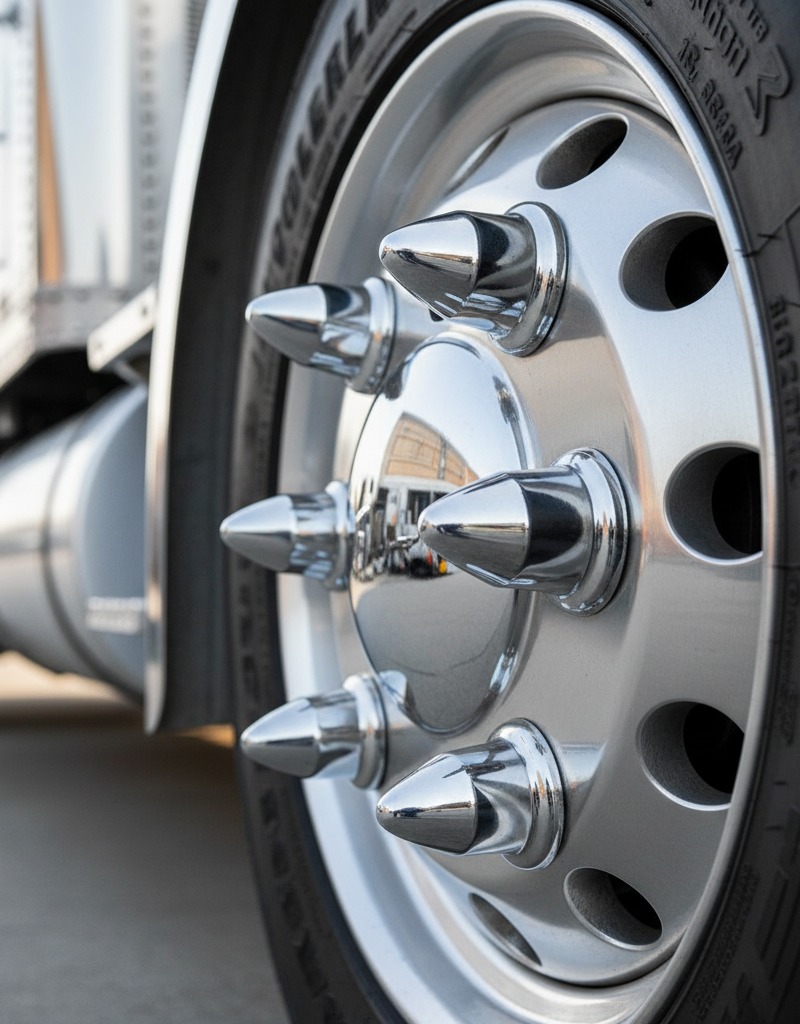
- How to: Use a soft polishing pad or cone-shaped foam buffing attachment. Clean the surface thoroughly first to remove any loose dirt. Apply a small amount of appropriate metal polish (for fixtures) or car wax/polish (for wheels) directly to the pad or the surface. With the drill on a very low speed, gently buff the surface in overlapping motions. The drill's consistent rotation helps achieve an even, streak-free shine. Wipe away residue with a clean microfiber cloth.
- Tools: Cordless drill, foam polishing pad/cone attachment, metal polish/car wax, microfiber cloths.
- Safety: Ensure the surface is clean before polishing to avoid scratching. Use very light pressure and low speed to prevent burning the finish.
Common Causes
The need for a power drill in cleaning often stems from:
- Accumulated Grime: Grout, tubs, and sinks naturally gather soap scum, mildew, and mineral deposits over time that manual scrubbing struggles to remove.
- Stubborn Stains: Deep-set stains in upholstery or carpets require more agitation than hand-scrubbing can provide.
- Hard-to-Reach Areas: Dryer vents, intricate metalwork, or tight corners benefit from specialized drill attachments that can extend reach and apply focused power.
- Lack of Frequent Cleaning: Allowing dirt and grime to build up makes cleaning exponentially harder.
- Inefficient Manual Effort: The sheer physical exertion required for many deep-cleaning tasks makes homeowners seek more efficient solutions.
Common Mistakes
- Using the Wrong Attachment: Matching brush stiffness and type to the surface is crucial. Using a stiff brush on delicate upholstery or a soft brush on hardened grout will either cause damage or be ineffective.
- Applying Too Much Pressure or Speed: Excessive pressure or high RPMs can scratch surfaces, damage fabrics, or even burn through finishes. Start low and slow.
- Skipping Spot Tests: Always test your cleaner and brush attachment on an inconspicuous area before tackling the main job to prevent irreversible damage or discoloration.
- Not Cleaning Thoroughly Before Drilling: Loose dirt and debris can become abrasive under a spinning brush, leading to scratches. Always vacuum or wipe down surfaces first.
- Forgetting Safety Gear: Splashing cleaners, flying lint, or debris can cause eye injuries. Always wear safety glasses and gloves, especially in poorly ventilated areas or when using strong chemicals.
- Neglecting Post-Cleaning Rinse/Wipe: Leaving cleaning product residue on surfaces can attract new dirt or cause discoloration over time. Always rinse or wipe surfaces clean after using the drill.
Cost & Time Breakdown
| Task | DIY cost | Pro cost | Time |
|---|---|---|---|
| Grout revitalization | $15–$30 | $150–$300 | 30–60 min |
| Shower/tub scum removal | $10–$25 | $75–$150 | 20–40 min |
| Upholstery/carpet spot clean | $20–$40 | $50–$100 | 15–30 min |
| Oven rack/grate degreasing | $15–$35 | $100–$200 | 45–90 min |
| Dryer vent cleaning | $25–$50 | $120–$250 | 30–60 min |
| Metal fixture/wheel polishing | $15–$30 | $60–$150 | 20–40 min |
Tips & Prevention
- Regular Maintenance: Don't wait for extreme buildup. Incorporate drill cleaning into your deep-cleaning routine every few months to prevent grime from becoming unmanageable.
- Ventilation is Key: Always ensure good airflow when using chemical cleaners, especially indoors. Open windows and use exhaust fans.
- Clean Attachments: After each use, wash and dry your drill brush attachments. This prevents the spread of dirt and mildew and prolongs their lifespan.
- Charge Your Batteries: Ensure your cordless drill batteries are fully charged before starting any significant cleaning task to avoid interruptions.
- Invest in a Dedicated Set: Consider purchasing a dedicated set of drill cleaning brushes and pads, distinct from your DIY project tools, to prevent cross-contamination or transferring grit.
- Know Your Surfaces: Be mindful of the material you're cleaning. Delicate antique finishes or certain plastics may not be suitable for drill cleaning, even with soft brushes.
When to Call a Professional
While a power drill can handle many tough cleaning tasks, there are situations where calling a professional is the smarter, safer, or more effective option. If you have extensive mold or mildew growth that penetrates beyond the surface, a professional mold remediation specialist is needed. For gas dryer vent cleaning, if you are uncomfortable disconnecting the gas line or suspect a leak, contact a licensed appliance technician. If your carpet or upholstery has very deep, set-in stains or delicate, high-value fabrics that you're afraid to damage, a professional cleaner with specialized equipment and knowledge is recommended. For major HVAC duct cleaning beyond the dryer vent, an HVAC professional uses powerful vacuum systems to ensure proper removal of all debris. Overwise, if you've attempted a drill-based cleaning several times and the grime persists, or if you notice any damage occurring to the surface, stop and consult a professional cleaner or repair service to avoid further harm.
Related Articles
Keep troubleshooting with these hand-picked guides from FixlyGuide:
- The Secret Power Tool Hiding in Your Garage for a Speedier Clean — Unlock the hidden potential of your cordless drill to tackle stubborn household grime, soap scum, and dirt with specialized cleaning attach…
- The 6-Minute Secret to a Sparkling Bathroom (It’s Not What You Think) — Unleash the hidden power of your cordless drill to tackle stubborn household grime, from tile grout to dryer vents, with specialized attach…
- The Surprising Yard Tool That Vaporizes Weeds (No Chemicals Needed) — A weed torch offers an efficient, chemical-free method for removing unwanted plants from hardscaped areas like driveways, patios, and grave…
- How to Clean and Maintain Your Outdoor Grill: A Complete Guide — Regular cleaning and maintenance of your outdoor grill is essential for safe operation, optimal performance, and extending its lifespan.
- The 5 Essential Tools Every New Gardener Needs (And 3 You Can Skip) — Starting a garden doesn't require a huge investment in tools; savvy new gardeners can thrive with just a few key items and save money by kn…
- The Hidden Reason Your Ceiling Fan Wobbles (And 3 Cheap Fixes) — A wobbling ceiling fan isn’t just annoying; it can be a sign of imbalance or loose connections that are simple to fix with the right approa…
What should this project cost?
Enter your project details for a realistic cost range before you call anyone.
Cost depends heavily on which system turns out to be the source.
- Regional adjustment
- National average
- Labor share (typical)
- ~$1,620
- Quotes to collect
- 3 written estimates
Educational estimate based on national averages — not a binding quote. Always confirm with written local estimates.
This article was independently written by FixlyGuide based on the source topic.
Frequently asked questions
Can I use any power drill for cleaning?+
Yes, most standard cordless drills or even corded drills with adjustable speed settings can be used for cleaning tasks. Cordless drills offer greater portability and convenience around the house. Ensure your drill has enough torque for the task, especially for tougher scrubbing jobs.
What type of brush attachments do I need?+
A basic kit should include a stiff brush for grout, a medium-stiff flat brush for general bathroom surfaces like tubs and sinks, and a soft brush for upholstery and delicate areas. Specialized attachments like conical brushes for corners or foam pads for polishing are also available.
Will drill brushes scratch my surfaces?+
If used correctly with the appropriate brush stiffness and pressure, most surfaces will not be scratched. Always perform a spot-test on an inconspicuous area first, especially on delicate finishes, acrylic, or cultured marble surfaces. Start with the softest brush and lowest speed, increasing only if necessary.
Is it safe to clean a dryer vent with a drill?+
Cleaning a dryer vent with a drill and a specialized kit can be very effective and safe, *provided you follow all safety precautions*. Always disconnect the dryer from power (and gas, if applicable) before starting. Use the drill on a very low speed and ensure it spins in the forward direction. Never force the rod. If you have a gas dryer and are uncomfortable disconnecting the gas line, call a professional.
Can I use my drill to clean car wheels?+
Yes, a power drill with a dedicated wheel brush or foam polishing cone attachment is excellent for cleaning and polishing car wheels. Ensure you use appropriate car wheel cleaners or polishes and test on a small area first. Avoid using the same brushes you used for bathroom cleaning to prevent cross-contamination.
Discussion
Loading comments…