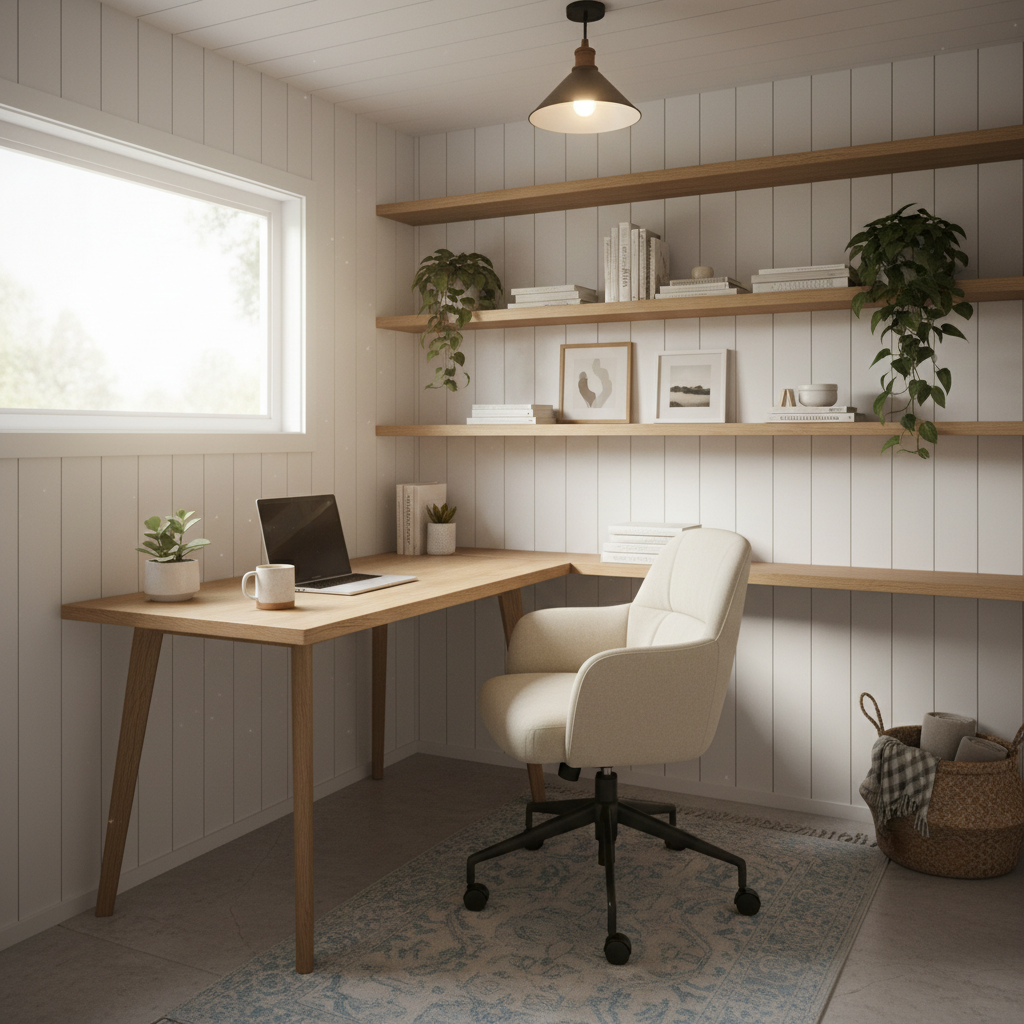
- Assess & Clear Out — Evaluate the shed's condition and empty it entirely.
- Inspect the roof for leaks, damaged shingles, or fascia. Check siding for rot, holes, or loose panels. Examine the foundation for cracks, shifting, or rot (if wood). Look for signs of pests.
- Remove all contents. This is a great opportunity to declutter, donate, or responsibly dispose of items. A completely empty shell provides the best starting point.
Published June 14, 2026Last updated August 17, 2026
Tools & materials you'll need
Affiliate linksAs an Amazon Associate FixlyGuide earns from qualifying purchases — at no extra cost to you. Prices and availability are accurate as of publication and subject to change.
Quick Answer
Turning your old garden shed into a productive backyard office is a highly achievable DIY project. The good news is that many such conversions can be completed without needing a building permit, especially if the shed remains within a certain size, retains its original foundation, and doesn't involve new plumbing or complex electrical installations. Always start by checking your local zoning and building department's specific regulations to confirm your project's permit requirements.
The Problem
You have an aging, underutilized garden shed occupying valuable backyard real estate. It's likely filled with rarely used items, succumbing to disrepair, or simply an eyesore. Meanwhile, the need for a dedicated, quiet workspace at home has become increasingly important. Cramped kitchen counters, noisy living rooms, or makeshift office corners are hardly conducive to focus and productivity. The challenge is seeing the potential in that old shed and transforming it into a comfortable, functional backyard office without incurring exorbitant costs, endless delays, or the headache of complex permitting processes.
How It Works
A shed conversion fundamentally involves repurposing an existing structure to serve a new function. From a structural standpoint, the existing shed provides the basic shell: walls, roof, and foundation. The typical steps involve weatherproofing, insulating, adding interior finishes, and installing basic utilities like lighting and power.
Weatherproofing focuses on ensuring the shed is watertight. This often means repairing or replacing damaged roofing shingles, patching holes in siding, sealing gaps around windows and doors, and ensuring proper drainage around the base. Flashing around openings is crucial to prevent water ingress.
Insulation is vital for temperature control, making the space usable year-round. Common insulation types for sheds include rigid foam boards, batt insulation (fiberglass or mineral wool), or spray foam. A vapor barrier is usually installed on the warm side of the insulation to prevent condensation within the wall cavities, which can lead to mold and rot.
Interior finishes transform the rough shed interior into a pleasant office space. This might involve installing drywall, plywood, or shiplap on walls and ceilings, and laying down flooring such as laminate, vinyl plank, or even carpet. Proper ventilation, often through windows or a small exhaust fan, prevents stuffiness and helps regulate humidity.
Electrical installation is typically the most complex utility aspect. For basic lighting and outlets, an exterior-rated extension cord can be a temporary solution, but a dedicated subpanel run from the main house panel is ideal for safety and convenience. This involves trenching, conduit, and proper wiring, often requiring the expertise of a licensed electrician and a permit. However, many DIYers opt for simpler, low-voltage battery-powered lighting or solar kits to avoid extensive electrical work and potential permit triggers.
Permitting is often the biggest wildcard. Generally, minor interior renovations that don't alter the structure's footprint, foundation, or exceed a certain size (e.g., typically 100-120 sq ft, but varies widely by jurisdiction) might be exempt from building permits. Adding plumbing or significant electrical upgrades almost always triggers a permit requirement. The key is understanding that a change of use – from storage to habitable space – can also require permits, even if no structural changes are made. Local building departments differentiate between sheds (accessory structures) and habitable buildings, with different regulations applying to each. Researching these nuances upfront is paramount.
Step-by-Step Fix
This guide assumes your shed is structurally sound. If it has significant rot, leans precariously, or has major foundation issues, address those first or consult a professional.
-
Assess & Clear Out — Evaluate the shed's condition and empty it entirely.
- Inspect the roof for leaks, damaged shingles, or fascia. Check siding for rot, holes, or loose panels. Examine the foundation for cracks, shifting, or rot (if wood). Look for signs of pests.
- Remove all contents. This is a great opportunity to declutter, donate, or responsibly dispose of items. A completely empty shell provides the best starting point.
-
Structural Integrity & Repairs — Ensure the shed is sound and make necessary repairs.
- Roof repairs: Patch small holes with roofing cement and flashing. Replace severely damaged shingles. If the roof sags, you might need to add rafters or purlins.
- Wall repairs: Replace rotted or damaged siding. Fill holes or cracks with exterior caulk or wood filler. Reinforce loose wall studs with screws or hurricane ties.
- Foundation: If on skids or blocks, ensure it's level. For concrete slabs, patch minor cracks with concrete repair caulk. For severe issues, consult a pro.
- Safety Note: When working on roofs, use a sturdy ladder and have a spotter. Wear gloves and eye protection.
-
Weatherproofing & Sealing — Prevent moisture intrusion for a dry interior.
- Seal all gaps and cracks around windows, doors, and where walls meet the foundation using exterior-grade silicone caulk. Pay close attention to corners and trim.
- Install new, functional windows and a weather-sealed door if the existing ones are leaky or inefficient. Consider adding drip edges above windows and doors.
- Ensure proper drainage around the shed. Clear gutters and downspouts if present, or add them. Slope the ground away from the foundation to prevent water pooling.
-
Insulation Installation — Make the office comfortable year-round.
- Walls: Cut rigid foam boards or batt insulation to fit snugly between wall studs. For batt insulation, wear long sleeves, gloves, and a mask to avoid skin irritation and inhaling fibers. Install with the paper or foil facing the interior (the warm side).
- Ceiling: Install insulation between ceiling joists. For unfinished ceilings, netting can hold batt insulation in place. Alternatively, install a false ceiling with rigid foam above it.
- Floor: If your shed has a raised floor, install rigid foam or batt insulation between the floor joists. If on a slab, use rigid foam on top of the slab before laying flooring, or opt for insulated subflooring panels.
- Install a continuous vapor barrier (6-mil polyethylene sheeting) over the interior side of all insulated surfaces, sealing seams with tape, especially in colder climates.
-
Rough-in Electrical (Optional/Pro) — Plan and install basic power or lighting.
- DIY Basic: For simple lighting and charging, consider solar-powered LED lights or battery-operated task lights. A heavy-duty, outdoor-rated extension cord run from a GFCI outlet on your house can power a laptop or small heater, but this is a temporary solution and not ideal for permanent use. Ensure the cord is protected from damage and moisture.
- Professional Electrical: For dedicated outlets, hardwired lighting, and robust power, trenching and running conduit for a new circuit or subpanel is recommended. This highly specialized work typically requires a licensed electrician and permits. Do NOT attempt extensive electrical wiring yourself if you are not qualified.
-
Interior Finishes - Walls & Ceiling — Transform the interior aesthetics.
- Install drywall, plywood, or shiplap panels directly over the insulation and vapor barrier. Use screws appropriate for your chosen material and framing.
- Tape and mud drywall seams for a smooth finish, or simply paint plywood/shiplap for a rustic look. Apply primer before painting.
-
Interior Finishes - Flooring — Choose and install durable, attractive flooring.
- Lay a suitable subfloor if needed (e.g., plywood over joists, or an insulated subfloor over a concrete slab).
- Install vinyl plank flooring, laminate, or even carpet tiles. Ensure the subfloor is clean, dry, and level before installation.
-
Setup & Personalize — Furnish and optimize your new workspace.
- Bring in your desk, chair, shelving, and other office essentials. Consider space-saving furniture if the shed is small.
- Add task lighting, ambient lighting, and any desired decorative touches. Ensure good ventilation, perhaps a small fan or even a mini-split AC/heater unit (which may require professional install and permits).
Common Causes
- Lack of dedicated home office space: The shift to remote work has highlighted the need for quiet, distraction-free zones, often missing in traditional home layouts.
- Underutilized backyard space: A neglected shed represents untapped potential for expanding living or working areas without a costly home addition.
- Desire for separation: Creating a detached office psychologically separates work from home life, even when physically just steps away.
- Cost-effectiveness: Converting an existing structure is typically far less expensive than building new construction or renting external office space.
- Aesthetic improvement: A well-maintained and converted shed enhances curb appeal and property value compared to a dilapidated storage unit.
Common Mistakes
- Ignoring local zoning/permits: Assuming
it's just a shedcan lead to fines, forced demolition, or costly retrofits. Always check with your local planning department first. - Skipping proper insulation and vapor barrier: This leads to a shed that's too hot in summer, too cold in winter, and prone to condensation and mold, making it unusable for most of the year.
- Inadequate weatherproofing: Superficial fixes result in leaks, drafts, and eventual water damage, undermining all other efforts.
- Overlooking ventilation: Without airflow, the space becomes stuffy, humid, and susceptible to odors and mold, especially when sealed for insulation.
- Underestimating electrical needs: Relying solely on extension cords for all power can be unsafe and inconvenient. Proper wiring, even a simple dedicated circuit, is crucial for long-term use.
- Poor foundation assessment: Building on a compromised or unlevel foundation can lead to structural failures, distorted walls, and doors/windows that don't close properly.
Cost & Time Breakdown
| Task | DIY Cost | Pro Cost | Time |
|---|---|---|---|
| Permitting (if needed) | $0–$500 | $0–$500 | 1–4 weeks |
| Structural Repairs | $100–$500 | $500–$2,000 | 1–3 days |
| Weatherproofing & Insulation | $300–$1,000 | $1,000–$3,500 | 2–4 days |
| Interior Finishing (Walls/Floor) | $400–$1,500 | $1,500–$5,000 | 3–7 days |
| Basic Electrical (DIY lights) | $50–$200 | N/A | 0.5–1 day |
| Pro Electrical Install | N/A | $1,000–$3,000+ | 1–3 days |
Tips & Prevention
- Start with a Dry Base: Ensure your shed is completely dry and free of moisture issues before beginning any insulation or interior work. Any trapped moisture will lead to mold and rot.
- Consider Natural Light: Maximize natural light with larger windows or even a skylight. This reduces the need for artificial lighting and makes the space feel more open and pleasant.
- Plan Your Layout: Before you buy anything, draw out your desired office layout. Consider where your desk will go, shelving, and electrical outlets to optimize flow and function.
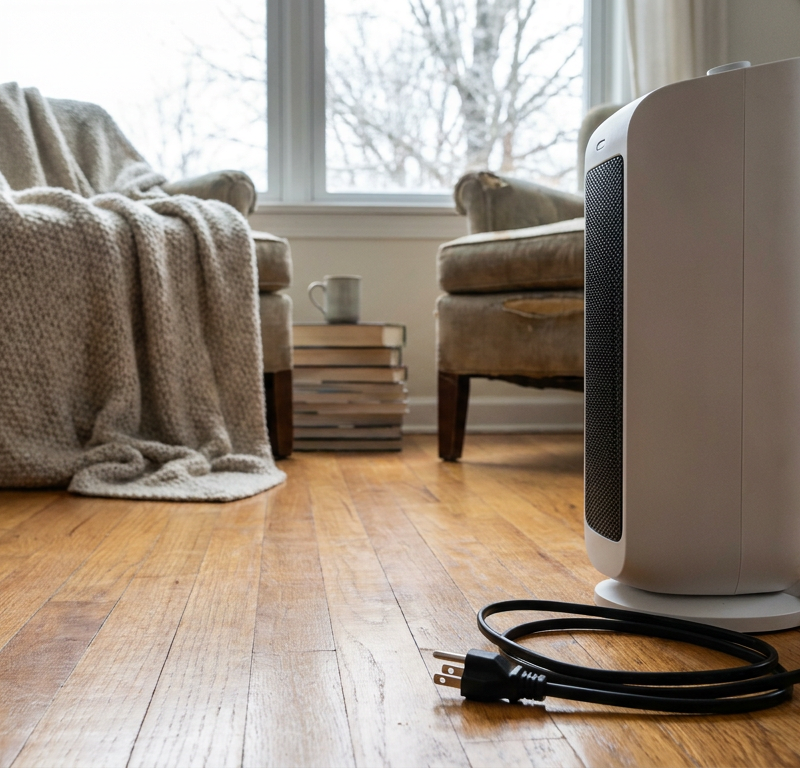
- Climate Control Options: Beyond insulation, think about a small electric heater, a portable AC unit, or for more permanent comfort, a mini-split HVAC system (which will likely require professional installation and permits).
- Security Matters: A shed office, by its nature, is detached. Ensure good locks on doors and windows, and consider an alarm system or motion-sensing lights for added security.
- Regular Maintenance: Periodically check your shed's exterior for new leaks, cracks, or pest intrusion to protect your investment and workspace.
When to Call a Professional
While much of a shed-to-office conversion is DIY-friendly, certain aspects absolutely warrant professional intervention. Always call a licensed electrician if you plan to hardwire new outlets, lighting circuits, or run a dedicated subpanel from your main electrical service. Improper electrical work is a serious fire hazard and can lead to electrocution. Similarly, if your existing shed has significant structural damage, a compromised foundation, or extensive rot, consult a general contractor or structural engineer. They can assess the integrity, recommend safe repairs, or advise if the shed is beyond reasonable repair. If your project involves adding plumbing for a sink or toilet, a licensed plumber is essential, and this will almost certainly trigger multiple permits. Navigating local building codes and permit applications can also be complex; if you're unsure about specific requirements, a local architect or general contractor familiar with your area's regulations can provide invaluable guidance and prevent costly mistakes down the line.
Related Articles
Keep troubleshooting with these hand-picked guides from FixlyGuide:
- The Single Board Secret to Attracting Bluebirds: A Quick DIY House — Discover how to construct an ideal bluebird house using just one cedar board, providing a safe and inviting home for these cherished backya…
- The Secret to Endless Hot Showers? It's Not Your Water Heater's Age — Inconsistent hot water or no hot water at all often points to a single, often overlooked culprit: the thermostat. Understanding its role is…
- The Secret Window AC Trick That Slashes Your Summer Electric Bill By 30% — Mastering simple window AC maintenance can significantly reduce your cooling costs and extend the life of your unit, often by more than 30%.
- The Secret Power Tool Hiding in Your Garage for a Speedier Clean — Unlock the hidden potential of your cordless drill to tackle stubborn household grime, soap scum, and dirt with specialized cleaning attach…
- The Single Cedar Board Secret to Attracting Bluebirds to Your Yard — Discover how to construct an ideal bluebird nesting box using just one cedar board, providing a safe and inviting habitat for these cherish…
- The Secret Culprit Behind Your Leaky Refrigerator (It’s Not Always the Water Line) — Discover the most common, often overlooked, reasons your refrigerator is leaking water and how to fix them with simple DIY steps.
What should this project cost?
Enter your project details for a realistic cost range before you call anyone.
Cost depends heavily on which system turns out to be the source.
- Regional adjustment
- National average
- Labor share (typical)
- ~$1,620
- Quotes to collect
- 3 written estimates
Educational estimate based on national averages — not a binding quote. Always confirm with written local estimates.
Get the print-ready PDF of this guide
A clean, ad-free, printable version you can keep on your phone or pin to the workshop wall. Free with a FixlyGuide account.
- Print-optimized layout
- Tools, materials & every step included
- Saved to your account
This article was independently written by FixlyGuide based on the source topic.
Frequently asked questions
Do I need a permit to convert a shed into an office?+
Whether you need a permit depends on your local building codes, jurisdiction, and the scope of your project. Small, non-structural conversions often don't require permits, especially if no new plumbing or significant electrical work is involved. However, any 'change of use' from storage to habitable space can sometimes trigger permit requirements. Always check with your local planning department first.
What's the best way to insulate a shed for an office?+
The best insulation method depends on your climate and budget. Rigid foam boards (R-5 to R-6.5 per inch) are excellent for walls, ceilings, and floors due to their high R-value and moisture resistance. Batt insulation (fiberglass or mineral wool) is also effective for walls and ceilings but requires a vapor barrier. Ensure all gaps are sealed to prevent thermal bridging and air leaks.
How do I get electricity to my shed office?+
For basic needs, a heavy-duty outdoor-rated extension cord from a GFCI outlet on your house can work temporarily. For permanent, robust power, consult a licensed electrician to install a dedicated circuit or subpanel, which typically involves trenching and conduit. Solar power kits and battery-operated lights are also options for minimal electrical needs and can often avoid permit requirements.
Can I add plumbing to my shed office?+
Adding plumbing (a sink or toilet) to a shed office is a significant undertaking that almost always requires extensive permits and the expertise of a licensed plumber. It involves trenching for water supply and waste lines, connecting to existing systems, and ensuring proper drainage and venting. This greatly increases complexity and cost compared to a project without plumbing.
How much does it cost to convert a shed into an office?+
The cost can vary widely, from a few hundred dollars for a basic, DIY-focused conversion using existing materials to several thousand dollars for a more elaborate project involving new insulation, interior finishes, and professional electrical work. Key cost drivers include the shed's initial condition, insulation choice, type of interior finishes, and whether you hire professionals for certain tasks like electrical or major repairs.

Discussion
Loading comments…