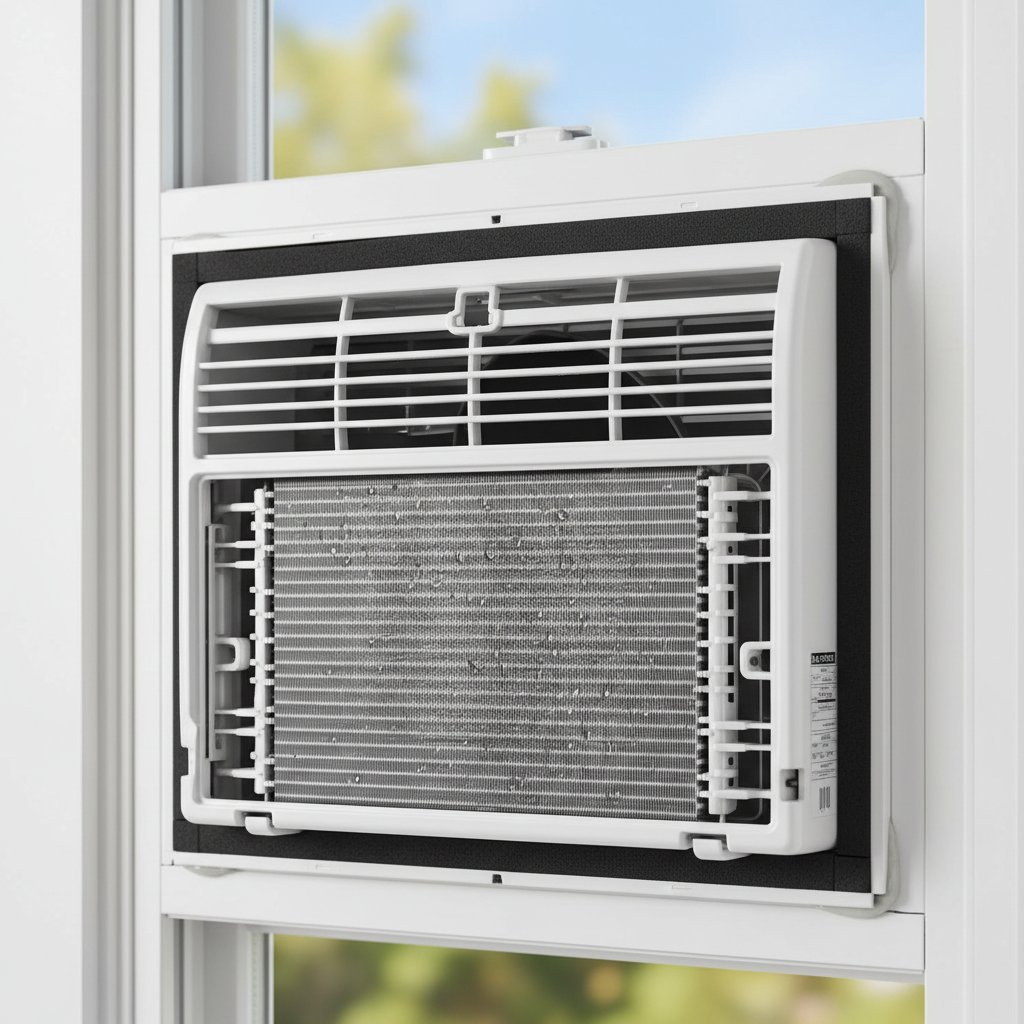
- Clean or Replace the Air Filter – Improve Airflow and Efficiency
- Locate the front grates on your AC unit. Most simply snap or slide open. Carefully remove the air filter.
- If permanent: Rinse thoroughly under cool, running water until all dust and debris are gone. Let it air dry completely before reinstalling.
- If disposable: Replace it with a new filter of the correct size. Check your owner's manual for the specific type (HEPA, MERV rating, etc.) and size.
- Frequency: Check monthly, clean/replace every 1–3 months depending on usage and household dust levels.
Published May 18, 2026Last updated August 17, 2026
Tools & materials you'll need
Affiliate linksAs an Amazon Associate FixlyGuide earns from qualifying purchases — at no extra cost to you. Prices and availability are accurate as of publication and subject to change.
Quick Answer
Optimizing your window air conditioner's performance through routine, homeowner-friendly maintenance can trim your summer electricity bills by up to 30% or more. The core strategies involve ensuring clean air filters and condenser coils, sealing air leaks around the unit, and correctly setting your thermostat. These actions prevent your AC from overworking, allowing it to cool your space more efficiently and economically.
The Problem
Many homeowners view their window air conditioners as "set it and forget it" appliances. They plug them in at the start of summer, enjoy the cool air, and then remove them (or leave them in) once the heat breaks. What's often overlooked is that neglected window AC units are silent energy vampires, silently inflating electric bills month after month. The primary culprit? Dirt, dust, and grime. Over a season, filters become caked with debris, condenser coils get coated, and seals around the window frame deteriorate. This forces the unit to work harder, consume more electricity, and deliver less effective cooling. This inefficiency doesn't just cost money; it also shortens the lifespan of the unit, leading to premature replacement.
How It Works
A window air conditioner operates on a basic refrigeration cycle, similar to your refrigerator but on a larger scale. It has three main components: a compressor, a condenser coil, and an evaporator coil, all connected by refrigerant lines. The evaporator coil, located inside your home, absorbs heat from the indoor air. A fan pulls warm room air over this cold coil, and as the refrigerant inside the coil evaporates, it draws heat out of the air. This cooled air is then blown back into the room. The now-heated refrigerant travels to the compressor, which pressurizes it, raising its temperature and pressure. The hot, high-pressure refrigerant then moves to the condenser coil, located on the outside of your home. Another fan blows outdoor air over the condenser coil, allowing the refrigerant to release the absorbed heat to the outside environment as it condenses back into a liquid state. The cooled liquid refrigerant then passes through an expansion valve, where its pressure and temperature drop before it returns to the evaporator coil to repeat the cycle. Any obstruction to airflow—like a dirty filter or grimy coils—or any air leak around the unit forces the compressor to run longer and harder to achieve the desired cooling, directly translating to higher energy consumption and wear on components.
Step-by-Step Fix
Here’s how to give your window AC the tune-up it needs to save you money and keep you cool all summer:
-
Safety First—Unplug the Unit – Crucial Safety Step
- Before touching any part of your AC, always unplug it from the wall outlet. This eliminates any risk of electrical shock. Do not just turn it off; physically remove the plug.
-
Clean or Replace the Air Filter – Improve Airflow and Efficiency
- Locate the front grates on your AC unit. Most simply snap or slide open. Carefully remove the air filter.
- If permanent: Rinse thoroughly under cool, running water until all dust and debris are gone. Let it air dry completely before reinstalling.
- If disposable: Replace it with a new filter of the correct size. Check your owner's manual for the specific type (HEPA, MERV rating, etc.) and size.
- Frequency: Check monthly, clean/replace every 1–3 months depending on usage and household dust levels.
-
Clean the Evaporator Coils – Enhance Heat Absorption and Cooling
- With the front grille removed (where the filter sits), you'll see the evaporator coil, which looks like a series of thin metal fins.
- Gently use a soft brush or a vacuum cleaner with a brush attachment to remove accumulated dust, pet hair, and lint from the coil fins. Work carefully to avoid bending the delicate fins.
- For stubborn grime, use a specialized no-rinse evaporator coil cleaner (found at hardware stores) that you spray on and allow to drip into the condensate pan. Follow product instructions meticulously.
- If this doesn't work: If coils are heavily corroded or frozen solid even after cleaning, you might have a refrigerant leak or compressor issue, requiring professional service.
-
Clear the Condensate Drain Pan – Prevent Leaks and Mildew
- The condensate pan collects water that drips from the evaporator coil. It's usually located beneath the evaporator coil.
- Check for standing water, mold, or blockages. Use a wet/dry shop vacuum to clear any clogs in the drain pan or the small drain hose (if present).
- A small amount of distilled white vinegar can be poured into the pan (if accessible) to inhibit mold growth.
-
Clean the Condenser Coils (Outdoor Side) – Optimize Heat Rejection
- This coil is on the exterior side of your AC unit. Depending on your unit's design, you may need to carefully slide the unit out of its sleeve or unfasten the outer casing panels. Consult your owner's manual.
- With a stiff brush or a coil fin comb, gently remove debris like leaves, grass clippings, and dirt from between the fins.
- Spray the coil with a garden hose (low pressure) to rinse away dirt. You can also use a dedicated condenser coil cleaner for a deeper clean, following its instructions.
- Safety Note: Be extremely careful not to spray water directly into any electrical components or fan motors.
-
Straighten Bent Coil Fins – Improve Airflow
- The aluminum fins on both the evaporator and condenser coils can bend easily, restricting airflow.
- Using a fin comb (a specialized tool available at hardware stores), gently straighten any bent fins. This improves heat exchange efficiency.
-
Inspect and Seal Window Gaps – Prevent Cooled Air Escape
- Once the unit is back in the window, or if it remained, visually inspect all around the unit where it meets the window frame and sash.
- Use foam weather stripping, caulk, or specialized AC insulation panels to seal any gaps. This prevents cooled air from escaping and hot air from entering your room.
-
Check for Proper Drainage Angle – Ensure Water Exits Correctly
- Window AC units are designed to tilt slightly downward toward the exterior to allow condensate to drain properly.
- Ensure the unit has a slight downward slope (about 1/4 inch per foot) to the outside. Shimming the interior side with small wooden blocks or shims can correct this if needed.
- Incorrect drainage can lead to water pooling inside the unit or even dripping into your home.
Common Causes
- Neglected Filters: The most common culprit. A dirty filter chokes airflow, forcing the compressor to work harder and longer.
- Cruddy Coils: Over time, evaporator and condenser coils collect dust, dirt, and pet hair, insulating them and reducing their ability to exchange heat effectively.
- Poor Window Sealing: Gaps around the window unit allow valuable cooled air to escape and hot, humid air to infiltrate, reducing efficiency dramatically.
- Improper Thermostat Settings: Setting the thermostat too low, or constantly adjusting it, causes the unit to run continuously and inefficiently.
- Obstructed Airflow: Furniture, curtains, or plants blocking the unit's intake or exhaust vents can restrict airflow and hinder performance.
Common Mistakes
- Ignoring the Owner's Manual: Many homeowners skip reading the manual, missing crucial maintenance instructions specific to their model.
- Cleaning Only the Filter: While important, the filter is just one part. Coils and drainage systems also need attention for optimal performance.
- Using Harsh Cleaners: Abrasive chemicals or high-pressure washers can damage delicate coil fins and internal components.
- Bent Fins: Using an aggressive brush or vacuum directly on the coils without care can bend fins, impeding airflow.
- Not Sealing Around the Unit: Many DIYers simply install the unit and neglect the critical step of sealing drafts, losing significant cooling power.
- Assuming All Noise is Bad: Some operational noises are normal. However, grinding, clanging, or excessive rattling often signal a more serious mechanical issue.
Cost & Time Breakdown
| Task | DIY cost | Pro cost | Time |
|---|---|---|---|
| Filter Cleaning/Replacement | $0–$25 | N/A | 5–10 minutes |
| Coil Cleaning (Evaporator/Condenser) | $5–$20 | $100–$200 | 30–60 minutes |
| Drain Pan Clearing | $0 | N/A | 10–15 minutes |
| Fin Straightening | $10–$15 | Inc. w/ cleaning | 10–20 minutes |
| Window Sealing/Weatherstripping | $5–$20 | N/A | 15–30 minutes |
| Total Annual Maintenance | $10–$80 | $100–$200+ | 1–2 hours |
Tips & Prevention
- Regular Filter Checks: Make it a habit to check your air filter monthly, especially during peak cooling season. Clean or replace as needed.
- Seasonal Deep Clean: Perform a thorough cleaning of coils and drain pan at the start of each cooling season for optimal performance.
- Seal Annually: Re-check and re-seal around your window unit every spring to prevent air leaks from developing due to seasonal expansion and contraction.
- Use a Programmable Thermostat: If your unit has one, program it to raise the temperature when you're away and lower it before you return, reducing unnecessary operation.
- Shade the Unit: If possible, try to shade the exterior side of your window AC unit from direct afternoon sun. This can reduce the workload on the condenser coil.
- Keep Vents Clear: Ensure drapes, blinds, or furniture aren't blocking the intake or exhaust vents of the unit, allowing for unrestricted airflow.
When to Call a Professional
While much of window AC maintenance is homeowner-friendly, some issues clearly indicate it's time to call an HVAC professional. If your unit is blowing warm air despite a clean filter and coils, it could signal a refrigerant leak, which requires a licensed technician to diagnose and repair. Persistent icing on the coils, even after cleaning, also points to potential refrigerant issues or insufficient airflow that DIY efforts can't resolve. Additionally, if the unit emits unusual grinding, burning, or loud banging noises, or if you notice an electrical burning smell, unplug it immediately and contact a pro. These symptoms suggest internal component failure (like the compressor or fan motor) that requires specialized tools, diagnostic equipment, and expertise beyond basic homeowner maintenance. Attempting to repair major internal components can be dangerous and void any remaining warranty on your unit.
Related Articles
Keep troubleshooting with these hand-picked guides from FixlyGuide:
- The Surprising Trick to Cutting Your Dryer Bill By $100 Per Year — Installing a clothesline can significantly reduce your energy bills and add a fresh scent to your laundry. This guide covers how to choose…
- The Hidden Reason Your AC Isn't Cooling (And 7 Fixes Homeowners Miss) — If your central AC isn't cooling your home, the culprit often lies in an overlooked issue that's simple to fix, preventing costly professio…
- The Hidden Culprit Behind Your AC Not Cooling (and How to Find It) — If your central AC isn't cooling your home, the issue often stems from a surprisingly simple problem that's easy to overlook. Learn how to…
- The Hidden Reason Your AC Isn't Cooling (And Why Most Homeowners Get It Wrong) — When your central AC unit isn't cooling, the culprit often isn't what you think, leading to frustration and unnecessary repair calls.
- The 12 Checks That Prevent 80% of Costly Home Repairs — Don't wait for a disaster. Our comprehensive monthly home maintenance checklist reveals the surprising, simple tasks that catch small issue…
- The 30-Minute Trick to Stop Your Ceiling Fan From Wobbling (No Disassembly Needed!) — A wobbling ceiling fan is more than annoying; it can shorten the life of your fan. Learn how to quickly diagnose and fix the imbalance.
Your seasonal maintenance checklist
The small jobs that prevent the expensive repairs. Tick them off — progress saves on this device.
Free, no signup. Skip anything that requires roof access or working near live electrical.
Estimate your own project cost
National averages are a starting point. Enter your details for a range that fits your house.
HVAC replacement cost
- Equipment$2,200 – $3,800
- Installation labor$1,200 – $2,500
Always insist on a Manual J load calculation — sq-ft sizing is only a rough check. Federal heat-pump rebates may reduce cost significantly.
Educational estimate only — always confirm with written local bids.
What should this project cost?
Enter your project details for a realistic cost range before you call anyone.
Service calls and common repairs run $150–$900; full system replacement typically $6,000–$12,000.
- Regional adjustment
- National average
- Labor share (typical)
- ~$1,935
- Quotes to collect
- 3 written estimates
Educational estimate based on national averages — not a binding quote. Always confirm with written local estimates.
Fixly Project Decision Box
- DIY difficulty
- Advanced
- Estimated time
- Homeowner checks 20–30 minutes
- Cost level
- Moderate
Main tools / materials
- Clean air filter
- Garden hose for condenser coils
- Shop vac for the condensate line
When to stop and call a pro
- Burning smell, smoke, or a tripping breaker
- Refrigerant lines iced over or hissing
- Any work inside the sealed refrigerant circuit (EPA-licensed only)
- Gas smell near a furnace — leave and call the utility
Need professional help?
Find an HVAC Pro Near YouStay ahead of the next repair
Turn this guide into a schedule you will actually follow.
Free, no signup required. Estimates are educational guidance, not a quote or an inspection.
Get the print-ready PDF of this guide
A clean, ad-free, printable version you can keep on your phone or pin to the workshop wall. Free with a FixlyGuide account.
- Print-optimized layout
- Tools, materials & every step included
- Saved to your account
This article was independently written by FixlyGuide based on the source topic.
Frequently asked questions
How often should I clean my window AC filter?+
You should check your reusable filter monthly and clean it every 1 to 3 months, or more frequently if you have pets or high dust levels. Disposable filters should be replaced on a similar schedule.
Can a dirty AC impact my health?+
Yes, a dirty AC can circulate dust, allergens, mold spores, and other irritants throughout your home, potentially aggravating allergies, asthma, and other respiratory conditions.
What tools do I need to clean my window AC?+
Basic tools include a soft brush, vacuum with a brush attachment, garden hose, fin comb (optional), and possibly some coil cleaner and weatherstripping material. Often, you already have most of what you need.
Why is my window AC blowing warm air after cleaning?+
If your AC blows warm air after cleaning, it could indicate a more serious underlying issue like a refrigerant leak, compressor failure, or a clogged drain line beyond your DIY fix. It's best to call a professional HVAC technician in this scenario.


Discussion
Loading comments…