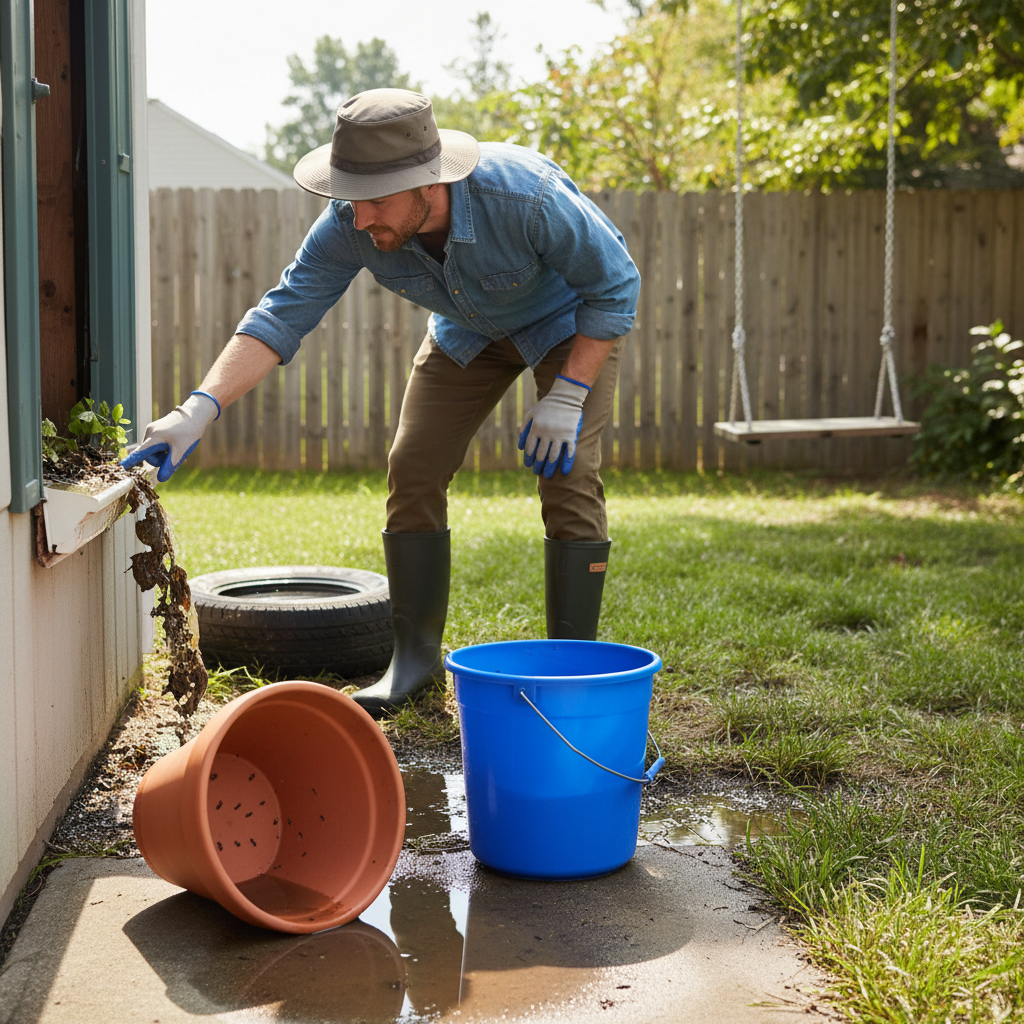
- Poor Water Management: Any container or natural depression that holds water for more than a few days becomes a mosquito breeding ground. This is by far the leading cause of mosquito infestations.
- Overgrown Landscaping: Dense shrubbery, tall grass, and excessive foliage create cool, humid microclimates where mosquitoes, ticks, and chiggers hide during the day.
- Exterior Lighting Choices: Bright, untargeted outdoor lighting, especially those emitting blue or UV light, attract a wide array of night-flying insects, which then become a nuisance or food for other pests.
- Pet Waste and Food Scraps: Uncleaned pet waste attracts flies. Leftover pet food or fallen fruit can attract ants, wasps, and other scavengers.
- Gaps in Home Sealing: Tears in screens, unsealed utility penetrations, and gaps under doors allow insects easy access indoors.
Published May 19, 2026Last updated August 17, 2026
Tools & materials you'll need
Affiliate linksAs an Amazon Associate FixlyGuide earns from qualifying purchases — at no extra cost to you. Prices and availability are accurate as of publication and subject to change.
Quick Answer
The biggest mistake homeowners make when trying to control backyard bugs is focusing solely on killing adult insects, neglecting to identify and eliminate their breeding grounds and larval stages. This oversight creates a continuous supply of new pests, rendering surface-level treatments ineffective. A truly bug-free backyard requires an integrated strategy: remove standing water, manage overgrown vegetation, use targeted larvicides, and consider natural predators to break the insect life cycle at its source.
The Problem
Is your backyard a battleground against mosquitoes, gnats, and other flying pests, despite your best efforts with sprays and candles? The frustration is real, and the culprit often isn't the insects themselves, but a fundamental misunderstanding of their biology. Most DIY bug control focuses on the visible, adult stage of insects. You spray a mosquito, it dies. Great! But what about the hundreds of mosquito larvae swimming in a nearby puddle, or the ticks hidden in tall grass waiting to latch on? This adult-centric approach is like trying to empty a bathtub with the faucet still running—you might make a dent, but you'll never solve the core problem. The result is a cycle of never-ending pest infestations that spoil outdoor gatherings, create itchy annoyances, and potentially expose your family and pets to vector-borne diseases.
The real issue is that many common backyard pests, from mosquitoes to fleas, have complex life cycles involving eggs, larvae, pupae, and adults. Each stage often thrives in different environments and requires different control methods. If you only target adults, you're missing the vast majority of the population and ensuring a fresh wave of new invaders will emerge shortly. This leads to wasted money on ineffective products and continued discomfort in your own yard.
How It Works
To effectively combat backyard pests, it's crucial to understand their basic life cycles and habitat preferences. Let's take mosquitoes, for example, as they are a common and particularly annoying offender. A female mosquito lays her eggs (sometimes hundreds at a time) on the surface of standing water or in areas that will soon be flooded. These eggs can remain viable for months, even through dry conditions. Once submerged in water, they hatch into larvae, often called "wigglers." These aquatic larvae feed on microorganisms in the water and develop over several days, molting through four instars (stages). After the larval stage, they morph into pupae, or "tumblers." Pupae are non-feeding but still aquatic, undergoing metamorphosis into the adult mosquito. Finally, the adult mosquito emerges from the water, dries its wings, and is ready to fly, feed, and reproduce, starting the cycle anew.
This entire process, from egg to adult, can take as little as 5-7 days in warm conditions. This rapid cycle highlights why simply killing adult mosquitoes is a losing battle. If you don't eliminate the standing water where the eggs, larvae, and pupae are developing, you're constantly fighting a fresh emergence. Other pests have similar, though varied, life cycles. Ticks, for instance, go through egg, larva, nymph, and adult stages, often feeding on different hosts at each stage and preferring brushy, wooded areas. Fleas also have eggs, larvae, pupae, and adults, with larvae often found in pet bedding, carpets, or soil. Understanding these cycles allows for targeted interventions that disrupt the breeding process, which is far more effective and sustainable than just swatting at flying adults.
Step-by-Step Fix
1. Identify and Eliminate Standing Water — The single most critical step for mosquito control.
- Inspect your entire property for any containers holding water. This includes bird baths, old tires, clogged gutters, tarps with puddles, pet water bowls, children's toys, planter saucers, and even indentations in leaves.
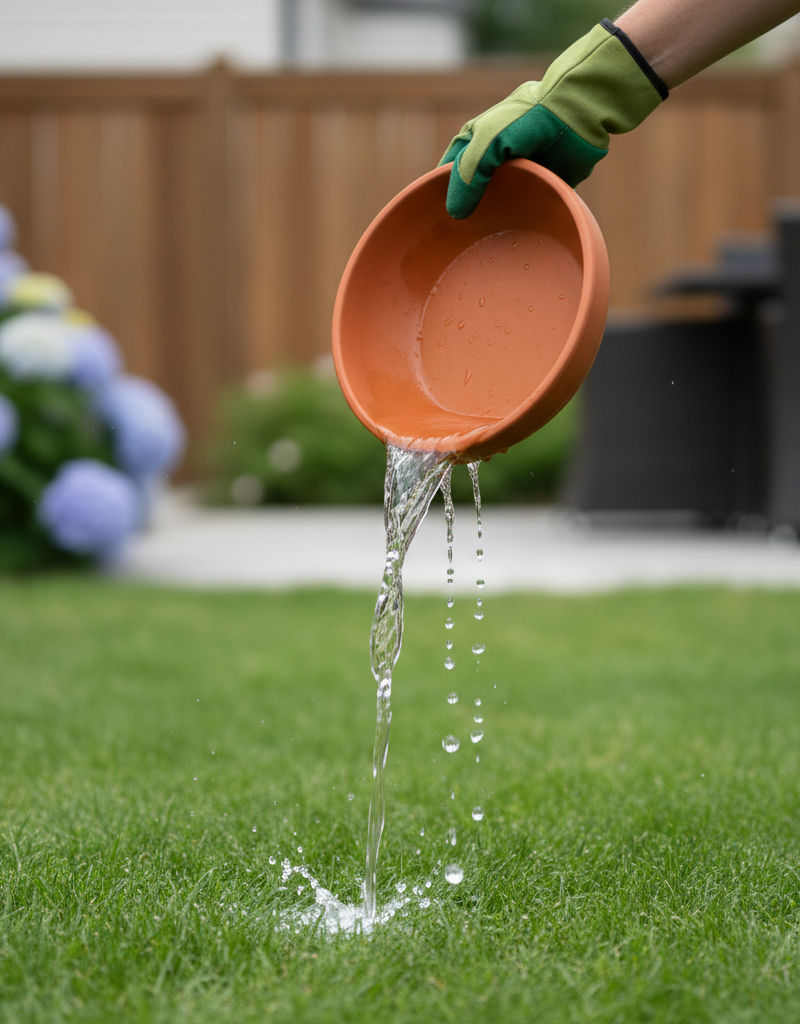
- Action: Dump out standing water every 2-3 days. For bird baths, clean and refill regularly. Ensure gutters are free-flowing. Drill drainage holes in the bottom of outdoor trash cans or recycling bins. For larger, unavoidable water features like ornamental ponds, consider adding a mosquito larvicide (like Bti dunks) or stocking with mosquito-eating fish (e.g., gambusia).
- If this doesn't work: Consider that your neighbor's property might be a breeding ground. Talk to them or contact your local public health department if it's a significant issue.
2. Manage Landscape and Vegetation — Reduce harborage for many insects.
- Overgrown shrubs, tall grass, leaf piles, and dense groundcover provide cool, moist resting spots for mosquitoes, ticks, and other pests.
- Action: Mow your lawn regularly, keeping grass short (but not so short it stresses the turf). Trim back overgrown bushes and tree branches. Clear away leaf litter, woodpiles, and other organic debris from around your home and patio areas. Create a buffer zone of finely mowed grass or gravel between wooded areas and your active yard.
3. Use Targeted Larvicides (Bti) — Attack mosquitoes before they fly.
- Bacillus thuringiensis israelensis (Bti) is a naturally occurring bacterium that is toxic only to the larvae of mosquitoes, black flies, and fungus gnats. It's harmless to people, pets, fish, and other wildlife.
- Action: Apply Bti "dunks" or granules to standing water that cannot be easily emptied (e.g., rain barrels, stagnant ditches, forgotten planters). One dunk typically treats 100 square feet of water for up to 30 days. Always follow product instructions carefully.
4. Screen Your Home and Outdoor Structures — Keep pests where they belong.
- Torn window and door screens are an open invitation for mosquitoes and flies to enter your home or screened porch.
- Action: Inspect all screens on windows, doors, and screened enclosures. Patch small holes with screen repair kits or replace heavily damaged screens. Ensure doors sweep properly and seal completely when closed.
5. Install Outdoor Fans — A simple yet effective physical deterrent.
- Mosquitoes, being weak fliers, struggle against even a moderate breeze.
- Action: Place oscillating outdoor fans on your patio or deck. Position them to create a continuous airflow across your seating areas. This also helps disperse the CO2 and scent plumes that attract mosquitoes to hosts.
6. Consider Insect-Repelling Plants (Strategically) — A natural layer of defense, but not a standalone solution.
- Certain plants like citronella, lemon balm, marigolds, and catnip are often touted for their insect-repelling properties due to aromatic compounds.
- Action: While attractive, these plants primarily repel insects when their leaves are crushed and oils released. For modest effect, plant them in containers or garden beds close to seating areas where you might brush against them, releasing their deterrent scents. Don't rely on them as your sole defense.
7. Use Appropriate Personal Repellents — For direct protection when outdoors.
- When spending time in bug-heavy areas, personal repellents are your last line of defense.
- Action: Choose EPA-registered repellents containing DEET, picaridin, oil of lemon eucalyptus (OLE), or IR3535. Apply according to package directions, especially during peak insect activity (dawn and dusk for mosquitoes). Remember that natural essential oil repellents often require more frequent reapplication and may offer less robust protection.
- Safety Note: Always read and follow repellent label instructions, especially when applying to children. Do not apply DEET under clothing.
Common Causes
- Poor Water Management: Any container or natural depression that holds water for more than a few days becomes a mosquito breeding ground. This is by far the leading cause of mosquito infestations.
- Overgrown Landscaping: Dense shrubbery, tall grass, and excessive foliage create cool, humid microclimates where mosquitoes, ticks, and chiggers hide during the day.
- Exterior Lighting Choices: Bright, untargeted outdoor lighting, especially those emitting blue or UV light, attract a wide array of night-flying insects, which then become a nuisance or food for other pests.
- Pet Waste and Food Scraps: Uncleaned pet waste attracts flies. Leftover pet food or fallen fruit can attract ants, wasps, and other scavengers.
- Gaps in Home Sealing: Tears in screens, unsealed utility penetrations, and gaps under doors allow insects easy access indoors.
- Negligent Neighbors: Even if your yard is pristine, a nearby neighbor's neglected swimming pool, tire pile, or unmanaged pond can be a continuous source of pests.
Common Mistakes
- Only Spraying Adults: Believing that bug sprays alone will solve the problem. This is a temporary measure that doesn't disrupt the breeding cycle.
- Ignoring Larval Control: Failing to inspect and treat standing water for mosquito larvae, which are much easier to kill than flying adults.
- Over-reliance on "Bug Zappers": Zappers kill beneficial insects along with some nuisance pests but are generally ineffective against biting mosquitoes and often attract more insects to your yard than they kill.
- Applying Repellents Incorrectly: Spritzing personal repellent into the air and walking through it, rather than applying directly and evenly to exposed skin and clothing.
- Planting Citronella Plants and Expecting Magic: Assuming a citronella plant in a pot will create a bug-free bubble. The oils must be released to be effective.
- Not Addressing Neighboring Issues: Allowing a neighbor's property to be a bug haven and expecting your efforts to fully protect your own yard.
Cost & Time Breakdown
| Task | DIY cost | Pro cost | Time |
|---|---|---|---|
| Inspect & Empty Water Sources | $0 | N/A | 15–30 min |
| Lawn Mowing & Trimming | $0–$50 (DIY) | $50–$100 (Pro) | 1–2 hours |
| Bti Larvicide Application | $10–$20 | N/A | 5–10 min |
| Screen Repair | $10–$50 | $75–$200+ | 30 min–2 hours |
| Outdoor Fan Setup | $50–$200 | N/A | 10–20 min |
| Professional Pest Treatment | N/A | $100–$300 (per visit) | 30–60 min |
Tips & Prevention
- Weekly Water Patrol: Make it a habit to walk your property once a week after rain to dump out any accumulated standing water. This is especially crucial during warmer months.
- Proper Drainage: Ensure your yard has good drainage to prevent puddles. Consider French drains or regrading if persistent low spots collect water.
- Maintain Gutters: Clean your gutters twice a year, especially in spring and fall, to prevent clogs that trap water.
- Optimal Mowing Height: While shorter grass deters some pests, avoid scalping your lawn. Mowing at the higher end of the recommended range (typically 2-3 inches for most turf types) promotes healthier grass that can better resist various stresses.
- Swap Light Bulbs: Replace traditional incandescent or halogen outdoor bulbs with yellow "bug light" LEDs. Insects are less attracted to the longer wavelengths of yellow light.
- Dress Smart: When in tick or mosquito-heavy areas, wear long sleeves, long pants, and light-colored clothing to make it easier to spot pests. Tuck pant legs into socks.
When to Call a Professional
While many backyard bug issues can be managed with consistent DIY efforts, there are situations where calling a professional pest control service is warranted. If you have a persistent, overwhelming infestation of mosquitoes despite diligent efforts to eliminate standing water and apply larvicides, a professional can conduct a detailed property assessment, identify hidden breeding sites, and apply targeted treatments safely and effectively. For extensive tick infestations in wooded or heavily vegetated areas bordering your property, a professional can apply barrier sprays that create a perimeter of protection. Additionally, if you're dealing with stinging insects like hornets or wasps building nests in high-traffic areas, or termites, professional intervention is always the safest and most effective course of action to ensure complete eradication and prevent dangerous encounters.
Related Articles
Keep troubleshooting with these hand-picked guides from FixlyGuide:
- The Secret to Lush Raised Beds? It's Not Just About How You Water — Smart irrigation for raised garden beds isn't just about automation; it's about delivering the right amount of water precisely when your pl…
- The 5-Minute Trick to Vacation-Proof Your Garden (Before You Leave Town) — Prevent your garden from wilting while you're away with simple, proactive steps that ensure lush growth and minimal fuss upon your return.
- The Hidden Reason Your GFCI Trips (It's Not Always a Faulty Outlet) — A continuously tripping GFCI outlet is a critical safety warning, often indicating moisture, a faulty appliance, or a wiring problem that r…
- The Secret to Scoring Deep Grill Discounts (Before Everyone Else Does) — Unlock massive savings on top-brand grills and outdoor cooking essentials by understanding the overlooked retail inventory cycles before Me…
- Is That Sweet Car Smell a Secret Killer? (& 6 Other Odors to Watch For) — Unusual odors in your car aren't just unpleasant; they're often critical warnings of underlying mechanical issues that could compromise saf…
- The #1 Mosquito Mistake Homeowners Make (and 4 Natural Ways to Fix It) — Discover the biggest mistake homeowners make in mosquito control and learn four effective, natural strategies to reclaim your backyard from…
What should this project cost?
Enter your project details for a realistic cost range before you call anyone.
Cost depends heavily on which system turns out to be the source.
- Regional adjustment
- National average
- Labor share (typical)
- ~$1,620
- Quotes to collect
- 3 written estimates
Educational estimate based on national averages — not a binding quote. Always confirm with written local estimates.
This article was independently written by FixlyGuide based on the source topic.
Frequently asked questions
Why do I still have mosquitoes even after spraying?+
You likely only killed the adult mosquitoes. The most common mistake is ignoring their breeding grounds (standing water), where eggs, larvae, and pupae develop. New mosquitoes will constantly emerge from these untreated areas.
Are 'bug zappers' effective against mosquitoes?+
No, bug zappers are generally ineffective against biting mosquitoes and often kill beneficial insects instead. Mosquitoes are attracted to CO2 and scent, not primarily light, and zappers can even draw more insects to your yard.
What are Bti dunks and how do they work?+
Bti (Bacillus thuringiensis israelensis) dunks are biological larvicides that contain a naturally occurring bacterium toxic only to mosquito larvae, black flies, and fungus gnats. When placed in standing water, the larvae ingest the Bti, which disrupts their digestive system and kills them before they can develop into flying adults.
How often should I check my yard for standing water?+
During warm weather, you should inspect your yard for standing water at least once or twice a week, ideally every 2-3 days, as mosquito eggs can hatch and develop into adults in as little as 5-7 days.


Discussion
Loading comments…