- The 3 Hidden Water Sources Breeding Mosquitoes in Your Yard (And How to Eliminate Them) — Naturally control mosquitoes in your backyard by targeting and eliminating hidden standing water sources where they breed, using simple, ec…
- The 1 Mosquito Mistake Homeowners Make (and 3 Natural Fixes) — Discover the biggest mistake homeowners make in mosquito control and learn three natural, effective fixes to reclaim your backyard without…
- The 1 Mistake Turning Your Green Lawn Brown After Watering — Watering your lawn should make it greener, but brown spots appearing afterward can signal common issues like overwatering, fungal disease,…
- The 1 Sprinkler Winterizing Mistake That Leads to $1,000s in Damage — Learn how to properly winterize your sprinkler system and avoid costly damage from freezing temperatures with this comprehensive guide.
- The 3 Hidden Reasons Your Tree Leaves Turn Brown (and the Easy Fixes) — Discover the often-overlooked environmental stressors and specific diseases that cause tree leaves to brown, and learn simple, actionable s…
Landscaping · Deck or fence project
| Project category | Landscaping |
|---|---|
| Problem type | Deck or fence project |
| Trade required | Landscaping |
| Urgency | Planned project |
| Safety risk | Moderate safety risk |
| DIY suitability | DIY for experienced homeowners |
| Cost category | High cost |
| Typical timeline | Most builds 3–10 days depending on size |
| Contractor type | Landscaping contractor |
Repair option
Replace failed boards, posts, and hardware; reseal the surface.
Replacement option
Rebuild when framing or the ledger connection is unsafe.
Common causes
- Rot at posts and ledger
- Storm damage
- Adding outdoor living space
Relevant tools:home improvement material pricesproject cost estimator
Published May 6, 2026Last updated August 17, 2026
Tools & materials you'll need
Affiliate linksAs an Amazon Associate FixlyGuide earns from qualifying purchases — at no extra cost to you. Prices and availability are accurate as of publication and subject to change.
Quick Answer
Mosquitoes continue to infest yards after spraying primarily because sprays don't eliminate hidden breeding grounds. Female mosquitoes lay eggs in even tiny amounts of standing water, and these larvae are often unaffected by adulticide sprays. Identifying and removing these overlooked water sources—from clogged gutters to forgotten frisbees—is crucial for long-term mosquito control that goes beyond surface-level spraying.
The Problem
You’ve done everything right. You’ve hired a pest control company, or maybe you’ve diligently applied your own mosquito repellent across your yard. For a day or two, there’s a noticeable difference. Then, just when you think you’ve won the battle, the buzzing returns with a vengeance. Mosquitoes are back, perhaps even worse than before, making evening barbecues and morning coffees a bug-ridden nightmare. The frustrating truth is, spraying alone rarely provides a lasting solution because it often only targets adult mosquitoes. The real problem lies deeper: overlooked breeding grounds. These are the places where mosquitoes lay their eggs, allowing new generations to hatch and maintain the infestation cycle, completely unaffected by the surface treatments targeting adults. Until you eliminate these watery nurseries, your yard will remain a five-star resort for mosquitoes.
How It Works
To truly understand why mosquitoes persist, you need to grasp their life cycle. A mosquito's life involves four distinct stages: egg, larva, pupa, and adult. The crucial element connecting the first three stages is water. Female mosquitoes, after a blood meal (which they need to produce eggs), lay their eggs on or near standing water. These eggs can survive for months, even through dry spells or winter, waiting for the right conditions. Once submerged in water, they hatch into larvae, often called 'wigglers,' which live in the water and feed on microorganisms. After about 5–14 days, depending on temperature and species, these larvae transform into pupae, or 'tumblers.' The pupal stage is a non-feeding, transitional stage lasting 1–4 days, still within the water. Finally, the adult mosquito emerges from the pupal casing, dries its wings, and takes flight to seek nectar for energy and, for females, blood for reproduction. Most mosquito adulticides and yard sprays are designed to kill flying adult mosquitoes on contact or through residual effects on surfaces where they rest. They have little to no impact on eggs, larvae, or pupae hidden in water. This means that while a spray might temporarily reduce the adult population, any existing water sources will continue to churn out new adults, keeping your yard perpetually infested. Furthermore, mosquitoes have a relatively short life cycle, meaning a new generation can emerge in as little as a week. If breeding sites aren't addressed, the population quickly rebounds.
Step-by-Step Fix
1. Conduct a Thorough Water Audit — Systematically find and eliminate all standing water sources in your yard.
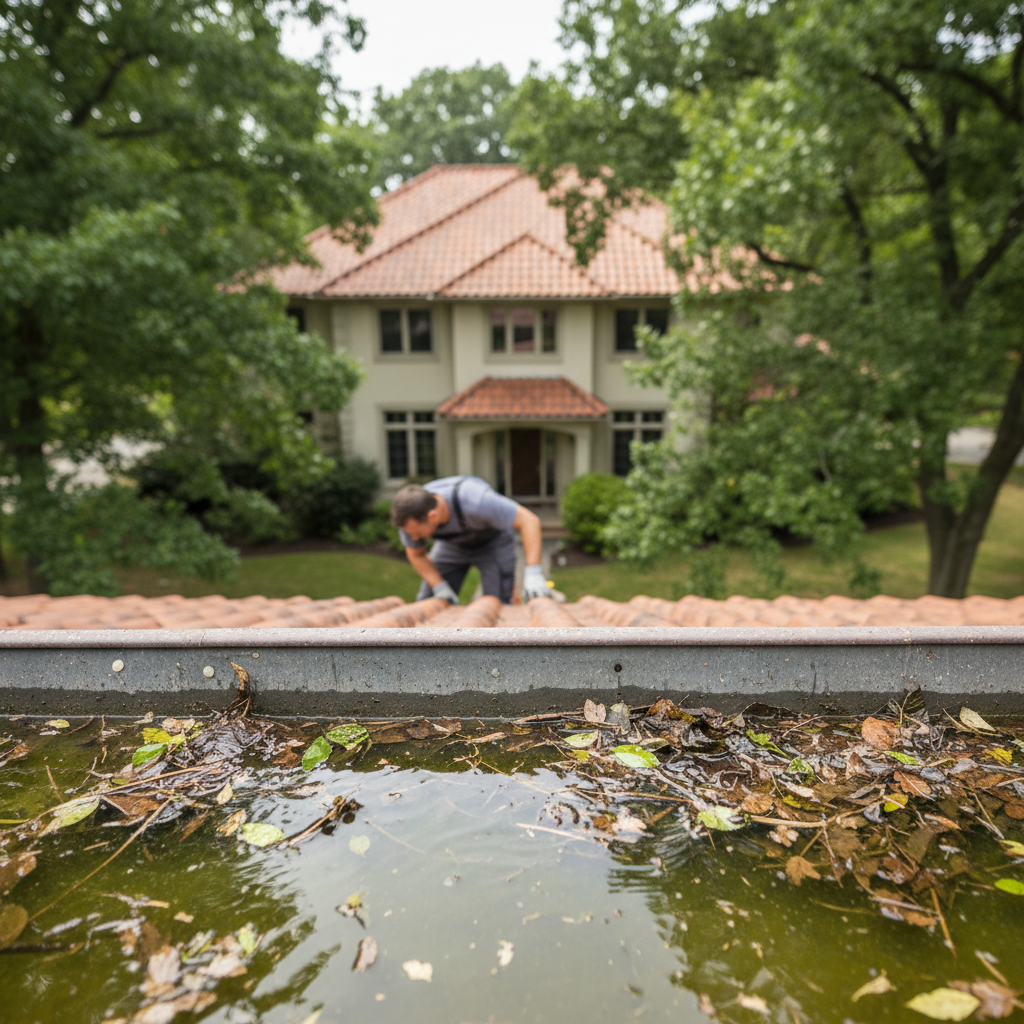
Begin by mentally dividing your yard into sections: front, back, sides, and specific areas like patios or gardens. Walk slowly through each section, searching every nook and cranny. Look for anything that can hold even a tablespoon of water. Common culprits include clogged gutters, old tires, overturned tarps, pet water bowls, bird baths, children's toys (buckets, wagons, frisbees), plant pot saucers, neglected fountains, poorly draining planter boxes, and even wrinkles in pool covers. Don't forget smaller, less obvious spots like divots in concrete, clogged storm drains, or areas where sprinkler systems create puddles. Take detailed notes or photos of each water source you find.
- Safety Note: Wear gloves when handling stagnant water or debris to avoid contact with bacteria or other organisms. Use a flashlight for dark areas like crawl spaces or beneath decks.
2. Eliminate or Treat Identified Breeding Grounds — Remove water, repair drainage issues, and treat unavoidable water sources.
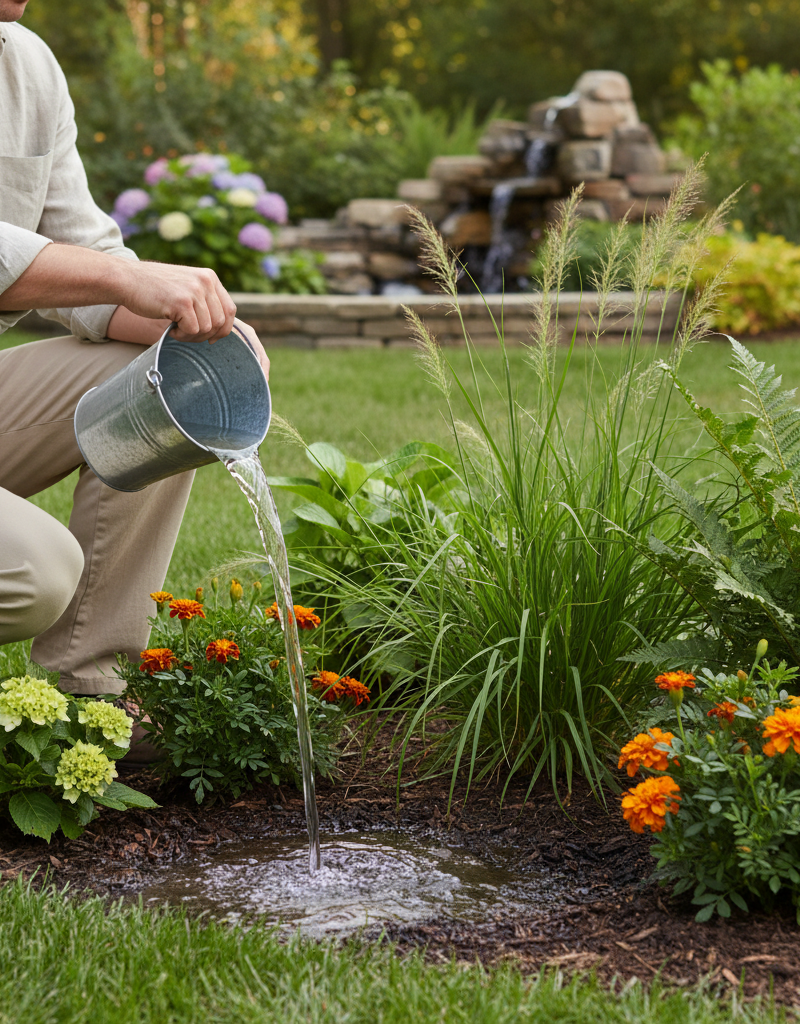
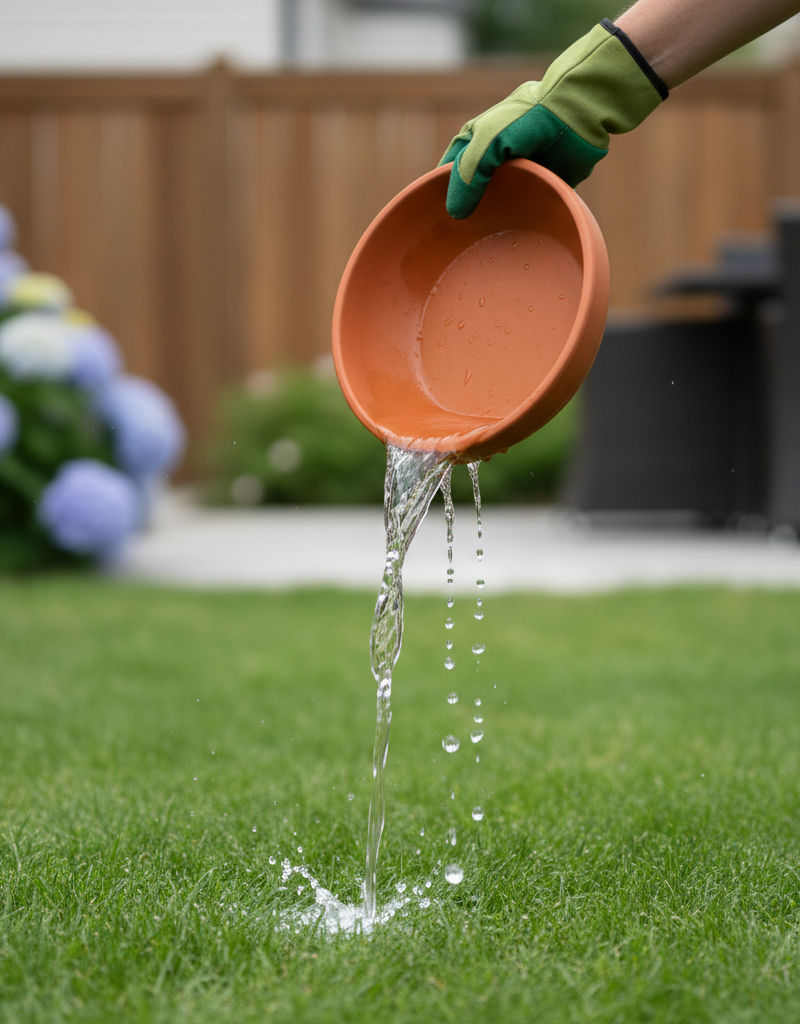
For ephemeral water sources like buckets, toys, or tarps, simply dump out the water and store them upside down, indoors, or under cover. For items like pet water bowls, change the water daily. Bird baths should be cleaned and refilled every 2-3 days. Clear clogged gutters and ensure downspouts direct water away from the house. Repair leaky outdoor faucets or irrigation systems. For decorative ponds or rain barrels that cannot be emptied, consider using mosquito dunks (Bti products), which kill mosquito larvae without harming other wildlife or pets. Follow product instructions carefully for dosage and frequency.
- If this doesn't work: Re-evaluate your water audit. Mosquitoes can breed in incredibly small amounts of water. Consider if your neighbors might have unaddressed standing water sources.
3. Address Standing Water in Planters and Containers — Prevent water accumulation in plant pots and their saucers.
Empty plant pot saucers every time you water. If plants require consistent moisture, consider placing gravel or pebbles in the saucer to elevate the pot slightly, preventing the saucer from becoming a self-contained pond. For larger, decorative planters, ensure they have drainage holes and aren't sitting in perpetually wet spots. You can also use mosquito dunks in large, outdoor ornamental planters if they consistently hold water and are not used for edible plants.
4. Maintain Your Landscape Proactively — Keep your yard tidy and improve drainage to discourage breeding.
Regularly mow your lawn to prevent tall grass that can harbor adult mosquitoes. Trim back overgrown shrubs and weeds, especially those near your house foundations or outdoor seating areas. Ensure your yard has proper grading so that rainwater flows away from your home and doesn't collect in depressions. Consider adding French drains or swales in areas prone to pooling. Regularly check for debris that can collect water, such as fallen leaves in hidden corners.
5. Secure and Inspect Rain Barrels — Ensure rain barrels are properly sealed and screened.
If you use rain barrels, ensure they are tightly sealed with a fine mesh screen over any openings, including the top and overflow spouts. This prevents adult mosquitoes from entering to lay eggs. Regularly check the screen for tears or gaps. You can also add mosquito dunks to rain barrels as a precautionary measure.
6. Maintain Swimming Pools and Hot Tubs — Properly cover and treat recreational water features.
When not in use, ensure swimming pools and hot tubs are properly covered. Even small amounts of water that collect on top of a pool cover can become breeding sites; frequently drain these puddles. Maintain proper chemical levels in pools and hot tubs as per manufacturer guidelines to deter mosquito activity. If pools are temporarily drained or unused, ensure they are completely dry or covered in a way that prevents water collection.
7. Consider Larvicides for Problem Areas (DIY) — Apply targeted larvicides in specific, consistent water sources.
For ornamental ponds, water features, or inaccessible drains that frequently accumulate water, consider applying Bti (Bacillus thuringiensis israelensis) larvicides. These come in granular, liquid, or
Related Articles
Keep troubleshooting with these hand-picked guides from FixlyGuide:
- The 3 Hidden Water Sources Breeding Mosquitoes in Your Yard (And How to Eliminate Them) — Naturally control mosquitoes in your backyard by targeting and eliminating hidden standing water sources where they breed, using simple, ec…
- The #1 Mosquito Mistake Homeowners Make (and 3 Natural Fixes) — Discover the biggest mistake homeowners make in mosquito control and learn three natural, effective fixes to reclaim your backyard without…
- The #1 Mistake Turning Your Green Lawn Brown After Watering — Watering your lawn should make it greener, but brown spots appearing afterward can signal common issues like overwatering, fungal disease,…
- The #1 Sprinkler Winterizing Mistake That Leads to $1,000s in Damage — Learn how to properly winterize your sprinkler system and avoid costly damage from freezing temperatures with this comprehensive guide.
- The 3 Hidden Reasons Your Tree Leaves Turn Brown (and the Easy Fixes) — Discover the often-overlooked environmental stressors and specific diseases that cause tree leaves to brown, and learn simple, actionable s…
- The #1 Mistake Homeowners Make After Finding Missing Shingles (And How to Fix It Right) — Discover the crucial steps to take after a storm rips shingles from your roof, ensuring a proper, lasting repair and preventing costly futu…
What should this project cost?
Enter your project details for a realistic cost range before you call anyone.
Cost depends heavily on which system turns out to be the source.
- Regional adjustment
- National average
- Labor share (typical)
- ~$1,620
- Quotes to collect
- 3 written estimates
Educational estimate based on national averages — not a binding quote. Always confirm with written local estimates.
Frequently asked questions
Why are mosquitoes still in my yard after pest control sprayed?+
Pest control sprays primarily target adult mosquitoes. If hidden breeding grounds (standing water with eggs, larvae, or pupae) are not eliminated, new mosquitoes will continuously hatch, quickly repopulating your yard.
What are common hidden mosquito breeding spots?+
Common hidden spots include clogged gutters, plant pot saucers, old tires, tarps with water puddles, children's toys left outside, bird baths (if not changed regularly), leaky outdoor faucets, and even small depressions in the ground that collect rainwater.
How often should I check for standing water?+
During mosquito season, especially after rainfall or watering, you should check your yard for standing water at least once or twice a week. It only takes a few days for mosquito eggs to hatch and develop into flying adults.
Can mosquito dunks be used in all water sources?+
Mosquito dunks (containing Bti) are safe for most non-potable water sources like bird baths, ornamental ponds, and rain barrels. Always read the product label to ensure it's appropriate for your specific application and to avoid use in drinking water sources.

Discussion
Loading comments…