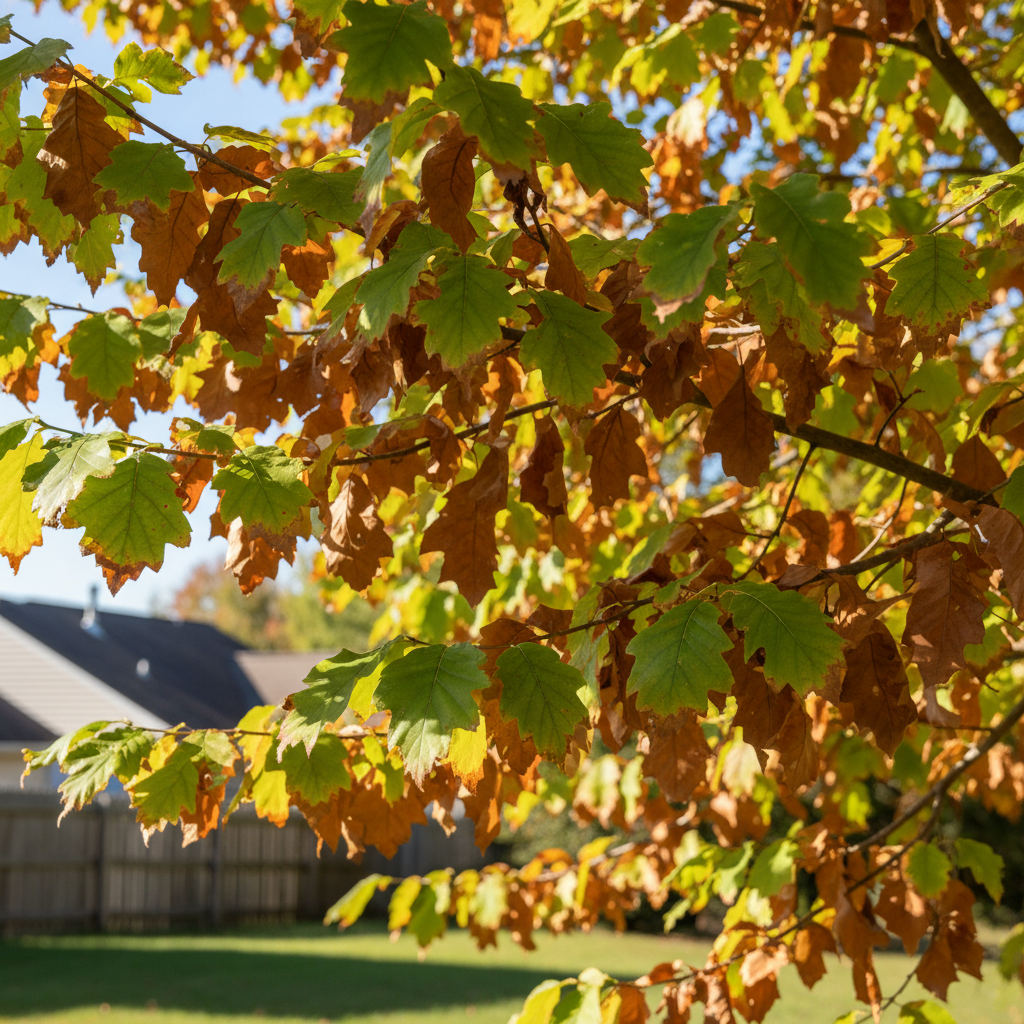
- Transplant shock: If the tree was recently planted, browning can be a symptom of transplant shock. Ensure proper planting depth, consistent moisture, and consider applying a rooting hormone or transplant solution.
- Chemical exposure: Herbicides used on lawns can drift and damage tree leaves. Observe if browning patterns are consistent with herbicide damage (e.g., one side of the tree affected). Avoid spraying herbicides near trees.
- Salt damage: In coastal areas or where de-icing salts are used, salt can accumulate in the soil and cause leaf browning. Flush the soil with fresh water in late winter/early spring if needed, and consider planting salt-tolerant species.
Landscaping · Deck or fence project
| Project category | Landscaping |
|---|---|
| Problem type | Deck or fence project |
| Trade required | Landscaping |
| Urgency | Planned project |
| Safety risk | Moderate safety risk |
| DIY suitability | DIY for experienced homeowners |
| Cost category | High cost |
| Typical timeline | Most builds 3–10 days depending on size |
| Contractor type | Landscaping contractor |
Repair option
Replace failed boards, posts, and hardware; reseal the surface.
Replacement option
Rebuild when framing or the ledger connection is unsafe.
Common causes
- Rot at posts and ledger
- Storm damage
- Adding outdoor living space
Relevant tools:home improvement material pricesproject cost estimator
Published May 2, 2026Last updated August 17, 2026
Tools & materials you'll need
Affiliate linksAs an Amazon Associate FixlyGuide earns from qualifying purchases — at no extra cost to you. Prices and availability are accurate as of publication and subject to change.
Quick Answer
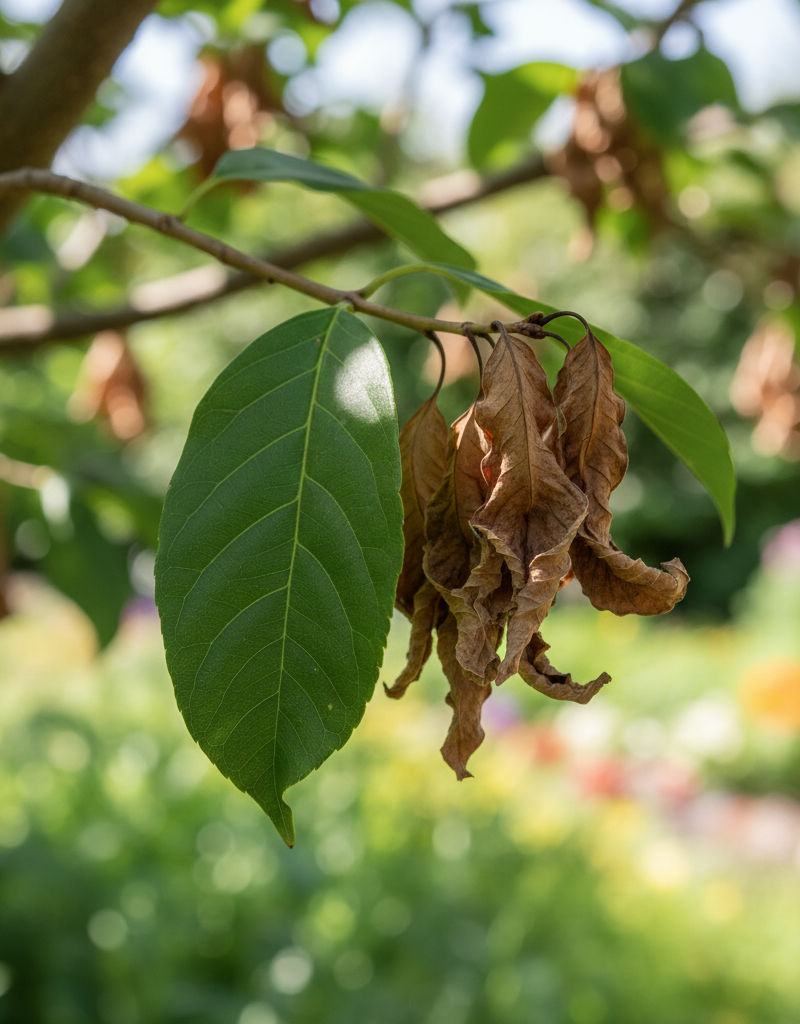
Tree leaves turning brown can signal a variety of underlying issues, most commonly related to water stress (either too little or too much), nutrient deficiencies in the soil, or the onset of a fungal disease. Identifying the specific cause is crucial for effective treatment. Often, simple adjustments to your watering schedule, soil amendments, or a targeted fungicide can revive your tree's foliage and prevent further browning.
The Problem
There's nothing more disheartening for a homeowner than seeing the lush green canopy of their favorite tree transform into a crispy, brown spectacle, especially in the middle of the growing season. While autumn browning is natural, premature browning of tree leaves indicates a serious problem. It's not just an aesthetic issue; brown leaves are a strong indicator that your tree is under significant stress and its health is in decline. If left unaddressed, this stress can lead to weakened immunity, increased susceptibility to pests, and in severe cases, the eventual death of the tree. Understanding the "why" behind this browning is the first step toward restoring your tree's vitality and ensuring its long-term health in your landscape.
How It Works
Trees, like all living organisms, require a complex interaction of environmental factors and internal processes to thrive. Leaves are the powerhouses of a tree, responsible for photosynthesis – the process of converting sunlight into energy. This process relies heavily on water, which is absorbed by the roots and transported through the trunk and branches to the leaves via a vascular system called xylem. When a tree experiences stress, this delicate balance is disrupted.
Water Stress: When there isn't enough water, the leaves can't perform photosynthesis efficiently. The tree will begin to shut down water supply to some leaves, causing them to dry out and turn brown, often starting from the tips or edges. Conversely, too much water can also be detrimental. Saturated soil starves roots of oxygen, causing them to rot and become unable to absorb water and nutrients. This paradoxical effect, where roots are surrounded by water but cannot deliver it to the leaves, also results in browning.
Nutrient Deficiencies: Just as a car needs fuel, trees need essential nutrients to function. Macronutrients like nitrogen, phosphorus, and potassium, along with micronutrients such as iron and manganese, are vital for chlorophyll production (which gives leaves their green color) and overall cellular health. A lack of these nutrients can manifest as stunted growth, discolored leaves, and eventually, browning as the tree struggles to maintain its cellular structure.
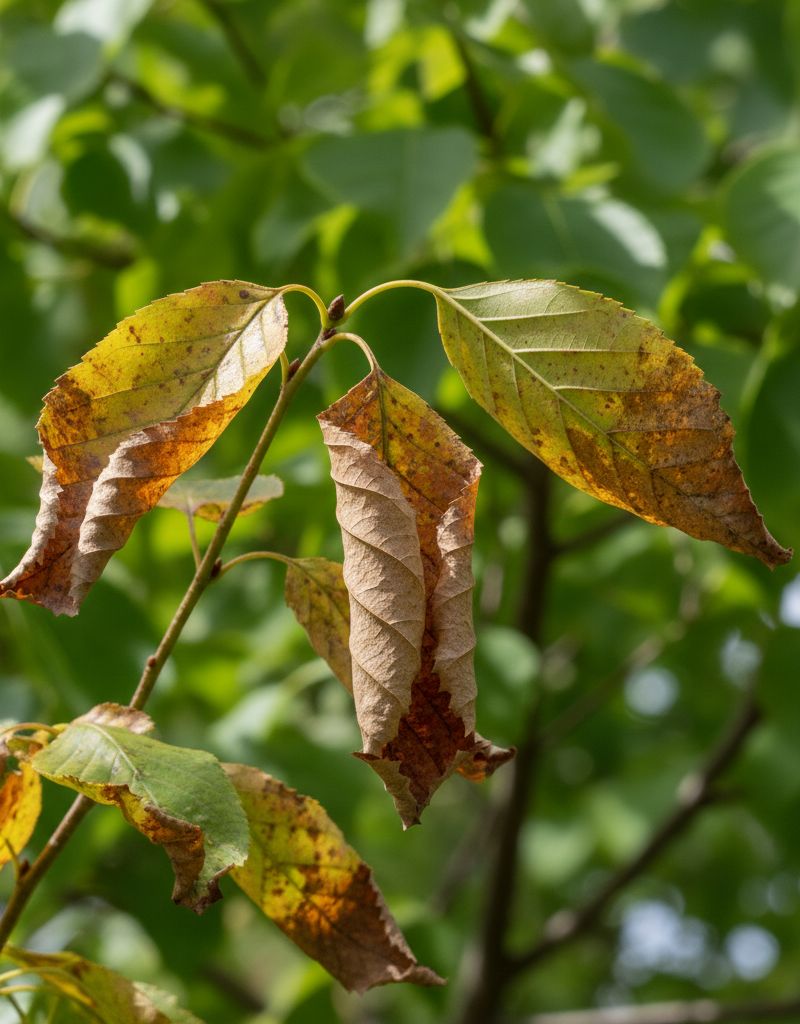
Fungal Diseases: Many fungal pathogens thrive in specific environmental conditions, often moist and humid environments. These fungi can invade leaf tissue, disrupting the cells and interfering with photosynthesis and water transport. Common tree diseases like anthracnose, powdery mildew, or various leaf spots can cause lesions, discoloration, and ultimately, premature browning and dropping of leaves. The fungus essentially consumes or damages the leaf tissue, leading to its death.
Understanding these mechanisms helps in diagnosing the problem. Is the soil too dry or waterlogged? Are yellowing leaves preceding the browning, suggesting a nutrient issue? Are there distinct spots or lesions indicating a fungal infection? Each clue points towards a specific solution to help your tree recover.
Step-by-Step Fix
1. Assess the Watering Situation – The most common culprit
Examine the soil around the tree to determine if it's too dry or too wet. Use a trowel to dig down 4-6 inches.
- If the soil is dry and crumbly: Your tree is likely suffering from drought stress. Water deeply and slowly. Use a soaker hose or drip irrigation system for several hours, allowing water to penetrate the root zone. Aim for 10 gallons of water per inch of trunk diameter, spread over the root zone. Repeat watering every 7-10 days during dry spells.
- If the soil is soggy and smells foul: Overwatering is the issue. Excess water can lead to root rot. Stop watering immediately and allow the soil to dry out. Improve drainage if possible by amending the soil with organic matter like compost, or by creating a slightly raised berm around the tree to divert surface water. If the tree is in a poorly drained location, consider subsurface drainage solutions for severe cases, but this might require professional help.
2. Check for Nutrient Deficiencies – Feed your tree for health
Yellowing leaves before browning, especially on younger leaves, can indicate a nutrient deficiency.
- Conduct a soil test: This is the most accurate way to determine what nutrients are lacking. Kits are available at garden centers, or you can send a sample to your local agricultural extension office. The test results will provide recommendations for specific fertilizers.
- Apply a balanced slow-release tree fertilizer: If a soil test isn't immediate, a general-purpose, balanced slow-release granular fertilizer (e.g., 10-10-10 or 12-4-8) can provide a broad spectrum of nutrients. Apply it according to package directions, typically by spreading it evenly over the root zone (extending to the drip line) and watering it in thoroughly. Avoid applying too close to the trunk.
- Address specific deficiencies: For iron deficiency (often seen as yellowing with green veins), apply chelated iron directly to the soil or as a foliar spray. For other micronutrient issues, specific micronutrient supplements can be used based on soil test results.
3. Inspect for Pests and Diseases – Look for telltale signs
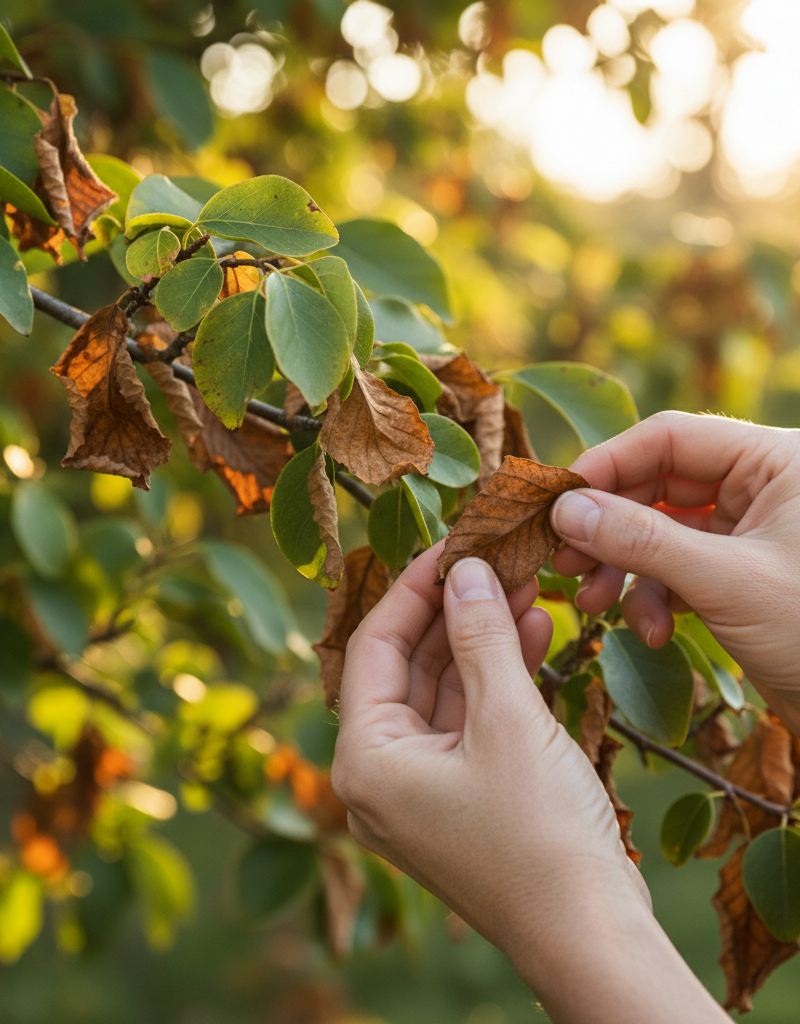
Carefully examine the leaves, branches, and trunk for any signs of disease or pest infestation.
- Look for spots, lesions, or unusual growths: Fungal diseases often manifest as dark spots, powdery coatings, or cankers on branches. Refer to a tree disease identification guide specific to your region and tree type.
- Check for insects: Inspect the undersides of leaves, branch crotches, and bark for aphids, scale insects, borers, or spider mites. Look for webbing, sawdust-like frass, or sticky residue (honeydew).
- Prune affected areas: For minor fungal infections or small pest infestations, prune out affected branches or leaves using sterilized pruners. Dispose of diseased material away from healthy plants. Safety Note: Always wear gloves and eye protection when pruning. Use sharp, clean tools to prevent further damage or disease spread.
- Apply appropriate treatment: For fungal diseases, use a fungicide labeled for the specific disease and tree type. For pest infestations, consider horticultural oil, insecticidal soap, or targeted insecticides, always following label instructions carefully. Biological controls (beneficial insects) can also be an option for certain pests.
4. Consider Environmental Stressors – Beyond water and nutrients
Sometimes, browning isn't directly from water, nutrients, or disease, but from other environmental factors.
- Transplant shock: If the tree was recently planted, browning can be a symptom of transplant shock. Ensure proper planting depth, consistent moisture, and consider applying a rooting hormone or transplant solution.
- Heat stress/Sunburn: Intense, prolonged heat waves or sudden exposure to full sun (if the tree was previously shaded) can cause leaf scorching and browning. Provide temporary shade for young trees during extreme heat. Ensure adequate watering during these periods.
- Chemical exposure: Herbicides used on lawns can drift and damage tree leaves. Observe if browning patterns are consistent with herbicide damage (e.g., one side of the tree affected). Avoid spraying herbicides near trees.
- Salt damage: In coastal areas or where de-icing salts are used, salt can accumulate in the soil and cause leaf browning. Flush the soil with fresh water in late winter/early spring if needed, and consider planting salt-tolerant species.
5. Improve Soil Drainage and Aeration – Long-term soil health
Poor soil drainage can lead to perpetually waterlogged conditions and root suffocation, even if you water correctly.
- Aerate compacted soil: Use a garden fork to gently poke holes in the soil around the tree's drip line, being careful not to damage major roots. This improves oxygen flow to the roots.
- Add organic matter: Incorporate 2-3 inches of well-rotted compost or aged manure into the top 6-8 inches of soil around the tree, avoiding direct contact with the trunk. Organic matter improves soil structure, drainage, and water retention.
- Consider a French drain: For severe cases of waterlogging in specific areas of the yard, a French drain may be necessary to divert excess water. This is a more involved solution that might require professional landscape design.
6. Mulch Properly – Maintain moisture, regulate temperature
Applying mulch correctly is a simple yet effective way to mitigate many browning causes.
- Apply a 2-4 inch layer of organic mulch: Use wood chips, shredded bark, or pine needles. Spread it evenly over the root zone, extending to the drip line, but keep it 6-12 inches away from the tree trunk. This is crucial to prevent moisture buildup and rot around the trunk.
- Benefits of mulch: Mulch helps retain soil moisture, reducing the frequency of watering needed. It also moderates soil temperature, suppresses weeds that compete for water and nutrients, and slowly breaks down to add organic matter to the soil.
Common Causes
- Drought Stress: Insufficient watering, especially during hot, dry periods, is the most frequent cause of brown leaves. The tree can't transport enough water to its foliage.
- Overwatering/Poor Drainage: Paradoxically, too much water is just as damaging, suffocating roots and leading to root rot, which prevents water uptake.
- Nutrient Deficiencies: Lack of essential macro or micronutrients (e.g., iron, nitrogen) can impair photosynthesis and cellular health, leading to discoloration and browning.
- Fungal Diseases: Specific pathogens like anthracnose, leaf spot, or blight directly attack leaf tissue, causing lesions and necrosis.
- Pest Infestations: Sucking insects (aphids, mites) or boring insects (borers) can stress the tree, leading to nutrient deprivation and browning.
- Chemical Burn: Accidental exposure to herbicides, fertilizers, or other chemicals can scorch leaves.
- Transplant Shock: Recently planted trees often struggle to establish their root systems, leading to temporary stress and browning.
Common Mistakes
- Underestimating Watering Needs: Many homeowners assume natural rainfall is enough. Most established trees need supplemental watering during dry spells, especially young trees.
- Overwatering Small Trees/Shrubs: While established trees need deep watering, newly planted or smaller trees are easily overwatered if soil drainage isn't ideal, leading to root rot.
- Fertilizing Without a Soil Test: Applying the wrong fertilizer or too much can worsen existing nutrient imbalances or even burn roots.
- Ignoring Early Warning Signs: Small spots or slight yellowing are often precursors to widespread browning. Addressing issues early is key.
- Creating a "Volcano" of Mulch: Piling mulch directly against the tree trunk traps moisture, encourages pests, and can lead to trunk rot. Always keep mulch a few inches away from the trunk.
- Not Sterilizing Pruning Tools: Pruning diseased branches with unsterilized tools can spread the disease to healthy parts of the tree or to other trees.
Cost & Time Breakdown
| Task | DIY Cost | Pro Cost | Time |
|---|---|---|---|
| Soil Test | $15–$30 | N/A | 1 hour (sending) |
| Deep Watering | $0 (water bill) | N/A | 2–6 hours |
| Balanced Fertilizer | $20–$50 | N/A | 30 minutes |
| Fungicide/Insecticide | $20–$40 | N/A | 30 minutes |
| Proper Mulching | $30–$100 | $100–$250+ | 1–2 hours |
| Minor Pruning (DIY) | $0 (if tools exist) | $75–$150+ (small job) | 30 minutes–1 hour |
Tips & Prevention
- Monitor Soil Moisture Regularly: Especially for young trees and during dry periods. Use the "finger test" – if the soil is dry 2-4 inches down, it's likely time to water.
- Water Deeply and Infrequently: Encourage deep root growth by soaking the soil thoroughly, then allowing it to dry out somewhat before watering again. This builds drought resilience.
- Apply a Consistent Mulch Layer: Maintain a 2-4 inch layer of organic mulch (wood chips, shredded bark) around the tree, keeping it several inches away from the trunk. This regulates soil temperature, retains moisture, and suppresses weeds.
- Conduct Annual Tree Inspections: Spend a few minutes each season examining your tree for unusual spots, growths, insects, or changes in leaf color. Early detection prevents major problems.
- Prune Dead or Diseased Branches Promptly: Use sterilized tools to remove any compromised branches to prevent disease spread and improve air circulation.
- Choose the Right Tree for Your Climate and Soil: Selecting species that are well-suited to your local conditions will naturally make them more resilient to stress and disease.
When to Call a Professional
If widespread browning continues despite your best efforts, or if you suspect a complex issue like a serious root disease, advanced pest infestation (e.g., borers affecting the trunk), or a need for significant structural pruning, it's time to call a certified arborist. They have the expertise and specialized equipment to accurately diagnose difficult problems, recommend advanced treatments, perform complex pruning safely, or even offer removal services if the tree is beyond saving and poses a safety risk. Additionally, if the tree is large and requires climbing or specific technical knowledge for treatment, a professional arborist is the safest and most effective choice.
Related Articles
Keep troubleshooting with these hand-picked guides from FixlyGuide:
- Why Are My Tree Leaves Turning Brown in Summer? Fixes for Common Issues — Discover the common reasons your tree leaves are browning in summer and learn actionable steps to revive your trees and prevent future dama…
- The #1 Mistake Homeowners Make When Sprinklers Won't Turn On — Discover the most common oversight when your sprinkler system fails to activate and learn simple troubleshooting steps to restore your irri…
- The Invisible War Beneath Your Sidewalk: 3 Ways Tree Roots Cause Havoc — Discover how tree roots cause sidewalk damage and learn actionable DIY and professional solutions to restore safety and appearance.
- The 3 Lawn Mowing Mistakes Killing Your Grass (and How to Fix Them) — Discover the three most common lawn mowing mistakes homeowners make that damage their grass, and learn simple, actionable steps to correct…
- The 3 Hidden Reasons Tree Roots Buckle Your Sidewalk (And 4 Fixes) — Identify why tree roots are lifting your sidewalk and discover four effective, homeowner-friendly solutions, from minor repairs to root bar…
- AC Blowing Warm Air? Easy Fixes for Common AC Problems — Discover the most common reasons your AC is blowing warm air and learn simple, actionable steps to troubleshoot and fix the issue yourself,…
What should this project cost?
Enter your project details for a realistic cost range before you call anyone.
Cost depends heavily on which system turns out to be the source.
- Regional adjustment
- National average
- Labor share (typical)
- ~$1,620
- Quotes to collect
- 3 written estimates
Educational estimate based on national averages — not a binding quote. Always confirm with written local estimates.
Frequently asked questions
Why are my tree leaves turning brown in summer?+
Summer browning often indicates drought stress due to insufficient watering, especially during hot, dry periods. It can also be caused by overwatering, which suffocates roots, or heat stress and sunburn from intense sun exposure.
Can overwatering cause tree leaves to turn brown?+
Yes, absolutely. Overwatering leads to waterlogged soil conditions, which deplete oxygen and cause root rot. Damaged roots cannot absorb water and nutrients effectively, leading to browning leaves, despite the abundance of water around the roots.
How do I know if my tree has a nutrient deficiency?+
Signs of a nutrient deficiency include yellowing leaves (often with green veins for iron deficiency), stunted growth, sparse foliage, or premature leaf drop. The best way to confirm is with a soil test, which will identify specific missing nutrients.
When should I call an arborist for brown tree leaves?+
You should call a certified arborist if browning is widespread and persistent despite your DIY efforts, if you suspect a serious disease or pest infestation affecting the trunk, or if the tree is large and requires specialized equipment or knowledge for treatment or removal. They can provide an accurate diagnosis and professional solutions.
Discussion
Loading comments…