- Sprinkler System Not Working? Easy Troubleshooting Steps for Homeowners — If your sprinkler system isn't working, it can lead to a dry lawn and dead plants. This guide will help you identify common issues and prov…
- How Often to Water Your Lawn in Summer: A Homeowner's Guide — Watering your lawn correctly in summer is crucial for its health and appearance, preventing common issues like browning and shallow root gr…
- The 3 Hidden Reasons Tree Roots Buckle Your Sidewalk (And 4 Fixes) — Identify why tree roots are lifting your sidewalk and discover four effective, homeowner-friendly solutions, from minor repairs to root bar…
- The 1 Mistake Homeowners Make When Sprinklers Won't Turn On — Discover the most common oversight when your sprinkler system fails to activate and learn simple troubleshooting steps to restore your irri…
- Why Is My Lawn Turning Yellow in Summer? A Homeowner's Guide — Your lawn turning yellow in summer is often a sign of improper watering, a common and fixable issue for homeowners.
Landscaping · Deck or fence project
| Project category | Landscaping |
|---|---|
| Problem type | Deck or fence project |
| Trade required | Landscaping |
| Urgency | Planned project |
| Safety risk | Moderate safety risk |
| DIY suitability | DIY for experienced homeowners |
| Cost category | High cost |
| Typical timeline | Most builds 3–10 days depending on size |
| Contractor type | Landscaping contractor |
Repair option
Replace failed boards, posts, and hardware; reseal the surface.
Replacement option
Rebuild when framing or the ledger connection is unsafe.
Common causes
- Rot at posts and ledger
- Storm damage
- Adding outdoor living space
Relevant tools:home improvement material pricesproject cost estimator
Published April 18, 2026Last updated August 17, 2026
How it works
A tree functions like a complex plumbing system, powered by sunlight. Water and dissolved nutrients are absorbed by the roots and transported upward to the leaves through a network of microscopic tubes called the xylem. In the leaves, photosynthesis uses sunlight, water, and carbon dioxide to create sugars—the tree's food. This process releases water vapor through tiny pores on the leaf surface called stomata, a process known as transpiration. On a hot, dry summer day, a mature tree can transpire hundreds of gallons of water.
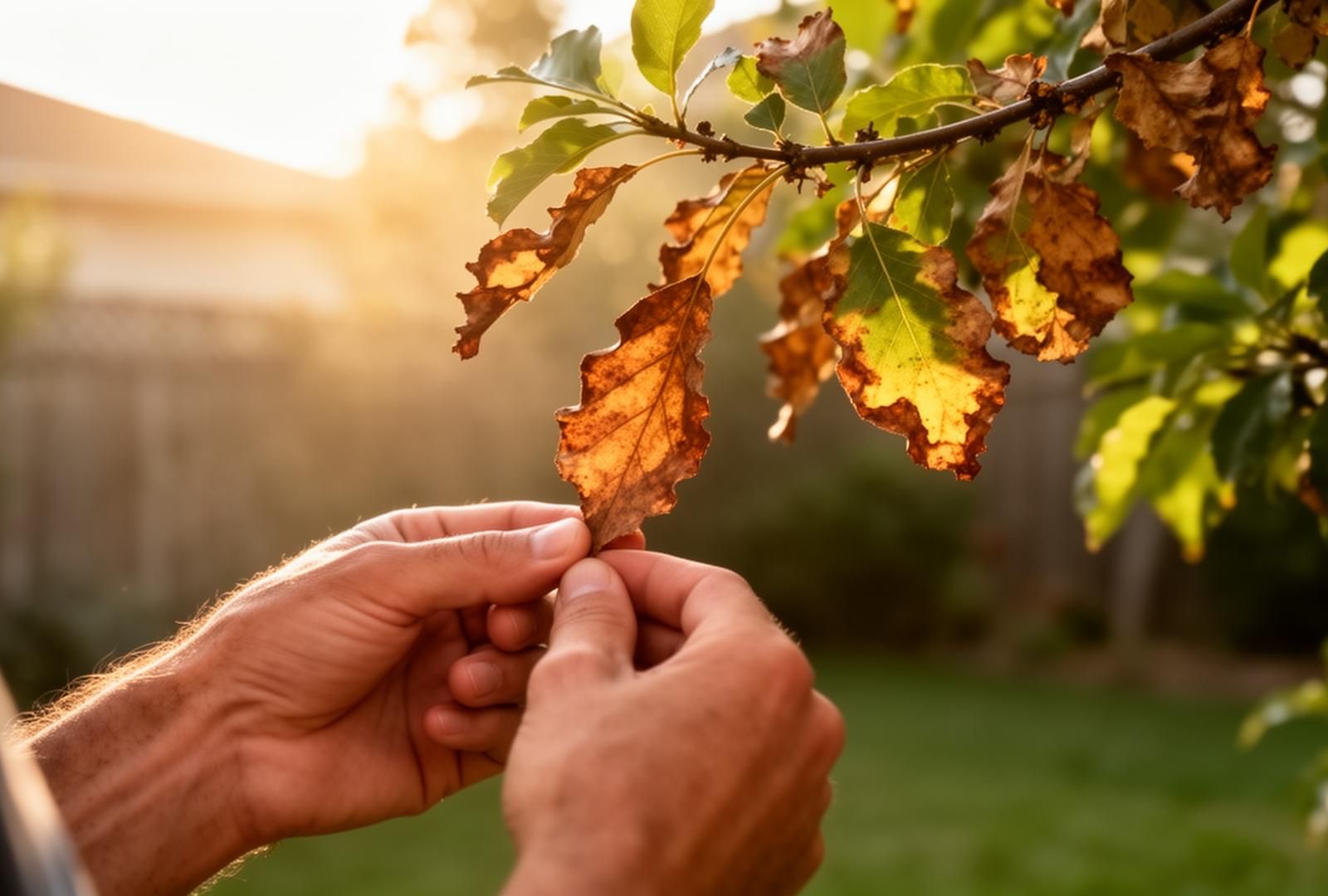
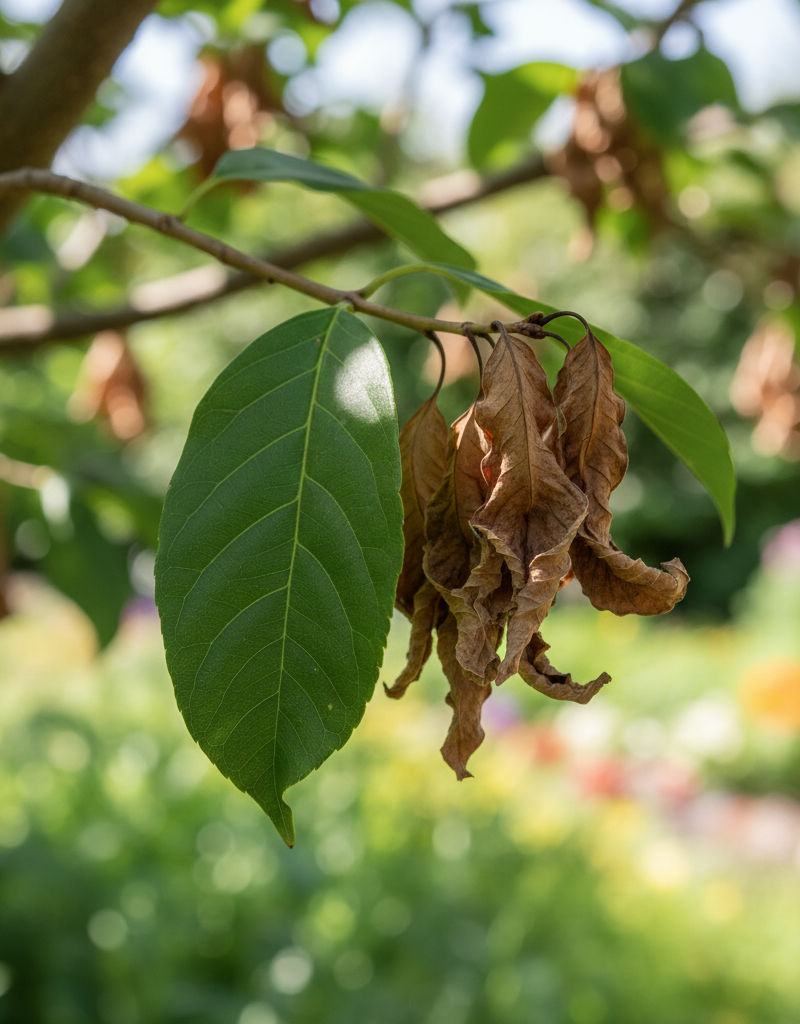
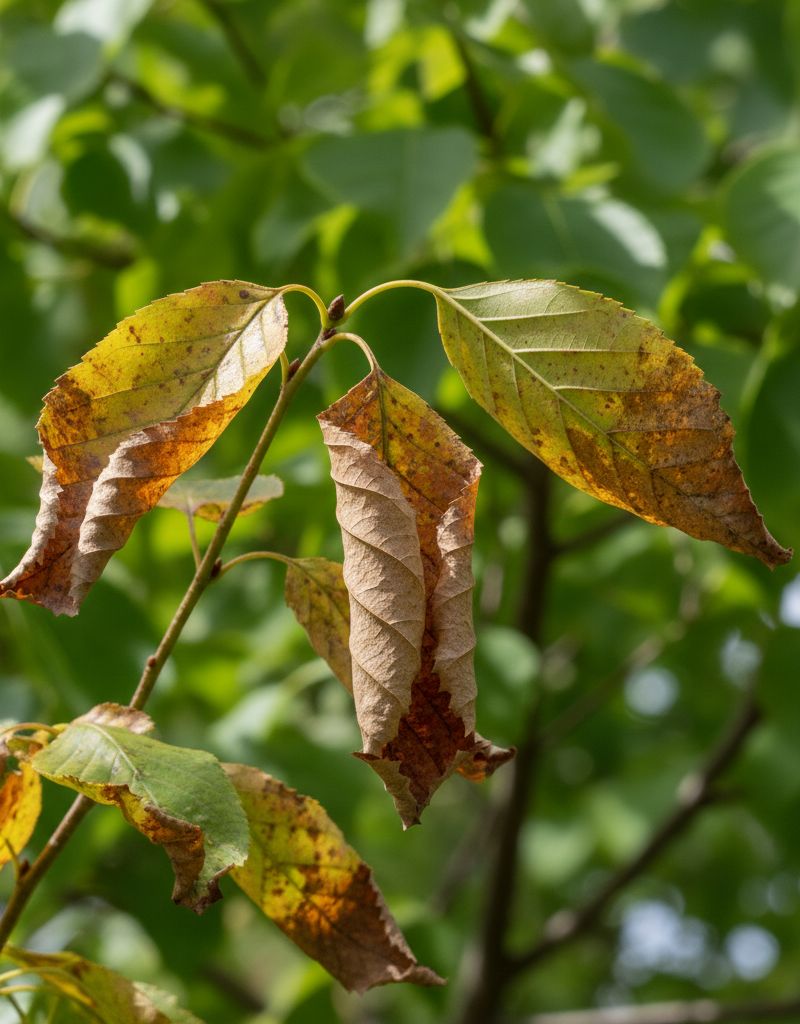
Leaf browning, or "scorch," occurs when this system is out of balance. If roots cannot absorb water fast enough to meet the demands of transpiration, a deficit occurs. The tree's self-preservation response is to close its stomata to conserve water. If conditions persist, leaf cells at the farthest points from the roots—typically the tips and outer margins—begin to dehydrate and die. This results in the classic crispy, brown edges characteristic of scorch. Factors like compacted soil, damaged roots, extreme heat, and low humidity all exacerbate this water deficit. Other issues, such as fungal diseases or insects, can physically block the xylem, creating a similar "drought" effect in the leaves even when soil moisture is adequate.
Step-by-Step Fix
Follow these steps to diagnose the cause of browning leaves and implement the correct fix. The most common cause is water stress, so the steps prioritize addressing it.
-
Assess the Browning Pattern — First, carefully observe where and how the leaves are browning. This pattern is a key diagnostic clue. Marginal scorch, where just the edges and tips of leaves turn brown and crispy, strongly indicates water stress. If browning is concentrated on the side of the tree facing a driveway or building, it could be from reflected heat. If entire branches are wilting and browning sporadically throughout the canopy, suspect a vascular disease or boring insect.
- If: browning is limited to leaf margins on most of the tree, proceed to Step 2.
- If: browning is patchy or accompanied by distinct spots or lesions, skip to Step 6.
-
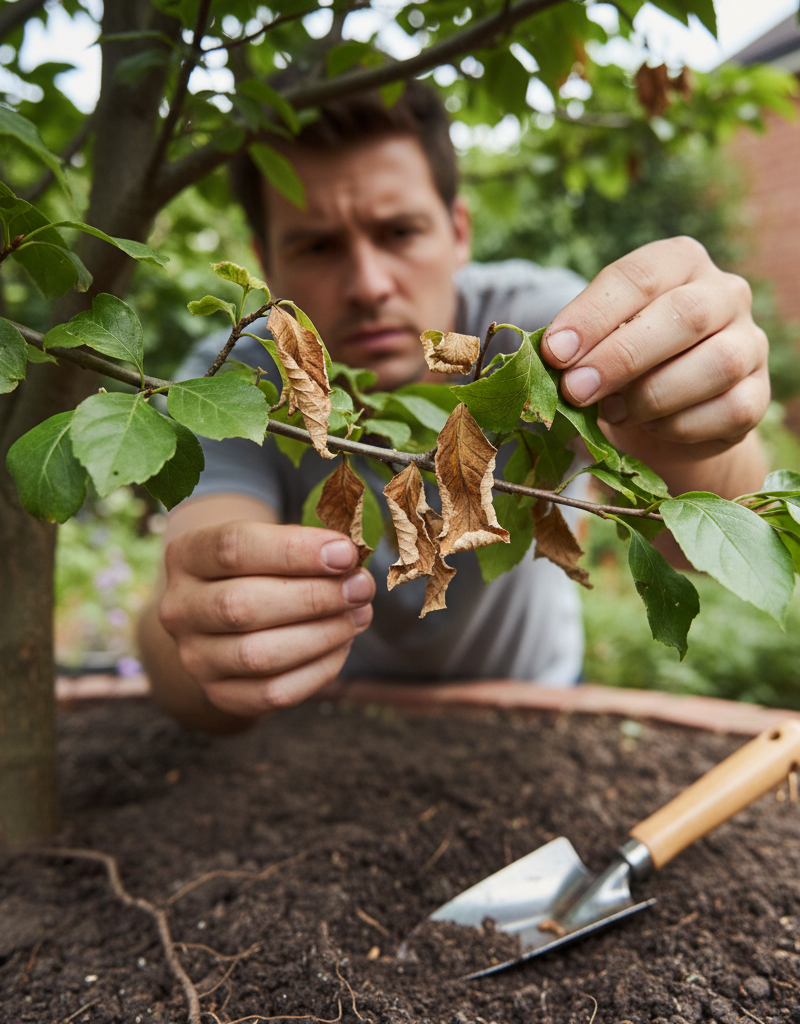
Check Soil Moisture — Determine the actual moisture level where the roots are. A dry surface is not a reliable indicator. Use a garden trowel or a long (8-inch) screwdriver and push it into the soil about 12-18 inches from the tree's base. If you cannot easily push the screwdriver several inches into the ground, the soil is too dry. You can also dig a small hole 6-8 inches deep; the soil should feel cool and slightly damp, not dusty or muddy.
- Tools: Garden trowel or a long screwdriver.
- Safety: Before digging, be aware of any shallow utility lines or irrigation components.
-
Implement a Deep Watering Regimen — Correcting a water deficit requires slow, deep watering to saturate the root zone, which extends out to the tree's "dripline" (the edge of its canopy). A quick spray from a hose is ineffective. Place a soaker hose in a spiral pattern around the tree, starting a foot from the trunk and extending to the dripline. Let it run on a low setting for several hours. The goal is to deliver approximately 10 gallons of water for every inch of the trunk's diameter.
- Example: A tree with a 5-inch diameter trunk needs about 50 gallons of water per session.
- Frequency: During hot, dry summer weather with no rain, a newly planted tree may need watering every 2-3 days, while an established, mature tree may need a deep watering every 7-14 days.
-
Apply a Layer of Organic Mulch — Mulch is critical for tree health. It insulates the soil from extreme heat, conserves moisture by reducing evaporation, and suppresses weeds that compete for water. Apply a 2- to 4-inch layer of organic mulch, such as shredded bark or wood chips, over the root zone. Create a doughnut shape, keeping the mulch 3-6 inches away from the trunk itself to prevent bark rot and discourage pests. Extend the mulch layer as far out as is practical, ideally to the dripline.
- Materials: Shredded hardwood bark, pine bark, or wood chips. Avoid using fresh grass clippings, as they can mat down and block water.
-
Prune Only Dead Tissue — While it may be tempting to prune all affected foliage, a stressed tree needs its leaves for photosynthesis to generate energy for recovery. Only remove branches that are completely dead, brittle, and without any green tissue when scratched. Leaves that are entirely brown and crispy will not recover and can be gently removed, but leave partially damaged leaves in place. Major corrective pruning should wait until the tree is in its dormant season and has recovered.
- Test for Dead Wood: Scrape a small section of bark on a questionable twig with your thumbnail. If the tissue underneath is green, the branch is still alive. If it's brown and dry, it's dead.
-
Inspect for Pests and Disease — If watering and mulching don't resolve the issue, or if the browning pattern was unusual, look for other culprits. Examine the leaves, twigs, and trunk closely. Look for distinct, circular spots (fungal leaf spot), powdery mildew, or tiny insects on the undersides of leaves. Check the trunk and large branches for small holes, oozing sap, or fine sawdust-like material (frass), which are signs of boring insects.
- If this doesn't work: If you find evidence of a widespread infestation or disease, take clear photos and a sealed sample to a local nursery or cooperative extension office for positive identification.
-
Consider a Soil Test — Browning can sometimes stem from a nutrient deficiency or an improper soil pH that "locks up" available nutrients. Common deficiencies like iron or manganese can cause interveinal chlorosis (yellowing between green veins) which may progress to browning. A soil test is the only way to know for sure. Purchase a soil test kit from a local university extension service or a reputable online lab. The results will provide a detailed analysis and specific recommendations for fertilizer or soil amendments.
- DIY Kits: While less accurate, home test kits can give you a general idea of pH and N-P-K (Nitrogen, Phosphorus, Potassium) levels.
-
Mitigate Environmental Stress — If the tree is newly planted or in a location exposed to intense reflected heat (like near a south-facing wall or asphalt), provide temporary relief. You can erect a screen using shade cloth staked into the ground to block the intense afternoon sun. For root zone issues, ensure the area around the tree isn't subject to heavy foot traffic or parked vehicles, which compacts the soil and suffocates roots.
Common mistakes
- Shallow, Frequent Watering. Hitting the tree with a hose for five minutes every day encourages a shallow, weak root system that is highly vulnerable to heat and drought. Instead, water deeply and infrequently, forcing roots to grow deeper into the cooler, more consistently moist soil.
- Applying High-Nitrogen Fertilizer. Fertilizing a drought-stressed tree is like trying to make a marathon runner sprint. Nitrogen promotes new leaf growth, which the compromised root system cannot support, increasing water demand and worsening the stress. Instead, address the water issue first. Only apply a slow-release, low-nitrogen fertilizer if a soil test confirms a specific deficiency.
- Building a "Mulch Volcano." Piling mulch directly against the tree trunk is a destructive practice. It traps moisture against the bark, leading to rot, and provides a welcoming habitat for damaging insects and rodents. Instead, always maintain a 3- to 6-inch gap between the trunk and the start of the mulch layer.
- Over-Pruning a Stressed Tree. Removing too much foliage, even if it looks unsightly, reduces the tree's capacity to photosynthesize and generate the energy needed for recovery. This can push a stressed tree into a state of decline. Instead, only prune branches that are confirmed to be dead. Wait until the tree has stabilized before performing any significant structural pruning.
- Ignoring Soil Compaction. If water pools on the surface and runs off instead of soaking in, the soil is likely compacted. Compacted soil has no pore space for water or oxygen, effectively suffocating the roots. Instead, use a garden fork to gently aerate the top few inches of soil under the canopy or consider professional core aeration for severe cases.
- Misdiagnosing the Cause. Automatically assuming the problem is water can lead to overwatering, which drowns roots and causes similar browning symptoms. It also means you might miss a correctable disease or pest issue until it's too late. Instead, perform a thorough inspection of the browning pattern, soil moisture, and physical trunk/branch condition before deciding on a course of action.
Cost & time breakdown
This table outlines potential costs for addressing browning leaves, from simple DIY fixes to professional intervention.
| Task | DIY Cost | Pro Cost | Time |
|---|---|---|---|
| Diagnostic Soil Test | $20 - $50 (mail-in lab kit) | $150 - $300 (arborist collection/analysis) | 1 hour (collection) + 1-2 weeks (results) |
| Watering & Mulching | $50 - $120 (soaker hose, mulch) | $200 - $400 (labor, delivery) | 2 - 5 hours |
| Professional Health Assessment | N/A | $100 - $250 (consultation fee) | 1 hour |
| Pest/Disease Treatment | $20 - $60 (insecticidal soap, etc.) | $250 - $800+ (systemic injections) | 1 hour (DIY spray) / 1-3 hours (pro) |
| Corrective Pruning (Deadwood) | $0 - $100 (hand saw, pole pruner) | $300 - $1,000+ (depending on tree size) | 1-4 hours |
| Soil Aeration | $20 (manual aerator) | $150 - $350 (core aeration service) | 1-3 hours |
When to call a pro
While most minor leaf scorch can be managed by the homeowner, certain situations require the expertise of a certified arborist. Call a professional if you observe any of the following signs:
- Widespread Canopy Decline: More than 30-50% of the tree's leaves are brown, wilted, or have already fallen off mid-summer. This indicates a severe systemic problem beyond simple drought stress.
- Major Limb Dieback: One or more large, structural branches are dead or rapidly losing their leaves while the rest of the tree looks healthier. This can signal a vascular disease like Dutch elm disease or verticillium wilt, or a concentrated borer attack.
- Signs of Trunk or Root Rot: You see fungal growth (mushrooms) at the base of the tree, deep cracks in the trunk, or areas where the bark is soft, peeling, or missing. These are symptoms of advanced decay that compromises the tree's stability.
- Suspected Aggressive Pests/Diseases: If you suspect an infestation of a highly destructive pest like the emerald ash borer or a fast-moving disease, an arborist has access to restricted-use systemic treatments and diagnostic tools that are far more effective than anything available at a garden center.
- The tree is a high-value asset or located where its failure could damage property or cause injury. An arborist can provide a formal risk assessment and a comprehensive plant health care plan.
Prevention & maintenance
Proactive care is the best way to prevent summer leaf scorch and keep your trees healthy and resilient.
- Select the Right Tree for the Right Place. When planting new trees, choose species that are well-suited to your climate, light conditions, and soil type. A native species or a cultivar bred for drought and heat tolerance will naturally fare better than a tree that prefers cooler, moister climates.
- Maintain a Proper Mulch Ring. Annually check and replenish the mulch layer around your trees to a consistent depth of 2-4 inches. Ensure the mulch extends as wide as possible (ideally to the dripline) and is never piled against the trunk.
- Water Proactively and Deeply. Don't wait for leaves to droop or brown. During extended periods of heat and no rain (10+ days), provide a deep, slow watering to established trees. Use a soil moisture probe or the screwdriver test to know when it's time to water.
- Perform Annual Structural Pruning. During the dormant season (late fall or winter), inspect your trees for and remove any dead, damaged, or crossing branches. This improves air circulation, reduces the risk of disease, and directs the tree's energy into healthy growth.
- Conduct Regular Inspections. At least once in the spring and once in the summer, walk around your trees and look closely. Check for early signs of leaf spots, unusual insects, sawdust at the base of the trunk, or anything out of the ordinary. Early detection is key to effective treatment.
- Avoid Soil Compaction. Keep heavy equipment, vehicles, and construction materials away from the root zone of your trees. The critical root zone can extend 2-3 times farther than the canopy. If the area is used for foot traffic, consider creating a designated path.
Related Articles
Keep troubleshooting with these hand-picked guides from FixlyGuide:
- Sprinkler System Not Working? Easy Troubleshooting Steps for Homeowners — If your sprinkler system isn't working, it can lead to a dry lawn and dead plants. This guide will help you identify common issues and prov…
- How Often to Water Your Lawn in Summer: A Homeowner's Guide — Watering your lawn correctly in summer is crucial for its health and appearance, preventing common issues like browning and shallow root gr…
- The 3 Hidden Reasons Tree Roots Buckle Your Sidewalk (And 4 Fixes) — Identify why tree roots are lifting your sidewalk and discover four effective, homeowner-friendly solutions, from minor repairs to root bar…
- The #1 Mistake Homeowners Make When Sprinklers Won't Turn On — Discover the most common oversight when your sprinkler system fails to activate and learn simple troubleshooting steps to restore your irri…
- Why Is My Lawn Turning Yellow in Summer? A Homeowner's Guide — Your lawn turning yellow in summer is often a sign of improper watering, a common and fixable issue for homeowners.
- AC Blowing Warm Air? Easy Fixes for Common AC Problems — Discover the most common reasons your AC is blowing warm air and learn simple, actionable steps to troubleshoot and fix the issue yourself,…
What should this project cost?
Enter your project details for a realistic cost range before you call anyone.
Cost depends heavily on which system turns out to be the source.
- Regional adjustment
- National average
- Labor share (typical)
- ~$1,620
- Quotes to collect
- 3 written estimates
Educational estimate based on national averages — not a binding quote. Always confirm with written local estimates.
Frequently asked questions
How often should I water a tree with brown leaves?+
Water deeply once or twice a week, checking soil moisture before each watering. Aim for the top 12-18 inches of soil to be consistently moist, not soggy.
Can overwatering cause tree leaves to turn brown?+
Yes, overwatering can lead to root rot, which starves the tree of water and nutrients, causing leaves to brown. Ensure good drainage and allow the soil to slightly dry between waterings.
What kind of mulch is best for trees?+
Organic mulches like wood chips, shredded bark, or compost are ideal. Apply a 2-4 inch layer, keeping it a few inches away from the tree trunk to prevent rot.
When should I fertilize a tree with brown leaves?+
Only fertilize if a nutrient deficiency is confirmed through a soil test. Over-fertilizing can further stress a struggling tree. Focus on proper watering and mulching first.
Discussion
Loading comments…