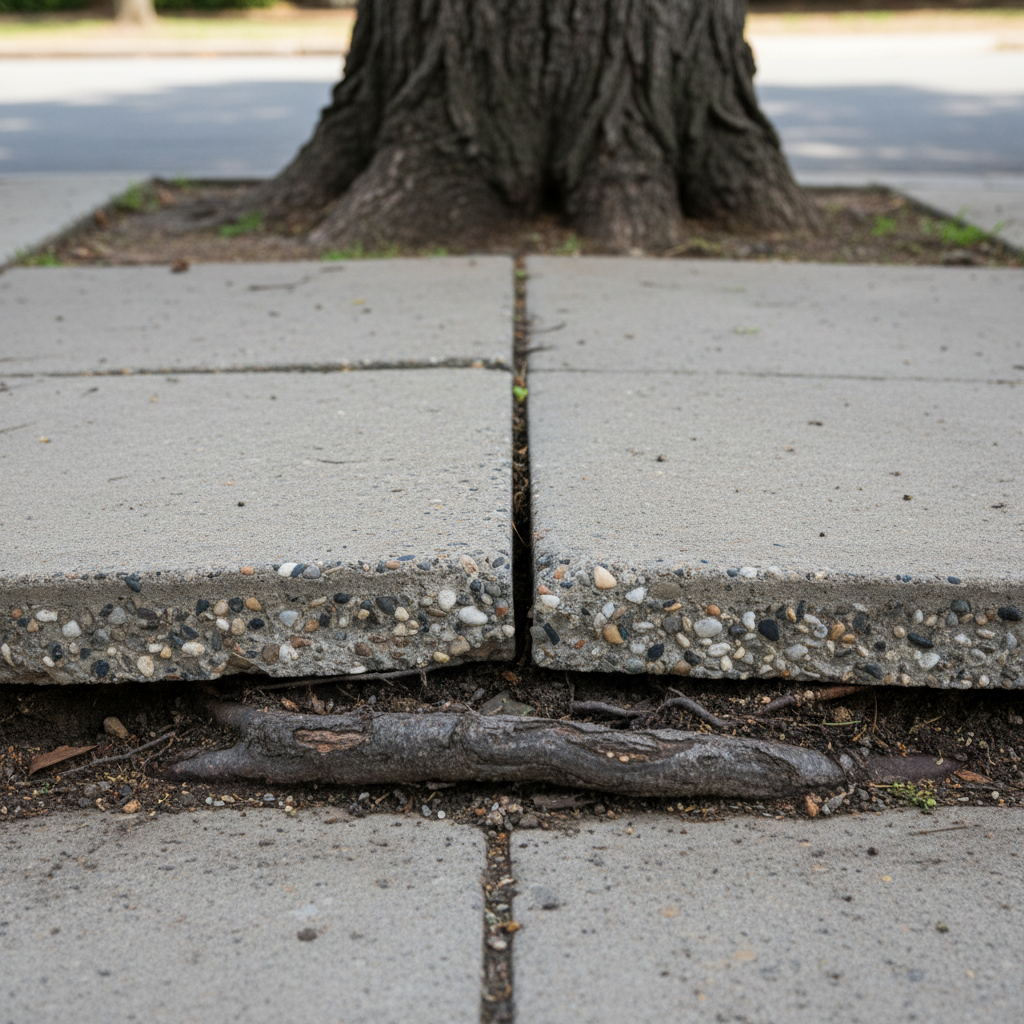
- Small Root Pruning (If appropriate) – If the root is clearly a non-structural feeder root (under 2 inches diameter) and not within the tree's drip line (the area directly under the canopy), careful pruning might be an option.
- Tools: Sharp pruning saw, loppers.
- If this doesn't work: The tree may re-sprout roots in the same area or other roots may continue to cause issues. Consider a root barrier.
Landscaping · Deck or fence project
| Project category | Landscaping |
|---|---|
| Problem type | Deck or fence project |
| Trade required | Landscaping |
| Urgency | Planned project |
| Safety risk | Moderate safety risk |
| DIY suitability | DIY for experienced homeowners |
| Cost category | High cost |
| Typical timeline | Most builds 3–10 days depending on size |
| Contractor type | Landscaping contractor |
Repair option
Replace failed boards, posts, and hardware; reseal the surface.
Replacement option
Rebuild when framing or the ledger connection is unsafe.
Common causes
- Rot at posts and ledger
- Storm damage
- Adding outdoor living space
Relevant tools:home improvement material pricesproject cost estimator
Published April 25, 2026Last updated August 17, 2026
Tools & materials you'll need
Affiliate linksAs an Amazon Associate FixlyGuide earns from qualifying purchases — at no extra cost to you. Prices and availability are accurate as of publication and subject to change.
Quick Answer
Tree roots are an undeniable force, and when they encounter the unyielding resistance of a concrete sidewalk, the concrete often loses. The primary culprits behind this sidewalk upheaval are roots seeking moisture, trees planted too close to paved surfaces, and nutrient-poor soil encouraging surface root growth. Homeowners typically have four main strategies to consider: careful root pruning (if the root is small and not critical to the tree's stability), installing a root barrier to redirect growth, minor concrete patching for small lifts, or, for more severe damage, section replacement or a path redesign. Always consult with an arborist and your local municipality before undertaking any significant root work or concrete removal.
The Problem
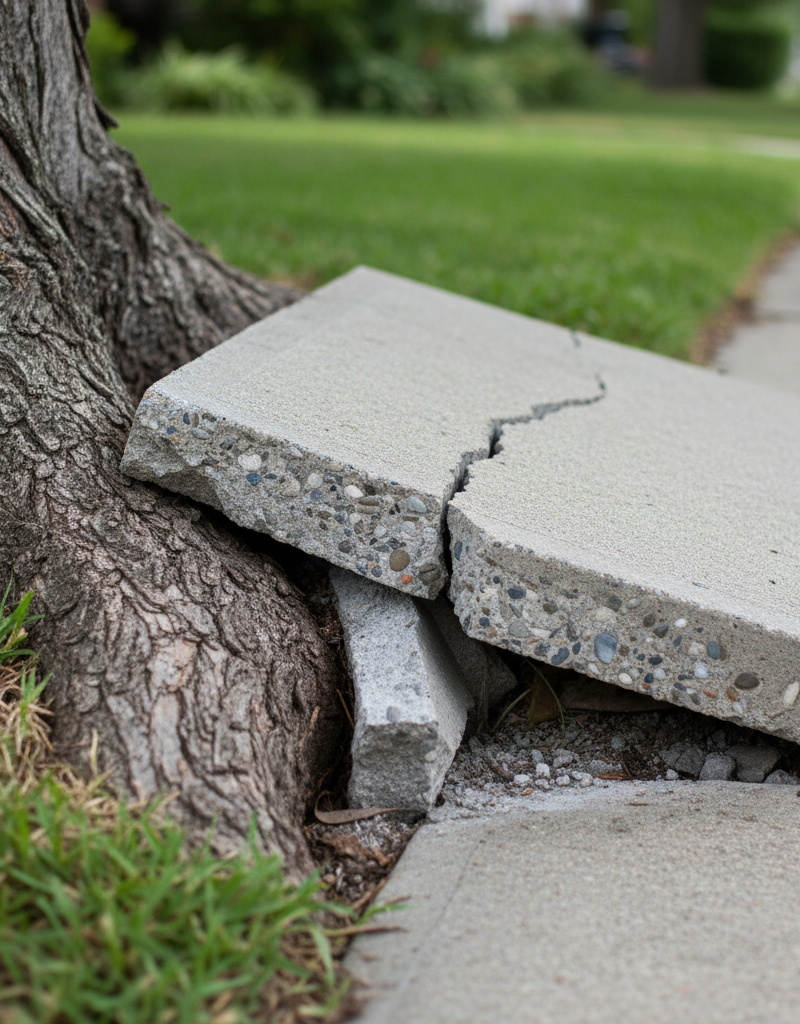
You step out your front door, and there it is again: that familiar crack snaking across your sidewalk, a tell-tale bump rising where once was a smooth, level path. The culprit? The silent, powerful expansion of tree roots beneath the concrete. This isn't just an aesthetic issue; it's a genuine tripping hazard, a potential liability, and a source of frustration for many homeowners. Left unaddressed, these lifted sections will only worsen, leading to larger cracks, more significant displacement, and even foundational issues if the roots are close to the house.
Many homeowners assume the only solution is to chop down the offending tree. While sometimes necessary, this is often a drastic and unnecessary measure. Understanding the why behind the root's behavior is the first step toward a targeted, less destructive solution. Is the tree thirsty? Is it simply outgrowing its space? Or is the soil itself compelling the roots upward? Identifying these underlying causes will guide you to a lasting fix, preserving both your sidewalk and, ideally, your beloved tree.
How It Works
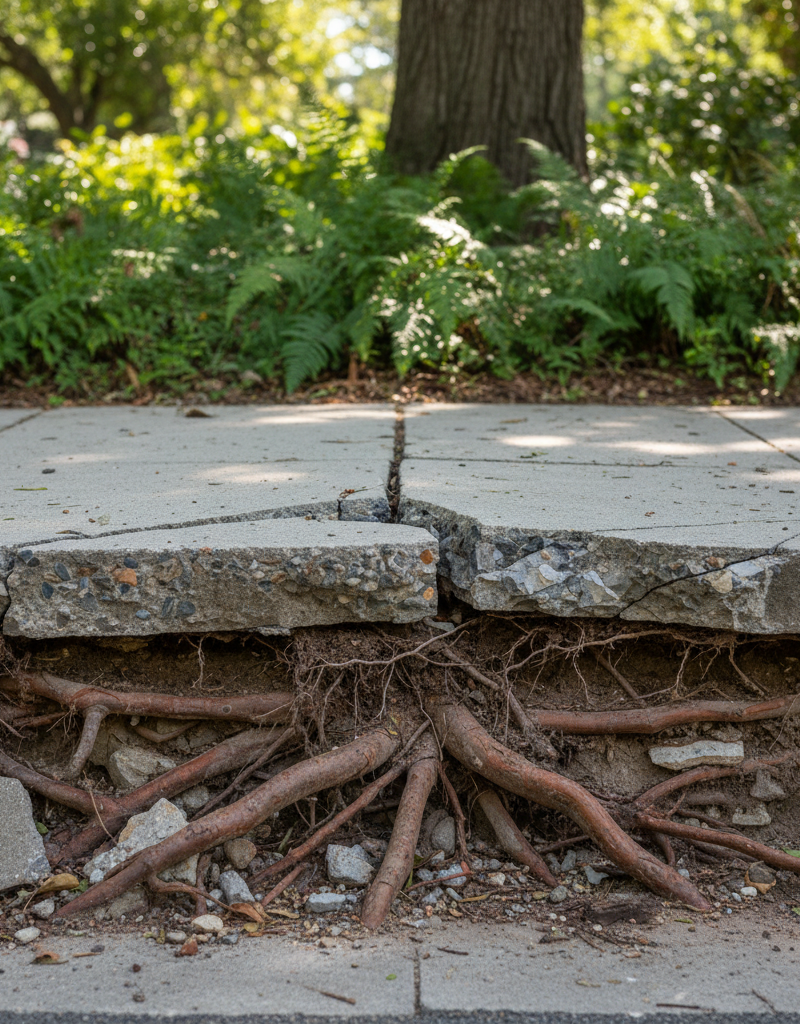
Tree roots grow outward and downward, anchoring the tree and, crucially, seeking out water, oxygen, and nutrients. While often unseen, this root system can extend two to three times the width of the tree's canopy. The vast majority of a tree's feeder roots, which are responsible for absorbing water and nutrients, are found in the top 12 to 18 inches of soil, precisely where they often encounter sidewalks and driveways.
Here’s how they manage to lift such heavy concrete:
- Direct Expansion: As roots grow in diameter, they exert immense pressure. A mature tree root can easily grow to be several inches thick. When constrained by a sidewalk or compacted soil directly beneath it, this expansion pushes the concrete upward, causing it to crack and lift. It's a slow, relentless process.
- Moisture Seeking: Concrete, especially older or poorly installed sidewalks, can have tiny cracks or porous areas. Water vapor escaping from these areas, or rainwater seeping underneath, creates an attractive moisture source. Tree roots, particularly during dry spells, will actively grow towards these moisture zones. Once under the concrete, they continue to expand, finding fertile ground in the cooler, moister soil trapped beneath.
- Oxygen Deprivation/Compaction: Trees need oxygen for their roots to respire. In heavily compacted or poorly aerated soils (common under sidewalks), roots will often grow closer to the surface where oxygen is more readily available. Similarly, if the soil is consistently waterlogged, roots will seek drier, oxygen-rich zones near the surface. As these roots thicken, they push the concrete upward.
- Species Selection & Planting: Some tree species are known for aggressive, shallow root systems (e.g., silver maples, weeping willows). If these trees are planted too close to sidewalks or other structures, root conflicts are almost inevitable. Additionally, if the initial planting hole was too small or the tree was planted too deeply, roots may be encouraged to grow horizontally and superficially rather than deeply.
Understanding these mechanisms highlights that merely cutting a visible root without addressing the underlying conditions is often a temporary fix, as the tree will simply send new roots in search of its needs.
Step-by-Step Fix
Safety Note: Always wear appropriate safety gear, including work gloves and eye protection. Be extremely cautious when working with power tools. If you suspect utility lines are near the roots, call 811 before you dig.
1. Assess the Damage and Identify the Root
- Examine the lift – Determine the size of the lifted section, the height of the lift, and if the concrete is cracked or merely shifted. Small lifts (under 1-2 inches) with intact concrete may be easier to address. Severely cracked or fragmented concrete usually requires replacement.
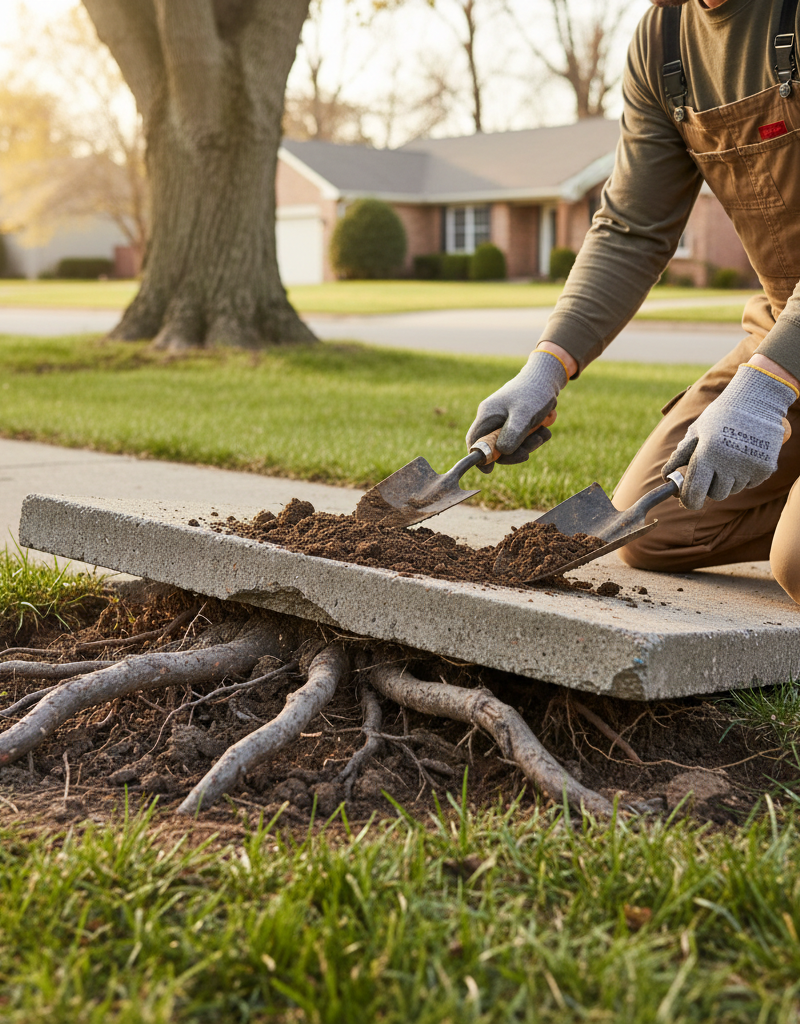
- Locate the offending root – Carefully dig around the perimeter of the lifted section to expose the root or roots causing the damage. Use a trowel or small hand shovel to avoid damaging the root unnecessarily. Note its size and proximity to the tree trunk.
- If the root is larger than 2 inches in diameter or less than 10 feet from the trunk: STOP. This could be a structural root critical to the tree's stability. Call a certified arborist immediately. Do not attempt to prune it yourself.
2. Choose Your Strategy: Pruning, Barrier, or Removal
-
Small Root Pruning (If appropriate) – If the root is clearly a non-structural feeder root (under 2 inches diameter) and not within the tree's drip line (the area directly under the canopy), careful pruning might be an option.
- Tools: Sharp pruning saw, loppers.
- Action: Make a clean cut on the root, as far from the tree trunk as possible, usually at least three times the diameter of the root away from the trunk. You may need to make a second cut further out if the root is significantly long under the sidewalk. Ensure cuts are clean to promote healing and reduce the risk of disease.
- If this doesn't work: The tree may re-sprout roots in the same area or other roots may continue to cause issues. Consider a root barrier.
-
Install a Root Barrier (Preventative/Redirective) – Root barriers are semi-rigid panels installed vertically in the soil to deflect root growth downward and away from structures.
- Tools: Shovel, pickaxe (for tough soil), root barrier panels, utility knife (for cutting panels).
- Action: Dig a trench at least 24 inches deep (or deeper, depending on tree species and root aggressiveness) between the tree and the sidewalk. The trench should be about 6 inches wide. Place the barrierpanels in the trench, ensuring they are flush with the ground surface. Backfill the trench, compacting the soil around the barrier.
- Safety: Call 811 before digging to avoid utility lines.
- If this doesn't work: Ensure the barrier is deep enough and properly installed. Highly aggressive roots might find a way around if the barrier isn't continuous or deep enough.
-
Remove and Replace Sidewalk Section (For severe lifts) – When concrete is severely cracked, lifted badly, or a large structural root cannot be pruned, replacement is often the safest and most effective option.
- Tools: Sledgehammer, pry bar, concrete saw (rented), shovel, wheelbarrow, concrete mix, rebar/mesh, trowel, edger, tamper, safety glasses, heavy-duty gloves.
- Action: Carefully break up and remove the damaged section of concrete. If possible, gently remove any exposed roots, or cut away smaller roots that contributed to the lift (only after consulting with an arborist if they are larger than 2 inches). Prepare a new stable base of compacted gravel (4-6 inches deep). Pour and finish new concrete, ensuring proper expansion joints are in place.
- Tip: Consider a flexible paving material like pavers or rubber sidewalks for areas prone to root heave, as they are more accommodating to root growth.
3. Repair the Sidewalk (Post-root action)
- Small Lifts/Cracks (Epoxy/Patch) – For minor cracks or small, stabilized lifts (after root pruning or barrier installation), a concrete repair epoxy or patch compound can be used.
- Tools: Trowel, concrete epoxy/patch, wire brush, mixing bucket.
- Action: Clean the area thoroughly with a wire brush, removing loose debris. Mix the repair compound according to manufacturer instructions. Apply it evenly, filling cracks and leveling small differences. Smooth with a trowel.
4. Adjust Landscaping and Monitor
- Redesign nearby landscaping to direct water away from the sidewalk to encourage roots to grow deeper. Consider replacing high-water-demand plants near the sidewalk with drought-tolerant varieties.
- Monitor the area annually for signs of new root growth or sidewalk movement. Early intervention prevents major problems.
Common Causes
- Tree Species Selection: Planting trees known for aggressive, shallow root systems (e.g., poplars, silver maples, willows) too close to impervious surfaces without a root barrier.
- Inadequate Planting Space: When trees are confined to small planting strips or pits, their roots have nowhere to go but up and out, interacting with the nearest solid object – the sidewalk.
- Moisture Deprivation: During dry spells, tree roots will actively seek out the most accessible water sources, which can often be found under the slightly cooler and moister concrete sections.
- Soil Compaction: Compacted soil beneath turf or even concrete can restrict deep root penetration, forcing roots to grow superficially where oxygen is more abundant.
- Poor Drainage: Constantly wet soil can also lead to roots seeking higher, drier ground closer to the surface.
- Old or Shallow Concrete: Thinner or older concrete slabs with weak sub-bases are more susceptible to being lifted by even smaller roots.
Common Mistakes
- Cutting Large Structural Roots: Many DIYers mistakenly cut large roots (over 2 inches in diameter or close to the trunk) without consulting an arborist. This can severely destabilize the tree, making it prone to disease, structural failure, or even killing it.
- Ignoring Utility Lines: Digging without calling 811 is a significant safety hazard. You could hit power, gas, water, or telecommunication lines, leading to injury, outages, or costly repairs.
- Incomplete Root Removal/Barrier Installation: Simply cutting a root and not installing a barrier, or installing a barrier that is too shallow, often leads to roots growing around or under the barrier, causing the problem to reappear.
- Not Consulting Local Regulations: Many municipalities have specific rules regarding sidewalk repair, tree removal, and roots impacting public property. Failing to check can lead to fines or liability issues.
- Using the Wrong Repair Method: Patching a severely lifted or fractured sidewalk is a temporary cosmetic fix at best and can create an even worse tripping hazard if it crumbles. Knowing when to replace versus patch is crucial.
- Planting the Wrong Tree (Again): If a tree was removed, planting another species with similar root habits in the same problematic location sets you up for repeated issues.
Cost & Time Breakdown
| Task | DIY Cost | Pro Cost | Time |
|---|---|---|---|
| Small Root Pruning | $10–$30 | $100–$300 (Arborist) | 30 minutes–1 hour |
| Install Root Barrier (10 ft) | $50–$150 | $300–$700 | 2–4 hours |
| Concrete Patching (small area) | $20–$50 | N/A | 1–2 hours |
| Sidewalk Section Replacement | $100–$300 (materials) | $500–$1,500+ | 1–2 days |
| Arborist Consultation | N/A | $75–$200 | 1–2 hours |
Tips & Prevention
- Right Tree, Right Place: When planting new trees, research their mature size and root characteristics. Choose species with deep, non-aggressive root systems for areas near sidewalks. Consider columnar varieties for narrow spaces.
- Proper Planting Distance: Maintain adequate distance between trees and sidewalks. A general rule of thumb is at least 10-15 feet for medium-sized trees and 20+ feet for large trees. Consult local guidelines for specific recommendations.
- Root Barriers Proactively: If planting a tree near a sidewalk, consider installing a root barrier at the time of planting to guide roots downward and away from the structure from the start.
- Regular Watering: Ensure your trees receive adequate water, especially during dry periods. This reduces their incentive to seek moisture in undesirable places like under the sidewalk.
- Mulch Application: Maintain a wide layer of organic mulch (2-4 inches deep) around the base of trees. Mulch conserves moisture, regulates soil temperature, and provides nutrients, encouraging healthier, deeper root growth.
- Arborist Consult: If you're planning new landscaping or notice minor root issues, a consultation with a certified arborist can provide long-term preventative strategies and diagnose potential problems early.
When to Call a Professional
Tree roots can pose significant challenges, and knowing when to step back and call in a pro is crucial for both safety and effective long-term solutions. You should absolutely call a licensed arborist if the suspect root is larger than 2 inches in diameter, is within the tree's drip line, or if you suspect it's a structural root vital to the tree's stability. Attempting to cut or damage such roots can severely weaken, sicken, or even kill the tree, making it a fall hazard. Additionally, if the root issue is causing significant tripping hazards on a public sidewalk, involving a licensed concrete contractor or your local municipality might be necessary to ensure the repair meets city codes and standards, avoiding potential liability. For extensive concrete removal and replacement, particularly if it requires heavy machinery or precise finishing, a professional concrete contractor will ensure a safe and durable solution. Never gamble with structural roots or large-scale concrete work near utility lines; the risks far outweigh any potential DIY savings.
Related Articles
Keep troubleshooting with these hand-picked guides from FixlyGuide:
- The Invisible War Under Your Sidewalk: 3 Secrets to Stop Tree Roots (Without Killing the Tree) — Tree roots lifting your sidewalk are a common problem, but there are effective ways to address it without resorting to tree removal.
- Why Are My Tree Leaves Turning Brown in Summer? Fixes for Common Issues — Discover the common reasons your tree leaves are browning in summer and learn actionable steps to revive your trees and prevent future dama…
- The 3 Hidden Reasons Your Sprinkler Head Won't Pop Up (And How to Fix Them) — Frustrated by a sprinkler head that won't rise? Discover the top three culprits behind this common irrigation issue and how to resolve them…
- How to Identify & Eliminate Grubs in Your Lawn — Get rid of lawn grubs with effective identification and treatment methods to restore your green, healthy lawn. Learn how to apply insectici…
- The 3 Hidden Mistakes That Make Landscape Edging Fail (And How to Fix Them) — Discover common mistakes homeowners make when installing landscape edging and learn the correct methods to achieve a durable, professional-…
- The 3 Hidden Reasons Your Door Won't Latch (And the Easy DIY Fixes) — Don't live with a door that refuses to latch; discover simple, DIY solutions for common door latch problems and restore security and privac…
What should this project cost?
Enter your project details for a realistic cost range before you call anyone.
Driveways and patios commonly run $8–$18 per square foot poured.
- Regional adjustment
- National average
- Labor share (typical)
- ~$2,003
- Quotes to collect
- 3 written estimates
Educational estimate based on national averages — not a binding quote. Always confirm with written local estimates.
Fixly Project Decision Box
- DIY difficulty
- Professional Recommended
- Estimated time
- Monitoring over 60–90 days · engineer visit 1–2 hours
- Cost level
- Major Project
Main tools / materials
- Crack monitor or pencil marks with dates
- Tape measure
- Marble or level for floor slope
When to stop and call a pro
- A crack wider than 1/4 inch or growing month over month
- Doors and windows that suddenly stick or will not latch
- Stair-step cracks in brick or block
- Separation between walls and ceilings or floors
Need professional help?
Get a Foundation EvaluationFrequently asked questions
Can I cut a tree root that is lifting my sidewalk?+
You can carefully cut small, non-structural feeder roots (under 2 inches in diameter) that are away from the tree's drip line. Never cut large roots (over 2 inches or close to the trunk) without consulting a certified arborist, as this can severely damage or destabilize the tree.
How deep should a root barrier be installed?+
Root barriers should generally be installed at least 24 inches deep, though some aggressive tree species may require deeper barriers. The goal is to redirect roots downward and away from the sidewalk, so the barrier needs to extend below the typical feeder root zone.
Will grinding down the sidewalk fix the problem?+
Grinding down small, uneven sections of sidewalk can temporarily improve a tripping hazard. However, it's a short-term solution that doesn't address the underlying root growth. The root will likely continue to expand, eventually causing the sidewalk to lift again or crack further.
What kind of trees have non-invasive root systems?+
Trees generally considered to have less aggressive or deeper root systems suitable for planting near sidewalks (with adequate space) include Japanese maples, dogwoods, serviceberries, and certain ornamental pears. Always research the specific cultivar and its mature size to ensure suitability.
When should I call my city or HOA about a lifted sidewalk?+
You should contact your city or homeowner's association (HOA) if the lifted sidewalk is on public property (e.g., a city-owned parkway tree), if the sidewalk is a municipal responsibility, or if there are specific community guidelines regarding tree maintenance and sidewalk repair. They often have regulations or programs for addressing such issues.
Discussion
Loading comments…