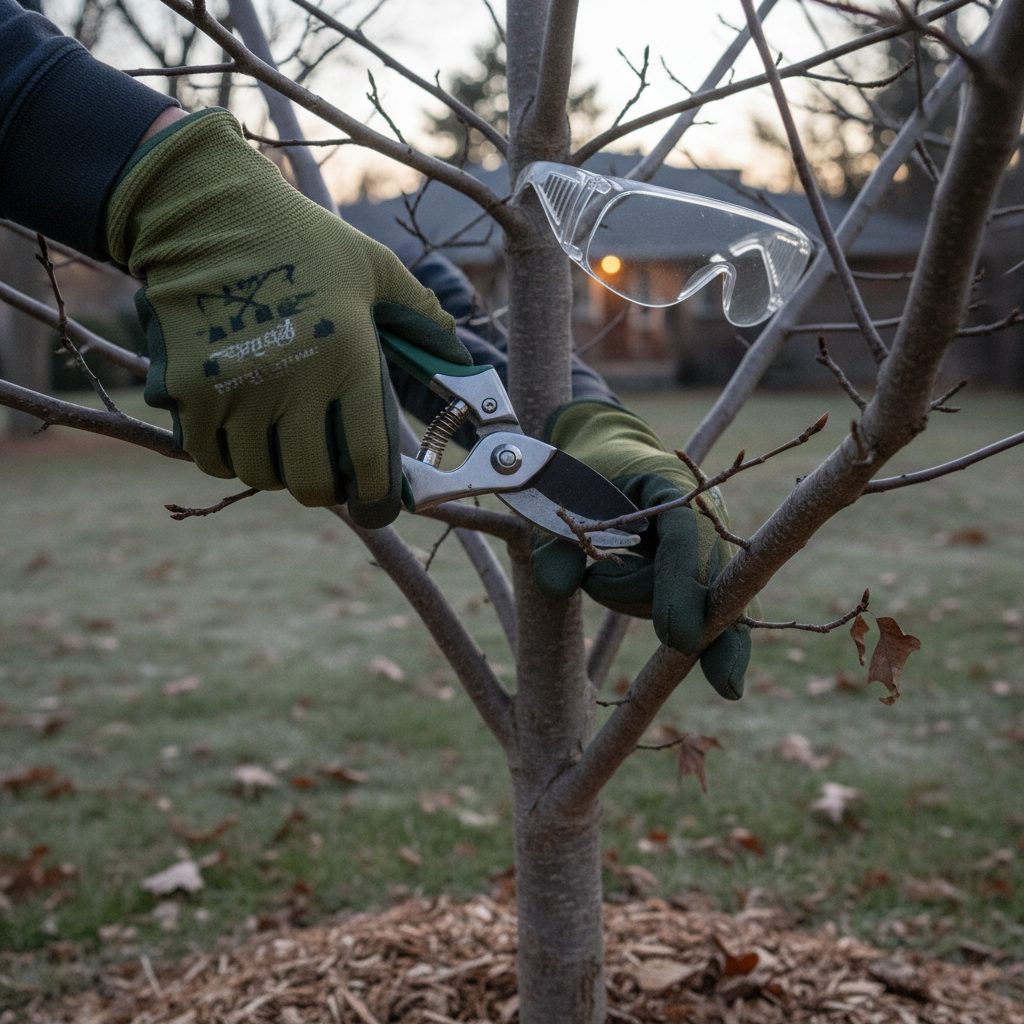
- Inspect for Dead, Damaged, or Diseased Branches (Anytime — with caution) — Essential for tree health and safety.
- You can remove dead, damaged, or diseased branches at any time of year. This is a critical maintenance task because these branches can pose a safety hazard, harbor pests, or spread disease.
- If this doesn't work: If you suspect a serious disease or infestation (e.g., cankers, fungal growth, extensive insect damage), consult a certified arborist immediately. Improper removal can spread the issue.
Landscaping · Deck or fence project
| Project category | Landscaping |
|---|---|
| Problem type | Deck or fence project |
| Trade required | Landscaping |
| Urgency | Planned project |
| Safety risk | Moderate safety risk |
| DIY suitability | DIY for experienced homeowners |
| Cost category | High cost |
| Typical timeline | Most builds 3–10 days depending on size |
| Contractor type | Landscaping contractor |
Repair option
Replace failed boards, posts, and hardware; reseal the surface.
Replacement option
Rebuild when framing or the ledger connection is unsafe.
Common causes
- Rot at posts and ledger
- Storm damage
- Adding outdoor living space
Relevant tools:home improvement material pricesproject cost estimator
Published May 16, 2026Last updated August 17, 2026
Tools & materials you'll need
Affiliate linksAs an Amazon Associate FixlyGuide earns from qualifying purchases — at no extra cost to you. Prices and availability are accurate as of publication and subject to change.
Quick Answer
Pruning at the wrong time is the most common and damaging mistake homeowners make. For most deciduous trees, the ideal time is during the dormant season—late fall to early spring, after leaf drop and before bud break. This minimizes sap bleeding, lessens the risk of disease and pest infestation, and allows the tree to heal better and redirect energy efficiently once growth resumes. Different pruning goals, such as removing dead branches or encouraging specific growth, can slightly alter this timing, but the dormant season is generally safest for major cuts.
The Problem
Many homeowners, eager to neaten their yards, grab the pruning shears at the first sign of an overgrown branch. However, pruning a tree at the wrong time of year can inflict significant stress, weaken its defenses, and even invite diseases and pests. Cutting during active growth seasons causes excessive sap loss, which is like an open wound that drains the tree's energy reserves and makes it vulnerable. Pruning at the peak of spring or summer can also remove too much foliage needed for photosynthesis, stunting growth and reducing the tree's overall vigor. The consequences range from an aesthetically unpleasing tree with poor structure to a declining tree susceptible to long-term health issues and premature death. Understanding the tree's natural cycles and aligning your pruning schedule with them is crucial for its health and longevity.
How It Works
Trees operate on an annual cycle, heavily influenced by seasons, much like a hibernating animal. During spring and summer, they are in an active growth phase. Leaves are out, converting sunlight into energy (photosynthesis) to produce sugars crucial for growth, root development, and storing reserves. Sap flows vigorously, carrying water and nutrients throughout the tree. Pruning during this period is akin to cutting into a living, fully active system; the tree responds by bleeding sap, which means losing vital resources. These open wounds are also immediate entry points for diseases, such as oak wilt or Dutch elm disease, whose spores are often more prevalent during warmer, wetter months, and pests like borers, attracted to the scent of fresh cuts.
As fall approaches, deciduous trees prepare for dormancy. They begin to reabsorb nutrients from their leaves, which is why leaves change color and eventually drop. The flow of sap slows down considerably, and metabolic activity reduces. This dormant state, extending through winter and into early spring, is the optimal window for most pruning. When a tree is dormant, it experiences minimal stress from cuts. Sap flow is reduced, minimizing bleeding. More importantly, the absence of leaves provides an unobstructed view of the tree's branch structure, allowing for more precise and effective cuts. Wounds created during dormancy have a longer period to begin healing (callus formation) before the next active growth cycle commences, bolstering the tree's natural defenses against pathogens and insects when spring arrives. Essentially, you're working with the tree's natural rhythms, not against them, to promote stronger, healthier growth.
Step-by-Step Fix
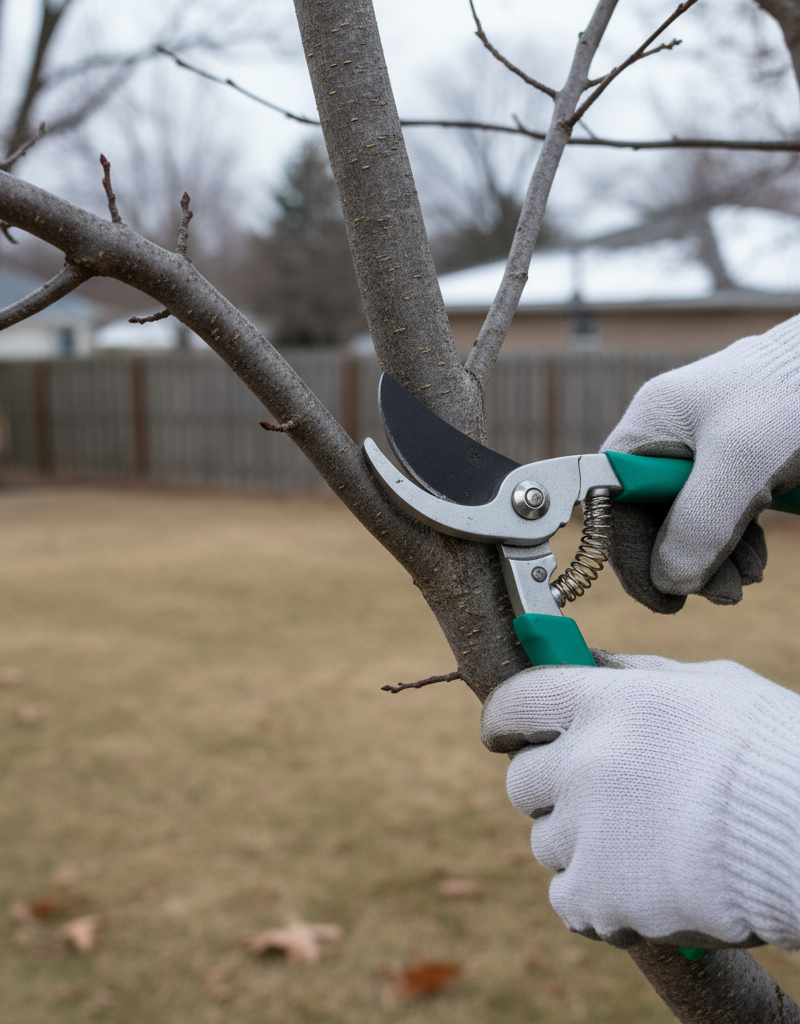
Even though this article focuses on when to prune, understanding the basic 'how-to' for minor cuts during the correct window is essential for homeowners. Remember, large cuts or structural pruning should always be left to professionals.
-
Assess Your Tree's Species and Goals — Knowledge is power before you cut.
- Before even grabbing tools, identify your tree species. Is it a deciduous tree (loses leaves in fall) or an evergreen? Different species have slightly different optimal pruning times. For instance, most spring-flowering trees (like dogwoods or magnolias) are best pruned after they flower to avoid removing this year's blooms. Summer-flowering trees (like crape myrtles) are pruned in late winter or early spring just before new growth.
- Define your goal: Are you removing dead/diseased branches, shaping the tree, promoting fruit production, or improving air circulation? This will influence precise timing.
-
Identify the Dormant Season (General Rule) — The best time for most stress-free pruning.
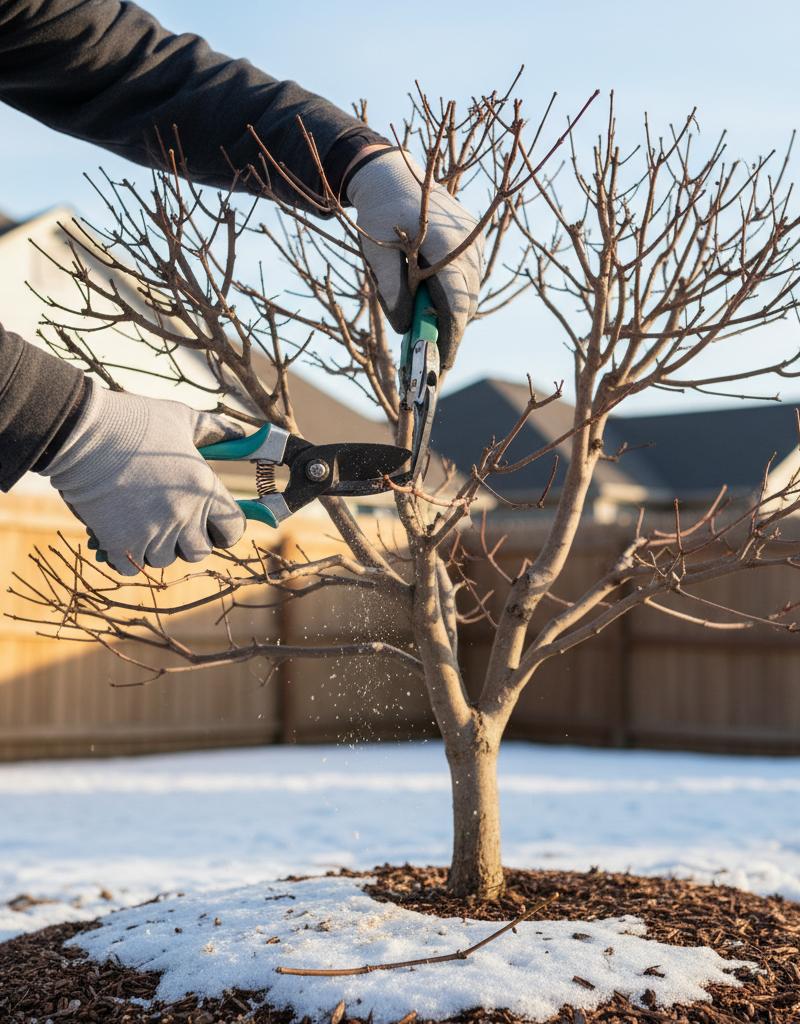
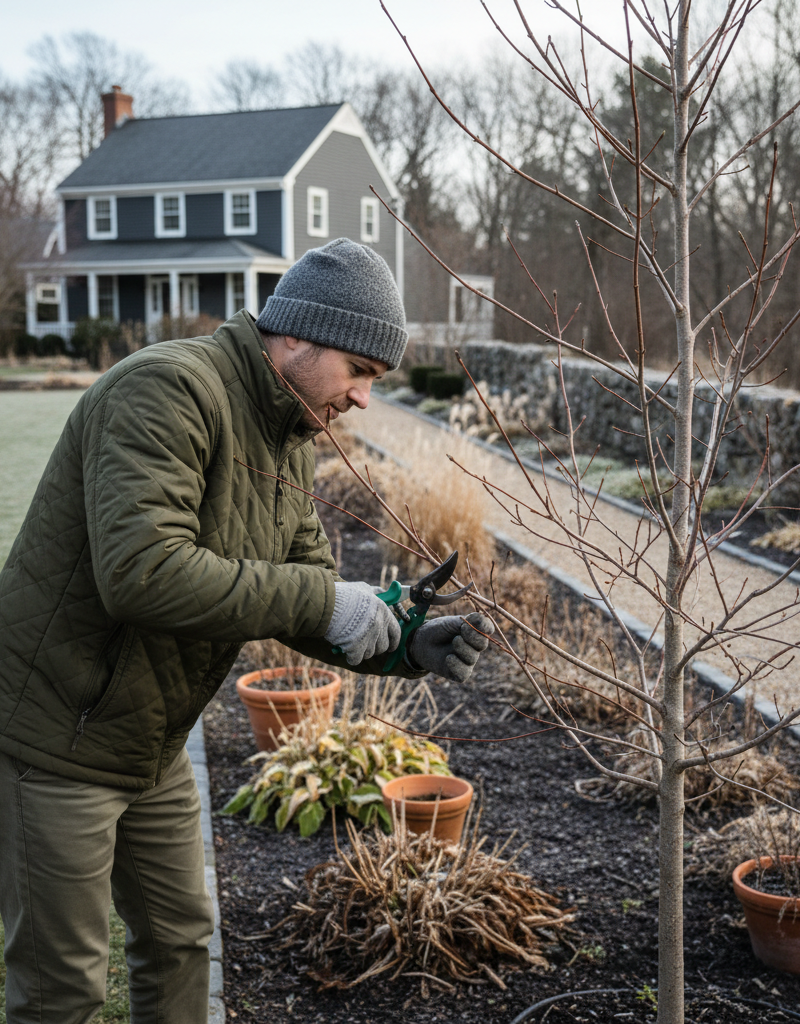
- For the vast majority of deciduous trees, the ideal time to prune is late fall through early spring, after the leaves have dropped and before new buds begin to swell. This typically means November through March in many temperate climates.
- Why it works: Reduced sap flow minimizes bleeding; bare branches offer better visibility for structural assessment; fewer pests/diseases are active, reducing infection risk; and the tree has ample time to begin healing before expending energy on new growth.
-
Inspect for Dead, Damaged, or Diseased Branches (Anytime — with caution) — Essential for tree health and safety.
- You can remove dead, damaged, or diseased branches at any time of year. This is a critical maintenance task because these branches can pose a safety hazard, harbor pests, or spread disease.
- Safety Note: Always wear appropriate personal protective equipment (PPE), including gloves, eye protection, and a hard hat for overhead work. Use sharp, clean tools to make precise cuts. If the branch is large or high, always call a professional arborist to avoid injury or further tree damage.
- If this doesn't work: If you suspect a serious disease or infestation (e.g., cankers, fungal growth, extensive insect damage), consult a certified arborist immediately. Improper removal can spread the issue.
-
Prune Spring-Flowering Trees (After Flowering) — Preserve those beautiful blooms.
- Trees that flower in spring (e.g., Dogwood, Cherry, Lilac, Magnolia) set their flower buds on old wood during the previous season. Pruning them in late winter or early spring would remove these buds and eliminate their spring display.
- Wait until immediately after the flowers fade. This allows you to enjoy the blooms and gives the tree the maximum amount of time to produce new growth that will bear flowers next spring.
-
Prune Summer-Flowering Trees (Late Winter/Early Spring) — Encourage robust summer blooms.
- Trees that flower in summer (e.g., Crape Myrtle, Rose of Sharon) typically produce flowers on new wood grown in the current season.
- Prune these trees in late winter or very early spring, just before new growth begins. This encourages vigorous new growth, which will then produce abundant flowers your tree as it comes to life in the warmer months. This timing also provides the tree with the entire growing season to recover and thrive.
-
Avoid Pruning During Early Spring (Bud Break) — A high-stress period.
- Once buds begin to swell and break, the tree is actively drawing on its stored energy reserves for new growth. Pruning during this very active phase causes significant stress and sap loss, weakening the tree and making it more susceptible to problems. Wait until full dormancy or well after flowering, depending on the tree type.
-
Avoid Pruning During Late Summer/Early Fall — Prevents new growth that won't harden off.
- Pruning too late in the summer or early fall (August to October in many regions) can stimulate a flush of new growth that won't have enough time to harden off before winter's cold arrives. This new, tender growth is highly vulnerable to frost damage, which can harm the tree.
- This rule is especially important for younger trees or those in colder climates.
-
Understand Pruning for Specific Issues — Tailor your approach.
- Fruit Trees: Often pruned for fruit production, which might involve dormant pruning for structure and summer pruning to regulate size and light penetration. Consult specific guides for fruit tree pruning.
- Shrubs: Similar principles apply, but many shrubs can be rejuvenated with more aggressive pruning during dormancy.
- Hedges: Typically pruned for shape during the growing season, but lighter cuts are better than heavy ones.
Common Causes
- Misunderstanding Tree Biology: Many homeowners simply don't know that trees have dormant and active periods, and that pruning during the wrong phase can be detrimental. The idea that
Related Articles
Keep troubleshooting with these hand-picked guides from FixlyGuide:
- The #1 Pruning Mistake Homeowners Make (It Harms Your Trees!) — Don't guess when to prune trees! Discover the crucial timing mistake most homeowners make that can severely damage their yard's health.
- The #1 Pruning Mistake Homeowners Make (and the Secret to Stronger Trees) — Discover the most common pruning error homeowners make and how to avoid it, ensuring healthier, more resilient trees in your yard.
- The #1 Pruning Mistake Homeowners Make (And How to Time It Right) — Pruning at the wrong time can severely damage your trees. Learn the optimal timing for different tree types to promote health and vibrant g…
- The #1 Pruning Mistake That Chokes Your Shrubs (And How to Fix It Right Now) — Discover the most common pruning error homeowners make and how to correct it for healthier, more vigorous shrub growth.
- The #1 Pruning Mistake Homeowners Make (and How to Fix It) — Many homeowners prune their trees at the wrong time, leading to weak growth, disease, or fewer flowers. Learn the right time to prune to en…
- The #1 Mistake Homeowners Make When a Gas Burner Won't Light (And the Easy Fix) — Before you call a technician, discover the most common, overlooked reason your gas stove burner isn't lighting and how to fix it yourself i…
Should you do this yourself?
Answer five quick questions before you start. Safety outranks savings every time.
Your experience with work like this
How high do you have to work?
Does the job involve any of these?
Will it need a permit?
Specialty tools
Free and instant. Educational guidance only — not a quote, inspection, or professional diagnosis.
What should this project cost?
Enter your project details for a realistic cost range before you call anyone.
Cost depends heavily on which system turns out to be the source.
- Regional adjustment
- National average
- Labor share (typical)
- ~$1,620
- Quotes to collect
- 3 written estimates
Educational estimate based on national averages — not a binding quote. Always confirm with written local estimates.
Before you start
Check the difficulty, permits, and safety risk — then decide whether to call a pro.
- Estimate this projectGet a cost range for your scope and ZIP before you call anyone.Open
- Get local estimatesSend one request and compare written estimates from vetted pros.Open
Free, no signup required. Estimates are educational guidance, not a quote or an inspection.
Get the print-ready PDF of this guide
A clean, ad-free, printable version you can keep on your phone or pin to the workshop wall. Free with a FixlyGuide account.
- Print-optimized layout
- Tools, materials & every step included
- Saved to your account
Frequently asked questions
What happens if I prune a tree at the wrong time of year?+
Pruning at the wrong time can stress the tree, cause excessive sap loss, create open wounds that are vulnerable to diseases and pests, reduce flowering or fruiting, and weaken the tree's overall health and vigor. It can even lead to stunted growth or premature death.
Can I prune dead branches any time of year?+
Yes, dead, damaged, or diseased branches can and should be removed as soon as they are noticed, regardless of the season. These branches pose a safety hazard and can harbor pests or diseases that might spread to healthy parts of the tree. Always use clean, sharp tools.
When is the absolute worst time to prune a tree?+
The worst times to prune most trees are typically in early spring when buds are breaking and sap is flowing heavily, and in late summer/early fall, which can stimulate tender new growth that won't harden off before winter frost. These periods cause maximum stress and vulnerability.
How do I know if my tree is dormant?+
For deciduous trees, dormancy is visually evident when all the leaves have fallen off. In evergreens, it's less obvious, but their growth slows significantly during colder months. The best indicator for deciduous trees is the bare branch structure in late fall through early spring, before bud swell.
Should I prune a tree that's already stressed?+
Pruning a stressed tree (e.g., suffering from drought, disease, or insect infestation) should be approached with extreme caution. While removing dead or diseased wood is beneficial, excessive pruning can add more stress. Consult a certified arborist to diagnose the underlying issue and recommend a proper care plan.
Discussion
Loading comments…