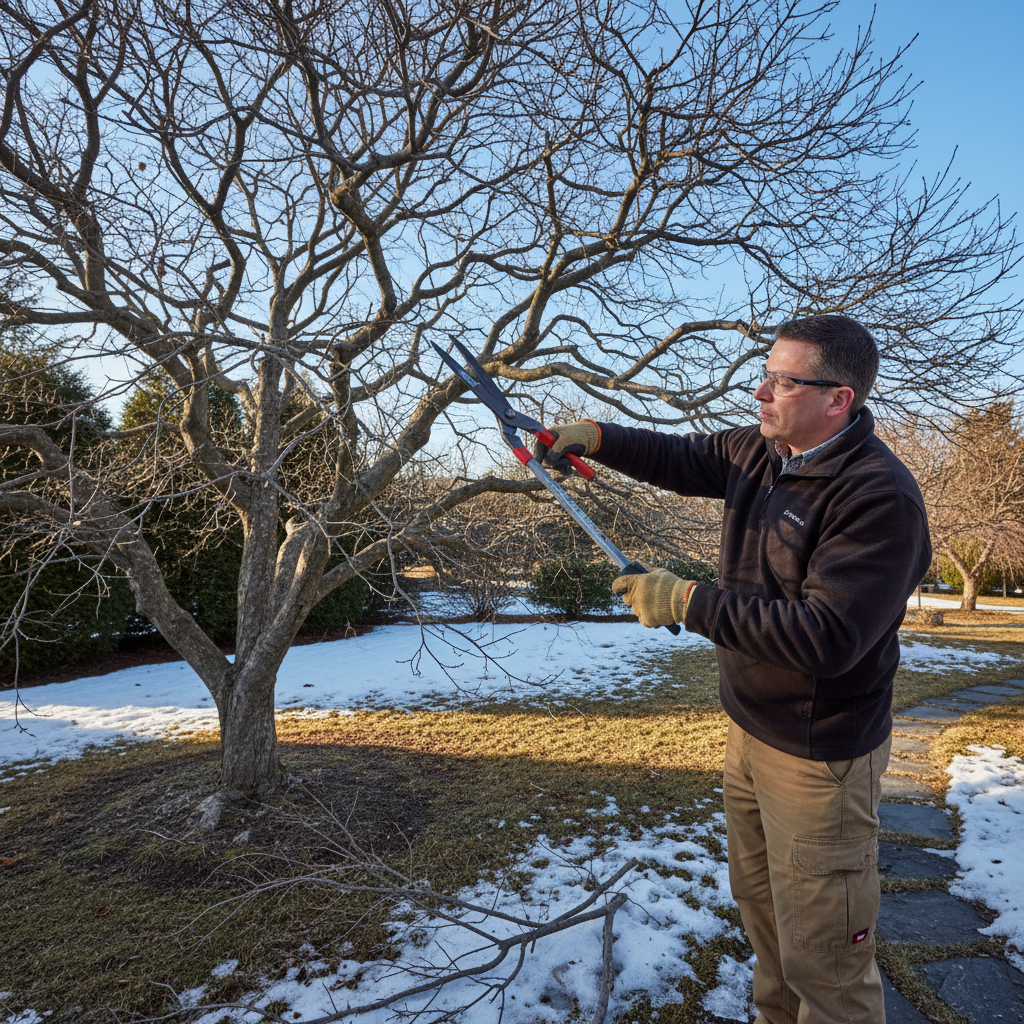
- Visibility: With no leaves, the entire branch structure is exposed, making it easier to identify crossing branches, weak angles, and dead wood that needs to be removed for structural integrity and air circulation.
- Disease & Pest Avoidance: Many disease pathogens and insect pests are dormant or less active in cold weather, reducing the risk of infection through fresh cuts. For example, the beetles that spread Oak Wilt are most active in warm weather.
- Vigorous Spring Growth: Pruning just before spring stimulates a flush of new growth, often resulting in denser foliage and stronger branches as the tree channels its energy into lateral buds near the cuts.
Landscaping · Deck or fence project
| Project category | Landscaping |
|---|---|
| Problem type | Deck or fence project |
| Trade required | Landscaping |
| Urgency | Planned project |
| Safety risk | Moderate safety risk |
| DIY suitability | DIY for experienced homeowners |
| Cost category | High cost |
| Typical timeline | Most builds 3–10 days depending on size |
| Contractor type | Landscaping contractor |
Repair option
Replace failed boards, posts, and hardware; reseal the surface.
Replacement option
Rebuild when framing or the ledger connection is unsafe.
Common causes
- Rot at posts and ledger
- Storm damage
- Adding outdoor living space
Relevant tools:home improvement material pricesproject cost estimator
Published May 17, 2026Last updated August 17, 2026
Tools & materials you'll need
Affiliate links- AmazonRubbing Alcohol or Bleach Solution1 bottle · For sterilizing tools
As an Amazon Associate FixlyGuide earns from qualifying purchases — at no extra cost to you. Prices and availability are accurate as of publication and subject to change.
Quick Answer
Pruning at the wrong time of year is the most common mistake homeowners make, often leading to weakened trees, increased susceptibility to disease and pests, and poor aesthetic form. For most deciduous trees, the ideal time for significant pruning is in late winter or early spring, just before the tree breaks dormancy. This allows for clear visibility of the tree's structure without leaves and ensures the tree has an entire growing season to recover. Evergreen trees generally tolerate light pruning any time of year, but major shaping is also best done in early spring or late summer.
The Problem
Many homeowners, eager to maintain a tidy yard, grab their pruners at the first sign of an unruly branch. While the intention is good, an ill-timed cut can lead to more problems than it solves. Pruning during active growth periods, such as late spring or summer for many species, can excessively stress the tree, forcing it to expend valuable energy on healing wounds rather than growth. This can stunt its development, make it more vulnerable to pests and diseases that are active during warmer months, and even result in poor fruiting or flowering the following year. Incorrect timing can also encourage vigorous, weak “water sprout” growth that requires more pruning later.
Another specific issue is the risk of introducing disease. Certain tree diseases, like Oak Wilt or Fire Blight, are spread by insects attracted to fresh wounds, particularly during warmer months. Pruning susceptible species at these times essentially rolls out a welcome mat for infection. Likewise, pruning flowering trees or shrubs at the wrong time can mean sacrificing an entire season's bloom, a frustrating outcome for any gardener. The core problem is a lack of understanding regarding tree physiology and how different species respond to pruning throughout their annual cycle.
How It Works
To understand proper pruning timing, it helps to grasp the basic biology of a tree's annual cycle. Trees, like all plants, operate on a seasonal rhythm. During the winter dormant period, deciduous trees shed their leaves and significantly slow their metabolic processes. Sap flow is minimal, and the tree is in a state of rest, conserving energy. This is an ideal time for major pruning because:
- Visibility: With no leaves, the entire branch structure is exposed, making it easier to identify crossing branches, weak angles, and dead wood that needs to be removed for structural integrity and air circulation.
- Stress Reduction: The tree is not actively growing, so pruning wounds have less impact on its overall energy reserves. The wounds will begin to callous over in the spring as the tree reawakens, allowing for efficient healing before disease and pests become highly active.
- Disease & Pest Avoidance: Many disease pathogens and insect pests are dormant or less active in cold weather, reducing the risk of infection through fresh cuts. For example, the beetles that spread Oak Wilt are most active in warm weather.
- Vigorous Spring Growth: Pruning just before spring stimulates a flush of new growth, often resulting in denser foliage and stronger branches as the tree channels its energy into lateral buds near the cuts.
Conversely, pruning during active growth periods (spring, summer) can be more detrimental. In spring, trees are putting immense energy into leafing out and flowering. Wounding them then forces them to divert energy to wound closure, potentially weakening overall growth. Summer pruning is generally for minor shaping or removing suckers/water sprouts, as it tends to slow growth rather than stimulate it. Fall pruning is often discouraged as it can stimulate new, tender growth that won't have time to harden off before winter frosts, leading to cold damage.
Evergreen trees, which retain their needles or leaves year-round, have a slightly different rhythm, but the principles of minimizing stress and avoiding disease remain. Their "dormant" period is less pronounced but generally occurs in late winter/early spring or late summer/early fall when growth is slower.
Step-by-Step Fix
Properly timing your pruning cuts is critical for tree health. Follow these steps to ensure you're pruning effectively and safely:
-
Understand Your Tree Species — Every tree has unique needs. Research your specific tree species (e.g., Oak, Maple, Apple, Pine, Holly) to understand its growth habit, flowering/fruiting cycles, and any specific disease susceptibilities that might influence pruning timing.
- If you don't know your tree: Use a plant identification app or consult with a local arborist or university extension office.
-
Identify the Pruning Goal — Are you removing dead/diseased branches, improving structure, encouraging fruit/flower production, controlling size, or just light shaping? Your goal dictates the timing.
- Dead/Diseased Wood: Can be removed any time of year without major harm, but it's better to do it during dormancy if possible to minimize stress.
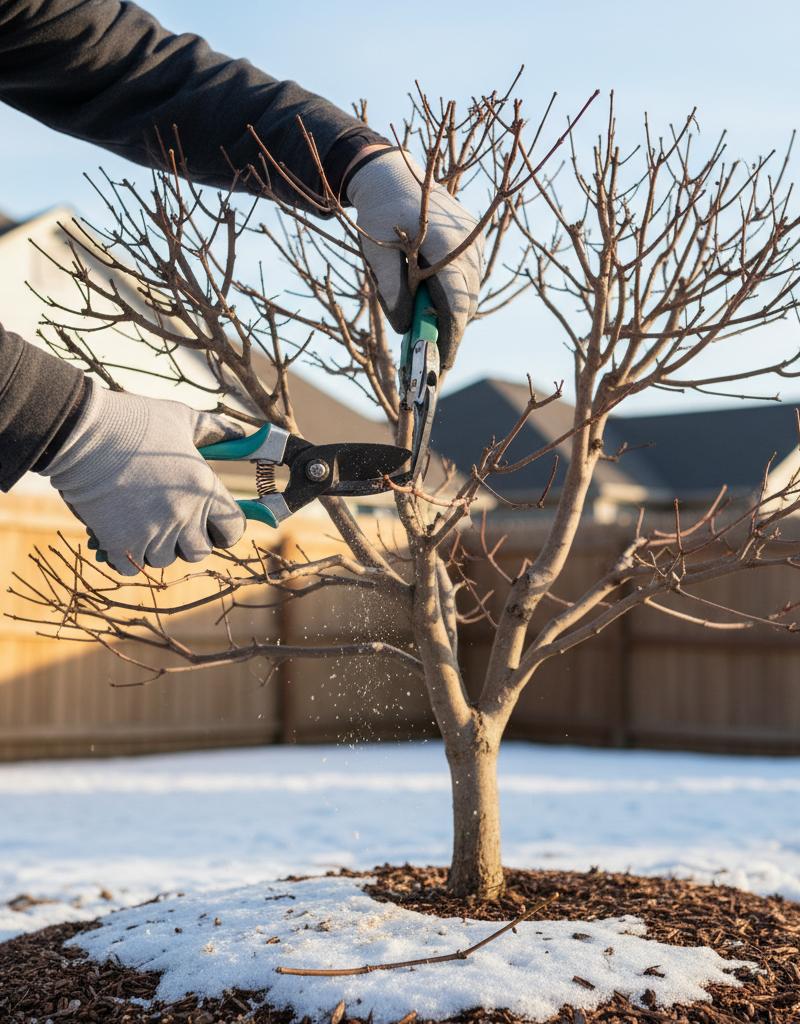
- Structural Pruning/Major Cuts: Best during dormancy (late winter/early spring).
- Flowering/Fruiting: Varies greatly by species (see Step 3).
-
Timing by Tree Type — This is the most critical step. Adhere to these general guidelines:
- Deciduous Shade Trees (Maples, Oaks, Elms, Ashes): Best pruned in late winter to early spring (February-March in most temperate zones), before bud break. Avoid pruning susceptible trees like Oaks from April–September to prevent Oak Wilt spread.
- Deciduous Flowering Trees/Shrubs:
- Bloom on Old Wood (e.g., Lilac, Forsythia, Cherry, Dogwood, Azalea): Prune immediately after they finish flowering in spring/early summer. Pruning before they flower will remove the buds for the current year's bloom.
- Bloom on New Wood (e.g., Crape Myrtle, Rose of Sharon, certain Hydrangeas): Prune in late winter/early spring during dormancy. This encourages vigorous new growth that will produce flowers.
- Deciduous Fruit Trees (Apple, Pear, Peach, Plum): Generally pruned in late winter/early spring for structural shaping and fruit production. Summer pruning can be done for light thinning to improve fruit quality and ripeness.
- Evergreen Conifers (Pines, Spruces, Firs, Junipers):
- Pines: Prune "candles" (new growth) in late spring/early summer when they are still soft.
- Other Conifers: Light shaping can be done in late winter to early spring or late summer/early fall. Avoid heavy pruning in late fall as it can stimulate new growth vulnerable to winter damage.
- Evergreen Broadleaf Trees/Shrubs (Holly, Magnolia, Rhododendron): Light shaping can be done in late winter to early spring or after flowering for those that bloom.
-
Examine for Disease & Pests — Before making a cut, inspect the branch. If you see signs of disease (cankers, discolored wood, fungal growth) or pests, sterilize your tools with a 10% bleach solution or rubbing alcohol before and after each cut into affected wood to prevent spreading. Remove diseased branches well into healthy wood.
- Safety Note: Always wear appropriate personal protective equipment, including safety glasses and heavy gloves. Use sharp, clean tools to make precise cuts.
-
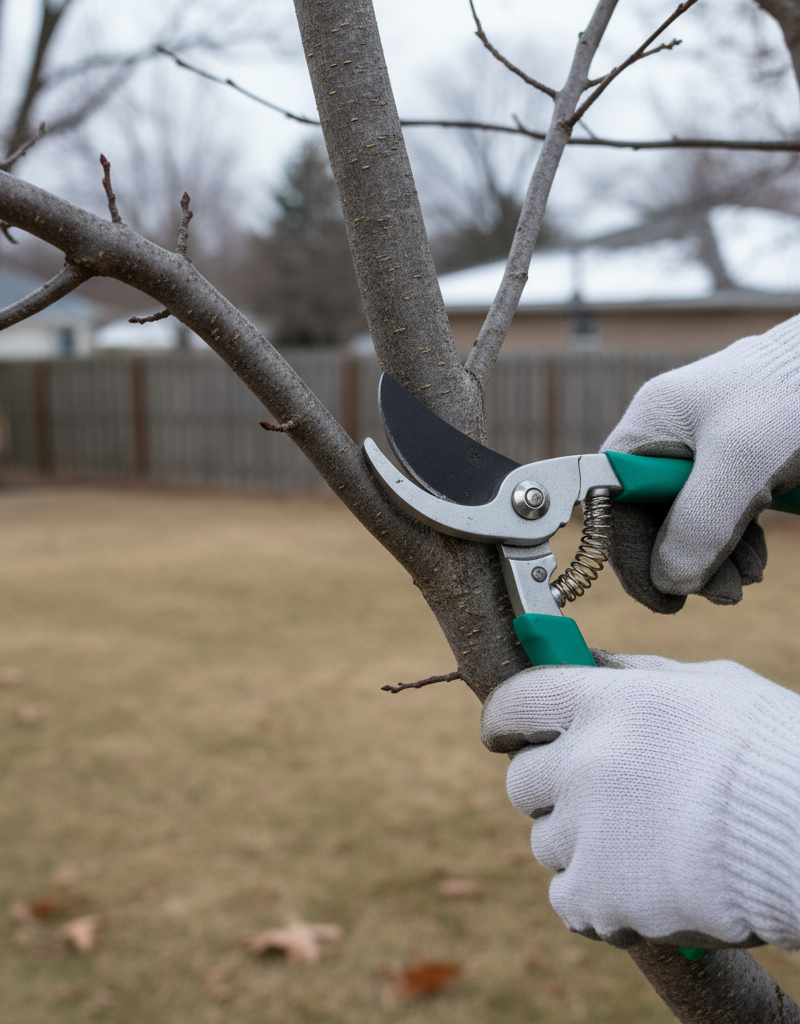
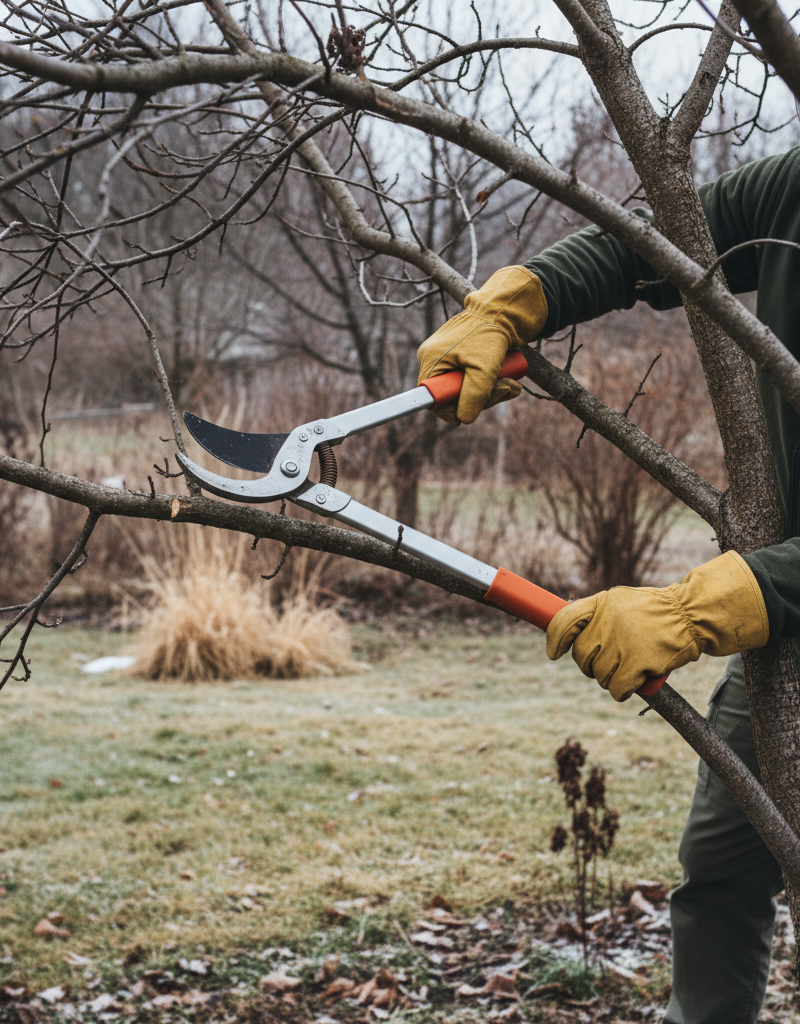
Make Proper Cuts — Use sharp bypass pruners, loppers, or a pruning saw. Make cuts just outside the branch collar (the slightly swollen area where a branch joins a larger branch or the trunk). Avoid flush cuts against the trunk or leaving stubs, as both impair proper wound healing. Remove branches at their point of origin or back to a strong lateral branch that is at least one-third the diameter of the branch being removed.
-
Clean Up Debris — Rake up and dispose of all pruned branches, especially if they are diseased. Leaving diseased material on the ground can allow pathogens to persist and reinfect the tree.
Common Causes
- Lack of Knowledge: Many homeowners are simply unaware of the biological reasons behind specific pruning timings. They prune when it's convenient or when a branch looks out of place.
- Aesthetic Drive: The desire for a perfectly manicured look often overrides the tree's natural cycle. Homeowners might prune during the summer because that's when they notice an overgrown branch.
- Following Bad Advice: Misinformation from well-meaning neighbors or outdated gardening tips can lead to incorrect pruning practices.
- Ignoring Species-Specific Needs: Treating all trees the same, regardless of whether they are a spring-flowering deciduous shrub, a conifer, or a shade tree, leads to mistimed pruning.
- Emergency Pruning: Sometimes, a storm-damaged or hazardous branch needs immediate removal, regardless of the season. While necessary, understanding the best practices for non-emergency pruning can reduce the need for such actions.
Common Mistakes
- Pruning Spring-Flowering Trees Before They Bloom: This is a classic mistake. If your tree blooms in early spring (e.g., Lilac, Forsythia), its flower buds formed on "old wood" during the previous growing season. Prune these after they finish flowering, not before, or you'll cut off all the blossoms.
- Heavy Pruning in Late Fall: Pruning in late fall can stimulate a flush of new growth that won't have time to harden off before winter. This tender growth is highly susceptible to frost damage, stressing the tree and potentially creating entry points for disease.
- Topping Trees: Never "top" a tree (cutting off the main leader or upper branches without regard for proper branch structure). Topping creates numerous weak, vertically growing sprouts (water sprouts) that are prone to breakage, disfigures the tree, and significantly shortens its lifespan. It's a stressor that invites disease and pests.
- Pruning Susceptible Trees During High-Risk Seasons: For example, pruning Oak trees between April and September in areas with Oak Wilt significantly increases the risk of infection, as beetles that spread the disease are attracted to fresh wounds.
- Using Dull or Dirty Tools: Dull tools make ragged cuts that heal slowly, increasing the risk of disease. Dirty tools can spread pathogens from one plant to another. Always use sharp, clean tools.
- Making Improper Cuts (Flush Cuts or Stubs): Cuts that are too close to the trunk (flush cuts) or leave a long stub both inhibit the tree's natural wound-healing process (compartmentalization), making it harder for the tree to seal off the wound and more vulnerable to decay.
Cost & Time Breakdown
| Task | DIY Cost | Pro Cost | Time |
|---|---|---|---|
| Research Tree Species | $0 (library/web) | N/A | 15-30 mins |
| Sharpen/Clean Tools | $0–$15 | N/A | 10-15 mins |
| Minor Pruning (small branches) | $0 (tools on hand) | N/A | 30-60 mins |
| Moderate Pruning (larger branches) | $0–$50 (new tools) | N/A | 1–2 hours |
| Major Structural Pruning | Pro recommended | $200–$800+ | Hours to Days |
| Hauling Debris | $0 (compost) | $50–$150 (junk removal) | 30-60 mins |
Tips & Prevention
- Observe Your Trees Annually: Get to know your trees' natural growth habits and recognize changes. This helps you anticipate pruning needs.
- Prune Young Trees Early: Establish good structure when trees are young to reduce the need for major, stressful cuts later. This is often called "formative pruning."
- Prioritize Dead, Damaged, or Diseased Wood: This type of wood should be removed as soon as it's noticed, regardless of the season, to prevent further issues.
- Sterilize Tools: Especially when moving between different trees or after cutting diseased wood. A 10% bleach solution or rubbing alcohol works well.
- Don't Over-Prune: Remove no more than 25% of a tree's live foliage in a single season. Excessive pruning stresses the tree and can lead to a flush of weak, undesirable growth.
- Educate Yourself on Local Diseases: Be aware of any specific tree diseases prevalent in your area (e.g., Emerald Ash Borer, Dutch Elm Disease, Oak Wilt) and adjust pruning practices accordingly, especially regarding timing.
- Consider Arborist Consultation: If you're unsure about a large tree or a valuable specimen, a certified arborist can provide species-specific advice and help develop a long-term pruning plan.
When to Call a Professional
While knowing the optimal pruning times is crucial, there are clear instances when a professional arborist is essential. If a tree requires the removal of large branches (typically those over 2 inches in diameter), or if the work involves climbing or working near power lines, always call a licensed and insured arborist. Attempting these tasks yourself is extremely dangerous and can lead to severe injury, property damage, or even death. An arborist has the specialized equipment, training, and experience to safely and correctly handle complex pruning situations, ensuring the long-term health and structural integrity of your trees while minimizing risks. They can also diagnose diseases, recommend treatments, and advise on timing for particularly sensitive or valuable specimens.
Related Articles
Keep troubleshooting with these hand-picked guides from FixlyGuide:
- The #1 Pruning Mistake Homeowners Make (And How to Time It Right) — Pruning at the wrong time can severely damage your trees. Learn the optimal timing for different tree types to promote health and vibrant g…
- The #1 Pruning Mistake That Chokes Your Shrubs (And How to Fix It Right Now) — Discover the most common pruning error homeowners make and how to correct it for healthier, more vigorous shrub growth.
- The #1 Watering Mistake Homeowners Make (And How to Fix It in Minutes) — Discover the most common lawn watering mistake homeowners make and how adjusting your technique can lead to a healthier, greener lawn.
- The #1 Mistake Homeowners Make When a Lawn Mower Won't Start (And the Easy Fix) — Before you despair, discover the most common culprit behind a non-starting lawn mower and how to fix it in minutes.
- The #1 Summer Lawn Mistake Turning Your Grass Yellow (and How to Fix It) — Discover the most common summer lawn mistake that causes yellowing grass and learn the simple steps to revive your lawn.
- The #1 Mistake Homeowners Make When a Gas Burner Won't Light (And the Easy Fix) — Before you call a technician, discover the most common, overlooked reason your gas stove burner isn't lighting and how to fix it yourself i…
Should you do this yourself?
Answer five quick questions before you start. Safety outranks savings every time.
Your experience with work like this
How high do you have to work?
Does the job involve any of these?
Will it need a permit?
Specialty tools
Free and instant. Educational guidance only — not a quote, inspection, or professional diagnosis.
What should this project cost?
Enter your project details for a realistic cost range before you call anyone.
Cost depends heavily on which system turns out to be the source.
- Regional adjustment
- National average
- Labor share (typical)
- ~$1,620
- Quotes to collect
- 3 written estimates
Educational estimate based on national averages — not a binding quote. Always confirm with written local estimates.
Before you start
Check the difficulty, permits, and safety risk — then decide whether to call a pro.
- Estimate this projectGet a cost range for your scope and ZIP before you call anyone.Open
- Get local estimatesSend one request and compare written estimates from vetted pros.Open
Free, no signup required. Estimates are educational guidance, not a quote or an inspection.
Get the print-ready PDF of this guide
A clean, ad-free, printable version you can keep on your phone or pin to the workshop wall. Free with a FixlyGuide account.
- Print-optimized layout
- Tools, materials & every step included
- Saved to your account
Frequently asked questions
When is the absolute best time to prune most trees?+
For most deciduous shade trees, the absolute best time for significant pruning is during their dormant season, typically late winter to early spring (February-March in many regions), before new leaves emerge. This allows for clear visibility of the branch structure and minimizes stress on the tree.
Can I prune trees in the summer?+
Light pruning, such as removing small dead branches, suckers, or water sprouts, can be done in summer. However, heavy pruning in summer is generally discouraged as it can stress the tree and inhibit growth. For flowering trees, summer pruning might be necessary immediately after they bloom if they flower on old wood.
What happens if I prune at the wrong time of year?+
Pruning at the wrong time can stress the tree, make it more susceptible to diseases and pests, reduce flowering or fruiting, and encourage undesirable growth like weak water sprouts. It can also lead to cold damage if new growth is stimulated too close to winter.
Should I prune diseased branches immediately, regardless of the season?+
Yes, if you identify diseased or damaged branches, it's generally best to remove them immediately to prevent the spread of disease or further damage to the tree, even if it's outside the optimal pruning window. Ensure you sterilize your tools before and after cuts.
Is fall pruning ever a good idea?+
Fall pruning is generally discouraged for most trees. It can stimulate new, tender growth that won't have time to harden off before winter, making it vulnerable to frost damage. It's better to wait until late winter for major pruning.
Discussion
Loading comments…