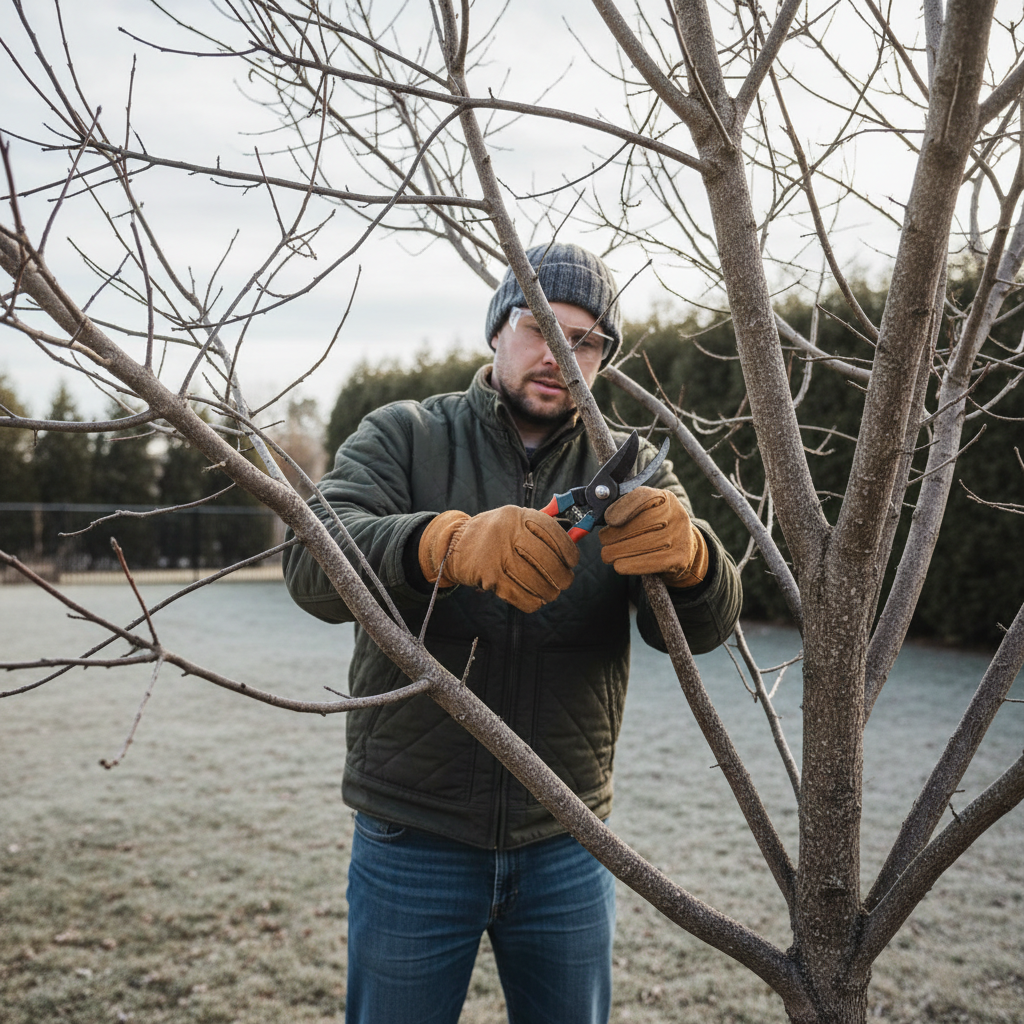
- Visibility: With no leaves, the tree's architecture is fully exposed, allowing you to easily identify crossing branches, weak V-crotches, and deadwood.
- Disease Risk: Many fungal and bacterial diseases are less active in colder temperatures, reducing the risk of infection entering fresh pruning wounds.
- Sap Flow: Sap flow is minimal in dormant trees, preventing excessive bleeding (though some species like maples and birches will still bleed, it's generally less damaging in late winter).
- Healing: As spring approaches, the tree's energy reserves are directed towards new growth and wound closure, ensuring faster recovery.
Landscaping · Deck or fence project
| Project category | Landscaping |
|---|---|
| Problem type | Deck or fence project |
| Trade required | Landscaping |
| Urgency | Planned project |
| Safety risk | Moderate safety risk |
| DIY suitability | DIY for experienced homeowners |
| Cost category | High cost |
| Typical timeline | Most builds 3–10 days depending on size |
| Contractor type | Landscaping contractor |
Repair option
Replace failed boards, posts, and hardware; reseal the surface.
Replacement option
Rebuild when framing or the ledger connection is unsafe.
Common causes
- Rot at posts and ledger
- Storm damage
- Adding outdoor living space
Relevant tools:home improvement material pricesproject cost estimator
Published May 13, 2026Last updated August 17, 2026
Tools & materials you'll need
Affiliate links- AmazonRubbing Alcohol1 bottle · For sterilizing tools
As an Amazon Associate FixlyGuide earns from qualifying purchases — at no extra cost to you. Prices and availability are accurate as of publication and subject to change.
Quick Answer
Pruning at the wrong time of year is the most common and damaging mistake homeowners make. For the vast majority of deciduous shade trees and fruit trees, the dormant season—late winter to early spring, typically January through March—is ideal. This timing minimizes stress, disease transmission, and sap loss while allowing you to clearly see the tree's structure. However, there are critical exceptions for spring-flowering trees, fall-flowering trees, and evergreens, where pruning at the wrong time can eliminate an entire year's bloom or significantly weaken the plant. Understanding your tree's type is paramount to successful pruning.
The Problem
You've decided your trees need a trim. Maybe a branch is scraping the house, or the canopy just looks unruly. So, you grab your pruners and head outside. But choosing when to prune is far more critical than many homeowners realize. Pruning at the wrong time can lead to a host of issues: stimulating weak new growth that's vulnerable to frost, encouraging disease, causing excessive sap bleed, or, most commonly and frustratingly, removing all the flower buds for the coming season. This seemingly simple task becomes complicated by the sheer variety of trees and their unique growth cycles. Without a clear understanding of your specific tree's biology and the optimal pruning window, you risk not just an aesthetic mishap, but serious long-term damage to its health and vitality.
How It Works
Trees, like all living organisms, operate on a seasonal clock. Their growth cycles dictate the best times for intervention. During the dormant season, typically late fall through early spring, deciduous trees have shed their leaves and are in a state of minimal metabolic activity. This is the prime time for structural pruning because:
- Visibility: With no leaves, the tree's architecture is fully exposed, allowing you to easily identify crossing branches, weak V-crotches, and deadwood.
- Disease Risk: Many fungal and bacterial diseases are less active in colder temperatures, reducing the risk of infection entering fresh pruning wounds.
- Sap Flow: Sap flow is minimal in dormant trees, preventing excessive bleeding (though some species like maples and birches will still bleed, it's generally less damaging in late winter).
- Healing: As spring approaches, the tree's energy reserves are directed towards new growth and wound closure, ensuring faster recovery.
Conversely, pruning during active growth periods (spring and summer) is generally discouraged for major cuts as it can stimulate a flush of new, often weak growth that can be susceptible to pests or frost damage. Pruning actively growing trees also removes significant portions of their leaf canopy, which are vital for photosynthesis and energy production, thus stressing the tree.
Flowering trees, however, have their own specific internal timelines for setting flower buds. Spring-blooming trees (like dogwoods and magnolias) typically set their flower buds on old wood—the branches that grew the previous year—during the summer or fall. Pruning these in late winter or early spring will remove all those dormant flower buds, resulting in no blooms for the year. Fall-blooming trees (like crape myrtle) set buds on new wood, meaning they can be pruned in late winter without sacrificing flowers.
Evergreens (conifers and broadleaf evergreens) maintain their foliage year-round and have different considerations. Conifers generally respond best to light pruning in late winter or early summer, while broadleaf evergreens often tolerate pruning after their flowering period or in early spring before new growth hardens off. Understanding these fundamental biological rhythms is the secret to effective, healthy pruning.
Step-by-Step Fix
Here's how to determine the optimal pruning time for various common tree types and execute the prune effectively.
1. Identify Your Tree Species — Crucial for determining the correct pruning window.
- Before making any cuts, identify whether your tree is deciduous (loses leaves in fall) or evergreen (keeps leaves year-round). If deciduous, note if it's a spring-flowering, summer-flowering, or non-flowering shade tree. This information is easily found with a quick online search using images of its leaves, bark, and flowers (if present). For example, a Red Maple is a deciduous shade tree; a Southern Magnolia is a broadleaf evergreen; a Dogwood is a spring-flowering deciduous tree.
2. Understand the Dormant Season (Late Winter) — The go-to for most structural pruning.
- For most deciduous shade trees (oaks, maples, elms) and many fruit trees (apples, pears), the ideal time is late winter (January-March). Choose a day when temperatures are above freezing and no major storms are expected. This timing minimizes stress and allows you to clearly see the tree's structure.
- Safety Note: Always wear appropriate personal protective equipment, including safety glasses, gloves, and sturdy footwear. For any cuts requiring a ladder or involving branches thicker than 2 inches, consider calling a certified arborist.
3. Timing for Spring-Flowering Trees — Prune AFTER they bloom.
- If your tree blooms in spring (e.g., Dogwood, Cherry, Lilac, Magnolia, Forsythia), wait until immediately after the flowers fade. These trees form their flower buds on old wood in the previous growing season. Pruning them in late winter or early spring will remove all those potential blooms. Pruning right after flowering allows the tree to set new buds for the following year and gives you a good chance to enjoy the current year's display.
4. Timing for Summer/Fall-Flowering Trees — Prune in late winter or early spring.
- Trees that bloom in summer or fall (e.g., Crape Myrtle, Rose of Sharon, certain Hydrangeas) form their flowers on new wood (growth from the current season). These can be pruned in the dormant season (late winter to early spring) without sacrificing blooms. In fact, dormant pruning often encourages more vigorous new growth and thus more flowers.
5. Pruning Evergreens (Conifers & Broadleaf) — Species-specific, but generally late winter to early summer.
- Conifers (pine, spruce, fir): Generally require less pruning. If necessary, light shaping can be done in late winter (to remove dead/diseased branches) or early summer after the initial flush of growth (to control size or shape). Avoid significant pruning into old wood, as many conifers will not regenerate from it.
- Broadleaf Evergreens (holly, magnolia, arborvitae): Optimal timing is typically late winter or early spring before new growth starts, or immediately after their flowering period (if they flower). This allows new growth to harden off before winter.
6. Address Dead, Damaged, or Diseased Branches (Anytime) — The exception to seasonal rules.
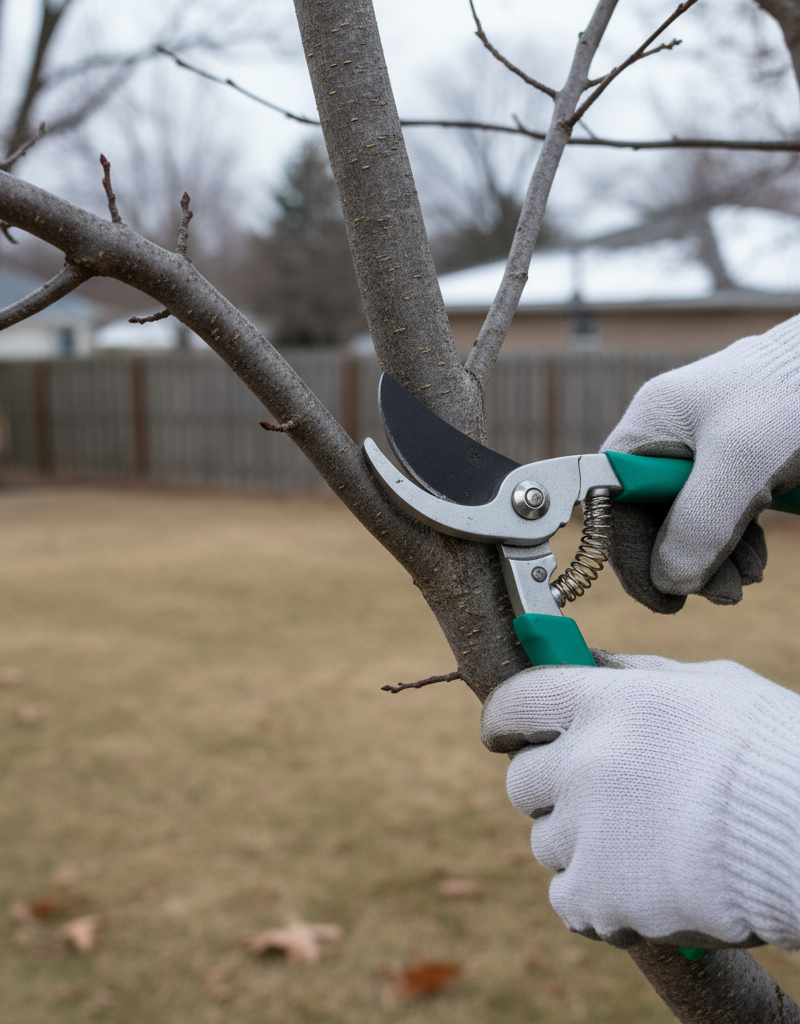
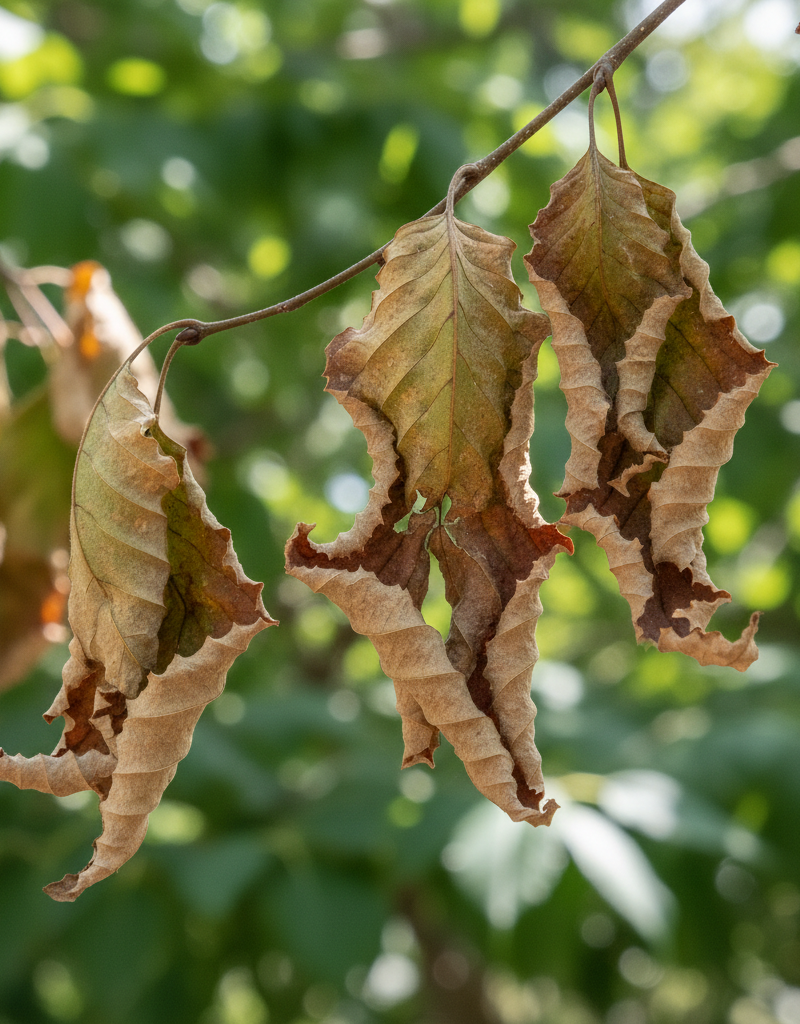
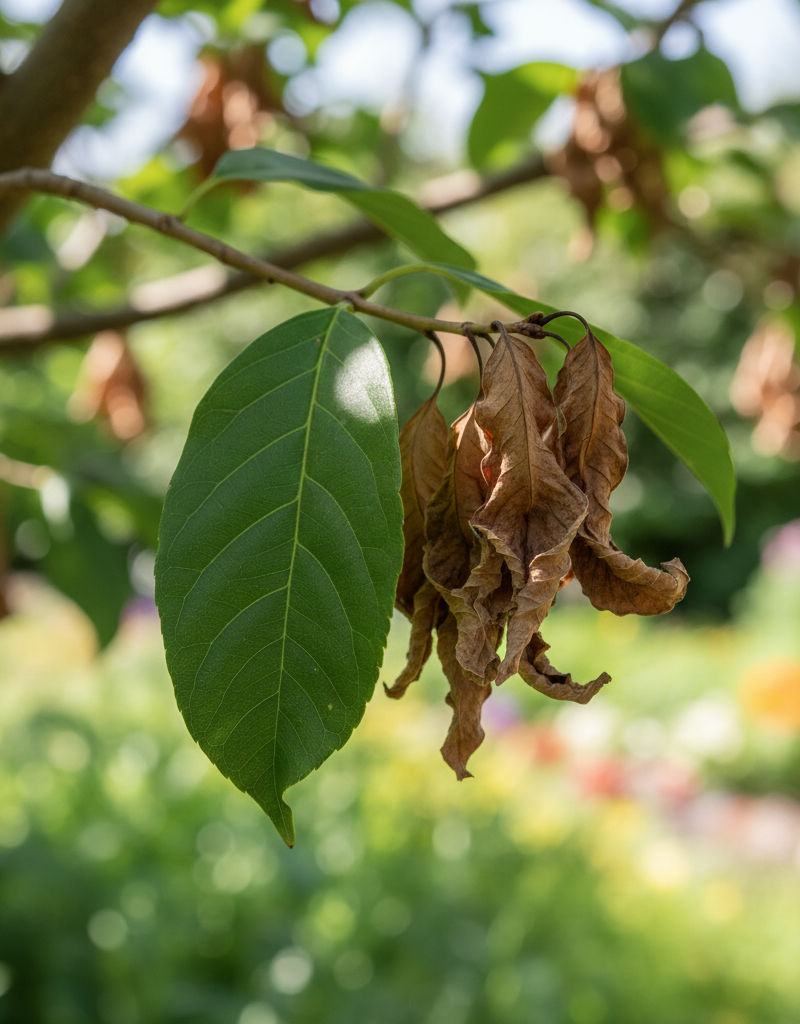
- Safety First: Remove dead, damaged, or diseased branches as soon as you notice them, regardless of the season. These branches pose a safety hazard, can lead to further decay, and can spread disease. Use sharp bypass pruners or loppers for clean cuts.
- If this doesn't work: If the disease or damage appears extensive, or if you suspect a serious pest infestation, collect a sample of the affected branch and consult with your local extension office or a certified arborist. Do not attempt to prune large, diseased limbs yourself.
7. Make Proper Pruning Cuts — Clean cuts promote better healing.
- Always use sharp, clean tools. For branches up to 1 inch thick, use bypass pruners. For 1-2 inch branches, use loppers. For larger branches, use a pruning saw. Cut just outside the branch collar (the slightly swollen area where a branch attaches to the trunk or a larger branch). Avoid leaving stubs or cutting flush with the trunk, as both inhibit proper wound closure.
- Tool Maintenance: Regularly clean your pruning tools with rubbing alcohol, especially between cuts on diseased branches, to prevent spreading pathogens.
8. Prune for Specific Goals — Thinning, heading, or removal.
- Thinning: Removing entire branches back to their origin to improve air circulation and light penetration, often done in the dormant season.
- Heading: Cutting back a branch to a bud or side branch to encourage bushier growth. Timing depends on the tree type (see steps 3-5).
- Removal: Eliminating dead, diseased, or crossing branches. Priority is health and safety, so this can be done anytime.
Common Causes
- Misunderstanding Tree Biology: The primary cause of incorrect pruning timing is a lack of knowledge about when a specific tree species sets its flower buds or its natural dormancy period. Many homeowners assume all trees can be pruned at any season.
- Pure Aesthetics: Pruning solely for appearance without considering the health or biological cycle of the tree. While aesthetics are important, they should be secondary to the tree's health.
- Reactive Pruning: Only pruning when a branch becomes overgrown or problematic, rather than engaging in proactive, scheduled maintenance based on the tree's needs.
- Following General Advice Too Literally: A common piece of advice like
Related Articles
Keep troubleshooting with these hand-picked guides from FixlyGuide:
- The #1 Pruning Mistake Homeowners Make (and the Secret to Stronger Trees) — Discover the most common pruning error homeowners make and how to avoid it, ensuring healthier, more resilient trees in your yard.
- The #1 Pruning Mistake Homeowners Make (And How to Fix It) — Learn the most common pruning mistake homeowners make and how to properly prune shrubs for healthier growth and more abundant blooms.
- The #1 Pruning Mistake Homeowners Make (and How to Fix It) — Many homeowners prune their trees at the wrong time, leading to weak growth, disease, and reduced flowering. Learn the correct timing for h…
- The #1 Mowing Mistake That Leaves Your Lawn Brown and Patchy — Discover the most common mowing mistake homeowners make that leads to unhealthy, patchy grass and how to fix it for a vibrant lawn.
- The #1 Pruning Mistake That Chokes Your Shrubs (And How to Fix It) — Discover the most common pruning error homeowners make that hinders shrub health and how to correct it for vibrant growth.
- Is Your Gutter Sagging After Every Storm? The Hidden Flaw Most Homeowners Miss — Discover the overlooked reason your gutters sag after every storm and learn the lasting fix that most homeowners miss.
Should you do this yourself?
Answer five quick questions before you start. Safety outranks savings every time.
Your experience with work like this
How high do you have to work?
Does the job involve any of these?
Will it need a permit?
Specialty tools
Free and instant. Educational guidance only — not a quote, inspection, or professional diagnosis.
What should this project cost?
Enter your project details for a realistic cost range before you call anyone.
Cost depends heavily on which system turns out to be the source.
- Regional adjustment
- National average
- Labor share (typical)
- ~$1,620
- Quotes to collect
- 3 written estimates
Educational estimate based on national averages — not a binding quote. Always confirm with written local estimates.
Before you start
Check the difficulty, permits, and safety risk — then decide whether to call a pro.
- Estimate this projectGet a cost range for your scope and ZIP before you call anyone.Open
- Get local estimatesSend one request and compare written estimates from vetted pros.Open
Free, no signup required. Estimates are educational guidance, not a quote or an inspection.
Frequently asked questions
Can I prune trees in the summer?+
Light pruning for shaping or removing dead/damaged branches can typically be done in summer without severe harm. However, major structural pruning during active growth can stress the tree, remove essential leaf canopy, and encourage weak new growth. For most deciduous trees, summer pruning is best avoided unless absolutely necessary for safety or health.
What happens if I prune a tree at the wrong time?+
Pruning at the wrong time can lead to several problems: 1) For spring-flowering trees, you'll remove all the flower buds, resulting in no blooms. 2) It can stress the tree by removing too much foliage during active growth, hindering photosynthesis. 3) It can encourage a flush of weak, succulent new growth that's susceptible to pest damage or frost. 4) It might lead to excessive sap bleed in some species or increased susceptibility to disease.
How do I know if my tree is spring-flowering or summer-flowering?+
Spring-flowering trees (like dogwoods, cherries, lilacs, magnolias) typically bloom before or as their leaves emerge. They set buds on the previous year's wood. Summer/fall-flowering trees (like crape myrtles, rose of Sharon) bloom after their leaves are fully developed, and they set buds on new wood from the current growing season. When in doubt, observe when your tree blooms or consult a reliable tree identification guide online.
Do I need to put pruning sealer on tree cuts?+
No, generally applying pruning sealer or 'wound dressing' is not recommended for most tree cuts. Research has shown that these products can actually hinder the tree's natural healing process by trapping moisture and pathogens. Trees have evolved their own mechanisms to compartmentalize wounds. The best 'sealer' is a clean, proper cut made with sharp tools.
When should I call a professional arborist instead of DIY pruning?+
You should call a professional arborist if the job involves climbing a ladder to make cuts, using a chainsaw, removing branches over 2 inches in diameter, working near power lines, or if the tree is very large or structurally compromised. Arborists have the equipment, training, and insurance to safely and effectively prune large trees and diagnose complex tree health issues.
Discussion
Loading comments…