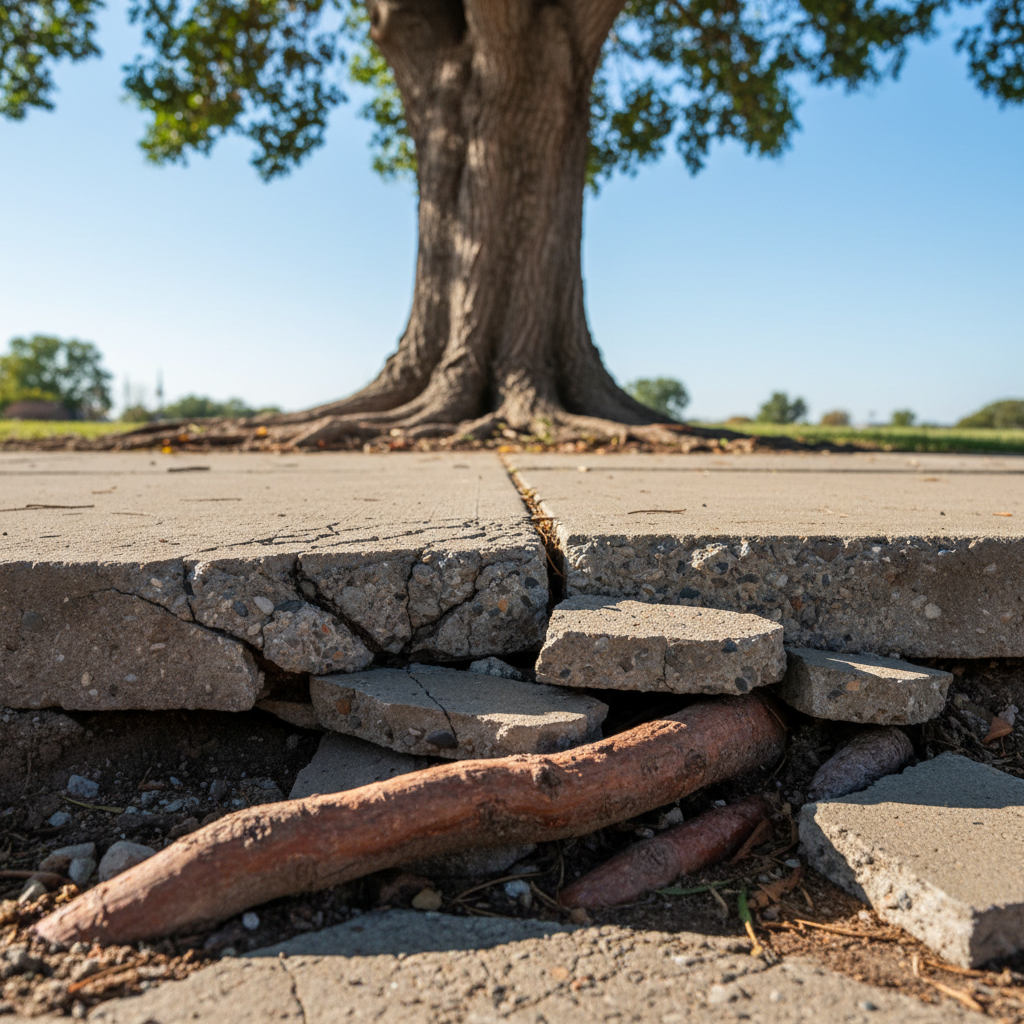
- Tools: Sharp bypass pruners, loppers, or a root saw.
- Excavation: Carefully expose the offending root by digging around it. Use a trowel or small spade to avoid damaging other roots.
- Clean Cut: For roots smaller than 2 inches in diameter, make a clean cut using sharp tools. Cut the root at least 1-2 feet away from the concrete edge to prevent immediate recurrence.
- Safety Note: Never cut more than 25% of a tree's root system in a single year, and avoid cutting roots larger than 2-3 inches in diameter without professional guidance. Over-pruning can severely stress or kill the tree.
Landscaping · Deck or fence project
| Project category | Landscaping |
|---|---|
| Problem type | Deck or fence project |
| Trade required | Landscaping |
| Urgency | Planned project |
| Safety risk | Moderate safety risk |
| DIY suitability | DIY for experienced homeowners |
| Cost category | High cost |
| Typical timeline | Most builds 3–10 days depending on size |
| Contractor type | Landscaping contractor |
Repair option
Replace failed boards, posts, and hardware; reseal the surface.
Replacement option
Rebuild when framing or the ledger connection is unsafe.
Common causes
- Rot at posts and ledger
- Storm damage
- Adding outdoor living space
Relevant tools:home improvement material pricesproject cost estimator
Published April 25, 2026Last updated August 17, 2026
Tools & materials you'll need
Affiliate links- AmazonHeavy-duty plastic root barrier24-36 inches deep, 60-mil thick
As an Amazon Associate FixlyGuide earns from qualifying purchases — at no extra cost to you. Prices and availability are accurate as of publication and subject to change.
Quick Answer
Tree roots lifting your sidewalk can be a frustrating and even dangerous issue, creating tripping hazards and damaging property. The most effective long-term solutions involve strategic root pruning, installing a physical root barrier to redirect growth, or adjusting the sidewalk itself through grinding, patching, or entirely replacing the affected sections with a more root-resilient material. The key is to assess the tree's health, the extent of the damage, and choose a method that balances sidewalk integrity with the tree's well-being.
The Problem
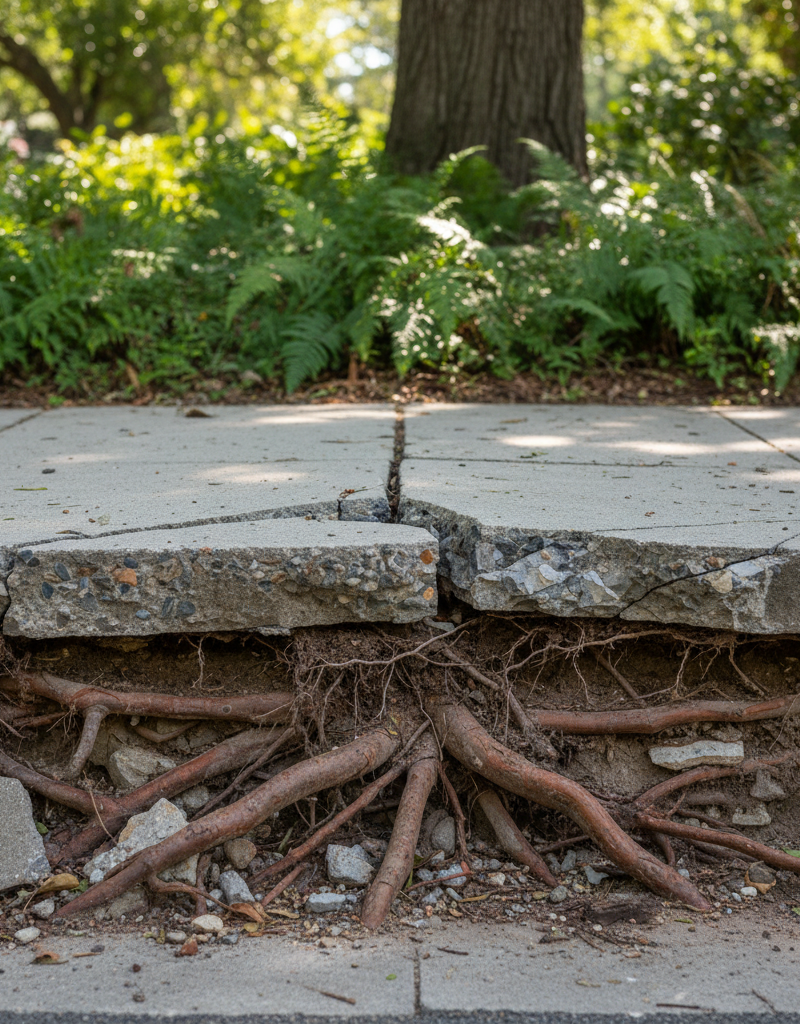
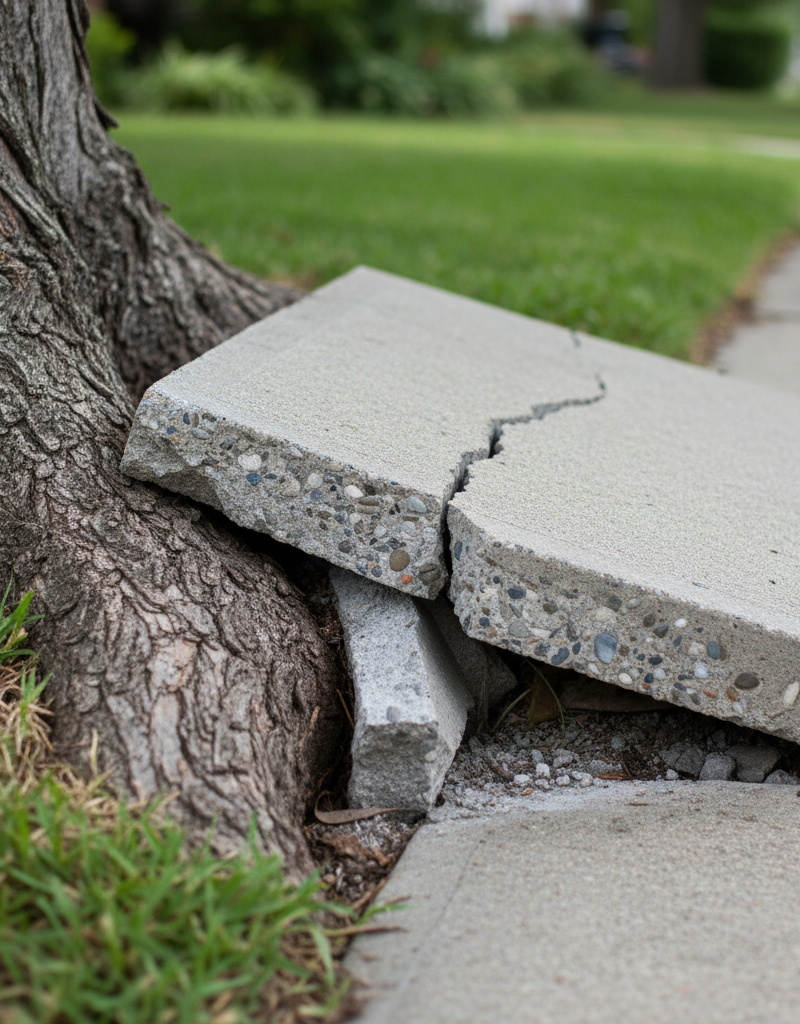
That crack or hump in your sidewalk isn't just an eyesore; it's a symptom of a silent, powerful force at work beneath the surface: tree roots. As trees mature, their root systems expand, searching for water, nutrients, and stability. When these roots encounter the unyielding resistance of a concrete sidewalk, they don't stop; they push. This upward pressure can crack, buckle, and lift sidewalk slabs, creating dangerous tripping hazards, compromising the aesthetic appeal of your property, and potentially leading to costly repairs. While the tree's desire to grow is natural, its interaction with hardscape can become a significant homeowner headache, requiring careful consideration to resolve without harming the tree or endlessly repairing the same problem.
How It Works
Tree roots perform several vital functions: anchoring the tree, absorbing water, and taking in essential nutrients from the soil. The roots most often responsible for sidewalk damage are typically the smaller, feeder roots that spread out horizontally in the top 12-24 inches of soil, and larger structural roots that help stabilize the tree. When a root encounters a solid object like a sidewalk slab, it doesn't try to go around it in all cases. Instead, it often continues its growth path, exerting immense pressure. Imagine a tiny, persistent wedge being driven under the concrete, day after day, year after year. The sheer mechanical force of a root expanding in diameter, even by a fraction of an inch annually, is enough to lift several hundred pounds of concrete. This upward movement is compounded by seasonal changes: wet soil allows roots to expand more easily, while freezing and thawing cycles can exacerbate existing cracks. The goal of any repair is to either remove the root's influence, redirect its growth, or accommodate its presence in a way that minimizes damage.
Step-by-Step Fix
1. Assess the Damage and the Tree — Identify the extent of the lift and potential root culprits.
- Safety First: Mark the lifted areas with brightly colored spray paint or tape to prevent trips during your assessment.
- Determine which tree (or trees) is causing the issue. Look for roots directly under the lifted sections. Gauge the tree's overall health – a healthy, mature tree is worth saving; a struggling or invasive species might warrant different actions.
- Understand the root system: Is it a single large root or a network of smaller ones? This will influence your repair strategy.
2. Document and Consult (If Needed) — Take photos and consider professional advice for large roots.
- Capture Evidence: Take clear photos of the lifted sidewalk and the suspected roots. This is useful for insurance, future reference, or if you need to consult an arborist or city official.
- Arborist Consultation: For large, structural roots (typically those thicker than 2-3 inches in diameter and close to the tree trunk), call a certified arborist. Improper pruning can destabilize the tree or lead to decay. They can advise on safe pruning limits and alternative solutions.
- City/HOA Regulations: Check with your local municipality or homeowner's association. There may be specific rules regarding sidewalk repairs or tree root management, especially if the tree is on public property.
3. Root Pruning (Small Roots Only) — Carefully remove smaller, problematic roots.
- Tools: Sharp bypass pruners, loppers, or a root saw.
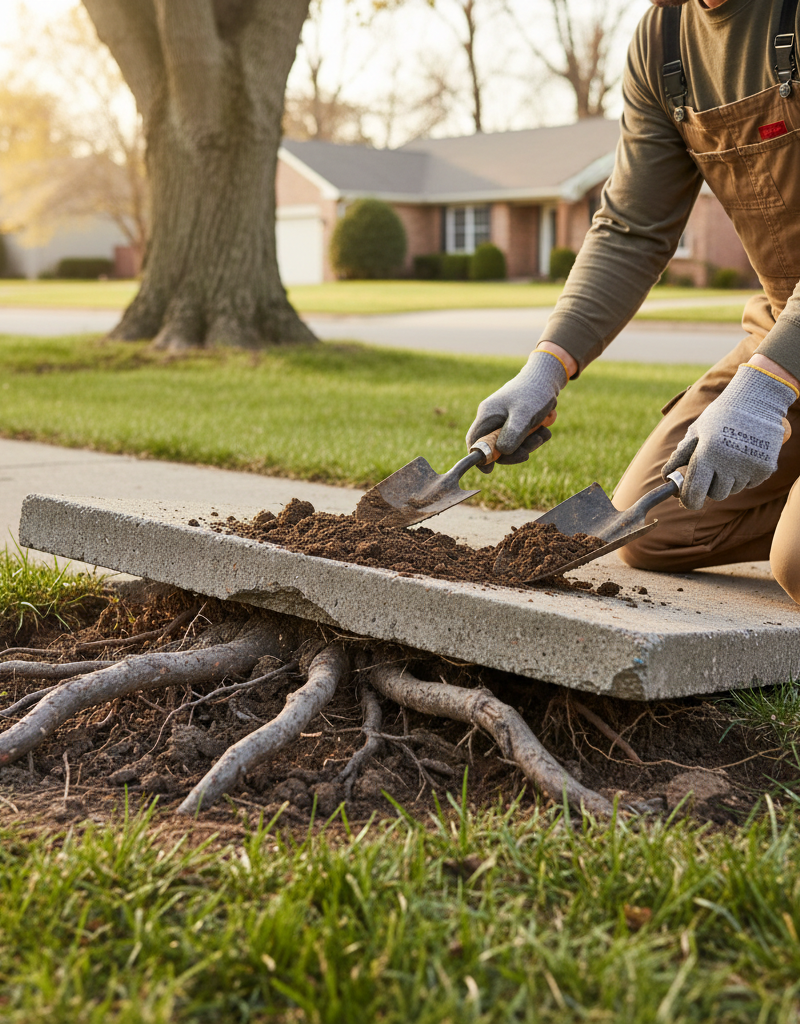
- Excavation: Carefully expose the offending root by digging around it. Use a trowel or small spade to avoid damaging other roots.
- Clean Cut: For roots smaller than 2 inches in diameter, make a clean cut using sharp tools. Cut the root at least 1-2 feet away from the concrete edge to prevent immediate recurrence.
- Treating the Cut: While not strictly necessary for most roots, some arborists recommend treating larger cuts with a root barrier product or a fungicide to discourage regrowth and prevent disease. However, for most small roots, a clean cut is sufficient.
- Safety Note: Never cut more than 25% of a tree's root system in a single year, and avoid cutting roots larger than 2-3 inches in diameter without professional guidance. Over-pruning can severely stress or kill the tree.
4. Install a Root Barrier — Redirect root growth away from the sidewalk.
- Material: Heavy-duty plastic root barrier (minimum 60-mil thick), typically 24-36 inches deep.
- Trenching: After root pruning (if applicable), dig a narrow trench parallel to the sidewalk, between the tree and the concrete. The trench should be 18-30 inches deep, depending on the typical root depth for your tree species.
- Barrier Placement: Place the root barrier vertically in the trench, ensuring it extends slightly above ground level to prevent roots from growing over it. Backfill the trench, compacting the soil firmly.
- Overlap: If using multiple sections, overlap them by at least 6 inches and secure with heavy-duty tape or clips.
5. Sidewalk Grinding — Shave down minor lifts for a smoother surface.
- When to Use: Suitable for lifts of 1 inch or less where the concrete is otherwise sound.
- Tools: Concrete grinder (can be rented from equipment rental stores) with appropriate safety gear (gloves, eye protection, dust mask).
- Process: Carefully grind down the raised section of the sidewalk to match the adjacent slab. Work slowly and evenly to avoid creating a new uneven surface. This is a temporary cosmetic fix that doesn't address the root's continued growth.
- Safety Note: Concrete grinding generates significant dust. Wear a high-quality dust mask (N95 or better) and eye protection. Follow all manufacturer instructions for the grinder.
6. Replace Affected Sections — Remove and repour concrete for more severe damage.
- Tools: Sledgehammer, pry bar, shovel, wheelbarrow, concrete mixer (or ready-mix concrete), leveling tools, form boards.
- Removal: Carefully break up and remove the lifted concrete slabs. Dispose of debris properly.
- Root Management: Before pouring new concrete, address the roots as described in steps 3 and 4. This is a prime opportunity to install a root barrier.
- Pouring New Concrete: Prepare a stable sub-base (compacted gravel) and install form boards. Mix and pour concrete, ensuring it's level with existing sections. Consider using flexible expansion joints where the new concrete meets the old, and possibly around the tree if allowed.
- Alternative Materials: Consider replacing the concrete with a more flexible, root-friendly material like permeable pavers, decomposed granite, or rubberized sidewalks. These materials can accommodate some root movement without cracking.
7. Ongoing Monitoring — Regularly inspect for new root activity or sidewalk changes.
- Annual Checks: Inspect your sidewalks at least annually, especially after heavy rains or periods of rapid growth for the tree.
- Address Early: Catching new root issues early can prevent more extensive and costly repairs later.
Common Causes
- Inappropriate Tree Selection: Planting large tree species with aggressive, shallow root systems (e.g., Silver Maple, Willow, Elm, certain Oaks) too close to sidewalks or foundations.
- Lack of Root Barriers: Absence of physical barriers to guide root growth away from hardscapes during tree planting.
- Poor Soil Conditions: Compacted or nutrient-poor soil can encourage roots to grow closer to the surface where oxygen and moisture are more available, increasing the likelihood of sidewalk interaction.
- Water Sources: Roots naturally grow towards water. Leaky irrigation systems, downspouts, or simply consistent moisture near a sidewalk can draw roots in.
- Tree Maturity: As trees mature and age, their root systems expand significantly, and established roots continue to increase in diameter, exerting more pressure over time.
- Shallow Planting: Trees planted too shallowly can result in more surface-level root growth from the outset.
Common Mistakes
- Cutting Large Structural Roots: Many DIYers cut large roots without consulting an arborist, significantly destabilizing the tree, stunting its growth, or even killing it. Instead: Consult a certified arborist for any root larger than 2-3 inches in diameter or close to the tree's trunk.
- Ignoring the Problem: Hoping the problem will go away or only applying a temporary patch without addressing the underlying root issue. Instead: Understand that roots will continue to grow; a long-term solution is necessary to prevent recurrence.
- Planting the Wrong Tree: Choosing tree species known for aggressive, shallow root systems near sidewalks or foundations. Instead: Research tree species carefully for root characteristics and mature size before planting in urban or suburban settings.
- Using Ineffective Root Barriers: Installing flimsy or too-shallow root barriers that roots can easily circumvent or penetrate. Instead: Use heavy-duty, deep root barriers (e.g., 60-mil plastic, 24-36 inches deep) designed to genuinely redirect root growth.
- Damaging the Tree During Excavation: Haphazard digging that injures the trunk or other healthy roots, making the tree susceptible to disease. Instead: Dig carefully by hand around roots you intend to prune, using appropriate tools.
- Not Considering Alternatives: Immediately resorting to tree removal when other solutions like re-routing or alternative sidewalk materials could save the tree. Instead: Explore all options, including flexible paving materials or professionally guided root pruning, before making a drastic decision.
Cost & Time Breakdown
| Task | DIY Cost | Pro Cost | Time |
|---|---|---|---|
| Root Pruning (Small Roots) | $0–$50 (tools) | $200–$500 | 1–2 hours |
| Root Barrier Installation | $100–$300 | $500–$1,000+ | 3–8 hours |
| Sidewalk Grinding | $50–$150 (rental) | $200–$400 per section | 1–3 hours |
| Patch/Replace Section | $50–$200 | $300–$800 per section | 4–12 hours |
| Arborist Consultation | N/A | $100–$250 | 1–2 hours |
| Full Tree Removal | N/A | $500–$2,000+ | 1 day |
Tips & Prevention
- Strategic Planting: When planting new trees, select species with deep, non-aggressive root systems and plant them at least 10-15 feet away from sidewalks, driveways, and foundations.
- Regular Inspections: Periodically inspect your sidewalks and pathways for early signs of lifting or cracking. Catching issues early can prevent significant damage.
- Proper Watering: Ensure trees receive adequate and consistent water, especially during dry periods. This encourages roots to grow deeper, reducing surface root development.
- Mulch Rings: Apply a 2-4 inch layer of organic mulch around the base of trees, extending out to the drip line. This conserves moisture, regulates soil temperature, and can encourage roots to stay below the surface.
- Consider Permeable Paving: For new installations or replacements, consider using permeable pavers, rubber sidewalks, or decomposed granite, which are more flexible and can better accommodate root growth without cracking.
- Root Collars: For young trees, proper planting techniques that ensure the root crown is at or slightly above soil level can prevent girdling roots and encourage healthier, deeper growth.
When to Call a Professional
It's time to call a certified arborist if the roots causing damage are large (more than 2-3 inches in diameter), very close to the tree's trunk, or if you suspect they are critical structural roots whose removal could destabilize the entire tree. An arborist can assess the tree's health and provide expert advice on safe pruning limits, alternative root management strategies, or if tree removal is truly the only viable option. Contact a licensed concrete contractor for extensive sidewalk damage, multiple lifted sections, or if you're uncomfortable with the demolition and repouring process. They have the equipment, expertise, and permits necessary to ensure a safe, durable, and code-compliant repair. Remember that if the tree is on city property or a shared easement, you must contact your local public works department before undertaking any work. Neglecting large root issues or improper DIY solutions can lead to further damage, tree death, or even personal injury.
Related Articles
Keep troubleshooting with these hand-picked guides from FixlyGuide:
- The 3 Hidden Reasons Tree Roots Buckle Your Sidewalk (And 4 Fixes) — Identify why tree roots are lifting your sidewalk and discover four effective, homeowner-friendly solutions, from minor repairs to root bar…
- The #1 Mistake Killing Your Garden (And 5 Permanent Weed Fixes) — Discover the secret to truly permanent weed removal and stop making the common mistake that allows weeds to relentlessly return, reclaiming…
- The #1 Mistake Killing Your Lawn's Clover—And 3 Secrets to Get Rid of It for Good — Discover the common mistake homeowners make when trying to eliminate clover and learn three effective, grass-safe strategies to remove it p…
- The #1 Mistake Killing Your Lawn's Clover—and the Easy fix That Spares Your Grass — Discover the most common mistake homeowners make when trying to eliminate clover, and learn how to remove it effectively without harming yo…
- How to Prune Overgrown Shrubs Without Killing Them: A Complete Guide — Learn how to properly prune overgrown shrubs, restore their health, and improve their appearance without causing damage, ensuring vibrant g…
- Is a frozen pipe about to burst? 3 ways to fix it fast — Safely thawing a frozen pipe can prevent costly damage. This guide provides step-by-step instructions for homeowners to resolve a common pl…
Should you do this yourself?
Answer five quick questions before you start. Safety outranks savings every time.
Your experience with work like this
How high do you have to work?
Does the job involve any of these?
Will it need a permit?
Specialty tools
Free and instant. Educational guidance only — not a quote, inspection, or professional diagnosis.
Estimate your own project cost
National averages are a starting point. Enter your details for a range that fits your house.
Concrete slab calculator
- Bagged mix (80 lb)$372 – $527
- Ready-mix delivery (1.5 cu yd)$210 – $300
Ready-mix is usually cheaper above ~1 cu yd. Most suppliers have a short-load fee under 3 yd.
Educational estimate only — always confirm with written local bids.
What should this project cost?
Enter your project details for a realistic cost range before you call anyone.
Driveways and patios commonly run $8–$18 per square foot poured.
- Regional adjustment
- National average
- Labor share (typical)
- ~$2,003
- Quotes to collect
- 3 written estimates
Educational estimate based on national averages — not a binding quote. Always confirm with written local estimates.
Frequently asked questions
Can I just cut the tree roots lifting my sidewalk?+
You can cut small, non-structural tree roots (less than 2 inches in diameter) that are lifting your sidewalk. However, for larger roots or those close to the tree's trunk, consult a certified arborist. Improperly cutting large roots can severely damage or even kill the tree and compromise its stability.
How deep should a root barrier be to stop roots?+
A root barrier should typically be installed 18 to 30 inches deep, depending on the tree species and typical rooting patterns in your area. The goal is to redirect the roots downwards and away from the sidewalk, so the barrier needs to extend well below the shallow feeder roots.
Will tree roots stop growing once the sidewalk is removed?+
No, tree roots will continue to grow even if the lifted sidewalk section is removed. The tree's natural growth process means its roots will search for water and nutrients. To prevent re-occurrence, you'll need to implement a solution like root pruning, a root barrier, or consider flexible paving materials.
What kind of trees have shallow roots that damage sidewalks?+
Trees commonly known for aggressive, shallow root systems that often damage sidewalks include Silver Maples, Willows, Elms, Ash, and some Oak species. When planting, it's crucial to select trees appropriate for their proximity to hardscapes.
Discussion
Loading comments…