- Tools: Soaker hose, watering can, garden hose, soil moisture meter.
- Safety: Do not overwater and create standing water, which can lead to root rot.
- If this doesn't work: If leaves remain curled after several deep waterings, or other symptoms appear, consider other causes.
Landscaping · Deck or fence project
| Project category | Landscaping |
|---|---|
| Problem type | Deck or fence project |
| Trade required | Landscaping |
| Urgency | Planned project |
| Safety risk | Moderate safety risk |
| DIY suitability | DIY for experienced homeowners |
| Cost category | High cost |
| Typical timeline | Most builds 3–10 days depending on size |
| Contractor type | Landscaping contractor |
Repair option
Replace failed boards, posts, and hardware; reseal the surface.
Replacement option
Rebuild when framing or the ledger connection is unsafe.
Common causes
- Rot at posts and ledger
- Storm damage
- Adding outdoor living space
Relevant tools:home improvement material pricesproject cost estimator
Published May 6, 2026Last updated August 17, 2026
Tools & materials you'll need
Affiliate links- AmazonTrowel or small shovel1 · For checking soil moisture
- AmazonSoil moisture meter1 · Optional, for precise moisture readings
- AmazonGarden hose or soaker hose1 · For deep watering
- AmazonMagnifying glass1 · For inspecting leaves for tiny pests
- AmazonGloves1 pair · For protection during inspection and treatment
- AmazonBypass pruners1 · For removing dead or heavily infested branches
As an Amazon Associate FixlyGuide earns from qualifying purchases — at no extra cost to you. Prices and availability are accurate as of publication and subject to change.
Quick Answer
Midsummer tree leaf curl is a widespread issue stemming from environmental stressors. The most frequent culprit is insufficient watering, causing the leaves to curl inward as a defense mechanism to conserve moisture and reduce transpiration. However, excessive heat, nutrient imbalances, and certain pest infestations, such as aphids or spider mites, can also trigger this response. Understanding the specific cause through careful observation of your tree and its environment is crucial for effective intervention, which might involve adjusting your watering schedule, enriching the soil, or treating for pests, ultimately restoring your tree's vitality.
The Problem
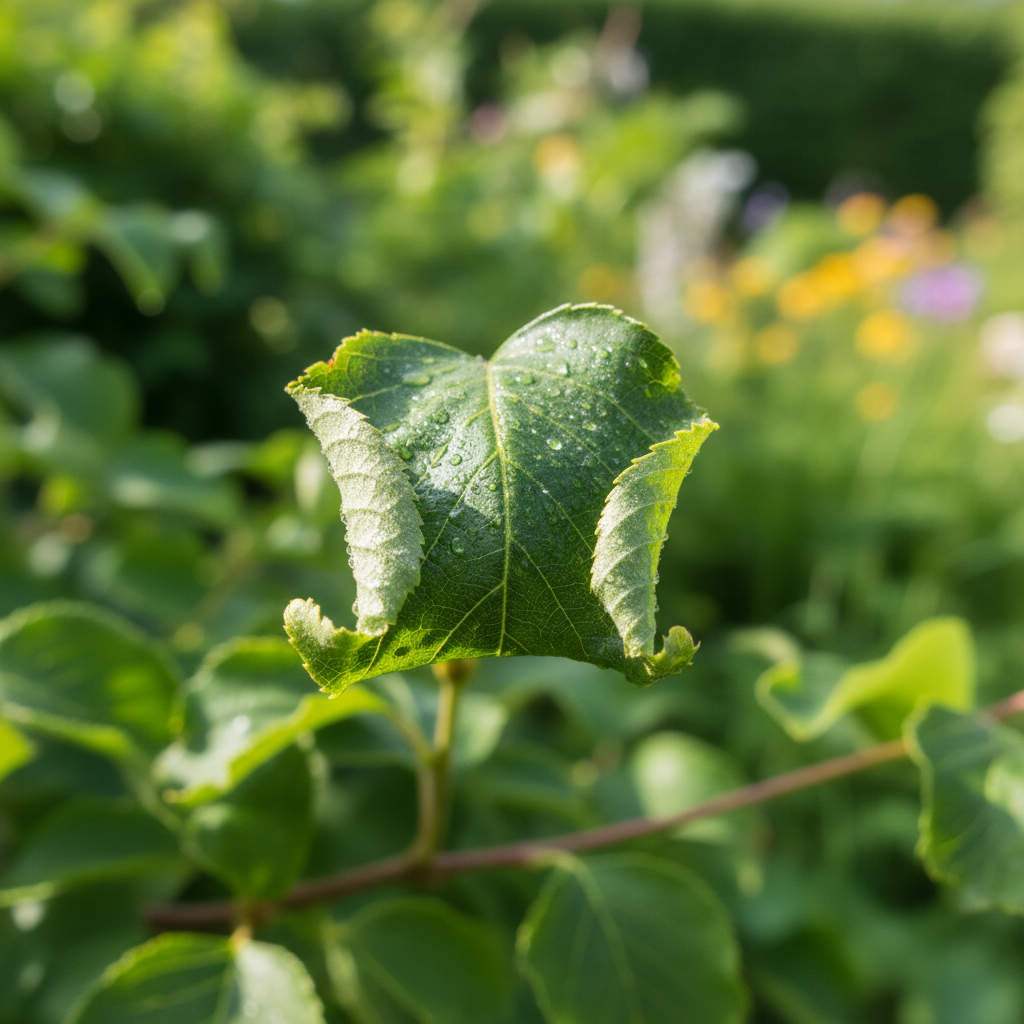
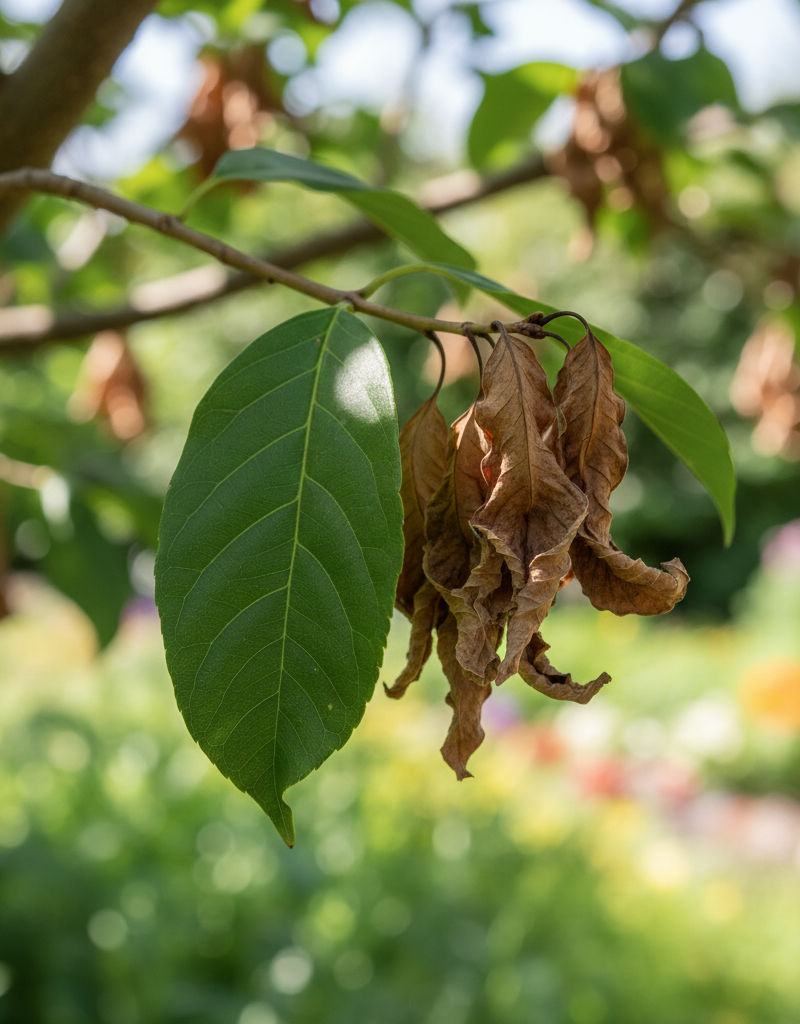
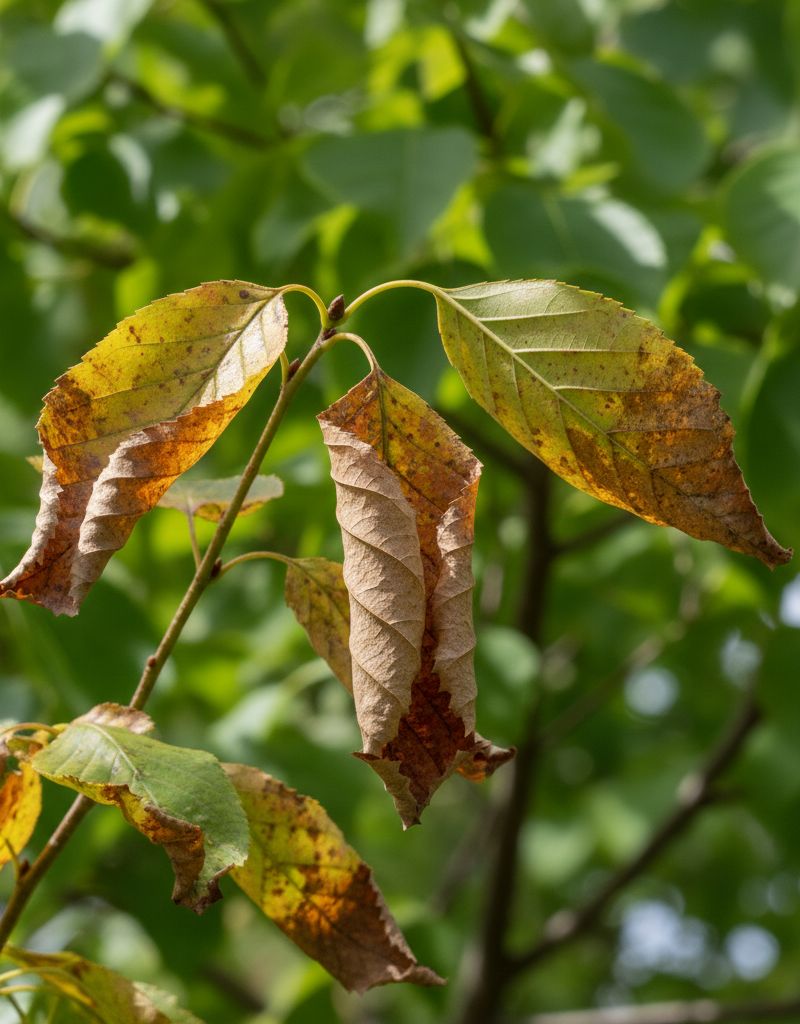
Imagine stepping outside on a warm summer day, admiring the lush greenery of your yard, only to notice that the leaves on one of your beloved trees are starting to cup, roll, or contort into unusual shapes. This isn't just a minor cosmetic issue; curled leaves in midsummer are a clear distress signal from your tree. While it might seem alarming, it’s a common problem for many homeowners, especially during periods of prolonged heat and dryness. The curling is the tree's attempt to protect itself, often by reducing its surface area exposed to the sun and wind, thereby minimizing water loss through a process called transpiration. If left unaddressed, persistent leaf curl can lead to more severe problems, including stunted growth, increased susceptibility to disease, and in extreme cases, the decline or even death of the tree. Understanding why your tree's leaves are curling is the first step toward bringing it back to vibrant health and ensuring its long-term survival in your landscape.
How It Works
Trees, like all living organisms, have intricate systems to manage their internal environment. The leaves are the tree's solar panels, responsible for photosynthesis – the process of converting sunlight into energy. Tiny pores on the underside of leaves, called stomata, open to take in carbon dioxide and release oxygen and water vapor. This release of water vapor is transpiration, a vital process that helps pull water and nutrients up from the roots, similar to how a straw works.
When a tree experiences stress, particularly water stress, its sophisticated internal mechanisms kick in. As soil moisture levels drop, the roots struggle to absorb enough water to keep up with the water being lost through the leaves. To cope, the tree begins to close its stomata to reduce water loss. However, this also reduces the intake of carbon dioxide, impacting photosynthesis. Further stress causes changes in leaf turgor pressure – the internal water pressure that keeps leaves firm and extended. When turgor pressure drops, the leaf cells lose their rigidity, causing the leaves to wilt and, critically for this discussion, curl. This curling action effectively reduces the leaf's surface area exposed to direct sunlight and wind, thereby minimizing the rate of transpiration and conserving precious water.
Beyond simple dehydration, extreme heat can also directly damage leaf tissues, leading to a similar curling response even if soil moisture is adequate. Nutrient deficiencies, particularly of micronutrients, can impair cellular function and lead to abnormal leaf development and curling. Pests like aphids and spider mites feed on the sap within the leaves, directly extracting fluids and causing physical damage that interferes with the leaf's normal structure and function, leading to distortion and curling. Understanding these underlying physiological processes helps explain why a seemingly simple issue like leaf curl can be a symptom of various serious environmental or biological problems.
Step-by-Step Fix
Before you begin any interventions, always take a moment to observe your tree. Look for patterns: are all leaves affected, or just some? Is the curling accompanied by discoloration, spots, or visible pests? Your observations will guide your approach.
1. Assess Soil Moisture — The most common cause of leaf curl is insufficient water.
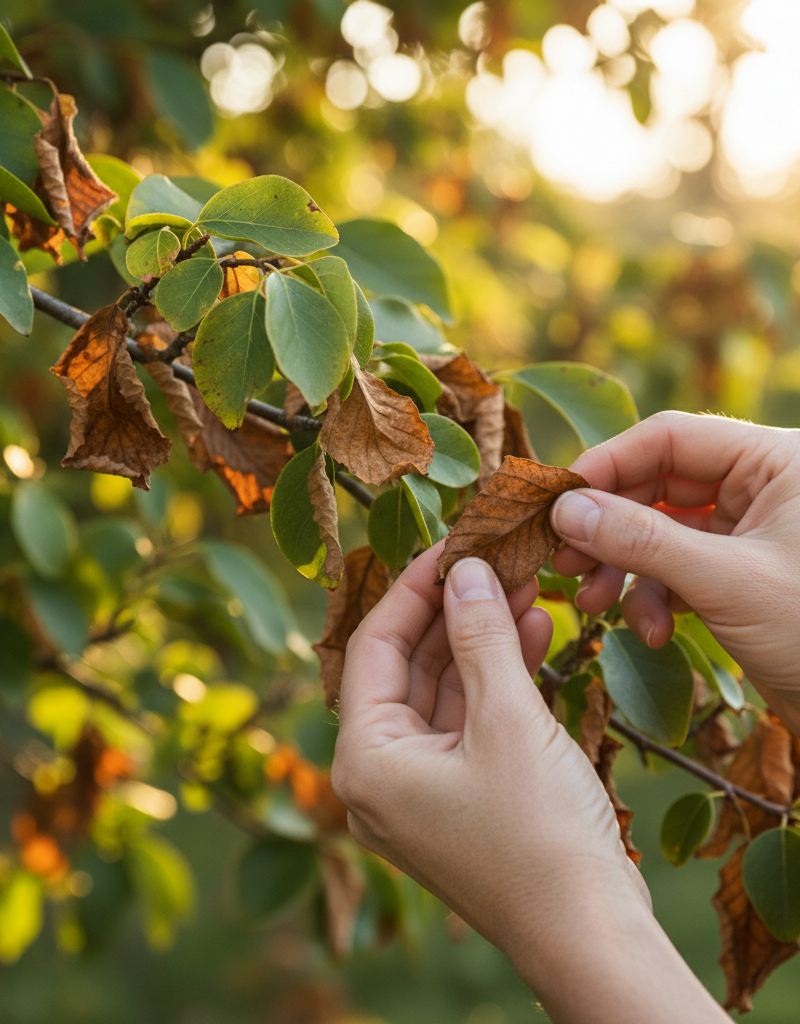
- How to do it: Use a trowel, a soil moisture meter, or even your finger to check the soil moisture. Dig down 4-6 inches around the tree's drip line (the imaginary circle on the ground directly below the outermost branches). The soil should feel consistently moist, not soggy or bone dry.
- If dry: Proceed with deep watering.
- If wet/soggy: Overwatering can also stress roots. Reduce watering frequency and ensure good drainage. If drainage is poor, consider amending soil with compost or improving the landscape around the tree to facilitate runoff.
2. Deep Water Your Tree — Correcting drought stress is often the quickest solution.
- How to do it: Slow, deep watering is key, especially during dry spells and in midsummer. Instead of frequent, shallow watering, aim to soak the soil thoroughly. For young trees (1-3 years old), provide 10-15 gallons of water per week. For mature trees, a good rule of thumb is 10 gallons of water per inch of trunk diameter, applied once or twice a month, depending on rainfall and soil type. Use a soaker hose or ensure water infiltrates deeply for several hours.
- Tools: Soaker hose, watering can, garden hose, soil moisture meter.
- Safety: Do not overwater and create standing water, which can lead to root rot.
- If this doesn't work: If leaves remain curled after several deep waterings, or other symptoms appear, consider other causes.
3. Shade Young Trees — Protect tender leaves from intense sun and heat.
- How to do it: Young trees (especially newly planted ones) are more susceptible to heat stress and sun scalding. Install a temporary shade cloth or erect a simple shade structure (e.g., stakes with burlap) on the south or west side of the tree to provide protection during the hottest parts of the day. Ensure there's good air circulation.
- Tools: Shade cloth, stakes, zip ties or twine.
- Note: This is less practical for mature trees, but ensures young trees establish well.
4. Investigate for Pests — Some tiny insects cause significant leaf damage.
- How to do it: Carefully inspect both the top and, crucially, the underside of curled leaves and new growth. Look for small insects like aphids (often green, black, or brown, clustered on new shoots), spider mites (tiny red or brown mites, often with fine webbing), or other sap-sucking pests. Use a magnifying glass if needed.
- If pests detected:
- Mild infestation: Blast small pests off with a strong stream of water from a garden hose. Repeat every few days.
- Moderate infestation: Apply insecticidal soap or neem oil spray, ensuring thorough coverage of all leaf surfaces, particularly the undersides. Follow product instructions carefully.
- Severe infestation: Consult with an arborist or a local nursery for targeted, stronger solutions, or consider beneficial insects as a natural control.
- Safety: Always wear gloves and eye protection when applying any treatments. Read product labels carefully.
5. Assess Soil Nutrients — A lack of essential elements can cause leaf deformities.
- How to do it: While less common than water stress or pests as a standalone cause of sudden midsummer curl, chronic nutrient deficiencies can contribute. Look for other symptoms like yellowing (chlorosis), stunted growth, or unusual leaf coloration. The best approach is a soil test, which provides precise information about nutrient levels and pH.
- Action: Based on soil test results, amend the soil with appropriate fertilizers or compost. Avoid over-fertilizing, which can burn roots and worsen stress.
- Consult: A local agricultural extension office can offer soil testing services and interpret results.
6. Improve Soil Health & Mulch — Healthy soil is fundamental for a healthy tree.
- How to do it: Apply a 2-4 inch layer of organic mulch (wood chips, shredded bark, compost) around the tree, extending to the drip line. Keep mulch a few inches away from the trunk to prevent rot. Mulch conserves soil moisture, regulates soil temperature, suppresses weeds, and slowly releases nutrients as it decomposes, all of which reduce tree stress.
- Materials: Shredded bark, wood chips, compost.
- Benefit: Reduces evaporation by up to 50%, moderates soil temperature swings.
7. Prune Strategically (If Necessary) — Remove dead or heavily infested branches to aid recovery.
- How to do it: If specific branches are heavily infested with pests and treatment isn't feasible, or if branches are clearly dead, prune them back to healthy wood. Use clean, sharp bypass pruners or loppers. For larger branches, use a pruning saw. Make clean cuts.
- Tools: Bypass pruners, loppers, pruning saw.
- Safety: Disinfect tools between cuts, especially if disease is suspected, to avoid spreading pathogens.
- Pro-tip: Never remove more than 25% of the tree's canopy in a single year, and avoid large-scale pruning during periods of stress unless absolutely necessary.
Common Causes
- Water Stress (Drought): The most frequent reason. When a tree doesn't receive enough water, particularly during hot, dry spells, its leaves curl inward to reduce transpiration and conserve moisture. This is a survival mechanism.
- Heat Stress: Even with adequate soil moisture, extreme ambient temperatures can cause leaves to curl. Intense heat can damage leaf cells and increase the rate of transpiration to a point where the roots cannot keep up.
- Pest Infestations: Sap-sucking insects like aphids, spider mites, or psyllids feed on the vital fluids within the leaves. Their feeding activity causes physical damage, disrupts cellular function, and results in distorted, curled, or stunted leaves.
- Nutrient Deficiencies: A lack of essential micronutrients (like iron, manganese, or zinc) can impair cellular development and lead to abnormal leaf growth, including curling, often accompanied by chlorosis (yellowing).
- Herbicide Drift: If herbicides (especially those containing glyphosate or 2,4-D) are sprayed nearby on a windy day, the drift can affect sensitive tree leaves, causing them to curl, twist, and show other deformities. This is often sudden and affects leaves on one side or a specific area.
- Root Damage/Compaction: Damage to a tree's root system (from construction, trenching, or even excessive foot traffic) or soil compaction limits the roots' ability to absorb water and nutrients, leading to above-ground symptoms like leaf curl.
- Viral or Fungal Diseases: While less common for general midsummer curl, some specific diseases can cause leaf distortion and curling. These usually come with other distinct symptoms like spots, lesions, or unusual growths.
Common Mistakes
- Mistake 1: Assuming All Leaf Curl is Drought. While common, automatically assuming dehydration without checking the soil can lead to overwatering, causing root rot and worsening the problem. Instead: Always check the soil moisture at the drip line before watering.
- Mistake 2: Shallow, Frequent Watering. This encourages shallow root growth, making the tree even more susceptible to drought during dry periods. Instead: Water deeply and less frequently, encouraging roots to grow deeper in search of moisture.
- Mistake 3: Ignoring the Underside of Leaves. Many tiny pests, like spider mites and aphids, hide on the undersides of leaves, and visual inspection from the top can miss them entirely. Instead: Always flip leaves over and use a magnifying glass if necessary to check for pests.
- Mistake 4: Over-fertilizing a Stressed Tree. Applying too much fertilizer, especially to a tree already stressed by drought or heat, can burn the roots and inflict further damage, exacerbating leaf curl. Instead: Only fertilize based on a soil test, and avoid fertilizing stressed trees until they show signs of recovery.
- Mistake 5: Pruning Healthy Leaves. Removing healthy, but curled, leaves in an attempt to
Related Articles
Keep troubleshooting with these hand-picked guides from FixlyGuide:
- The 3 Hidden Reasons Your Tree Leaves Turn Brown (and the Easy Fixes) — Discover the often-overlooked environmental stressors and specific diseases that cause tree leaves to brown, and learn simple, actionable s…
- The #1 Mowing Mistake That Starves Your Lawn (And How to Fix It in Minutes) — Learn the surprising reason your lawn might be struggling despite regular mowing and how a simple adjustment can lead to healthier, more vi…
- The #1 Mistake Killing Your Lawn's Crabgrass Defense (And the Easy Fix) — Discover why common crabgrass removal methods fail and how to naturally eliminate this stubborn weed for a healthier lawn.
- The #1 Mistake Killing Your Thin Lawn (and How to Fix It in a Weekend) — Overseeding a thin lawn is crucial for a lush yard, but a common mistake can ruin your efforts before they even begin. Learn how to diagnos…
- The #1 Lawn Aeration Mistake Most Homeowners Make (And When to REALLY Do It) — Discover the crucial mistake many homeowners make with lawn aeration and learn the optimal timing for a thriving, healthy lawn.
- The #1 Gutter Overflow Culprit in Heavy Rain (It’s Not Just Clogs) — Discover why your gutters overflow during heavy rain, often due to an overlooked issue beyond simple clogs, and how to fix it.
What should this project cost?
Enter your project details for a realistic cost range before you call anyone.
Cost depends heavily on which system turns out to be the source.
- Regional adjustment
- National average
- Labor share (typical)
- ~$1,620
- Quotes to collect
- 3 written estimates
Educational estimate based on national averages — not a binding quote. Always confirm with written local estimates.
Frequently asked questions
Why do tree leaves curl when it's hot?+
When temperatures are high, trees experience increased water loss through their leaves (transpiration). To conserve moisture and protect delicate leaf tissues from scorching, leaves will often curl inward or upward, reducing their exposed surface area to the sun and wind.
Can overwatering cause tree leaves to curl?+
Yes, while less common than underwatering, excessive watering can lead to root rot. Damaged roots cannot absorb water and nutrients effectively, causing the tree to exhibit symptoms similar to drought stress, including leaf curl and wilting.
How can I tell if pests are causing leaf curl?+
Carefully inspect the undersides of the curled leaves and new growth. Look for tiny insects like aphids (small, pear-shaped, various colors), spider mites (pin-prick size, often with fine webbing), or their eggs. Discoloration, sticky residue (honeydew), or visible damage marks can also indicate a pest problem.
What's the difference between heat stress and water stress curl?+
Water stress curl is primarily about moisture conservation, often accompanied by wilting and dry soil. Heat stress can occur even with adequate soil moisture, as extreme temperatures directly affect leaf cells. Often, they occur together. Checking soil moisture is key to distinguishing.
Does leaf curl mean my tree is dying?+
Not necessarily. Leaf curl is a stress signal, but trees are resilient. Timely identification of the cause and appropriate intervention, such as watering, pest control, or shade, can often help the tree recover and prevent long-term damage or decline.
Discussion
Loading comments…