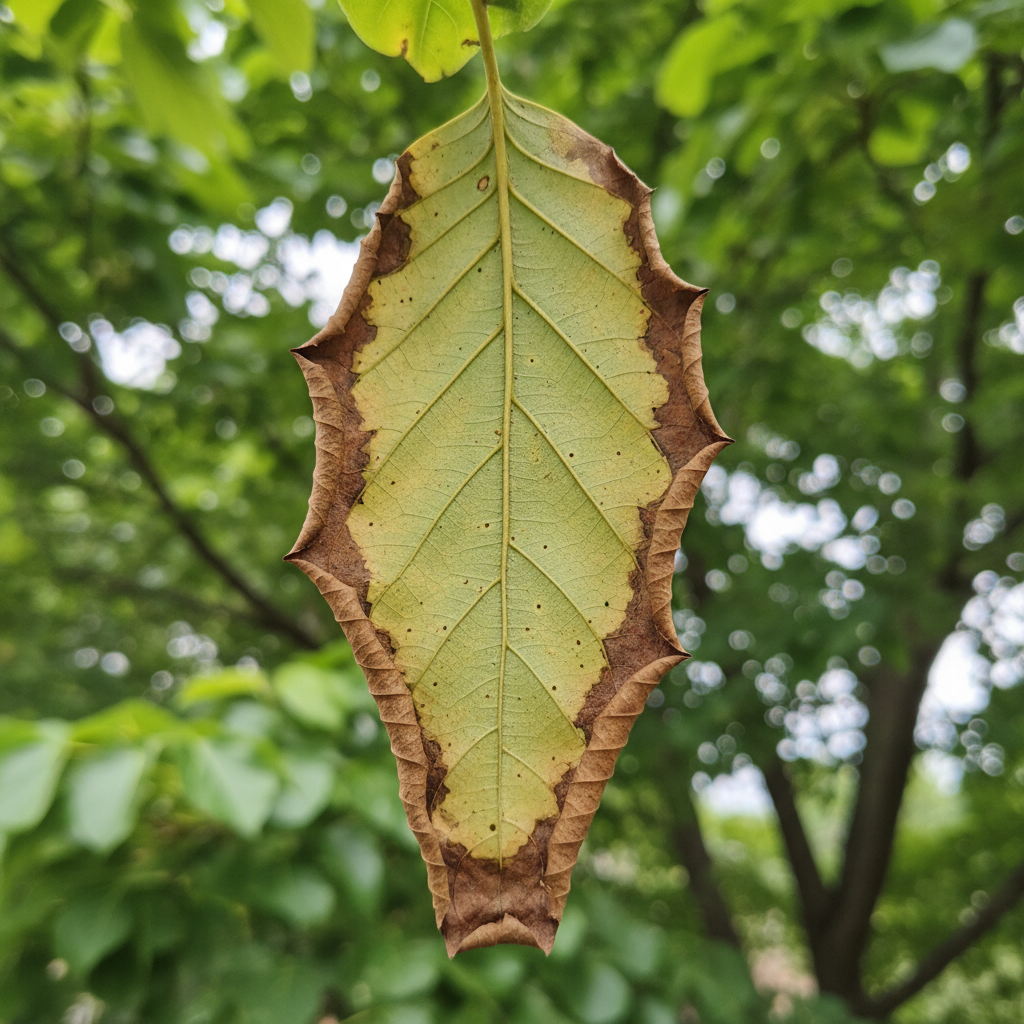
- Amend Soil Based on Results:
- Iron Chlorosis (yellowing leaves with green veins, then browning): Common in alkaline soils. Apply an iron chelate soil drench or foliar spray. Correcting soil pH with elemental sulfur can be a long-term solution but takes time.
- Magnesium Deficiency (yellowing between veins, purple/red tints, then browning): Apply Epsom salts (magnesium sulfate) as a soil drench (1 tablespoon per gallon of water) or incorporate into the soil.
Landscaping · Deck or fence project
| Project category | Landscaping |
|---|---|
| Problem type | Deck or fence project |
| Trade required | Landscaping |
| Urgency | Planned project |
| Safety risk | Moderate safety risk |
| DIY suitability | DIY for experienced homeowners |
| Cost category | High cost |
| Typical timeline | Most builds 3–10 days depending on size |
| Contractor type | Landscaping contractor |
Repair option
Replace failed boards, posts, and hardware; reseal the surface.
Replacement option
Rebuild when framing or the ledger connection is unsafe.
Common causes
- Rot at posts and ledger
- Storm damage
- Adding outdoor living space
Relevant tools:home improvement material pricesproject cost estimator
Published May 22, 2026Last updated August 17, 2026
Tools & materials you'll need
Affiliate links- AmazonBagged organic mulch (shredded bark or wood chips)1-2 bags
- AmazonBroad-spectrum systemic fungicide1 bottle · If a fungal disease is suspected and identified. Always read label.
- AmazonAll-purpose granular tree fertilizer (e.g., 10-10-10)1 bag · If soil test indicates deficiency.
- AmazonSoil test kit1 · For accurate diagnosis of nutrient issues.
As an Amazon Associate FixlyGuide earns from qualifying purchases — at no extra cost to you. Prices and availability are accurate as of publication and subject to change.
Quick Answer
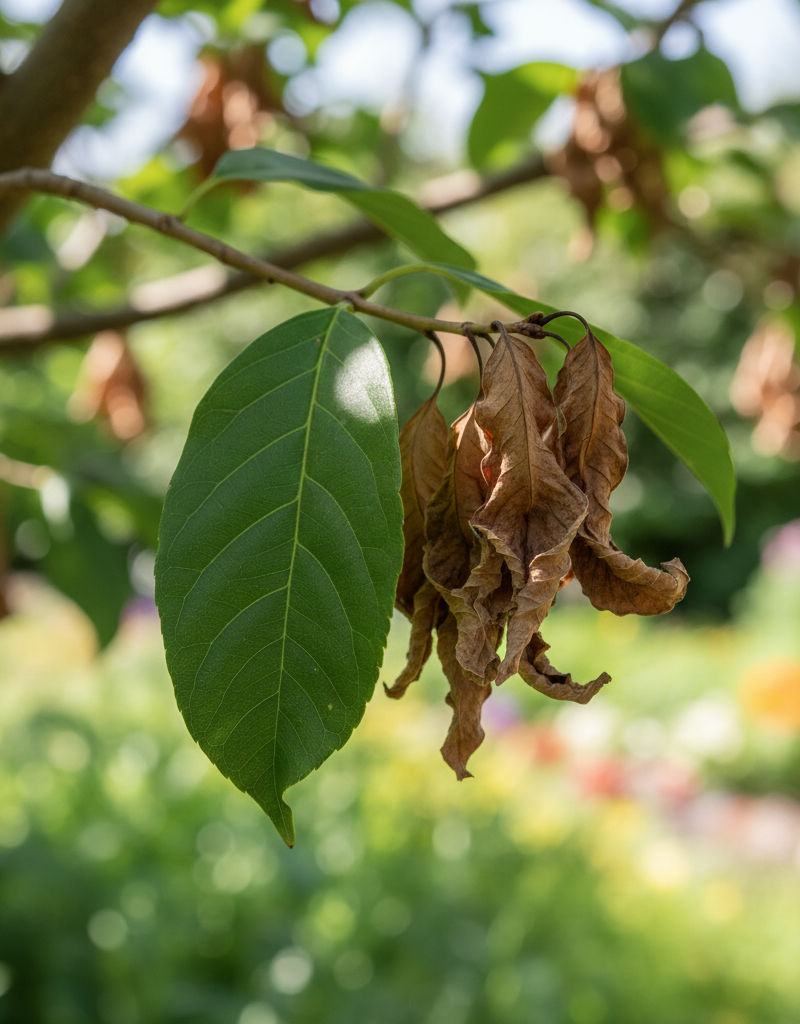
Browning tree leaves are a distress signal from your tree, most frequently stemming from three core issues: insufficient or excessive watering, nutrient deficiencies in the soil, or the onset of fungal diseases. While the sight can be alarming, many causes are treatable with timely intervention. This article will guide you through diagnosing the specific culprit behind your tree's browning leaves and provide actionable steps to restore its health, from adjusting your watering schedule to applying appropriate treatments or amendments.
The Problem
One morning, you step outside to admire your trees, only to notice their once vibrant green leaves are now tinged with an unsightly brown. This isn't just an aesthetic issue; browning leaves indicate that your tree is under stress and struggling to perform its vital functions. Left unaddressed, persistent browning can lead to defoliation, stunted growth, increased susceptibility to pests, and, in severe cases, tree death. The challenge for homeowners lies in accurately diagnosing the underlying cause, as several factors can manifest with similar symptoms. Is it a simple case of thirst, a more complex nutrient imbalance, or something insidious like a fungal infection taking hold? Understanding the 'why' is the first critical step toward a successful 'how to fix it.'
How It Works
Trees, like all living organisms, require a delicate balance of conditions to thrive. Their leaves are essentially solar panels, converting sunlight into energy through photosynthesis. This process relies heavily on water, which travels from the roots up through the trunk and branches to the leaves, carrying essential nutrients dissolved from the soil. When any part of this system is disrupted, the leaves are often the first to show symptoms of distress.
Water Dynamics: Adequate soil moisture is paramount. Roots absorb water, which then moves up the xylem vessels to the leaves. This water maintains turgor pressure, keeping leaves firm, and is also a key reactant in photosynthesis. When a tree receives too little water (underwatering), it can't maintain turgor, and cells begin to collapse, leading to wilting and browning from the edges inward. Conversely, too much water (overwatering) can be equally damaging. Saturated soil starves roots of oxygen, causing them to rot and impairing their ability to absorb water and nutrients, paradoxically mimicking drought symptoms. This often leads to yellowing between veins, followed by browning.
Nutrient Absorption: Beyond water, trees need macro- and micronutrients like nitrogen, phosphorus, potassium, iron, and magnesium. These nutrients are building blocks for proteins, enzymes, and chlorophyll – the green pigment essential for photosynthesis. If the soil is deficient in a key nutrient, or if the soil pH prevents the tree from absorbing available nutrients (e.g., iron deficiency in alkaline soils), the leaves will suffer. Chlorosis (yellowing) is a common early sign, often followed by necrosis (browning and tissue death).
Fungal Pathogens: Fungi are opportunistic organisms that can attack trees, disrupting their internal systems. Many common fungal diseases, such as anthracnose, leaf spot, and powdery mildew, directly target leaf tissue. They can block nutrient and water flow, create lesions, and eventually lead to widespread browning and premature leaf drop. Fungal spores often spread via wind, rain, or contaminated tools, flourishing in damp, humid conditions.
Recognizing the distinct patterns of browning, knowing your tree species' natural tendencies, and understanding your local environmental conditions are key to effective diagnosis and treatment.
Step-by-Step Fix
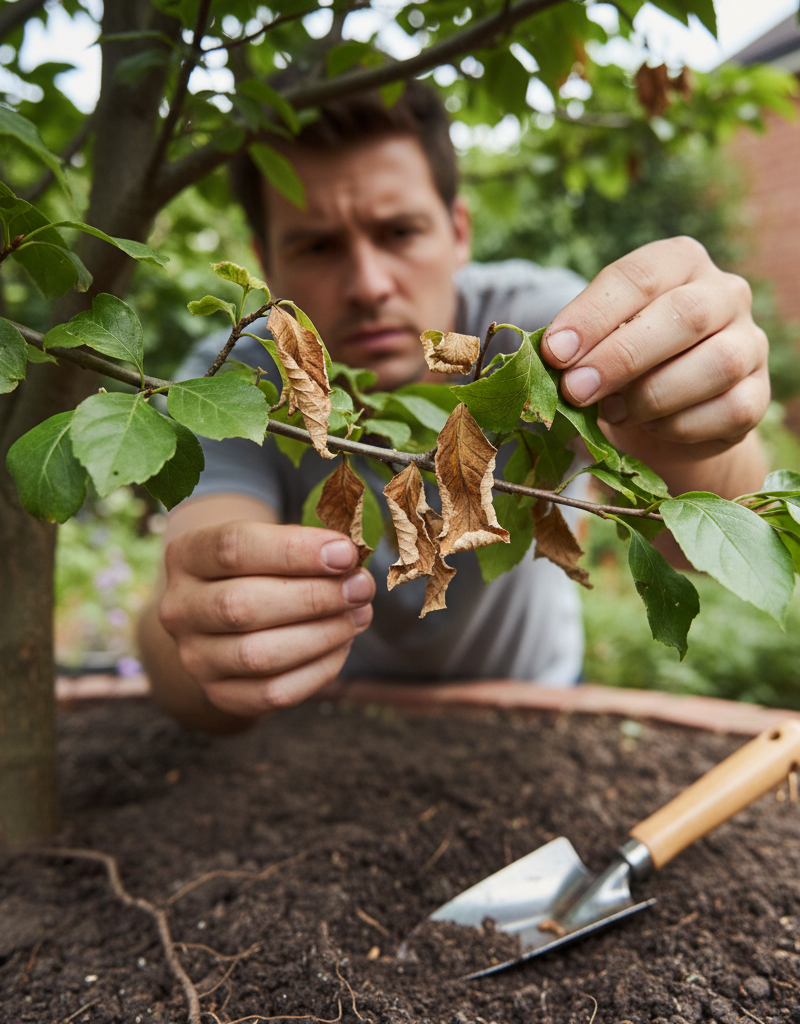
1. Observe and Identify the Pattern—Look closely at the browning to narrow down the cause.
Is the browning occurring at the tips, edges, or between veins? Is it affecting older leaves first, or newer growth? Is it uniform across the entire tree or concentrated on one side or a few branches? Noticing these details provides critical clues. For instance, browning on leaf edges often points to watering issues, while browning with spots or discoloration may indicate a disease.
2. Assess Your Watering Habits—Adjust your irrigation based on soil moisture and tree needs.
Safety Note: Always wear gloves when handling soil amendments or any potential fungicides/pesticides.
- Check Soil Moisture: Dig down 4-6 inches near the tree's drip line. The soil should feel consistently moist, like a wrung-out sponge. If it's dry and crumbly, you're underwatering. If it's soggy and heavy, you're overwatering.
- Proper Watering: For most mature trees, deep, infrequent watering is best. Aim for 10-15 gallons of water per inch of trunk diameter, applied slowly over several hours. Water deeply 2-3 times a week during dry periods, less frequently during cooler, wetter weather. Young trees need more frequent, shallower watering. Ensure proper drainage around the tree's base.
- If this doesn't work: Ensure there isn't a hardpan layer preventing water penetration. Aerate the soil if compacted.
3. Evaluate Soil and Nutrient Levels—Address potential nutrient deficiencies and soil pH.
- Soil Test: The most accurate way to determine nutrient deficiencies and soil pH is a professional soil test. Kits are available at garden centers or through local extension offices, typically costing $20-$50. Take samples from several spots around the tree's root zone.
- Amend Soil Based on Results:
- Low Nitrogen (overall yellowing, stunted growth, then browning): Apply a balanced slow-release granular fertilizer (e.g., 10-10-10) or organic compost around the drip line. Avoid direct contact with the trunk. Follow product instructions precisely.
- Iron Chlorosis (yellowing leaves with green veins, then browning): Common in alkaline soils. Apply an iron chelate soil drench or foliar spray. Correcting soil pH with elemental sulfur can be a long-term solution but takes time.
- Magnesium Deficiency (yellowing between veins, purple/red tints, then browning): Apply Epsom salts (magnesium sulfate) as a soil drench (1 tablespoon per gallon of water) or incorporate into the soil.
- Mulching: Apply a 2-4 inch layer of organic mulch (shredded bark, wood chips) around the tree's drip line, keeping it a few inches away from the trunk. This helps retain moisture, regulate soil temperature, suppress weeds, and slowly add organic matter.
4. Inspect for Fungal Diseases—Identify and treat common fungal infections.
Safety Note: Always read and follow manufacturer instructions for any fungicide, wearing appropriate personal protective equipment (gloves, eye protection).
- Common Symptoms: Look for specific spots, lesions, powdery growth, or unusual discoloration beyond general browning. Examples:
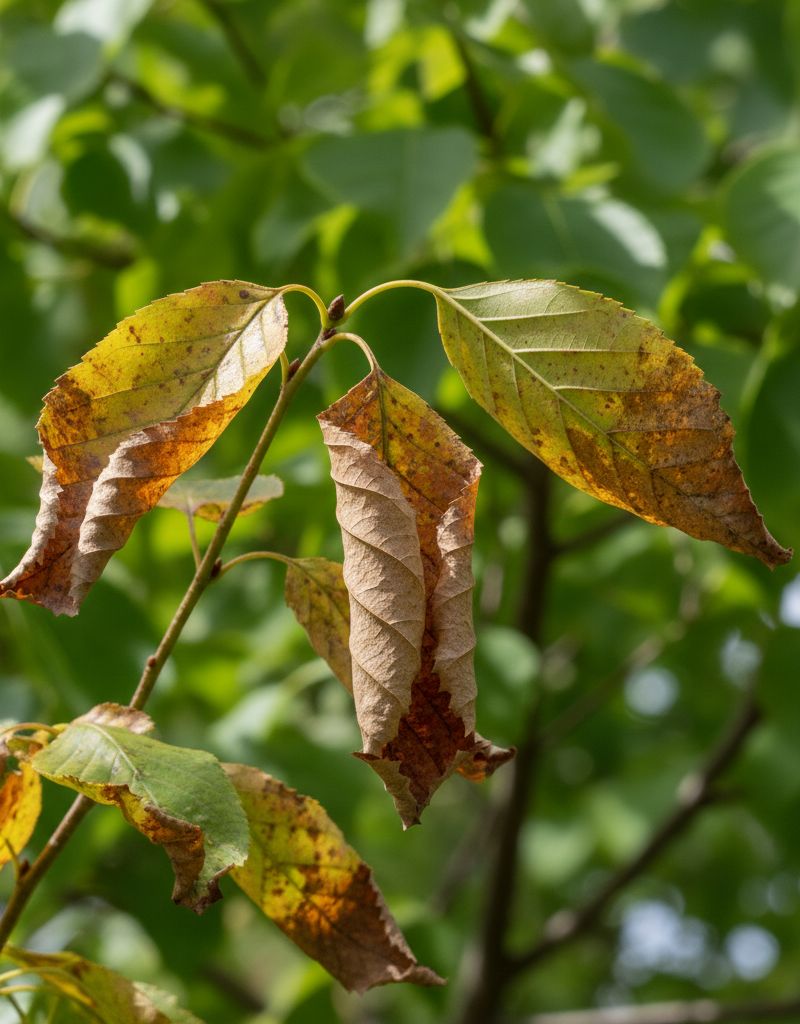
- Anthracnose: Irregular brown spots, often along veins, leading to blotches and leaf distortion. Common on sycamore, oak, dogwood.
- Leaf Spot: Small, circular spots, often with dark borders, turning brown/black. Can be many different fungi.
- Powdery Mildew: White, powdery patches on leaf surfaces, later turning yellow or brown. Common on many ornamentals.
- Fungicide Application: For identified fungal issues, apply a broad-spectrum systemic fungicide according to product labels. Many can be applied as a foliar spray or a soil drench. Multiple applications may be required. Consider consulting an arborist if the disease is widespread or severe.
- Consider: Neem oil is an organic option for some fungal issues and can be used preventatively.
5. Check for Pests and Environmental Stressors—Rule out other potential causes.
- Pest Infestation: Minor browning can be caused by sap-sucking insects like aphids, spider mites, or scale. Inspect the undersides of leaves and stems for pests or their sticky residue (honeydew). Treat with insecticidal soap or horticultural oil if identified.
- Transplant Shock: Recently planted trees often experience browning due to root disturbance. Ensure consistent watering and avoid fertilizing until established.
- Extreme Weather: Frost damage, prolonged heat waves, or strong winds can cause browning. Ensure adequate watering during heat waves and protect young trees from extreme cold.
- Chemical Burn: Over-fertilization, herbicides overspray, or road salt can damage leaves. Flush soil with water if chemical burn is suspected.
Common Causes
- Underwatering: The most frequent culprit, especially in newly planted trees or during dry spells. Leads to crispy leaves, often browning from the edges inward.
- Overwatering/Poor Drainage: Roots suffocate and rot, impairing water uptake. Symptoms can mimic drought, but soil will be soggy. Often causes yellowing between veins before browning.
- Nutrient Deficiencies: Lack of essential elements like iron, magnesium, or nitrogen, or incorrect soil pH preventing their uptake. Leads to specific patterns of chlorosis (yellowing) before browning.
- Fungal Diseases: Pathogens like anthracnose, leaf spot, or rust create lesions, spots, and blotches that turn brown, leading to premature leaf drop.
- Environmental Stressors: Sudden temperature changes, frost damage, heat stress, windburn, or even a late-season drought can all damage leaf tissue.
- Pest Infestations: While less common for widespread browning, heavy infestations of sap-sucking insects can contribute to leaf stress and discoloration.
Common Mistakes
- Assuming Drought is Always the Cause: Many homeowners immediately assume a brown tree needs more water. Overwatering is just as common and damaging, causing root rot that prevents water absorption.
- Fertilizing Without a Soil Test: Applying the wrong fertilizer or too much fertilizer can worsen nutrient imbalances or even chemically burn roots and leaves. Always test first.
- Ignoring Soil Drainage: Even with perfect watering, compacted or poorly draining soil will lead to root problems and browning. Improving drainage is critical.
- Delaying Treatment for Disease: Fungal diseases can spread rapidly. Waiting to identify or treat can lead to more extensive damage and a tougher recovery.
- Applying Chemicals Incorrectly: Using the wrong type of fungicide/pesticide, applying at the wrong concentration, or not following safety precautions can harm the tree, the environment, and yourself.
- Planting the Wrong Tree in the Wrong Place: A tree not suited for your climate or soil conditions will always struggle, making it prone to browning and disease. Consider native species or those known to thrive in your zone.
Cost & Time Breakdown
| Task | DIY cost | Pro cost | Time |
|---|---|---|---|
| Soil Test | $20–$50 | Included in service | 15–30 min |
| Watering Adjustment | $0 | $0 | Ongoing |
| Fungicide Treatment | $15–$50 per bottle | $150–$300+ | 30–60 min |
| Nutrient Amendments (Fertilizer/Supplements) | $15–$40 | $100–$250+ | 15–30 min |
| Mulch Application | $30–$100 | $100–$200+ | 1–2 hours |
| Arborist Consultation | N/A | $75–$150 | 30–60 min |
Tips & Prevention
- Regular Soil Moisture Checks: Don't just water on a schedule. Feel the soil. Invest in a soil moisture meter for more precise readings, especially for new trees.
- Annual Soil Testing: Test your soil every 2-3 years to monitor nutrient levels and pH, allowing for proactive adjustments before problems arise.
- Proper Mulching: Maintain a 2-4 inch layer of organic mulch (like wood chips) around the tree's drip line, keeping it away from the trunk. This helps retain moisture, regulate temperature, and improve soil health over time.
- Pruning for Air Circulation: Remove dead or crossing branches to improve air flow within the canopy. This reduces humidity, making it less hospitable for fungal diseases.
- Sanitize Tools: Clean pruning shears and other tools with a 10% bleach solution or rubbing alcohol between cuts and between trees to prevent the spread of diseases.
- Choose the Right Tree: Select tree species that are well-suited to your local climate, soil conditions, and sun exposure. A healthy tree is more resistant to stress and disease.
- Monitor for Early Signs: Regularly walk around your trees and inspect the leaves for any subtle changes in color, texture, or pest activity. Early detection vastly improves treatment success.
When to Call a Professional
While many causes of browning leaves are manageable for the diligent homeowner, certain situations warrant the expertise of a certified arborist or tree care professional. If you observe rapid or widespread browning across multiple branches or the entire tree, especially when accompanied by structural issues like dying limbs, excessive sap exudation, or unusual growths on the bark, professional intervention is critical. Similarly, if your initial DIY diagnostics and treatments (such as adjusting watering or applying basic amendments) yield no improvement after several weeks, or if you suspect a complex disease or pest infestation that you cannot identify, it's time to call a pro. They possess specialized diagnostic tools, knowledge of local pests and diseases, and access to more potent, targeted treatments that are not available to the average homeowner. Additionally, for large trees that might require significant pruning or chemical application at height, a professional is essential for safety and effectiveness.
Related Articles
Keep troubleshooting with these hand-picked guides from FixlyGuide:
- The 3 Hidden Reasons Your Tree Leaves Turn Brown (and the Easy Fixes) — Discover the often-overlooked environmental stressors and specific diseases that cause tree leaves to brown, and learn simple, actionable s…
- The 7 Surprising Reasons Your Tree Leaves Turn Brown (It's Not Always Drought!) — Discover the hidden culprits behind browning tree leaves, from common stressors to unexpected issues, and learn actionable steps to revive…
- The #1 Mistake Killing Your Tree's Leaves (and How to Spot the Real Cause) — Brown tree leaves are a distress signal, often pointing to solvable issues like improper watering, nutrient deficiencies, or pest infestati…
- The #1 Mistake Killing Your Tree Leaves (It’s Not What You Think) — Discover the shocking truth behind why your tree leaves are turning brown and how a simple change can revive your tree’s health.
- The 3 Hidden Reasons Your Sprinkler Head Won't Pop Up (And How to Fix It FAST) — Discover the most common reasons your sprinkler head isn't popping up and follow our step-by-step guide to quickly diagnose and fix the iss…
- That August Chill: Why Your AC Freezes Up & How to Fix It — Is your air conditioner a block of ice in the middle of a heatwave? It seems counterintuitive, but an AC that freezes up is a common August…
Should you do this yourself?
Answer five quick questions before you start. Safety outranks savings every time.
Your experience with work like this
How high do you have to work?
Does the job involve any of these?
Will it need a permit?
Specialty tools
Free and instant. Educational guidance only — not a quote, inspection, or professional diagnosis.
What should this project cost?
Enter your project details for a realistic cost range before you call anyone.
Cost depends heavily on which system turns out to be the source.
- Regional adjustment
- National average
- Labor share (typical)
- ~$1,620
- Quotes to collect
- 3 written estimates
Educational estimate based on national averages — not a binding quote. Always confirm with written local estimates.
Before you start
Check the difficulty, permits, and safety risk — then decide whether to call a pro.
- Estimate this projectGet a cost range for your scope and ZIP before you call anyone.Open
- Get local estimatesSend one request and compare written estimates from vetted pros.Open
Free, no signup required. Estimates are educational guidance, not a quote or an inspection.
Frequently asked questions
Why are my tree leaves turning brown at the tips?+
Browning at the leaf tips often indicates underwatering or drought stress. The tree isn't receiving enough moisture to reach the furthest parts of its leaves. It can also be a sign of excessive fertilizer or salt buildup in the soil.
Can overwatering cause tree leaves to turn brown?+
Yes, absolutely. Overwatering suffocates the roots by depriving them of oxygen, leading to root rot. Damaged roots can't absorb water or nutrients effectively, causing the leaves to show symptoms similar to drought, including yellowing between veins followed by browning.
How do I know if my tree has a fungal disease?+
Fungal diseases often present with specific patterns: distinct spots, lesions, powdery growth, or blotches that eventually turn brown. Look for irregular shapes, often darker borders, or growth on the leaf surface. A professional diagnosis might be needed for definitive identification and treatment recommendations.
Discussion
Loading comments…