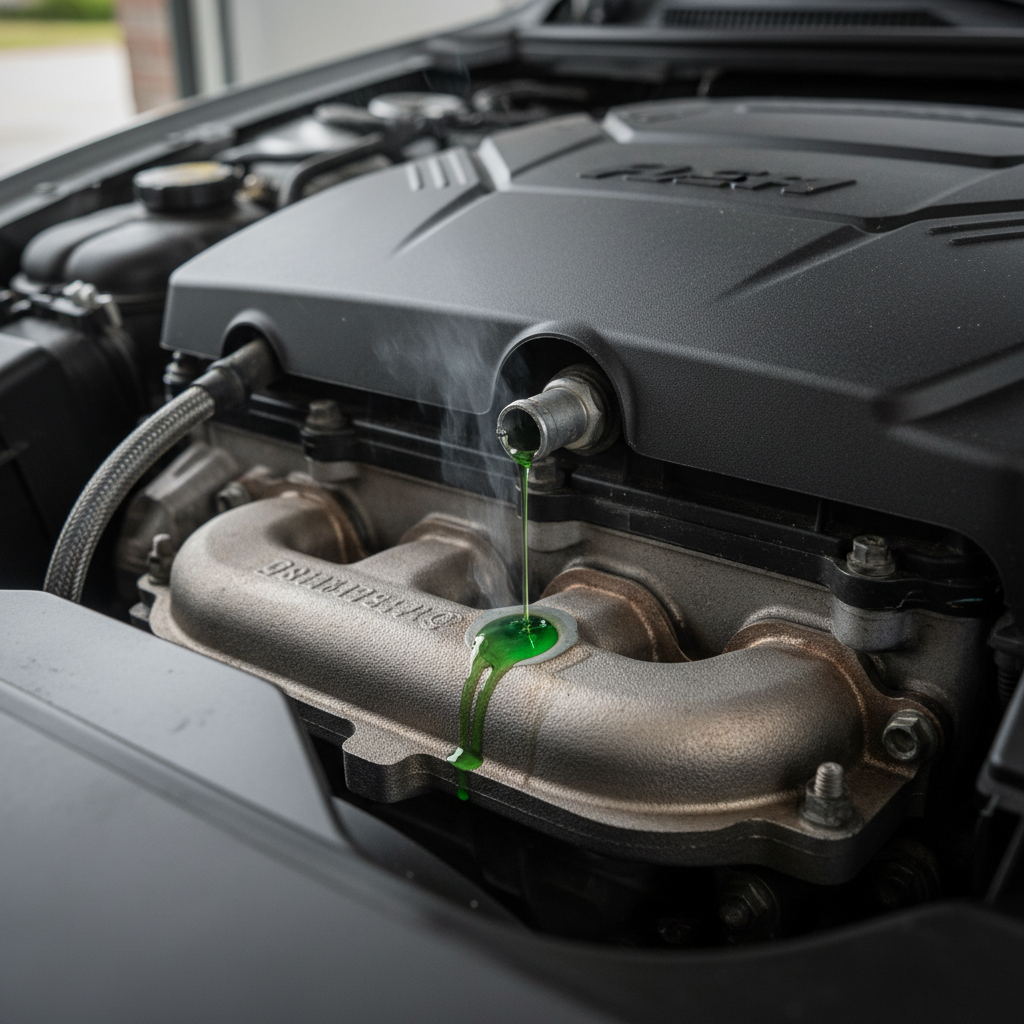
- Coolant Leaks: Deteriorated hoses, a cracked radiator, a faulty water pump, or a loose hose clamp are common culprits. More serious internal leaks can stem from a blown head gasket or cracked engine block.
- Oil Leaks: Worn valve cover gaskets, oil pan gaskets, front/rear main seals, or a loose oil filter can allow oil to escape and burn on hot engine surfaces.
- Failing Catalytic Converter: Often a consequence of other engine problems (like misfires or excessive oil burning) that send unburnt fuel to the converter, causing it to overheat and fail, or simply due to old age.
- Slipping Belts: Worn or stretched serpentine belts, a failing tensioner, or a seized accessory (like an alternator or AC compressor) can cause friction and a burning rubber smell.
- Fuel Leaks: Damaged fuel lines, a cracked fuel tank, a faulty fuel injector, a loose fuel cap, or issues with the EVAP system are common sources.
Published May 14, 2026Last updated August 17, 2026
Tools & materials you'll need
Affiliate linksAs an Amazon Associate FixlyGuide earns from qualifying purchases — at no extra cost to you. Prices and availability are accurate as of publication and subject to change.
Quick Answer
That distinctive sweet smell in your car often indicates an engine coolant leak, which can lead to overheating and severe engine damage if not addressed. Other common warning smells include burning oil (leaks), rotten eggs (catalytic converter), burning rubber (slipping belts or tires), gasoline (fuel leaks), and mildew (AC mold). Understanding these scents can help you diagnose problems early and prevent costly breakdowns.
The Problem
Your car is a complex machine, and like any machine, it communicates when something is amiss. While dashboard warning lights are good indicators, your sense of smell can often be the first and most critical diagnostic tool for impending mechanical failures. Ignoring a strange odor isn't just an annoyance; it can signal a dangerous fluid leak, an overheating component, or a failing emissions system. Continuing to drive with these problems can lead to costly repairs, breakdowns, or even fire hazards. From a faint hint of maple syrup to a sharp electrical burn, each unique scent points to a specific issue that requires your attention, often sooner rather than later.
How It Works
Automotive systems rely on various fluids, materials, and processes, each with distinct thermal and chemical properties. When these systems operate outside their normal parameters, they often produce detectable odors. For instance, engine coolant, which circulates through the engine to regulate temperature, is typically a mixture of ethylene glycol and water. Ethylene glycol has a characteristic sweet, maple-like smell. A leak, often from a hose, radiator, or coolant reservoir, allows this fluid to drip onto hot engine components, where it vaporizes and disperses its tell-tale scent into the cabin through the ventilation system. Similarly, engine oil, when it leaks onto a hot exhaust manifold, will burn and produce a distinct acrid or slightly charred smell. The catalytic converter, designed to reduce harmful emissions, can generate a "rotten egg" (sulfur) smell if it's overloaded or failing to convert hydrogen sulfide efficiently. Electrical components, when overheating or short-circuiting, burn their plastic insulation, producing a sharp, acrid smell often compared to burnt toast or melting plastic. The HVAC system, particularly the evaporator core, can become a breeding ground for mold and mildew if moisture isn't properly drained, leading to a musty or damp sock odor. Understanding these basic principles helps homeowners connect the scent to the potential source, empowering them to take appropriate action.
Step-by-Step Fix
Safety First: Before attempting any inspection or repair, ensure your vehicle is parked on a level surface, the engine is off and cool, and the parking brake is engaged.
1. Identify the Smell's Source — Start with a Drive-By Check
— Begin by trying to determine if the smell is more prominent inside the cabin or outside the vehicle. Open the hood (after the engine has cooled sufficiently if checking for leaks) and carefully sniff around different areas of the engine bay, paying attention to hoses, fluid reservoirs, and the exhaust system. This initial assessment helps narrow down the potential culprit.
2. Sweet, Syrupy (Coolant Leak) — Check Levels and Look for Puddles
— What it means: A leaking coolant system. This is often the most common sweet smell. The fluid could be dripping onto hot engine parts, causing it to vaporize. — Action: Check your coolant reservoir level. If it's low, carefully open the radiator cap (only when the engine is completely cool!) and check that level too. Look for green, orange, or pink puddles or stains under your car or on engine components, especially around hoses, the radiator, and the water pump. A pressure test can confirm small leaks. — If this doesn't work: The leak might be internal (e.g., a blown head gasket), which requires professional diagnosis. Do NOT ignore this, as it can lead to severe engine damage.
3. Burning Oil or Acrid Smell (Oil Leak or Burn-Off) — Inspect for Drips and Smoke
— What it means: Engine oil is leaking onto a hot engine component, like the exhaust manifold, and burning off. — Action: Visually inspect the engine for oil leaks. Look for dark, oily residue on valve covers, oil pan gaskets, and around the oil filter. Check your oil dipstick to ensure the level isn't critically low. A small amount of smoke from under the hood after driving can also indicate oil burning. — Safety Note: Hot oil on exhaust can potentially cause a fire. If you see smoke, pull over immediately and have the vehicle inspected.
4. Rotten Eggs / Sulfur (Catalytic Converter Issue) — Listen for Performance Changes
— What it means: Your catalytic converter isn't efficiently processing exhaust gases, often due to an overly rich fuel mixture or a failing converter itself. — Action: While there's no DIY fix for a failing catalytic converter, note any changes in engine performance, such as reduced power or a check engine light. These can corroborate the diagnosis. — Pro Callout: A failing catalytic converter is a serious emissions issue and must be addressed by a certified mechanic.
5. Burning Rubber (Slipping Belts or Tire Issues) — Visual Belt Inspection and Tire Check
— What it means: A drive belt is slipping or seizing, or a tire is rubbing against something it shouldn't be (e.g., a fender liner). — Action: With the engine off, visually inspect all serpentine belts for cracks, fraying, or glazing. If the smell occurs after hard braking or turning, check your tires for signs of rubbing against wheel wells or suspension components, or signs of uneven wear that could indicate a seized brake caliper.
6. Gasoline (Fuel Leak) — Look for Visual Leaks, Use Your Nose Carefully
— What it means: Fuel system leak from a fuel line, fuel tank, fuel injector, or evaporative emissions (EVAP) system. — Action: Carefully inspect the fuel lines running from the tank to the engine, looking for damp spots or drips. Also, check around the fuel tank and fuel filler neck. The smell is usually strongest shortly after parking. Ensure your gas cap is tightened properly. — Safety Note: Gasoline fumes are highly flammable and inhaling them is harmful. If the smell is strong or persistent, or you see a visible leak, do not drive the vehicle. Get it towed to a professional immediately.
7. Burnt Plastic / Electrical (Electrical Short or Overheating Component) — Check for Melted Wires
— What it means: An electrical component is overheating or shorting, causing plastic insulation to melt. — Action: Carefully look for any melted plastic, discolored wires, or signs of smoke around the fuse box, stereo, or under the dashboard. Check for any aftermarket accessories that might have been incorrectly installed. — If this doesn't work: If the smell persists and you can't find the source, there could be a hidden electrical issue that requires professional diagnosis to prevent fire.
8. Musty / Mildew (HVAC Mold) — Check Cabin Air Filter and Drain
— What it means: Mold or mildew growth in your car's HVAC system, often on the evaporator core, due to trapped moisture. — Action: Replace your cabin air filter, which can harbor mold. Also, ensure the AC drain tube (usually found on the firewall or underneath the car on the passenger side) isn't clogged. Water should drip out of this tube when the AC is running on a hot day. An automotive HVAC cleaner spray can also help.
Common Causes
- Coolant Leaks: Deteriorated hoses, a cracked radiator, a faulty water pump, or a loose hose clamp are common culprits. More serious internal leaks can stem from a blown head gasket or cracked engine block.
- Oil Leaks: Worn valve cover gaskets, oil pan gaskets, front/rear main seals, or a loose oil filter can allow oil to escape and burn on hot engine surfaces.
- Failing Catalytic Converter: Often a consequence of other engine problems (like misfires or excessive oil burning) that send unburnt fuel to the converter, causing it to overheat and fail, or simply due to old age.
- Slipping Belts: Worn or stretched serpentine belts, a failing tensioner, or a seized accessory (like an alternator or AC compressor) can cause friction and a burning rubber smell.
- Fuel Leaks: Damaged fuel lines, a cracked fuel tank, a faulty fuel injector, a loose fuel cap, or issues with the EVAP system are common sources.
- Electrical Shorts/Overheating: Overloaded circuits, frayed wires, improperly installed aftermarket electronics, or a failing motor (e.g., fan motor) can lead to overheating and the smell of burning plastic.
- HVAC System Mold: Poor drainage from the AC evaporator, a clogged cabin air filter, or operating the AC on "Recirculate" too often can promote mold and mildew growth.
Common Mistakes
- Assuming the Smell Will Go Away: Ignoring a strange smell is perhaps the biggest mistake. Even a faint odor can be a precursor to a major failure. Address it promptly.
- Misdiagnosing the Smell: Not all "sweet" smells are coolant, and not all "burning" smells are oil. Take time to carefully identify the specific nuance of the odor.
- Overlooking the Simplest Causes: Sometimes a gasoline smell is just a loose gas cap, or a musty smell is a clogged cabin filter. Check the easiest things first.
- Opening the Radiator Cap on a Hot Engine: This is extremely dangerous. Hot coolant is under pressure and can scald you severely. Always wait until the engine is completely cool.
- Ignoring Check Engine Lights: While a smell can precede a warning light, if your check engine light illuminates in conjunction with an odor, it significantly narrows down the diagnostic possibilities. Get the codes read.
- Driving with a Strong Fuel Smell: This is an immediate fire hazard. Never continue driving if you detect a strong gasoline odor and suspect a leak.
Cost & Time Breakdown
| Task | DIY cost | Pro cost | Time |
|---|---|---|---|
| Check fluid levels/visual inspect | $0 | $50–$100 | 10–20 mins |
| Replace cabin air filter | $15–$40 | $70–$120 | 15–30 mins |
| Tighten hose clamps | $0 (if tools owned) | $50–$100 | 10–20 mins |
| Replace serpentine belt | $30–$80 | $150–$300 | 30–60 mins |
| Radiator hose replacement | $20–$60 | $150–$400 | 1–2 hours |
| Complex leak diagnosis/repair | N/A | $200–$1000+ | 2–6 hours+ |
Tips & Prevention
- Routine Fluid Checks: Regularly check your engine oil, coolant, brake fluid, and power steering fluid levels. Top off as needed and look for any signs of leaks or discoloration.
- Inspect Hoses and Belts: During oil changes or routine inspections, visually check all accessible hoses for cracks, bulges, or softness, and belts for fraying, glazing, or cracks.
- Replace Cabin Air Filter Annually: A clean cabin air filter improves air quality and prevents mold/mildew buildup in the HVAC system.
- Maintain Engine Tune-Ups: Regular spark plug replacement and fuel system cleaning can prevent issues that lead to catalytic converter failure.
- Address Warning Lights Promptly: Don't ignore a "Check Engine" or "Service Engine Soon" light. Have the codes scanned by a professional or with your own OBD-II scanner.
- Use Quality Fluids: Always use the manufacturer-recommended type of engine oil and coolant. Using incorrect fluids can lead to premature wear and leaks.
When to Call a Professional
While some car odors point to simple fixes, many signal issues that are best left to a certified mechanic. You should immediately call a professional if you detect a strong gasoline smell or see a visible fuel leak, as this is a significant fire hazard. Similarly, if you notice smoke coming from under the hood, pull over safely and call for a tow. Any persistent sweet smell when your coolant level is consistently low, despite topping it off, could indicate a hidden or internal leak that requires a professional pressure test and diagnosis. If your "Check Engine" light is illuminated in conjunction with a strange smell, especially a rotten egg odor, it often points to a failing catalytic converter or a severe engine misfire, which a professional can diagnose with specialized equipment. For electrical burning smells that you cannot quickly identify and resolve, a mechanic or auto electrician has the tools to trace shorts and prevent potential electrical fires. When in doubt about the safety or complexity of an automotive repair, always consult a licensed professional.", meta_title="Sweet Car Smell: Is It a Killer? (& 6 Other Odors to Watch For)", meta_description="Don
Related Articles
Keep troubleshooting with these hand-picked guides from FixlyGuide:
- The Secret to Scoring Deep Grill Discounts (Before Everyone Else Does) — Unlock massive savings on top-brand grills and outdoor cooking essentials by understanding the overlooked retail inventory cycles before Me…
- The Hidden Reason Your GFCI Trips (It's Not Always a Faulty Outlet) — A continuously tripping GFCI outlet is a critical safety warning, often indicating moisture, a faulty appliance, or a wiring problem that r…
- The Secret to Lush Raised Beds? It's Not Just About How You Water — Smart irrigation for raised garden beds isn't just about automation; it's about delivering the right amount of water precisely when your pl…
- The Hidden Reason Your GFCI Trips (It’s Not Always a Bad Outlet) — A tripping GFCI outlet is a safety mechanism doing its job, often indicating a problem like moisture, a faulty appliance, or a wiring issue…
- The Sneaky Way a Gas Tax Freeze Could Raise Your Property Bill — A gas tax freeze promises immediate relief at the pump, but for homeowners, it can trigger hidden costs, from deteriorating roads to potent…
- The #1 Reason Your AC Blows Warm Air (And It's Not What You Think) — A dirty air filter is often the overlooked culprit behind an air conditioner blowing warm air, hindering its ability to cool your home effi…
Should you do this yourself?
Answer five quick questions before you start. Safety outranks savings every time.
Your experience with work like this
How high do you have to work?
Does the job involve any of these?
Will it need a permit?
Specialty tools
Free and instant. Educational guidance only — not a quote, inspection, or professional diagnosis.
What should this project cost?
Enter your project details for a realistic cost range before you call anyone.
Outlet and switch work usually $150–$400; panel upgrades commonly $1,800–$4,200.
- Regional adjustment
- National average
- Labor share (typical)
- ~$709
- Quotes to collect
- 3 written estimates
Educational estimate based on national averages — not a binding quote. Always confirm with written local estimates.
Before you start
Check the difficulty, permits, and safety risk — then decide whether to call a pro.
- Estimate this projectGet a cost range for your scope and ZIP before you call anyone.Open
- Get local estimatesSend one request and compare written estimates from vetted pros.Open
Free, no signup required. Estimates are educational guidance, not a quote or an inspection.
This article was independently written by FixlyGuide based on the source topic.
Frequently asked questions
What does a sweet smell in my car mean?+
A sweet, maple-like smell often indicates an engine coolant leak. Ethylene glycol, a component of most coolants, has this distinctive odor when it burns or evaporates from hot engine parts. It's a critical warning sign that your engine could overheat if not addressed promptly.
Is it safe to drive my car if it smells like gasoline?+
**No, it is generally not safe to drive your car if it smells strongly of gasoline.** A persistent gasoline smell, especially if you see a visible leak, indicates a fuel system issue that poses a significant fire hazard. You should pull over safely and have the vehicle inspected by a professional immediately.
Why does my car smell like rotten eggs?+
A rotten egg or sulfur smell from your car typically points to a problem with the catalytic converter. This component is designed to convert hydrogen sulfide in exhaust gases into odorless sulfur dioxide. If it's failing or overloaded with unburnt fuel, it can produce the foul odor.
What if I smell burning plastic or electrical in my car?+
A burning plastic or electrical smell usually signals an electrical short, an overloaded circuit, or an overheating electrical component. This can be caused by frayed wires, a failing motor, or improperly installed aftermarket accessories. It's a fire risk and should be investigated immediately.
How can I prevent musty smells from my car's AC?+
To prevent musty smells from your car's AC system, regularly replace your cabin air filter (at least once a year), ensure the AC drain tube is clear of clogs, and consider turning off the AC and running the fan on high for a few minutes before parking to dry out the evaporator core.

Discussion
Loading comments…