- Evaporation: The sun and wind are constant thieves of soil moisture, pulling water directly from the soil surface and the leaves of plants.
- Poor Soil Structure: Sandy soils drain too quickly, while compacted clay soils don't allow water to penetrate easily, leading to runoff rather than absorption.
- Inadequate Watering Habits: Shallow, frequent watering encourages shallow root systems, making plants less tolerant of dry spells. Deep, infrequent watering promotes robust root growth.
- Over-reliance on Manual Watering: Without an automated system or dedicated caretaker, gardens quickly suffer from dehydration during homeowner absences.
- Wrong Plant Choices for Climate: Planting high-water-demand species in hot, dry climates without proper irrigation is a recipe for disaster.
Published May 14, 2026Last updated August 17, 2026
Tools & materials you'll need
Affiliate linksAs an Amazon Associate FixlyGuide earns from qualifying purchases — at no extra cost to you. Prices and availability are accurate as of publication and subject to change.
Quick Answer
Vacation-proofing your garden involves setting up self-sufficient watering systems, optimizing soil moisture retention, and strategically choosing plants that can withstand periods of neglect. Key strategies include mulching, using olla pots or drip irrigation, and grouping similar plants together to create microclimates that conserve moisture.
The Problem
You've spent weeks nurturing your garden, only to see your efforts potentially undone by a few days away from home. Leaving for vacation often means returning to wilted plants, parched soil, and the heartbreaking sight of a once-vibrant garden struggling to survive. The primary challenge is maintaining consistent moisture levels, especially during warm weather, when plants quickly deplete available water. Without regular attention, even a short absence can lead to irreversible damage, stressing plants and making them vulnerable to pests and diseases. The fear of coming home to a desolate garden can even deter homeowners from taking much-needed breaks.
How It Works
Plants require a steady supply of water to transport nutrients, maintain turgor (the internal pressure that keeps them firm), and perform photosynthesis. When water is scarce, they prioritize survival over growth, leading to wilting, stunted development, and eventually death. The soil acts as a reservoir, holding water that plant roots can absorb. However, factors like sun exposure, wind, soil composition, and plant type all influence how quickly this water is used up or evaporates.
Mulching works by creating a protective layer over the soil, reducing evaporation by up to 70%. It also keeps the soil temperature more consistent, which benefits root health. Drip irrigation systems deliver water directly to the plant's root zone, minimizing waste and maximizing efficiency. A basic system involves a hose connected to a timer, with emitters placed at the base of each plant. Clay olla pots, buried in the soil, release water slowly through their porous walls as the soil dries, providing a passive, self-regulating watering solution. Grouping plants with similar water needs creates a microclimate, where the collective transpiration (water vapor released by leaves) increases local humidity, further reducing water loss from individual plants. Understanding these mechanisms allows homeowners to create a more resilient garden that can weather short periods of neglect.
Step-by-Step Fix
1. Deep Water Your Garden – Thoroughly soak your plants before you leave.
- Before you head out, give your entire garden a deep, slow watering. This ensures the soil profile is saturated, providing a reservoir for your plants. Water until you see puddling on the surface, or for about 20-30 minutes with a sprinkler, allowing the water to penetrate deeply.
- Tip: Water in the early morning to minimize evaporation and allow moisture to reach roots before the sun gets too intense.
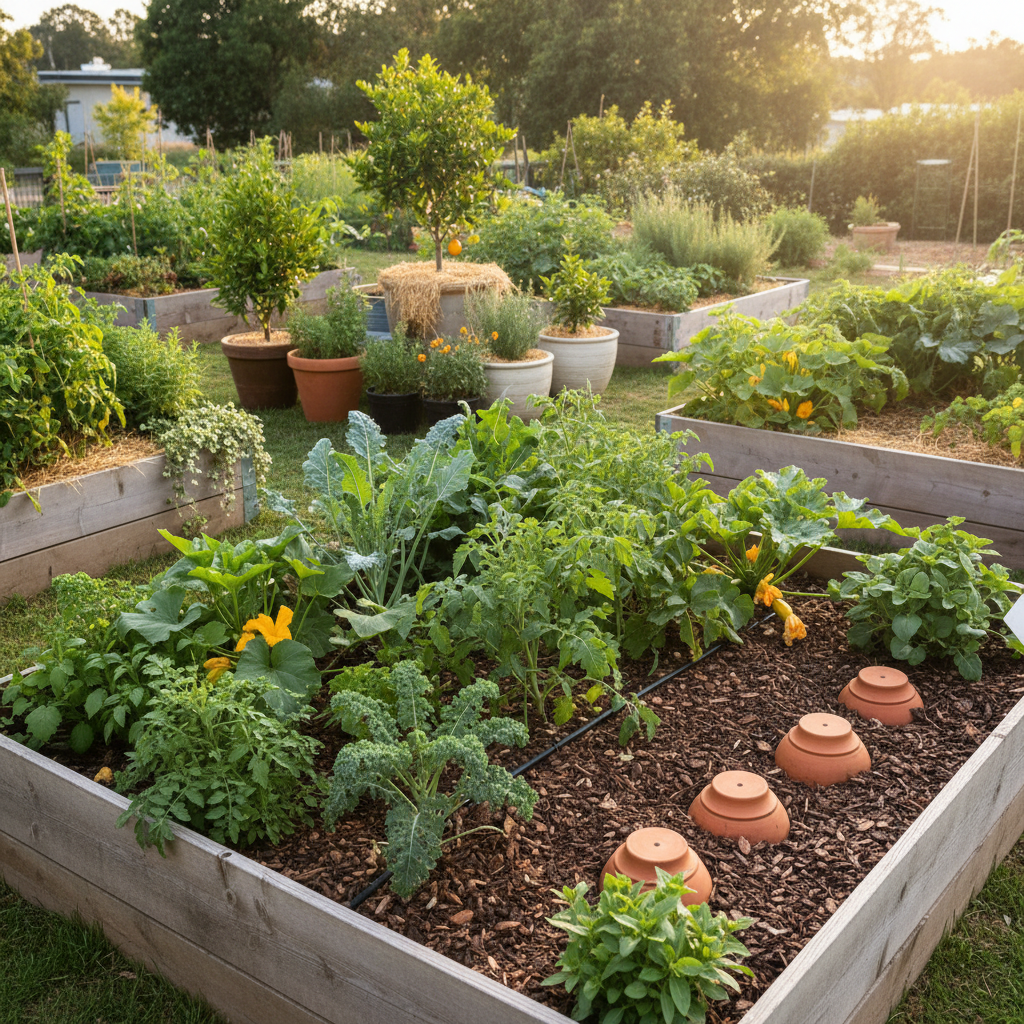
2. Apply a Thick Layer of Mulch – Protect soil moisture from evaporation.
- Spread a 3-4 inch layer of organic mulch around all your plants. Options include wood chips, straw, shredded leaves, or even compost. The thicker the layer, the better it insulates the soil and reduces water loss.
- Warning: Keep mulch a few inches away from plant stems to prevent rot and pest issues.
3. Install a Simple Drip System or Soaker Hose – Automate watering while you're away.
- For beds, lay out a soaker hose beneath your mulch layer and connect it to a hose timer. For potted plants, consider a basic drip irrigation kit with individual emitters. Set the timer to water for short durations in the early morning, perhaps every other day, depending on your climate and plant needs.
- If this doesn't work: Check for kinks in the hose or clogged emitters. Ensure the water pressure is adequate for your system.
4. Utilize Olla Pots for Targeted Watering – Provide a passive, self-regulating water source.
- Bury unglazed clay olla pots (or even terracotta pots with a sealed drainage hole) into the soil among your plants, leaving the rim exposed. Fill them with water before you leave. The porous clay will slowly release water into the surrounding soil as needed.
- Tip: One medium olla can typically water a 2-3 foot radius. Refill them weekly for extended absences.
5. Group Potted Plants Together – Create a microclimate to reduce stress.
- Move all your potted plants to a shaded or semi-shaded area and group them closely together. The combined transpiration from the leaves will create a more humid microclimate, reducing water loss from individual pots. This also makes them easier to water with a single drip line or by hand if a neighbor is helping.
- Safety: Ensure pots are stable and won't tip over in windy conditions when grouped.
6. Provide Temporary Shade – Shield sensitive plants from intense sun.
- For very sensitive plants or in extremely hot climates, consider draping a shade cloth over a simple frame or stakes. This reduces sun exposure and lowers overall plant stress, especially during the hottest part of the day.
- Tip: Aim for 30-50% shade cloth for most garden vegetables and flowers.
7. Elevate Pots to Prevent Waterlogging – Ensure proper drainage for containers.
- Place potted plants on 'pot feet' or blocks to lift them slightly off the ground. This prevents the drainage holes from getting blocked, which can lead to root rot if a helping hand overzealously waters in your absence.
- Material: Use bricks, small wooden blocks, or purpose-made pot feet.
8. Pinch Back Flowers and Fruit – Redirect plant energy to survival.
- Before you leave, pinch off any budding flowers or developing fruits. While it might seem counterintuitive, this redirects the plant's energy from reproduction to root and leaf development, making it more resilient to stress and water scarcity.
- Note: This is especially useful for annuals and heavy producers.
Common Causes
- Evaporation: The sun and wind are constant thieves of soil moisture, pulling water directly from the soil surface and the leaves of plants.
- Poor Soil Structure: Sandy soils drain too quickly, while compacted clay soils don't allow water to penetrate easily, leading to runoff rather than absorption.
- Inadequate Watering Habits: Shallow, frequent watering encourages shallow root systems, making plants less tolerant of dry spells. Deep, infrequent watering promotes robust root growth.
- Over-reliance on Manual Watering: Without an automated system or dedicated caretaker, gardens quickly suffer from dehydration during homeowner absences.
- Wrong Plant Choices for Climate: Planting high-water-demand species in hot, dry climates without proper irrigation is a recipe for disaster.
- Lack of Mulch: Exposed soil heats up faster and loses moisture through evaporation at a much higher rate than mulched soil.
Common Mistakes
- Watering Only the Surface: Many DIYers give only a light sprinkle, which never reaches deep roots. Instead, water deeply and slowly to encourage roots to grow downwards, making plants more drought-tolerant.
- Ignoring Soil Type: Treating all soil the same is a mistake. Sandy soil needs more frequent, shorter watering; clay soil needs less frequent but longer watering to allow penetration. Amend soil with compost to improve water retention in sandy soil and drainage in clay.
- Not Using Mulch: Skipping mulch is a huge missed opportunity to conserve moisture. A 3-4 inch layer of organic mulch can cut water loss by half.
- Underestimating Vacation Length: Thinking a garden can go a week without water in summer is often a miscalculation. Even a few days can be critical for many plants.
- Over-relying on a Neighbor: While well-intentioned, neighbors may not know specific plant needs or watering techniques. Provide clear, written instructions if relying on help.
- Forgetting About Potted Plants: Potted plants dry out much faster than in-ground plants. They are often the first tragic victims of a vacation. Group them, use self-watering pots, or set up a dedicated drip line.
Cost & Time Breakdown
| Task | DIY cost | Pro cost | Time |
|---|---|---|---|
| Deep Watering | $0 (if hose) | N/A | 20–30 minutes |
| Mulch Application | $20–$50 | N/A | 1–2 hours |
| Drip System/Soaker Hose Install | $30–$100 | N/A | 1–2 hours |
| Olla Pot Installation | $10–$40 | N/A | 30–60 minutes |
| Plant Grouping | $0 | N/A | 15–30 minutes |
| Temporary Shade Setup | $10–$30 | N/A | 30–60 minutes |
Tips & Prevention
- Choose Drought-Tolerant Plants: For long-term resilience, select native plants or species known for their low water needs. Succulents, lavender, and many ornamental grasses are excellent choices.
- Improve Soil with Organic Matter: Regularly amend your garden beds with compost. This improves soil structure, enhancing both water retention in sandy soils and drainage in clay soils.
- Install Rain Barrels: Collect rainwater for irrigation. This sustainable option reduces reliance on municipal water and can be a lifesaver during dry spells.
- Regularly Inspect Irrigation Systems: If you have an automated system, check it weekly for leaks, clogs, or misdirected emitters to ensure it's functioning optimally.
- Understand Your Plants' Needs: Not all plants need the same amount of water. Group plants with similar requirements together to optimize watering strategies.
- Consider Self-Watering Planters: For container gardening, self-watering planters have a built-in reservoir that provides a consistent water supply for days or even weeks.
When to Call a Professional
For most vacation-proofing tasks, a DIY approach is entirely feasible. However, if you have an extensive garden with complex irrigation needs, or if you're planning a very long absence and want complete peace of mind, consulting a professional landscaper or irrigation specialist can be beneficial. They can design and install sophisticated automated irrigation systems tailored to your garden's specific layout and plant requirements, ensuring optimal water delivery with minimal waste. They can also advise on drought-tolerant plant selections and soil amendments for long-term garden health. If you're struggling with persistent plant wilting despite your best efforts, or if you suspect underlying soil or drainage issues that seem beyond your expertise, a professional can offer diagnostic services and recommend appropriate solutions. For simple vacation prep, however, homeowners can achieve excellent results independently.
Related Articles
Keep troubleshooting with these hand-picked guides from FixlyGuide:
- The Secret to Lush Raised Beds? It's Not Just About How You Water — Smart irrigation for raised garden beds isn't just about automation; it's about delivering the right amount of water precisely when your pl…
- The Hidden Reason Your GFCI Trips (It's Not Always a Faulty Outlet) — A continuously tripping GFCI outlet is a critical safety warning, often indicating moisture, a faulty appliance, or a wiring problem that r…
- The Hidden Reason Your GFCI Trips (It’s Not Always a Bad Outlet) — A tripping GFCI outlet is a safety mechanism doing its job, often indicating a problem like moisture, a faulty appliance, or a wiring issue…
- The 6 Cleaning Secrets Hiding in Your Power Drill (Plus Attachments to Master) — Your power drill isn't just for DIY projects; with the right attachments, it's a powerful and efficient cleaning tool for tackling tough gr…
- The Secret to Scoring Deep Grill Discounts (Before Everyone Else Does) — Unlock massive savings on top-brand grills and outdoor cooking essentials by understanding the overlooked retail inventory cycles before Me…
- Is Your Gutter Sagging After Every Storm? The Hidden Flaw Most Homeowners Miss — Discover the overlooked reason your gutters sag after every storm and learn the lasting fix that most homeowners miss.
What should this project cost?
Enter your project details for a realistic cost range before you call anyone.
Spot repairs commonly run $400–$1,800; full replacement typically $9,000–$18,000 for an average home.
- Regional adjustment
- National average
- Labor share (typical)
- ~$2,948
- Quotes to collect
- 3 written estimates
Educational estimate based on national averages — not a binding quote. Always confirm with written local estimates.
This article was independently written by FixlyGuide based on the source topic.
Frequently asked questions
How long can plants go without water on vacation?+
This depends heavily on the plant species, weather conditions, and soil type. In hot, sunny weather, many plants can show stress within 1-2 days. With proper preparation like mulching and deep watering, some resilient plants can last 5-7 days or even longer, especially with supplemental irrigation systems.
Are self-watering pots worth it for vacation?+
Yes, self-watering pots are highly effective for container plants, especially during vacations. They have a water reservoir that slowly releases moisture to the roots, providing several days to weeks of consistent hydration, depending on the pot size and plant's water needs.
Can I use plastic bottles to water plants while away?+
Yes, upside-down plastic bottles with small holes poked in the cap can serve as a rudimentary slow-drip watering system for a few days. Fill the bottle with water, secure the cap, and bury the neck of the bottle into the soil near the plant's roots. This is a temporary solution for smaller plants.
What's the easiest automated watering system for a vacation?+
A simple hose timer connected to a soaker hose (for garden beds) or a basic drip irrigation kit with individual emitters (for pots) is often the easiest and most effective automated solution for homeowners. They are relatively inexpensive and straightforward to install and program.
Should I prune plants before going on vacation?+
It's best to avoid heavy pruning right before vacation, as pruning stimulates new growth, which requires more water. However, pinching off developing flowers or fruits can redirect energy to survival, making the plant more resilient to stress.
Discussion
Loading comments…