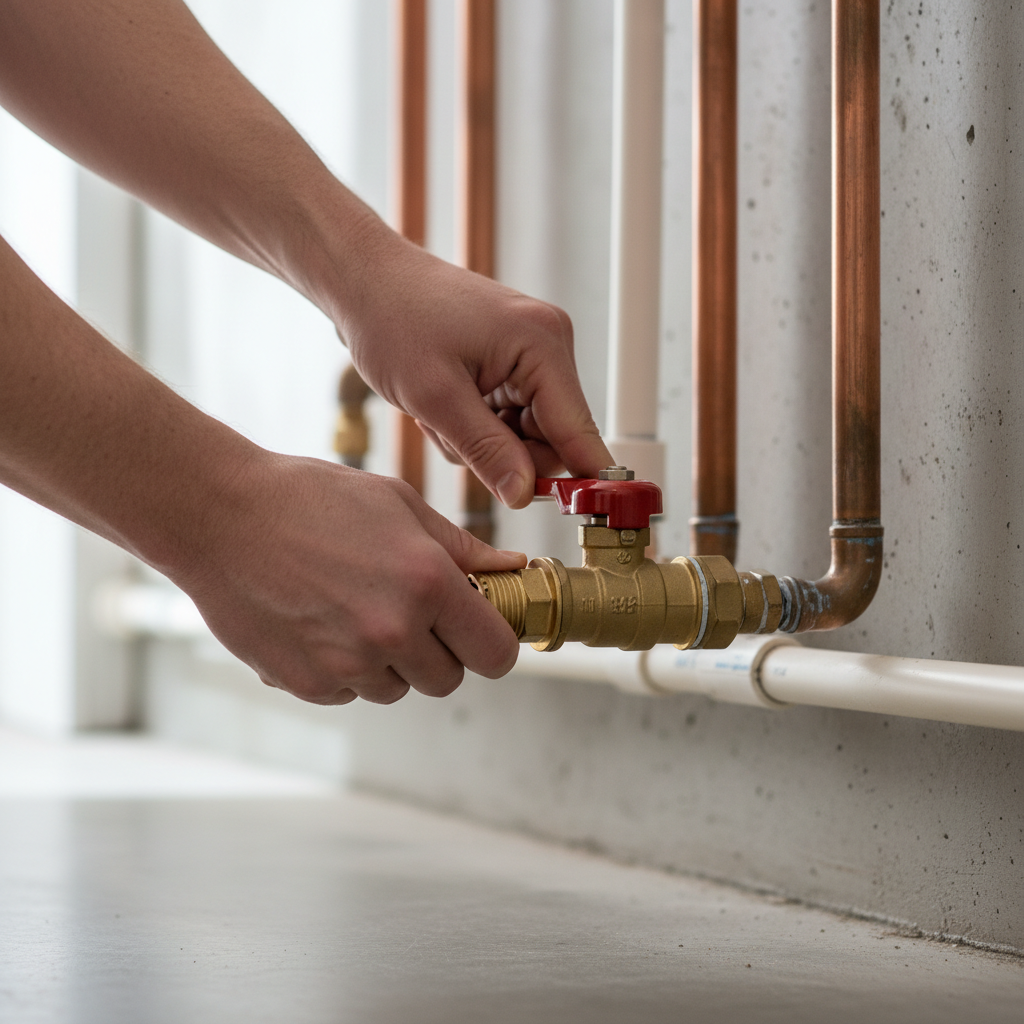
- Partially Closed Main Shut-Off Valve: The 1 overlooked cause. An accidentally bumped or vibrated main valve can significantly restrict flow to the entire house.
- Failing Pressure Reducing Valve (PRV): If your home has a PRV, it can fail over time, sticking in a partially closed position and reducing pressure downstream.
- Municipal Water Supply Issues: Work being done on water mains, a burst pipe in your neighborhood, or scheduled maintenance by the utility can temporarily reduce pressure.
- Clogged Water Meter Valve or Backflow Preventer: Less common, but external valves can also become partially closed or obstructed by debris.
- Sediment Buildup in Water Heater: Primarily affects hot water, but severe buildup can sometimes indirectly influence overall system pressure.
Plumbing · Low water pressure
| Project category | Plumbing |
|---|---|
| Problem type | Low water pressure |
| Trade required | Plumbing |
| Urgency | Soon — within weeks |
| Safety risk | Low safety risk |
| DIY suitability | DIY friendly |
| Cost category | Low cost |
| Typical timeline | DIY checks in under an hour; PRV replacement a half day |
| Contractor type | Licensed plumber |
Repair option
Clean aerators, then test static pressure before replacing the PRV.
Replacement option
Repipe when scaling in galvanized lines is the cause.
Common causes
- Clogged aerators or fixture screens
- Failing pressure-reducing valve
- Partially closed main shutoff
- Galvanized pipe scaling in older homes
Relevant tools:diy difficulty
Published April 29, 2026Last updated May 5, 2026
Tools & materials you'll need
Affiliate links- AmazonBucket or towelFor catching drips when checking fixtures
As an Amazon Associate FixlyGuide earns from qualifying purchases — at no extra cost to you. Prices and availability are accurate as of publication and subject to change.
Quick Answer
Experiencing a sudden drop in water pressure throughout your entire home can be alarming, but the culprit is often simpler than you think. Before diving into complex plumbing diagnostics, homeowners should always check the main water shut-off valve for partial closure and inspect individual faucet aerators for mineral buildup. These two common issues account for a surprising number of low-pressure complaints and are easy for most DIYers to address.
The Problem
Imagine stepping into the shower, expecting a refreshing spray, only to be met with a disappointing trickle. Or perhaps you're filling a pot in the kitchen, and it takes an eternity. When low water pressure affects every faucet and appliance in your home, it's not just an annoyance; it can indicate a range of issues from harmless supply quirks to potentially serious plumbing problems. Many homeowners immediately assume a major pipe burst or a deep-seated blockage, but the reality is frequently far less dramatic. Overlooking the most obvious, accessible culprits can lead to unnecessary frustration, expense, and even misdiagnosis.
The pain point is clear: inadequate water flow impairs daily routines, affects appliance performance, and diminishes the comfort and convenience of your home. Understanding the true causes and having a systematic approach to troubleshooting is essential for any homeowner facing this issue.
How It Works
To understand why your water pressure might be low, it helps to know how water gets to and through your home. Municipal water (or well water) enters your property under a certain amount of pressure, typically between 40 and 80 pounds per square inch (psi). This pressure is maintained by the utility or your well pump and pressure tank. The water first passes through your main shut-off valve, usually located near the street or where the water line enters your house. From there, it often goes through a pressure reducing valve (PRV) if your municipal supply pressure is too high, and then splits into various lines that feed your hot water heater and all the fixtures and appliances.
Water pressure is essentially the force pushing water through your pipes. Several factors can reduce this force: reduced main supply, obstructions within the pipes or fixtures, leaks that divert water, or undersized/corroded pipes. The diameter of the pipe, the smoothness of its interior, and the number of bends and fittings all influence water flow. Any constriction or disruption at any point in this system can cause a pressure drop, either locally at a single fixture or, more distressingly, throughout the entire house. When the issue is widespread, it points to a problem at or near the beginning of your home's plumbing system, affecting the main supply before it branches off.
Step-by-Step Fix
This troubleshooting guide focuses on diagnosing the most common whole-house low water pressure issues. Always work systematically, starting with the simplest checks.
Step 1: Confirm Whole-House Issue
– Verify the Scope — First, confirm that low pressure truly affects all fixtures (sinks, showers, toilets, outdoor spigots) and both hot and cold water. If only one fixture or only hot water is affected, the problem is localized. If it's one fixture, clean its aerator. If it's just hot water, you might have a problem with your water heater's dip tube or a shut-off valve near the heater.
Step 2: Check Your Main Water Shut-Off Valve
– Locate and Inspect — Find your main water shut-off valve. This is usually near your water meter (if municipal) or where the main line enters your house, often in the basement, utility closet, or outside wall. If you have a well, check the main shut-off leading from the well pressure tank. Sometimes these valves, especially gate valves with a round handle, can be accidentally bumped or vibrate partially closed over time. A gate valve that is only partially open can significantly restrict flow. * Action: Ensure the valve is fully open. For a gate valve, turn the handle counter-clockwise until it stops. For a ball valve (a lever handle), ensure the handle is parallel with the pipe. * If this doesn't work: If the valve was already fully open, proceed to Step 3.
Step 3: Consult Your Neighbors
– Rule Out Utility Problems — Ask a neighbor if they are experiencing similar low water pressure. This quick check can immediately tell you if the problem is localized to your home or if there's a wider issue with the municipal water supply (e.g., a burst main, a service interruption, or maintenance). Many water utilities have online portals or social media where they announce service disruptions. * Action: Call or check online for utility alerts. If your neighbors also have low pressure, the issue is with the main supply and out of your control. Contact your water utility company. * If this doesn't work: If your neighbors have normal pressure, the problem is definitely within your property, and you should continue troubleshooting.
Step 4: Inspect the Pressure Reducing Valve (PRV)
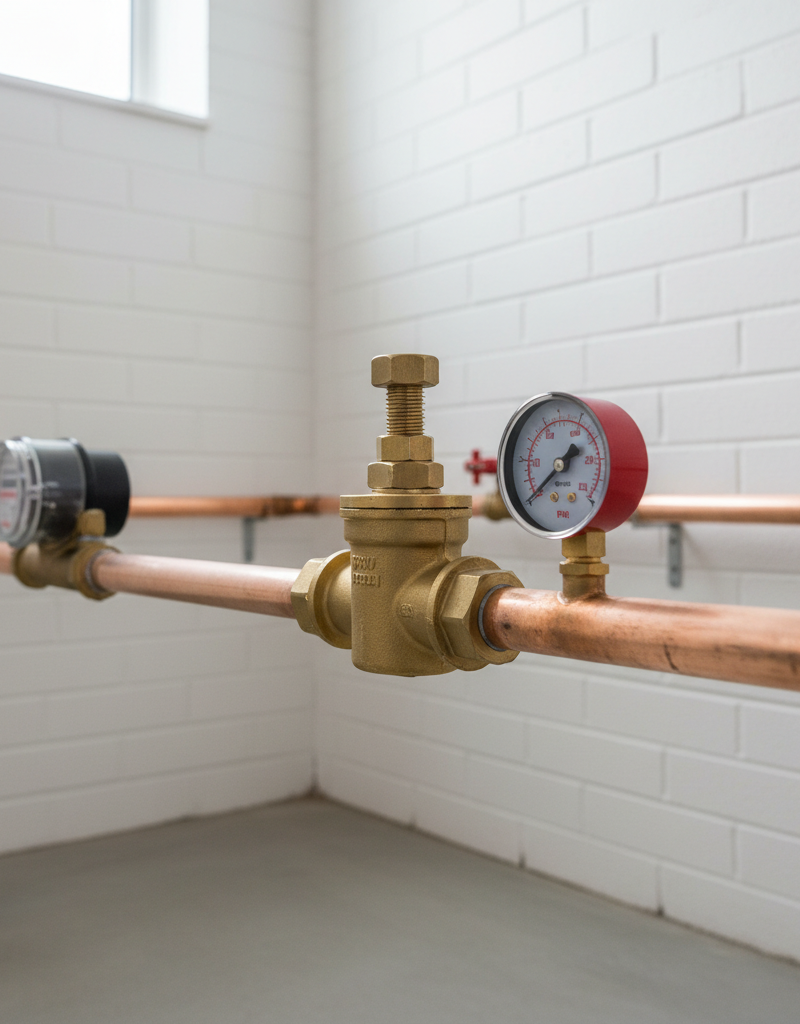
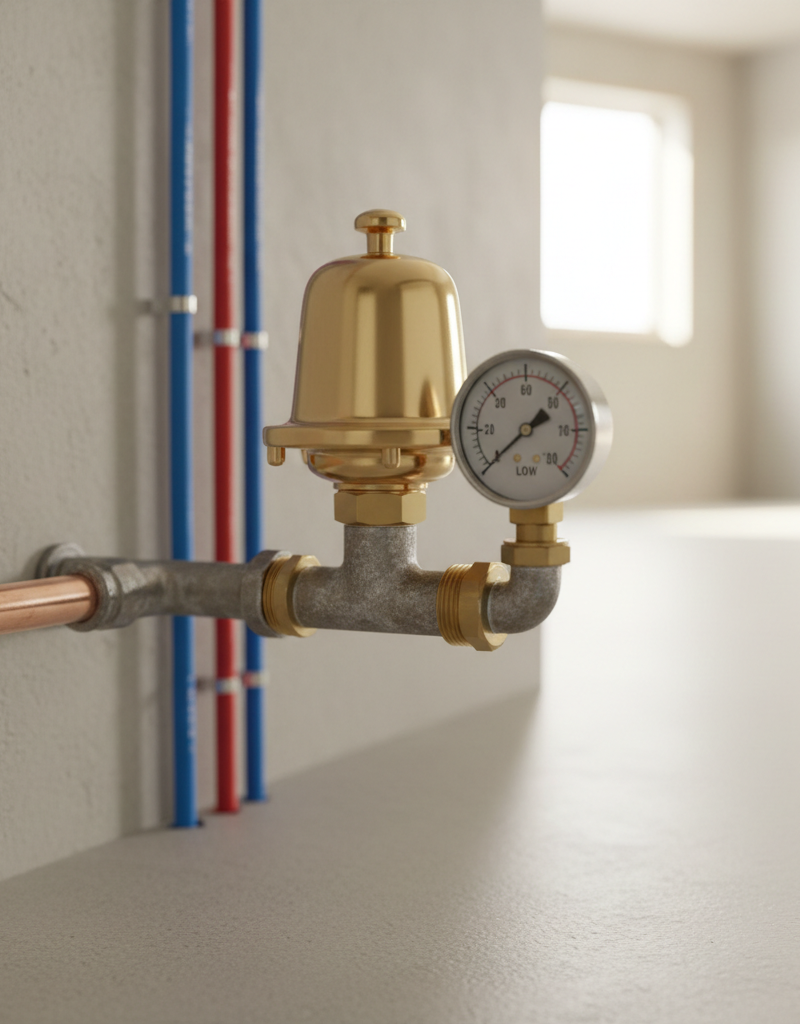
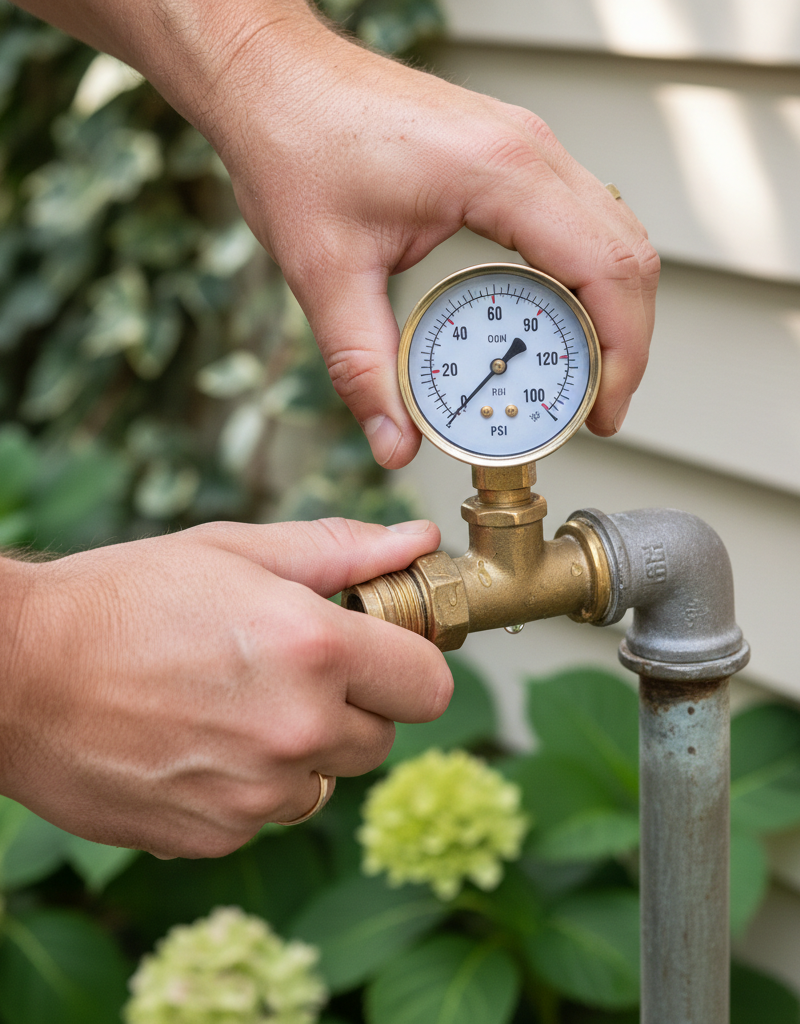
– Locate and Test — If your home has a pressure reducing valve (PRV), it will be located on the main water line after the main shut-off valve, usually near where the water enters the house. It's a bell-shaped device with a screw on top. PRVs are designed to lower high incoming municipal water pressure to a safer level (typically 50-70 psi) for your home's plumbing. Over time, PRVs can fail, either sticking open (causing high pressure) or sticking closed (causing low pressure). * Considerations: Not all homes have PRVs. If yours does, and you suspect it's faulty, you may need a plumber to test and replace it, as adjustment without a pressure gauge can be tricky. * Action: While a full diagnosis requires a water pressure gauge, you can sometimes visually check for signs of a leak or corrosion. For an immediate, temporary diagnostic, some plumbers will describe a bypass test where you slightly open a known bypass valve if one exists on your system around the PRV, but this is an advanced maneuver and can create dangerously high pressure. A safer DIY step is to purchase a basic water pressure gauge (screws onto a hose bib) and check the pressure at an outdoor spigot before the PRV if possible, and then at a spigot after the PRV. This will determine if the PRV is significantly dropping the pressure. Normal house pressure should be between 40-80 psi. If the pressure after the PRV is consistently below 40 psi, especially compared to the incoming pressure, the PRV is a prime suspect. * Safety Note: Do not attempt to adjust a PRV without a pressure gauge. Professional help is recommended for PRV replacement.
Step 5: Check Your Water Meter Valve (At Meter) and Backflow Preventer
– External Valves — For municipal water users, there's typically a shut-off valve at the water meter itself. This valve belongs to the utility but sometimes homeowners or contractors may partially close it. Also, many homes have a backflow preventer device, especially if you have an irrigation system or a well connection. These can sometimes become clogged or fail, restricting flow. * Action: Visually inspect the valve at the meter to ensure it appears fully open. If accessible, gently nudge it. For a backflow preventer, look for any signs of leaks or damage. Some backflow preventers have internal components that can fail and restrict water flow. While troubleshooting these can be complex, a visual inspection for obvious issues is a starting point. * Pro Tip: If you're comfortable, you can often test the pressure at an outdoor spigot before the backflow preventer, then after to see if it's causing a significant drop. If so, a professional might be needed for repair or replacement.
Step 6: Flush Your Water Heater
– Sediment Buildup — While this usually affects hot water pressure more, severe sediment buildup can sometimes subtly impact overall cold water flow too, especially if the cold water inlet dip tube is corroded or obstructed. Over years, mineral deposits accumulate at the bottom of the tank, reducing its capacity and potentially restricting the flow of water into and out of the heater. * Action: If you haven't flushed your water heater in a while, it’s good maintenance and might slightly improve overall pressure. Turn off the cold water supply to the heater and the power/gas. Attach a garden hose to the drain valve and drain the tank completely into a floor drain or outside. Open a hot water faucet upstairs to help drain. Once empty, close the drain valve, remove the hose, and slowly turn on the cold water supply, allowing the tank to refill before restoring power/gas. This helps remove sediment. * Safety Note: Always follow manufacturer instructions for flushing your water heater. Be careful with hot water.
Common Causes
- Partially Closed Main Shut-Off Valve: The #1 overlooked cause. An accidentally bumped or vibrated main valve can significantly restrict flow to the entire house.
- Failing Pressure Reducing Valve (PRV): If your home has a PRV, it can fail over time, sticking in a partially closed position and reducing pressure downstream.
- Municipal Water Supply Issues: Work being done on water mains, a burst pipe in your neighborhood, or scheduled maintenance by the utility can temporarily reduce pressure.
- Clogged Water Meter Valve or Backflow Preventer: Less common, but external valves can also become partially closed or obstructed by debris.
- Sediment Buildup in Water Heater: Primarily affects hot water, but severe buildup can sometimes indirectly influence overall system pressure.
- Corroded or Obstructed Pipes (Older Homes): Galvanized steel pipes, common in homes built before the 1970s, are prone to internal corrosion and mineral buildup, which reduces the effective pipe diameter and restricts flow over time. This is a progressive issue, not sudden.
- Well Pump Issues (Well Water Homes): A failing well pump, a faulty pressure switch, or a waterlogged pressure tank can lead to intermittent or consistently low pressure throughout the home.
- Water Softener Problems: If you have a whole-house water softener, a malfunctioning bypass valve or clogged internal resin bed can restrict flow.
Common Mistakes
- Ignoring the Main Shut-Off Valve: Many homeowners immediately jump to complex diagnostics, overlooking the simplest, most common culprit. Always check this first.
- Not Consulting Neighbors: Failing to ask neighbors if they have similar issues can lead to unnecessary home diagnostics when the problem is actually with the municipal supply.
- Assuming a Burst Pipe When It's Not: While a burst pipe can cause low pressure, it's usually accompanied by visible leaks, soggy ground, or increased water bills. Don't panic without checking simpler causes.
- Adjusting the PRV Without a Gauge: Randomly turning the adjustment screw on a PRV without a water pressure gauge can lead to dangerously high pressure, damaging fixtures and appliances.
- Only Checking Hot or Cold: For whole-house low pressure, it's crucial to verify both hot and cold water at multiple fixtures. If only one is affected, the diagnostic path changes entirely.
- Overlooking External Valves: Forgetting to check the valve at the water meter or any backflow prevention devices can leave a critical diagnostic step incomplete.
Cost & Time Breakdown
| Task | DIY Cost | Pro Cost | Time |
|---|---|---|---|
| Check Main Shut-Off Valve | $0 | $0 (if part of call) | 5–10 minutes |
| Consult Neighbors | $0 | N/A | 5 minutes |
| Inspect PRV (Visual) | $0 | $50–$150 (diagnostic) | 10–15 minutes |
| Test PRV with Gauge | $15–$30 (gauge) | $150–$300 (test/adjust) | 20–30 minutes |
| Flush Water Heater | $0 | $100–$250 | 1–2 hours |
| Replace PRV | $100–$250 (part) | $400–$800+ (pro) | 2–4 hours (pro) |
Tips & Prevention
- Know Your Main Valve: Ensure everyone in your household knows where the main water shut-off valve is and how to operate it. Check its position periodically.
- Regular PRV Checks (if applicable): If you have a PRV, consider having its pressure tested by a plumber every 5-7 years, or purchase an inexpensive gauge to test it yourself at a hose bib.
- Flush Water Heater Annually: Draining a few gallons of water from the bottom of your water heater once a year helps prevent sediment buildup, which can impact hot water flow.
- Monitor Water Bills: A sudden, unexplained increase in your water bill coupled with low pressure can indicate a hidden leak that needs immediate attention.
- Be Aware of Construction: If you notice utility work in your neighborhood, expect potential temporary pressure fluctuations and keep an eye on utility announcements.
- Consider Whole-House Filter Maintenance: If you have a whole-house water filter, ensure you're changing the cartridge regularly. A clogged filter can drastically reduce pressure.
When to Call a Professional
While many low-water-pressure issues can be resolved with simple DIY checks, there are clear indicators when it's time to call a licensed plumber. If, after systematically going through the steps above, your pressure remains consistently low throughout the house, or if you suspect issues with your Pressure Reducing Valve (PRV) or backflow preventer, professional intervention is wise. A plumber can use specialized tools like pressure gauges, flow meters, and even video inspection to accurately diagnose complex problems such as internal pipe corrosion, hidden leaks, or issues with your main service line. You should also call a pro if you have a well system and suspect problems with the pump, pressure tank, or pressure switch, as these require specific expertise. Never attempt to work on the utility side of your water meter or tamper with a PRV without proper training and tools, as this can create dangerous pressure imbalances or violate local codes. If you notice signs of structural damage from a hidden leak, call a professional immediately to prevent further harm to your home.
Related Articles
Keep troubleshooting with these hand-picked guides from FixlyGuide:
- The #1 Mistake Homeowners Make When Diagnosing Low Water Pressure (It's Not Your Pipes!) — Low water pressure throughout your house often points to a single, easily overlooked culprit: your main water shut-off valve.
- The #1 Mistake Homeowners Make When Diagnosing Low Water Pressure (It's Not Your Pipes!) — Discover the most overlooked culprit behind low water pressure throughout your entire house and learn how to fix it with simple steps.
- The #1 Mistake Homeowners Make When Diagnosing Low Water Pressure — Discover the most common oversight homeowners make when troubleshooting low water pressure throughout their house and how to fix it with si…
- The 4 Hidden Reasons Your Entire Home Has Low Water Pressure (And the Easy Fixes) — Low water pressure throughout your entire home can be a frustrating and often misunderstood problem, with several common culprits. Learn to…
- Your shower sucks? 3 hidden culprits explained. — Low water pressure throughout your house often points to a few common culprits, from a partially closed main shut-off valve to issues with…
- The #1 Mistake Homeowners Make When Their Ice Maker Stops (And the Easy Fix) — Before you call for service, learn the most common and easily fixable reason your refrigerator's ice maker isn't producing ice.
Recommended for DIYers & woodworkers
Sponsored
The Top 20 Tools for Workshops of Any Budget
No stationary machines or power tools required — plus 3 fundamental tools that can't be bought at any price.
Get the free guide
Ted's Woodworking — The #1 Woodworking Resource
Detailed instructions, dimensioned drawings, materials & cutting lists, and 3D schematics for every skill level.
See the plansSponsored: links above are affiliate links. FixlyGuide may earn a commission on qualifying purchases — at no extra cost to you.
Frequently asked questions
Why is my water pressure suddenly low throughout the house?+
The most common culprit for a sudden, whole-house drop in water pressure is a partially closed main water shut-off valve. Other common causes include issues with your municipal water supply or a failing pressure-reducing valve (PRV). Always check the main valve first.
How do I check my main water shut-off valve?+
Locate your main water shut-off valve, typically near the water meter or where the main line enters your house. For a gate valve (round handle), ensure it's turned fully counter-clockwise. For a ball valve (lever handle), ensure the handle is parallel with the pipe. Sometimes these can be accidentally bumped or vibrate partially closed.
Can neighbors' water usage affect my pressure?+
Yes, while less common for a significant, sustained drop, heavy water usage by neighbors (e.g., filling a pool, extensive irrigation) on the same water main can sometimes cause temporary, slight dips in pressure, especially in older neighborhoods with smaller service lines. However, a major and persistent drop usually points to an issue localized to your property or a major utility problem.
What is a Pressure Reducing Valve (PRV) and how does it relate to pressure?+
A Pressure Reducing Valve (PRV) is a bell-shaped device on your main water line that lowers high incoming municipal water pressure to a safe level for your home's plumbing (typically 50-70 psi). If a PRV fails or gets stuck partially closed, it can significantly reduce water pressure throughout your house.
When should I call a plumber for low water pressure?+
Call a plumber if you've checked your main shut-off valve, confirmed your neighbors have normal pressure, and still can't diagnose the issue. Professional help is especially needed for suspected PRV failure, well pump problems, hidden leaks, or if you have galvanized pipes that may be internally corroded.
Can a water softener cause low water pressure?+
Yes, a malfunctioning water softener, such as a clogged resin bed or a bypass valve that isn’t fully open, can restrict water flow and lead to low water pressure throughout the entire house. Check your softener's bypass valve first to see if bypassing the unit restores pressure.
Discussion
Loading comments…