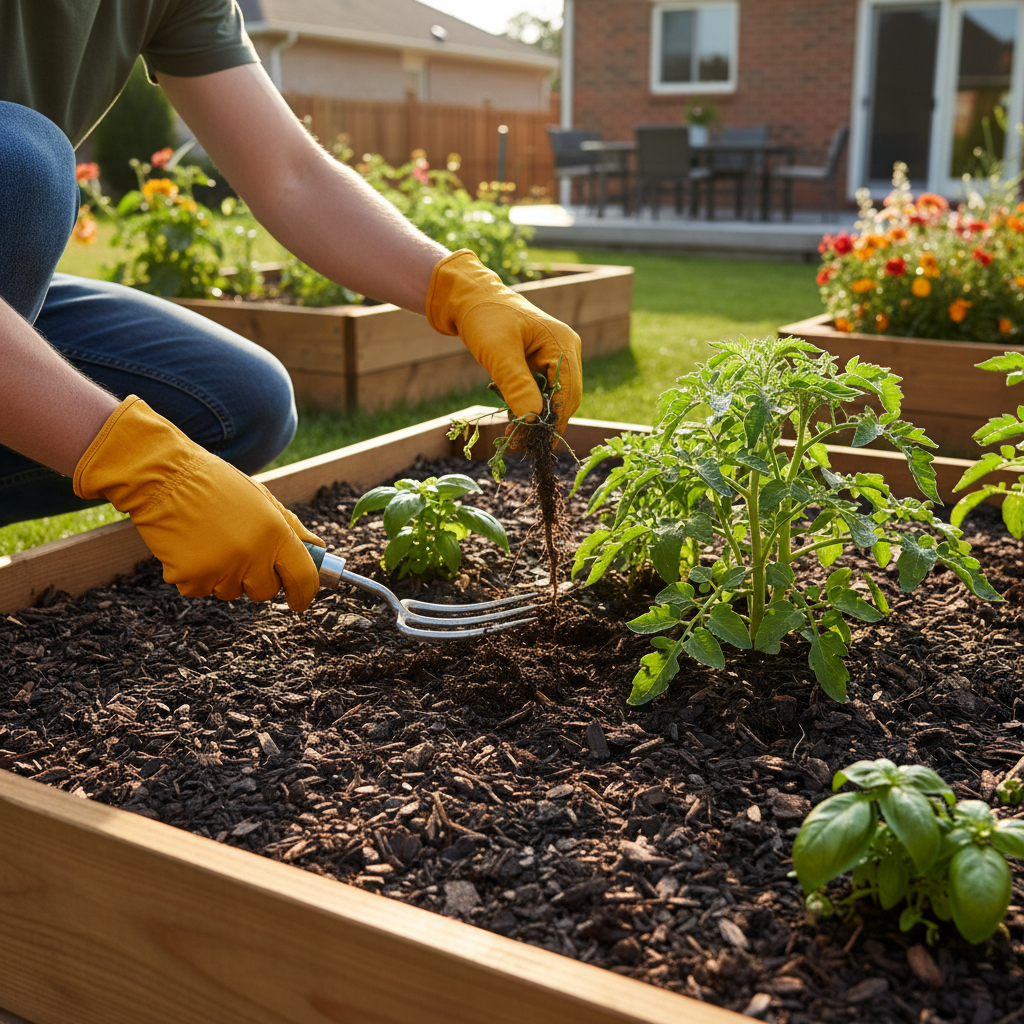
- Timing is Everything: Pull weeds when the soil is moist (after rain or watering). This makes it much easier to extract the entire root system.
- Tools Matter: Use a weeding fork, dandelion digger, or hori-hori knife for effective deep root removal, especially for tap-rooted perennials like dandelions and thistles.
- Target Young Weeds: It's easier to remove weeds when they are small and haven't had a chance to establish deep roots or produce seeds.
- Be Thorough: For perennial weeds, ensure you remove as much of the root system as possible. Even small fragments of rhizomes or stolons can regenerate entire plants. Shake off excess soil to keep it in the bed.
- Dispose Properly: Do not compost weeds that have gone to seed or aggressive perennial roots. Bag them and dispose of them to prevent spreading.
Landscaping · Deck or fence project
| Project category | Landscaping |
|---|---|
| Problem type | Deck or fence project |
| Trade required | Landscaping |
| Urgency | Planned project |
| Safety risk | Moderate safety risk |
| DIY suitability | DIY for experienced homeowners |
| Cost category | High cost |
| Typical timeline | Most builds 3–10 days depending on size |
| Contractor type | Landscaping contractor |
Repair option
Replace failed boards, posts, and hardware; reseal the surface.
Replacement option
Rebuild when framing or the ledger connection is unsafe.
Common causes
- Rot at posts and ledger
- Storm damage
- Adding outdoor living space
Relevant tools:home improvement material pricesproject cost estimator
Published May 3, 2026Last updated August 17, 2026
Tools & materials you'll need
Affiliate links- AmazonWeeding Fork / Dandelion DiggerFor effective root removal
- AmazonGardening GlovesProtect hands
- AmazonHose or Watering CanFor watering in pre-emergent and newly planted areas
- AmazonGarden Trowel or Hori-Hori KnifeFor precise weeding and planting
- AmazonWheelbarrow or Garden CartFor transporting mulch and weeds
As an Amazon Associate FixlyGuide earns from qualifying purchases — at no extra cost to you. Prices and availability are accurate as of publication and subject to change.
Quick Answer
Achieving truly "permanent" weed removal is an ongoing commitment rather than a one-time fix. Weeds are relentless opportunists, and their seeds can lie dormant for decades, waiting for the right conditions to sprout. The most effective long-term strategy involves a multi-pronged approach: meticulous manual removal of existing weeds (especially before they go to seed), applying thick layers of mulch to smother new growth, improving soil health to favor desirable plants, and strategically using pre-emergent herbicides to stop seeds from germinating. By consistently disrupting the weed life cycle, you can significantly reduce their presence and regain control of your yard.
The Problem
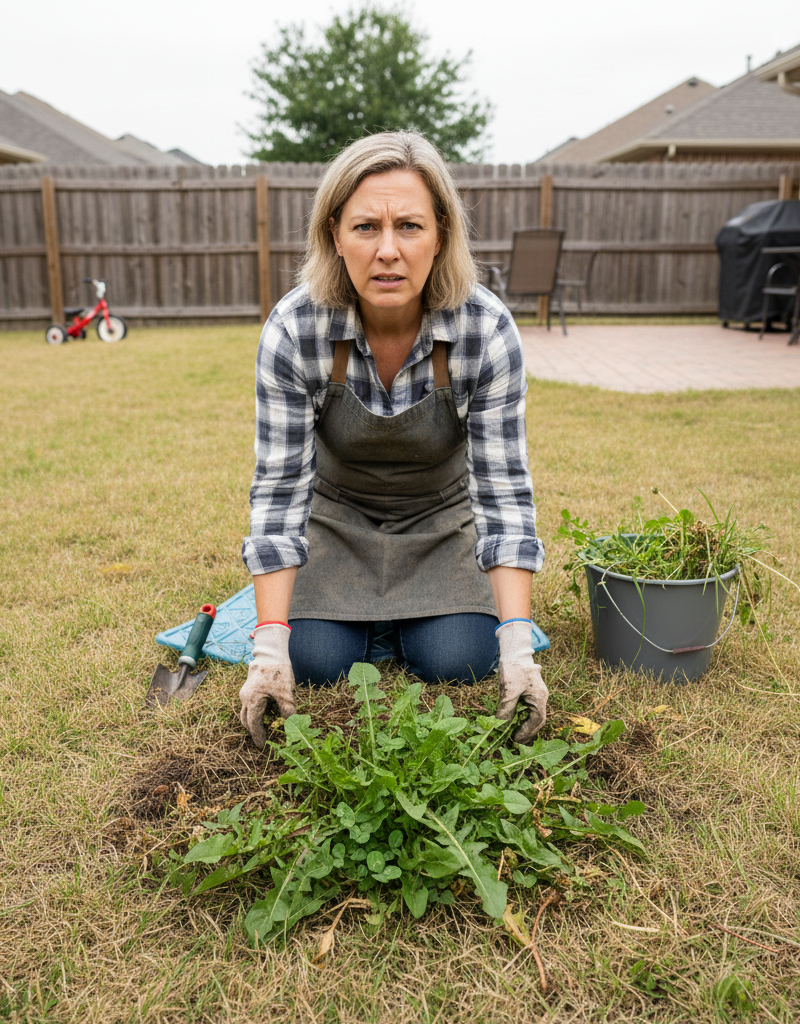
Every homeowner has experienced the frustration: you spend hours diligently pulling weeds, only to see them return with a vengeance days later. It feels like an unwinnable battle, a Sisyphean task that drains your time and energy. The problem isn't your effort; it's the sophisticated survival mechanisms of weeds themselves. They are expert colonizers, often producing thousands of seeds per plant, some of which can remain viable in the soil for 50 years or more. Digging often brings new seeds to the surface, and leaving even tiny root fragments can lead to regeneration. This constant cycle of growth, seeding, and regrowth is what makes achieving a truly weed-free landscape so challenging and why many traditional methods offer only temporary relief.
How It Works
To effectively combat weeds, it's crucial to understand their biology and life cycles. Most weeds fall into three categories: annuals, biennials, and perennials.
Annual Weeds complete their entire life cycle (germination, growth, flowering, seeding, and death) within one year. Examples include crabgrass, common purslane, and common chickweed. Their primary survival strategy is prolific seed production. Removing them before they set seed is paramount to breaking their cycle.
Biennial Weeds take two years to complete their life cycle. In the first year, they form a rosette of leaves close to the ground; in the second year, they flower, produce seeds, and then die. Thistle, wild carrot, and mullein are common biennials. Removing them in their first year before they can flower is crucial.
Perennial Weeds live for more than two years and often have sophisticated underground root systems (rhizomes, stolons, tubers) that allow them to spread aggressively and regenerate even if the top growth is removed. Dandelion, bindweed, quackgrass, and ground ivy are notorious perennials. Simply pulling the top growth of a perennial often stimulates more vigorous growth from the roots, making them particularly challenging.
Weeds thrive in disturbed or unhealthy soil, often indicating underlying issues like compaction, nutrient deficiencies, or imbalances. They compete with desired plants for water, nutrients, and sunlight, often outcompeting them due to their aggressive growth habits and adaptability. Understanding these life cycles and environmental preferences is the foundation for developing a sustainable, long-term weed management plan that goes beyond surface-level removal.
Step-by-Step Fix
Achieving lasting weed control requires a systematic approach. This combines physical removal, cultural practices, and preventative measures.
1. Identify Your Enemy — Before you act, know your weeds.
Take the time to identify the types of weeds you're dealing with. Are they annuals, biennials, or perennials? Are they broadleaf or grassy? Knowing this will inform your removal and prevention strategies. Resources like university extension offices or online plant identification apps can help.
2. Manual Removal: The Deep Dive — Pulling effectively is an art.
- Timing is Everything: Pull weeds when the soil is moist (after rain or watering). This makes it much easier to extract the entire root system.
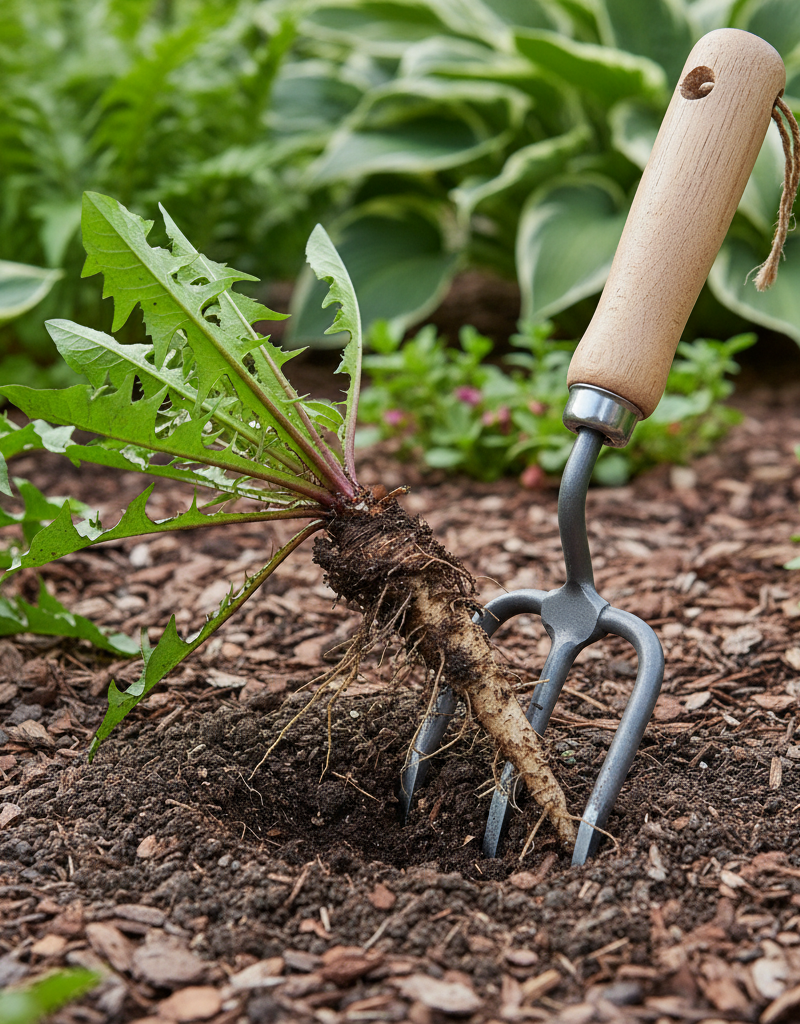
- Tools Matter: Use a weeding fork, dandelion digger, or hori-hori knife for effective deep root removal, especially for tap-rooted perennials like dandelions and thistles.
- Target Young Weeds: It's easier to remove weeds when they are small and haven't had a chance to establish deep roots or produce seeds.
- Be Thorough: For perennial weeds, ensure you remove as much of the root system as possible. Even small fragments of rhizomes or stolons can regenerate entire plants. Shake off excess soil to keep it in the bed.
- Dispose Properly: Do not compost weeds that have gone to seed or aggressive perennial roots. Bag them and dispose of them to prevent spreading.
3. Strategic Mulching — Smother weeds before they see the light.
- Layer Up: Apply a thick layer (2-4 inches) of organic mulch like shredded bark, wood chips, or straw. This blocks sunlight from reaching weed seeds, preventing germination.
- Barrier Below: For particularly stubborn areas, you can lay down cardboard or several layers of newspaper before adding mulch. Wet the cardboard/newspaper thoroughly so it conforms to the ground.
- Replenish Annually: Mulch breaks down over time, so replenish it annually or as needed to maintain thickness.
4. Improve Soil Health — A healthy garden naturally resists weeds.
- Test Your Soil: Get a soil test to understand its pH and nutrient levels. Amend based on recommendations to create ideal conditions for your desired plants, not weeds.
- Add Organic Matter: Incorporate compost annually. Healthy soil promotes strong, dense growth in your desired plants, which can outcompete weeds for resources.
- Avoid Over-Tilling: Tilling can bring dormant weed seeds to the surface, encouraging new growth. Opt for minimal disturbance when amending soil.
5. Targeted Pre-Emergent Herbicides — Preventing seeds from sprouting.
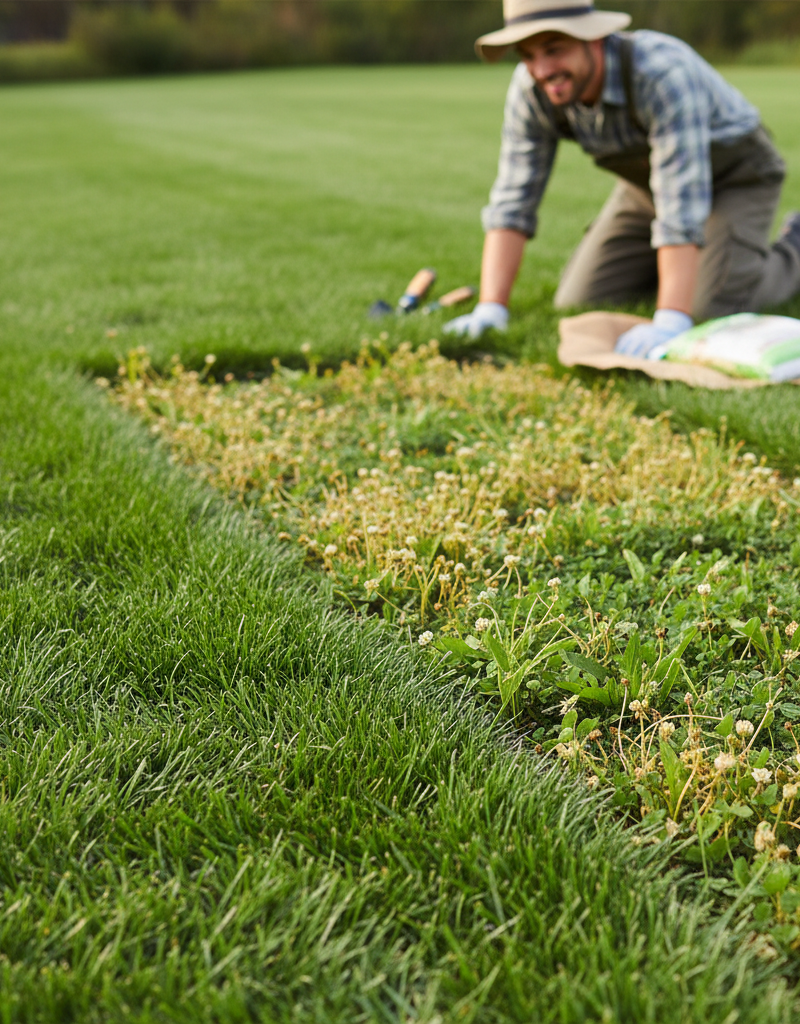
- Know Your Weeds: Pre-emergents prevent seeds from germinating. They will not kill existing weeds. Choose a product appropriate for your climate and target weeds (e.g., prodiamine for crabgrass).
- Timing is Critical: Apply pre-emergents in early spring before weed seeds germinate (when soil temperatures consistently reach 50-55°F for cool-season weeds) and potentially again in late summer/early fall for winter annuals. Follow product instructions precisely.
- Water In: Most pre-emergents require watering in to activate the chemical barrier. Check product labels for specific instructions.
- Caution: Do not use pre-emergents if you plan to sow new grass seed or other desired seeds in the treated area, as it will prevent them from germinating too. Always wear appropriate PPE.
6. Post-Emergent Spot Treatment — Deal with individual trespassers.
- Targeted Application: Use post-emergent herbicides only for specific, established weeds that manual removal isn't feasible for.
- Choose Wisely: Select a selective herbicide that targets broadleaf weeds without harming your grass, or a non-selective one (like glyphosate) with extreme caution only for areas where you want absolutely no plant growth.
- Follow Instructions: Apply according to label directions, paying close attention to temperature, wind, and application rates to avoid drift and damage to desirable plants.
7. Proper Watering & Fertilization — Feed your plants, not the weeds.
- Deep, Infrequent Watering: Encourage deep root growth in your desired plants by watering deeply and less frequently. Shallow, frequent watering encourages shallow-rooted weeds.
- Targeted Fertilization: Fertilize your lawn or garden beds based on their specific needs. Healthy, dense turf and garden plants create less space and fewer resources for weeds to colonize.
Common Causes
- Disturbed Soil: Any excavation, tilling, or even heavy foot traffic can bring dormant weed seeds to the surface, exposing them to light and air, triggering germination.
- Poor Soil Health: Compacted, nutrient-deficient, or imbalanced soil often favors weeds over cultivated plants, which prefer specific soil conditions. Weeds are more adaptable.
- Insufficient Mulch/Groundcover: Bare soil is an open invitation for weeds. No competition from desirable plants and direct sunlight on the soil surface create ideal conditions for weed seeds to sprout.
- Incorrect Watering/Fertilizing: Shallow watering encourages shallow-rooted weeds. Over-fertilizing can fuel weed growth, especially general-purpose fertilizers that don't specifically target your desired plants' needs.
- Allowing Weeds to Go to Seed: Even one weed allowed to mature and release its seeds can contribute thousands of new potential weeds to your soil's seed bank for years to come.
- Imported Weeds: New weeds can arrive via contaminated topsoil, compost, nursery plants, or even on the soles of your shoes or garden tools.
Common Mistakes
- Pulling Weeds Incorrectly: Snapping off the tops of perennial weeds leaves the root system intact, allowing them to regrow even stronger. Always aim for the entire root.
- Weeding After Seeds Have Developed: Removing a weed covered in seeds and letting those seeds fall onto the ground is counterproductive. These weeds should be carefully bagged and disposed of.
- Under-Mulching: A thin layer of mulch (less than 2 inches) isn't enough to suppress weeds effectively. Sunlight can still penetrate, allowing seeds to germinate.
- Over-Tilling the Soil: While seemingly helpful, tilling brings millions of dormant weed seeds to the surface, essentially planting them and ensuring a new generation of weeds.
- Misidentifying Weeds: Using the wrong removal method or herbicide for a specific weed type can be ineffective or even harm desirable plants.
- Ignoring Soil Health: A healthy, balanced soil ecosystem naturally suppresses weeds. Relying solely on pulling or spraying without addressing underlying soil issues is a losing battle.
Cost & Time Breakdown
| Task | DIY cost | Pro cost | Time |
|---|---|---|---|
| Manual Weeding (per 1,000 sq ft) | $0 (your labor) | $75–$150 | 1–3 hours |
| Organic Mulch (materials) | $50–$150 | $150–$300 (incl. labor) | 2–4 hours |
| Pre-emergent Herbicide | $20–$50 | $100–$250 | 30 min–1 hour |
| Soil Test Kit | $15–$30 | $75–$150 | 15 min + wait |
| Spot Treatment Herbicide | $15–$40 | Included in service | 15–30 minutes |
Tips & Prevention
- Regular Scouting: Walk your garden or lawn weekly to catch new weeds while they are small and easy to remove. Early detection is your best friend.
- Dense Planting: In garden beds, plant desired species closely enough so their mature foliage creates a canopy that shades the soil, naturally suppressing weed growth.
- Edge Control: Install physical barriers like landscape edging around garden beds and driveways to prevent aggressive spreading weeds (like Bermuda grass or ground ivy) from creeping in.
- Clean Tools: Always clean your garden tools after working in weedy areas to avoid transferring seeds or root fragments to other parts of your yard.
- Consider Groundcovers: In difficult-to-maintain areas, use low-growing, spreading groundcover plants to outcompete weeds and fill in bare spots.
- Use Weed Barriers Responsibly: While landscape fabric can be effective under pathways or gravel, it eventually breaks down and can make planting additions difficult. Avoid using it in perennial beds where soil health is critical.
When to Call a Professional
While many weed control tasks are manageable for homeowners, there are specific situations where calling a licensed professional is advisable. If your yard is extensively overgrown with aggressive, stubborn perennial weeds like Japanese knotweed, bindweed, or certain types of thistle that have taken over large areas, a professional can offer more potent, restricted-use herbicides or specialized treatment plans that are unavailable to the general public. Additionally, if you're dealing with a large property, have limited physical mobility for intensive weeding, or if weeds are negatively impacting the structural integrity of pavers, foundations, or drainage systems, a lawn care or landscaping professional can provide efficient and effective solutions. They possess the expertise to accurately identify complex weed issues, understand local regulations for herbicide use, and develop a long-term integrated pest management plan tailored to your specific landscape, ensuring a healthier and more manageable outdoor space.
Related Articles
Keep troubleshooting with these hand-picked guides from FixlyGuide:
- The #1 Mistake Killing Your Garden: Why Weeds Keep Coming Back (And How to Stop Them) — Discover the secret to permanently removing weeds from your garden by understanding their root causes and implementing sustainable solution…
- How to Permanently Remove Weeds from Your Lawn: A Step-by-Step Guide — Achieving a weed-free lawn requires a combination of effective removal techniques and consistent prevention strategies, ensuring long-term…
- The #1 Mistake Killing Your Garden (And 5 Permanent Weed Fixes) — Discover the secret to truly permanent weed removal and stop making the common mistake that allows weeds to relentlessly return, reclaiming…
- The #1 Mistake Homeowners Make When Fighting Dandelions (And The Weeds Still Win) — Learn the surprising reason dandelions continue to plague your lawn and the effective, long-term strategies to reclaim your turf without en…
- The 3 Hidden Water Sources Breeding Mosquitoes in Your Yard (And How to Eliminate Them) — Naturally control mosquitoes in your backyard by targeting and eliminating hidden standing water sources where they breed, using simple, ec…
- The #1 Mistake That Warps Deck Boards (And How to Fix It for Good) — Prevent and repair warped deck boards by understanding the underlying causes and implementing effective, long-term solutions.
Should you do this yourself?
Answer five quick questions before you start. Safety outranks savings every time.
Your experience with work like this
How high do you have to work?
Does the job involve any of these?
Will it need a permit?
Specialty tools
Free and instant. Educational guidance only — not a quote, inspection, or professional diagnosis.
What should this project cost?
Enter your project details for a realistic cost range before you call anyone.
Cost depends heavily on which system turns out to be the source.
- Regional adjustment
- National average
- Labor share (typical)
- ~$1,620
- Quotes to collect
- 3 written estimates
Educational estimate based on national averages — not a binding quote. Always confirm with written local estimates.
Before you start
Check the difficulty, permits, and safety risk — then decide whether to call a pro.
- Estimate this projectGet a cost range for your scope and ZIP before you call anyone.Open
- Get local estimatesSend one request and compare written estimates from vetted pros.Open
Free, no signup required. Estimates are educational guidance, not a quote or an inspection.
Frequently asked questions
Can I really remove weeds permanently?+
Achieving 100% permanent weed removal is difficult due to the vast seed bank in the soil. However, you can drastically reduce their presence and keep them at bay by consistently applying a combination of manual removal, mulching, improving soil health, and strategic use of pre-emergent herbicides over several growing seasons.
What is the best time of year to get rid of weeds?+
The best time to tackle weeds is typically in spring and fall. Spring is ideal for applying pre-emergents before seeds germinate and for pulling annual weeds before they set seed. Fall is crucial for controlling winter annuals and weakening perennial weeds before they go dormant, making them easier to manage next spring.
Should I use herbicides for permanent weed control?+
Herbicides can be a valuable tool, but should be used strategically and as part of a broader plan. Pre-emergent herbicides prevent seeds from sprouting, while post-emergent herbicides target existing weeds. Always identify your weeds first, choose the correct product, and follow label instructions carefully to avoid harming desirable plants or the environment.
Does vinegar kill weeds permanently?+
Horticultural vinegar (acetic acid) can kill the top growth of small, young weeds relatively quickly by burning the foliage. However, it rarely kills the deep root systems of perennial weeds, allowing them to regrow. It's best used as a temporary contact killer rather than a permanent solution and should be handled with caution as it can burn skin and harm desirable plants.
How does mulch help in weed prevention?+
Mulch creates a physical barrier that blocks sunlight from reaching weed seeds in the soil, preventing them from germinating. It also helps smother any small weeds that do sprout and makes manual weeding easier by loosening the soil underneath. A thick layer of 2-4 inches is most effective.
Discussion
Loading comments…