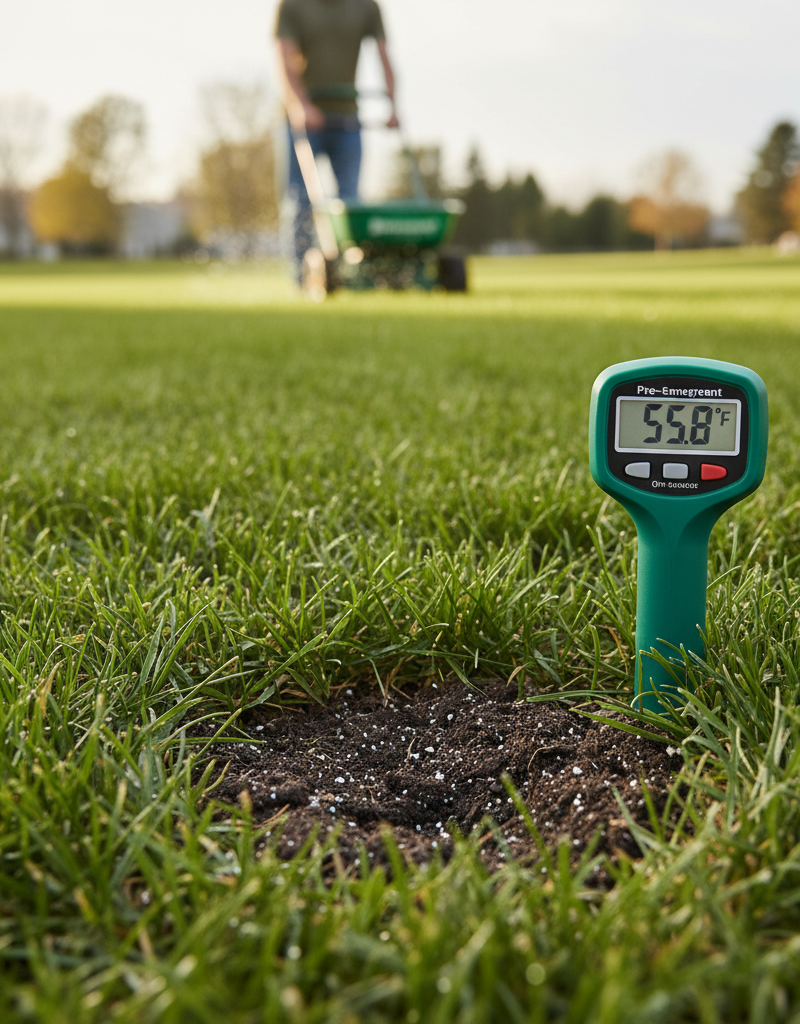
- Apply Pre-Emergent Herbicide at the Correct Time — This is the most critical step for preventing future infestations, especially of annual weeds like crabgrass.
- Spring Application: Apply when soil temperatures consistently reach 55°F for several days. A common natural indicator is when forsythia bushes are in full bloom. This targets crabgrass and other summer annuals.
- Fall Application: Apply in late summer or early fall when soil temperatures drop back down to 70°F. This targets annual bluegrass (Poa annua) and other winter annual weeds.
Landscaping · Deck or fence project
| Project category | Landscaping |
|---|---|
| Problem type | Deck or fence project |
| Trade required | Landscaping |
| Urgency | Planned project |
| Safety risk | Moderate safety risk |
| DIY suitability | DIY for experienced homeowners |
| Cost category | High cost |
| Typical timeline | Most builds 3–10 days depending on size |
| Contractor type | Landscaping contractor |
Repair option
Replace failed boards, posts, and hardware; reseal the surface.
Replacement option
Rebuild when framing or the ledger connection is unsafe.
Common causes
- Rot at posts and ledger
- Storm damage
- Adding outdoor living space
Relevant tools:home improvement material pricesproject cost estimator
Published April 18, 2026Last updated August 17, 2026
How it works
A lawn is a competitive ecosystem where turfgrass and weeds vie for the same limited resources: sunlight, water, and soil nutrients. Achieving a permanently weed-free lawn is not about a single event, but about fundamentally shifting this ecosystem's balance in favor of your desired grass. The strategy involves a two-part process: reactive removal of existing weeds and proactive cultivation of a dense, healthy turf that outcompetes future invaders.
Weeds are classified by their life cycle—annual (crabgrass, germinates and dies in one year), biennial (dies in two years), or perennial (returns for multiple years from its root system, like dandelions). Herbicides work in two primary ways. Post-emergent herbicides are systemic or contact poisons that kill existing, actively growing plants. They are absorbed through the leaves or roots and disrupt critical life functions like photosynthesis or cell division. Pre-emergent herbicides do not kill existing plants; instead, they form a chemical barrier in the top layer of soil that inhibits cell division in germinating seeds, preventing them from ever emerging. Effective, long-term control requires using these chemical tools precisely while simultaneously improving the underlying soil structure, fertility, and drainage to create an environment where turfgrass thrives and weed seeds cannot find purchase.
Step-by-Step Fix
This process is a multi-season endeavor. Follow these steps methodically for a systematic lawn restoration.
Safety Note: When handling any herbicide, fertilizer, or soil amendment, wear chemical-resistant gloves, safety glasses, and closed-toe shoes. Apply herbicides on a calm day with no wind to prevent drift onto desirable plants. Follow all product label instructions for application rates, timing, and safety precautions.
-
Identify Your Turf and Weeds — Before any action, accurately identify your primary turfgrass type (e.g., Kentucky Bluegrass, Tall Fescue, Perennial Ryegrass for cool-season lawns; or Bermuda, Zoysia, St. Augustine for warm-season lawns). Next, identify the dominant weeds. Categorize them as broadleaf (dandelions, clover, plantain), grassy (crabgrass, foxtail), or sedges (nutsedge, identifiable by its triangular stem).
- Tools: University extension websites, mobile plant ID apps, local garden center experts.
- Why it's critical: Applying the wrong herbicide can severely damage or kill your lawn. For example, many common broadleaf killers will harm St. Augustine grass.
-
Conduct a Professional Soil Test — The health of your lawn starts in the soil. Purchase a soil test kit from a university extension service or a reputable online lab. Collect several samples from around your lawn at a depth of 4-6 inches, mix them in a bucket, and send the composite sample for analysis.
- What to look for: The report will detail soil pH, organic matter content, and levels of key macronutrients (Nitrogen, Phosphorus, Potassium) and micronutrients. Use these results to guide your fertilizer and amendment choices in Step 7.
-
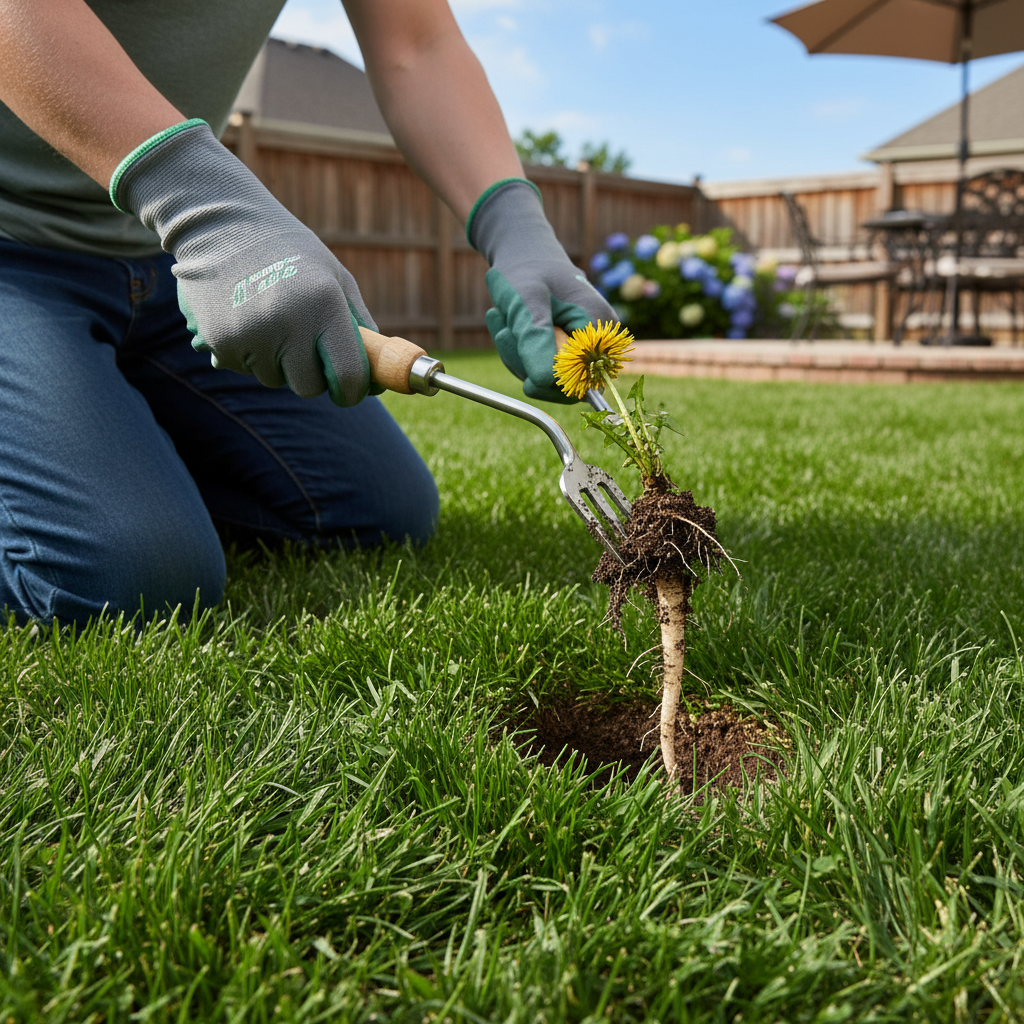
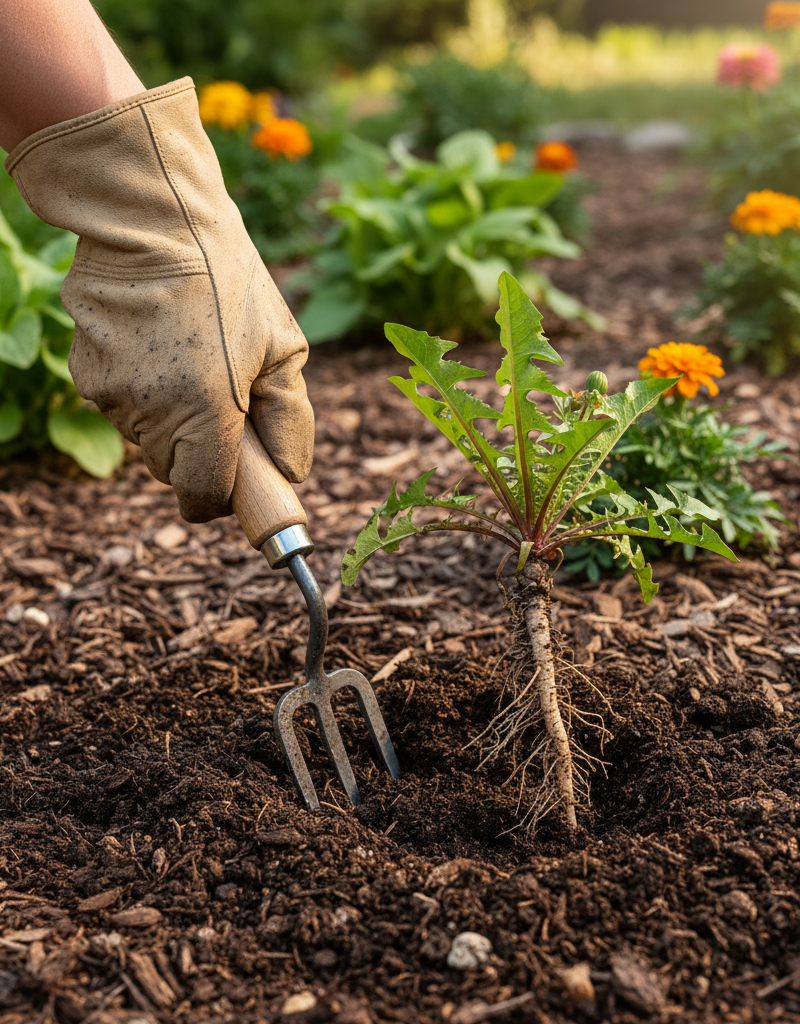
Perform Initial Manual Removal — For scattered perennial weeds with deep taproots like dandelions or thistle, manual removal is most effective. Water the lawn the day before to soften the soil.
- Tools: Use a long-handled stand-up weeder or a hori-hori knife to pry up the entire root. Simply pulling from the top will often leave root fragments that will regrow. For patches of shallow-rooted annuals, an oscillating or stirrup hoe can quickly clear the area.
-
Apply a Selective Post-Emergent Herbicide — To address widespread existing weeds, choose a liquid selective herbicide rated for your specific grass type and weed problem.
- Application: Use a pump or backpack sprayer for targeted application. For broadleaf weeds, look for products containing a mix of 2,4-D, MCPP (mecoprop), and Dicamba. For grassy weeds like crabgrass, quinclorac is effective. For nutsedge, use products with halosulfuron-methyl or sulfentrazone.
- Timing: Apply when temperatures are between 65°F and 85°F. Do not apply to drought-stressed lawns or when rain is expected within 24 hours. Add a non-ionic surfactant (spreader-sticker) to the mix if the product label recommends it; this helps the herbicide adhere to the weed's leaves.
-
Apply Pre-Emergent Herbicide at the Correct Time — This is the most critical step for preventing future infestations, especially of annual weeds like crabgrass.
- Spring Application: Apply when soil temperatures consistently reach 55°F for several days. A common natural indicator is when forsythia bushes are in full bloom. This targets crabgrass and other summer annuals.
- Fall Application: Apply in late summer or early fall when soil temperatures drop back down to 70°F. This targets annual bluegrass (Poa annua) and other winter annual weeds.
- Method: Use a calibrated broadcast spreader for granular products or a sprayer for liquid versions. Water the lawn with about 0.5 inches of water immediately after application to activate the chemical barrier. Crucial: Do not apply a pre-emergent if you plan to overseed in the next 6-12 weeks, as it will prevent grass seed from germinating.
-
Core Aerate the Lawn — Compacted soil restricts air, water, and nutrient movement to grass roots, favoring weed growth. Core aeration pulls plugs of soil from the lawn, relieving compaction.
- Tools: Rent a mechanical core/plug aerator from a local tool rental center. Avoid spike aerators, as they can increase compaction.
- Timing: The best time to aerate is during the active growing season to allow for quick recovery. For cool-season grasses, aerate in early fall or spring. For warm-season grasses, aerate in late spring or early summer.
-
Amend the Soil and Topdress — Immediately after aerating, act on your soil test results. Use a broadcast spreader to apply any recommended lime (to raise pH) or sulfur (to lower pH). Then, topdress the entire lawn with a ¼-inch layer of high-quality, sifted compost.
- Method: Rake the compost across the lawn so it falls into the aeration holes. This directly introduces organic matter and beneficial microbes into the root zone, improving soil structure and fertility over time.
-
Overseed to Increase Turf Density — A thick lawn is the best natural defense against weeds. After topdressing, spread high-quality grass seed appropriate for your region and sun exposure.
- Application: Use a broadcast spreader at the rate recommended on the seed bag for overseeding. For best results, use a slit seeder (available for rent), which cuts small furrows in the soil and drops seed directly into them for superior seed-to-soil contact.
- Timing: Fall is the ideal time to overseed cool-season grasses. Overseed warm-season grasses in late spring.
-
Fertilize Correctly — Based on your soil test, establish a yearly fertilization plan. Most cool-season lawns require 2-4 lbs of actual Nitrogen per 1,000 sq ft per year, with the majority applied in the fall. Warm-season lawns have similar needs but are fertilized throughout the summer months.
- Application: Use a slow-release granular fertilizer to provide a steady supply of nutrients without promoting excessive, weak growth.
-
Implement Proper Mowing and Watering — This is ongoing maintenance that reinforces all previous steps.
- Mowing: Mow high. Taller grass shades the soil, preventing weed seeds from germinating. It also encourages deeper root growth. Set your mower deck to 3-4 inches for most turf types. Never remove more than one-third of the grass blade in a single mowing, and keep your mower blades sharp.
- Watering: Water deeply and infrequently. Provide about 1-1.5 inches of water per week, delivered in one or two sessions. This encourages grass to develop deep, drought-resistant roots, while frequent, shallow watering promotes shallow-rooted weeds like crabgrass.
Common mistakes
- Applying Herbicides Incorrectly: Using the wrong chemical for your grass type can destroy your lawn. Applying herbicides in hot, windy, or rainy weather reduces effectiveness and risks collateral damage. Always read and follow the entire product label.
- Ignoring Soil Health: Many DIYers focus only on killing visible weeds. If you don't address underlying issues like soil compaction, pH imbalance, or nutrient deficiencies, the weeds will always return because the environment favors them over grass.
- Mowing Too Short: Scalping the lawn is one of the most common mistakes. It weakens the turf, exposes the soil to sunlight, and allows weed seeds to germinate. Always mow at the highest recommended height for your grass type.
- Mistiming Pre-Emergent Applications: Applying pre-emergent after weeds have already germinated is useless. Applying it too early means it may break down before the main germination window. Use soil temperature as your guide, not just the calendar date.
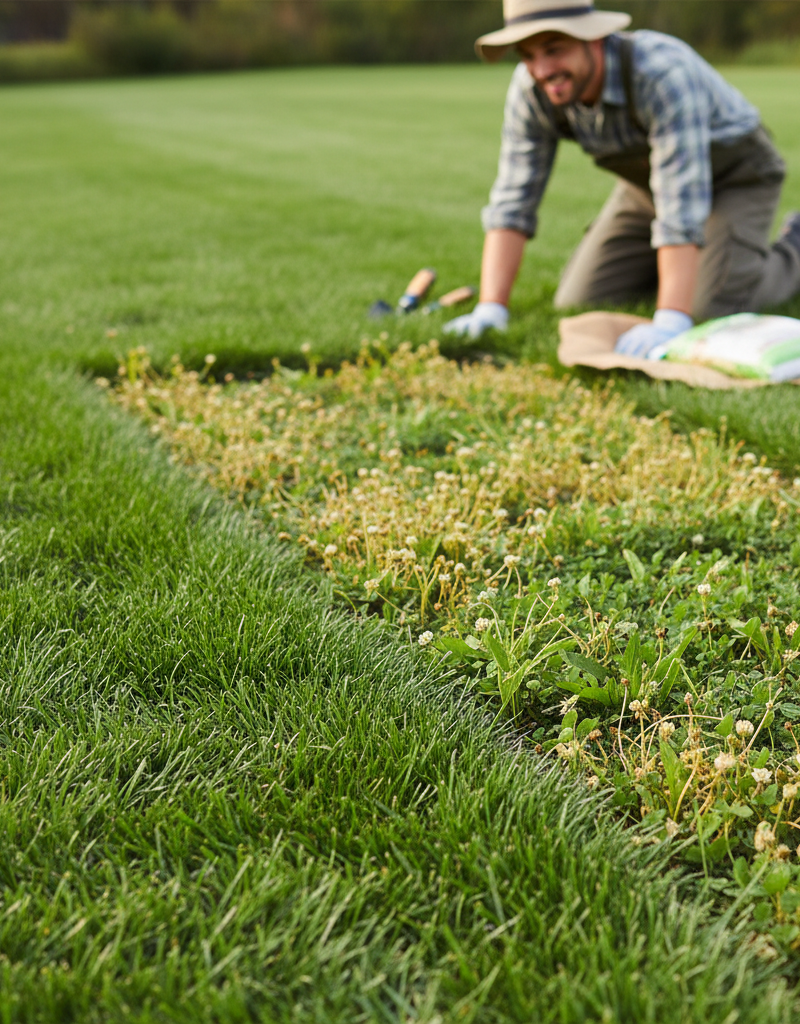
- Creating Bare Spots: Pulling large clumps of weeds and leaving the soil bare is an open invitation for more weeds to move in. Always follow up manual removal by amending the soil and seeding the bare patch.
- Improper Watering: Watering lightly every day creates a shallow-rooted lawn that is susceptible to stress and encourages shallow-rooted weeds. Water deeply to train grass roots to grow deep into the soil profile.
Cost & time breakdown
Costs can vary significantly based on lawn size and the extent of the weed problem. This breakdown is for an average 5,000 sq. ft. lawn.
| Task | DIY Cost | Pro Cost | Time |
|---|---|---|---|
| Soil Test & Amendments | $30 - $70 (lab test + lime/sulfur) | $100 - $250 | 1 hour |
| Herbicide Application (Pre- & Post-) | $50 - $100 (products + sprayer) | $150 - $300 (per season) | 2-3 hours per application |
| Core Aerator Rental | $70 - $100 (half-day rental) | $150 - $250 | 2-4 hours |
| Overseeding | $60 - $120 (quality seed + spreader) | $200 - $400+ | 2-3 hours |
| Compost for Topdressing | $150 - $300 (1-2 cubic yards, delivered) | $400 - $700+ (includes labor) | 3-6 hours |
| Full-Service Lawn Care Program | N/A | $500 - $1,200+ (per year) | Ongoing professional management |
When to call a pro
While this process is manageable for a dedicated DIYer, certain situations warrant calling a professional lawn care service.
Consider professional help if your lawn is more than 50-60% covered in weeds. At this level of infestation, a full lawn renovation—killing off all vegetation with a non-selective herbicide like glyphosate and starting over from seed or sod—is often a more efficient and effective solution. This is a complex project best handled by experts.
Additionally, if your lawn is plagued by notoriously difficult-to-control perennial weeds like Nimblewill, Quackgrass, Dallisgrass, or persistent Nutsedge, a professional is recommended. They have access to specialized, and sometimes restricted-use, herbicides and the expertise to apply them correctly without damaging your turf.
Finally, if you cannot confidently identify your turfgrass and weed species, or if you lack the physical ability to operate heavy equipment like a core aerator or the time to commit to the consistent, multi-season schedule required, a professional service will deliver better and faster results.
Prevention & maintenance
Once you have restored your lawn, diligent maintenance is key to keeping it weed-free permanently.
- Yearly Pre-Emergent: This is a non-negotiable annual task. Apply pre-emergent herbicide every spring and fall based on soil temperatures to prevent the germination of annual weeds. This is your primary shield.
- Mow High and Often: Consistently mow at a height of 3-4 inches. This shades the soil and promotes a thick canopy. Sharpen your mower blades at least twice per season to ensure a clean cut that minimizes grass stress.
- Address Bare Spots Immediately: Keep a small bag of your grass seed and some topsoil on hand. Whenever you pull a weed or a bare patch appears, scratch up the soil, add a small amount of seed, cover lightly with topsoil, and keep it moist until it germinates.
- Monitor and Spot-Treat: Walk your lawn weekly. If you see a new weed, pull it or spot-spray it with a targeted herbicide immediately before it has a chance to develop a strong root system or produce seeds.
- Conduct Soil Tests Every 2-3 Years: Monitor soil pH and nutrient levels to make minor adjustments to your fertilization program. This ensures the soil remains an ideal environment for your turf, not for weeds.
- Clean Your Equipment: After mowing, use a leaf blower or compressed air to clean grass clippings and potential weed seeds from your mower deck and wheels to prevent spreading them to other areas of your yard or a neighbor's lawn.
Related Articles
Keep troubleshooting with these hand-picked guides from FixlyGuide:
- The #1 Mistake Homeowners Make When Fighting Dandelions (And The Weeds Still Win) — Learn the surprising reason dandelions continue to plague your lawn and the effective, long-term strategies to reclaim your turf without en…
- The #1 Mistake Killing Your Lawn's Crabgrass Defense (And the Easy Fix) — Discover why common crabgrass removal methods fail and how to naturally eliminate this stubborn weed for a healthier lawn.
- The Eternal Weed Battle: Why They Always Come Back (And How to Actually Win) — Stop the cycle of endless weeding by understanding why weeds persist and how to implement long-term control strategies.
- The #1 Mistake Killing Your Garden (And 5 Permanent Weed Fixes) — Discover the secret to truly permanent weed removal and stop making the common mistake that allows weeds to relentlessly return, reclaiming…
- The #1 Mistake Killing Your Lawn's Clover—And 3 Secrets to Get Rid of It for Good — Discover the common mistake homeowners make when trying to eliminate clover and learn three effective, grass-safe strategies to remove it p…
- The #1 Mistake That Warps Deck Boards (And How to Fix It for Good) — Prevent and repair warped deck boards by understanding the underlying causes and implementing effective, long-term solutions.
Should you do this yourself?
Answer five quick questions before you start. Safety outranks savings every time.
Your experience with work like this
How high do you have to work?
Does the job involve any of these?
Will it need a permit?
Specialty tools
Free and instant. Educational guidance only — not a quote, inspection, or professional diagnosis.
What should this project cost?
Enter your project details for a realistic cost range before you call anyone.
Cost depends heavily on which system turns out to be the source.
- Regional adjustment
- National average
- Labor share (typical)
- ~$1,620
- Quotes to collect
- 3 written estimates
Educational estimate based on national averages — not a binding quote. Always confirm with written local estimates.
Before you start
Check the difficulty, permits, and safety risk — then decide whether to call a pro.
- Estimate this projectGet a cost range for your scope and ZIP before you call anyone.Open
- Get local estimatesSend one request and compare written estimates from vetted pros.Open
Free, no signup required. Estimates are educational guidance, not a quote or an inspection.
Frequently asked questions
What is the most effective way to remove weeds permanently?+
The most effective way combines manual removal for isolated weeds, targeted post-emergent herbicides for widespread issues, and consistent use of pre-emergent herbicides to prevent new seeds from germinating. Crucially, fostering a dense, healthy lawn through proper mowing, watering, and soil health improvement is key to long-term prevention.
Can I permanently kill weeds naturally?+
While natural methods like hand-pulling, proper mulching, and using horticultural vinegar (with caution) can kill existing weeds, permanent eradication relies heavily on cultural practices that favor grass growth over weed growth. Maintaining a thick, healthy lawn naturally chokes out most weeds.
How often should I apply pre-emergent herbicide?+
Pre-emergent herbicides are typically applied twice a year: once in early spring (before soil temperatures consistently reach 50-55°F) to prevent summer annual weeds, and again in late summer or early fall to tackle cool-season weeds. Always follow the product-specific instructions for exact timing and application rates.
What should I do if my lawn is completely overrun with weeds?+
If your lawn is completely overrun, it might be more efficient to consider a full lawn renovation. This could involve killing off everything, amending the soil, and reseeding or sodding. For such extensive issues, consulting a professional lawn care service is highly recommended to assess the situation and create a comprehensive plan.
Discussion
Loading comments…