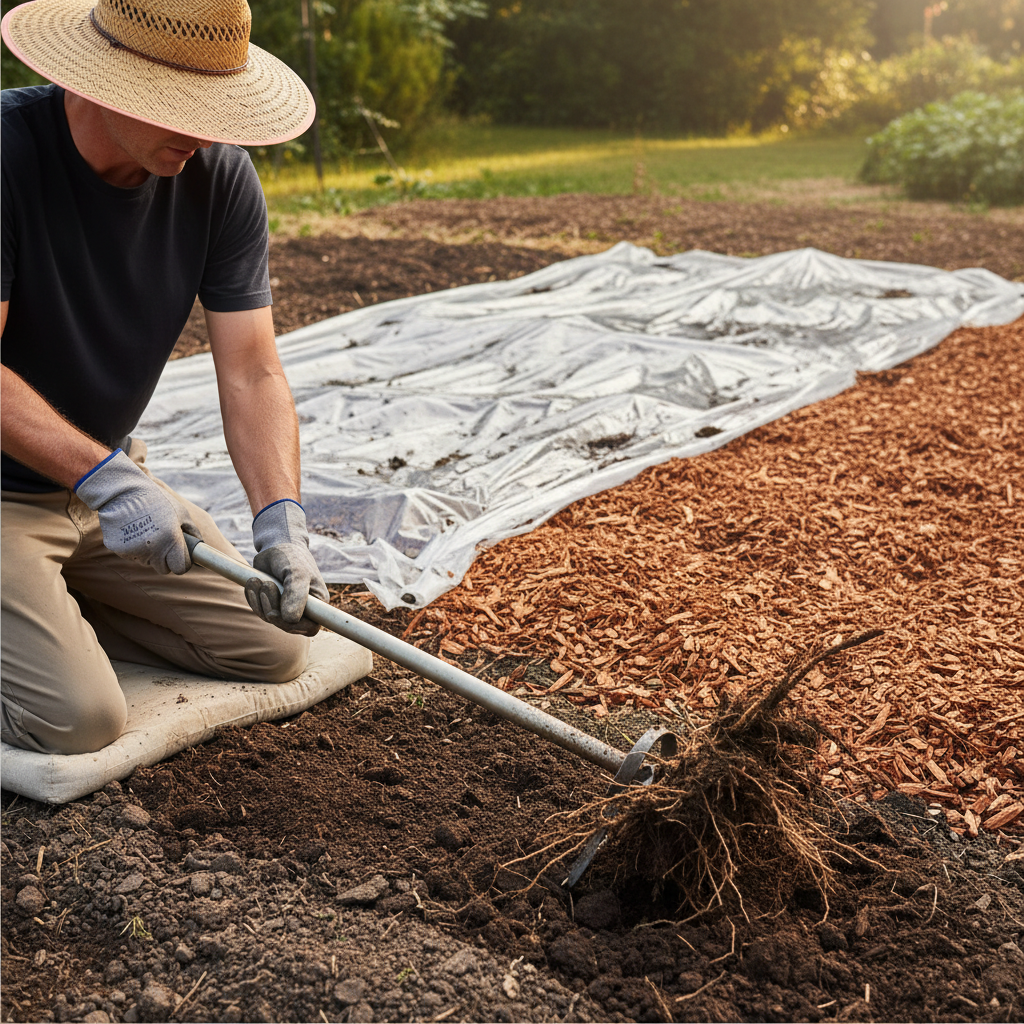
- Deep Taproots: Plants like dandelions and dock can send roots several feet deep, accessing water and nutrients unavailable to shallower-rooted plants. Leaving even a small section of taproot behind can lead to regrowth.
- Dormancy: Weed seeds often have dormancy mechanisms that prevent them from germinating all at once, ensuring a continuous supply of new weeds over many growing seasons.
- Rapid Growth Cycle: Many weeds complete their life cycle quickly, going from germination to seed production in a short period, outpacing slower-growing garden plants.
Landscaping · Deck or fence project
| Project category | Landscaping |
|---|---|
| Problem type | Deck or fence project |
| Trade required | Landscaping |
| Urgency | Planned project |
| Safety risk | Moderate safety risk |
| DIY suitability | DIY for experienced homeowners |
| Cost category | High cost |
| Typical timeline | Most builds 3–10 days depending on size |
| Contractor type | Landscaping contractor |
Repair option
Replace failed boards, posts, and hardware; reseal the surface.
Replacement option
Rebuild when framing or the ledger connection is unsafe.
Common causes
- Rot at posts and ledger
- Storm damage
- Adding outdoor living space
Relevant tools:home improvement material pricesproject cost estimator
Published May 13, 2026Last updated August 17, 2026
Tools & materials you'll need
Affiliate links- AmazonClear plastic sheetingVaries by area · 4-6 mil thick, for solarization
- AmazonCardboardVaries by area · Unwaxed, no tape/labels, for sheet mulching
- AmazonOrganic mulchVaries by area · Wood chips, straw, shredded leaves
- AmazonOrganic compostVaries by area
- AmazonWeed barrier fabricVaries by area · Optional, for inorganic mulching or pathways
As an Amazon Associate FixlyGuide earns from qualifying purchases — at no extra cost to you. Prices and availability are accurate as of publication and subject to change.
Quick Answer
Achieving truly permanent weed removal requires a multi-pronged approach that goes beyond simply pulling or spraying. The most effective strategies involve a combination of thorough root extraction, amending soil conditions to favor desired plants, and establishing robust ground cover that outcompetes weeds from returning. This disrupts the weed's life cycle at muliple points, preventing reseeding and regrowth from lingering root fragments.
The Problem
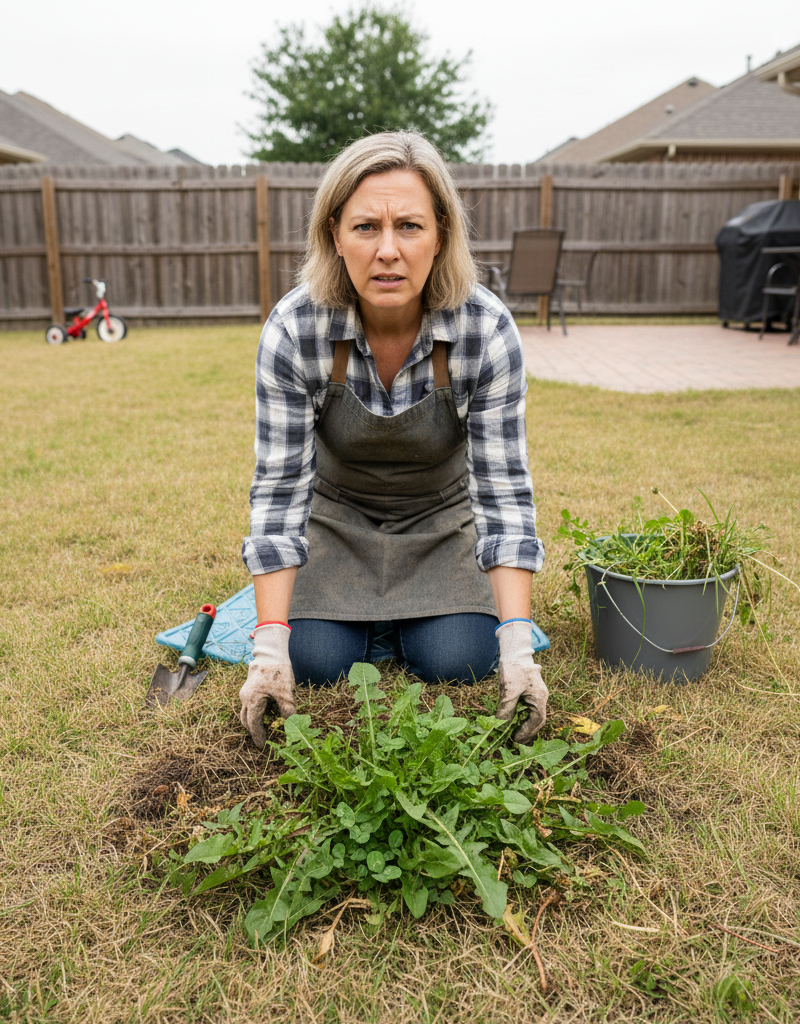
Every homeowner has experienced the frustration: you spend hours pulling weeds, only for them to sprout back with renewed vigor days or weeks later. Traditional weed control methods often offer only temporary relief because they fail to address the underlying causes of weed proliferation. Many common weeds, like dandelions, bindii, and thistles, have deep taproots or extensive rhizome systems that can regenerate an entire plant from a small fragment left behind. Others, such as crabgrass and spurge, produce thousands of seeds that can remain viable in the soil for years, waiting for the perfect conditions to germinate. The problem isn't just about visibility; it's about a persistent seed bank and resilient root systems that make true permanence seem elusive. Without understanding these mechanisms, homeowners fall into a cycle of repetitive, ineffective weed control.
How It Works
To eradicate weeds permanently, you must first understand their biology. Weeds, much like desired plants, need sunlight, water, and nutrients to grow. However, weeds are typically more opportunistic and resilient. They often thrive in disturbed or poor soil conditions where cultivated plants struggle. Their survival mechanisms include:
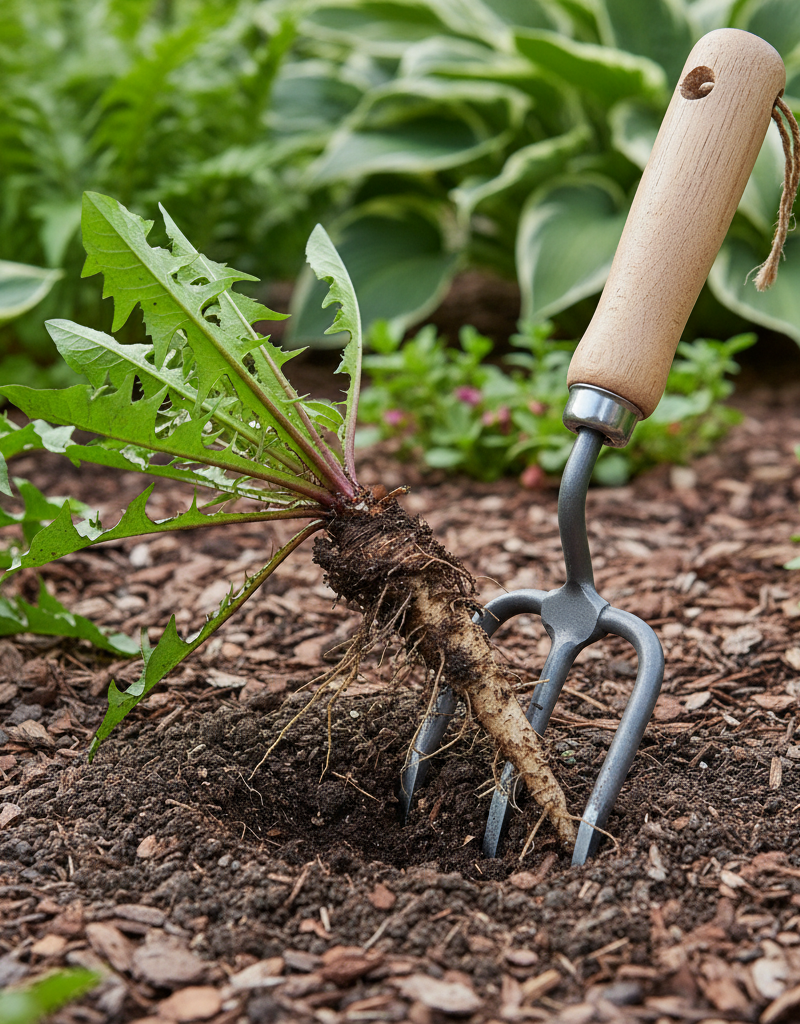
- Deep Taproots: Plants like dandelions and dock can send roots several feet deep, accessing water and nutrients unavailable to shallower-rooted plants. Leaving even a small section of taproot behind can lead to regrowth.
- Rhizomes and Stolons: Weeds such as quackgrass, Bermuda grass, and ground ivy spread horizontally through underground stems (rhizomes) or above-ground stems (stolons). Each node on these stems can produce a new plant, making fragmentation during weeding a common cause of spread rather than elimination.
- Prolific Seed Production: A single weed can produce thousands of seeds. For example, a common lambsquarter plant can produce up to 72,000 seeds. These seeds can remain dormant in the soil for decades, forming a 'seed bank' that germinates when conditions are favorable (e.g., after soil disturbance).
- Dormancy: Weed seeds often have dormancy mechanisms that prevent them from germinating all at once, ensuring a continuous supply of new weeds over many growing seasons.
- Rapid Growth Cycle: Many weeds complete their life cycle quickly, going from germination to seed production in a short period, outpacing slower-growing garden plants.
Permanent control hinges on disrupting these mechanisms. This means not just removing the visible plant, but also extracting the entire root system, eliminating the seed bank, and preventing new seeds from germinating or landing in the area. Soil health plays a critical role; healthy, dense soil teeming with beneficial microbes can suppress weed growth, while compacted or nutrient-deficient soil often favors weeds.
Step-by-Step Fix
Here's how to tackle permanent weed removal effectively:
-
Assess the Problem Area — Understand your enemy
- Before you begin, identify the types of weeds you're dealing with. Are they annuals (complete life cycle in one year) or perennials (live for multiple years)? Do they have taproots, fibrous roots, or creeping rhizomes? This will dictate your removal strategy.
- Observe the soil conditions. Is it compacted? Clay-heavy? Sandy? Poor soil often invites specific types of weeds.
-
Solarization (for large, infested areas) — Cook the weeds out
- For heavily infested garden beds or areas you want to clear completely, solarization is highly effective. Clear the area of any large debris. Water the soil thoroughly until it's moist but not waterlogged.
- Cover the entire area with clear plastic sheeting (4-6 mil thick). Ensure the edges are deeply trenched and buried with soil or weighted down with rocks to create an airtight seal. The goal is to trap heat.
- Leave the plastic in place for 6-8 weeks during the hottest part of the summer. The sun's heat will literally cook existing weeds and, more importantly, sterilize the top several inches of the soil, killing weed seeds.
- If this doesn't work: Ensure your plastic is clear, not black, and that the seal is airtight. Black plastic merely suppresses growth; clear plastic generates heat.
-
Manual Deep Root Extraction — Pull them out for good
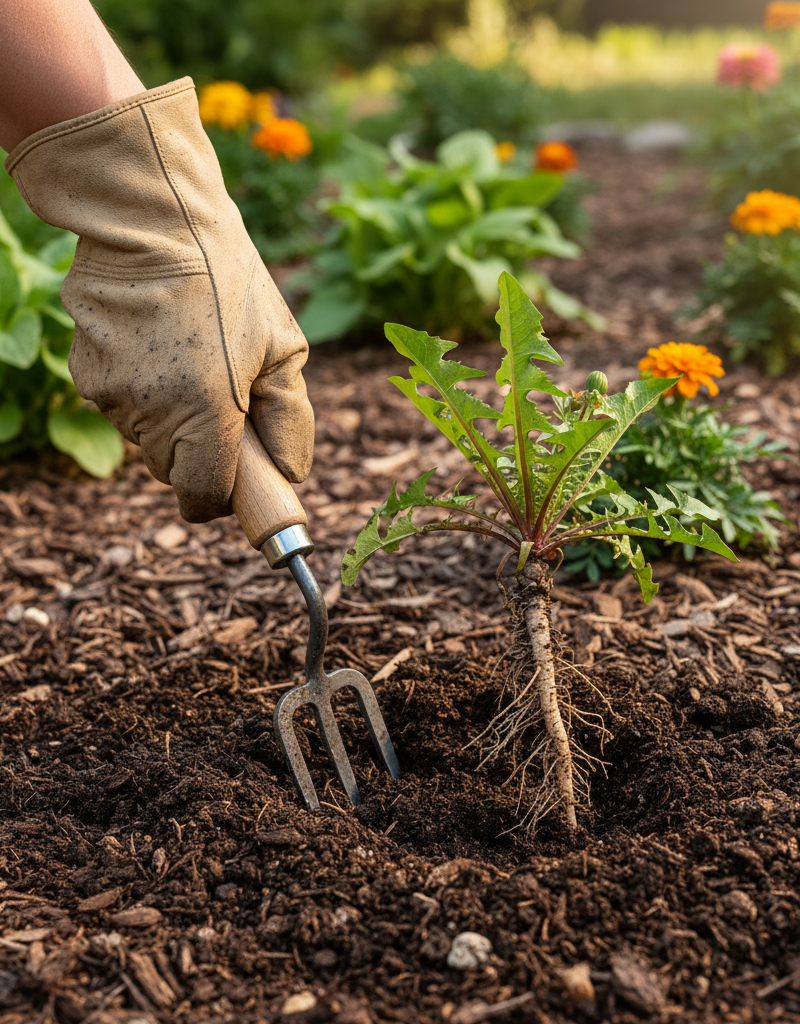
- For perennial weeds with taproots (dandelions, thistles) or extensive root systems, manual removal is crucial. Wait until after a good rain or deeply water the area the day before to soften the soil.
- Use a specialized weed-pulling tool (like a stand-up weed puller or a hori-hori knife) that can reach deep into the soil and extract the entire taproot without breaking it. Grasp the weed at its base and pull slowly and steadily.
- For creeping weeds with rhizomes, meticulously dig up and remove every visible piece of root and stem. Even a small fragment can regenerate. Sift through the soil with your hands to ensure complete removal.
- Safety Note: Always wear sturdy gardening gloves to protect your hands from thorns, blisters, and soil bacteria. Bend with your knees, not your back, to prevent injury.
-
Sheet Mulching/Lasagna Gardening — Smother and build soil
- This method is excellent for transforming a weedy area into a garden bed. Start by laying down a thick layer of overlapping cardboard (remove all tape and labels) directly over the cleared or remaining weeds. Wet the cardboard thoroughly.
- On top of the cardboard, layer organic materials: compost, leaves, grass clippings, aged manure, straw, and more compost. Build this up to a depth of 6-12 inches.
- The cardboard smothers existing weeds and blocks light to the seed bank, while the organic layers decompose, enriching the soil and creating a prime environment for desirable plants.
- Plant directly into the rich top layers, making holes through the cardboard if necessary.
-
Strategic Mulching — Block the light, retain moisture
- Once an area is cleared, apply a 2-4 inch layer of organic mulch (wood chips, straw, shredded leaves) or inorganic mulch (gravel for pathways, landscape fabric beneath rock).
- Mulch blocks sunlight, preventing new weed seeds from germinating. It also suppresses any stragglers that might try to emerge.
- Replenish organic mulch annually as it breaks down. Landscape fabric should be covered to protect it from UV degradation.
- Common mistake: Applying too thin a layer of mulch. Aim for at least 2 inches to be effective.
-
Establish Dense Ground Cover/Desired Plants — Fill the void
- Nature abhors a vacuum. If you leave bare soil, weeds will inevitably fill it. Plant desirable ground covers (e.g., creeping thyme, sedum, vinca) or space your garden plants closely enough to create a canopy that shades the soil.
- A healthy, dense lawn is also an excellent weed deterrent. Overseed thin areas and fertilize properly to encourage thick turf growth that outcompetes weeds.
-
Regular Monitoring and Spot Treatment — Stay vigilant
- Even with the best efforts, a few persistent weeds may pop up. Make it a habit to walk through your garden regularly (once a week is ideal) and pull new weeds while they are still small.
- Small weeds are easier to remove completely, including their root systems, before they have a chance to establish or produce seeds.
- For small, isolated perennial weeds that escape other methods, a targeted application of a non-selective, systemic herbicide (e.g., glyphosate) directly to the leaves can be effective, but use sparingly and exactly according to label directions to avoid harming desired plants.
- Pro Tip: Apply herbicides on a calm, windless day to minimize drift. Use a piece of cardboard as a shield if spraying near desirable plants.
-
Improve Soil Health — Foundation for long-term control
- Weeds often thrive in imbalanced soil. Get a soil test to understand your soil's pH and nutrient levels.
- Amend your soil with compost and other organic matter to improve its structure, drainage, and fertility. Healthy soil encourages strong plant growth, which naturally suppresses weeds.
- Avoid over-tilling, as this brings dormant weed seeds to the surface where they can germinate.
Common Causes
- Existing Seed Bank: The most prevalent cause. Millions of weed seeds lie dormant in the soil, waiting for light and moisture to germinate.
- Incomplete Root Removal: Perennial weeds with taproots or rhizomes regenerate from fragments left in the soil.
- Bare Soil: Exposed soil is an open invitation for weed seeds to land, germinate, and grow quickly.
- Over-Tilling: Tilling brings dormant weed seeds from deeper soil layers to the surface, encouraging germination.
- Poor Soil Health: Compacted, nutrient-deficient, or poorly draining soil often favors weeds over desired plants.
- External Seed Sources: Wind-blown seeds from nearby properties, seeds carried by birds, or contaminated compost/mulch can constantly reintroduce weeds.
Common Mistakes
- Pulling Weeds Incorrectly: Snapping the stem instead of extracting the entire root system often leads to regrowth, especially for taprooted or rhizomatous weeds. Always aim for the entire root.
- Weeding When Soil Is Dry: Dry, hard soil makes it nearly impossible to pull weeds whole, leading to root breakage and frustration. Always weed when the soil is moist.
- Letting Weeds Go to Seed: Allowing even a few weeds to mature and set seed can quickly replenish your soil's seed bank, undoing months of effort. Pull them before they flower.
- Ignoring Bare Soil: Leaving patches of bare soil is an invitation for new weeds. Cover bare ground with mulch or dense plantings as quickly as possible.
- Over-Reliance on Herbicides: While useful for spot treatment, relying solely on herbicides without addressing underlying issues (like seed banks or soil health) creates a dependency and masks the real problem.
- Not Cleaning Tools: Weed seeds and root fragments can hitch a ride on shovels, hoes, and even shoes, spreading weeds unintentionally to new areas.
Cost & Time Breakdown
| Task | DIY cost | Pro cost | Time |
|---|---|---|---|
| Manual Deep Root Extraction (small) | $0–$20 | N/A | 30–60 min |
| Manual Deep Root Extraction (large) | $0–$50 | $150–$400 | 2–8 hours |
| Soil Solarization (materials) | $20–$50 | N/A | 6–8 weeks (passive) |
| Sheet Mulching (materials) | $50–$150 | N/A | 2–4 hours |
| Mulch Application (materials) | $30–$100 | $100–$250 | 1–3 hours |
| Professional Weed Control/Removal | N/A | $150–$500+ | Varies |
Tips & Prevention
- Water Smart: Water deeply and infrequently to encourage deep root growth in desirable plants. Shallow watering encourages shallow-rooted weeds.
- Edge Control: Install physical barriers like landscape edging or trench edges around garden beds and lawns to prevent creeping weeds from infiltrating.
- Clean Tools and Footwear: Before moving from a weedy area to a clean one, brush off soil and debris from your tools and shoes to prevent inadvertently spreading seeds or root fragments.
- Inspect New Plants and Soil: Before introducing new plants or soil amendments, inspect them for hitchhiking weeds or seeds. Source materials from reputable suppliers.
- Aerate and Topdress Your Lawn: A thick, healthy lawn is the best defense against lawn weeds. Regular aeration and topdressing with compost improve turf density.
- Compost Control: Ensure your compost pile reaches sufficiently high temperatures (130-160°F or 55-70°C) to kill weed seeds. Avoid composting weeds that have gone to seed unless your pile is actively hot.
When to Call a Professional
While many weed control tasks are homeowner-friendly, you should consider calling a professional for extensive infestations of highly invasive or noxious weeds that are difficult to control manually, or if you're dealing with areas that require specialized equipment or chemical applications you're uncomfortable performing. Professionals can also provide targeted pre-emergent treatments, identify specific weed species and recommend tailored long-term management plans, or manage large-scale landscape renovation projects that include re-establishing entire areas from scratch. If you're consistently losing the battle despite your best efforts, or if a weed poses a significant threat to local ecosystems or structures, a certified landscaper or weed control specialist can offer effective, lasting solutions and ensure proper disposal of plant material to prevent further spread. They can also advise on appropriate and safe use of powerful herbicides if needed, minimizing harm to desirable plants and the environment.
Related Articles
Keep troubleshooting with these hand-picked guides from FixlyGuide:
- The #1 Mistake Killing Your Garden (And 5 Permanent Weed Fixes) — Discover the secret to truly permanent weed removal and stop making the common mistake that allows weeds to relentlessly return, reclaiming…
- The 3 Permanent Weed Killers No One Talks About (And How to Use Them Safely) — Discover three overlooked, highly effective methods for permanently eliminating weeds from your yard, moving beyond temporary fixes to long…
- The #1 Secret to Edging Flower Beds That Last Years (and Resist Weeds) — Discover the crucial, often-skipped step that ensures your landscape edging stays put and keeps weeds out for years, transforming your flow…
- The #1 Summer Lawn Mistake Turning Your Grass Yellow (and How to Fix It) — Discover the most common summer lawn mistake that causes yellowing grass and learn the simple steps to revive your lawn.
- The 3 Mulching Mistakes That Are Secretly Killing Your Plants — Discover the three common mulching mistakes that unknowingly harm your garden and learn how to apply mulch correctly for thriving plants.
- The 30-Second Toilet Fix Plumbers Don't Want You to Know — Stop that phantom-flushing toilet with this quick guide to diagnosing and fixing the most common silent water leaks.
What should this project cost?
Enter your project details for a realistic cost range before you call anyone.
Cost depends heavily on which system turns out to be the source.
- Regional adjustment
- National average
- Labor share (typical)
- ~$1,620
- Quotes to collect
- 3 written estimates
Educational estimate based on national averages — not a binding quote. Always confirm with written local estimates.
Get the print-ready PDF of this guide
A clean, ad-free, printable version you can keep on your phone or pin to the workshop wall. Free with a FixlyGuide account.
- Print-optimized layout
- Tools, materials & every step included
- Saved to your account
Frequently asked questions
How do I kill weeds permanently without chemicals?+
Permanent weed removal without chemicals focuses on physical barriers, manual removal, and environmental disruption. Methods include thorough manual root extraction, soil solarization with clear plastic sheeting, thick sheet mulching with cardboard and organic matter, and establishing dense ground cover to outcompete weeds and block sunlight from reaching the soil seed bank.
What kills weeds and prevents them from growing back?+
To kill existing weeds and prevent regrowth, a multi-step approach is best. Extract entire root systems manually for perennials, or use solarization for large areas. Then, apply a thick layer of mulch or plant dense ground cover to block sunlight and suppress germination of new seeds. Consistent monitoring and pulling new sprouts immediately are also key.
Does vinegar kill weeds permanently?+
Household vinegar (5% acetic acid) can kill very young, tender weeds by burning their foliage, but it rarely kills the root system, especially for established perennial weeds. Horticultural vinegar (20% acetic acid) is stronger but still often fails to provide permanent control and can harm soil health and desirable plants. For true permanence, focus on root removal and prevention.
How deep do weed roots go?+
The depth of weed roots varies significantly by species. Annual weeds typically have shallower roots, often only a few inches deep. Perennial weeds, especially those with taproots like dandelions, thistles, and dock, can extend several feet (2-4 feet or more) into the soil, making complete removal challenging but essential for permanent control.
Is landscape fabric effective for permanent weed control?+
Landscape fabric can be effective at suppressing weeds by blocking light and creating a physical barrier. However, it's not foolproof. Weeds can still grow on top of the fabric if soil or debris accumulates, and aggressive weeds can sometimes penetrate it. For best results, use a thick, high-quality fabric, overlap seams generously, and cover it with several inches of mulch.
Discussion
Loading comments…