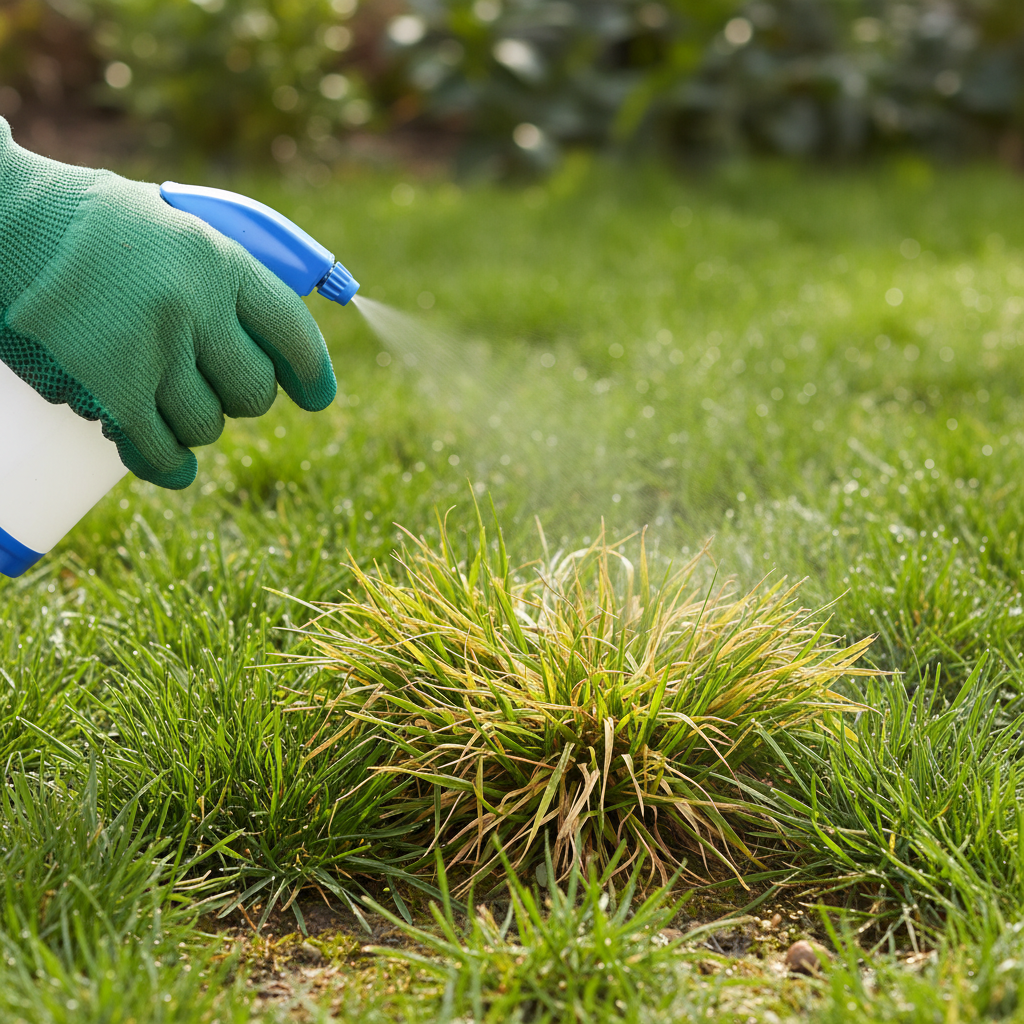
- Step 3: Gather Tools and Protective Gear — Based on your method, assemble your equipment.
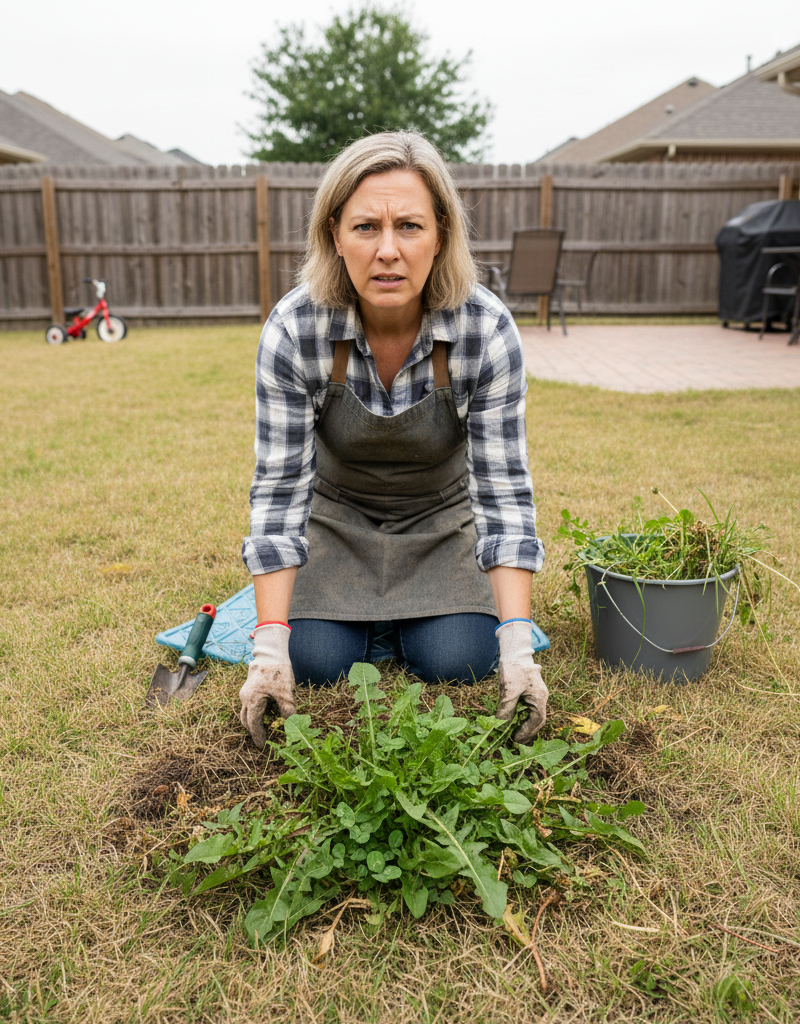
- For hand-pulling: A fulcrum-style weeding tool (like a dandelion puller), a bucket, and gardening gloves.
- For spot-treating: A pump-style or handheld sprayer, a selective post-emergent herbicide safe for your grass type, safety glasses, and chemical-resistant gloves.
- For preventative application: A calibrated broadcast or drop spreader, a granular pre-emergent herbicide, and a leaf blower or broom.
Landscaping · Deck or fence project
| Project category | Landscaping |
|---|---|
| Problem type | Deck or fence project |
| Trade required | Landscaping |
| Urgency | Planned project |
| Safety risk | Moderate safety risk |
| DIY suitability | DIY for experienced homeowners |
| Cost category | High cost |
| Typical timeline | Most builds 3–10 days depending on size |
| Contractor type | Landscaping contractor |
Repair option
Replace failed boards, posts, and hardware; reseal the surface.
Replacement option
Rebuild when framing or the ledger connection is unsafe.
Common causes
- Rot at posts and ledger
- Storm damage
- Adding outdoor living space
Relevant tools:home improvement material pricesproject cost estimator
Published April 18, 2026Last updated August 17, 2026
How it works
Crabgrass (Digitaria spp.) is a warm-season annual grass, and its life cycle is the key to its control. Understanding this cycle allows you to intervene at its most vulnerable stages. In the spring, as soil temperatures consistently reach 55°F to 60°F, dormant crabgrass seeds from the previous year germinate. The plant grows low and wide throughout the summer, outcompeting desirable turf for sunlight, water, and nutrients. In late summer and early fall, it produces thousands of seeds per plant before dying off at the first hard frost. These seeds ensure a new, often larger, infestation the following spring.
Chemical controls work by targeting specific points in this cycle. Pre-emergent herbicides (like those containing prodiamine or dithiopyr) are applied in early spring. They don't prevent seed germination but instead inhibit cell division in the developing root or shoot of the seedling, effectively killing it before it ever breaks the soil surface. This creates a chemical barrier that lasts for several months.
Post-emergent herbicides (containing ingredients like quinclorac or mesotrione) are applied to actively growing plants. These are selective herbicides, meaning they are absorbed by the weed and disrupt a biological process—like photosynthesis or amino acid synthesis—that is unique to the target plant, leaving most turfgrass species unharmed. The effectiveness of any control strategy, chemical or manual, is significantly enhanced by "cultural controls": maintaining a dense, healthy lawn that shades the soil, preventing sunlight from reaching crabgrass seeds and giving them no physical space to grow.
Step-by-Step Fix
The approach to eliminating crabgrass varies based on the time of year and the severity of the infestation. Follow these steps for a comprehensive, multi-season strategy.
-
Step 1: Positively Identify the Weed — Before applying any treatment, confirm you are dealing with crabgrass. It is a light, almost lime-green grass with coarse, wide blades (1/4 to 1/2 inch) that feel rough. The key identifier is its growth habit: it sprouts from a single point and radiates outward in a low, star-shaped or "crab-like" pattern. It is often found in thin turf, along pavement edges where soil gets hot, and in sunny spots.
- Pro Tip: Do not confuse crabgrass with desirable grasses like tall fescue (which grows in clumps but is dark green and upright) or invasive perennial grasses like quackgrass (which spreads via underground rhizomes, not just seeds).
-
Step 2: Assess Infestation and Choose Your Method — Evaluate your lawn. If you have only a few dozen scattered plants, hand-pulling is the best option. For larger, distinct patches covering less than 30% of your lawn, spot-treating with a post-emergent herbicide is appropriate. For widespread crabgrass or long-term control, a preventative pre-emergent strategy is essential.
-
Step 3: Gather Tools and Protective Gear — Based on your method, assemble your equipment.
- For hand-pulling: A fulcrum-style weeding tool (like a dandelion puller), a bucket, and gardening gloves.
- For spot-treating: A pump-style or handheld sprayer, a selective post-emergent herbicide safe for your grass type, safety glasses, and chemical-resistant gloves.
- For preventative application: A calibrated broadcast or drop spreader, a granular pre-emergent herbicide, and a leaf blower or broom.
-
Step 4: Execute Hand-Pulling for Minor Infestations — For small-scale problems during summer, manual removal is highly effective. Water the infested area a day prior to soften the soil. Grasp the crabgrass at its central base, as low as possible. Pull slowly and steadily, wiggling the plant to loosen the entire root system. Use a weeding tool to pry up stubborn roots.
- Critical: Place all pulled crabgrass directly into a bag or bucket for disposal. Do not leave it on the lawn or compost it, especially if seed heads have formed, as this will spread the problem.
-
Step 5: Spot-Treat Existing Crabgrass with a Post-Emergent — For larger patches in summer, use a liquid selective herbicide. Choose a product with an active ingredient like quinclorac, which is excellent for crabgrass and safe for most cool-season (fescue, ryegrass, bluegrass) and some warm-season grasses. Always verify the product label states it is safe for your specific turfgrass.
- Mix the herbicide in a pump sprayer according to the label's dilution rates. Adjust the nozzle to a coarse stream, not a fine mist, to minimize drift.
- Apply on a calm, dry day with no rain forecast for at least 24 hours. Coat the leaves of the crabgrass plants until wet, but not to the point of runoff.
- The crabgrass will typically yellow and die within 7-14 days. A second application may be needed 2-3 weeks later for mature plants.
-
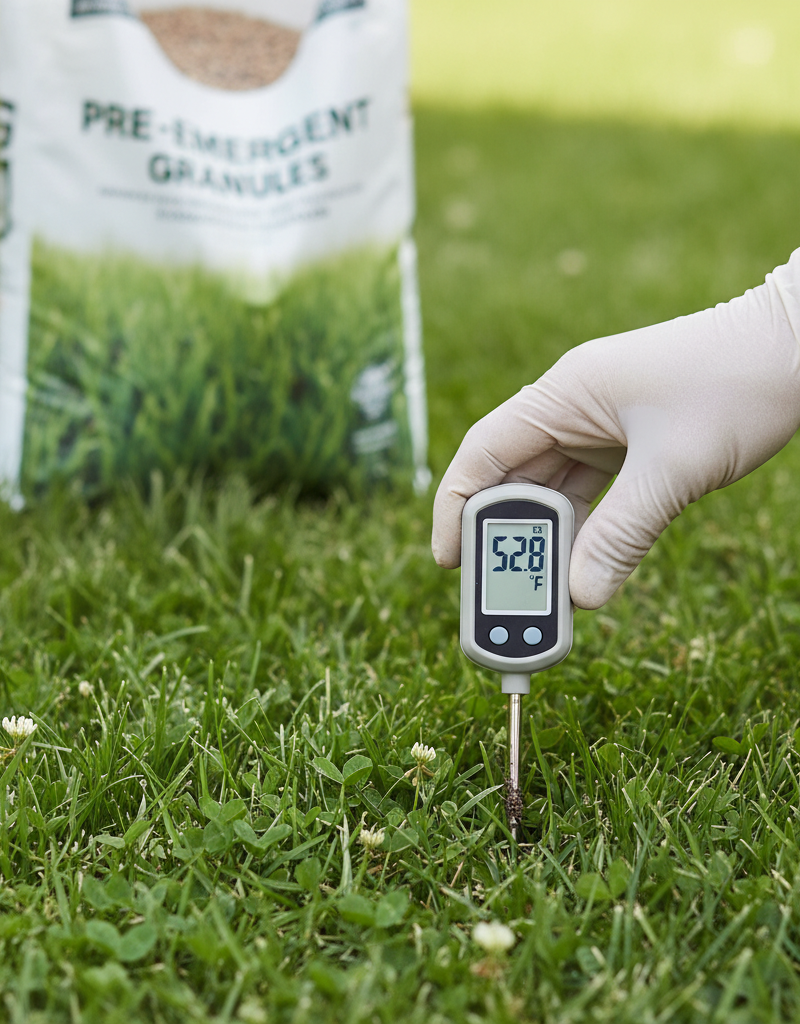
Step 6: Time Your Pre-Emergent Application — This preventative step is the most important for long-term success. The goal is to apply a pre-emergent herbicide before crabgrass seeds germinate in the spring. This window opens when soil temperatures consistently reach 55°F at a depth of 2-3 inches.
- Timing Indicator: The best natural indicator is when forsythia bushes in your area are in full bloom. You can also use a soil thermometer or check local university extension websites for soil temperature data. Applying too early means the barrier may break down before germination; too late means the seeds have already sprouted.
-
Step 7: Calibrate Your Spreader and Apply Pre-Emergent — Proper application is crucial for creating an effective, uniform barrier. Read the herbicide bag to find the recommended application rate (e.g., 2.5 lbs per 1,000 sq ft). Calibrate your broadcast or drop spreader according to the manufacturer's instructions for that setting.
- Pour the granular product into your spreader on a driveway or tarp, not on the lawn, to avoid spills that can kill the grass.
- Walk at a steady pace, making overlapping passes to ensure uniform coverage. Use a leaf blower or broom to sweep any granules off driveways and sidewalks back onto the lawn.
-
Step 8: Water In the Herbicide Barrier — Most granular pre-emergent herbicides require water to be activated. This moves the chemical off the carrier granule and into the top 1/2-inch of soil where it forms the chemical barrier. Apply approximately 1/2 inch of water via irrigation or time your application just before a predicted light to moderate rainfall.
-
Step 9: Address Bare Spots in the Fall — After killing existing crabgrass with post-emergents, you will have bare patches. Do not reseed these areas in the spring or summer if you have used a pre-emergent. The best time to repair these spots is in the fall. Core aerate the entire lawn, then overseed with a high-quality grass seed blend appropriate for your climate. This thickens the turf, creating a stronger defense for the following spring.
-
Step 10: Adjust Your Cultural Practices — Chemical treatments are only part of the solution. Set your mower to a higher setting—3 to 4 inches for fescue and bluegrass, 2 to 3 inches for zoysia and bermudagrass. This taller grass shades the soil, keeping it cool and dark, which inhibits crabgrass germination. Water deeply (1 to 1.5 inches per week) but infrequently to encourage deep, drought-resistant turf roots.
Common mistakes
-
Applying Pre-Emergent Too Late. The most common error is missing the germination window. Once soil temperatures are consistently above 60-65°F, crabgrass is already sprouting, and a pre-emergent herbicide will have no effect on it. Instead, you must switch to a less efficient and more costly post-emergent strategy for that season. Track soil temperatures with a probe thermometer or follow local agricultural extension alerts to ensure precise timing.
-
Using the Wrong Herbicide for Your Grass Type. Applying a post-emergent herbicide containing an ingredient that is not safe for your lawn will cause widespread damage or death to your desirable turf. For example, using a standard "crabgrass killer" with quinclorac on St. Augustine or centipede grass can severely injure it. Always read the product label multiple times to confirm it explicitly lists your grass species as "safe." When in doubt, test the product on a small, inconspicuous area first.
-
Seeding Too Soon After Herbicide Application. Pre-emergent herbicides are non-selective regarding seeds; they will prevent grass seed from growing just as effectively as crabgrass seed. Most pre-emergents, like those with prodiamine, have a reseeding interval of 8-16 weeks. Applying seed before this window closes is a waste of time and money. Always check the product label for its specific seeding restrictions. The best practice is to apply pre-emergent in spring and overseed in the fall.
-
Relying Only on Chemicals. Many homeowners kill the existing crabgrass but fail to change the underlying conditions that allowed it to thrive. A thin, stressed lawn with compacted soil is an open invitation for future weed infestations. Without incorporating cultural practices—mowing high, watering deeply, and aerating/overseeding annually—you will be stuck in a costly cycle of chemical application year after year.
-
Improper Application and Lack of Patience. Applying "a little extra" herbicide will not work better; it will stress or kill your lawn. Under-applying will be ineffective against the crabgrass. It is essential to calibrate your spreader and sprayer to deliver the exact rate specified on the label. Furthermore, post-emergent herbicides are not instantaneous. It can take 1-3 weeks for the weed to fully die, and a second application is often necessary for mature plants. Do not re-apply sooner than the label recommends.
-
Mowing Immediately Before or After Post-Emergent Application. Liquid post-emergent herbicides are absorbed through the leaves of the crabgrass. If you mow right before application, there is less leaf surface area to absorb the chemical. If you mow right after, you may cut off the leaves before the herbicide has had time to translocate down to the roots and kill the entire plant. Wait at least two days after mowing to apply the herbicide, and wait at least two days after application before mowing again.
Cost & time breakdown
Costs can vary based on lawn size, product choice, and regional pricing. The following estimates are based on a typical 5,000 sq. ft. suburban lawn.
| Task | DIY Cost | Pro Cost | Time |
|---|---|---|---|
| Hand-Weeding Minor Infestation | $15 - $30 (weeding tool, gloves) | $150 - $300 | 1 - 3 hours |
| DIY Spot-Treatment (Post-Emergent) | $40 - $70 (herbicide, pump sprayer) | $125 - $250 (spot spray visit) | 30 - 60 minutes per treatment |
| DIY Full-Lawn Pre-Emergent | $60 - $100 (herbicide, spreader rental/purchase) | Included in program | 45 - 75 minutes |
| Professional Lawn Care Program | N/A | $400 - $700 per year (4-6 treatments) | Professional handles all timing |
| Core Aeration & Overseeding (Fall) | $150 - $250 (aerator rental, seed, fertilizer) | $350 - $600 | 4 - 6 hours |
When to call a pro
While crabgrass control is a manageable DIY project for many, there are clear situations where professional help is the more effective and economical choice. If the crabgrass infestation covers more than half of your lawn, you are likely dealing with an underlying turf health issue that may require a complete lawn renovation, a job best handled by experts. If you have repeatedly tried DIY chemical treatments for more than two seasons without gaining control, a professional can offer more effective, sometimes restricted-use products and a more precise application strategy.
Furthermore, if you are unable to positively identify your turfgrass species, hiring a pro is a wise investment to avoid accidentally killing your entire lawn with the wrong product. Homeowners with property bordering sensitive environmental areas, such as ponds, streams, or organic vegetable gardens, should also consider a professional service. They are licensed, insured, and trained in application methods that minimize chemical runoff and environmental impact. Finally, if you lack the proper equipment like a calibrated spreader, or simply don't have the time to commit to the precise timing required for effective control, a reputable lawn care company can provide consistent and reliable results.
Prevention & maintenance
The most effective way to kill crabgrass is to never let it grow in the first place. A dense, healthy lawn is the best defense. Focus on these long-term cultural practices.
-
Mow High and Consistently. Set your mower deck to one of its higher settings, aiming for a finished grass height of 3 to 4 inches for most cool-season grasses like fescue and bluegrass. Taller grass blades create a dense canopy that shades the soil, preventing sunlight from reaching crabgrass seeds and inhibiting their germination. Never remove more than one-third of the grass blade in a single mowing.
-
Water Deeply and Infrequently. Avoid light, daily watering, which creates a shallow-rooted lawn and keeps the soil surface perfectly moist for weed germination. Instead, water deeply once or twice a week, providing a total of 1 to 1.5 inches of water (including rainfall). This encourages deep turf root growth, making your lawn more drought-tolerant and competitive against weeds.
-
Establish a Proper Fertilization Program. A well-fed lawn is a vigorous lawn. Perform a soil test through your local university extension every 2-3 years to determine specific nutrient deficiencies. Based on the results and your grass type, apply the appropriate fertilizer 2-4 times per year. For most cool-season lawns, the most important feeding is in the fall.
-
Perform Annual Core Aeration and Overseeding. Soil compaction prevents water, air, and nutrients from reaching the grass roots, weakening the turf. Every fall, rent a core aerator to pull up plugs of soil, relieving compaction. Immediately follow aeration by broadcasting high-quality grass seed over the entire lawn (overseeding). This fills in thin areas and increases turf density, leaving no room for crabgrass to establish itself the next spring.
-
Be Diligent with Pre-Emergent Timing. Mark your calendar for early spring. Begin monitoring soil temperatures with a simple soil thermometer starting in late winter. When the temperature consistently holds at 55°F, it's time to apply your pre-emergent herbicide. This single act is the most powerful preventative step in your annual lawn care arsenal.
-
Maintain Clean Edges and Equipment. Crabgrass loves the hot, thin turf along driveways and sidewalks. Use an edger to maintain a clean, deep edge and manually pull any weeds that appear in these vulnerable zones. After mowing an infested area, use a hose or leaf blower to clean clipping debris from the mower deck and tires to avoid spreading seeds to clean parts of your lawn.
Related Articles
Keep troubleshooting with these hand-picked guides from FixlyGuide:
- The #1 Mistake Killing Your Lawn (And How to Eradicate Clover, The RIGHT Way) — Discover how to eliminate stubborn clover from your lawn effectively without harming your grass, using targeted strategies and proper lawn…
- The #1 Mistake Killing Your Lawn's Clover—and the Easy fix That Spares Your Grass — Discover the most common mistake homeowners make when trying to eliminate clover, and learn how to remove it effectively without harming yo…
- The #1 Crabgrass Mistake (and 3 Organic Ways to Fix It) — Discover the biggest mistake homeowners make when battling crabgrass and how to effectively eliminate it using three natural methods.
- The #1 Mistake Killing Your Lawn (and How to Remove Clover Without Chemicals) — Discover the most common mistake homeowners make when battling clover and learn effective, organic methods to eliminate it without harming…
- The Surprising pH Secret Killing Your Lawn (and How to Uncover It at Home) — Discover how easily you can test your lawn's soil pH at home to diagnose underlying issues affecting grass health without expensive lab tes…
- The #1 Mistake Homeowners Make After Finding Missing Shingles (And How to Fix It Right) — Discover the crucial steps to take after a storm rips shingles from your roof, ensuring a proper, lasting repair and preventing costly futu…
Should you do this yourself?
Answer five quick questions before you start. Safety outranks savings every time.
Your experience with work like this
How high do you have to work?
Does the job involve any of these?
Will it need a permit?
Specialty tools
Free and instant. Educational guidance only — not a quote, inspection, or professional diagnosis.
What should this project cost?
Enter your project details for a realistic cost range before you call anyone.
Cost depends heavily on which system turns out to be the source.
- Regional adjustment
- National average
- Labor share (typical)
- ~$1,620
- Quotes to collect
- 3 written estimates
Educational estimate based on national averages — not a binding quote. Always confirm with written local estimates.
Before you start
Check the difficulty, permits, and safety risk — then decide whether to call a pro.
- Estimate this projectGet a cost range for your scope and ZIP before you call anyone.Open
- Get local estimatesSend one request and compare written estimates from vetted pros.Open
Free, no signup required. Estimates are educational guidance, not a quote or an inspection.
Frequently asked questions
What is the best time to apply crabgrass killer?+
The best time depends on the type of killer. For prevention, apply a pre-emergent herbicide in early spring before soil temperatures consistently reach 55-60°F. For existing crabgrass, apply a post-emergent herbicide when the plants are actively growing, usually in late spring or summer.
Will crabgrass die on its own?+
Crabgrass is an annual weed, meaning individual plants will die with the first hard frost in the fall. However, these plants will have already produced thousands of seeds that will germinate the following spring, leading to a recurring problem if not managed.
Can I just pull crabgrass by hand?+
Yes, hand-pulling is a very effective method for small patches or young crabgrass plants. It's safest for your lawn as it avoids chemicals. Make sure to pull the entire root to prevent regrowth. It's easier after a rain or watering the area.
What's the difference between pre-emergent and post-emergent crabgrass killer?+
Pre-emergent herbicides prevent crabgrass seeds from germinating in the first place, forming a barrier in the soil. Post-emergent herbicides kill existing, actively growing crabgrass plants after they have emerged from the soil.
Discussion
Loading comments…