- Disturbed Soil: Any digging, tilling, or construction activity can bring dormant weed seeds to the surface, exposing them to light and triggering germination.
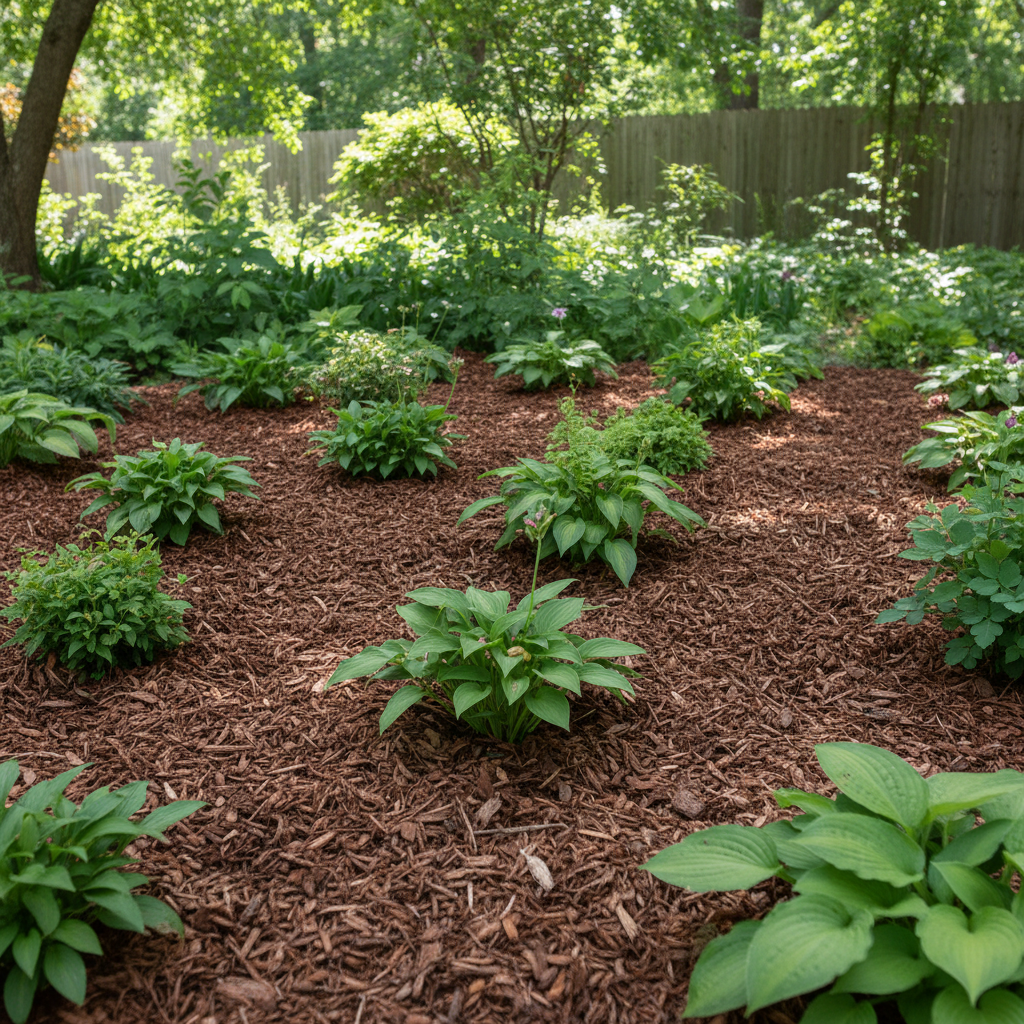
- Lack of Mulch/Insufficient Mulch: Bare soil is an open invitation for weeds. If mulch is too thin (less than 2 inches), sunlight can still penetrate, allowing seeds to sprout.
- Weeds Going to Seed: Allowing even a few weeds to mature and drop their seeds will replenish the weed seed bank in your soil, ensuring future generations.
- Wind & Wildlife: Weed seeds are masters of dispersal. Wind can carry them from neighboring properties, and birds or other animals can deposit them in your garden.
- Contaminated Amendments: Bringing in soil, compost, or even low-quality mulch that contains weed seeds can introduce new problems.
Landscaping · Deck or fence project
| Project category | Landscaping |
|---|---|
| Problem type | Deck or fence project |
| Trade required | Landscaping |
| Urgency | Planned project |
| Safety risk | Moderate safety risk |
| DIY suitability | DIY for experienced homeowners |
| Cost category | High cost |
| Typical timeline | Most builds 3–10 days depending on size |
| Contractor type | Landscaping contractor |
Repair option
Replace failed boards, posts, and hardware; reseal the surface.
Replacement option
Rebuild when framing or the ledger connection is unsafe.
Common causes
- Rot at posts and ledger
- Storm damage
- Adding outdoor living space
Relevant tools:home improvement material pricesproject cost estimator
Published May 23, 2026Last updated August 17, 2026
Tools & materials you'll need
Affiliate linksAs an Amazon Associate FixlyGuide earns from qualifying purchases — at no extra cost to you. Prices and availability are accurate as of publication and subject to change.
Quick Answer
Achieving truly "permanent" weed removal is an ongoing battle in any garden, but the most effective, long-term strategy for significantly reducing weed infestations and simplifying future weed control lies in the intelligent application of mulch. By creating a physical barrier that blocks sunlight from weed seeds and suppresses their growth, mulch can dramatically cut down on weed emergence, making your garden beds healthier and far less labor-intensive. When combined with thorough initial bed preparation, mulching becomes your gardening superpower against persistent weeds.
The Problem
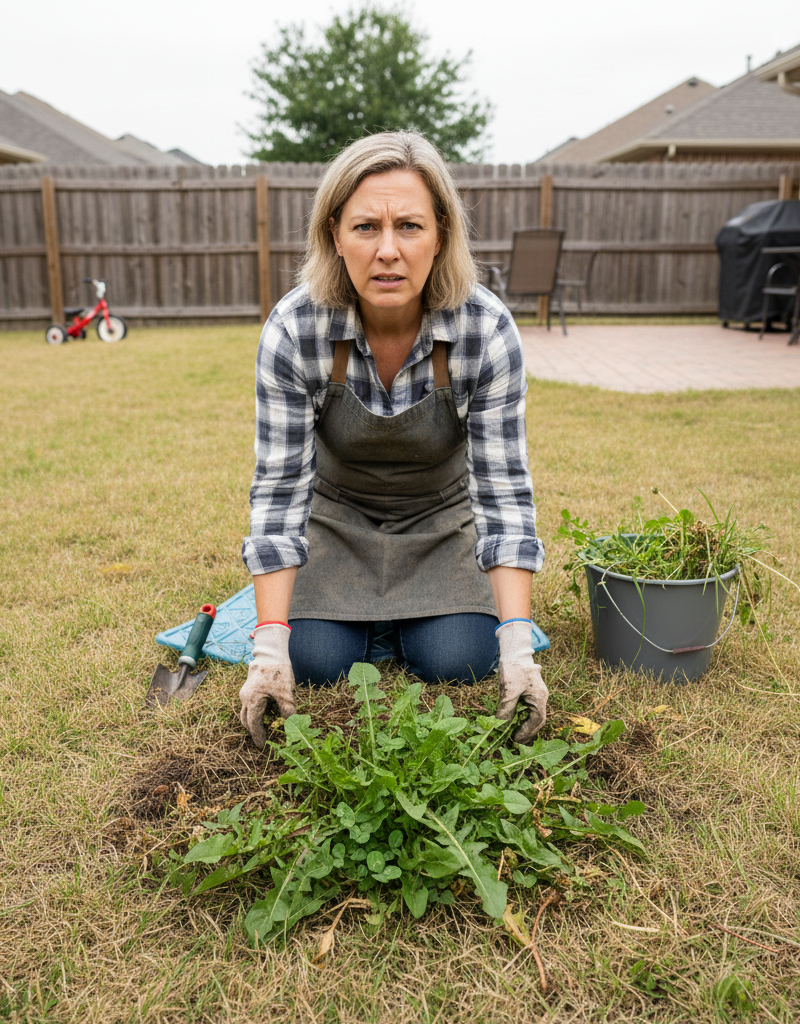
Every homeowner dreams of a weed-free yard. The reality, however, is that weeds are relentless. They compete with your desired plants for water, nutrients, and sunlight, stunting growth and ruining the aesthetics of your landscape. Traditional weeding methods, while necessary, often feel like a Sisyphean task—you pull them one day, and they seem to return with a vengeance the next. This constant cycle of weeding is not only physically demanding but also incredibly time-consuming, stealing precious hours you'd rather spend enjoying your outdoor space. The underlying problem isn't just the visible weeds; it's the vast reserve of dormant weed seeds lying in wait beneath the soil surface, ready to sprout at the first opportunity of light and moisture. Without a comprehensive strategy, you're merely treating symptoms, not the root cause, leading to perpetual frustration.
How It Works
Understanding how weeds thrive, and how mulch counters them, is key to winning the long game. Weed seeds are remarkably persistent, capable of lying dormant in the soil for decades, sometimes even a century, awaiting the right conditions to germinate. These conditions typically include moisture, warmth, and, crucially, light. When soil is disturbed through tilling or cultivation, dormant seeds are brought to the surface, exposed to sunlight, and triggered to sprout. This explains why a freshly tilled garden often experiences an explosion of weeds.
Mulch works primarily by creating a physical barrier between the soil surface and the environment. This barrier performs several vital functions. Firstly, it blocks sunlight from reaching the weed seeds in the soil. Without light (or with insufficient light), many weed seeds cannot germinate, or if they do, the etiolated seedlings quickly die due to lack of photosynthesis. Secondly, mulch helps to regulate soil temperature and retain moisture, creating a more stable environment that discourages the rapid fluctuations weeds often exploit. It also physically suppresses the growth of any seeds that do manage to germinate, making it harder for them to push through the layer of mulch and reach the light. Organic mulches, like wood chips or shredded bark, also decompose over time, enriching the soil with organic matter and improving its structure. This healthy soil, in turn, supports stronger, more competitive desired plants that can better outcompete any rogue weeds. Inorganic mulches, such as gravel or landscape fabric, work purely as a physical barrier and do not break down, offering a different set of advantages and disadvantages. The trick is to apply the right type and thickness of mulch strategically to capitalize on these mechanisms.
Step-by-Step Fix
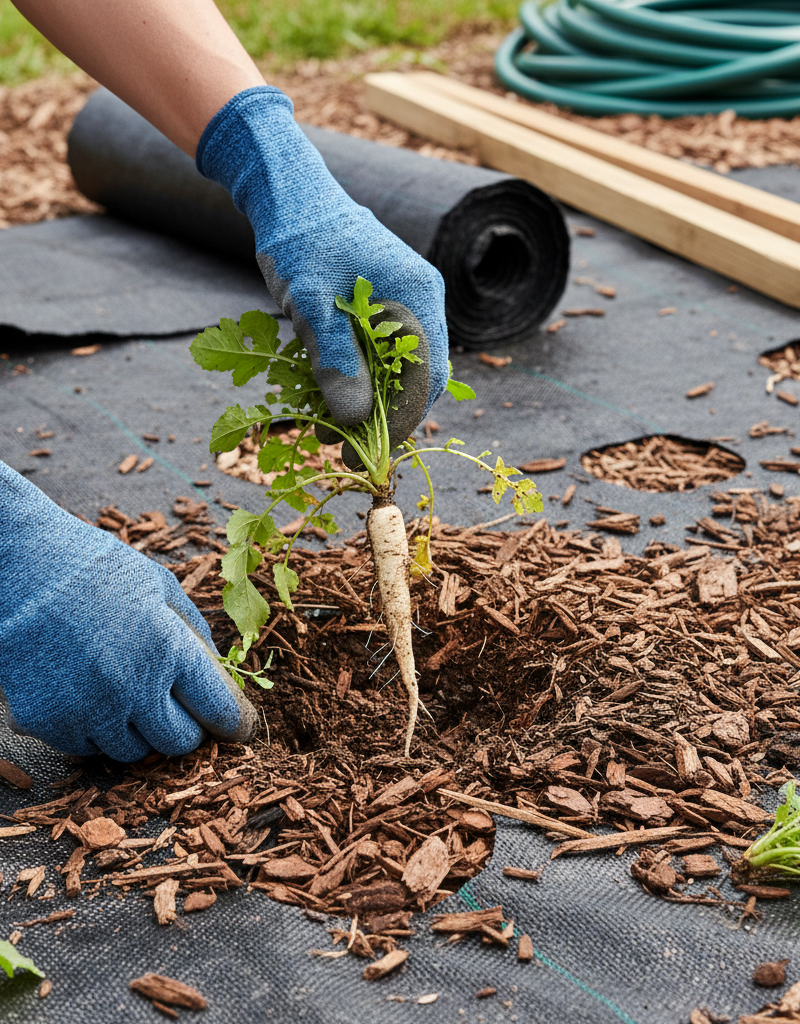
1. Clear the Area Thoroughly— Begin by removing all existing weeds, roots and all. This is the most crucial step; don't skip it or cut corners.
- Tool: Garden hoe, hand weeder, or broadfork.
- Tip: For heavily infested areas, consider solarization with clear plastic sheeting for 4-6 weeks during the hottest part of summer to kill weeds and seeds ecologically.
2. Edge Your Beds Neatly— Install a physical barrier to prevent lawn grass and creeping weeds from invading your garden beds.
- Material: Plastic, metal, or stone edging.
- Note: Bury edging at least 4-6 inches deep to block underground runners.
3. Apply an Herbicide (Optional, for Tough Cases)— Treat any stubborn perennial weeds (like bindweed or thistle) with a systemic herbicide before mulching.
- Safety: Always follow product instructions, wear gloves and eye protection.
- Caution: Allow the herbicide to work for the recommended time (usually 7-14 days) before proceeding to the next step, ensuring the plant completely dies down, roots and all.
4. Lay Down Landscape Fabric or Cardboard— For maximum weed suppression, especially in new beds, lay a permeable barrier over the cleared soil. This is not strictly necessary for all situations but provides an added layer of defense.
- Material: Commercial-grade landscape fabric or unbleached corrugated cardboard (remove all tape and labels).
- Application: Overlap edges by at least 6 inches and secure with landscape staples. If using cardboard, wet it thoroughly after laying to help it settle and begin decomposing.
5. Choose Your Mulch Type— Select an appropriate mulch for your specific needs, considering aesthetics, cost, and longevity.
- Organic: Shredded bark, wood chips, pine needles, straw, compost. Decomposes, adds nutrients, improves soil.
- Inorganic: Gravel, river rock, lava rock, rubber mulch. Long-lasting, good for pathways or permanent plantings. Does not enrich soil.
6. Apply Mulch to the Correct Depth— This is critical for effective weed suppression. Too thin, and weeds will push through; too thick, and it can suffocate plants or create moisture issues.
- Organic Mulch Depth: 2-4 inches for most applications. Maintain a buffer zone (1-2 inches) around plant stems and tree trunks to prevent rot and pest issues.
- Inorganic Mulch Depth: 1-2 inches for gravel; apply just enough to cover the landscape fabric if used underneath.
7. Maintain and Replenish Regularly— Mulch is not a one-and-done solution. Regular maintenance ensures its effectiveness.
- Organic Mulch: Top up annually or bi-annually as it decomposes, adding 1-2 inches each time to maintain the desired depth.
- Inorganic Mulch: Check periodically for settling or thinning. Rake to redistribute and remove any debris.
8. Spot Weeding for the Few That Emerge— Even with proper mulching, a few tenacious weeds might appear. Address them immediately.
- Tool: Hand weeder or gloved hands.
- Tip: Because of the mulch, their roots will be shallower and easier to pull out. Don't let them establish deep roots or go to seed.
9. Water Smarter— Ensure your irrigation reaches your desired plants' root zones rather than just wetting the mulch surface and encouraging shallow weed growth.
- Method: Drip irrigation or soaker hoses are ideal, delivering water directly to plant roots under the mulch.
Common Causes
- Disturbed Soil: Any digging, tilling, or construction activity can bring dormant weed seeds to the surface, exposing them to light and triggering germination.
- Lack of Mulch/Insufficient Mulch: Bare soil is an open invitation for weeds. If mulch is too thin (less than 2 inches), sunlight can still penetrate, allowing seeds to sprout.
- Weeds Going to Seed: Allowing even a few weeds to mature and drop their seeds will replenish the weed seed bank in your soil, ensuring future generations.
- Wind & Wildlife: Weed seeds are masters of dispersal. Wind can carry them from neighboring properties, and birds or other animals can deposit them in your garden.
- Contaminated Amendments: Bringing in soil, compost, or even low-quality mulch that contains weed seeds can introduce new problems.
- Improper Watering: Overhead sprinklers that wet the entire soil surface can encourage weeds between your desirable plants, especially if the mulch layer is compromised.
Common Mistakes
- Skipping the Initial Cleanup: Applying mulch directly over existing weeds is a temporary fix at best. The weeds will likely grow through or around the mulch.
- Applying Mulch Too Thinly: A skimpy layer of mulch (less than 2 inches) won't effectively block sunlight, rendering it largely useless for weed suppression.
- Ignoring Edges: Neglecting to properly edge your garden beds allows lawn grass and creeping weeds to easily invade from adjacent areas.
- Piling Mulch Against Stems/Trunks: The infamous "mulch volcano" around trees and shrubs traps moisture, encouraging rot, fungal diseases, and pest infestations. Keep mulch 1-2 inches away from plant bases.
- Using Non-Permeable Barriers: While black plastic sheeting might seem like a good idea, it prevents water and air from reaching the soil, harming beneficial soil organisms and plant roots. It also degrades, leaving plastic bits in your garden.
- Not Replenishing Organic Mulch: Organic mulches decompose. If not topped up regularly, their effectiveness against weeds diminishes, and you're back to bare soil.
Cost & Time Breakdown
| Task | DIY cost | Pro cost | Time |
|---|---|---|---|
| Initial Weeding & Clearing | $0–$15 | $100–$300 | 1–4 hours |
| Edging Installation | $30–$200 | $200–$500 | 2–6 hours |
| Landscape Fabric/Cardboard | $20–$100 | Included in labor | 1–3 hours |
| Mulch Purchase (per cubic yard) | $30–$70 | $50–$100 (material) | 0.5–1 hour (delivery) |
| Mulch Application | $0 | $150–$400 | 2–8 hours |
| Annual Replenishment | $30–$70 | $100–$250 | 1–3 hours |
Tips & Prevention
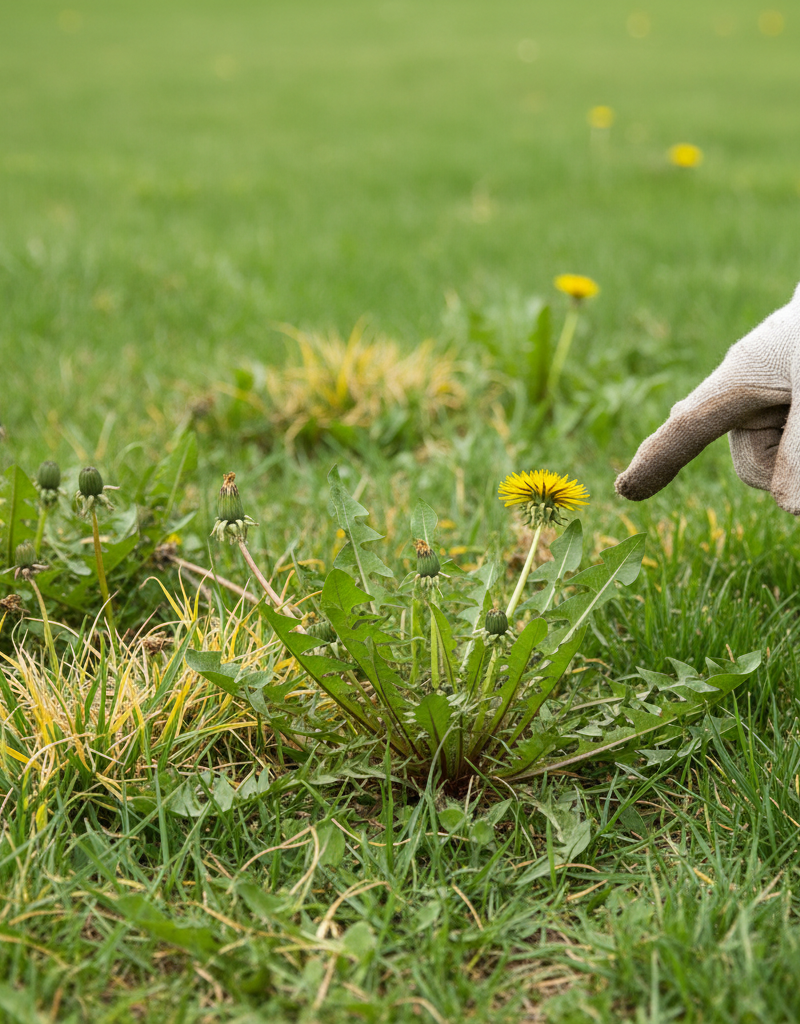
- Weed When Young: The moment a weed sprouts, pull it. It's much easier to remove a tiny seedling than a mature plant with an established root system.
- Know Your Weeds: Identify common weeds in your area. Understanding their growth habits (e.g., annual vs. perennial, taproot vs. spreading) helps you choose the most effective control methods.
- Keep Tools Sharp & Clean: A sharp hoe makes weeding easier and more efficient. Clean tools after each use to prevent spreading weed seeds or diseases.
- Implement Drip Irrigation: Delivering water directly to your desired plants' root zones minimizes moisture available to weeds growing between them, especially under mulch.
- Choose High-Quality Mulch: Invest in good quality, weed-seed-free mulch. Cheap bulk mulch can sometimes introduce new weed problems. Ask your supplier about the source.
- Consider a Green Manure Crop: In unused garden beds, especially over winter, planting a cover crop can smother weeds and improve soil health, then be tilled under in spring.
When to Call a Professional
While mulching is a highly effective DIY strategy, there are times when calling a professional landscaper or garden service makes sense. If your garden beds are severely overrun with persistent perennial weeds like field bindweed, horsetail, or certain types of aggressive grasses that are difficult to eradicate manually, a professional can offer more advanced treatment options, including targeted chemical applications that homeowners may not have access to or expertise in applying safely. Additionally, if you have very large areas to mulch, significant grading challenges, or simply lack the time or physical ability to move and spread several cubic yards of mulch, hiring a pro can save you considerable effort and ensure the job is done correctly and efficiently, providing a beautiful and weed-suppressed landscape from day one. They can also advise on specific mulch types best suited for your climate and plants, ensuring long-term success.
Related Articles
Keep troubleshooting with these hand-picked guides from FixlyGuide:
- The #1 Mistake Killing Your Garden: Why Weeds Keep Coming Back (And How to Stop Them) — Discover the secret to permanently removing weeds from your garden by understanding their root causes and implementing sustainable solution…
- The 3 Mulching Mistakes That Are Secretly Killing Your Plants — Discover the three common mulching mistakes that unknowingly harm your garden and learn how to apply mulch correctly for thriving plants.
- The #1 Mistake Killing Your Garden (And 5 Permanent Weed Fixes) — Discover the secret to truly permanent weed removal and stop making the common mistake that allows weeds to relentlessly return, reclaiming…
- The #1 Secret to Edging Flower Beds That Last Years (and Resist Weeds) — Discover the crucial, often-skipped step that ensures your landscape edging stays put and keeps weeds out for years, transforming your flow…
- The 3 Permanent Weed Removal Secrets Big Brands Don't Want You to Know — Discover the often-overlooked strategies that eliminate weeds for good, going beyond temporary fixes recommended by common products.
- The Secret to a Flawless Drywall Patch Is In the Paper — Frustrated by drywall patches that always show through? That telltale bump or sanding mark can ruin a perfect wall. Discover the 'Californi…
What should this project cost?
Enter your project details for a realistic cost range before you call anyone.
Cost depends heavily on which system turns out to be the source.
- Regional adjustment
- National average
- Labor share (typical)
- ~$1,620
- Quotes to collect
- 3 written estimates
Educational estimate based on national averages — not a binding quote. Always confirm with written local estimates.
Frequently asked questions
Can mulch really stop weeds permanently?+
While no method guarantees 100% permanent weed eradication due to the pervasive nature of weed seeds, strategic and consistent mulching is the most effective long-term solution. It significantly reduces weed germination and makes the few weeds that do appear much easier to manage.
What is the best depth for mulch to prevent weeds?+
For organic mulches like wood chips or shredded bark, a depth of 2 to 4 inches is generally recommended to effectively block sunlight and suppress weed growth. For inorganic mulches like gravel, 1-2 inches may suffice, especially if placed over landscape fabric.
Should I put landscape fabric under mulch?+
Landscape fabric can provide an extra layer of weed suppression, particularly in new beds or areas prone to aggressive weeds. However, ensure it's a permeable material that allows water and air exchange, and remember that some weed seeds can still germinate on top of the fabric in accumulated debris.
How often do I need to replenish organic mulch?+
Organic mulches break down over time, so they typically need to be replenished annually or bi-annually. Add 1 to 2 inches each time to maintain the optimal depth and continued weed control benefits.
Can weeds grow through landscape fabric?+
While good quality landscape fabric significantly reduces weed growth, tenacious weeds can sometimes push through, especially if the fabric is thin or damaged. Also, weed seeds can germinate in organic debris and soil that accumulates on top of the fabric over time.
What's the difference between organic and inorganic mulch for weed control?+
Organic mulches (wood chips, shredded bark) decompose, enriching the soil and suppressing weeds by blocking light. They need regular replenishment. Inorganic mulches (gravel, rock) are long-lasting physical barriers but don't add nutrients to the soil. Both are effective for weed control when applied correctly.
Discussion
Loading comments…