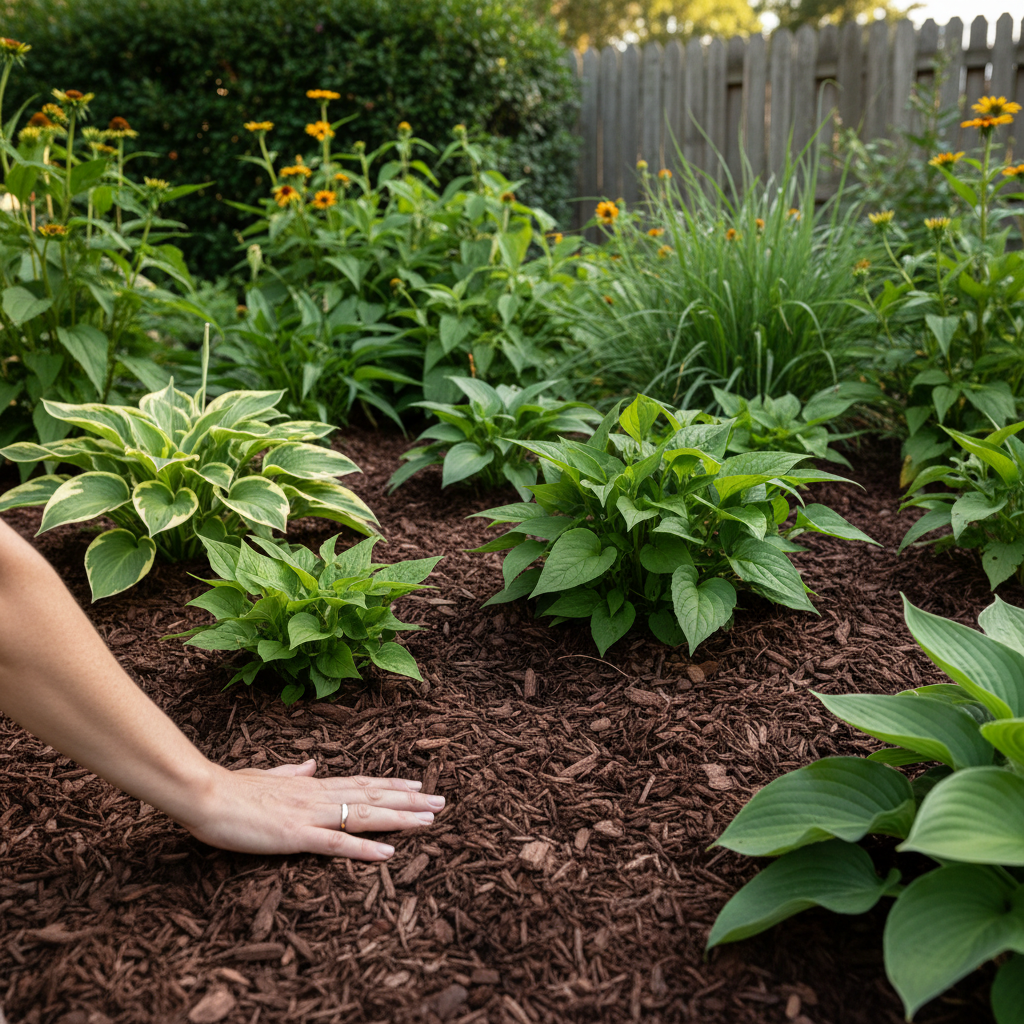
- Material: Use organic mulches like wood chips, shredded bark, straw, or compost. For vegetable gardens, straw or chopped leaves are excellent. For perennial beds, wood chips or shredded bark are more durable.
- Depth: Aim for a consistent layer of 2-4 inches around plants. Avoid piling mulch directly against plant stems or tree trunks, as this can encourage rot.
- Refresh: Replenish mulch annually or as needed to maintain adequate depth.
Landscaping · Deck or fence project
| Project category | Landscaping |
|---|---|
| Problem type | Deck or fence project |
| Trade required | Landscaping |
| Urgency | Planned project |
| Safety risk | Moderate safety risk |
| DIY suitability | DIY for experienced homeowners |
| Cost category | High cost |
| Typical timeline | Most builds 3–10 days depending on size |
| Contractor type | Landscaping contractor |
Repair option
Replace failed boards, posts, and hardware; reseal the surface.
Replacement option
Rebuild when framing or the ledger connection is unsafe.
Common causes
- Rot at posts and ledger
- Storm damage
- Adding outdoor living space
Relevant tools:home improvement material pricesproject cost estimator
Published June 5, 2026Last updated August 17, 2026
Tools & materials you'll need
Affiliate linksAs an Amazon Associate FixlyGuide earns from qualifying purchases — at no extra cost to you. Prices and availability are accurate as of publication and subject to change.
Quick Answer
Achieving a permanently weed-free garden is less about a one-time heroic effort and more about a strategic, consistent approach that targets weeds at every stage of their life cycle. The most effective methods involve a combination of preventing weed seed germination, outcompeting weeds with desired plants, and removing established weeds thoroughly, especially their root systems. This multi-faceted strategy, emphasizing soil health and smart landscaping choices, will lead to a dramatically reduced weed population over time, transforming your garden into a more manageable and enjoyable space.
The Problem
You've spent countless hours weeding, only to see those stubborn invaders return with a vengeance. It's a frustrating cycle that every gardener faces: weeds seem to pop up overnight, choking out your beloved plants and making your otherwise beautiful garden look neglected. The problem isn't just aesthetic; weeds compete with your plants for water, nutrients, and sunlight, ultimately hindering their growth and reducing yields for edible gardens. Many homeowners resort to reactive measures, pulling weeds when they're already established, which often leaves behind root fragments that quickly regenerate. Others turn to chemical solutions, which can have unintended consequences for soil health, beneficial insects, and even pets. The real issue is understanding that weeds are opportunistic and resilient; they're masters of survival, waiting for the perfect conditions to sprout. Breaking this cycle requires a shift from reactive weeding to a proactive, preventative strategy that addresses the underlying conditions that allow weeds to thrive.
How It Works
To truly beat weeds, you need to understand their natural advantages. Most weeds are pioneer species, meaning they're among the first plants to colonize disturbed or bare soil. They have evolved ingenious strategies for survival and propagation. Many produce an incredible number of seeds, often hundreds or thousands per plant, which can remain viable in the soil for decades, forming a "weed seed bank." When soil is disturbed by digging, tilling, or even heavy rainfall, these dormant seeds are brought to the surface, exposed to light and moisture, and signal to germinate. Other weeds spread through vegetative reproduction, sending out runners (stolons) above ground or rhizomes below ground that can quickly establish new plants from small fragments. Tap-rooted weeds, like dandelions, have deep roots that can regrow the entire plant from just a small piece left behind.
Weeds also thrive in conditions that are less than ideal for cultivated plants, such as compacted soil, nutrient imbalances, or inadequate moisture. By understanding these mechanisms, we can develop strategies to disrupt their life cycle. Preventing seeds from germinating is paramount, which is where mulching and groundcovers come in. Removing weeds before they go to seed is crucial for depleting the seed bank. Improving soil health creates an environment where desirable plants are strong and can outcompete weeds. Furthermore, understanding the specific types of weeds prevalent in your area (annuals versus perennials) will inform the most effective removal techniques. Annual weeds complete their life cycle in one season, so preventing them from seeding is key. Perennial weeds, with their persistent root systems, require more thorough removal to prevent regrowth from root fragments.
Step-by-Step Fix
Step 1: Identify Your Weeds — Knowing your enemy is the first step.
Before you can effectively tackle weeds, you need to know what you're dealing with. Are they annuals that die back each year after seeding, or perennials with deep, persistent root systems? Common annuals include crabgrass, purslane, and lambsquarters. Perennials include dandelions, bindweed, and thistles. Tools like a regional weed identification guide or a plant identification app can be helpful. This knowledge will dictate the best removal strategy.
Step 2: Mulch, Mulch, Mulch — Smothering weeds before they start.
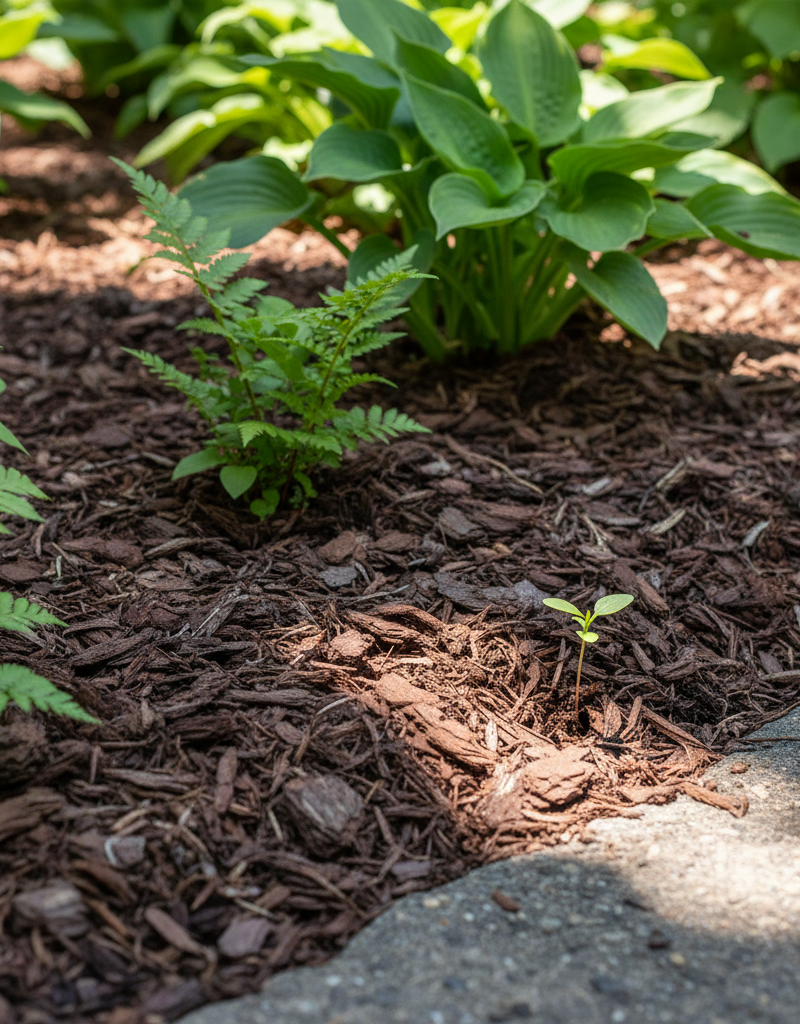
Applying a thick layer of mulch is perhaps the most effective preventative measure. Mulch blocks sunlight from reaching weed seeds, preventing germination, and suppresses the growth of any seeds that do sprout. It also helps retain soil moisture and regulate temperature, benefiting your desired plants.
- Material: Use organic mulches like wood chips, shredded bark, straw, or compost. For vegetable gardens, straw or chopped leaves are excellent. For perennial beds, wood chips or shredded bark are more durable.
- Depth: Aim for a consistent layer of 2-4 inches around plants. Avoid piling mulch directly against plant stems or tree trunks, as this can encourage rot.
- Refresh: Replenish mulch annually or as needed to maintain adequate depth.
Step 3: Hand-Weeding (Thoroughly!) — The most satisfying and effective direct approach.
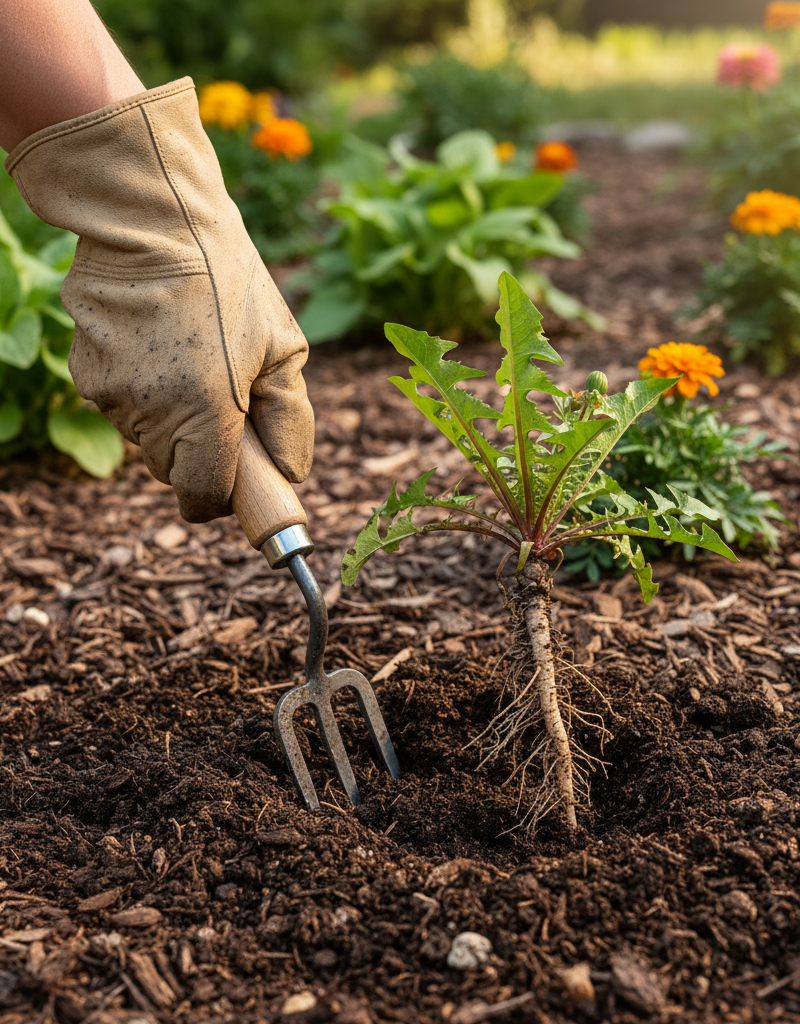
For existing weeds, hand-weeding is still the gold standard, but it must be done thoroughly. The goal is to remove the entire plant, especially the root system, to prevent regrowth.
- Timing: The best time to hand-weed is after rain or watering when the soil is moist. This makes it easier to pull out roots intact.
- Tools: A dandelion weeder, garden fork, or hori-hori knife can be incredibly helpful for extracting deep-rooted weeds.
- Technique: Grasp the weed at its base and pull slowly and steadily. For tap-rooted weeds, leverage your tool to loosen the soil around the root before pulling. Ensure you remove all root fragments.
- Disposal: Do not leave pulled weeds on the soil, especially if they have gone to seed, as they can re-root or spread seeds. Dispose of them in a compost pile (if they haven't gone to seed and your compost gets hot enough to kill seeds) or in the trash.
Step 4: Use Landscape Fabric (Strategically) — A barrier for persistent areas.
Landscape fabric can be a useful barrier in areas where you want to suppress weeds long-term, such as under gravel paths or around permanent shrubs and trees. It allows water and air to pass through but blocks weed growth.
- Preparation: Clear the area of existing weeds and level the soil before laying the fabric.
- Installation: Overlap fabric edges by at least 6 inches and secure with landscape staples. Cut an 'X' for planting, fold back the flaps, and plant your desired specimens.
- Covering: Always cover landscape fabric with at least 2-3 inches of mulch or gravel. Uncovered fabric degrades, looks unsightly, and weeds can eventually grow on top of it.
Step 5: Embrace Cover Crops and Groundcovers — Living mulches that outcompete weeds.
In garden beds or between rows (for vegetable gardens), consider planting cover crops or low-growing groundcovers. These plants actively suppress weeds by shading the soil and competing for resources, effectively serving as a living mulch.
- Cover Crops: For fallow vegetable beds, plant clovers, vetch, or buckwheat. They improve soil health and can be tilled under before planting your next crop.
- Groundcovers: In ornamental beds, select low-maintenance groundcovers like creeping thyme, sedum, or ajuga. Choose varieties appropriate for your climate and light conditions.
Step 6: Proper Plant Spacing and Health — Strong plants leave no room for weeds.
Healthy, properly spaced plants are naturally better at outcompeting weeds. When your desired plants thrive, they form a dense canopy that shades the soil, reducing weed germination.
- Spacing: Follow recommended spacing for your plants to allow for healthy growth and canopy closure.
- Fertilization & Watering: Provide adequate water and nutrients to promote vigorous growth. A healthy plant can better fend off weed invasions.
Step 7: Minimal Soil Disturbance — Don't wake the weed seed bank.
Every time you dig, till, or aggressively cultivate soil, you bring dormant weed seeds to the surface, where they can germinate. Adopt a no-till or minimal-till approach where possible.
- Cultivation: Use a sharp hoe to skim just below the soil surface to sever small weeds, rather than deeply cultivating.
- Targeted Digging: When planting or working in the garden, try to disturb as little soil as possible.
Step 8: Solarization (for Severe Infestations) — Harnessing the sun's power.
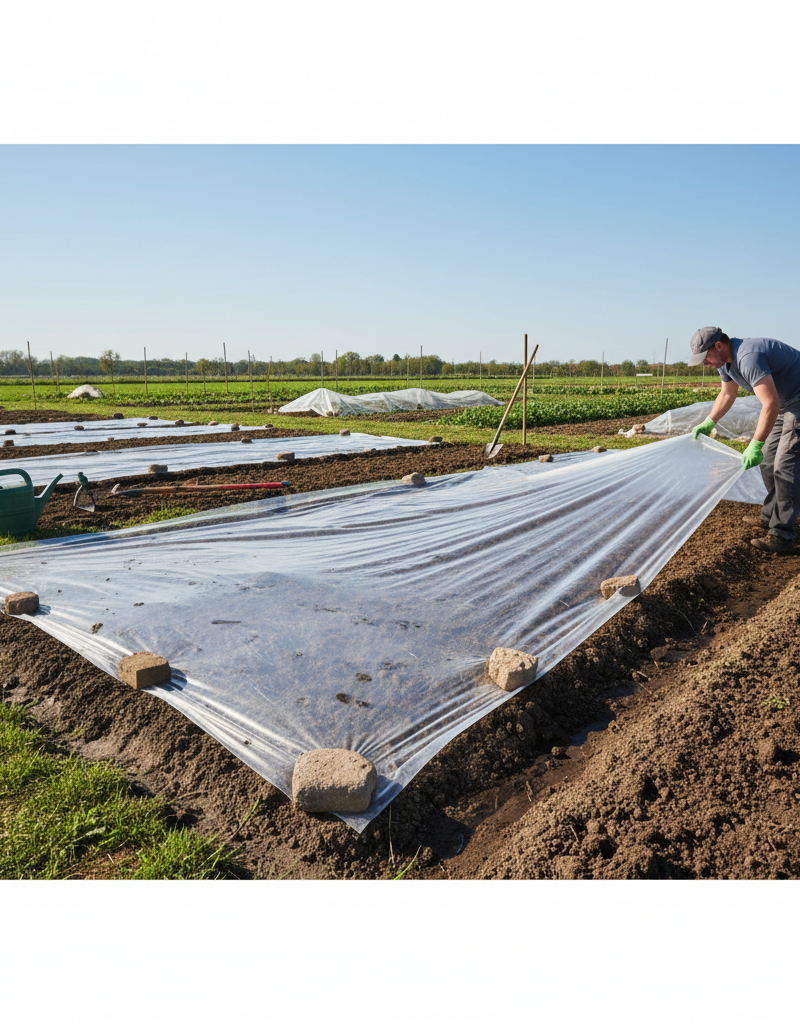
For areas heavily infested with weeds, particularly if you're preparing a new garden bed, solarization can be highly effective. This involves covering the soil with clear plastic sheeting during the hottest months to bake and kill weeds and seeds.
- Timing: Best done in summer when temperatures are consistently high.
- Method: Moisten the soil, then lay clear plastic sheeting (4-6 mil thick) tightly over the area, burying the edges with soil to create an airtight seal. Leave in place for 4-8 weeks.
- Benefits: Kills weed seeds, pathogens, and some pests without chemicals.
Safety Note: Always wear gloves when handling soil and plants to protect your hands from thorns, irritating sap, and soil microbes. If using any tools, ensure they are sharp and used correctly to avoid injury.
Common Causes
- Disturbed Soil: Tilling, digging, and even heavy rainfall can bring dormant weed seeds to the soil surface, triggering germination.
- Bare Soil: Any exposed patch of soil is an open invitation for weed seeds to land and sprout. Nature abhors a vacuum.
- Lack of Mulch: Insufficient or absent mulch layers allow sunlight to reach the soil, promoting seed germination.
- Incomplete Weed Removal: Leaving root fragments behind, especially with perennial weeds, allows them to regrow quickly.
- Weeds Going to Seed: Allowing even a few weeds to mature and drop their seeds can replenish the soil's weed seed bank for years to come.
- Poor Plant Health: Weak, stressed, or improperly spaced desired plants leave open niches for weeds to exploit.
- Contaminated Soil/Compost: Bringing in soil or compost that contains viable weed seeds can introduce new weed problems.
Common Mistakes
- Tilling Too Much: Deep tilling brings up dormant weed seeds from lower soil layers, effectively 'planting' them and ensuring a new flush of weeds.
- Weeding After Seeds Drop: Waiting until weeds have flowered and set seed simply spreads the problem, adding more seeds to your soil's bank for future germination.
- Leaving Weeds in Place: Pulled weeds left on the ground can re-root, especially in moist conditions, or continue to mature and drop seeds even after being detached from the soil.
- Not Using Mulch (or Not Enough): Skipping mulch or applying too thin a layer is a missed opportunity for a powerful form of weed prevention. A thin layer won't block light effectively.
- Ignoring Soil Health: Compacted or nutrient-poor soil stresses desirable plants, making them less able to compete with tough weeds. Healthy soil supports healthy plants.
- Using Roundup (or Similar): While effective in the short term, broad-spectrum herbicides can harm beneficial soil organisms, pollute groundwater, and encourage herbicide-resistant weeds. They don't address the underlying conditions.
Cost & Time Breakdown
| Task | DIY cost | Pro cost | Time |
|---|---|---|---|
| Hand weeding (initial cleanup) | $0 (labor) | $150–$400 | 2–8 hours |
| Organic Mulch (wood chips) | $30–$80/yard | $100–$250/yard | 1–3 hours |
| Landscape Fabric (small area) | $20–$50 | $80–$200 | 1–2 hours |
| Cover Crop Seeds | $10–$30 | N/A | 0.5–1 hour |
| Weeding Tools (one-time) | $30–$70 | N/A | N/A |
| Total Initial Investment | $90–$230 | $330–$850 | 4–15 hours |
Tips & Prevention
- Regular, Shallow Weeding: Don't wait until weeds are large. A quick pass with a sharp hoe or by hand every week or two will catch small weeds before they establish deep roots or go to seed.
- Water Smartly: Direct water only to the roots of your desired plants. Drip irrigation or soaker hoses minimize water for weeds in between rows or beds.
- Edge Control: Install physical barriers like edging around garden beds to prevent lawn grasses from creeping in.
- Clean Tools: Always clean your gardening tools, especially after working in weedy areas, to avoid spreading weed seeds or root fragments to clean areas.
- Plant Densely: Strategic, dense planting of desirable plants can shade out weed seedlings and reduce bare soil opportunities.
- Compost Wisely: Ensure any compost you use is fully decomposed and
Related Articles
Keep troubleshooting with these hand-picked guides from FixlyGuide:
- The #1 Mistake Killing Your Garden: Why Weeds Keep Coming Back (And How to Stop Them) — Discover the secret to permanently removing weeds from your garden by understanding their root causes and implementing sustainable solution…
- The Eternal Weed Battle: Why They Always Come Back (And How to Actually Win) — Stop the cycle of endless weeding by understanding why weeds persist and how to implement long-term control strategies.
- The 3 Permanent Weed Killers No One Talks About (And How to Use Them Safely) — Discover three overlooked, highly effective methods for permanently eliminating weeds from your yard, moving beyond temporary fixes to long…
- The 5 Spring Yard Prep Mistakes That Cost Homeowners Thousands Annually — Avoid costly landscaping errors by understanding common spring yard preparation mistakes and how to properly ready your lawn and garden for…
- The #1 Mistake Killing Your Lawn's Crabgrass Battle (and 3 Natural Fixes) — Discover the common oversight sabotaging your crabgrass removal efforts and learn three effective, natural methods to reclaim your lawn.
- Is That Hail Damage on Your Siding? 5 Hidden Signs Most Homeowners Miss — Discover how to inspect your siding for hidden hail damage, understand the different types, and navigate the repair or replacement process.
What should this project cost?
Enter your project details for a realistic cost range before you call anyone.
Cost depends heavily on which system turns out to be the source.
- Regional adjustment
- National average
- Labor share (typical)
- ~$1,620
- Quotes to collect
- 3 written estimates
Educational estimate based on national averages — not a binding quote. Always confirm with written local estimates.
Frequently asked questions
How do you permanently get rid of weeds naturally?+
Permanently getting rid of weeds naturally involves a combination of consistent mulching to suppress germination, thorough hand-weeding to remove entire root systems, improving soil health to favor desired plants, and using groundcovers or cover crops to outcompete weeds. Consistency is key, focusing on preventing weeds from going to seed and replenishing the soil's weed seed bank.
Discussion
Loading comments…