- Incomplete Root Removal: For perennial weeds, leaving even small fragments of roots, rhizomes, or tubers in the soil will allow them to regenerate, often stronger and more numerous than before.
- Disturbed Soil: Tilling or digging frequently brings dormant weed seeds from deeper soil layers to the surface, exposing them to light and triggering germination.
- Lack of Mulch/Groundcover: Bare soil is an open invitation for weeds. Without a protective layer, seeds easily germinate and quickly establish themselves.
- Erratic Watering: Overwatering or frequent shallow watering can create ideal conditions for weed seeds to sprout, especially broadleaf weeds that thrive in moist environments.
- Poor Plant Health: Weak or stressed desirable plants leave open spaces and resources that weeds are quick to exploit. Healthy, dense planting can outcompete weeds.
Landscaping · Deck or fence project
| Project category | Landscaping |
|---|---|
| Problem type | Deck or fence project |
| Trade required | Landscaping |
| Urgency | Planned project |
| Safety risk | Moderate safety risk |
| DIY suitability | DIY for experienced homeowners |
| Cost category | High cost |
| Typical timeline | Most builds 3–10 days depending on size |
| Contractor type | Landscaping contractor |
Repair option
Replace failed boards, posts, and hardware; reseal the surface.
Replacement option
Rebuild when framing or the ledger connection is unsafe.
Common causes
- Rot at posts and ledger
- Storm damage
- Adding outdoor living space
Relevant tools:home improvement material pricesproject cost estimator
Published May 24, 2026Last updated August 17, 2026
Tools & materials you'll need
Affiliate linksAs an Amazon Associate FixlyGuide earns from qualifying purchases — at no extra cost to you. Prices and availability are accurate as of publication and subject to change.
Quick Answer
True permanent weed removal isn't achieved through endless manual weeding, which often stimulates more growth. The most effective and lasting solution involves a multi-pronged approach that combines soil solarization to sterilize the seed bank, strategic application of pre-emergents to prevent germination, and a consistent, thick layer of organic mulch to block sunlight and suppress any growth that tries to emerge. This creates an inhospitable environment for weeds, saving you countless hours in the long run.
The Problem
You meticulously pull every weed, only to see them return with a vengeance a few days or weeks later. It's a cycle of frustration that most homeowners know all too well. The issue isn't your effort; it's often the approach. Pulling weeds, especially annuals that have already gone to seed, can inadvertently spread thousands of new seeds. For perennial weeds with deep taproots or rhizomes, pulling often leaves behind root fragments, which then regenerate into multiple new plants. Furthermore, disturbing the soil surface brings dormant seeds closer to the light, water, and oxygen they need to sprout. This endless battle against weeds isn't just physically draining; it also robs your garden of nutrients and water, impacting the health and vigor of your desired plants. Many homeowners rely solely on manual pulling or reactive spot treatments, which only provide temporary relief rather than addressing the underlying causes of persistent weed growth.
How It Works
Understanding how weeds thrive is the first step to truly eliminating them. Weeds, like all plants, require sunlight, water, nutrients, and warmth to germinate and grow. Their success often lies in their prolific seed production, rapid growth rates, and ability to exploit disturbed soil. Annual weeds complete their life cycle within one growing season, producing a massive number of seeds before dying. These seeds can remain viable in the soil for years, even decades, waiting for the right conditions to sprout. Perennial weeds, on the other hand, live for more than two years and often spread not only by seed but also through underground root systems (rhizomes), tubers, or stolons. When you pull a perennial weed, if even a small piece of its root system remains, it can regenerate an entirely new plant, sometimes even stronger than before.
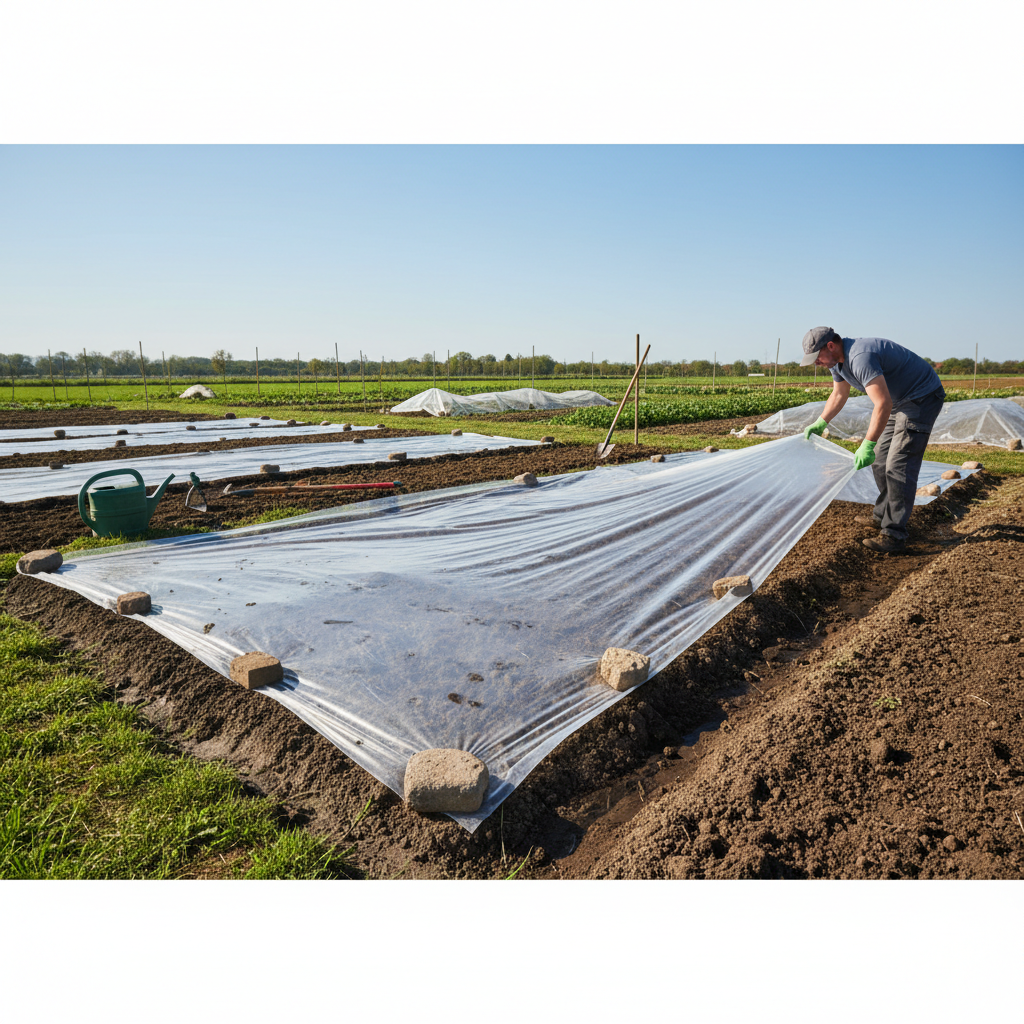
Soil solarization leverages the sun's energy to heat the soil to temperatures lethal to weed seeds, pathogens, and even some insects. By covering a moistened area with clear plastic sheeting for several weeks during the hottest part of the year, the sun's rays are trapped, raising the soil temperature to 120-140°F (49-60°C). This effectively "cooks" the weed seed bank, sterilizing the top few inches of soil. Mulch works by physically blocking sunlight, preventing seeds from germinating and smothering any young seedlings that do emerge. For mulch to be effective, it needs to be applied at a sufficient thickness, typically 3-4 inches. Pre-emergent herbicides create a barrier in the top layer of the soil that inhibits seed germination. They don't kill existing weeds but rather prevent new ones from sprouting by disrupting cell division in germinating seeds. This targeted approach allows you to control the weed population before it even becomes visible, drastically reducing the need for reactive weeding.
Step-by-Step Fix
Step 1: Prepare the Area for Solarization – Clear and moisten the soil to maximize heat absorption.
Begin by clearing the target area of any existing large weeds or debris. For best results, existing weeds should be cut down to the ground. Rake the soil smooth and then thoroughly moisten the top 6-12 inches of soil with water. This moisture is critical as it helps conduct heat more effectively, allowing the solarization process to kill more seeds. Do this on a sunny day in the hottest part of the year, typically summer.
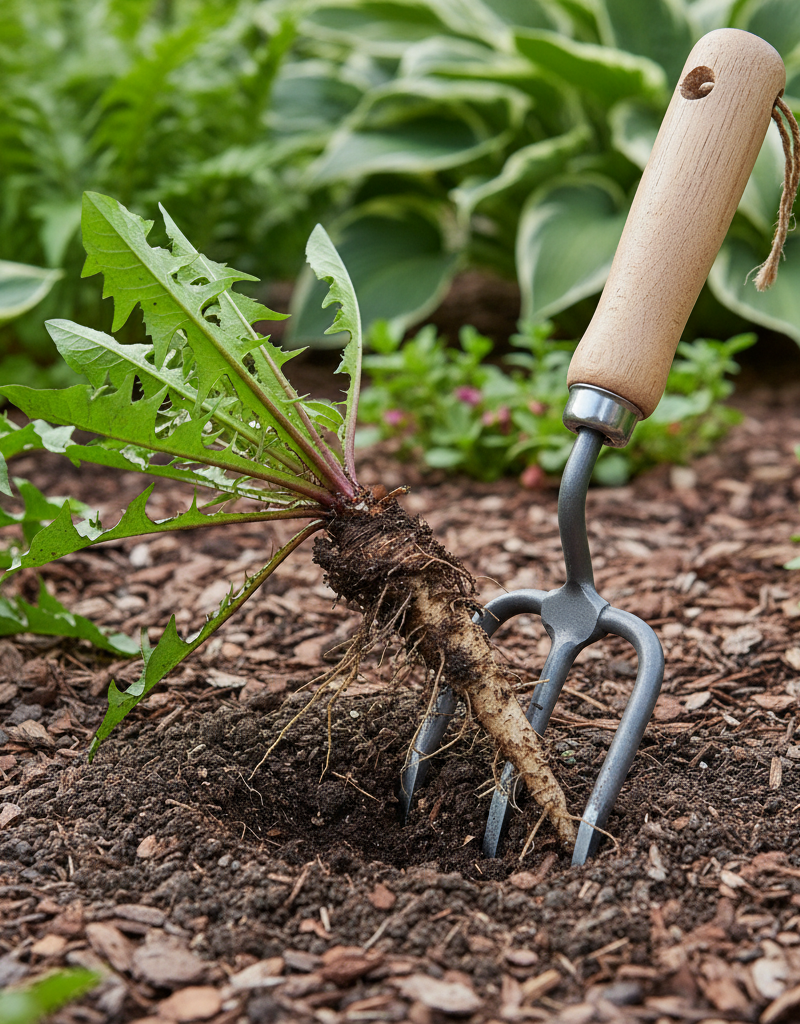
- If you have large, woody weeds: Consider using a string trimmer or mower to cut them as close to the ground as possible. For very tough taproots, you might need a weeding fork to loosen the soil around them before removal.
- Safety Note: Always wear gloves and eye protection when clearing debris to prevent injury.
Step 2: Lay Down Clear Plastic Sheeting – Create a sealed environment to trap solar energy.
Carefully spread clear, UV-stabilized polyethylene sheeting (typically 4-6 mil thick) over the prepared, moistened soil. Ensure the plastic extends at least 1-2 feet beyond the edges of the area you wish to solarize. The goal is to create an airtight seal. Bury the edges of the plastic deeply with soil, rocks, or heavy objects to prevent air from escaping and to keep the plastic taut. Overlapping multiple sheets by at least 6-12 inches and sealing the overlap with tape can cover larger areas. The tighter the seal, the higher the temperatures will reach.
- Tool Tip: A shovel or trenching tool will be useful for digging the trench around the perimeter to bury the plastic edges.
- Material Tip: Look for "painter's plastic" or "greenhouse film" at home improvement stores. Make sure it's clear, not black, as clear plastic allows for maximum solar heat gain.
Step 3: Monitor and Maintain Solarization – Allow sufficient time for the sun to sterilize the soil.
Leave the plastic in place for 4-8 weeks during the hottest, sunniest months. The longer it stays, the more effective it will be at killing deep-seated seeds and pathogens. Check periodically to ensure the plastic remains sealed and hasn't been punctured. If a tear occurs, repair it immediately with strong, waterproof tape. You will see condensation forming under the plastic – this is normal and indicates the process is working.
- When to Stop: In most regions, 6 weeks during peak summer heat is sufficient for the top 6 inches of soil. For deeper weed issues, extend to 8 weeks.
- If temperatures drop significantly: The effectiveness of solarization diminishes. You may need to extend the duration or wait for a warmer period.
Step 4: Remove Plastic and Apply Pre-Emergent – Prevent new weed seeds from germinating.
Once the solarization period is complete, carefully remove and dispose of the plastic sheeting. The soil should appear a bit lighter in color and may have a slightly different texture. Now, apply a granular pre-emergent herbicide product according to the manufacturer's instructions. This step is crucial for preventing any surviving or newly introduced weed seeds from sprouting. Water it in lightly as directed to activate the herbicide barrier.
- Safety Note: Always read and follow all label instructions for any herbicide, including wearing appropriate personal protective equipment (gloves, long sleeves, eye protection) and proper ventilation.
- Product Tip: Look for pre-emergent products containing active ingredients like trifluralin, pendimethalin, or corn gluten meal (organic option).
Step 5: Install a Thick Layer of Organic Mulch – Smother residual growth and block future germination.
Within a few days of applying the pre-emergent, spread a consistent layer of organic mulch over the entire solarized and treated area. Aim for a depth of 3-4 inches. Good organic mulches include shredded bark, wood chips, pine straw, or compost. Ensure the mulch doesn't directly touch the base of desirable plants or tree trunks, leaving a small "donut" space to prevent moisture buildup and disease. Mulch acts as a physical barrier, blocking sunlight from weed seeds and suppressing any new sprouts.
- Mistake to Avoid: Don't apply mulch too thinly (less than 3 inches), as it won't be effective. Also, avoid "volcano mulching" around trees, which can harm the bark and promote rot.
- Pro Tip: If using wood chips, consider adding a thin layer of compost underneath to provide nutrients and improve soil structure.
Step 6: Targeted Spot-Weeding and Re-application – Maintain the weed-free environment.
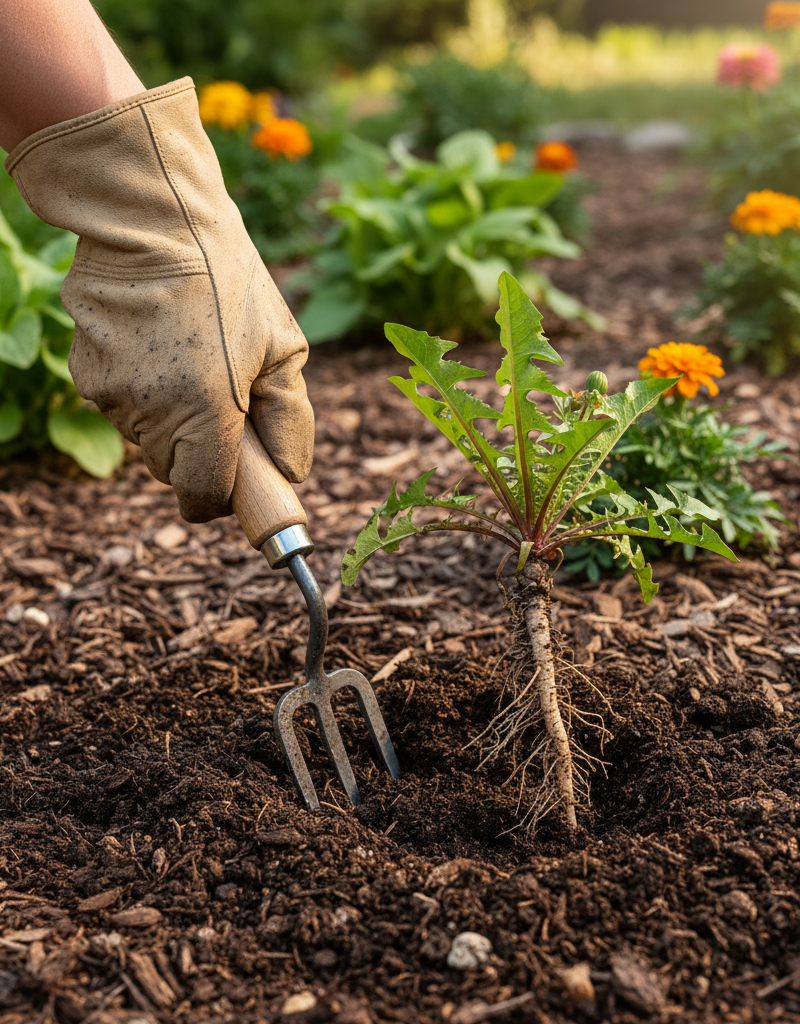
Even with the best efforts, an occasional "escapee" weed might pop up. Promptly pull these by hand as soon as you see them, ensuring you get the entire root system, especially for perennials. Reapply pre-emergent herbicide every 3-6 months as recommended by the product label, particularly in spring and fall, to maintain the protective barrier. Top up your mulch layer annually or as needed to maintain the 3-4 inch depth. Consistent vigilance is key to long-term weed control.
- Tool Tip: A weeding fork or hori-hori knife is excellent for precisely removing individual weeds with their roots.
- If you see a surge of weeds: Reassess your mulch depth and pre-emergent application timing. You might need to adjust your schedule or consider a different pre-emergent product.
Common Causes
- Existing Weed Seed Bank: Your soil is full of dormant weed seeds from previous seasons, just waiting for favorable conditions (light, water, disturbance) to germinate. A single mature weed can produce thousands of seeds that remain viable for years.
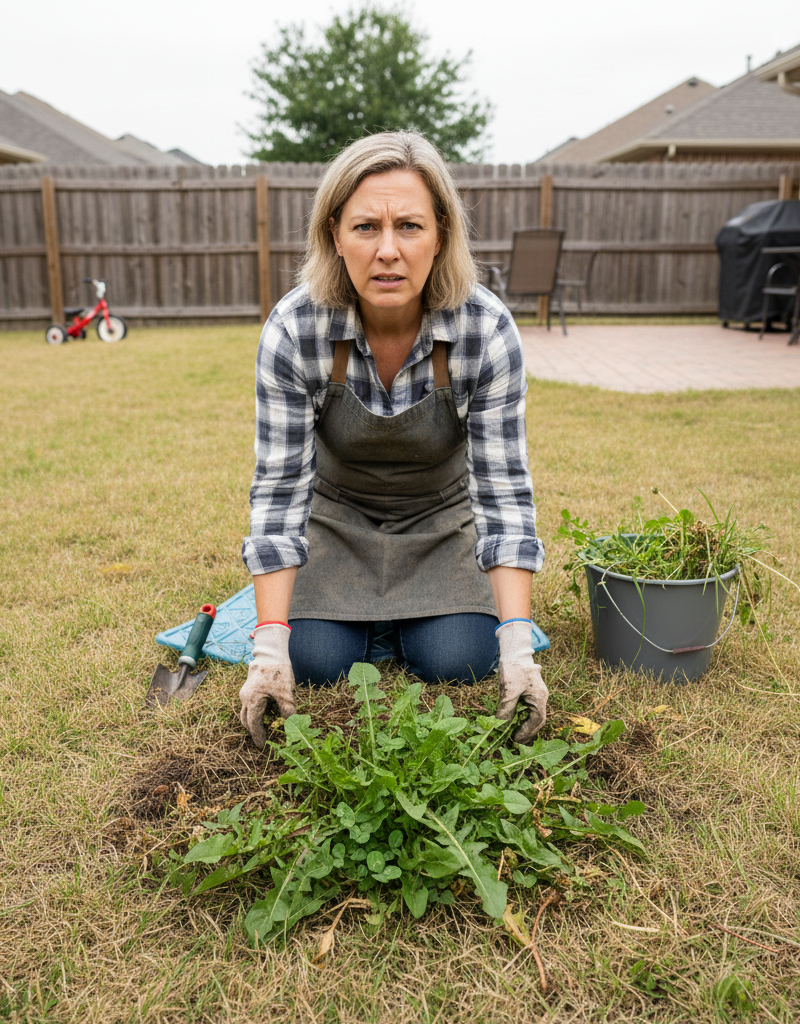
- Incomplete Root Removal: For perennial weeds, leaving even small fragments of roots, rhizomes, or tubers in the soil will allow them to regenerate, often stronger and more numerous than before.
- Disturbed Soil: Tilling or digging frequently brings dormant weed seeds from deeper soil layers to the surface, exposing them to light and triggering germination.
- Lack of Mulch/Groundcover: Bare soil is an open invitation for weeds. Without a protective layer, seeds easily germinate and quickly establish themselves.
- Erratic Watering: Overwatering or frequent shallow watering can create ideal conditions for weed seeds to sprout, especially broadleaf weeds that thrive in moist environments.
- Poor Plant Health: Weak or stressed desirable plants leave open spaces and resources that weeds are quick to exploit. Healthy, dense planting can outcompete weeds.
Common Mistakes
- Pulling Weeds After They've Seeded: Pulling weeds that have already produced seeds can inadvertently scatter thousands of new seeds, worsening the problem for next season. Always remove weeds before they go to seed.
- Not Removing the Entire Root System: Especially with perennial weeds like dandelions or thistles, leaving even a small piece of taproot or rhizome in the ground means the weed will almost certainly grow back, often with multiple shoots.
- Applying Mulch Too Thinly: A thin layer of mulch (less than 3 inches) won't effectively block sunlight or suppress weed growth. Weeds will easily grow through it.
- Tilling or Digging Unnecessarily: Frequent soil disturbance brings dormant weed seeds to the surface, exposing them to light and moisture and prompting them to germinate. Adopt a "no-till" or "minimum-till" approach where possible.
- Ignoring Weeds When They're Small: It's far easier to remove small weeds with shallow root systems than established ones. Small weeds also haven't had a chance to go to seed. Consistent, early intervention is key.
- Relying on a Single Method: No single method provides permanent weed control. Combining techniques like solarization, pre-emergents, and mulching creates a more robust and lasting defense.
Cost & Time Breakdown
| Task | DIY cost | Pro cost | Time |
|---|---|---|---|
| Soil Solarization (per 100 sq ft) | $20–$50 | N/A | 4–8 weeks |
| Pre-emergent Herbicide | $25–$60 | N/A | 15–30 mins |
| Organic Mulch (3-4 inches thick per 100 sq ft) | $50–$150 | $100–$300 | 1–3 hours |
| Spot Weeding (ongoing) | $0 | $50–$100/visit | 10–20 mins/week |
| Garden Prep | $0 | $50–$150 | 30–60 mins |
Tips & Prevention
- Plant Densely: Healthy, densely planted desirable plants will outcompete weeds for light, water, and nutrients, leaving less room for unwelcome growth.
- Use Weed Barriers (Limited): For pathways or areas where no planting is desired, a high-quality landscape fabric under a thick layer of gravel or mulch can provide an extra layer of defense, but avoid using it in planting beds as it can hinder soil health.
- Water Smart: Water deeply and infrequently, directing water specifically to your desired plants. This discourages shallow-rooted weeds that thrive on frequent, light watering.
- Clean Tools and Footwear: Weed seeds can hitchhike on garden tools, shoes, and even pet fur. Clean tools after working in weedy areas and consider a doormat or boot brush to prevent tracking seeds.
- Compost Wisely: Ensure your compost pile reaches sufficiently high temperatures to kill weed seeds. If it doesn't, you might be inadvertently spreading weeds when you apply the compost.
- Edge Your Beds: Install physical edgings around garden beds to prevent turf grasses and creeping weeds from invading. This creates a clear boundary that requires less maintenance.
When to Call a Professional
While this multi-pronged DIY approach offers significant control, there are times when calling a professional landscaper or weed control specialist is advisable. If you are dealing with a severe infestation of invasive or particularly tenacious weeds like bindweed, Johnson grass, or certain types of sedges that have deep, extensive root systems and are spreading rapidly across a large area, a professional may have access to stronger, highly targeted herbicides and specialized equipment not available to homeowners. Additionally, if the area to be treated is exceptionally large, or if you prefer to avoid handling chemicals yourself, a professional can apply pre-emergents and manage the overall weed control strategy safely and effectively. They can also offer expert advice on long-term landscape design that naturalizes weed suppression and improves the overall health of your garden ecosystem.
Related Articles
Keep troubleshooting with these hand-picked guides from FixlyGuide:
- The 3 Permanent Weed Killers No One Talks About (And How to Use Them Safely) — Discover three overlooked, highly effective methods for permanently eliminating weeds from your yard, moving beyond temporary fixes to long…
- The #1 Mistake Killing Your Lawn's Thickness (and 5 Steps to a Lush Comeback) — Discover the crucial error most homeowners make when trying to thicken a thin lawn and follow five simple steps to revive it.
- The #1 Mistake Killing Your Thin Lawn (And How to Fix It in a Weekend) — Overseeding your lawn can transform it from thin and patchy to lush, but many homeowners make a crucial mistake that hinders success. Learn…
- The #1 Crabgrass Mistake Killing Your Lawn (And 3 Natural Fixes) — Discover how common crabgrass removal mistakes undermine your lawn's health and learn three natural, effective methods to eradicate crabgra…
- The #1 Mistake Killing Your Garden: Why Weeds Keep Coming Back (And How to Stop Them) — Discover the secret to permanently removing weeds from your garden by understanding their root causes and implementing sustainable solution…
- The 3 Hidden Mistakes That Make Your Deck Sealer Fail (And How to Fix Them) — Properly sealing your wood deck protects it from the elements, but common mistakes often lead to early failure. Learn how to reseal your de…
What should this project cost?
Enter your project details for a realistic cost range before you call anyone.
Cost depends heavily on which system turns out to be the source.
- Regional adjustment
- National average
- Labor share (typical)
- ~$1,620
- Quotes to collect
- 3 written estimates
Educational estimate based on national averages — not a binding quote. Always confirm with written local estimates.
Frequently asked questions
Does pulling weeds make them worse?+
Yes, pulling weeds can often make the problem worse, especially if they've gone to seed (spreading new seeds) or if they are perennial weeds where root fragments left behind can regenerate into multiple new plants.
What kills weeds but not plants?+
Selective herbicides are designed to kill specific types of weeds (e.g., broadleaf weeds) without harming desired plants (e.g., grasses). Pre-emergent herbicides kill germinating weed seeds before they sprout, leaving established plants untouched. Manual removal and mulching are non-chemical methods.
How deep do weed seeds go in soil?+
Weed seeds can be viable at various depths, but most germinate in the top 1-2 inches of soil when exposed to light and moisture. However, some seeds can remain dormant and viable much deeper, sometimes for decades, waiting for disturbance to bring them to the surface.
Can black plastic kill weeds?+
While black plastic can suffocate existing weeds by blocking light, clear plastic is more effective for solarization. Clear plastic traps solar heat, raising soil temperatures high enough to sterilize weed seeds and pathogens in the soil, which black plastic is less efficient at doing.
Discussion
Loading comments…