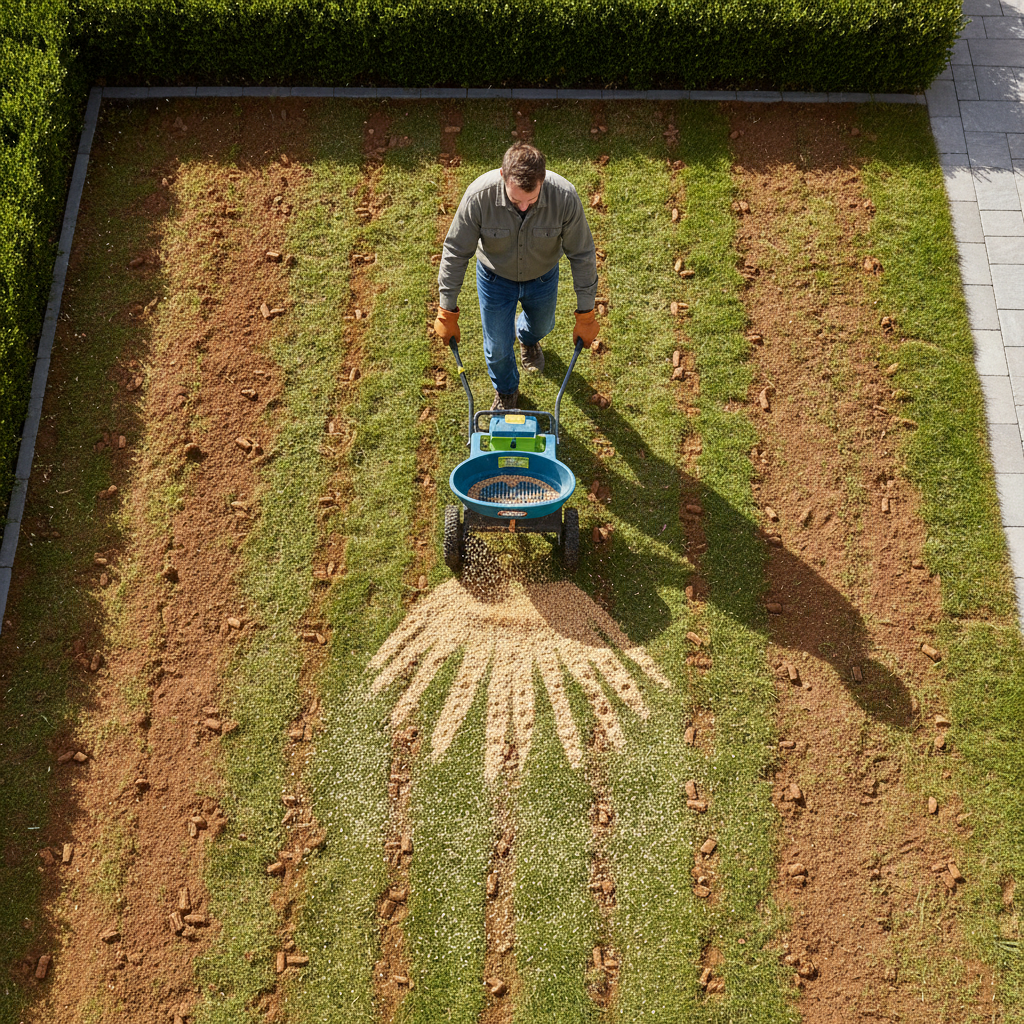
- Materials: High-quality grass seed (appropriate for your climate/conditions), starter fertilizer (optional, but recommended).
- Tools: Broadcast spreader or drop spreader.
- Tip: Mix a small amount of starter fertilizer (low nitrogen, high phosphorus) with your seed or apply it immediately after seeding to give seedlings a boost.
Landscaping · Deck or fence project
| Project category | Landscaping |
|---|---|
| Problem type | Deck or fence project |
| Trade required | Landscaping |
| Urgency | Planned project |
| Safety risk | Moderate safety risk |
| DIY suitability | DIY for experienced homeowners |
| Cost category | High cost |
| Typical timeline | Most builds 3–10 days depending on size |
| Contractor type | Landscaping contractor |
Repair option
Replace failed boards, posts, and hardware; reseal the surface.
Replacement option
Rebuild when framing or the ledger connection is unsafe.
Common causes
- Rot at posts and ledger
- Storm damage
- Adding outdoor living space
Relevant tools:home improvement material pricesproject cost estimator
Published May 17, 2026Last updated August 17, 2026
Tools & materials you'll need
Affiliate linksAs an Amazon Associate FixlyGuide earns from qualifying purchases — at no extra cost to you. Prices and availability are accurate as of publication and subject to change.
Quick Answer
Overseeding a thin lawn effectively involves more than just scattering seeds. The quick answer to a lush comeback is proper soil preparation, selecting the right grass seed for your climate, precise seed distribution, adequate — but not excessive — watering, and consistent aftercare to protect tender sprouts. This approach corrects common mistakes that lead to patchy results, ensuring a denser, healthier turf that can better resist weeds and disease.
The Problem
Many homeowners struggle with thin, patchy lawns despite regular watering and feeding. The underlying issue is often a lack of sufficient grass density, which leaves the soil exposed to sunlight, promoting weed growth, and making the lawn more susceptible to drought and disease. Simply adding more fertilizer or water won't solve the problem; new grass plants are needed to fill in the gaps. The common mistake is improper preparation and follow-through when trying to introduce these new plants, leading to poor seed germination and wasted effort. This article will show you how to avoid these pitfalls and achieve a noticeably thicker lawn.
How It Works
To understand why overseeding works, it helps to understand the life cycle and growth habits of lawn grasses. Most common lawn grasses, like fescue, bluegrass, and ryegrass, are perennial, meaning they live for multiple years. However, individual grass plants do not live indefinitely, and over time, some will naturally die off due to age, environmental stress, disease, or insect damage. This leads to a gradual thinning of the turf. Additionally, many cool-season grasses grow in "tillers" (new shoots from the base of the plant), but not all varieties spread aggressively enough to fill large bare spots quickly.
Overseeding is the process of sowing new grass seed directly into an existing lawn. The goal is to introduce new, strong grass plants that will germinate among the older, established turf, increasing the overall density. For the new seeds to successfully grow, they need direct contact with the soil, adequate moisture, and sufficient sunlight. Existing thatch — a layer of dead and living organic matter between the soil surface and the green grass blades — can act as a barrier, preventing seeds from reaching the soil. Competition from existing grass for light and water is also a factor, which is why proper preparation is key. When done correctly, overseeding rejuvenates the lawn, improves its color, enhances its ability to withstand stress, and naturally outcompetes weeds by leaving them no space to grow.
Step-by-Step Fix
Step 1: Clear and Mow Low — Prepare the canvas for new growth by removing debris and cutting existing grass short.
Before you even think about scattering seeds, your lawn needs a serious haircut and a spa treatment. Remove any leaves, twigs, or other debris that might smother new sprouts. Then, mow your lawn significantly shorter than usual, aiming for a height of 1.5 to 2 inches. This exposes the soil surface to sunlight and reduces competition for the new seedlings.
- Tools: Leaf rake, lawn mower (set to lowest safe height).
- Safety: Always wear closed-toe shoes when mowing. Ensure no foreign objects are in the path of the mower.
Step 2: Dethatch and Aerate — Create a welcoming environment for seeds to root and thrive.
Thatch is a silent killer of new grass seeds, acting as an impenetrable barrier. Use a dethatcher (power or manual) to remove this suffocating layer. Once dethatched, consider aerating your lawn, especially if you have compacted soil. A core aerator pulls small plugs of soil, improving air, water, and nutrient penetration, and creating perfect little pockets for seeds to settle into.
- Tools: Dethatcher (power or manual), core aerator (rentable from most home improvement stores).
- If this doesn't work: If your thatch layer is minimal (less than 1/2 inch), you might skip mechanical dethatching, but aeration is almost always beneficial for thin lawns.
Step 3: Choose and Distribute Seed — Select the right seed and apply it evenly for uniform growth.
Selecting the right grass seed for your climate zone and specific lawn conditions (sun vs. shade) is critical. Read the seed label for varieties that thrive in your area. Use a broadcast spreader for even distribution. Refer to the seed bag for the recommended overseeding rate, which is typically half the rate for establishing a new lawn. Apply half the seed walking in one direction, then the other half walking perpendicularly to ensure full coverage.
- Materials: High-quality grass seed (appropriate for your climate/conditions), starter fertilizer (optional, but recommended).
- Tools: Broadcast spreader or drop spreader.
- Tip: Mix a small amount of starter fertilizer (low nitrogen, high phosphorus) with your seed or apply it immediately after seeding to give seedlings a boost.
Step 4: Lightly Rake and Roll — Ensure good seed-to-soil contact, which is vital for germination.
After spreading the seed, use the back of a leaf rake to lightly work the seeds into the top 1/4 inch of soil. Don't bury them too deeply; they still need some light. Then, use a lawn roller (empty or lightly filled with water) to gently press the seeds into the soil. This crucial step ensures excellent seed-to-soil contact, which significantly improves germination rates.
- Tools: Leaf rake (back side), lawn roller (rentable).
- Mistake to avoid: Do not heavy-handedly rake or bury seeds too deeply, as this will prevent germination.
Step 5: Water Diligently and Consistently — Provide the critical moisture new seedlings need to establish.
Watering is the most critical factor for successful overseeding. Immediately after seeding, water lightly to moisten the top inch of soil without washing away the seeds. For the next 2-3 weeks, you'll need to water frequently (2-3 times a day) with short applications (5-10 minutes) to keep the soil consistently moist but not waterlogged. Once the seedlings are established (about 1 inch tall), gradually reduce frequency and increase duration to encourage deeper root growth. Continue watering as needed for 6-8 weeks.
- Tools: Oscillating sprinkler or other gentle watering system.
- If this doesn't work: If patches still appear thin, you may need to re-seed those specific areas, paying extra attention to sun exposure and moisture.
Common Causes
- Insufficient Grass Density: Over time, individual grass plants die, leading to thinning. Not enough new plants are naturally filling their place.
- Poor Soil Conditions: Compacted soil, nutrient deficiencies, or an imbalance in pH can hinder healthy grass growth and establishment.
- Thatch Buildup: A thick layer of thatch prevents water, nutrients, and new seeds from reaching the soil.
- Pest and Disease Damage: Insect infestations (grubs, chinch bugs) or fungal diseases can weaken and kill large areas of turf.
- Environmental Stressors: Drought, excessive heat, shade, or heavy foot traffic can stress grass, leading to thinning and die-off.
- Improper Mowing/Watering: Cutting grass too short or inconsistent watering habits can weaken the existing lawn.
Common Mistakes
- Not Preparing the Soil: Simply scattering seeds on unprepared ground (over thatch or compacted soil) results in very poor germination rates. Seeds need direct soil contact.
- Using the Wrong Seed: Choosing a grass seed not suited to your climate, sun exposure, or existing lawn type will lead to disappointment.
- Uneven Seed Distribution: Hand-broadcasting without a spreader often leads to patchy results – some areas too dense, others too sparse.
- Insufficient Watering (or Overwatering): New seedlings need constant, light moisture. Letting the soil dry out, even once, can kill them. Conversely, waterlogging can lead to fungal diseases.
- Mowing Too Soon or Too Short: Mowing too early or scalping the new seedlings can severely damage or kill them. Wait until new grass is at least 3 inches tall.
- Applying Weed Killer: Many post-emergent or pre-emergent weed killers can harm or prevent the germination of new grass seed. Avoid them for at least 6-8 weeks before and after overseeding.
Cost & Time Breakdown
| Task | DIY cost | Pro cost | Time |
|---|---|---|---|
| Grass Seed (5,000 sq ft) | $30–$70 | Incl. in service | 🤷 |
| Starter Fertilizer (optional) | $20–$40 | Incl. in service | 🤷 |
| Dethatcher/Aerator Rental | $60–$100/day | Incl. in service | 1–3 hours |
| Labor (prep, seeding, light roll) | $0 | $200–$500 | 2–4 hours |
| Watering (initial 3 weeks) | $5–$15 (water) | Incl. in service | 2–3 hours/day (total) |
| Total | $110–$215 | $400–$1000+ | 4–8 hours active + 3 weeks watering |
Tips & Prevention
- Best Time to Overseed: For cool-season grasses, late summer/early fall is ideal (August-October), when soil temperatures are warm but air temperatures are cooling, and weed pressure is lower. For warm-season grasses, late spring/early summer is best.
- Soil Testing: Perform a soil test every few years to identify nutrient deficiencies or pH imbalances. Correcting these can vastly improve seed germination and overall lawn health.
- Mulch Mowing: Leave grass clippings on the lawn. They return valuable nutrients to the soil and don't contribute to thatch if mowed frequently.
- Mow High: Set your mower deck to cut grass at 2.5-3 inches or higher once established. Taller grass shades the soil, retains moisture, and helps crowd out weeds.
- Deep, Infrequent Watering: Once established, water deeply (to moisten 6-8 inches of soil) but less frequently. This encourages deeper root growth and drought resistance.
- Regular Aeration: Aerate your lawn annually or bi-annually, especially if you have heavy clay soil or high foot traffic, to prevent compaction.
When to Call a Professional
While overseeding is a manageable DIY project, there are situations where calling a licensed lawn care professional makes sense. If your lawn is severely compacted, suffering from extensive pest infestations or diseases that you can't identify or control, or if you have significant drainage issues, a professional can offer targeted solutions. They have access to specialized equipment like commercial-grade aerators and dethatchers, and can correctly diagnose and treat complex underlying soil or pest problems that might hinder your overseeding efforts. Additionally, if you have a very large property and lack the time or equipment for the intensive preparation and watering required, a pro can ensure the job is done right and stands the best chance of success.
Related Articles
Keep troubleshooting with these hand-picked guides from FixlyGuide:
- The #1 Mistake Killing Your Lawn's Thickness (and How to Fix It in a Weekend) — Overseeding a thin lawn is essential for a lush green carpet, but many homeowners make a crucial mistake that hinders success. Learn the ri…
- The #1 Mistake Killing Your Thin Lawn (And How to Fix It in a Weekend) — Overseeding your lawn can transform it from thin and patchy to lush, but many homeowners make a crucial mistake that hinders success. Learn…
- The #1 Mistake Killing Your Thin Lawn (and How to Fix It in a Weekend) — Overseeding a thin lawn is crucial for a lush yard, but a common mistake can ruin your efforts before they even begin. Learn how to diagnos…
- The #1 Mistake Killing Your Lawn's Thickness (and How to Fix It for $50) — Overseeding can transform a thin, patchy lawn into a lush, vibrant carpet, but many homeowners miss a critical step, hindering success.
- The #1 Mistake Killing Your Lawn's Grass (and How to Fix Patchy Spots) — Discover the most common reason for patchy grass and learn how to revive your lawn with targeted, easy-to-follow steps.
- The #1 Mistake Homeowners Make After Finding Missing Shingles (And How to Fix It Right) — Discover the crucial steps to take after a storm rips shingles from your roof, ensuring a proper, lasting repair and preventing costly futu…
What should this project cost?
Enter your project details for a realistic cost range before you call anyone.
Cost depends heavily on which system turns out to be the source.
- Regional adjustment
- National average
- Labor share (typical)
- ~$1,620
- Quotes to collect
- 3 written estimates
Educational estimate based on national averages — not a binding quote. Always confirm with written local estimates.
Frequently asked questions
How long does it take for new grass seed to grow after overseeding?+
Grass seeds typically begin to germinate within 5-10 days, depending on the grass type and conditions. You'll usually see noticeable sprouts within 2-3 weeks, with the lawn starting to fill in over 4-6 weeks.
Can I overseed without aerating or dethatching?+
While you can overseed without aerating or dethatching, your results will likely be significantly poorer. Thatch acts as a barrier, preventing seeds from reaching the soil, and compacted soil hinders root growth. For best results, proper preparation is key.
When is the best time of year to overseed a lawn?+
For cool-season grasses (fescue, bluegrass, ryegrass), late summer to early fall (August to October) is ideal. For warm-season grasses (Bermuda, Zoysia), late spring to early summer is best. This timing allows seeds to establish before extreme temperatures.
How often should I water after overseeding?+
For the first 2-3 weeks, water frequently (2-3 times a day) with short applications (5-10 minutes) to keep the top inch of soil consistently moist. Once seedlings are established, gradually reduce frequency and increase duration to encourage deeper root growth.
What kind of grass seed should I use for overseeding?+
Choose a high-quality grass seed that matches your existing lawn type and is suited for your climate zone and specific lawn conditions (e.g., sun-tolerant, shade-tolerant, drought-resistant). Check local university extension recommendations for your area.

Discussion
Loading comments…