- Mow High: Set your mower blade to 3 inches or higher. Taller grass shades the soil, making it harder for dandelion seeds to germinate and for new seedlings to establish.
- Water Deeply: Water your lawn deeply and infrequently (1 inch of water per week) to encourage deep root growth in your grass, which helps it compete with weeds.
- Fertilize Properly: A healthy, dense lawn is the best defense against weeds. Apply a balanced lawn fertilizer according to soil test recommendations in the spring and fall to promote vigorous turf growth.
Landscaping · Deck or fence project
| Project category | Landscaping |
|---|---|
| Problem type | Deck or fence project |
| Trade required | Landscaping |
| Urgency | Planned project |
| Safety risk | Moderate safety risk |
| DIY suitability | DIY for experienced homeowners |
| Cost category | High cost |
| Typical timeline | Most builds 3–10 days depending on size |
| Contractor type | Landscaping contractor |
Repair option
Replace failed boards, posts, and hardware; reseal the surface.
Replacement option
Rebuild when framing or the ledger connection is unsafe.
Common causes
- Rot at posts and ledger
- Storm damage
- Adding outdoor living space
Relevant tools:home improvement material pricesproject cost estimator
Published May 20, 2026Last updated August 17, 2026
Tools & materials you'll need
Affiliate linksAs an Amazon Associate FixlyGuide earns from qualifying purchases — at no extra cost to you. Prices and availability are accurate as of publication and subject to change.
Quick Answer
Many homeowners overlook everyday items in their garage or pantry that can double as surprisingly effective dandelion killers. White vinegar, dish soap, and table salt, when used correctly, can provide targeted treatment to eliminate dandelions without resorting to synthetic herbicides. This method is particularly useful for scattered dandelions, offering a more eco-friendly and budget-conscious approach to lawn care.
The Problem
Dandelions are infamous for their tenacious taproots and rapid seed dispersal, making them a persistent nuisance for homeowners aiming for a pristine lawn. A single dandelion can produce thousands of seeds, carried by the wind, quickly colonizing vast areas. Their deep taproots, sometimes extending 10-15 inches into the soil, allow them to draw moisture and nutrients from deep within the earth, making them drought-tolerant and difficult to remove by simply pulling the visible plant.
Moreover, dandelions aren't just an aesthetic issue; they compete with desirable grass for essential resources like water, nutrients, and sunlight. If left unchecked, a severe dandelion infestation can weaken your turf, making it more susceptible to diseases, pests, and bare spots. Many commercial weed killers contain harsh chemicals that can harm beneficial insects, soil microbes, and even runoff into waterways. Homeowners often seek alternative, less toxic solutions to manage these prolific weeds while protecting their family and pets.
How It Works
Understanding how dandelions thrive helps in understanding how to defeat them. Dandelions are broadleaf perennial weeds, meaning they return year after year from the same root system if not completely eradicated. Their leaves form a basal rosette, close to the ground, which helps them shade out smaller grass blades. The hallmark yellow flowers quickly turn into tell-tale puffballs filled with seeds, ready to spread at the slightest breeze.
Targeting dandelions with household solutions primarily relies on dehydration and cell disruption. Acetic acid, the active ingredient in white vinegar, is a natural desiccant. When applied directly to a plant's foliage, it draws moisture out of the plant cells, causing them to collapse and dry out. The higher the concentration of acetic acid, the more potent the effect. Standard household white vinegar is typically 5% acetic acid, which is effective for young, small weeds. Horticultural vinegar, with concentrations up to 20%, is much stronger but requires extreme caution due to its corrosive nature.
Dish soap acts as a surfactant. When mixed with vinegar or other liquids, it breaks down the waxy cuticle layer on the dandelion leaves. This waxy layer usually protects the plant from dehydration and repels water-based solutions. By disrupting it, the dish soap allows the vinegar to penetrate the leaves more effectively, speeding up the dehydration process and ensuring the acetic acid reaches more of the plant's surface area. Think of it as opening the plant's defenses to the vinegar's attack.
Salt, specifically sodium chloride (common table salt), works by drawing water out of plant cells through osmosis. When applied to the soil around a plant, it creates a high-salinity environment that makes it difficult for roots to absorb water, essentially starving the plant. When applied directly to the leaves, it also acts as a desiccant, but its primary action when killing roots is through soil saturation. This method should be used very sparingly and precisely, as excessive salt can make the soil infertile for desirable plants for an extended period.
Combining these elements allows for a multi-pronged attack. The dish soap enhances vinegar's absorption, and while less common for direct application to leaves, a very small amount of salt can augment the dehydration effect. The goal is to get these solutions to the taproot, either by direct application to foliage or by drawing all moisture from the plant until the root can no longer sustain itself. Multiple applications might be necessary for larger or more established dandelions, especially if you're using lower-concentration vinegar.
Step-by-Step Fix
1. Gear Up and Prepare — Gather your materials and ensure your safety.
- Tools: Wear gloves and eye protection. While these methods are less toxic than commercial herbicides, vinegar can irritate skin and eyes, and salt can be abrasive. A spray bottle is ideal for targeted application.
- Timing: The best time to treat dandelions is on a sunny, calm day when no rain is expected for at least 24-48 hours. This allows the solution to work without being washed away. Treat young dandelions before they flower and produce seeds for the most effective results. Avoid windy days to prevent drift.
2. Mix Your Weed-Killing Solution — Combine ingredients for maximum effectiveness.
- Vinegar & Dish Soap Booster: In a spray bottle, mix 1 gallon of standard 5% white vinegar with 1-2 tablespoons of liquid dish soap. The dish soap acts as a surfactant, helping the vinegar cling to the dandelion leaves.
- Salt Boost (Use with Caution): For particularly stubborn dandelions or very targeted applications, you can add 1/2 cup of table salt to the vinegar-dish soap mixture. Crucially, avoid getting this mixture on surrounding grass or desired plants, as salt can render soil infertile. Only use this option if you can precisely apply it.
3. Target the Dandelions Precisely — Apply the solution directly to the weeds.
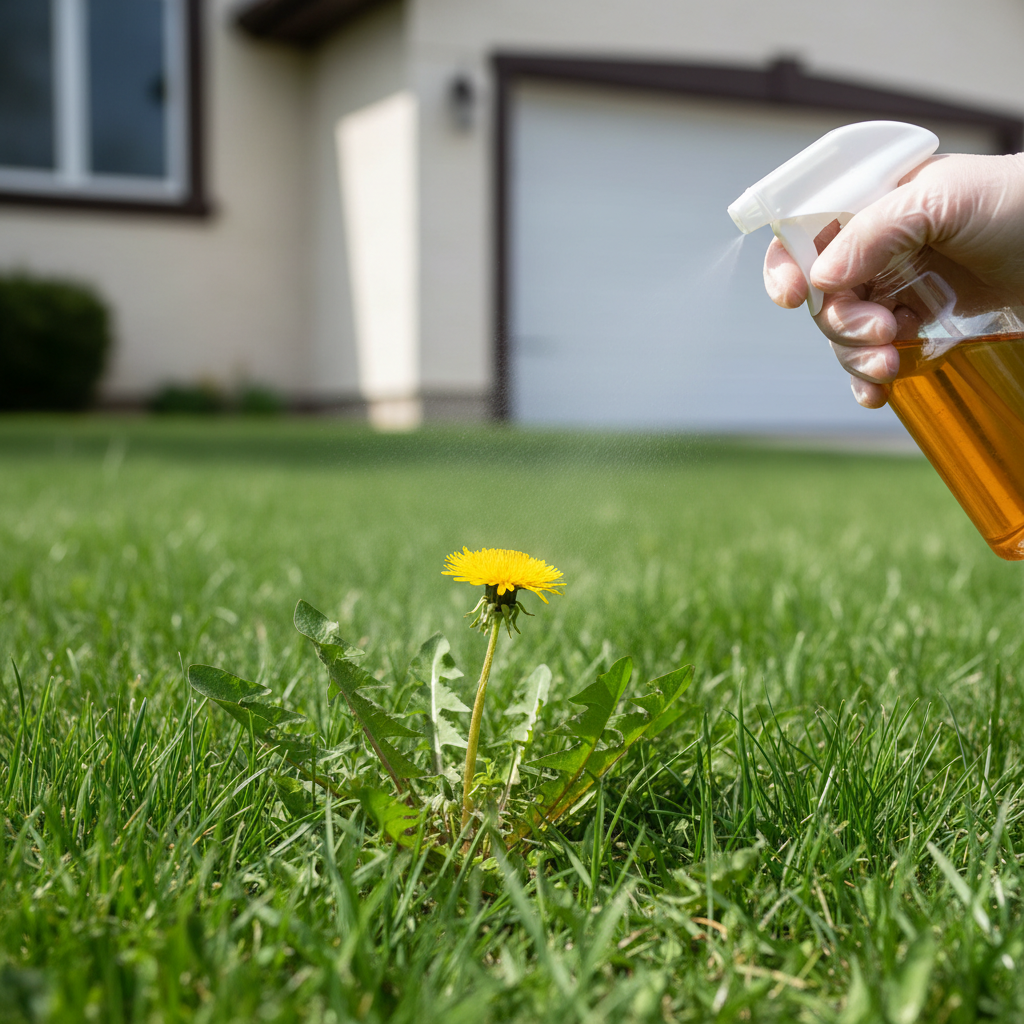
- Direct Spray: Adjust your spray bottle to a narrow stream and thoroughly coat the leaves of each dandelion until they are visibly wet, but not dripping excessively. Focus on getting the solution into the crown of the plant where the leaves meet the taproot.
- Avoid Overspray: Shield nearby desirable plants with a piece of cardboard or your hand to prevent accidental exposure, especially if using a salt-inclusive mixture. This precise application is key to preventing collateral damage to your lawn.
4. Observe and Reapply if Needed — Monitor the dandelions for signs of wilting.
- Initial Response: You should see wilting and browning within 24-48 hours. The dandelion leaves will shrivel and turn black.
- Persistent Weeds: If the dandelion doesn't completely die back, or if new growth appears from the center, reapply the solution in 3-5 days. Larger, more established dandelions with deep taproots may require multiple treatments.
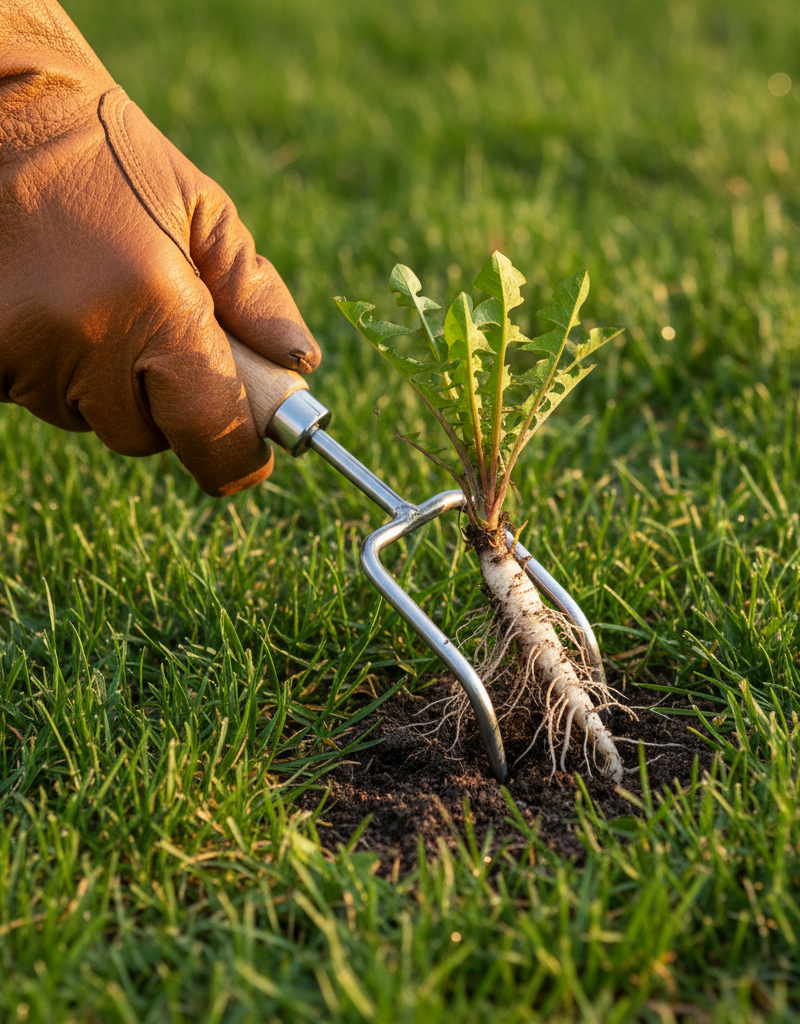
- If this doesn't work: If after several applications the dandelion persists, or if you're dealing with extensive infestations, consider using a specialized weed-pulling tool designed to extract the entire taproot, or consult a professional for broader solutions.
5. Practice Good Lawn Care — Promote a healthy lawn to naturally deter dandelions.
- Mow High: Set your mower blade to 3 inches or higher. Taller grass shades the soil, making it harder for dandelion seeds to germinate and for new seedlings to establish.
- Water Deeply: Water your lawn deeply and infrequently (1 inch of water per week) to encourage deep root growth in your grass, which helps it compete with weeds.
- Fertilize Properly: A healthy, dense lawn is the best defense against weeds. Apply a balanced lawn fertilizer according to soil test recommendations in the spring and fall to promote vigorous turf growth.
6. Address Bare Spots — Prevent future dandelion colonization.
- Seed or Sod: If dandelion removal leaves bare patches, overseed these areas with desirable grass seed or lay small patches of sod. Exposed soil is an open invitation for new weed seeds to germinate.
- Soil Amendment: Consider aerating and topdressing your lawn with compost to improve soil health, which encourages stronger grass growth.
Common Causes
- Poor Lawn Density: Thin, sparse lawns allow ample sunlight to reach the soil, creating ideal conditions for dandelion seeds to germinate and thrive without competition from healthy grass.
- Compacted Soil: Dandelions, with their robust taproots, are often an indicator of compacted soil. Their roots can penetrate dense soil much more easily than grass roots, giving them an advantage.
- Incorrect Mowing Height: Mowing your lawn too short (below 3 inches) stresses grass and reduces its ability to shade out weed seeds, making it easier for dandelions to establish.
- Overwatering or Underwatering: Inconsistent or improper watering practices can weaken grass, while dandelions, being very adaptable, often tolerate a wider range of moisture conditions.
- Excessive Nitrogen: While nitrogen is good for grass, an imbalance can sometimes favor broadleaf weeds if other lawn care practices (like mowing height and watering) aren't optimized. However, mostly it's a lack of density allowing weeds.
- Wind Dispersal: Dandelion seeds are highly airborne and can travel significant distances on the wind, landing in your meticulously maintained lawn even if your own yard is weed-free. Neighboring infestations are a common source.
Common Mistakes
- Pulling Without the Root: Many homeowners pull the visible yellow flower or leaves, mistakenly believing they've removed the weed. Without removing the entire taproot, the dandelion will simply regrow, often with renewed vigor.
- Spraying on Windy Days: Applying solutions on windy days leads to drift, potentially harming desirable plants, contaminating areas you don't intend to treat, and wasting product.
- Over-Applying Salt: Using too much salt or applying it indiscriminately will create barren patches in your lawn where nothing, not even grass, will grow for a long time. Salt needs to be used with extreme precision.
- Treating Mature Seeds: Waiting to treat dandelions until they've gone to seed (the white puffball stage) means you're too late to prevent seed dispersal. Each puff you see is thousands of new dandelions waiting to happen. Treat them when they are young and flowering yellow.
- Not Addressing Underlying Lawn Health: Relying solely on spot treatments without improving overall lawn health (mowing height, watering, fertilization) is a losing battle. A weak lawn will always be susceptible to weeds.
- Using Horticultural Vinegar Indiscriminately: While stronger, horticultural vinegar (10-20% acetic acid) is highly corrosive and can cause severe burns to skin and eyes. It should not be handled without extensive protective gear and careful training. Standard white vinegar (5%) is sufficient for most home DIY applications and much safer.
Cost & Time Breakdown
| Task | DIY Cost | Pro Cost | Time |
|---|---|---|---|
| Materials (Vinegar, Soap, Salt) | $5–$15 | N/A | Purchase time |
| Spot Treating (Small Lawn) | $0–$5 (existing) | N/A | 15–30 minutes |
| Spot Treating (Large Lawn) | $0–$15 (existing) | N/A | 30–90 minutes |
| Weed Pulling (Manual) | $0 (existing tool) | N/A | Variable |
| Professional Lawn Treatment | N/A | $50–$200+ (per visit) | N/A |
| Long-Term Lawn Care | $50–$150/year | $200–$600+/year | Ongoing |
Tips & Prevention
- Early Intervention: Treat dandelions as soon as you see them, especially before they flower and go to seed. The younger they are, the easier they are to kill and the less likely they are to spread.
- Mulch Flower Beds: Apply a thick layer (2-4 inches) of mulch in garden beds to suppress dandelion growth and reduce the amount of direct sunlight available for germination.
- Proper Mowing Height: Always mow your grass at the highest recommended setting for your grass type, typically 3 inches or more. Taller grass blades shade the soil, keeping it cooler and darker, which discourages weed seed germination.
- Regular Fertilization: Feed your lawn with a balanced fertilizer in spring and fall. A strong, healthy lawn can outcompete dandelions for nutrients and space.
- Water Deeply and Infrequently: Encourage deep grass roots by watering less often but more thoroughly. This makes your lawn more resilient to drought and helps it resist weed invasion.
- Aeration: If you have compacted soil, consider aerating your lawn annually or bi-annually. This improves air, water, and nutrient penetration, allowing grass roots to grow stronger and healthier, thus outcompeting weeds like dandelions.
- Overseeding: Periodically overseeding your lawn with new grass seed helps maintain a dense turf, filling in bare spots where weeds would otherwise take hold.
When to Call a Professional
While DIY methods are effective for minor dandelion issues, knowing when to call a professional can save you time, effort, and potential frustration. If your lawn is heavily infested with dandelions (they cover more than 25-30% of your yard), or if you've tried multiple DIY remedies without success, it's likely time to contact a licensed lawn care professional. They have access to commercial-grade herbicides and application equipment that are more potent and effective for widespread infestations. Professionals can also conduct soil tests to identify underlying issues contributing to weed growth and develop a comprehensive, tailored lawn care plan, including pre-emergent treatments, to prevent future dandelion outbreaks without harming your existing turf. For persistent, pervasive problems, professional intervention ensures the long-term health and aesthetics of your lawn.
Related Articles
Keep troubleshooting with these hand-picked guides from FixlyGuide:
- The #1 Mistake Killing Your Lawn's Fight Against Dandelions (And the Easy Fix) — Discover the common dandelion-removal blunder homeowners make and learn the simple, effective strategies to finally win the war against the…
- The 3 Dandelion Killers Hiding In Your Garage (And How To Use Them Safely) — Eradicate dandelions from your lawn effectively with common household items and proper application techniques to restore a pristine yard.
- The 3 Crabgrass Mistakes Most Homeowners Make (And How to Fix Them Organically) — Discover the most common crabgrass removal mistakes and learn natural, organic methods to eliminate crabgrass from your lawn for good, fost…
- The 3 Permanent Weed Killers No One Talks About (And How to Use Them Safely) — Discover three overlooked, highly effective methods for permanently eliminating weeds from your yard, moving beyond temporary fixes to long…
- The #1 Pruning Mistake Homeowners Make (And How to Fix It) — Learn the most common pruning mistake homeowners make and how to properly prune shrubs for healthier growth and more abundant blooms.
- The #1 Mistake Homeowners Make When Caulking a Bathroom Sink (And How to Fix It) — Discover the most common caulk mistake homeowners make around bathroom sinks and follow simple steps to achieve a lasting, watertight seal.
Should you do this yourself?
Answer five quick questions before you start. Safety outranks savings every time.
Your experience with work like this
How high do you have to work?
Does the job involve any of these?
Will it need a permit?
Specialty tools
Free and instant. Educational guidance only — not a quote, inspection, or professional diagnosis.
What should this project cost?
Enter your project details for a realistic cost range before you call anyone.
Cost depends heavily on which system turns out to be the source.
- Regional adjustment
- National average
- Labor share (typical)
- ~$1,620
- Quotes to collect
- 3 written estimates
Educational estimate based on national averages — not a binding quote. Always confirm with written local estimates.
Before you start
Check the difficulty, permits, and safety risk — then decide whether to call a pro.
- Estimate this projectGet a cost range for your scope and ZIP before you call anyone.Open
- Get local estimatesSend one request and compare written estimates from vetted pros.Open
Free, no signup required. Estimates are educational guidance, not a quote or an inspection.
Frequently asked questions
Does vinegar kill dandelions permanently?+
White vinegar, especially when combined with dish soap, can effectively kill dandelions down to the taproot if applied thoroughly and repeatedly. However, it won't prevent new dandelion seeds from germinating. For permanent control, consistent lawn care practices are essential alongside spot treatments.
How long does it take for vinegar to kill dandelions?+
You should typically see wilting and browning of dandelion leaves within 24 to 48 hours after applying a vinegar and dish soap solution. More stubborn or larger dandelions might take several days or require a second application for complete eradication.
Is salt safe to use on dandelions in the lawn?+
Salt can kill dandelions by dehydrating them, but it must be used with extreme caution and precision. Excessive salt can damage surrounding grass and make the soil infertile for an extended period, so it's only recommended for very targeted applications directly on the dandelion itself, avoiding contact with desired plants.
Can I use boiling water to kill dandelions?+
Boiling water is a non-toxic way to kill dandelions and other weeds by scalding them. It's effective for small, isolated weeds in cracks or pathways, but not recommended for use in the middle of a lawn as it will also kill surrounding grass and beneficial soil microbes.
What's the best time of year to treat dandelions?+
The best time to treat dandelions is in the early spring when they are young and actively growing, before they produce seeds. Fall is also a good time, as the plants are drawing nutrients down to their roots in preparation for winter, making them more susceptible to systemic treatments.

Discussion
Loading comments…