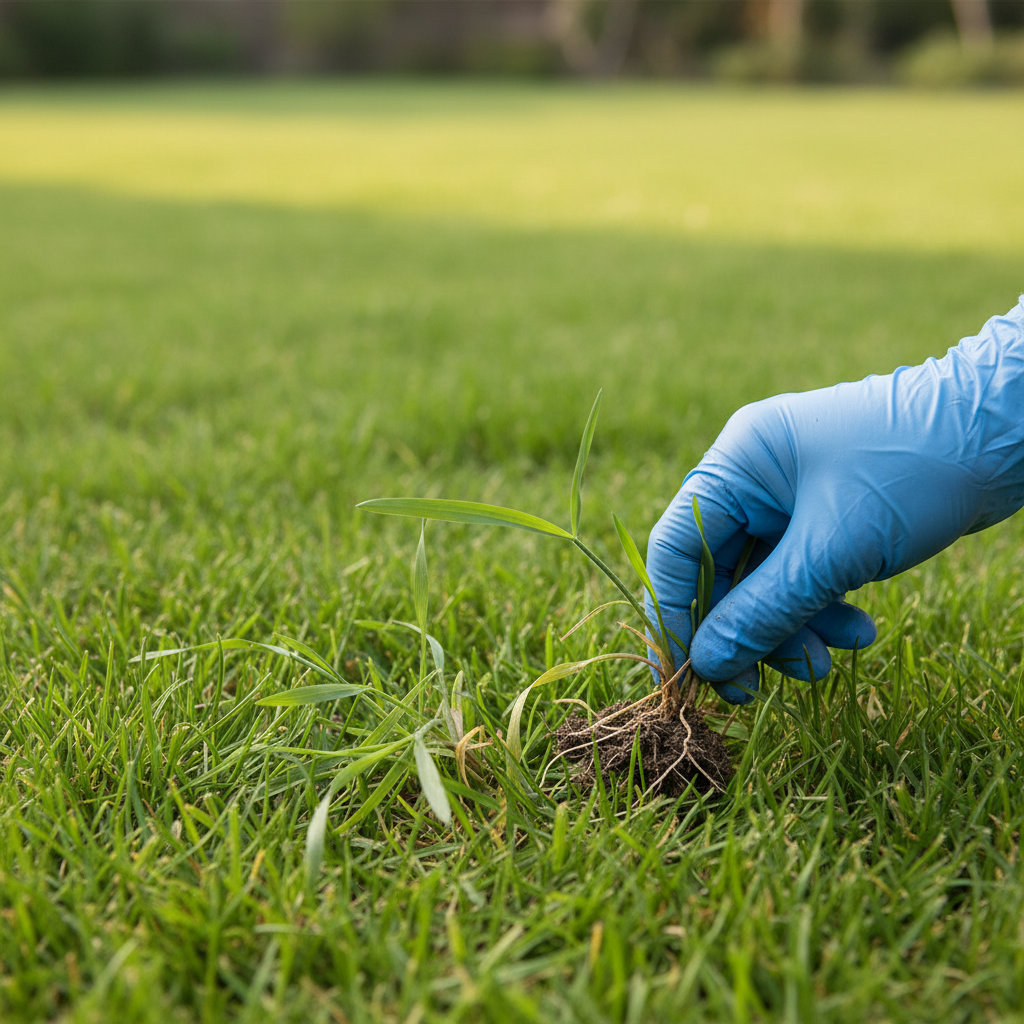
- Sparse or Thinning Lawn: Bare spots and weak turf provide ample space and sunlight for crabgrass seeds to germinate and establish. This is often the primary invitation for crabgrass.
- Mowing Too Short: Scalping your lawn stresses turfgrass and allows more sunlight to reach the soil, which is ideal for crabgrass germination. Short grass also has shallower roots, making it less resilient.
- Improper Watering: Frequent, shallow watering encourages shallow-rooted weeds like crabgrass, while deep, infrequent watering promotes deep-rooted turfgrass.
- Compact Soil: Hard, compacted soil restricts desirable grass root growth, making the lawn weaker and more susceptible to weed invasion. Crabgrass can often tolerate compacted conditions better.
- Over-fertilization (at wrong times): Applying nitrogen-rich fertilizers in late spring or summer can inadvertently feed crabgrass and other warm-season weeds, giving them a competitive advantage.
Landscaping · Deck or fence project
| Project category | Landscaping |
|---|---|
| Problem type | Deck or fence project |
| Trade required | Landscaping |
| Urgency | Planned project |
| Safety risk | Moderate safety risk |
| DIY suitability | DIY for experienced homeowners |
| Cost category | High cost |
| Typical timeline | Most builds 3–10 days depending on size |
| Contractor type | Landscaping contractor |
Repair option
Replace failed boards, posts, and hardware; reseal the surface.
Replacement option
Rebuild when framing or the ledger connection is unsafe.
Common causes
- Rot at posts and ledger
- Storm damage
- Adding outdoor living space
Relevant tools:home improvement material pricesproject cost estimator
Published May 20, 2026Last updated August 17, 2026
Tools & materials you'll need
Affiliate links- AmazonLawnmowerSet to highest setting
- AmazonGarden gloves
- AmazonHand weeder or Hori Hori knifeFor effective root removal
- AmazonSoil thermometerTo accurately time pre-emergent application
- AmazonSpreaderFor even application of pre-emergent and fertilizer
- AmazonCore aeratorRentable, or professional service
As an Amazon Associate FixlyGuide earns from qualifying purchases — at no extra cost to you. Prices and availability are accurate as of publication and subject to change.
Quick Answer
Naturally getting rid of crabgrass involves a multi-pronged approach: strengthening your lawn through proper mowing and fertilization, using organic pre-emergent solutions like corn gluten meal, and hand-pulling young weeds. The key is to prevent germination and outcompete any crabgrass that does emerge, creating a dense, healthy turf that naturally chokes it out.
The Problem
Crabgrass is a homeowner's perennial nemesis, transforming lush green lawns into patchy, unsightly landscapes. This annual weed thrives in hot, dry conditions and thin, weak turf, quickly spreading its distinctive broad, coarse blades. It's not just an aesthetic issue; crabgrass competes aggressively with desired turfgrasses for nutrients, water, and sunlight, ultimately weakening your entire lawn. Many homeowners make the mistake of focusing solely on killing the visible weeds, overlooking the underlying conditions that allow crabgrass to flourish. Without addressing these root causes, the weed will inevitably return, often denser and more resilient than before.
How It Works
Crabgrass (Digitaria spp.) is an annual weed, meaning it completes its entire life cycle within one growing season. It germinates in late spring when soil temperatures consistently reach 55-60°F at a depth of 2-3 inches, typically around the time lilacs bloom or dogwoods are in full flower. Each plant can produce thousands of seeds, which lie dormant in the soil over winter. When conditions are right, these seeds sprout, growing rapidly throughout the summer, especially in areas with compacted soil, inconsistent watering, and sparse grass cover. As fall approaches, mature crabgrass plants produce a final flush of seeds before dying off with the first hard frost. These new seeds then replenish the soil seed bank, ensuring a fresh crop for the next year. The shallow, fibrous root system allows it to quickly absorb surface moisture, making it particularly competitive in drought conditions. Understanding this life cycle is crucial for natural control, as it directs efforts toward preventing germination and seed production.
Step-by-Step Fix
1. Mow High & Often — Promote a dense, healthy lawn canopy.
Set your mower to its highest setting, typically 3-4 inches for most cool-season grasses. Taller grass shades the soil, keeping it cooler and suppressing crabgrass seed germination. Mowing frequently, but only removing one-third of the blade height at a time, encourages deeper root growth and a thicker lawn. Leave clippings on the lawn to return nutrients to the soil.
- If this doesn't work: Check your mower blade. A dull blade tears grass, leaving it susceptible to disease and stress, making it easier for crabgrass to invade.
2. Fertilize with Care — Nourish your turf, not the weeds.
Apply a slow-release, organic lawn fertilizer in the fall and early spring. A healthy, well-fed lawn can outcompete crabgrass. Avoid heavy nitrogen applications in late spring or summer, as this can encourage crabgrass growth more than established turf. Opt for balanced fertilizers that feed the soil microbiota.
- Tip: Conduct a soil test every 3-5 years to understand your lawn's specific nutrient needs. This prevents over-fertilization and ensures your efforts are targeted.
3. Apply Organic Pre-Emergent — Stop crabgrass before it starts.
Corn gluten meal is a natural pre-emergent that inhibits seed germination. Apply it in early spring when soil temperatures reach 50°F but before they hit 60°F. A common application rate is 20 pounds per 1,000 square feet. Water it in lightly after application to activate its properties. It also acts as a slow-release nitrogen fertilizer.
- Safety Note: While corn gluten meal is non-toxic, wear gloves to avoid skin irritation and wash hands thoroughly after handling.
- If this doesn't work: You might have applied it too late, after germination has already begun. Timing is critical for pre-emergents.
4. Strategic Watering — Encourage deep root growth.
Water deeply and infrequently. Aim for 1 inch of water once or twice a week, rather than shallow daily sprinkles. Deep watering encourages your turfgrass roots to grow deeper, making them more resilient to drought and better able to compete with shallow-rooted crabgrass. Water in the early morning to minimize evaporation and reduce fungal disease risks.
5. Hand-Pull Young Weeds — Manual removal for isolated plants.
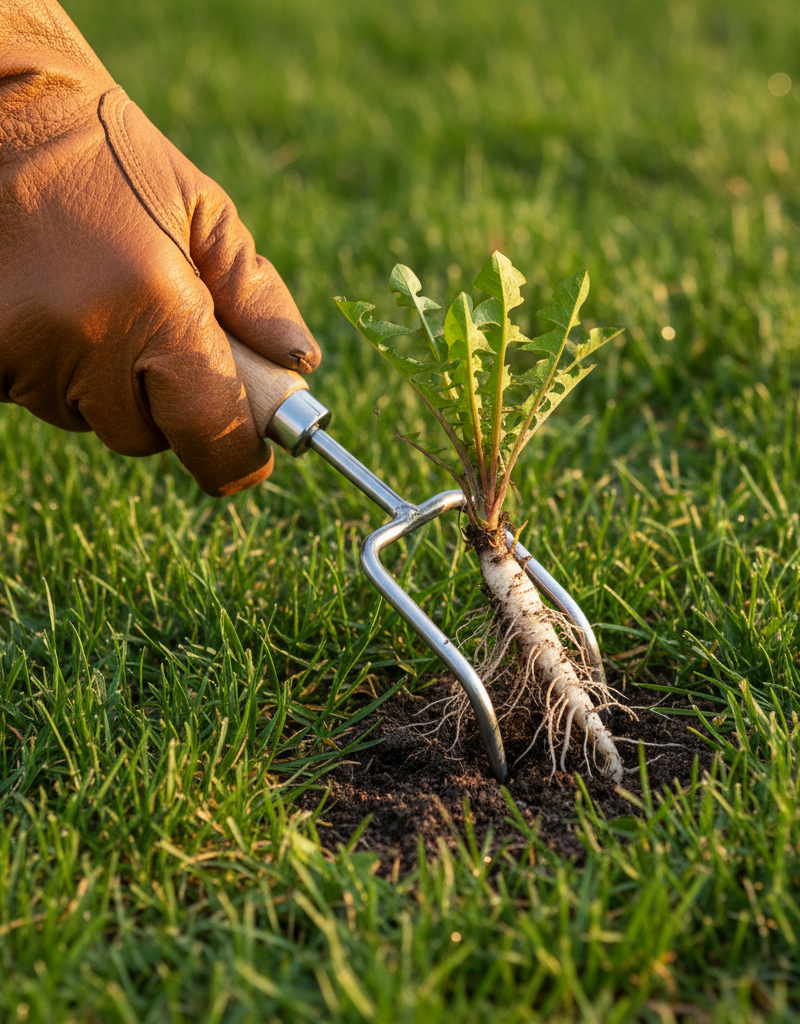
For small infestations or young crabgrass plants, hand-pulling is highly effective. Do this when the soil is moist, as the roots will come out more easily. Ensure you remove the entire root system to prevent regrowth. For larger plants, a weeding tool or hori hori knife can be helpful. This is most effective before plants set seed.
- Tools: Garden gloves, hand weeder or Hori Hori knife.
6. Overseed Thin Areas — Fill in gaps to prevent weed invasion.
In late summer or early fall, overseed any thin or bare patches in your lawn with high-quality grass seed. A dense turf leaves no room for crabgrass to establish. Prepare the soil by raking to create good seed-to-soil contact, then spread the seed and keep it consistently moist until germination.
7. Aerate Compacted Soil — Improve air, water, and nutrient penetration.
If your soil is compacted, aerate your lawn in the fall. Compaction restricts root growth and makes it easier for shallow-rooted weeds like crabgrass to thrive. Core aeration pulls small plugs of soil, improving air and water penetration. You can rent a core aerator or hire a professional.
8. Adjust Soil pH — Optimize conditions for turfgrass.
Perform a soil test to determine your lawn's pH. Most turfgrasses prefer a slightly acidic to neutral pH (6.0-7.0). If your pH is too high or too low, amend the soil as recommended by your soil test results (e.g., lime to raise pH, sulfur to lower it). Healthy soil pH promotes robust turf growth, making it less susceptible to weeds.
Common Causes
- Sparse or Thinning Lawn: Bare spots and weak turf provide ample space and sunlight for crabgrass seeds to germinate and establish. This is often the primary invitation for crabgrass.
- Mowing Too Short: Scalping your lawn stresses turfgrass and allows more sunlight to reach the soil, which is ideal for crabgrass germination. Short grass also has shallower roots, making it less resilient.
- Improper Watering: Frequent, shallow watering encourages shallow-rooted weeds like crabgrass, while deep, infrequent watering promotes deep-rooted turfgrass.
- Compact Soil: Hard, compacted soil restricts desirable grass root growth, making the lawn weaker and more susceptible to weed invasion. Crabgrass can often tolerate compacted conditions better.
- Over-fertilization (at wrong times): Applying nitrogen-rich fertilizers in late spring or summer can inadvertently feed crabgrass and other warm-season weeds, giving them a competitive advantage.
- Skipping Pre-Emergent Application or Poor Timing: Failing to apply a pre-emergent product or applying it too late (after soil temperatures have risen sufficiently for germination) means you miss the critical window for prevention.
Common Mistakes
- Cutting Grass Too Short: This is arguably the biggest mistake. Homeowners often try to achieve a perfectly manicured look with a very short cut, but it severely weakens the grassroots and opens the door for crabgrass. Always aim for at least 3 inches.
- Watering Lightly and Frequently: This common watering habit encourages shallow root systems in your desired grass and creates a consistently moist topsoil layer that crabgrass loves. Water deeply and less often.
- Applying Pre-Emergent Too Late: Once crabgrass seeds have germinated, a pre-emergent herbicide is ineffective. Timing is crucial; apply it before soil temperatures consistently reach 55-60°F.
- Ignoring Soil Health: Focusing only on visible weeds without addressing soil compaction, nutrient deficiencies, or incorrect pH is like putting a band-aid on a gaping wound. A soil test is your best friend.
- Not Overseeding: Thin areas are an open invitation for weeds. Neglecting to overseed in the fall leaves perfect opportunities for crabgrass seeds to establish next spring.
- Pulling Mature Crabgrass Without Addressing Seeds: While pulling large plants helps, if they've already gone to seed, you're merely removing the visible plant while leaving behind a fresh supply of thousands of new seeds for next season. Try to pull before seed heads form.
Cost & Time Breakdown
| Task | DIY Cost | Pro Cost | Time |
|---|---|---|---|
| Soil Test Kit | $15–$30 | $0 (included) | 15 mins (sending) |
| Corn Gluten Meal (organic pre-emergent) | $40–$60 (25lb bag) | $0 (included if pro applies) | 30–60 mins |
| Organic Fertilizer | $30–$50 (bag) | $0 (included) | 30–60 mins |
| Hand-Pulling Weeds | $0 | $50–$150/hour | Varies (1–2 hours) |
| Grass Seed (overseeding) | $20–$50 (bag) | $0 (included) | 1–2 hours |
| Aerator Rental | $70–$100/day | $150–$300 | 2–4 hours |
Tips & Prevention
- Monitor Soil Temperature: Use a soil thermometer to track soil temperatures in early spring. This is the most accurate way to time your pre-emergent application for crabgrass prevention. Aim for application when temps are consistently 50°F (10°C) at a 2-inch depth for several days.
- Choose the Right Grass: Select turfgrass varieties that are well-suited to your local climate and soil conditions. Drought-tolerant and shade-tolerant varieties, if applicable, can naturally outcompete weeds.
- Mulch Garden Beds: Prevent crabgrass from migrating from adjacent garden beds by applying a 2-3 inch layer of organic mulch. This smothers weed seeds and retains soil moisture.
- Clean Equipment: After mowing or working in areas with crabgrass, clean your mower deck and tools to avoid spreading seeds to other parts of your lawn or property.
- Regular Inspections: Walk your lawn regularly, especially during summer. Spotting young crabgrass early allows for easy hand-pulling before it matures and produces seeds.
- Fall Fertilization is Key: A strong fall fertilization builds root reserves that help your lawn emerge vigorously in the spring, making it more resistant to early-season weed pressure.
When to Call a Professional
While natural crabgrass control is highly effective for many homeowners, there are times when calling a professional lawn care specialist is advisable. If your lawn is severely infested with crabgrass, where more than 50% of the area is covered, a professional can assess the overall health of your turf and develop a comprehensive, often organic-focused, treatment plan. They have access to commercial-grade organic products and specialized equipment for aeration and dethatching that can more efficiently rehabilitate a struggling lawn. Additionally, if attempts at natural control have yielded no significant improvement over two growing seasons, a professional can diagnose underlying soil issues or recommend more advanced, yet still environmentally conscious, solutions tailored to your specific conditions that might not be practical for a DIY approach.
Related Articles
Keep troubleshooting with these hand-picked guides from FixlyGuide:
- The #1 Crabgrass Mistake Killing Your Lawn (And 3 Natural Fixes) — Discover how common crabgrass removal mistakes undermine your lawn's health and learn three natural, effective methods to eradicate crabgra…
- The #1 Mistake Killing Your Lawn's Crabgrass Defense (And the Easy Fix) — Discover why common crabgrass removal methods fail and how to naturally eliminate this stubborn weed for a healthier lawn.
- The #1 Mistake Killing Your Lawn's Fight Against Dandelions (It's Not What You Think) — Stop dandelions from taking over your lawn by understanding the crucial timing and methods that most homeowners overlook, leading to endles…
- The #1 Mistake Killing Your Lawn (and the Simple Grub Fix) — Grub worms can covertly destroy a beautiful lawn, but specific biological and chemical treatments applied at the right time can eliminate t…
- The #1 Mistake Killing Your Dandelion-Fighting Efforts (and the Easy Fix) — Stop dandelions from taking over your lawn by understanding common mistakes and implementing effective, long-term solutions for a healthier…
- That Mildew Smell in Your Washer? Here’s the Real Reason — Is a musty odor taking over your laundry room? That mildew smell from your washing machine isn't just unpleasant—it's a sign of a deeper pr…
What should this project cost?
Enter your project details for a realistic cost range before you call anyone.
Cost depends heavily on which system turns out to be the source.
- Regional adjustment
- National average
- Labor share (typical)
- ~$1,620
- Quotes to collect
- 3 written estimates
Educational estimate based on national averages — not a binding quote. Always confirm with written local estimates.
Frequently asked questions
How does corn gluten meal work to prevent crabgrass?+
Corn gluten meal is a natural pre-emergent herbicide. It releases dipeptides into the soil that inhibit root formation in germinating seeds. When crabgrass seeds sprout, they form a shoot but cannot develop a root system, causing them to die from desiccation. It also acts as a slow-release nitrogen fertilizer.
When is the best time to apply natural crabgrass preventers?+
The best time to apply natural pre-emergent like corn gluten meal is in early spring, when soil temperatures consistently reach 50°F (10°C) for several days, but before they hit 60°F (15°C). This usually coincides with daffodil blooms or forsythia shrubs flowering.
Can I get rid of existing crabgrass naturally?+
For existing crabgrass, hand-pulling is the most effective natural method, especially for young plants. For larger infestations, focus on strengthening your turf to outcompete it by mowing high, proper watering, and fall overseeding. Natural post-emergent options are limited in effectiveness compared to prevention.
How often should I mow my lawn to prevent crabgrass?+
Mow your lawn frequently enough to maintain a height of 3-4 inches, only removing one-third of the grass blade at each mowing. This keeps the lawn dense and shaded, suppressing crabgrass germination and growth. For most lawns during peak growing season, this means once a week, sometimes more.

Discussion
Loading comments…