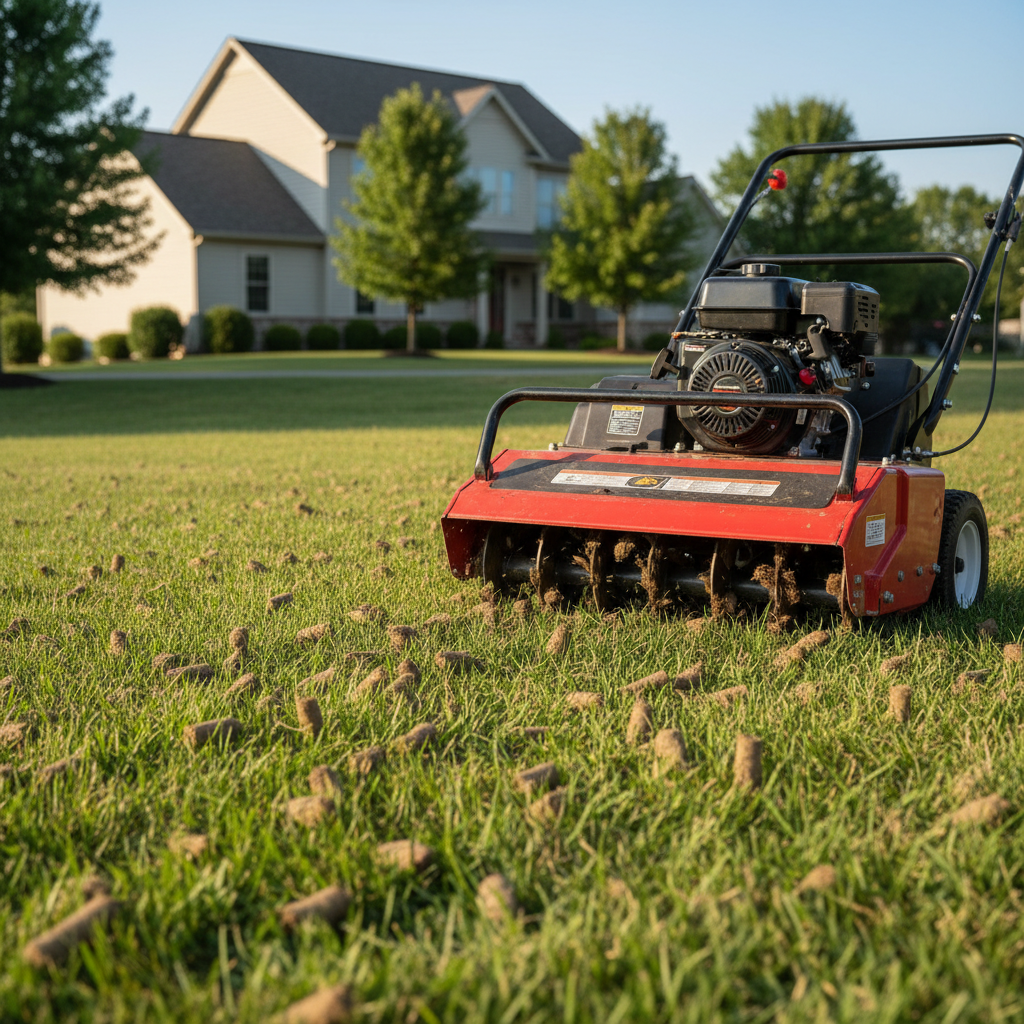
- Overlap passes: For best results, make two passes over your lawn, with the second pass perpendicular to the first. This ensures you cover the entire area thoroughly and create enough holes.
- Maintain consistent speed: Walk at a steady pace to ensure the tines penetrate deeply and consistently.
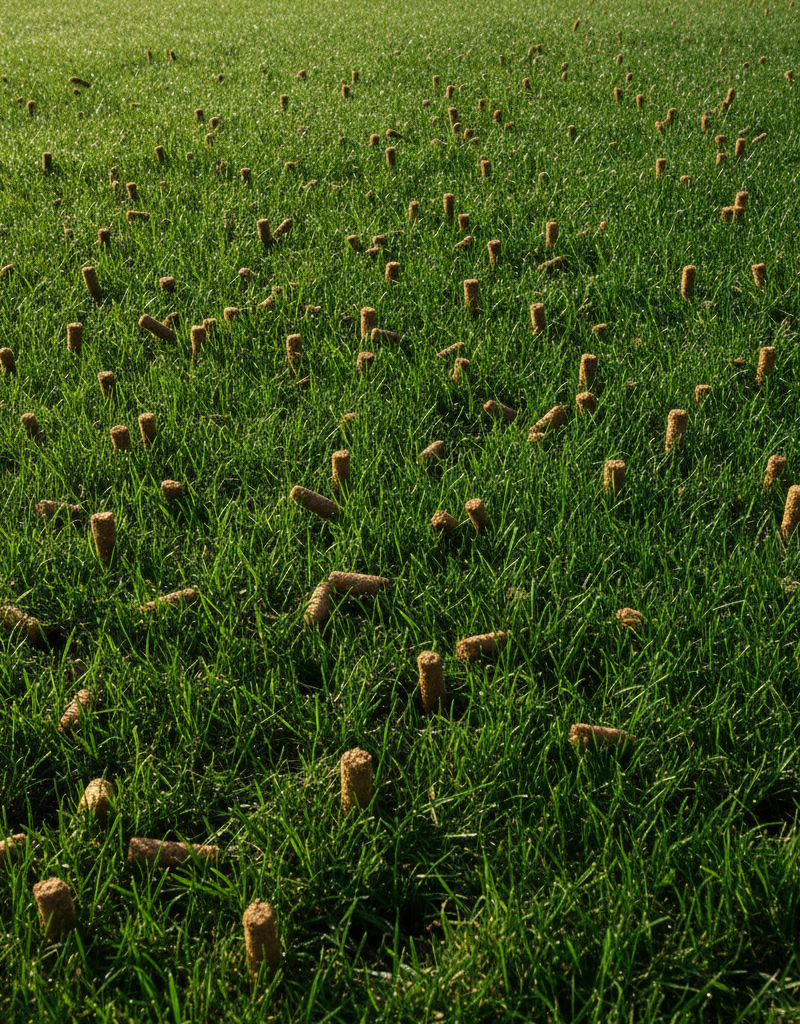
- Expected results: You should see hundreds of small soil plugs scattered across your lawn. This is normal and desired. These plugs will break down naturally within a week or two, returning nutrients to the soil.
- Safety Note: Gas-powered aerators are heavy and can be difficult to maneuver. Wear sturdy, closed-toe shoes and hearing protection. Be mindful of the machine's kickback, especially on slopes. Always read the operator's manual before use.
Landscaping · Deck or fence project
| Project category | Landscaping |
|---|---|
| Problem type | Deck or fence project |
| Trade required | Landscaping |
| Urgency | Planned project |
| Safety risk | Moderate safety risk |
| DIY suitability | DIY for experienced homeowners |
| Cost category | High cost |
| Typical timeline | Most builds 3–10 days depending on size |
| Contractor type | Landscaping contractor |
Repair option
Replace failed boards, posts, and hardware; reseal the surface.
Replacement option
Rebuild when framing or the ledger connection is unsafe.
Common causes
- Rot at posts and ledger
- Storm damage
- Adding outdoor living space
Relevant tools:home improvement material pricesproject cost estimator
Published May 19, 2026Last updated August 18, 2026
Tools & materials you'll need
Affiliate links- AmazonFlags or spray paint1 set / 1 can · For marking sprinkler heads and buried obstacles
- AmazonGasoline1-2 gallons · For rental aerator
- AmazonGrass seed (optional)specific to lawn size · To overseed after aeration
- AmazonLawn fertilizer (optional)specific to lawn size · Starter fertilizer if overseeding, otherwise regular blend
As an Amazon Associate FixlyGuide earns from qualifying purchases — at no extra cost to you. Prices and availability are accurate as of publication and subject to change.
Quick Answer
Aerating your lawn at the wrong time can do more harm than good, weakening your grass and inviting weeds. The golden rule is to aerate when your specific grass type is in its peak growing season. For cool-season grasses like fescue or rye, this means early spring (March-April) or, more preferably, early fall (September-October). For warm-season grasses such as Bermuda or Zoysia, the ideal window is late spring to early summer (April-June). This timing allows the grass to quickly recover and fill in the newly created holes before extreme temperatures hit or dormant periods begin.
The Problem
You've heard that aeration is good for your lawn, promoting stronger roots and better nutrient absorption. You might even have a rental aerator booked, ready to go. But wait – do you know when to actually use it? Many homeowners make the critical error of aerating at a time that stresses their existing grass and inadvertently creates perfect conditions for weeds to thrive. Aerating during periods of heat stress, drought, or when your grass is going dormant can lead to a thinned-out, struggling lawn that loses its battle against invasive species. The problem isn't aeration itself, but the timing of it, turning a beneficial practice into a detrimental one that undoes all your hard work.
How It Works
Lawn aeration is the process of mechanically removing small plugs of soil and thatch from your lawn. This seemingly simple action addresses several common issues. Over time, foot traffic, heavy rainfall, and even mowing compact the soil, making it dense. When soil is compacted, it restricts the movement of air, water, and nutrients to the grass roots. Oxygen is crucial for root respiration, water can't penetrate effectively, leading to runoff, and fertilizers remain on the surface rather than reaching the root zone. Furthermore, a thick layer of thatch – accumulated dead grass stems, roots, and leaves – can also prevent essential elements from reaching the soil.
When you aerate, you're essentially creating tiny channels that break through compaction and thatch. These channels allow water to soak deeply into the soil, carrying dissolved nutrients directly to the root system. Air can circulate more freely, enhancing microbial activity and root health. The removed soil plugs also decompose and enrich the surface, further aiding the lawn. Most importantly, it creates space for new grass roots to spread, leading to a denser, more resilient turf. The key, however, is to perform this process when your grass is actively growing and has the energy to quickly fill those holes. If you aerate when the grass is dormant or stressed, those open holes become prime real estate for weed seeds to germinate before your desired grass can recover, essentially giving weeds a head start and access to resources meant for your lawn.
Step-by-Step Fix
Step 1: Identify Your Grass Type — The most critical first step before any aeration.
Before you do anything else, you need to know whether you have cool-season or warm-season grass. Aerating cool-season grass in mid-summer or warm-season grass in early spring can cause more harm than good.
- How to check: Observe your lawn in different seasons. Cool-season grasses (Kentucky bluegrass, fescue, perennial rye) typically thrive in temperatures between 60-75°F (15-24°C) and will be greenest in spring and fall, often browning in hot summers. Warm-season grasses (Bermuda, Zoysia, St. Augustine) prefer temperatures between 75-90°F (24-32°C) and will be greenest in summer, going dormant and browning in cooler months.
- If you're unsure: Take a sample of grass to a local garden center or extension office for identification, or use an online grass identification tool.
Step 2: Determine the Optimal Aeration Window — Timing is everything for recovery.
Once you know your grass type, pinpoint the best time for aeration.
- Cool-Season Grasses: (e.g., Fescue, Kentucky Bluegrass, Perennial Ryegrass) The absolute best time is early fall (September-October in most northern climates). This allows the grass to recover vigorously before winter dormancy. Early spring (March-April) is also acceptable, but be mindful of late frosts.
- Warm-Season Grasses: (e.g., Bermuda, Zoysia, St. Augustine) The ideal time is late spring to early summer (April-June), when temperatures are consistently warm, and the grass is growing rapidly. This ensures quick recovery and filling of the core holes.
- Safety Note: Always check local weather forecasts. Avoid aerating immediately before a heatwave or a severe cold snap, as this will add unnecessary stress to your lawn.
Step 3: Prepare Your Lawn — Setting the stage for effective aeration.
A little prep work goes a long way in making aeration more effective and less strenuous.
- Mow the lawn: Cut your grass to its normal height a day or two before aerating. Shorter grass makes it easier for the aerator to penetrate the soil.
- Water thoroughly: If your soil is very dry, water your lawn about 24-48 hours before you plan to aerate. The soil should be moist, but not waterlogged. This allows the aerator tines to penetrate deeply, pulling out full plugs, rather than just scratching the surface.
- Mark obstacles: Mark sprinkler heads, invisible dog fences, and other buried obstacles with flags or spray paint to avoid damage from the aerator.
Step 4: Choose Your Aeration Method — From spiked shoes to heavy machines.
The method you choose depends on your lawn size, budget, and the severity of compaction.
- Spike Aerators (Manual or Shoe-attached): These simply poke holes in the ground but don't remove soil. They're suitable for very small patches or light compaction, but generally less effective for significant problems because they can actually increase compaction around the holes.
- Slicing Aerators: These have rotating blades that cut slits in the turf. Better than spikes for light aeration, but still not as effective as core aerators for relieving severe compaction.
- Core (Plug) Aerators: These are the most effective. They remove small plugs of soil, creating channels for air, water, and nutrients. You can rent gas-powered core aerators from home improvement stores or equipment rental centers. These are recommended for most lawns.
- If renting: Ensure the aerator is in good working condition and ask for a quick demonstration on how to operate it safely.
Step 5: Aerate Your Lawn — Systematic coverage for even results.
Operate the aerator systematically to ensure even coverage across your lawn.
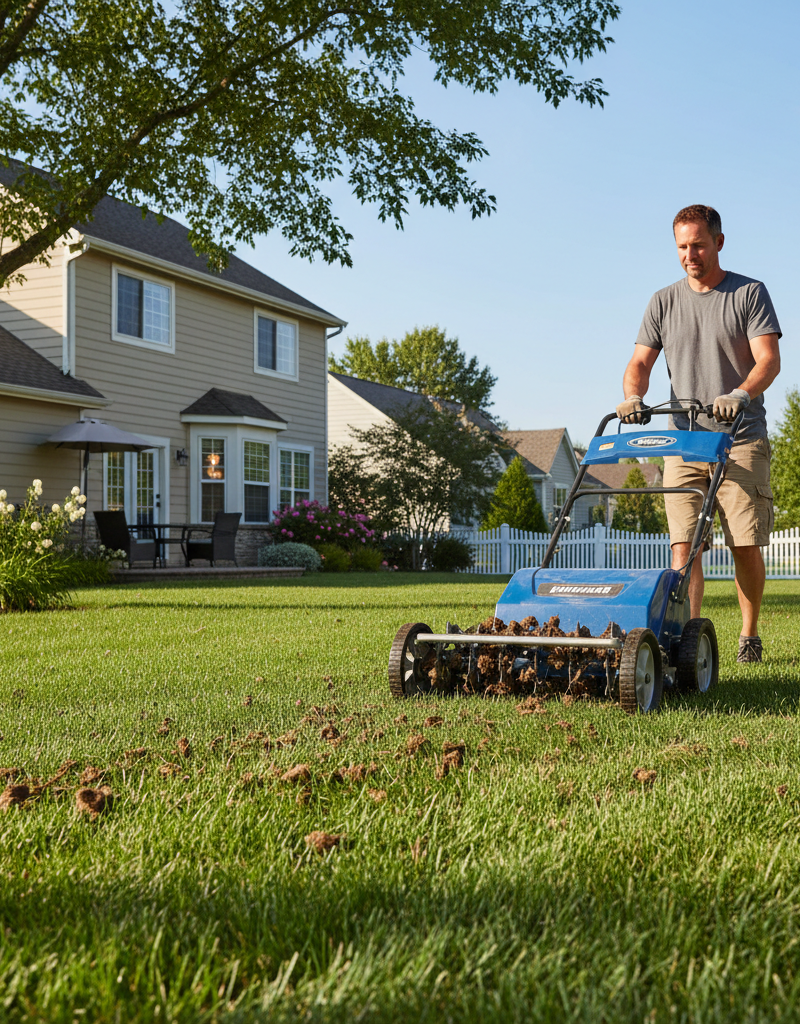
- Overlap passes: For best results, make two passes over your lawn, with the second pass perpendicular to the first. This ensures you cover the entire area thoroughly and create enough holes.
- Maintain consistent speed: Walk at a steady pace to ensure the tines penetrate deeply and consistently.
- Expected results: You should see hundreds of small soil plugs scattered across your lawn. This is normal and desired. These plugs will break down naturally within a week or two, returning nutrients to the soil.
- Safety Note: Gas-powered aerators are heavy and can be difficult to maneuver. Wear sturdy, closed-toe shoes and hearing protection. Be mindful of the machine's kickback, especially on slopes. Always read the operator's manual before use.
Step 6: Post-Aeration Care — Maximize the benefits of your work.
Immediately after aeration, your lawn is primed to receive amendments.
- Overseeding: This is the ideal time to overseed your lawn. The new grass seeds fall directly into the aeration holes, ensuring excellent soil contact and germination rates. Use a high-quality grass seed blend appropriate for your region and sun exposure.
- Fertilizing: Apply a starter fertilizer (if overseeding) or your regular lawn fertilizer after aeration. The open channels will allow the nutrients to reach the roots more effectively.
- Watering: Water your lawn lightly after overseeding and fertilizing to settle the seeds and nutrients into the holes. Continue to water regularly (but not excessively) to support germination and new growth. Keep the surface moist for new seeds to sprout.
- Leave the plugs: Do not rake up the soil plugs. They contain beneficial microorganisms and will break down, returning valuable organic matter to your lawn.
Common Causes
- Compacted Soil: Heavy foot traffic, children's play, pet activity, parking vehicles on grass, or construction can compact soil over time, especially in clay-heavy soils. This reduces pore space needed for air and water.
- Thatch Buildup: A layer of dead grass, roots, and debris accumulates between the green blades and the soil surface. A thick thatch layer (over 1/2 inch) can prevent water, air, and nutrients from reaching the soil.
- Improper Watering & Fertilizing: Watering too frequently and shallowly encourages shallow root growth, making the lawn more susceptible to compaction. Incorrect fertilization can weaken the grass, making it less resilient.
- Heavy Clay Soil: Clay particles are very small and tend to pack together tightly, making them prone to compaction even without heavy traffic.
- Ignoring Grass Type: Not knowing whether your lawn is cool-season or warm-season leads to incorrect timing for aeration, fertilization, and other lawn care practices.
Common Mistakes
- Aerating bone-dry soil: If the soil is hard and dry, the aerator tines won't penetrate deeply, resulting in shallow holes or merely scratching the surface. This reduces effectiveness and can damage your equipment. Instead: Water your lawn thoroughly 24-48 hours before aeration.
- Aerating waterlogged soil: Attempting to aerate overly wet soil can create mud and damage your lawn, compacting it further rather than alleviating the problem. Instead: Ensure the soil is moist but not saturated.
- Aerating at the wrong time of year: This is the most critical mistake. Aerating dormant grass or grass under heat stress can weaken it significantly and provide an open invitation for weeds to germinate in the fresh holes. Instead: Aerate cool-season grasses in early fall (or early spring) and warm-season grasses in late spring to early summer, when they are actively growing.
- Using spike aerators for severe compaction: Spike aerators simply push soil aside, often increasing compaction around the holes. They are not effective for relieving significant soil density. Instead: For genuine compaction issues, use a core (plug) aerator that removes soil plugs.
- Raking up soil plugs: The plugs contain beneficial microorganisms and will break down naturally, returning valuable organic matter and nutrients to your lawn. Removing them is unnecessary and counterproductive. Instead: Leave the plugs on the lawn; they will disappear within a week or two.
- Not overseeding/fertilizing after aeration: Aeration creates the perfect environment for new seed germination and nutrient absorption. Missing this opportunity reduces the overall benefit of aeration. Instead: Capitalize on the open soil by overseeding with appropriate grass seed and applying fertilizer immediately after aerating.
Cost & Time Breakdown
| Task | DIY Cost | Pro Cost | Time |
|---|---|---|---|
| Aerator Rental (4 hrs) | $80–$120 | N/A | 1–4 hours |
| Own Core Aerator (Purchase) | $200–$600+ | N/A | N/A |
| Gas for Rental Aerator | $5–$10 | N/A | N/A |
| Grass Seed (5,000 sq ft) | $30–$80 | Inc. in service | N/A |
| Fertilizer | $20–$50 | Inc. in service | N/A |
| Pro Aeration Service | N/A | $150–$400 | 1–3 hours |
Tips & Prevention
- Regular Soil Testing: Test your soil every 2-3 years to understand its composition (clay, sand, silt) and nutrient levels. This guides proper fertilization and helps identify compaction-prone areas.
- Mow at Proper Height: Keep your grass slightly taller (3-4 inches for most types). Taller grass shades the soil, retains moisture, and promotes deeper root growth, making compaction less likely.
- Reduce Foot Traffic: Where possible, create designated paths or use stepping stones in high-traffic areas to minimize soil compaction on your lawn.
- Topdressing: Applying a thin layer of compost or sand (for clay soils) annually can improve soil structure over time, enhancing drainage and reducing compaction.
- Proper Watering: Water deeply and infrequently to encourage roots to grow deeper, making the lawn more resilient to compaction and drought. Aim for 1 inch of water per week, including rainfall.
- Dethatching: If you have a significant thatch layer (over 1/2 inch), consider dethatching before aeration (or as a separate process in the growing season) to maximize aeration's effectiveness.
When to Call a Professional
While aerating a lawn is a manageable DIY project for many homeowners, there are specific situations where calling a professional is highly recommended. If your lawn is exceptionally large (over 1/2 acre) or has significant slopes, maneuvering a heavy rental aerator can be challenging and even dangerous. Professionals have specialized, often larger, equipment that can cover greater areas more efficiently and safely. You should also consider a professional if your lawn has extremely severe compaction that a standard rental aerator struggles to penetrate, or if you consistently see standing water after rainfall. Furthermore, if you're unsure about your grass type, proper timing, or the appropriate post-aeration care (like specific fertilizers or seed blends for your region), a professional lawn care service can provide expert diagnosis and ensure the aeration is done correctly, maximizing the benefits and preventing damage to your lawn. They can also offer additional services like precise soil amendments and integrated pest management tailored to your specific lawn's needs, leading to a healthier, more vibrant turf.
Related Articles
Keep troubleshooting with these hand-picked guides from FixlyGuide:
- The #1 Lawn Aeration Mistake Most Homeowners Make (And When to REALLY Do It) — Discover the crucial mistake many homeowners make with lawn aeration and learn the optimal timing for a healthier, more vibrant lawn.
- The #1 Lawn Aeration Mistake Most Homeowners Make (And When to REALLY Do It) — Learn the surprising truth about when to aerate your lawn for maximum health and how a simple timing mistake can sabotage your efforts.
- The #1 Lawn Aeration Mistake Most Homeowners Make (And When to REALLY Do It) — Discover the crucial mistake many homeowners make with lawn aeration and learn the optimal timing for a thriving, healthy lawn.
- The #1 Lawn Aeration Mistake Most Homeowners Make (And How to Time It Right) — Timing your lawn aeration correctly is crucial for maximizing its benefits and ensuring a healthy, thriving lawn. Learn the secrets.
- The #1 Lawn Aeration Mistake Most Homeowners Make (And When to Fix It) — Learn the critical timing mistake most homeowners make with lawn aeration and discover the perfect window for a thriving, healthy lawn.
- The #1 Mistake Homeowners Make to Burst Pipes (and 5 Ways to Prevent It) — Learn the critical mistake most homeowners make when trying to prevent frozen pipes and discover five actionable strategies to protect your…
What should this project cost?
Enter your project details for a realistic cost range before you call anyone.
Cost depends heavily on which system turns out to be the source.
- Regional adjustment
- National average
- Labor share (typical)
- ~$1,620
- Quotes to collect
- 3 written estimates
Educational estimate based on national averages — not a binding quote. Always confirm with written local estimates.
Frequently asked questions
How often should I aerate my lawn?+
Most residential lawns benefit from aeration every one to three years, depending on soil type, traffic, and compaction severity. Lawns with heavy clay soil or high foot traffic might need annual aeration, while sandy soils or low-traffic lawns can go longer.
What kind of aerator should I use?+
For effective relief of soil compaction, a core (plug) aerator that removes small plugs of soil is highly recommended. Spike aerators, which simply poke holes, are generally less effective and can sometimes increase compaction around the holes.
Should I fertilize or overseed after aeration?+
Yes, absolutely! Aeration creates ideal conditions for fertilizer and grass seed to penetrate the soil. It's the best time to overseed, as seeds get excellent soil contact, and to apply fertilizer, as nutrients can reach the roots more effectively.
What should I do with the soil plugs?+
Leave the soil plugs on the lawn. They contain beneficial microorganisms and will break down naturally within a week or two, returning valuable organic matter and nutrients to your soil. Raking them up is unnecessary and counterproductive.
Can I aerate when my lawn has weeds?+
While it's generally best to address significant weed problems before aeration, aerating a moderately weedy lawn at the correct time (when your grass is growing vigorously) can still be beneficial. Immediately after aeration is an excellent time to overseed with desirable grass, which helps outcompete weeds. However, aerating a lawn full of weeds can sometimes spread weed seeds, so consider applying a weed control product a few weeks before aeration if weeds are severe.
Is there a magical temperature for aeration?+
No single 'magical' temperature, but rather a range when your grass is actively growing. For cool-season grasses, aim for daytime temperatures consistently between 60-75°F (15-24°C). For warm-season grasses, target 75-90°F (24-32°C). This ensures your lawn is robust enough to recover quickly from the process.
Discussion
Loading comments…