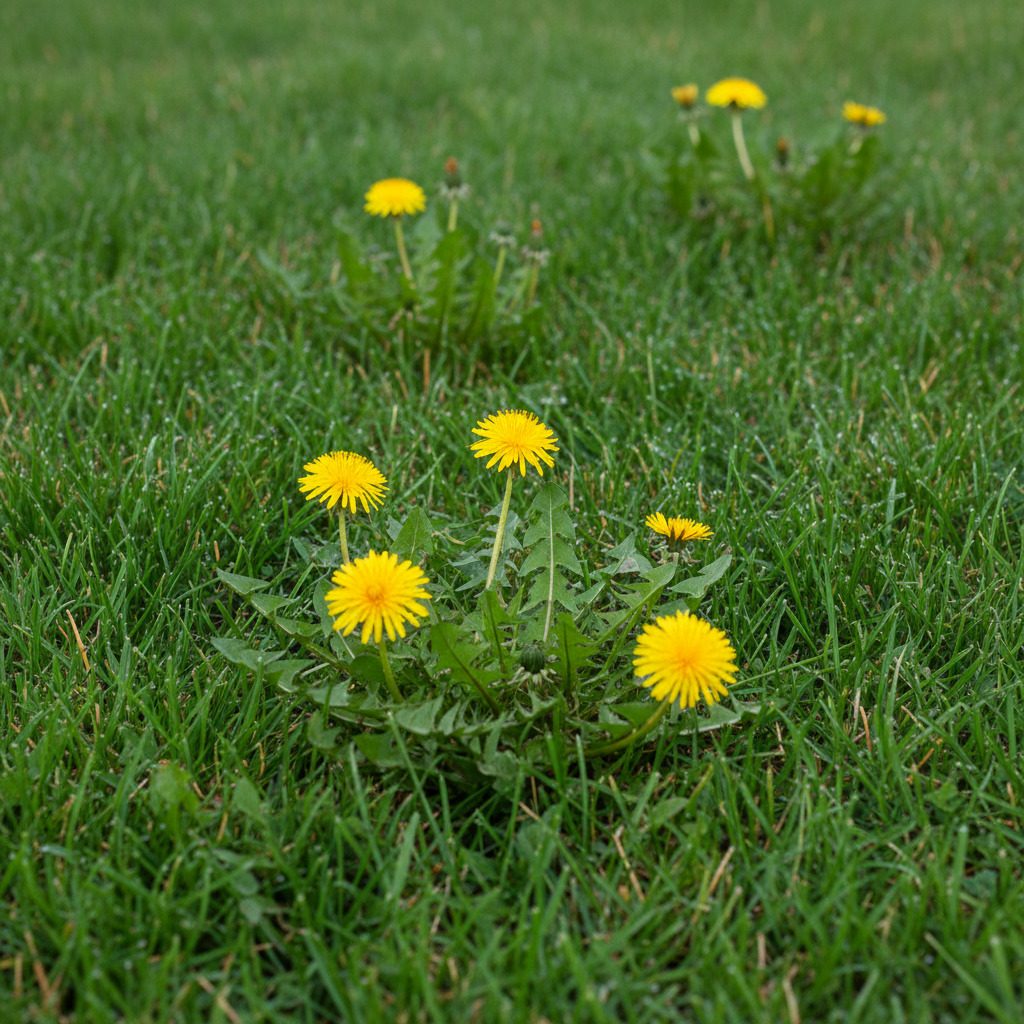
- Assess Your Lawn and Dandelion Infestation – Understand the scope of the problem
- Walk your lawn and identify the density of dandelions. Are they scattered, or are there large patches? This will help you decide between spot treatment and a broadcast application.
- Note other weeds present; a broadleaf herbicide will target dandelions but might also address others.
- If your lawn is thin and patchy, consider overseeding in the fall to create a denser turf that naturally outcompetes weeds.
Landscaping · Deck or fence project
| Project category | Landscaping |
|---|---|
| Problem type | Deck or fence project |
| Trade required | Landscaping |
| Urgency | Planned project |
| Safety risk | Moderate safety risk |
| DIY suitability | DIY for experienced homeowners |
| Cost category | High cost |
| Typical timeline | Most builds 3–10 days depending on size |
| Contractor type | Landscaping contractor |
Repair option
Replace failed boards, posts, and hardware; reseal the surface.
Replacement option
Rebuild when framing or the ledger connection is unsafe.
Common causes
- Rot at posts and ledger
- Storm damage
- Adding outdoor living space
Relevant tools:home improvement material pricesproject cost estimator
Published May 18, 2026Last updated August 17, 2026
Tools & materials you'll need
Affiliate linksAs an Amazon Associate FixlyGuide earns from qualifying purchases — at no extra cost to you. Prices and availability are accurate as of publication and subject to change.
Quick Answer
The most common mistake homeowners make when battling dandelions is improper timing of weed control, leading to endless re-infestations. The simple fix involves understanding the dandelion's lifecycle and applying pre-emergent herbicides in early spring and post-emergent solutions in fall, coupled with good lawn care practices like proper mowing and watering. This multi-pronged approach disrupts the dandelion's ability to establish and spread, gradually reducing their presence in your lawn.
The Problem
Few things are as frustrating for a homeowner as seeing their lush, green lawn punctuated by the persistent yellow heads of dandelions. These ubiquitous weeds aren't just an aesthetic nuisance; they compete with your grass for vital nutrients, water, and sunlight, weakening your turf over time. The problem escalates when homeowners resort to reactive, short-term solutions – pulling individual weeds or indiscriminately spraying – without addressing the root causes or understanding the dandelion's surprisingly tenacious biology. This often leads to a perpetual cycle of re-infestation, where dandelions seem to reappear stronger and more numerous than before, making your lawn care efforts feel futile and exhausting. This article will reveal the fundamental mistake most homeowners make and provide a comprehensive strategy to reclaim your lawn from these yellow invaders.
How It Works
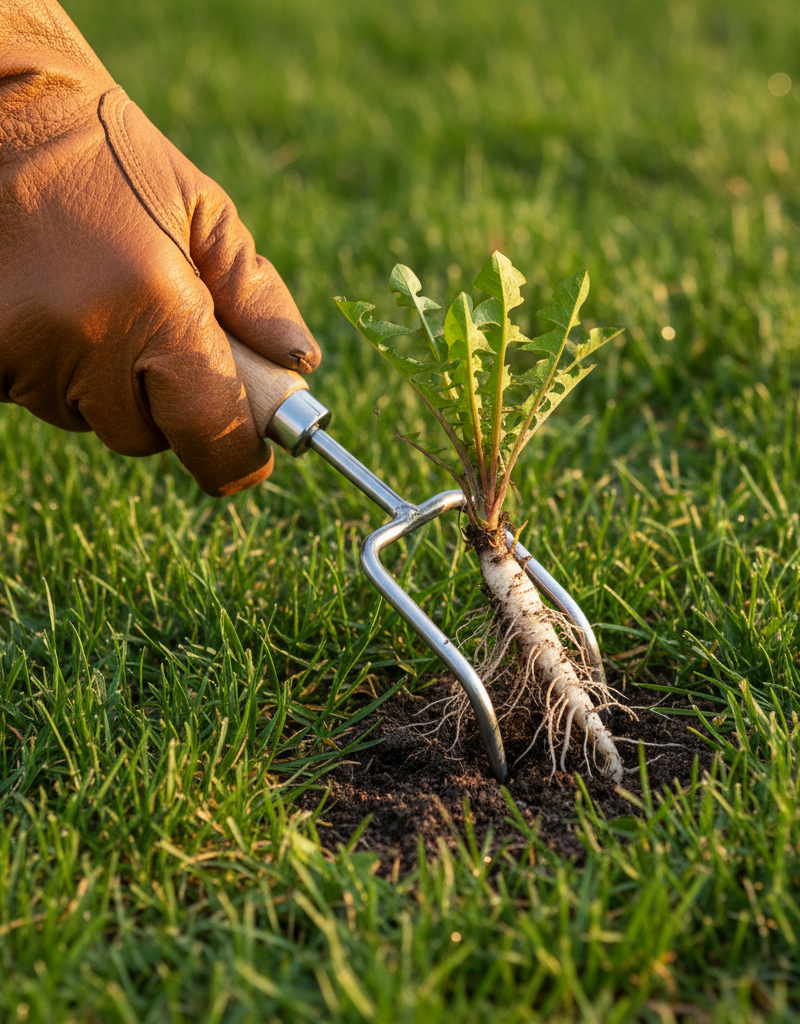
Dandelions (Taraxacum officinale) are perennial broadleaf weeds, meaning they come back year after year from the same root system. Unlike annual weeds that complete their life cycle in a single growing season, perennials have developed robust survival mechanisms. The key to their resilience lies in their deep taproot, which can extend 10-15 inches into the soil. This taproot acts as a nutrient reserve, allowing the plant to survive harsh conditions, regenerate even if the top growth is removed, and quickly regrow if mowed or pulled improperly.
Their reproductive strategy is equally effective. Each bright yellow flower head is actually composed of dozens of individual florets, each capable of producing a single-seeded fruit (achene) with a delicate parachute-like pappus. A single dandelion plant can produce thousands of these seeds in a season. These seeds are then efficiently dispersed by wind over considerable distances, allowing them to colonize new areas rapidly. Dandelions are also prolific producers, with germination occurring in both spring and fall when soil temperatures are between 50-75°F (10-24°C). This extended germination window means new dandelions are constantly emerging. Furthermore, if a dandelion's taproot is broken during weeding, each fragment can potentially sprout into a new plant, compounding the problem. Understanding this sophisticated survival and reproduction system is crucial for developing an effective control strategy that breaks their cycle rather than merely delays their return.
Step-by-Step Fix
Before you start, gather your tools and materials. Always read product labels carefully and follow all safety instructions. Especially when dealing with herbicides, wear appropriate personal protective equipment, including gloves and eye protection.
-
Assess Your Lawn and Dandelion Infestation – Understand the scope of the problem
- Walk your lawn and identify the density of dandelions. Are they scattered, or are there large patches? This will help you decide between spot treatment and a broadcast application.
- Note other weeds present; a broadleaf herbicide will target dandelions but might also address others.
- If your lawn is thin and patchy, consider overseeding in the fall to create a denser turf that naturally outcompetes weeds.
-
Mow Your Lawn to the Correct Height – Set the stage for healthy grass
- Before any treatment, mow your lawn. Safety Note: Always wear closed-toe shoes and eye protection when operating a lawnmower. Ensure the mower blades are sharp for a clean cut.
- Set your mower deck to its highest recommended setting, typically 3-4 inches for most cool-season grasses. Taller grass shades the soil, suppressing weed seed germination and promoting deeper root growth for your turf.
- Avoid scalping the lawn; this stresses the grass and opens up bare spots for weeds to colonize.
-
Apply a Pre-Emergent Herbicide (Spring) – Prevent new dandelions from sprouting
- Timing is critical: Apply in early spring before soil temperatures consistently reach 50-55°F (around when forsythia blooms) and before dandelions germinate. You can use a soil thermometer to be precise.
- Read the product label for specific application rates and safety precautions. Granular products require even spreading with a broadcast spreader, while liquid concentrates are mixed with water and applied with a sprayer.
- Water in granular pre-emergents immediately after application to activate them. Liquid pre-emergents should also be applied to dry foliage, aiming for no rain for 24-48 hours after application.
- If you plan to overseed your lawn in the spring, skip this step as pre-emergents will prevent grass seed from germinating as well. Opt for fall seeding instead.
-
Spot Treat or Broadcast Post-Emergent Herbicide (Fall is Best) – Kill existing dandelions
- Fall application is most effective: Dandelions are actively transferring nutrients to their roots in the fall, making them more susceptible to systemic herbicides that move to the taproot. Apply when temperatures are between 50-80°F (10-27°C) and the dandelions are actively growing (not stressed by drought or extreme heat).
- For sparse infestations, use a ready-to-use spot treatment spray directly on the dandelion leaves. For widespread infestations, use a liquid concentrate mixed in a tank sprayer for broadcast application.
- Ensure the product is specifically for
Related Articles
Keep troubleshooting with these hand-picked guides from FixlyGuide:
- The #1 Mistake Killing Your Dandelion-Fighting Efforts (and the Easy Fix) — Stop dandelions from taking over your lawn by understanding common mistakes and implementing effective, long-term solutions for a healthier…
- The #1 Mistake Killing Your Lawn's Fight Against Dandelions (And the Easy Fix) — Stop dandelions from taking over your lawn by understanding a simple, often overlooked cultural mistake and how to correct it for long-term…
- The #1 Mistake Killing Your Lawn's Fight Against Dandelions (It's Not What You Think) — Stop dandelions from taking over your lawn by understanding the crucial timing and methods that most homeowners overlook, leading to endles…
- The #1 Mistake Killing Your Lawn (and the Simple Grub Fix) — Grub worms can covertly destroy a beautiful lawn, but specific biological and chemical treatments applied at the right time can eliminate t…
- The #1 Mistake Killing Your Lawn's Fight Against Dandelions (And the Easy Fix) — Discover the common dandelion-removal blunder homeowners make and learn the simple, effective strategies to finally win the war against the…
- The One Pruning Mistake That Could Be Killing Your Shrubs (and How to Fix It) — Discover the crucial pruning mistake many homeowners make that can significantly damage or even kill their shrubs, and learn the simple fix.
Should you do this yourself?
Answer five quick questions before you start. Safety outranks savings every time.
Your experience with work like this
How high do you have to work?
Does the job involve any of these?
Will it need a permit?
Specialty tools
Free and instant. Educational guidance only — not a quote, inspection, or professional diagnosis.
What should this project cost?
Enter your project details for a realistic cost range before you call anyone.
Cost depends heavily on which system turns out to be the source.
- Regional adjustment
- National average
- Labor share (typical)
- ~$1,620
- Quotes to collect
- 3 written estimates
Educational estimate based on national averages — not a binding quote. Always confirm with written local estimates.
Get the print-ready PDF of this guide
A clean, ad-free, printable version you can keep on your phone or pin to the workshop wall. Free with a FixlyGuide account.
- Print-optimized layout
- Tools, materials & every step included
- Saved to your account
Frequently asked questions
When is the best time to apply dandelion killer?+
The best time to apply systemic post-emergent dandelion killer is in the fall (September-October) when dandelions are actively sending nutrients to their roots, making them more susceptible. For prevention, apply a pre-emergent in early spring before seeds germinate.
Will pulling dandelions get rid of them?+
Manually pulling dandelions can be effective for a few isolated weeds, but it's crucial to remove the entire taproot. If any part of the taproot remains, the plant can regenerate. For widespread infestations, pulling is often impractical and ineffective.
How can I prevent dandelions from growing in my lawn?+
Preventing dandelions involves a multi-pronged approach: apply a pre-emergent herbicide in early spring, maintain a dense and healthy lawn by mowing high (3-4 inches), fertilizing properly, and watering deeply and infrequently. A dense, healthy turf naturally outcompetes weeds.

Discussion
Loading comments…