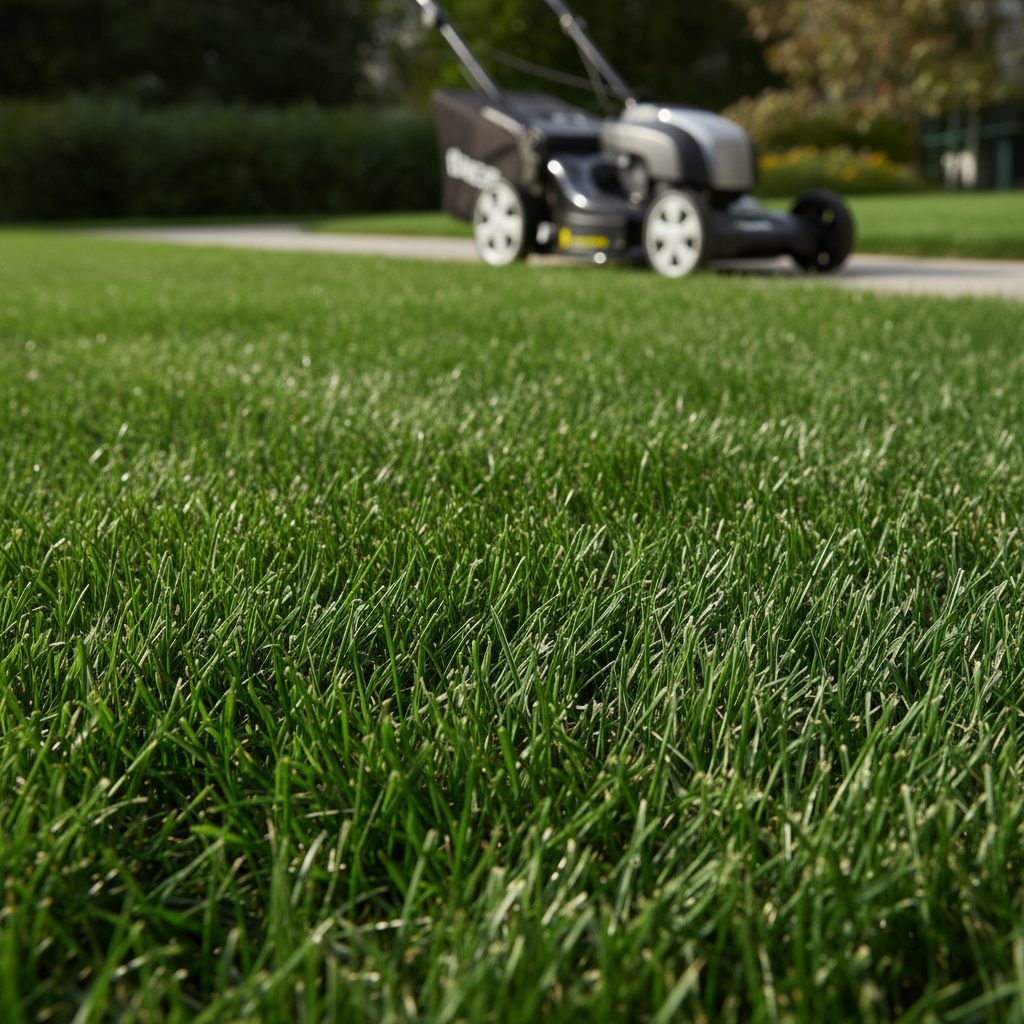
- Setting the Mower Deck Too Low: This is the primary culprit. Many homeowners mistakenly believe shorter grass means less frequent mowing, or they simply like the look of a very short lawn, unaware of the damage it causes.
- Mowing Too Infrequently: Letting the grass grow excessively tall before mowing forces you to violate the one-third rule to get it back to a manageable height, causing severe stress.
- Dull Mower Blades: As discussed, dull blades tear the grass, making it susceptible to disease and weakening the plant.
- Not Knowing Your Grass Type: Different grass formulations have different ideal cutting heights. Mowing a cool-season fescue lawn like a warm-season Bermuda lawn will lead to poor results.
- Ignoring Climatic Conditions: During periods of drought or extreme heat, grass should be mowed at its highest setting possible to help it retain moisture and protect the roots.
Landscaping · Deck or fence project
| Project category | Landscaping |
|---|---|
| Problem type | Deck or fence project |
| Trade required | Landscaping |
| Urgency | Planned project |
| Safety risk | Moderate safety risk |
| DIY suitability | DIY for experienced homeowners |
| Cost category | High cost |
| Typical timeline | Most builds 3–10 days depending on size |
| Contractor type | Landscaping contractor |
Repair option
Replace failed boards, posts, and hardware; reseal the surface.
Replacement option
Rebuild when framing or the ledger connection is unsafe.
Common causes
- Rot at posts and ledger
- Storm damage
- Adding outdoor living space
Relevant tools:home improvement material pricesproject cost estimator
Published May 7, 2026Last updated August 17, 2026
Tools & materials you'll need
Affiliate links- AmazonLawn MowerWith adjustable deck height
- AmazonRuler or Tape MeasureTo measure cutting height
- AmazonWrench SetFor deck adjustments on some models, or blade removal
- AmazonFile or Angle GrinderFor blade sharpening (optional, or use a service)
- AmazonThick GlovesFor blade handling
- AmazonEye ProtectionFor blade sharpening
No materials required.
As an Amazon Associate FixlyGuide earns from qualifying purchases — at no extra cost to you. Prices and availability are accurate as of publication and subject to change.
Quick Answer
Many homeowners inadvertently sabotage their lawn's health by cutting their grass too short, a detrimental practice often called 'scalping.' This common error doesn't just make your lawn look sparse; it severely stresses the grass plants, weakens their root systems, and exposes the soil to excessive sunlight. The result? A prime environment for weeds to take root and flourish, alongside an increased susceptibility to disease and drought. The key to a thicker, healthier lawn resistant to weeds is to adjust your mowing height to the upper recommended limit for your grass type and consistently follow the 'one-third rule' – never removing more than one-third of the grass blade's total height in a single mowing session.
The Problem
You meticulously fertilize, water, and even aerate your lawn, yet despite your best efforts, stubborn weeds persist, and your grass always seems a little thin or struggling. The culprit might be your mowing habits, specifically cutting your grass too short. This isn't just an aesthetic issue; it's a fundamental stressor that undermines all other lawn care efforts. When grass is cut too short, it loses much of its photosynthetic capacity, as the blades are responsible for converting sunlight into energy. This sudden reduction in energy production forces the plant to draw on its root reserves, weakening its entire structure and making it less resilient.
Furthermore, scalping exposes the soil to direct sunlight, which warms the soil unnecessarily and rapidly evaporates moisture, making the lawn more susceptible to drought and drying out. More importantly, this exposed soil and reduced grass density create an open invitation for weed seeds to germinate. Weed seeds, often present in the soil, thrive in these disturbed, sun-drenched conditions, quickly outcompeting the weakened grass. The cycle continues: weak grass leads to more weeds, which leads to a less attractive, less healthy lawn that requires more intervention down the line. Understanding this critical connection is the first step toward transforming your lawn into a lush, weed-resistant oasis.
How It Works
To truly understand why mowing height is so crucial, it helps to know a little about how grass grows. Grass plants, like all plants, perform photosynthesis, converting sunlight into sugars for energy. This process primarily occurs in the grass blades. When you cut the blades too short, you dramatically reduce the plant's ability to produce energy. Think of it like a solar panel – the smaller the panel, the less energy it can generate.
In response to being cut short, a grass plant instinctively tries to regrow its lost blades. To do this, it diverts stored energy from its roots to the shoots. Continuously cutting the grass short depletes these root reserves, leading to shallower, weaker root systems. A healthy, deep root system is essential for accessing water and nutrients deep in the soil, making the grass more drought-tolerant and resilient. Shallow roots mean a lawn that dries out faster, struggles in heat, and is more vulnerable to pests and diseases.
Additionally, taller grass blades provide natural shade for the soil. This shade keeps the soil cooler, reducing water evaporation and discouraging weed seed germination. Many weed seeds require direct sunlight to sprout. A dense canopy of taller grass acts as a living mulch, blocking sunlight from reaching the soil surface and effectively suffocating emerging weeds. The taller grass also outcompetes any weeds that do manage to sprout for water, nutrients, and light, further suppressing their growth. This natural competition is a powerful, chemical-free weed control method. Conversely, a scalped lawn offers no such protection, turning your turf into an open nursery for opportunistic weeds.
Step-by-Step Fix
1. Identify Your Grass Type — Knowing your grass type is the foundation for proper mowing.
Different grass types have different optimal mowing heights. Cool-season grasses like Fescue, Kentucky Bluegrass, and Ryegrass generally prefer to be cut between 2.5 to 3.5 inches. Warm-season grasses such as Bermuda, Zoysia, and St. Augustine can tolerate slightly shorter cuts, often between 1 to 2.5 inches, though many professionals recommend the higher end for better health. If you're unsure of your grass type, take a few blades to a local garden center or look for online guides with photos of common lawn grasses in your region. This small step ensures you're aiming for the correct height from the start.
2. Adjust Your Mower Deck Height — Setting the correct blade height is crucial to avoid scalping.
Locate the deck height adjustment mechanism on your lawnmower. This is typically a lever or a set of levers near the wheels. Consult your mower's manual if you can't find it. Adjust the deck to the highest recommended setting for your grass type. For most home lawns, this means aiming for a finished cut of 3 inches or higher. Don't eyeball it; use a ruler to measure the distance from the bottom of the mower deck to the ground, or better yet, cut a small patch and then measure the actual grass blade height. Make sure all wheels are set to the same height to ensure an even cut.
- Safety Note: Always turn off your mower and remove the spark plug wire before adjusting the deck or performing any maintenance to prevent accidental starting.
3. Sharpen Your Mower Blades — Dull blades tear grass, inviting disease and stress.
Before your next mow, inspect your mower blade. If it looks dull, chipped, or bent, it's time for a sharpening or replacement. A dull blade rips and tears the grass, leaving ragged edges that turn brown and are more susceptible to disease and insect damage. A sharp blade makes a clean cut, allowing the grass to heal quickly. You can sharpen blades yourself with a file or grinder, but many hardware stores or lawnmower repair shops offer sharpening services for a small fee (typically $10-$20 per blade).
- If you DIY: Wear thick gloves and eye protection. Balance the blade after sharpening to prevent excessive vibration.
4. Implement the One-Third Rule — Never remove more than 1/3 of the grass blade's height per mow.
This is perhaps the most critical rule for lawn health. If your ideal cutting height is 3 inches, for example, you should only cut your grass when it reaches 4.5 inches (4.5 inches - 1/3 of 4.5 inches = 3 inches). Cutting more than a third of the blade at once stresses the plant severely, forcing it to expend excessive energy on regrowth rather than root development. This might mean mowing more frequently during peak growing seasons, such as every 4-5 days instead of once a week, especially in spring.
- If grass is too tall: If your grass has grown significantly taller than the recommended one-third rule allows (e.g., after a vacation), raise your mower deck even higher and make an initial pass, then lower it gradually over subsequent mows until you reach your target height. Never try to cut extremely tall grass to its desired height in a single pass.
5. Mow When Grass is Dry — Mowing wet grass can lead to uneven cuts and disease.
Always wait until the morning dew has dried or after a rain shower. Mowing wet grass results in uneven cuts because the blades stick together and don't stand upright. Wet clippings also clump under the mower deck, leading to blockages and uneven distribution. More importantly, wet conditions can spread fungal diseases throughout your lawn and make it easier for mower wheels to compact the soil, which is detrimental to root growth.
6. Alternate Mowing Patterns — Varying your pattern prevents soil compaction and distributes wear.
If you mow in the same direction every time, you repeatedly compact the soil in the same tracks, which can lead to ruts and inhibit root growth. Each time you mow, try to change your pattern – mow horizontally one week, vertically the next, or diagonally. This helps distribute the weight of the mower evenly across the lawn and encourages the grass blades to grow more upright, resulting in a fuller appearance.
7. Leave Grass Clippings on the Lawn (Mulching) — Clippings act as a natural fertilizer.
Unless the clippings are excessively heavy, wet, or full of weeds, leave them on the lawn. Modern mulching mowers are designed to chop clippings into fine pieces that quickly decompose, returning valuable nitrogen, phosphorous, and potassium back to the soil. This can reduce your need for synthetic fertilizers by up to 25%. If your mower doesn't have a mulching option, you can purchase a mulching kit or simply ensure your clippings are finely chopped and evenly dispersed. Removing clippings unnecessarily robs your lawn of free, organic nutrients.
8. Monitor and Adjust — Observe your lawn's response and fine-tune your approach.
After implementing these changes, pay close attention to your lawn's appearance. Is it thicker? Are new weeds emerging less frequently? Is the color a healthier green? Adjust your mowing frequency based on the growth rate of your grass. During periods of rapid growth (spring, early summer), you might need to mow more often. During slower periods (mid-summer drought, late fall), you can reduce frequency. Consistency and observation are key to long-term lawn health.
Common Causes
- Setting the Mower Deck Too Low: This is the primary culprit. Many homeowners mistakenly believe shorter grass means less frequent mowing, or they simply like the look of a very short lawn, unaware of the damage it causes.
- Mowing Too Infrequently: Letting the grass grow excessively tall before mowing forces you to violate the one-third rule to get it back to a manageable height, causing severe stress.
- Dull Mower Blades: As discussed, dull blades tear the grass, making it susceptible to disease and weakening the plant.
- Not Knowing Your Grass Type: Different grass formulations have different ideal cutting heights. Mowing a cool-season fescue lawn like a warm-season Bermuda lawn will lead to poor results.
- Ignoring Climatic Conditions: During periods of drought or extreme heat, grass should be mowed at its highest setting possible to help it retain moisture and protect the roots.
- Excessive Thatch Buildup: A thick layer of thatch (dead organic matter) can sometimes make it harder to cut grass effectively at higher settings, leading homeowners to lower the deck to compensate, further exacerbating the problem.
Common Mistakes
- Scalping the Lawn (Cutting Too Short): This is the most damaging mistake. It stresses the grass, reduces root depth, and exposes soil to weeds and drying out. Always aim for at least 3 inches, or higher for most cool-season grasses.
- Mowing with Dull Blades: Dull blades rip and fray grass tips, leading to a brown, unhealthy appearance and making the grass more vulnerable to pests and diseases. Sharpen or replace blades annually.
- Mowing Wet Grass: Leads to uneven cuts, clumping of clippings, potential spread of disease, and soil compaction. Always wait for the grass to be dry.
- Mowing in the Same Pattern Every Time: This creates ruts, compacts soil in repetitive lines, and can cause grass blades to lean, reducing their photosynthetic efficiency. Vary your pattern each time.
- Removing Grass Clippings: Unless there's a specific reason (e.g., heavy weed seed presence, extremely clumpy clippings), removing clippings deprives your lawn of natural nutrients, requiring more synthetic fertilizer.
- Not Adjusting Mowing Height Seasonally: In hotter, drier periods, raise your mowing height to help the grass conserve moisture and protect its roots. Lower it slightly in cooler, wetter seasons if desired, but still adhere to the 'one-third rule.'
Cost & Time Breakdown
| Task | DIY Cost | Pro Cost | Time |
|---|---|---|---|
| Adjust Mower Deck | $0 | $0 | 5–10 minutes |
| Sharpen Mower Blade (DIY) | $0–$10 (file) | N/A | 15–30 minutes |
| Sharpen Mower Blade (Pro) | N/A | $10–$25 per blade | 1–2 days (drop-off) |
| Identify Grass Type | $0 | $0 | 10–20 minutes |
| Regular Mowing (per session) | $0 (fuel/elec) | $40–$80 | 1–2 hours |
| Mulching Kit (if needed) | $30–$70 | N/A | 15–30 minutes (install) |
Tips & Prevention
- Invest in a Mulching Mower or Kit: These efficiently chop clippings into fine pieces that decompose quickly, feeding your lawn naturally.
- Follow the 'One-Third Rule' Religiously: This is the single most important practice for robust root development and weed suppression.
- Water Deeply and Infrequently: Encourage deep root growth by watering for longer periods, less often. A good rule of thumb is 1 inch of water per week, applied in 2-3 sessions.
- Fertilize Smartly: Get a soil test to understand your lawn's specific nutrient needs. Over-fertilizing, especially with nitrogen, can lead to excessive top growth at the expense of root development.
- Aerate Annually (or Biennially): Core aeration reduces soil compaction, allowing water, air, and nutrients to better reach the root zone.
- Overseed Thin Areas: If your lawn has sparse patches, overseeding with a compatible grass seed can help thicken it and crowd out weeds.
- Know Your Growth Cycle: Adjust mowing frequency based on how fast your grass is growing. Mowing too frequently in slow growth periods or not enough in fast growth periods can both be detrimental.
When to Call a Professional
While mastering proper mowing techniques is largely a DIY task, there are specific situations where consulting a lawn care professional or arborist can be highly beneficial. If, despite diligently applying all the correct mowing practices, your lawn continues to struggle with persistent weed infestations, unusual discoloration, or widespread thinning, a professional can offer critical diagnostic services. They can conduct comprehensive soil tests to identify underlying nutrient deficiencies or pH imbalances that might be hindering grass health, which might not be solved by mowing alone. Furthermore, if you suspect a significant pest infestation or a complex fungal disease is at play, a professional has the expertise and specialized treatments to address these issues effectively. They can also provide guidance on advanced aeration or dethatching strategies for severely compacted or heavily thatched lawns, ensuring your grass has the best possible environment to thrive.
Related Articles
Keep troubleshooting with these hand-picked guides from FixlyGuide:
- The #1 Mistake Killing Your Dandelion-Fighting Efforts (and the Easy Fix) — Stop dandelions from taking over your lawn by understanding common mistakes and implementing effective, long-term solutions for a healthier…
- The #1 Summer Lawn Mistake Turning Your Grass Yellow (and How to Fix It) — Discover the most common summer lawn mistake that causes yellowing grass and learn the simple steps to revive your lawn.
- The #1 Pruning Mistake That Chokes Your Shrubs (And How to Fix It Right Now) — Discover the most common pruning error homeowners make and how to correct it for healthier, more vigorous shrub growth.
- The #1 Lawn Aeration Mistake Most Homeowners Make (And How to Fix It) — Timing is everything when it comes to lawn aeration, and doing it at the wrong time can do more harm than good for your grass.
- The #1 Mistake Killing Your Garden (And 5 Permanent Weed Fixes) — Discover the secret to truly permanent weed removal and stop making the common mistake that allows weeds to relentlessly return, reclaiming…
- The 5-Minute Trick That Often Fixes a Dead Doorbell (No Electrician Needed) — Before you call an electrician for a dead doorbell, learn the surprising common culprit homeowners overlook and how to fix it in minutes.
Should you do this yourself?
Answer five quick questions before you start. Safety outranks savings every time.
Your experience with work like this
How high do you have to work?
Does the job involve any of these?
Will it need a permit?
Specialty tools
Free and instant. Educational guidance only — not a quote, inspection, or professional diagnosis.
What should this project cost?
Enter your project details for a realistic cost range before you call anyone.
Cost depends heavily on which system turns out to be the source.
- Regional adjustment
- National average
- Labor share (typical)
- ~$1,620
- Quotes to collect
- 3 written estimates
Educational estimate based on national averages — not a binding quote. Always confirm with written local estimates.
Before you start
Check the difficulty, permits, and safety risk — then decide whether to call a pro.
- Estimate this projectGet a cost range for your scope and ZIP before you call anyone.Open
- Get local estimatesSend one request and compare written estimates from vetted pros.Open
Free, no signup required. Estimates are educational guidance, not a quote or an inspection.
Frequently asked questions
What is the 'one-third rule' for mowing?+
The 'one-third rule' dictates that you should never remove more than one-third of the grass blade's total height in a single mowing session. For example, if you want your grass to be 3 inches tall, you should mow it when it reaches 4.5 inches (removing 1.5 inches). This prevents excessive stress on the grass plant and encourages healthy root growth.
Why does cutting grass too short attract weeds?+
Cutting grass too short (scalping) weakens the grass plant, reduces its ability to produce energy, and exposes the soil to direct sunlight. This provides ideal conditions for weed seeds to germinate and flourish, as they thrive in disturbed, sun-drenched environments and face less competition from weakened turf grass.
Should I leave grass clippings on my lawn?+
Yes, in most cases, you should leave grass clippings on your lawn. When finely chopped by a mulching mower, clippings quickly decompose and return valuable nutrients (like nitrogen) back to the soil, acting as a natural fertilizer. This can reduce your need for synthetic fertilizers by up to 25%.

Discussion
Loading comments…