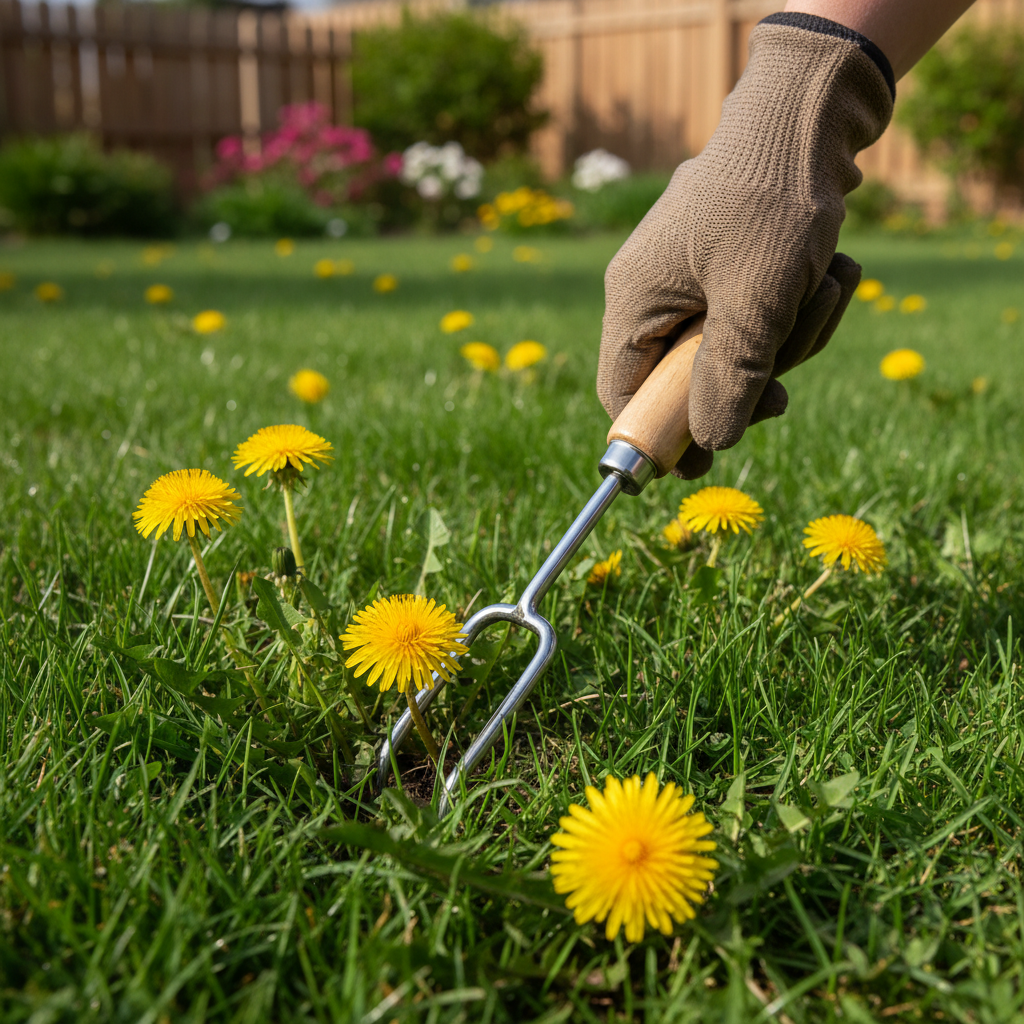
- Visually inspect your lawn for thin spots, bare patches, and areas of compacted soil. Dandelions are often indicators of these underlying issues.
- If your lawn is thin: Consider overseeding with a resilient grass variety suitable for your climate. A dense lawn is the best defense against weeds.
- If your soil is compacted: Aeration will be necessary. This often requires renting a core aerator or hiring a professional.
Landscaping · Deck or fence project
| Project category | Landscaping |
|---|---|
| Problem type | Deck or fence project |
| Trade required | Landscaping |
| Urgency | Planned project |
| Safety risk | Moderate safety risk |
| DIY suitability | DIY for experienced homeowners |
| Cost category | High cost |
| Typical timeline | Most builds 3–10 days depending on size |
| Contractor type | Landscaping contractor |
Repair option
Replace failed boards, posts, and hardware; reseal the surface.
Replacement option
Rebuild when framing or the ledger connection is unsafe.
Common causes
- Rot at posts and ledger
- Storm damage
- Adding outdoor living space
Relevant tools:home improvement material pricesproject cost estimator
Published May 14, 2026Last updated August 17, 2026
Tools & materials you'll need
Affiliate linksAs an Amazon Associate FixlyGuide earns from qualifying purchases — at no extra cost to you. Prices and availability are accurate as of publication and subject to change.
Quick Answer
Many homeowners struggle with persistent dandelions because they repeatedly make the same error: treating the symptoms (the visible weeds) without addressing the root causes of their proliferation. Simply pulling dandelions or spot-treating them with herbicides provides temporary relief but doesn't prevent new ones from emerging or existing ones from regrowing stronger. The secret to winning the dandelion battle lies in understanding their life cycle and implementing a comprehensive strategy that chokes them out naturally while preventing their return.
The Problem
That bright yellow explosion across your green lawn isn't just an eyesore; it's a symptom of an underlying imbalance. Dandelions are opportunistic weeds, thriving in thin, weak turf, compacted soil, and areas with inconsistent watering or improper mowing. Their deep taproots make them incredibly resilient, allowing them to draw moisture and nutrients from deeper in the soil than many desirable grasses. Each dandelion head can produce thousands of seeds, which are then carried by the wind, ensuring their widespread dispersal and perpetuating the cycle of infestation. Without a strategic approach, homeowners often find themselves in a Sisyphean struggle, constantly fighting new generations of weeds.
How It Works
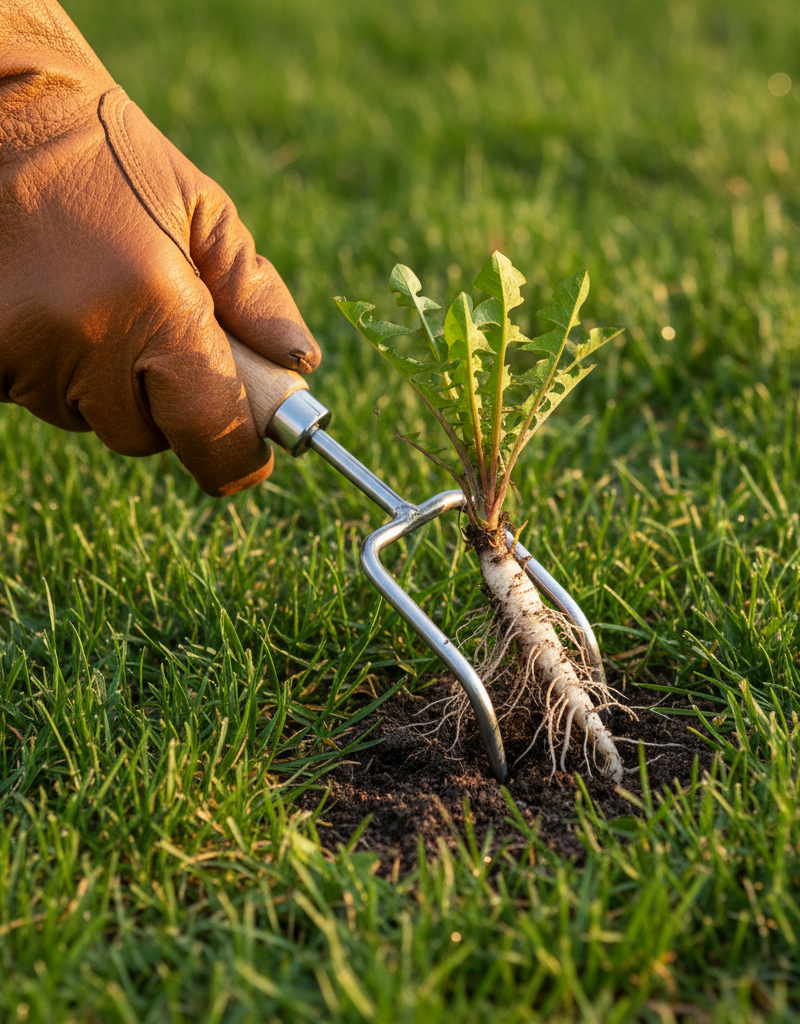
Dandelions (Taraxacum officinale) are perennial broadleaf weeds, meaning they return year after year from the same root system if not properly eradicated. They have a remarkable ability to adapt and survive. Their most defining feature is a long, fleshy taproot, which can extend 10-18 inches deep into the soil. This taproot acts as a reservoir for nutrients and water, making the plant incredibly resistant to drought and enabling it to regenerate even if the top growth is removed. If you break off a portion of the taproot when pulling, the plant can resprout from the remaining section.
During their growth cycle, dandelions emerge from seeds in early spring or late summer/early fall. They develop a rosette of leaves that lie flat against the ground, effectively shading out nearby grass and competing for resources. The iconic yellow flowers then appear, typically from early spring through summer, although they can bloom intermittently throughout the growing season. Each flower head quickly transforms into a puffball (seed head), releasing hundreds of parachuted seeds into the air, ready to colonize new areas, sometimes traveling for miles. This prolific seed production is a key factor in their rapid spread.
Effective control hinges on disrupting this life cycle at critical points. Targeting young plants before they establish deep taproots or produce seeds is crucial. Understanding that dandelions thrive in weak turf also points to improving lawn health as a primary defense. A dense, healthy lawn naturally crowds out weeds by denying them sunlight, water, and nutrients. When soil is compacted or nutrients are lacking, grass struggles, creating ideal conditions for dandelion invasion.
Step-by-Step Fix
1. Assess Your Lawn's Health — Understand why dandelions are thriving.
- Visually inspect your lawn for thin spots, bare patches, and areas of compacted soil. Dandelions are often indicators of these underlying issues.
- If your lawn is thin: Consider overseeding with a resilient grass variety suitable for your climate. A dense lawn is the best defense against weeds.
- If your soil is compacted: Aeration will be necessary. This often requires renting a core aerator or hiring a professional.
2. Manual Removal for Small Infestations — Pulling dandelions with prejudice.
- Tools: Dandelion weeder or a sturdy garden fork, gardening gloves.
- Timing: Best done after rain or thorough watering when the soil is soft, making it easier to extract the entire taproot.
- Technique: Insert the tool deep next to the dandelion, angling it to get under the taproot. Pry upward, ensuring you remove as much of the root as possible. Even small pieces of root can resprout.
- Safety: Wear gloves to protect your hands. Dispose of pulled dandelions in the trash, not compost, especially if they have gone to seed, to prevent further spread.
3. Strategic Herbicide Application — When to spray for maximum impact.
- Timing is everything: Apply selective broadleaf herbicides when dandelions are actively growing, typically in spring (when temperatures are consistently above 50°F) and especially in fall (September to early November, before the first hard frost). Fall applications are particularly effective because the dandelions are actively transporting nutrients to their roots, carrying the herbicide with them for a more thorough kill.
- Product Type: Use a post-emergent selective broadleaf herbicide that targets dandelions but won't harm your grass. Look for active ingredients like 2,4-D, MCPP, or dicamba.
- Application: Follow product label instructions precisely. Apply on non-windy days to prevent drift onto desirable plants. Avoid mowing for 2-3 days before and after application to allow the herbicide to be absorbed.
- Safety: Always wear appropriate personal protective equipment (gloves, eye protection, long sleeves) as directed by the product label. Keep pets and children off treated areas until dry.
4. Pre-Emergent Application — Preventing future generations.
- Timing: Apply a pre-emergent herbicide in early spring before soil temperatures consistently reach 50-55°F. This creates a barrier that prevents dandelion seeds from germinating.
- Product Type: Look for products containing prodiamine, pendimethalin, or dithiopyr. These are typically granular and applied with a spreader.
- Note: Pre-emergents prevent all seeds from germinating, including grass seed. Do not apply if you plan to overseed in the same season.
5. Improve Soil Health with Aeration and Topdressing — Building a better foundation for grass.
- Aeration: Reduces soil compaction, allowing water, nutrients, and air to reach grass roots more effectively. Do this in fall or early spring when grass is actively growing. Rent a core aerator or hire a professional if your lawn is large or severely compacted.
- Topdressing: After aeration, apply a thin layer (1/4 to 1/2 inch) of compost or a soil-builder mixture. This improves soil structure, adds organic matter, and provides a healthier environment for grass roots.
6. Proper Mowing Techniques — Choking out weeds naturally.
- Mow high: Set your mower deck to its highest setting (typically 2.5-3 inches for most cool-season grasses, 3-4 inches for warm-season). Taller grass shades the soil, keeping it cooler and inhibiting weed seed germination.
- Mow frequently: Don't let your grass get too long between mows. Removing no more than one-third of the grass blade length per mowing encourages healthier growth.
7. Consistent and Deep Watering — Encouraging strong root development.
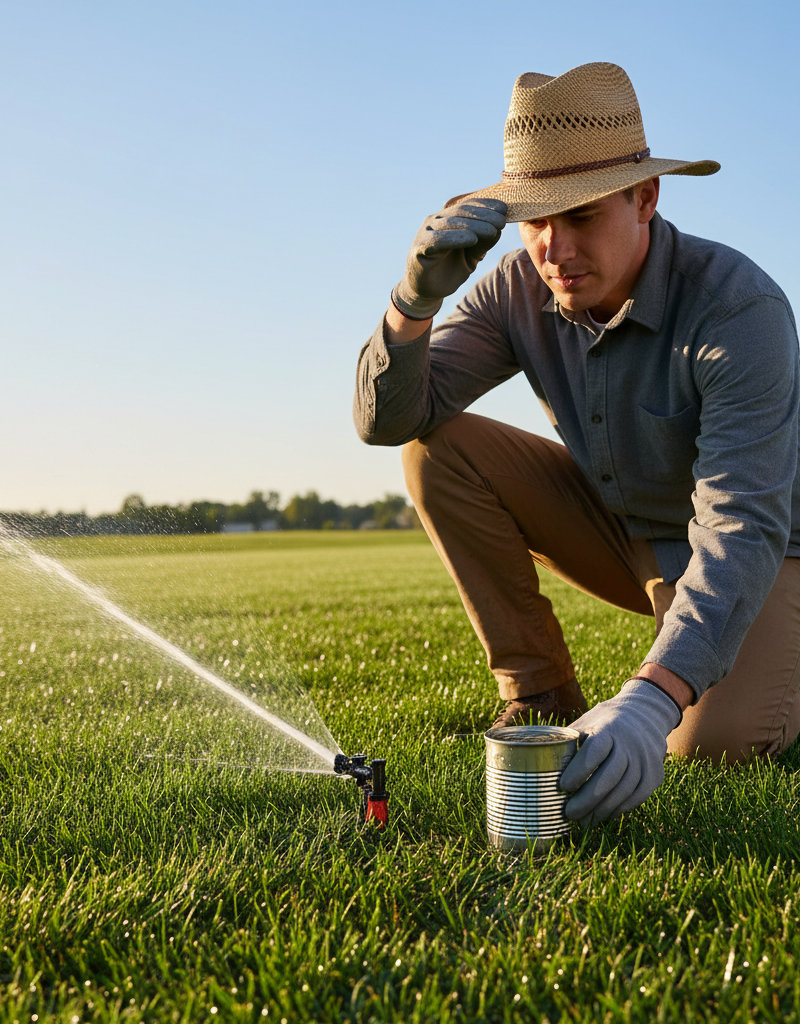
- Water deeply and infrequently: Aim for 1 inch of water per week, either from rain or irrigation. Apply water slowly to allow it to penetrate the soil deeply, encouraging grass roots to grow deep and making your lawn more drought-tolerant.
- Avoid shallow, frequent watering: This promotes shallow grass roots, making the lawn weaker and more susceptible to weeds and stress.
8. Fertilization for Turf Density — Feeding your grass, starving the weeds.
- Proper schedule: Follow a consistent fertilization schedule based on your grass type and soil test results. Typically, this means applications in early spring, late spring, late summer, and fall.
- Slow-release nitrogen: Use fertilizers with slow-release nitrogen to provide a steady supply of nutrients, promoting dense, healthy grass growth that crowds out dandelions. A soil test will confirm any nutrient deficiencies.
Common Causes
- Thin or Sparse Turf: When grass is weak or thin, dandelions have an open invitation to colonize bare patches. They face less competition for light and nutrients.
- Compacted Soil: Dandelions thrive in compacted soil where grass struggles to establish deep roots. Their strong taproots can easily penetrate dense soil.
- Improper Mowing Height: Mowing your lawn too short stresses the grass and allows more sunlight to reach the soil, encouraging dormant weed seeds, including dandelions, to germinate.
- Inconsistent or Shallow Watering: Shallow watering encourages shallow grass roots, making the lawn less resilient. Deep-rooted dandelions cope better with surface dryness.
- Poor Soil Fertility: Lacking essential nutrients, grass grows weakly, creating opportunities for weeds. Dandelions are less demanding about nutrient levels.
- Skipping Pre-Emergent Herbicides: Failing to apply pre-emergent herbicides allows new dandelion seeds to germinate and establish themselves in your lawn each season.
- Allowing Dandelions to Go to Seed: Each dandelion puffball can release hundreds of seeds, which are then carried by wind, ensuring the continuous spread of the weed across your lawn and your neighbors'.
Common Mistakes
- Pulling Only the Top Growth: If you pull a dandelion and leave part of the taproot in the ground, it will almost certainly regrow, often stronger than before. Always aim to get the entire root.
- Mowing Too Short: This is a classic mistake. Short grass is weak grass. It allows sunlight to reach the soil, promoting weed seed germination and drying out the soil faster.
- Applying Herbicides Incorrectly: Using the wrong type of herbicide, applying it at the wrong time (e.g., when dandelions are stressed or dormant), or failing to follow label instructions can lead to ineffective results or damage to your grass.
- Neglecting Overall Lawn Health: Focusing solely on killing weeds without improving soil health, grass density, or watering practices is a losing battle. The underlying conditions will continue to favor dandelions.
- Composting Dandelions with Seeds: If dandelions have gone to seed (turned into puffballs), adding them to your compost pile can spread thousands of seeds throughout your garden when you eventually use the compost.
- Watering Too Frequently and Shallowly: This keeps the topsoil moist, perfect for shallow-rooted weeds, but discourages the deep root growth your grass needs to be strong and competitive.
Cost & Time Breakdown
| Task | DIY Cost | Pro Cost | Time |
|---|---|---|---|
| Manual Weeding | $0–$25 | N/A | 1–3 hours |
| Spot Herbicide | $10–$30 | N/A | 15–30 mins |
| Broadcast Herbicide | $20–$50 | $75–$150 per application | 1–2 hours |
| Pre-Emergent Application | $20–$50 | $75–$150 per application | 1–2 hours |
| Aeration (Rental) | $80–$150 | $150–$300 | 2–4 hours |
| Topdressing (Materials) | $50–$100 | N/A | 1–2 hours |
| Soil Test | $20–$50 | N/A | 10 mins |
| Fertilizer (Annual) | $50–$150 | N/A | 1–2 hours |
Tips & Prevention
- Mow High, Always: Keep your mower on the highest setting. Taller grass shades out weed seeds, preventing germination, and promotes deeper, healthier grass roots.
- Water Deeply and Infrequently: This encourages a robust, deep root system for your grass, making it more resilient and better able to compete with weeds.
- Know Your Soil: Perform a soil test every 2-3 years. This will tell you if your soil has nutrient deficiencies or pH imbalances that could be weakening your lawn and favoring dandelions.
- Fertilize Strategically: Feed your lawn with the right nutrients at the right time (typically early spring, late spring, late summer, and fall) to promote dense, healthy turf that naturally crowds out weeds.
- Overseed Annually: Especially in cooler climates, overseeding thin areas of your lawn each fall can dramatically increase turf density, creating a stronger barrier against weed invasion.
- Don't Let Them Go to Seed: If you see dandelions flowering, pull them or spray them before they turn into fluffy white seed heads. Each seed head can produce hundreds of new dandelions.
- Clean Equipment: If you're using a professional lawn service or sharing equipment, ensure mowers and other tools are clean to avoid spreading dandelion seeds from one yard to another.
When to Call a Professional
While treating dandelions is largely a DIY task, there are specific situations where calling a professional lawn care service or arborist is highly recommended. If your lawn is severely infested with dandelions across a large area, and manual removal or spot treatments are impractical, a professional can apply broadcast herbicides more effectively and safely. Additionally, if your lawn suffers from widespread compaction, a professional service can provide core aeration more efficiently than a homeowner renting equipment. For persistent problems that don't respond to diligent DIY efforts, a professional can offer a soil analysis and a customized, integrated pest management plan that addresses underlying issues, ensuring long-term dandelion control without damaging your desirable turf. They can also advise on proper grass varieties for your specific climate and soil conditions, setting your lawn up for success from the ground up rather than just treating symptoms.
Related Articles
Keep troubleshooting with these hand-picked guides from FixlyGuide:
- The #1 Mistake Killing Your Lawn's Clover—and the Easy fix That Spares Your Grass — Discover the most common mistake homeowners make when trying to eliminate clover, and learn how to remove it effectively without harming yo…
- The Eternal Weed Battle: Why They Always Come Back (And How to Actually Win) — Stop the cycle of endless weeding by understanding why weeds persist and how to implement long-term control strategies.
- The #1 Mistake Homeowners Make When Fighting Dandelions (And The Weeds Still Win) — Learn the surprising reason dandelions continue to plague your lawn and the effective, long-term strategies to reclaim your turf without en…
- The #1 Mistake Killing Your Lawn's Crabgrass Defense (And the Easy Fix) — Discover why common crabgrass removal methods fail and how to naturally eliminate this stubborn weed for a healthier lawn.
- The #1 Crabgrass Mistake Killing Your Lawn (And 3 Natural Fixes) — Discover how common crabgrass removal mistakes undermine your lawn's health and learn three natural, effective methods to eradicate crabgra…
- The #1 Mistake Homeowners Make When Their AC Drain Clogs (And The $5 Fix) — Discover the most common error homeowners make when tackling a clogged AC drain line and learn a simple, inexpensive solution to prevent co…
Should you do this yourself?
Answer five quick questions before you start. Safety outranks savings every time.
Your experience with work like this
How high do you have to work?
Does the job involve any of these?
Will it need a permit?
Specialty tools
Free and instant. Educational guidance only — not a quote, inspection, or professional diagnosis.
What should this project cost?
Enter your project details for a realistic cost range before you call anyone.
Cost depends heavily on which system turns out to be the source.
- Regional adjustment
- National average
- Labor share (typical)
- ~$1,620
- Quotes to collect
- 3 written estimates
Educational estimate based on national averages — not a binding quote. Always confirm with written local estimates.
Before you start
Check the difficulty, permits, and safety risk — then decide whether to call a pro.
- Estimate this projectGet a cost range for your scope and ZIP before you call anyone.Open
- Get local estimatesSend one request and compare written estimates from vetted pros.Open
Free, no signup required. Estimates are educational guidance, not a quote or an inspection.
Frequently asked questions
What is the best way to permanently get rid of dandelions?+
Permanent dandelion removal requires a combination of strategies: manual removal of young plants, timely application of pre-emergent herbicides in spring, post-emergent selective broadleaf herbicides in fall, and most importantly, improving overall lawn health through proper mowing, watering, aeration, and fertilization to create a dense turf that naturally crowds out weeds.
When is the best time to spray dandelions?+
The most effective times to spray dandelions with a post-emergent selective broadleaf herbicide are in the spring when they are actively growing (and temperatures are consistently above 50°F) and especially in the fall (September to early November) before the first hard frost. Fall applications are particularly effective because the plants are drawing nutrients to their roots, carrying the herbicide with them for a more thorough kill.
Will pulling dandelions make them worse?+
Pulling dandelions incorrectly can make the problem worse. If you leave even a small piece of the deep taproot in the ground, the dandelion can resprout. Always ensure you extract the entire taproot, especially when the soil is moist, to prevent regrowth. For large infestations, manual pulling alone is not a sustainable solution.
How can I stop dandelions from spreading in my yard?+
To stop dandelions from spreading, prevent them from going to seed by pulling or treating them before the yellow flowers turn into white puffballs. Use a pre-emergent herbicide in early spring to prevent new seeds from germinating. Also, maintain a dense, healthy lawn through proper mowing, watering, and fertilization, as this naturally crowds out weed seeds and new dandelion growth.

Discussion
Loading comments…